
Tracheal collapse is a condition that can affect dogs, often characterized by a weakening of the tracheal rings which leads to a narrowing of the windpipe. This health issue can cause considerable distress for your pet, leading to symptoms such as a honking cough, difficulty breathing, or gagging noises, particularly when your dog is excited or exercising. It’s a condition more commonly seen in small and toy breed dogs. Knowing the best sleeping position for a dog with a collapsed trachea is vital, as a proper resting posture can help in minimizing the discomfort and ensuring a better quality of sleep.

The choice of sleeping position can significantly impact the breathing patterns of a dog with tracheal collapse. Elevated positioning might help to ease the breathing during rest, as it prevents the trachea from flattening further, which occurs more readily when a dog is lying flat on its side or stomach. Additionally, providing a comfortable, supportive bed can help maintain the neck and spine in a neutral position, alleviating unnecessary pressure on the windpipe.
Key Takeaways
- Elevated sleep positions can aid in easier breathing for dogs with tracheal collapse.
- Supportive bedding can minimize pressure on the windpipe and maintain neck neutrality.
- Small and toy breed dogs are more commonly affected by tracheal collapse.
Understanding Tracheal Collapse

When addressing tracheal collapse in dogs, it’s essential to comprehend the structure affected and the factors that cause this condition. Small breeds are particularly prone to this issue.
Anatomical Overview
Your dog’s trachea, commonly known as the windpipe, comprises several c-shaped cartilage rings. These rings provide structure, keeping the trachea open for unobstructed breathing. In cases of tracheal collapse, these rings lose rigidity and can no longer maintain their shape, leading to a narrowed or obstructed windpipe which can cause breathing difficulties.
Causative Factors
Tracheal collapse is often a congenital condition, meaning it can be present at birth due to genetic factors. Over time, the cartilage rings may degrade due to wear or chronic respiratory conditions, which exacerbates the collapse. Excessive pressure from collars or leashes can further damage the tracheal rings.
Breed-Specific Prevalence
Certain small breeds are more susceptible to tracheal collapse. This condition is prevalent in:
- Pomeranians
- Yorkshire Terriers
- Chihuahuas
- Toy Poodles
- Shih Tzus
- Lhasa Apsos
These breeds have a genetic predisposition that affects the development and strength of the tracheal cartilage rings.
Symptoms and Diagnosis

When your dog presents with respiratory issues, it is critical to observe symptoms accurately and pursue thorough diagnostic measures to confirm if they are suffering from a collapsed trachea.
Identifying Clinical Symptoms
Your dog may exhibit a variety of signs that could indicate a collapsed trachea. The most common clinical symptoms include:
- Coughing: Often described as a “goose honk” cough, it is typically persistent and can be exacerbated by excitement or exercise.
- Difficulty Breathing: You might notice increased effort in breathing or a wheezing sound, especially when your dog is inhaling.
- Respiratory Distress: In more severe cases, the struggle to breathe becomes evident, with your dog potentially standing with elbows pointed outward and neck extended.
- Cyanosis: This signifies a critical situation where the gums or tongue exhibit a blue or purple tinge, indicating a lack of oxygen.
Remember, these symptoms are not exclusive to a collapsed trachea and can be indicative of other respiratory conditions.
Diagnostic Procedures
For a definitive diagnosis, the following tests are commonly utilized:
- X-Rays: Radiographs of the neck and chest can help visualize the trachea and determine the extent of the collapse.
- Fluoroscopy: A moving X-ray which allows observation of the trachea while your dog is breathing, can be especially helpful to assess the tracheal function in real-time.
These diagnostic tools will assist your veterinarian in making an accurate diagnosis, determining the severity of the condition, and guiding the course of treatment. Always consult your vet if you suspect your dog might have a collapsed trachea.
Medical Management Strategies
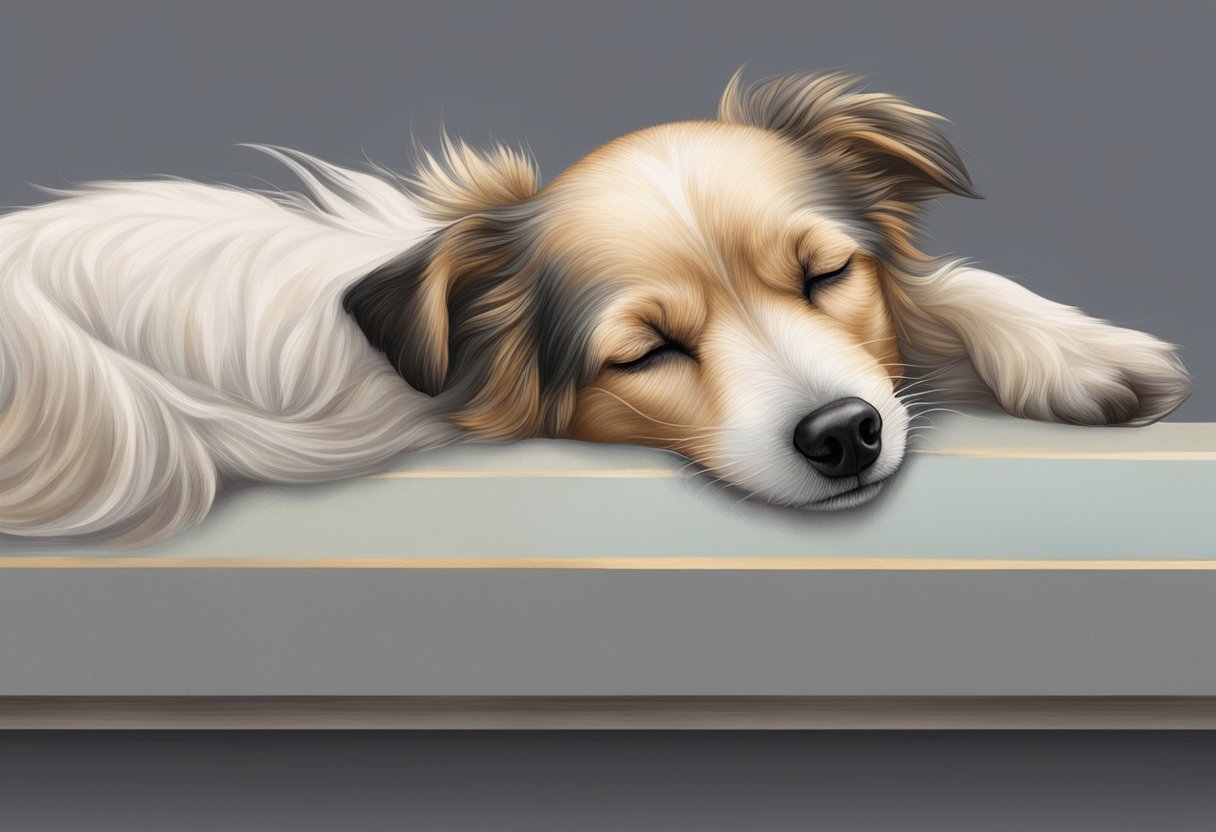
When dealing with a dog with a collapsed trachea, it’s important to understand that medical management strategies are essential to improving your dog’s quality of life and reducing symptoms.
Treatment Options
The first step in medical management is to discuss various treatment options with your veterinarian. Depending on the severity of the tracheal collapse, conservative management such as weight loss and avoiding neck leashes may be recommended. In more severe cases, however, more intensive interventions may be necessary:
- Weight Management: Ensuring your dog maintains a healthy weight can alleviate respiratory distress.
- Harnesses: Swap out neck collars for harnesses to reduce the pressure on your dog’s trachea.
- Surgery: In severe instances, surgery may be recommended to stabilize the trachea and improve airflow.
Medications and Therapies
Your veterinarian may prescribe a combination of medications and therapies to manage symptoms and improve your dog’s condition:
| Medication Type | Purpose |
|---|---|
| Cough Suppressants | Reduce the frequency and intensity of coughing. |
| Steroids | Decrease inflammation within the trachea. |
| Bronchodilators | Widen the air passages and facilitate easier breathing. |
| Antibiotics | Treat secondary infections if present. |
| Corticosteroids | Manage inflammation and support respiratory function. |
| Sedatives | Calm your dog to reduce coughing caused by anxiety. |
Oxygen therapy may be advised for dogs that are experiencing severe difficulties with breathing. This treatment helps to ensure that your dog’s tissues are receiving adequate oxygen, which can be crucial during episodes of distress.
Remember that administering any medication should be under the directive of a veterinarian. Regular check-ups are essential to monitor your dog’s condition and adjust treatment plans as necessary.
Lifestyle and Home Care Recommendations
Caring for a dog with a collapsed trachea requires careful attention to their sleeping environment and daily living conditions to minimize discomfort and respiratory distress. Below, you’ll find targeted strategies for optimizing your dog’s rest and home life.
Optimal Sleeping Arrangements
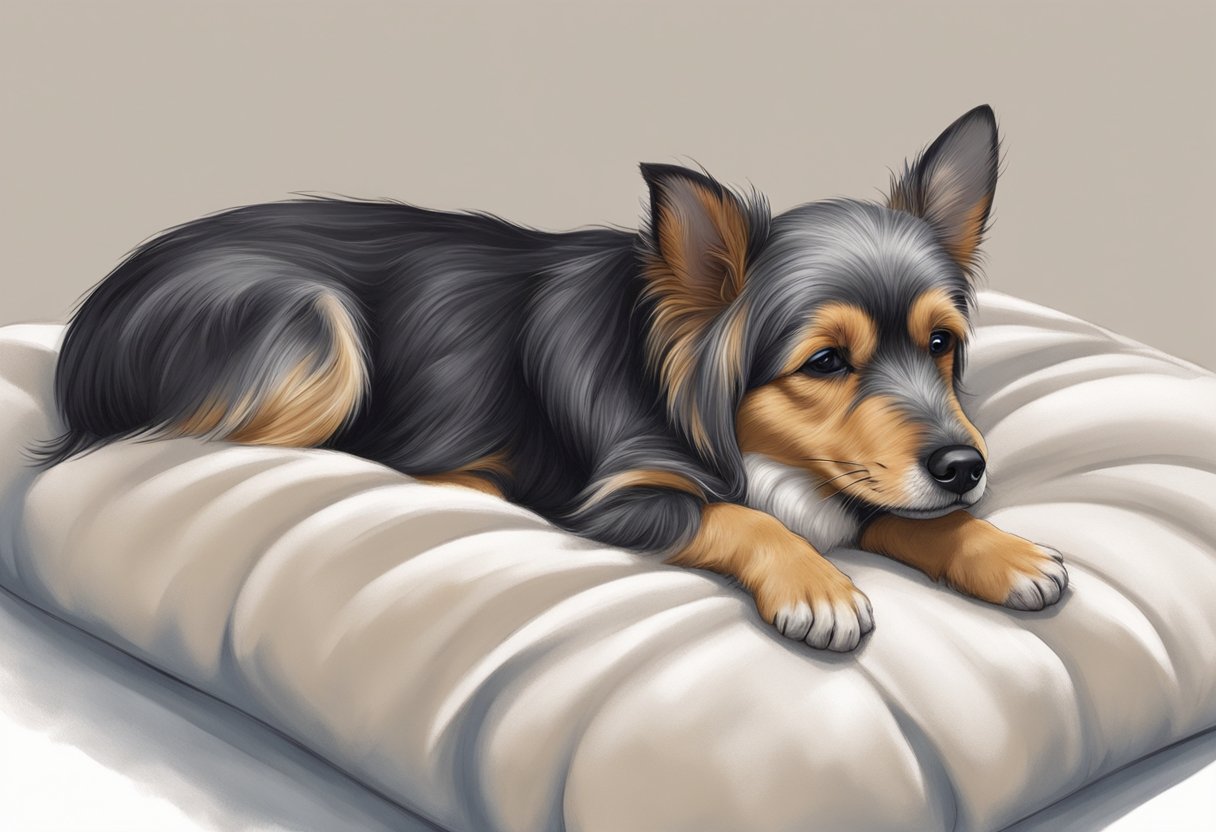
When considering sleeping positions, it’s crucial to keep your dog’s neck and airways as straight as possible. Use a well-padded bed with raised edges for support and elevation. A bed shaped to allow your dog to sleep with the head slightly elevated can help ease breathing. Employing a harness instead of a neck collar is vital, as this reduces pressure on your dog’s trachea. Fasten the harness well before sleep to limit the risk of it getting caught and causing strain during rest.
Weight management plays an essential role; if your dog is overweight, work towards weight loss with a diet plan and regular, gentle exercise to alleviate extra pressure on the trachea. Engage in these activities well before bedtime to avoid excitement or stress that could elevate breathing difficulty.
Environmental Modifications
Create an environment that reduces potential trachea irritations for your dog. Maintaining a good level of humidity in your home can soothe and reduce irritation in your dog’s airways. Use a humidifier if necessary, especially in dry climates or seasons, to achieve this.
Ensure the air is clean to minimize contact with airway irritants and allergens. Regularly clean your home and consider air purifiers to remove dust and other particles. Avoid smoking or using strong chemicals around your dog.
A calm atmosphere can help mitigate anxiety and stress, which can exacerbate breathing problems. Establish a regular routine, including quiet time before bed, to promote relaxation.
While natural remedies can be helpful, always consult with your veterinarian before incorporating any into your dog’s care routine to ensure they are safe and appropriate for your dog’s specific health needs.
Surgical Interventions and Outcomes
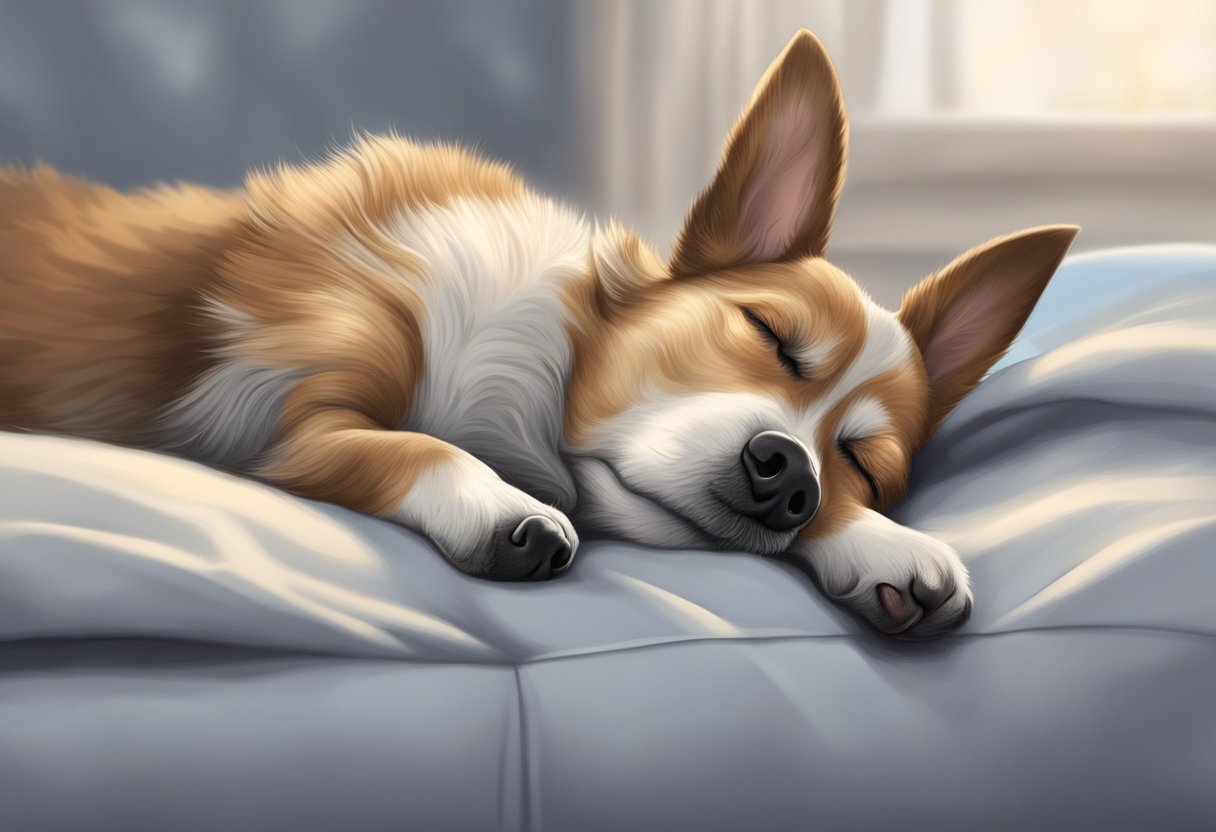
When your dog is diagnosed with a collapsing trachea, surgery may be a viable option to consider. This section focuses on the surgical interventions available and the outcomes you might expect following the procedures.
Considerations for Surgery
When deciding on surgery for a collapsed trachea, it is critical to consult with a board-certified veterinary surgeon. They will evaluate whether your dog is a suitable candidate for a surgical intervention, such as the placement of a stent. A stent is a tube-like device inserted into the trachea to keep it open and allow your dog to breathe more easily. However, not all dogs are good candidates for this procedure, as factors like age, overall health, and severity of the tracheal collapse play a significant role.
Choosing surgery requires understanding the potential complications. Risks include, but are not limited to, movement of the stent, infection, and the possibility of anesthesia-related issues. It’s important to weigh these risks against the potential benefits of the surgical outcome.
Post-Surgical Care
Post-operative care is crucial for ensuring the best possible outcome after surgery for a collapsed trachea. Immediately following the procedure, your dog will require close veterinary attention to monitor their recovery. During this time, you may observe:
- Coughing
- Difficulty breathing
- Reluctance to eat or drink
It’s essential to follow all veterinary instructions regarding activity restrictions, medication administration, and follow-up appointments. Complications can arise post-surgery, such as granulation tissue formation around the stent or stent fracture, necessitating prompt medical intervention, which may involve another surgery or different treatments.
Proper care at home is also vital. You’ll need to ensure that your dog remains calm and avoid activities that could put pressure on the trachea, such as pulling on the leash. Regular check-ups with the vet to monitor the stent position and any signs of complications are an integral part of the recovery process.
Frequently Asked Questions

In this section, you will find specific advice on managing your dog’s collapsed trachea symptoms, particularly focusing on nighttime comfort, diet, and recent medical advances.
What are effective methods to manage nighttime symptoms of a dog’s collapsed trachea?
To minimize nighttime symptoms of a collapsed trachea, ensure your dog sleeps in an elevated position, such as on an orthopedic foam bed that supports the neck and back. Utilizing a humidifier in the room can also help by keeping the air moist, which may soothe your dog’s airways.
How can a proper diet alleviate the symptoms of tracheal collapse in dogs?
A proper diet for a dog with collapsed trachea should aim to maintain a healthy weight, as obesity can exacerbate breathing difficulties. Low-fat and high-fiber foods may help achieve this balance, as well as smaller, more frequent meals to prevent the trachea from getting compressed by a full stomach.
Are certain foods recommended to support a dog with a collapsed trachea?
Yes, foods that are low in sodium can help reduce coughing caused by fluid buildup. Additionally, soft, easy-to-swallow foods can be beneficial as they are less likely to irritate the trachea and trigger a coughing episode.
What is the role of cough suppressants in the treatment of canine tracheal collapse?
Cough suppressants can be an effective component of a treatment plan for canine tracheal collapse as they can provide temporary relief from frequent coughing. However, they should be used under direct veterinary supervision to ensure they do not mask underlying issues.
How can oxygen therapy benefit a dog with a collapsed trachea?
Oxygen therapy can be incredibly beneficial for dogs with severe tracheal collapse, as it ensures that they receive adequate oxygen, especially if they are experiencing a crisis. Portable oxygen concentrators or oxygen cages can be used at home under veterinary guidance.
What advancements have been made in medical treatments for dogs with tracheal collapse?
Recent medical advancements include minimally invasive procedures, such as tracheal stent placement, which can significantly improve airway patency. Research is ongoing, and new medications and surgical techniques continue to be developed to better manage this condition.