
When your canine companion suffers from diarrhea, it can be a distressing time for both you and your pet. Understanding how to manage and alleviate this common issue at home can help your dog recover more comfortably and potentially save you a visit to the vet. Diarrhea in dogs can be caused by various factors including dietary indiscretion, infections, or stress. Before trying home remedies, it’s important to assess the severity of your dog’s condition, as persistent or severe diarrhea may require veterinary attention.
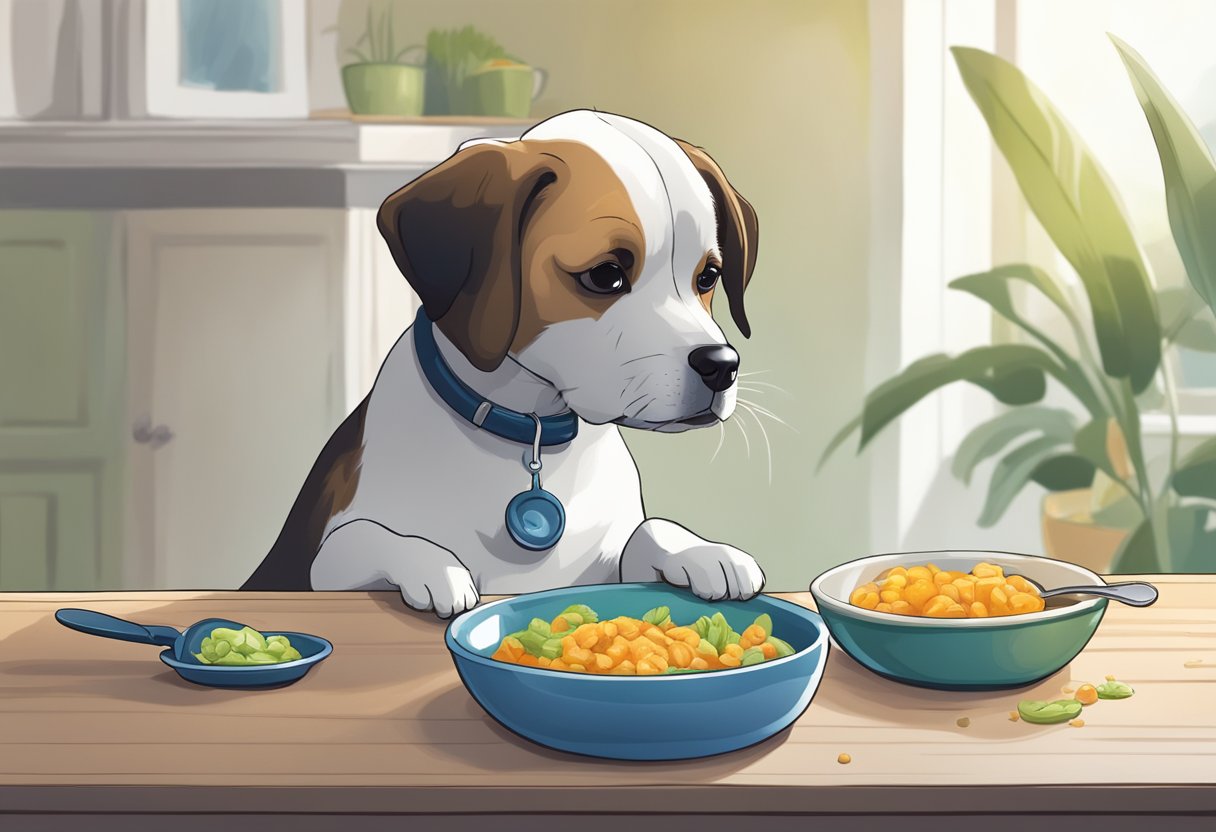
Dietary management is often the first step in treating mild cases of diarrhea. Implementing a temporary fast followed by the introduction of bland, easy-to-digest foods can allow your dog’s digestive system to rest and recover. Home remedies like plain pumpkin, boiled rice, and skinless chicken can be beneficial. Additionally, the use of probiotics and supplements formulated for dogs may support gastrointestinal health and aid in preventing future episodes. Always ensure any treatments or dietary changes are safe for your particular dog, as every pet has their own unique needs and sensitivities.
Key Takeaways
- Treating your dog at home includes dietary management to let the digestive system recuperate.
- Safe, mild foods and specific supplements can help in easing diarrhea symptoms.
- Preventing future issues involves understanding causes and applying appropriate remedies.
Understanding Dog Diarrhea
Before diving into remedies, it’s crucial to understand what may lead to diarrhea in your dog so you can address the issue effectively and recognize when veterinary help is needed.
Common Causes of Diarrhea in Dogs
Various factors can disrupt your dog’s digestive system, leading to diarrhea. Here’s a list of common causes:
- Dietary indiscretion: Eating inappropriate food or garbage
- Infections: Bacterial, viral, or parasitic infections
- Chronic diseases: Such as inflammatory bowel disease
- Medications: Antibiotics can sometimes lead to digestive upset
- Stress: Can be a result of changes in environment or routine
When to See the Veterinarian
If your dog is experiencing diarrhea, monitor for these signs to determine if it’s time to call your vet:
- Duration: Diarrhea lasting more than 48 hours
- Lethargy: Unusual tiredness or lack of energy
- Fever: A higher-than-normal body temperature
- Dehydration: Signs like dry gums and increase in thirst
- Blood in stool: Indicates internal issues that need addressing
Always remember that persistent diarrhea is not only uncomfortable for your dog but could also be a symptom of a more serious health issue. It’s important to consult with your vet to ensure proper care and treatment.
Dietary Management and Remedies
When your dog experiences diarrhea, it’s important to evaluate their diet and consider home remedies that could provide relief. Proper dietary management can help alleviate symptoms and speed up recovery.
Evaluating Your Dog’s Diet
Begin by assessing your dog’s current diet for any recent changes that might have upset their stomach. Dietary indiscretion, like eating something they shouldn’t have, is a common cause of diarrhea. If you have recently changed their regular dog food, this could also be a factor. Discontinuing the new food and returning to the original food can help determine if the change in diet is the cause of the issue.
Beneficial Foods for Diarrhea
Some specific foods can help firm up your dog’s stool and ease their digestive upset:
- Pumpkin: High in fiber, canned pure pumpkin (not pumpkin pie filling) can help bulk up your dog’s stool. A small amount goes a long way, so start with a teaspoon for small dogs or a tablespoon for larger breeds.
- Cooked White Rice and Plain Chicken: A bland diet of boiled chicken and white rice is easy on the stomach and can provide the necessary nutrients without causing additional distress.
- Probiotic Supplements: These can aid in restoring gut flora. Look for products specifically formulated for dogs.
Foods to Avoid
It’s crucial to know which foods to steer clear of when your dog has diarrhea:
- Fatty Foods: Avoid any greasy or fatty foods as they can worsen diarrhea.
- Dairy Products: Many dogs have lactose intolerance, and dairy can exacerbate gastrointestinal upset.
- Spicy Foods and Additives: These can irritate your dog’s digestive system. Stick to a simple diet until their digestion has returned to normal.
Offer small, frequent meals instead of large ones to make it easier on your dog’s digestive system. Always ensure fresh water is available to prevent dehydration. If the diarrhea persists or is accompanied by additional worrying symptoms, consult your veterinarian as it could indicate a more serious condition.
Probiotics and Supplements
When your dog has diarrhea, maintaining a healthy gut flora is essential. Probiotics are beneficial bacteria that can support your dog’s digestive system, aiding in the restoration of balance. Generally safe and well-tolerated, probiotics can potentially decrease the duration and intensity of diarrhea in dogs.
Introducing Probiotics
- Opt for Quality: Choose high-quality probiotic supplements specifically designed for dogs.
- Dosage Matters: Follow the product’s dosage recommendations based on your dog’s size.
- Consistency is Key: Regular supplementation can lead to longer-lasting gut health benefits.
How Probiotics Help
- Restore Balance: Probiotics add beneficial bacteria to the gut, helping to stabilize the digestive environment.
- Immune Boost: A healthy gut supports your dog’s immune system, enabling better response to gastrointestinal upsets.
Supplement Choices
- Fortified Foods: Some dog foods include probiotics—look for those with “live and active cultures” on the label.
- Capsules/Powders: These can be mixed into your dog’s food for convenience.
Remember, while probiotics can be helpful, they’re not a cure-all. If your dog’s diarrhea persists or is severe, especially in puppies or older dogs, you should consult your vet promptly.
Natural Remedies and At-home Treatments
When your dog is dealing with diarrhea, quick and gentle care is crucial. The following natural remedies and hydration solutions can be used at home to help manage your dog’s discomfort.
Herbal Remedies
Slippery Elm: Slippery elm bark contains mucilage, which coats and soothes the intestinal tract. It also has antioxidants that may help alleviate intestinal inflammation. A small dose of slippery elm powder can be mixed with water to create a slurry that your dog can ingest.
Pumpkin: Plain, canned pumpkin is high in fiber, which can help to firm up your dog’s stool. Add a tablespoon of pumpkin to your dog’s food to aid in digestion. Remember, it should be plain pumpkin, not pumpkin pie filling.
Hydration Solutions
Broth: Chicken or beef broth can encourage your dog to drink more and stay hydrated. Ensure the broth is low in sodium and free from onions or garlic.
Water: Ensure your dog has continuous access to clean water. Dehydration is a concern with diarrhea, so keep an eye on water intake.
Rice Water: Boiled white rice water is starchy and can help to settle your dog’s stomach. Serve the water once it’s cooled down after boiling rice.
*Please consult with your veterinarian before trying new remedies, especially if symptoms persist.
Preventing Future Episodes
To ensure your dog’s gastrointestinal health and to minimize the recurrence of diarrhea, focusing on diet and veterinary care is crucial. Here’s how you can help your furry friend stay healthy and comfortable.
Dietary Precautions
Your dog’s diet plays a pivotal role in maintaining a healthy digestive system. It’s important to:
- Avoid sudden dietary changes: Introduce new foods gradually over several days to prevent upsetting your dog’s stomach.
- Monitor for food allergies or sensitivities: Keep an eye out for signs of allergic reactions and consult with your vet if you suspect an issue.
- Stay vigilant against non-food items: Dogs can ingest harmful substances, which may include poisonous items, contributing to abdominal pain and diarrhea. Ensure your home is safe and monitor your dog during walks.
- Choose high-quality dog food: This reduces the risk of infections from contaminants often found in lower-quality products.
Remember, consistency is key to a healthy gut.
Regular Veterinary Care
Regular check-ups with a veterinarian can help prevent diarrhea by:
- Detecting parasites: Routine tests can identify and treat parasites that affect your dog’s stomach and large intestine.
- Prompt treatment of infections: If your dog experiences frequent bouts of diarrhea, it might be a sign of an underlying infection that requires medical attention.
By staying on top of your dog’s health with these proactive steps, you give them the best chance at avoiding discomfort and disease, keeping their tails wagging happily.
Frequently Asked Questions
These questions address common concerns regarding home remedies for your dog’s diarrhea and when to seek veterinary care.
What home remedies can help soothe my dog’s watery brown diarrhea?
If your dog is experiencing watery brown diarrhea, a 12-hour fast may help to rest their digestive system. Following the fast, offering a bland diet of boiled rice and chicken in small amounts can help firm up their stool.
How can I tell if my dog’s diarrhea is serious enough to require emergency attention?
Emergency attention is needed if the diarrhea is accompanied by lethargy, vomiting, fever, or if your dog is showing signs of dehydration such as dry gums and sunken eyes. Also, if diarrhea persists for more than 24 hours, it’s best to consult your vet.
Are there any safe home treatments for a dog with diarrhea that contains blood?
Diarrhea with blood can indicate a serious condition and home remedies are not recommended. It’s crucial to see your vet immediately if you notice blood in your dog’s stool.
Can pumpkin be used as a home remedy for a dog’s diarrhea, and how should I prepare it?
Yes, pure cooked pumpkin (not pie filling) can be a good home remedy. It’s high in fiber, which can help firm up your dog’s stool. Add one to two tablespoons of pure canned pumpkin to your dog’s regular food.
My senior dog has diarrhea; what gentle remedies can I use to help them?
For senior dogs, ensure they stay hydrated and offer a bland diet like boiled chicken and rice. Smaller, more frequent meals can also be easier on their digestive system.
What over-the-counter medication is appropriate to give to a dog experiencing frequent diarrhea?
Kaolin-pectin, known as Kaopectate®, can help to firm the stool. However, the correct dosage is crucial and varies depending on your dog’s size and condition, so it’s best to consult your vet before administering any medication.