
As dogs age, their physical and comfort needs change, necessitating a shift in the type of bedding they require. Older dogs often benefit from beds that provide additional support and relief from arthritis or other joint issues. Therefore, selecting the best dog bed for an aging canine companion is crucial. It involves understanding not only their health requirements but also their preferred sleeping patterns and the practicality of bed maintenance.

Different breeds and sizes of older dogs have varying needs, which means that what works for a small, light dog may not be suitable for a larger, heavier one. Orthopedic dog beds, with features like memory foam and egg-crate foam, offer tailored support and can help alleviate pressure on the joints. Beyond support, factors such as the bed’s material and its ability to stay clean and resist water are important for hygiene, especially if incontinence is an issue. Maintenance considerations are also key for ensuring the bed remains in good condition and continues to provide comfort over time.
Key Takeaways
- Proper support in bedding is essential for older dogs with joint issues.
- Bed material should be chosen for durability, cleanliness, and the specific needs of the dog.
- Maintenance of the bed is vital for long-term comfort and hygiene.
Understanding the Needs of Older Dogs
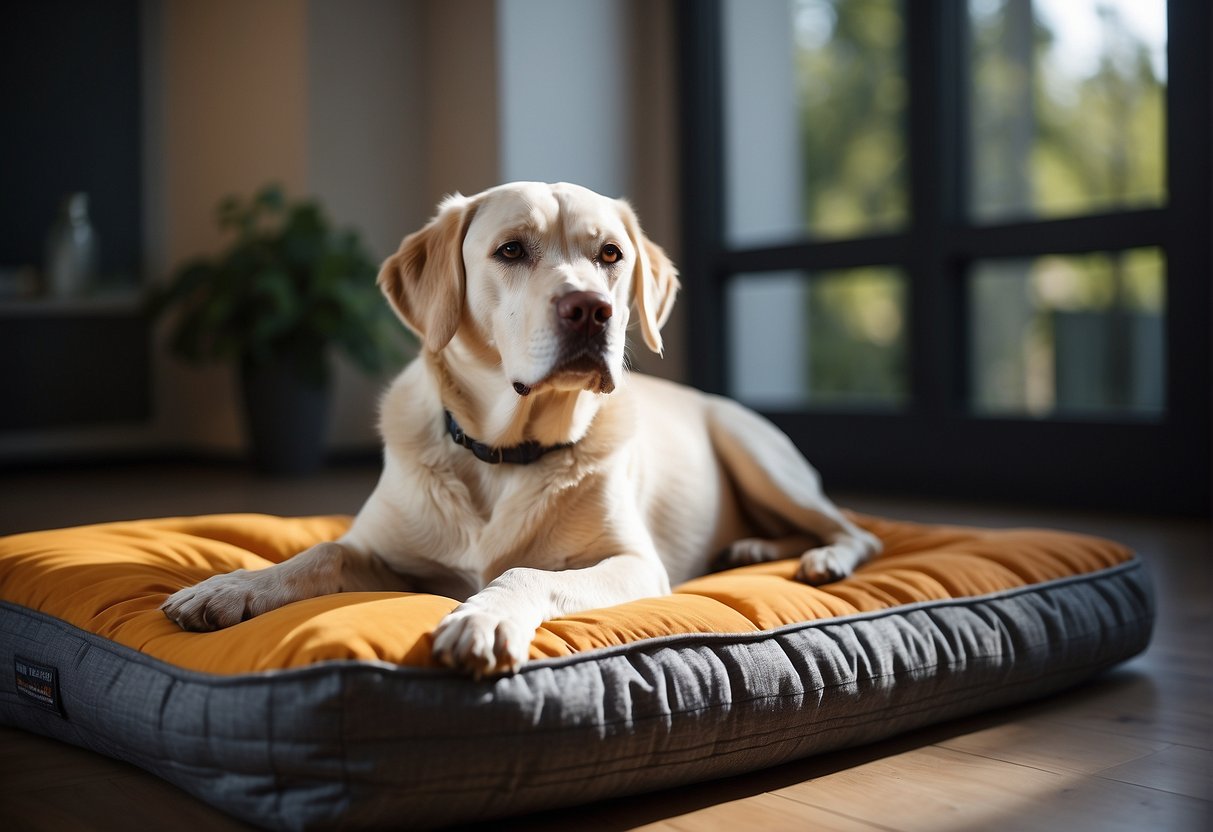
When it comes to the comfort of senior dogs, recognizing the age-related changes and common health issues is critical for selecting the right dog bed to enhance their sleep quality.
Age-Related Changes in Senior Dogs
As dogs age, their daily activity levels often decrease, and they spend more time resting. Senior dogs, specifically, may start to experience a decline in their physical capabilities:
- Mobility: The natural aging process can lead to reduced mobility. Dogs may have difficulty getting up from a lying position, climbing stairs, or jumping up to their favorite spot.
- Joint Health: Conditions such as arthritis and hip dysplasia become more common. These conditions lead to joint pain, stiffness, and discomfort which can significantly affect their ability to sleep well.
Common Health Concerns Affecting Sleep
Health concerns in older dogs often influence their sleeping patterns. Conditions such as arthritis not only cause pain but can also make it hard to find a comfortable position to sleep. Orthopedic beds with memory foam can alleviate these issues by providing:
- Joint Support: Beds designed for orthopedic support can relieve pressure on the joints and reduce pain.
- Comfort: Features like bolsters provide a place for dogs to rest their head and align their spine, which could help improve sleep quality.
By understanding these critical factors affecting senior dogs, caretakers can provide a bed that caters to their needs and promotes restful sleep.
Key Features of Dog Beds for Older Canines

When choosing dog beds for older dogs, one should focus on materials that provide support for aging joints, beds that are easy to maintain, and designs that ensure safety and effortless access.
Supportive Materials
For comfort and to help alleviate the pain of sore joints, older dogs benefit from beds crafted with orthopedic memory foam. This foam contours to a dog’s body, supporting the spine and joints, which is essential for senior canines dealing with arthritis or other age-related issues.
- Orthopedic Beds: Typically made with memory foam or a similar supportive material.
- Memory Foam: Conforms to a dog’s body, providing tailored support.
Ease of Maintenance
The ideal dog bed for an older canine is not only comfortable but also easy to clean. A washable cover that is removable and machine-wash friendly simplifies the cleaning process, important for older dogs who may experience incontinence.
- Removable Covers: For hassle-free washing.
- Durable Fabrics: To withstand frequent cleaning without losing integrity.
Safety and Accessibility
Dog beds for senior pets should have low profiles for easy entry and exit, reducing stress on their bodies. The addition of a non-slip base is essential to prevent the bed from sliding, ensuring the dog’s stability when laying down and getting up.
- Low Threshold: Allows dogs to step in and out without jumping.
- Non-Slip Base: Prevents the bed from moving and potentially causing injury.
Types of Orthopedic Dog Beds
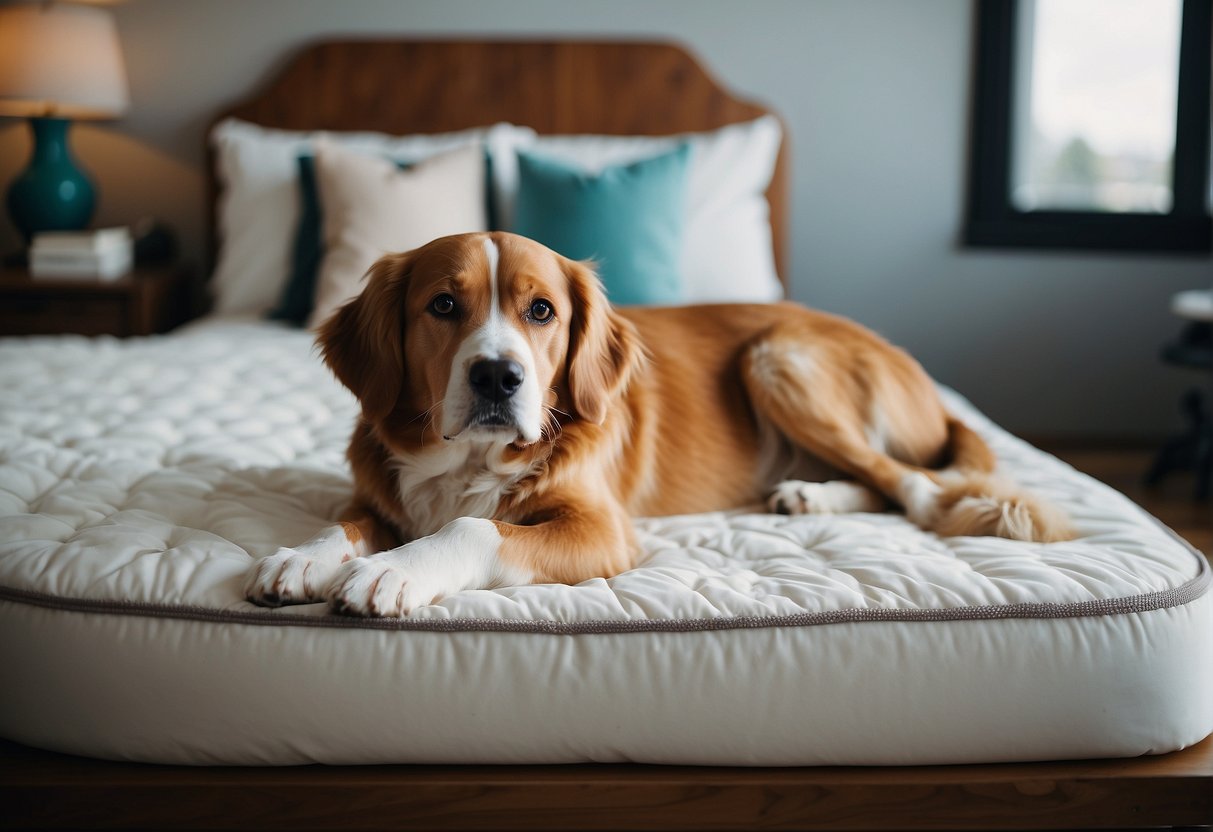
Orthopedic dog beds are designed with the comfort and support of older dogs in mind, often featuring specialized foams and supportive designs to alleviate joint pain and enhance sleep quality.
Memory Foam Beds
Memory foam beds are the cornerstone of orthopedic support for dogs. They are often made from high-density orthopedic memory foam that conforms to a dog’s body, providing relief to pressure points. A memory foam base can effectively distribute a dog’s weight, which is crucial for older pets with arthritis or hip dysplasia. These beds may also come with a water-resistant cover to protect the foam from accidents and spills.
Bolstered Beds
Bolstered beds include raised edges or bolsters on one or more sides, offering additional neck and head support which pets can lean against. These bolsters also provide a sense of security and can be especially comforting for dogs that enjoy leaning or curling up against something soft. The central cushion may be made with orthopedic memory foam or egg-crate foam to combine support with the coziness of the bolsters.
Elevated Beds
Elevated beds lift dogs off the ground, which can provide a cooler sleeping area by allowing air to circulate underneath. This style of bed can also be helpful for dogs with mobility issues as they are easier to get in and out of than plush beds. While not always cushioned with foam, some elevated designs incorporate memory foam or padded inserts to offer orthopedic benefits.
Size and Breed Considerations

When selecting a dog bed for older dogs, size and breed are crucial. The bed must accommodate the dog’s full length and provide ample space for stretching out. It should also take into account the specific needs of different breeds, such as extra support for larger breeds prone to joint issues.
Bed Selection for Small Dogs
Small dogs typically require a cozier bed that offers warmth and security. For these breeds, beds with bolstered sides or “donut” styles provide a sense of enclosure. It’s essential that the bed is not too large, as excess space can make a small dog feel vulnerable and unable to retain body heat.
- Recommended bed characteristics for small dogs:
- Bolstered or raised edges for a sense of comfort and security
- Appropriate cushioning to support their smaller, lighter frames
- Sizing that fits the dog without too much extra room
Choosing Right for Large Breeds
For large breeds, the bed must provide enough room and adequate support to prevent stress on their joints. Beds with orthopedic foam or thick, supportive mattresses are preferable to ensure the dog’s weight is properly distributed.
- Ideal bed features for large breeds:
- Orthopedic foam or similar materials to relieve pressure on joints
- Sufficient size to support the entire body, including limbs when fully stretched out
- Durable materials to withstand the greater weight and size of the dog
Comfort Enhancements for Restful Sleep

When selecting dog beds for older dogs, one must prioritize features that address comfort and joint support. Enhanced cushioning helps distribute weight and alleviate pressure points, while temperature regulation ensures a sleeping environment suitable for the dog’s body temperature needs.
Cushioning and Pressure Points
Older dogs often suffer from joint pain and arthritis, making adequate cushioning a crucial aspect of their bedding. Orthopedic foam, particularly one that is at least 5 inches thick, provides a firm yet comfortable sleeping surface that contours to the dog’s body. This type of foam helps to distribute the dog’s weight evenly, which reduces stress on joints and pressure points. Some beds may feature a combination of memory foam and a supportive base layer to both cradle and support an older dog’s body structure.
Key Features for Cushioning:
- Memory Foam: Adapts to a dog’s body shape, providing customized support.
- High-Density Base Foam: Prevents the bed from flattening over time, maintaining its supportive properties.
Temperature Regulation
Maintaining an appropriate body temperature during rest is essential, especially for older dogs who may have difficulty regulating their body temperature. Beds equipped with cooling gel can help prevent overheating, keeping the dog comfortable throughout the night. Conversely, materials like plush can provide warmth for dogs in cooler environments. A bed’s fabric cover should also be breathable, allowing for air circulation to help manage the dog’s temperature.
Key Features for Temperature Regulation:
- Cooling Gel: Absorbs and dissipates excess body heat.
- Breathable Materials: Facilitate air flow and prevent overheating.
By combining these comfort-enhancing features, a dog bed can significantly improve the quality of rest for an older dog, providing them with the care and support their aging bodies need.
Best Materials for Durability and Hygiene

When selecting a dog bed for older dogs, durability and hygiene are paramount. Materials must be resilient and easy to clean to ensure the bed remains a safe and comfortable place for a dog’s rest.
Synthetic vs. Natural Fabrics
Synthetic Fabrics: Many beds for older dogs use synthetic materials such as polyester due to their high durability and ease of maintenance. Polyester, in particular, is notable for being water-resistant and less likely to harbour bacteria and odors. Additionally, synthetic fabrics are often combined with a chew-proof design, which helps the bed withstand a dog’s natural tendency to gnaw, ensuring longevity.
Natural Fabrics: On the other hand, natural materials can offer breathability which might be a preference for some owners. However, they typically fall short in terms of washability and durability compared to their synthetic counterparts.
Advantages of Removable Covers
- Ease of Cleaning: A removable cover is often machine-washable, making it simpler to maintain a hygienic rest area for the dog. This feature is especially important for older dogs who may be prone to accidents.
- Extended Bed Life: When a bed cover can be removed and washed, the core bed material is protected from direct wear and tear, thereby extending the overall lifespan of the dog bed.
Materials Used: Many quality dog beds include faux suede, which provides a soft surface while still being fairly easy to clean and maintain. The addition of a machine-washable cover means that keeping the bed free from dirt and allergens is convenient.
Waterproof and Incontinence Solutions

Older dogs often require beds with special features to ensure comfort and hygiene due to incontinence issues. Waterproofing is crucial in these scenarios to protect the bed and keep it odor-free.
Waterproof Liners
Waterproof liners are essential for dog beds as they safeguard the inner foam or padding from moisture and accidents. These liners are typically made from a lightweight, impermeable material that encases the core of the bed. They should be easily removable and machine washable to maintain a clean sleeping environment for the dog.
- Materials: Common waterproof materials include nylon and polyurethane.
- Maintenance: Look for liners that are tear-resistant and can withstand frequent washing.
Waterproof Bottoms
The base of the dog bed should be crafted with a waterproof bottom to prevent any liquids from seeping through to the floor. This feature is particularly important for preserving the longevity of the bed and ensuring that the sleeping area remains dry.
- Design: Ideal beds have non-slip, water-resistant bottoms.
- Function: They not only provide waterproofing but also stability to the bed, preventing it from sliding on smooth surfaces.
Product Reviews and Recommendations

When selecting the best dog bed for older dogs, comfort and support are paramount. The top picks not only provide a soothing sleep environment but also address the health needs of senior canines.
Top Picks for Comfort
- Best Friends by Sheri OrthoComfort Deep Dish Cuddler: This bed is highly regarded for its cozy, supportive design. The raised edges provide a sense of security and a perfect place for dogs to rest their heads, aiding better sleep.
- Big Barker 7” Pillow Top Orthopedic Dog Bed: Designed with large breeds in mind, this bed offers ample cushioning with a therapeutic foam layer that helps to relieve joint pain and improve mobility.
Orthopedic Bed Reviews
- Best Overall – Big Barker Orthopedic Dog Bed: Recognized for its durability and high-quality construction, the Big Barker is considered the best overall. It features a 7-inch foam that maintains its shape over time, which is especially beneficial for dogs with arthritis.
- Best Cooling – Casper Dog Bed: Known for its human-grade mattresses, Casper also provides a dog bed with a supportive foam structure. It includes a material layer designed for cooling, making it an excellent option for dogs who tend to overheat.
Maintenance Tips for Long-lasting Use

Proper maintenance ensures the durability and hygiene of a dog bed, especially for older dogs that may be prone to accidents or illnesses. Adhering to specific cleaning instructions and minimizing damage are crucial for maximizing the lifespan of the bed.
Cleaning Instructions
Machine-Washable Covers:
Most high-quality dog beds designed for older canines feature removable, machine-washable covers for ease of cleaning. It’s important to:
- Wash the cover on a gentle cycle with mild detergent.
- Avoid bleach, which can break down the fabric and compromise the bed’s integrity.
- Air dry or use a low heat setting on the dryer to prevent shrinkage.
For beds that are not fully machine washable:
- Use a handheld vacuum to remove loose fur and debris regularly.
- Spot clean any stains with a mix of warm water and a gentle detergent, then air dry.
Preventing Damage and Wear
To extend the life of a dog bed:
Protective Measures:
- Rotate the bed periodically to ensure even wear.
- Keep the bed away from direct heat sources that could deteriorate the material.
Warranty and Durability:
- Choose beds with a proven track record of durability, if possible, backed by a warranty such as a 10-year guarantee.
- Address any issues such as loose threads or zippers promptly to prevent further damage.
Selecting the Right Bed for Your Dog’s Sleep Style

Choosing the right dog bed is crucial for your pet’s comfort as sleep habits vary greatly. Acknowledge their unique sleep style to provide the best support and restfulness.
Beds for Nesters
Dogs that are nesters often prefer beds with raised edges or bolsters where they can curl up and feel secure. A donut-shaped bed or one with a nest-like design provides a sense of enclosure. Memory foam bases can offer additional body-hugging comfort, effectively easing the burden on their joints. For older dogs, look for beds that come with orthopedic support, such as an egg-crate foam which cradles the body while protecting pressure points.
Options for Stretchers and Sprawlers
Stretchers and sprawlers need a bed with ample space to allow full-body extension. A rectangular mattress bed or an extra-large flat bed with no raised edges is ideal. To prevent joint pain, opt for beds with thick, dense padding or even a solid memory foam pad. Older side-sleepers with arthritis or mobility issues benefit from orthopedic foam that reduces pressure on the hips and shoulders. Look for durable outer fabrics like canvas or polyester that can withstand frequent movement and stretching.
Warranties and Guarantees
When choosing a dog bed, particularly for an older dog, paying attention to warranties and satisfaction guarantees can provide a significant advantage to the buyer. These elements ensure a level of quality and durability, and offer a safety net should the product not meet expectations.
Understanding Warranties
Dog bed manufacturers may offer warranties that can range from a year to a 10-year warranty or even a lifetime. A warranty typically covers manufacturing defects and may also address durability over time. For example, a 10-year warranty often signifies that a product is designed to withstand a decade of use without losing its structural integrity or comfort features. Owners should carefully read the warranty terms to understand what is covered, such as:
- Materials: Ensuring that the fabric, foam, or other materials remain functional and intact.
- Workmanship: Coverage for possible defects due to the manufacturing process.
Importance of Satisfaction Guarantees
A satisfaction guarantee can be just as crucial as the warranty. This policy allows buyers to return a product within a certain period if it does not meet their or their dog’s needs. Satisfaction guarantees demonstrate a manufacturer’s confidence in their product and offer peace of mind to the consumer. Signs of a robust satisfaction guarantee include:
- Trial Period: A designated time frame, such as 30 to 100 days, where the bed can be tested.
- Full Refund: Assurance of a full refund if the dog bed is not satisfactory.
By understanding and utilizing warranties and satisfaction guarantees, one can make a more secure investment in a dog bed that will serve an older dog well without the risk of immediate replacement or financial loss due to an unsuitable product.
Frequently Asked Questions

Selecting the right bed for senior dogs is crucial as it can significantly impact their comfort and health. These FAQs aim to assist in making an informed decision for a pet’s needs.
What features should be considered when choosing a bed for senior dogs?
When selecting a bed for older dogs, it is important to look for supportive features like orthopedic foam that provide joint support, as well as easy-to-clean, durable materials. Beds with raised edges can also offer a sense of security and a place to rest their head.
How can an orthopedic dog bed benefit an older dog with joint issues?
Orthopedic dog beds are designed with memory foam that contours to a dog’s body, providing relief to pressure points and reducing joint pain. This can improve sleep quality and mobility for dogs with arthritis or other orthopedic conditions.
What are the advantages of elevated dog beds for aging canines?
Elevated dog beds keep older dogs off hard, often cold floors, which can be beneficial for their joints and improve insulation. These beds also promote air circulation, which helps manage temperature and can prevent overheating.
Are there specific dog bed brands recommended by experts for older dogs?
Experts tend to recommend brands like Big Barker and Furhaven, as they are known for their high-quality, orthopedic designs which cater to the needs of older dogs, providing comfort and joint support.
What factors contribute to a calming environment for senior dogs through their bedding?
A calming environment for senior dogs can be facilitated by using beds with soft fabrics and raised edges for security. Incorporating bedding that fits the dog’s preferred sleeping style and ensuring it’s placed in a quiet, accessible area also contribute to tranquility.
How do the bedding needs of large breed senior dogs differ, and what products meet those needs?
Large breed senior dogs require beds that offer robust support due to their size. Products like the Big Barker, with its high-density foam that supports heavier weights and maintains shape over time, are designed to cater to these specific needs.