
Training a senior dog can be a deeply rewarding experience, both for the owner and their cherished companion. As dogs age, their learning style and physical capabilities change, necessitating a gentle, patience-filled approach to training. Videos specifically crafted for training older dogs provide an invaluable resource in this journey. These videos offer step-by-step guidance to help owners adapt to their senior dogs’ needs, ensuring the training process remains an enjoyable and beneficial activity.
While younger dogs might have a surplus of energy to burn, senior dogs often face age-related challenges such as reduced vision, hearing, and mobility. That’s why it’s crucial to find training resources that focus on positive reinforcement and modify exercises to suit an older dog’s comfort level. Videos that emphasize these methods help maintain the cognitive health of senior dogs while also strengthening the bond between pet and owner. They involve exercises which not only keep the dog’s body active but also encourage mental stimulation, aiding in preserving their vitality.
Key Takeaways
- Training videos can enhance the quality of life for senior dogs through adapted exercises and mental engagement.
- Positive reinforcement techniques in training videos help accommodate the unique needs of aging canines.
- Proper training strengthens the pet-owner bond and supports the overall well-being of senior dogs.
Understanding Senior Dogs
Senior dogs, typically classified as aged seven years or older, experience a range of age-related changes, both physical and mental. As they age, these dogs may face challenges including decreased cognitive function and physical limitations.
Health Considerations
A vet can confirm that common ailments like arthritis or diminished senses may affect an older dog. Regular check-ups are crucial as they provide an opportunity for early detection and management of such conditions.
Physical Changes
With age, a dog’s joints may become stiff, making activities that were once effortless more challenging. It’s not uncommon for senior canines to move slower or have difficulty with stairs.
Cognitive Ability
Aging can impact a dog’s cognitive abilities. Recognizing potential cognitive decline is important for effective training and maintaining mental sharpness.
Tailored Activities
Training sessions for senior dogs should consider their:
- Diminished endurance
- Increased need for breaks
- Gentle approach to physical activity
Low-impact exercises can help sustain a senior dog’s mobility, encouraging them to remain active without exacerbating health issues.
In conclusion, understanding these aspects of senior dogs can help owners provide better care and create a comfortable, engaging environment for their aging companions.
Preparing Your Home
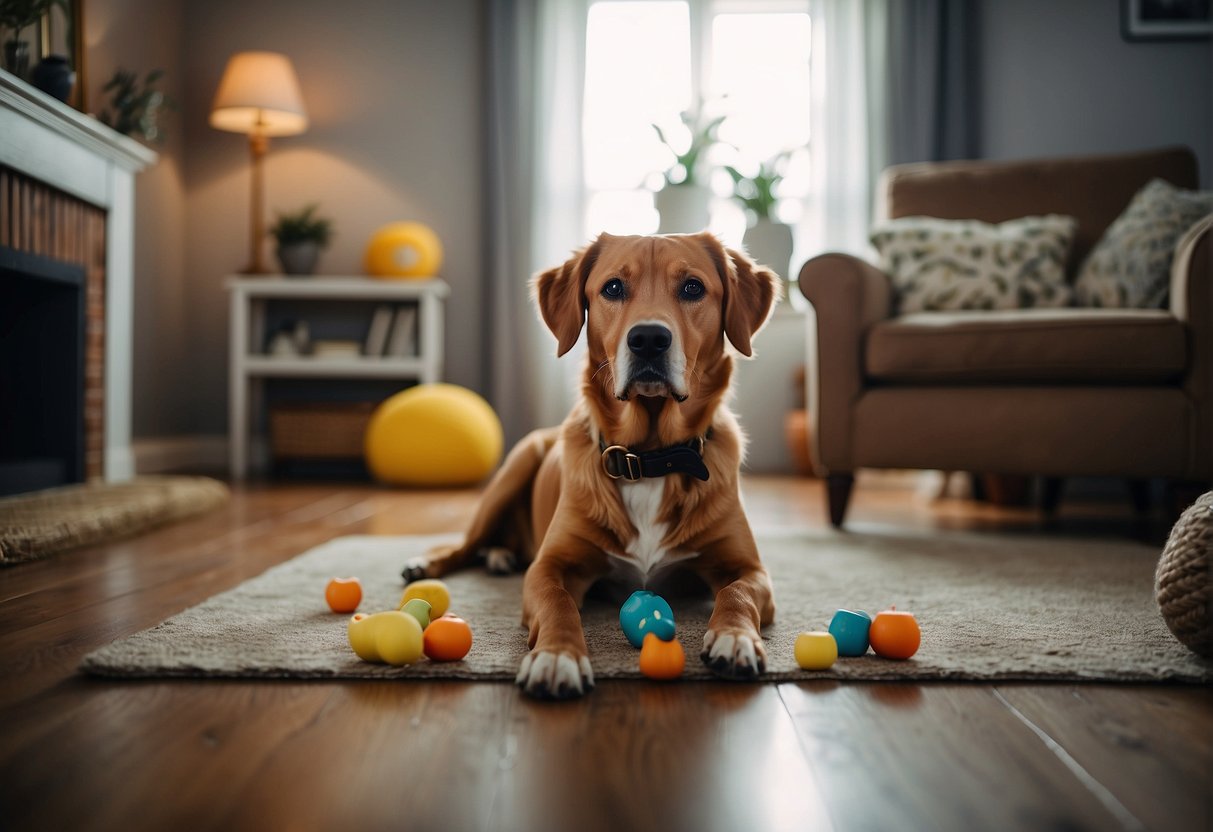
When it comes to senior dogs, the comfort of their living space and the attention paid to their nutrition play crucial roles in their wellbeing. Owners must consider the dog’s physical limitations and overall health to provide a supportive environment.
Creating a Senior-Friendly Space
A home that caters to a senior dog’s needs often includes alterations that account for reduced mobility and increased comfort requirements. Key changes include:
- Flooring: Non-slip surfaces can prevent falls. Consider using rugs or interlocking foam mats on slick areas.
- Resting Areas: A foam dog bed, especially one with memory foam, provides support for aging joints and makes it easier for dogs to stand up after lying down.
- Accessibility: Place beds and food bowls within easy reach. A ramp for access to a favorite porch or sofa could greatly enhance a senior dog’s independence.
Diet and Nutrition for Aging Dogs
Nutrition is pivotal for maintaining a senior dog’s strength and health. Owners should:
- Assess Diet: Consult a veterinarian for a diet that addresses age-related health issues.
- Supplements: Include any recommended supplements to support joint health and cognitive function in their diet.
By focusing on these specific areas, owners can significantly enhance their senior dog’s quality of life.
Positive Reinforcement Training Basics
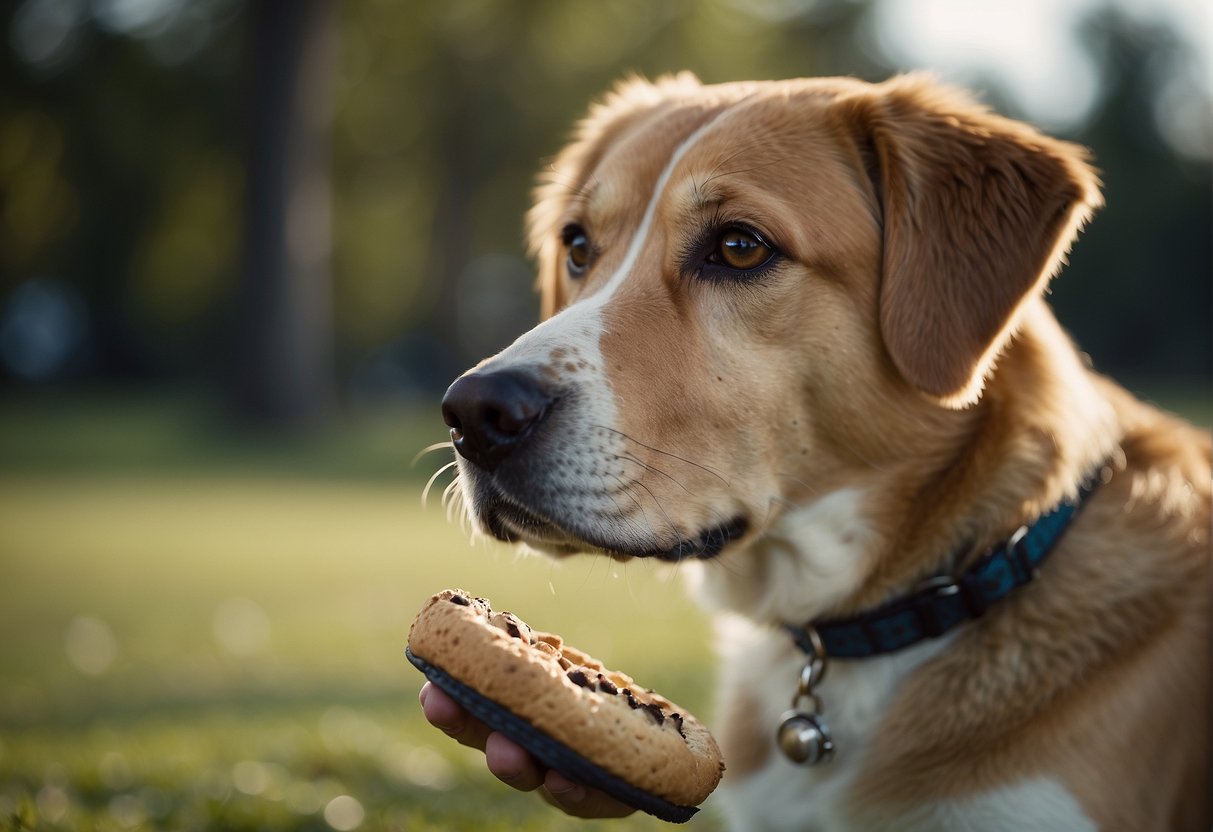
Positive reinforcement training harnesses the power of reward to encourage good behavior in dogs. This approach is both effective and humane, focusing on building a positive relationship between the dog and the trainer.
Principles of Positive Training
The core principle of positive reinforcement training is rewarding desired behaviors by offering something pleasant immediately after the behavior occurs. Rewards can take various forms, including treats, praise, toys, or any other stimulus the dog finds enjoyable. Reinforcement of good behavior encourages the dog to repeat it in anticipation of the reward.
In practice, these principles rely on timing and consistency:
- Timing: Rewards must be given immediately following the desired behavior to create a strong association.
- Consistency: Every time the dog performs the desired behavior, they should receive the same positive response.
Establishing Training Rules and Boundaries
While positive reinforcement focuses on rewards, clear rules and boundaries are also essential for successful training:
- Rules: Define what behaviors are acceptable and which ones are not. Consistently enforce these rules to teach the dog what is expected of them.
- Boundaries: Physical and behavioral boundaries help provide structure. For example, training a dog to stay within a specific area during walks.
The combination of principles and boundaries in positive reinforcement training not only promotes learning but also strengthens trust and communication between the dog and the trainer.
Essential Training Commands
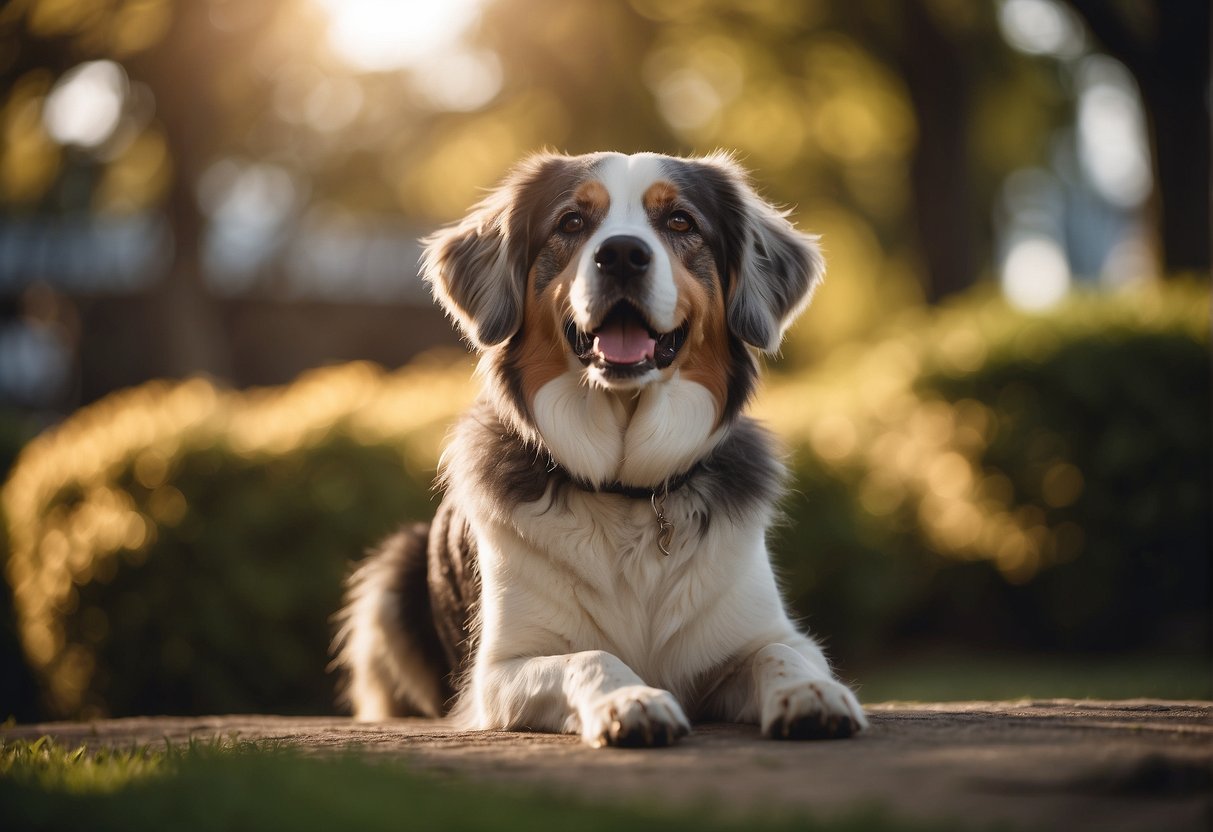
When training a senior dog, some commands are pivotal to their safety and mental stimulation. The commands “Stay” and “Touch,” as well as “Fetch” and “Drop It,” are essential to a senior dog’s skill set and can greatly enhance their quality of life.
Teaching ‘Stay’ and ‘Touch’
Stay: This command is fundamental for a dog’s safety. Training should start with the dog in a seated position, advancing to longer periods and greater distances with consistent repetitions.
- Command the dog to sit.
- Open your palm towards the dog and say “Stay.”
- Take a step back, reward the dog if they remain in place.
- Gradually increase the distance, reinforcing the command.
Touch: Enhances a dog’s cognitive engagement and helps in getting their attention.
- Hold out your hand and say “Touch.”
- When the dog’s nose makes contact, say “Yes!” and offer a treat.
- Practice this in different scenarios to solidify the command.
Mastering ‘Fetch’ and ‘Drop It’
Fetch: A great way for a senior dog to remain active and enjoy playtime.
- Use a favorite toy to initiate interest.
- Throw the toy a short distance and say “Fetch.”
- Encourage the dog as they move towards the toy.
- Gradual increases in throw distance keep the activity exciting.
Drop It: Essential for preventing dogs from holding onto potentially dangerous objects.
- Offer a toy and let the dog grasp it.
- Present a treat and say “Drop It.”
- When the dog releases the toy, give them the treat.
- Consistent practice ensures reliable obedience to the command.
Each command offers a blend of physical exercise and mental stimulus, catering to the specific needs of senior dogs.
Adapting to Physical Limitations
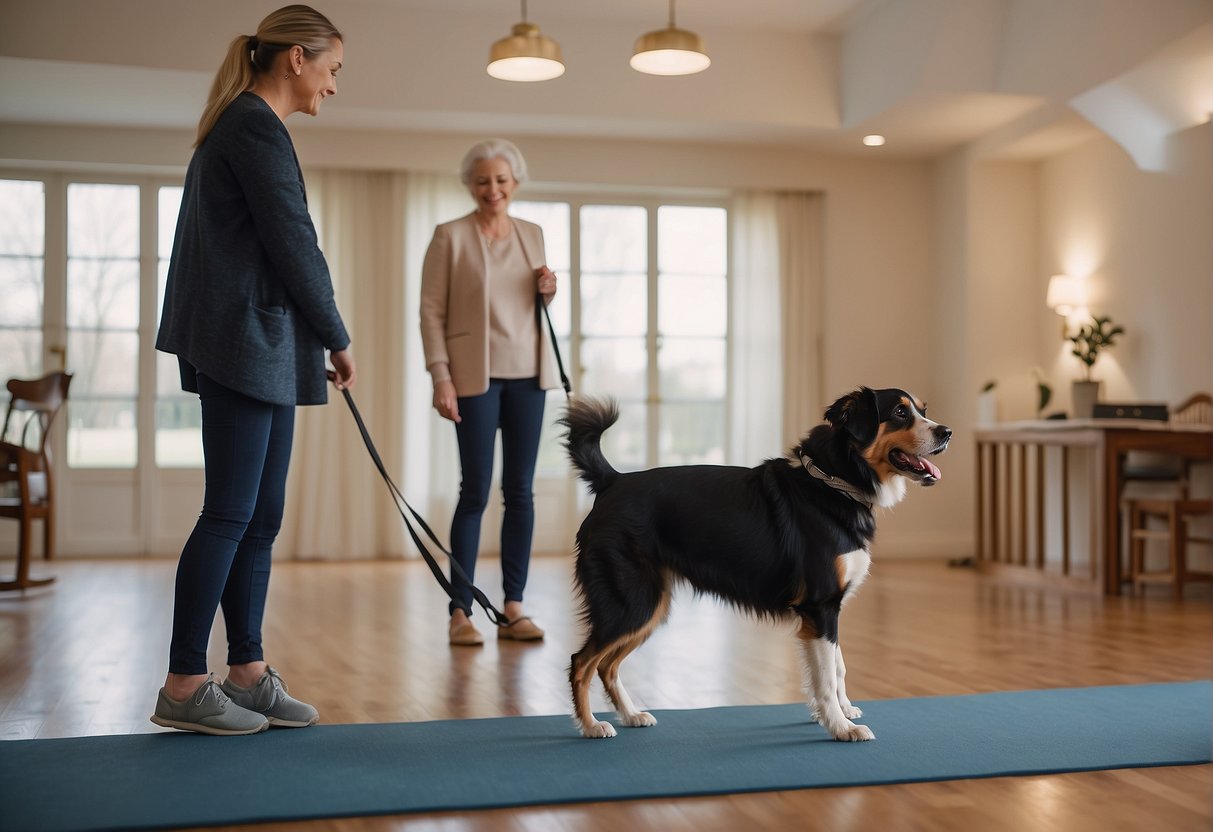
When training senior dogs, it is crucial to recognize and adapt to their physical limitations to ensure they can engage safely in exercises. The goal is to maintain their wellbeing without exacerbating any conditions related to their hips, legs, or overall mobility.
Training with Reduced Mobility
- Good Practices:
- Start with a gentle warm-up to prepare their muscles and joints.
- Use low-impact exercises suited to their level of mobility.
- Incorporate supportive equipment like harnesses as needed.
Senior dogs may experience reduced mobility due to age-related issues affecting their legs and hips. Trainers should focus on exercises that minimize strain while promoting movement. For instance, gentle walking sessions, possibly aided by a support harness, can help maintain muscle tone without overtaxing delicate joints.
Mental Stimulation Exercises
- Examples:
- Interactive puzzles that encourage thinking and problem-solving.
- Obedience commands that can be performed stationary, such as “stay” or “speak”.
- Scent games that involve light physical activity and mental engagement.
Mental exercises are an excellent way to supplement physical training, especially when a senior dog’s physical limitations are pronounced. Such activities can keep a dog mentally agile, and provide enrichment without demanding rigorous physical exertion. They can engage their senses and minds, maintaining cognitive function and contributing positively to their overall quality of life.
Exercise Routines for Older Dogs
Engaging older dogs in appropriate exercise routines is critical for maintaining their joint health and mental well-being. They focus on gentle movements that are easy on the joints and activities that provide mental stimulation while minimizing strain.
Low-Impact Activities for Joint Health
Walking: It is a cornerstone of joint health for senior dogs. Regular, short walks help maintain muscle tone and flexibility without overexerting aging joints. It is essential to monitor the dog’s response and adjust the duration accordingly.
- Warm-Up/Cool Down: Each walk should begin and end with a period of slow movement to help the muscles stretch and avoid injuries.
Supervised Swimming Sessions
Swimming is an effective low-impact exercise that supports joint health and muscle maintenance. It provides resistance for muscle building while being gentle on the joints.
- Safety: Always supervise swimming sessions to ensure the dog’s safety and comfort.
- Conditioning: Swimming helps improve overall conditioning and can be soothing for a dog’s mental state.
Regular exercise routines tailored for older dogs can aid in sustaining their mobility and brain health, provided they include a proper warm-up and cool-down phase to prevent strain.
Senior Dog Healthcare
When training senior dogs, their overall healthcare plays a pivotal role in the success and adaptability of the training program. A senior dog’s training routine should always be supported by regular veterinary checkups and may be facilitated by specific supplements and medications.
Veterinary Checkups Role in Training
Senior dogs often require more frequent veterinary checkups to monitor their health and to adjust their training regimen accordingly. Regular visits to the vet can help identify changes in a dog’s sensory capabilities, such as hearing and vision, which can significantly affect their response to training cues. Veterinarians play a critical role in assessing the dog’s physical condition and advising on exercises that are safe and beneficial for their age and health status.
A vet may provide specialized guidance on maintaining joint health, often recommending glucosamine supplements to support mobility. They also ensure that the dog’s training activities do not exacerbate any underlying health issues.
Supplements and Medications
As dogs age, they may benefit from certain supplements and medications to maintain optimal health, which in turn positively impacts their training. Joint supplements like glucosamine are commonly recommended for senior dogs to manage arthritis-related discomfort, allowing them to engage more comfortably in physical activities during training sessions.
Veterinarians might also prescribe medications to manage age-related conditions that could impede a senior dog’s ability to train effectively. These treatments are tailored to individual dogs and can include pain relief, anti-inflammatory drugs, or medication to support cognitive function. It’s important for owners to administer any prescribed medications as directed to ensure their senior dog remains healthy and receptive to training.
Housetraining Challenges
When it comes to housetraining senior dogs, pet owners may encounter several challenges. Adult dogs often have ingrained habits that can be difficult to break. They may have learned to respond to certain environments with behaviors that are not ideal for indoor living. This requires patience from the trainer, as older dogs may need more time to adapt to new routines.
Limitations such as a senior dog’s health or previous training history can also impact housetraining success. For instance, older dogs might have age-related incontinence issues or limited mobility that affects their ability to reach the designated bathroom spot in time.
A consistent schedule is key in overcoming these challenges. Establishing a fixed routine helps senior dogs predict and understand the expectations for their bathroom habits. A solid routine includes:
- Regular feeding times
- Scheduled bathroom breaks
- Consistent sleep patterns
Adherence to a schedule creates a structure that can make housetraining more predictable and less stressful for both the dog and the owner. The process demands a steady approach, careful observation, and adjustments according to the dog’s progress and unique needs.
Despite the potential challenges, housetraining a senior dog is certainly achievable. With a clear and methodical approach, trainers can help their mature pets adopt the desired behaviors, ensuring a comfortable and hygienic home environment for all.
Advanced Training Techniques
Senior dogs often benefit greatly from continued training to maintain mental agility and strengthen their bond with their owners. Advanced training techniques can provide both mental stimulation and physical exercise, which are crucial for a senior dog’s well-being.
Introduction to Rally and Agility
Rally involves a course of designated stations where the dog and handler perform various tasks. It’s an excellent way to promote mental acuity and teamwork between a dog and its handler, as they navigate through a series of commands and actions.
Agility training takes this to a physical level, introducing obstacles such as jumps, tunnels, and weave poles. Senior dogs can engage in less strenuous agility courses that are adjusted for their comfort, ensuring they get the exercise they need without undue stress on their bodies. Training tips for both rally and agility should emphasize positive reinforcement and adaptability to each senior dog’s pace and physical capabilities.
Enrichment through New Tricks and Games
Training does not always have to be about commands and discipline; it can also come in the form of new tricks and games. This kind of enrichment can keep a senior dog’s brain sharp and engagement high. Here are a few points to consider:
- Toys: Interactive toys that encourage problem-solving can be particularly beneficial for mental stimulation.
- Games: Games like hide-and-seek with treats or new tricks tailored to a dog’s ability level contribute to cognitive health.
Incorporating these techniques into a senior dog’s routine can support their training progress and continue to offer mental and physical benefits as they age.
Selecting the Right Trainer
When looking for a senior dog training video, it’s critical to focus on the trainer’s qualifications and their approach to training. They should display a thorough understanding of positive reinforcement training methods. This approach is crucial since it promotes a happy and stress-free learning environment for aging dogs, reinforcing good behavior with rewards rather than punishment.
Credentials are a must, with a preference for trainers who have a proven track record working with senior dogs. Their expertise will often include a deep appreciation for the patience required when training older dogs, who may learn at a slower pace than their younger counterparts.
Viewer feedback can be an insightful resource. Look for comments mentioning a trainer who is consistently patient and whose trainees seem happy and engaged during sessions. Avoid videos that show only the successful outcome of training; instead, transparency is key. Videos should demonstrate the progression of training, from the introduction of a command to its successful execution by the dog, without excessive editing.
Here is a suggested checklist for selecting a training video:
- Trainer utilizes positive reinforcement techniques
- Trainer’s qualifications and experience with senior dogs
- Evidence of patience in training methods
- Positive feedback from viewers about the dog’s demeanor
- Transparent training progress shown in videos
Remember, the goal is to find a trainer who understands the unique needs of senior dogs and who can create an enriching and positive learning experience tailored for them.
Caring for a Senior Dog
Senior dogs require attentive care that supports their comfort and well-being while accommodating their aging bodies and minds. Implementing changes in their environment and routines help these loyal companions enjoy their golden years.
Ensuring Comfort in their Senior Years
Owners should provide their senior dogs with a comfortable living space. This includes:
- Orthopedic beds: They offer better support for aging joints and can prevent discomfort from arthritis.
- Easy access to essentials: Food, water, and comfortable resting places should be accessible without the need for climbing stairs.
- Temperature control: Older dogs are more susceptible to extremes in temperature, so maintain a comfortable household temperature.
Adjusting the diet is also crucial. Senior dogs have different nutritional needs:
- High-quality senior dog food: It should be tailored to lower activity levels and should support joint health.
- Proper hydration: Ensure constant access to fresh water.
The Importance of Routine and Patience
Sticking to a routine provides senior dogs with a sense of security and can reduce anxiety:
- Consistent feeding times: They help manage metabolism and weight.
- Regular, gentle exercise: It maintains mobility and mental alertness.
Patience is key in interacting with senior dogs:
- Changes in training may be required, as a senior dog’s cognitive functions and senses like hearing and sight may not be as sharp.
- Providing reassurance during confused moments is important.
Owners should monitor their senior dog’s behavior and health closely, consulting with a vet to adapt care as necessary.
Frequently Asked Questions
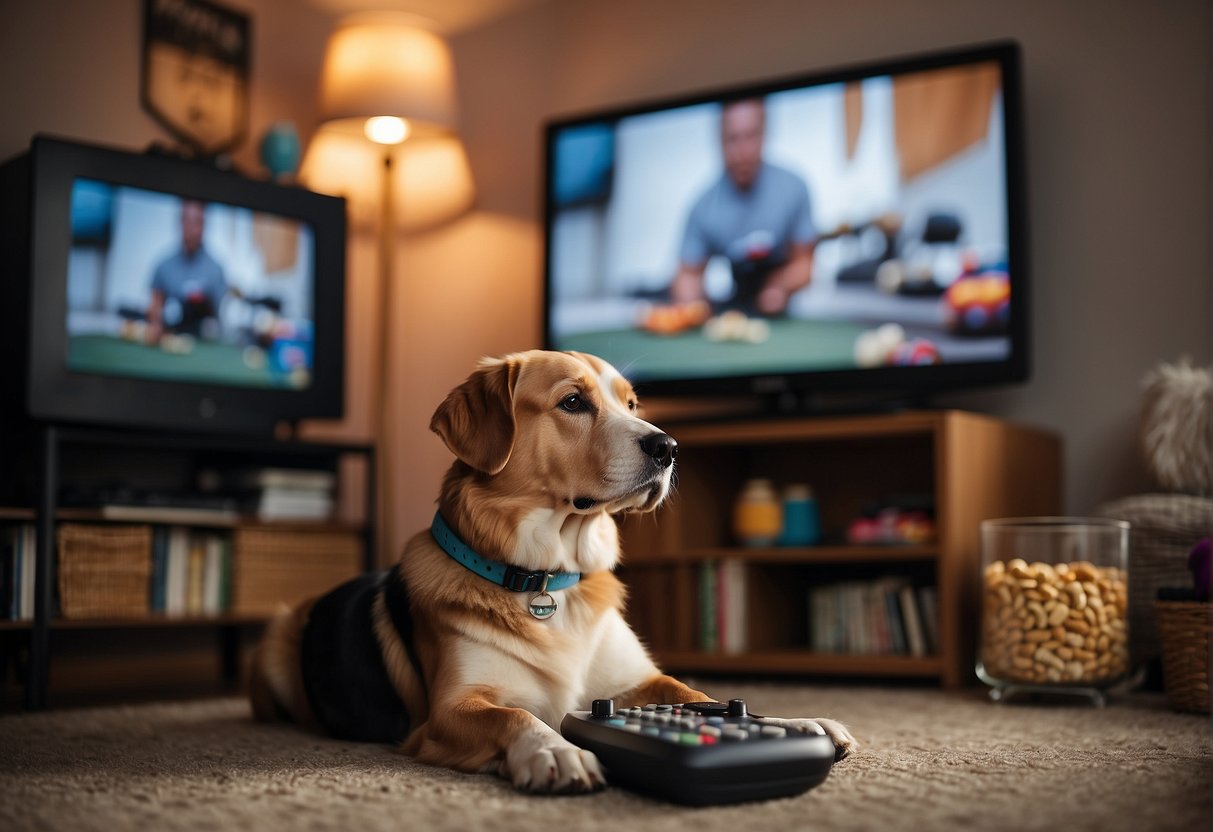
In this section, we address common concerns with practical advice for training senior dogs, ensuring they remain mentally stimulated and obedient.
What are the most effective techniques to teach basic commands to an older dog?
Senior dogs benefit from patient, reward-based training where positive reinforcement is key. Using treats, praise, or favorite toys can effectively teach basic commands such as ‘sit’, ‘stay’, or ‘lie down’.
What strategies can I use to help an older dog with aggression issues?
For aggression issues, owners should consult a professional dog trainer or a behaviorist. Consistency, positive reinforcement, and avoiding punishment are critical, as older dogs may be aggressive due to pain or fear.
How can I train my senior dog to reduce excessive barking?
Owners should identify the cause of barking and address it directly, such as alleviating boredom with more exercise or mental stimulation. Teaching the ‘quiet’ command and rewarding silent behavior can also reduce barking.
What are reliable methods for ensuring an older dog reliably comes when called?
Training an older dog to come when called involves practicing in a secure environment, using high-value treats, and gradually increasing distractions. Consistency and positive reinforcement help reinforce this behavior.
What are the steps for housebreaking an older dog that currently eliminates indoors?
For housebreaking, establish a strict routine with regular bathroom breaks, reward successful elimination outdoors, and clean any indoor accidents with an enzymatic cleaner to remove scents that might signal a bathroom spot.
How can an older dog with established bad behaviors be effectively retrained?
Retraining an older dog with established bad behaviors requires patience and consistency. Identify the unwanted behavior, find the motivation behind it, and redirect to a positive alternative. Reinforcement should come immediately after the desired behavior is performed.