
Understanding how much sleep an adult dog requires is essential for the wellbeing of our canine companions. Adult dogs typically need a substantial amount of sleep each day, often ranging from 8 to 14 hours. This duration varies depending on several factors such as breed, size, age, and overall health. The sleep patterns of dogs are quite different from those of humans, reflecting their distinct physiological and behavioral traits.
The sleep requirements of dogs are not uniform and can be influenced by their daily activities, diet, and living environment. While it’s normal for adult dogs to spend a considerable portion of their day sleeping, an abrupt change in a dog’s sleep habits could be a signal for underlying health issues. Creating a comfortable and consistent sleeping area can help ensure that a dog gets the rest needed to maintain its health and vitality.
Key Takeaways
- Adult dogs need about 8 to 14 hours of sleep daily, but this can vary.
- Multiple factors influence a dog’s sleep duration, including age and activity level.
- Significant changes in a dog’s sleep patterns may indicate health concerns.
Canine Sleep Basics
Sleep is as vital for dogs as it is for humans, affecting their health and behavior. The sleep needs of a dog vary with age, and understanding their sleep cycles provides insight into their overall well-being.

Understanding Dog Sleep Cycles
Dogs experience REM (Rapid Eye Movement) sleep just like humans. REM sleep is the period of sleep in which dogs may dream, and it’s essential for cognitive function. While the total sleep time for a dog can range greatly, a significant portion consists of REM sleep. Adult dogs, in particular, may spend about 20-25% of their sleep in the REM phase, which is crucial for processing information and memory consolidation.
Sleep Needs by Dog Age
Sleep requirements change as dogs progress through different life stages.
- Puppies: They may sleep up to 18 hours a day, needing more rest for their developing bodies.
- Adult Dogs: On average, they require about 11 hours of sleep per day; however, this can variate between 8 to 13.5 hours depending on individual needs and activity levels.
- Senior Dogs: Aging can lead to an increase in sleep duration, with older dogs often resting more than adults due to lower energy levels and potential health issues.
It’s also important for caregivers to note that while resting durations close to these averages are typically normal, significant deviations may warrant a veterinary consultation.
Factors Influencing Sleep Duration

The amount of sleep an adult dog requires can vary significantly due to several critical factors. Understanding these can aid owners in ensuring their pets receive adequate rest.
Breed and Size Variations
Certain breeds and sizes of dogs have different sleep needs. Small breeds like Chihuahuas may sleep less than large breeds such as Mastiffs or Saint Bernards. Also, working breeds that are historically more active may have shorter sleep durations compared to non-working or toy breeds.
Health and Sleep Quality
An adult dog’s health significantly impacts its sleep quality and duration. Dogs with robust health and a strong immune system often maintain more consistent sleeping habits. Conversely, health issues can increase sleep duration as the body requires more rest to recover.
The Impact of Lifestyle on Sleep
Lifestyle factors including diet, activity level, and the dog’s daily routine influence their amount of sleep. Active dogs with high energy levels may sleep less, while a more sedentary lifestyle can contribute to longer sleep durations. Owners’ schedules and the environment where the dog sleeps also play roles in sleep patterns.
Behavioral Aspects of Dog Sleep
The way dogs sleep can vary widely, and understanding their behavior during sleep can help owners ensure their pets are getting adequate rest. Observations of sleep patterns, reactions during sleep, and potential disruptions provide insights into a dog’s well-being.
Normal Sleeping Habits
Dogs require a significant amount of sleep each day, often totaling 11-12 hours for adults. They tend to sleep more at night, aligning somewhat with human sleep schedules, but also take frequent naps throughout the day. These naps may occur sporadically and can last anywhere from a few minutes to over an hour. It is common for dogs to experience several sleep-wake cycles during a 24-hour period.
During sleep, dogs exhibit various behaviors that indicate different sleep stages. These includes:
- Stillness: In non-REM sleep, dogs are generally still, and their breathing is slow and rhythmic.
- Twitching: Minor twitches or movements often signal REM sleep, where dreaming occurs.
Addressing Sleep Problems
If a dog’s sleep patterns change suddenly or the dog appears restless at night, they might be experiencing sleep problems. These issues can be caused by various factors, including stress, environmental changes, or health problems. Owners should monitor their dogs for signs of sleep disturbances, such as difficulty settling down, frequent waking, or excessive sleepiness during the day. Consulting a veterinarian can help determine the cause and appropriate solutions.
Canine Dreams and REM Sleep
Dogs enter REM sleep, which is the period of sleep where dreams typically occur. During REM sleep, a dog may exhibit behaviors such as:
- Twitching: Movement of the paws, facial muscles, or tail can often be observed.
- Vocalizations: Whimpering or barking might occur as the dog reacts to dream content.
These behaviors are normal and reflect the dog’s active brain during this stage of sleep. Not all movements or sounds during sleep are related to dreams, however; some may be involuntary muscle reactions. Observing these behaviors can be endearing and is usually no cause for concern unless it seems to disturb the dog’s rest.
Creating a Sleep-Friendly Environment
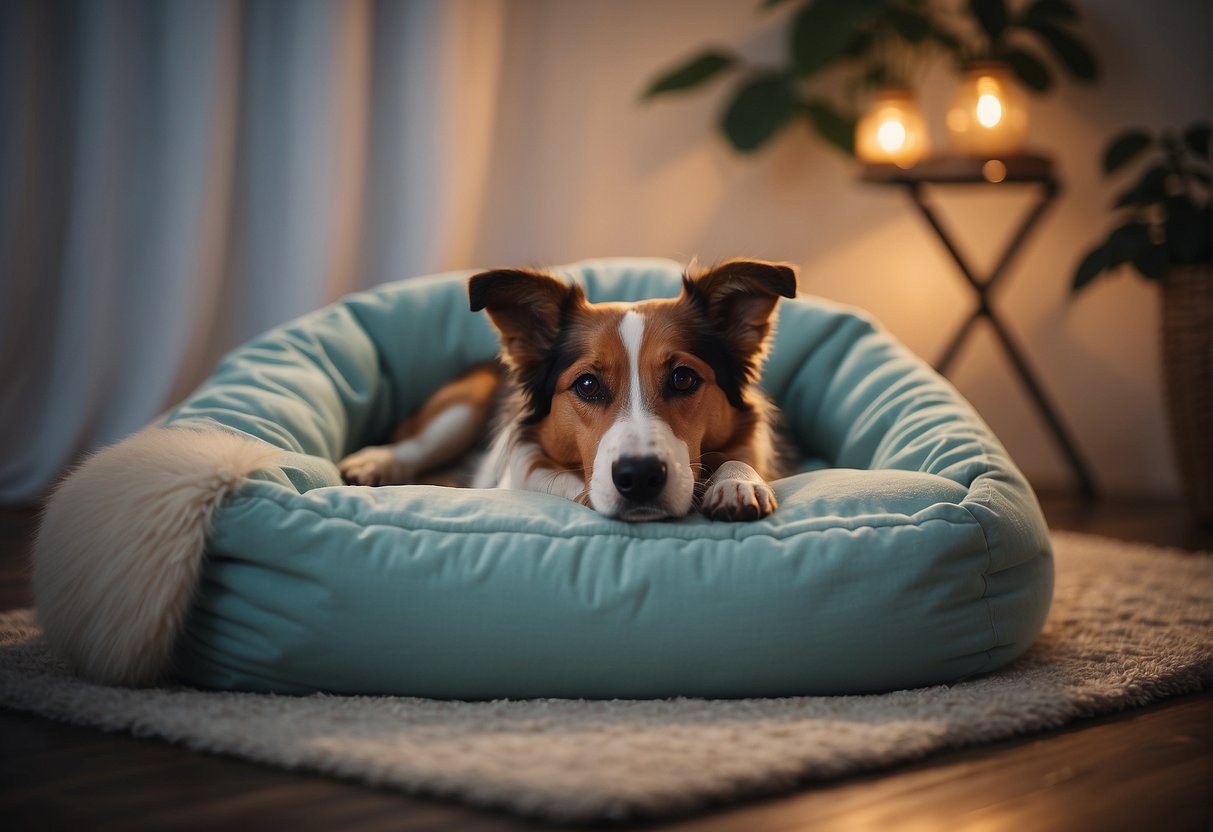
A sleep-friendly environment is essential in ensuring that adult dogs get the rest they need. Factors such as a comfortable dog bed and a consistent bedtime routine contribute significantly to the quality of a dog’s sleep.
Choosing the Right Dog Bed
Selecting an appropriate dog bed is crucial for a dog’s sleep quality. The bed should suit the dog’s size, with ample room for them to stretch out or curl up. Durability and ease of cleaning are also vital attributes, particularly for dogs that may chew or have accidents.
- Size: The bed should be large enough for your dog to lie down comfortably.
- Material: Memory foam can provide support for older dogs with joint issues.
- Washability: Look for a bed with a removable, machine-washable cover.
The dog’s personality and sleep style should guide the type of bed chosen. For instance, some dogs prefer raised beds that keep them cool, while others enjoy nestling in a plush, donut-shaped bed.
Bedtime Routine and Environment
A bedtime routine can set the tone for a good night’s rest. This might include a calm walk in the evening or a gentle play session to burn off energy. Dogs thrive on consistency, so maintaining the same schedule and pre-sleep ritual each night can help cue that it’s time to wind down.
- Quiet Time: Limit exciting activities as bedtime approaches.
- Consistency: Go to bed at the same time nightly.
- Comfort: Adjust the room temperature to a dog-friendly level.
The sleep environment should be calming, away from loud noises and disruptions. Consider where the dog bed is placed; it should be in an area that feels safe and secure to the dog, perhaps close to where family members sleep but not in the direct path of high traffic.
By addressing these elements, owners can greatly enhance their dog’s ability to rest peacefully, thereby supporting their overall health and well-being.
Common Sleep Disturbances in Dogs

The well-being of adult dogs is closely linked to their sleep quality which can be disrupted by various sleep disorders. Recognizing these disorders and understanding their link to stress and anxiety are critical for maintaining a dog’s health.
Recognizing Sleep Disorders
Sleep disorders in dogs might manifest as unusual sleep patterns or changes in their behavior. Insomnia can occur in dogs, leading to sleep deprivation and subsequent lethargy during the day. Narcolepsy, although rare, is characterized by sudden bouts of sleep regardless of the time of day. Dogs with this condition might appear to collapse and fall into a deep sleep without warning.
Identifying these disturbances often requires observation of the dog’s sleep habits and consulting with a veterinarian if any of the following symptoms are noted:
- Interruption in regular sleep patterns
- Excessive daytime sleepiness
- Sudden episodes of collapse or muscle weakness
Impacts of Stress and Anxiety
Stress and anxiety can significantly affect a dog’s sleep. Continuous stress can lead to anxiety disorders, which may manifest as restlessness and difficulty sleeping. Dogs experiencing anxiety might show signs such as:
- Pacing at night
- Whining or barking
- Refusing to settle down for sleep
Stress in dogs might be caused by environmental changes, separation from their owners, or traumatic events. To ensure good sleep health, it’s important to create a calm and peaceful sleeping environment and to address any underlying anxiety issues through behavioral training or professional help.
Health Conditions Affecting Sleep
When it comes to understanding sleep patterns in adult dogs, certain health conditions can significantly alter the quantity and quality of rest they receive. Addressing these conditions is crucial for the wellbeing of the animal.
Dealing With Pain and Discomfort
Arthritis, a common affliction in older dogs, often leads to pain and discomfort, which can interrupt normal sleep routines. Dogs with arthritis may find it difficult to find a comfortable sleeping position, causing them to wake up frequently throughout the night.
Chronic Conditions and Sleep Patterns
Among chronic conditions, diabetes and hypothyroidism can affect a dog’s sleep. Dogs with diabetes may have altered sleep due to the need to urinate more often, while those with hypothyroidism often exhibit changes in energy levels that can lead to increased sleepiness. Conditions such as obstructive sleep apnea and REM sleep behavior disorder are less common but can also disrupt healthy sleeping patterns. Pain medication, while helping to alleviate discomfort, may also influence the dog’s sleep-wake cycle.
Sleep and Aging in Dogs

As dogs age, their patterns and needs for sleep change, reflecting their physical and mental adjustments to aging.
Sleep Needs of Senior Dogs
Senior dogs typically require more sleep than their younger counterparts, as their bodies and minds process the effects of aging. On average, a senior dog may sleep between 14 to 18 hours a day, a significant increase from the sleep habits of an adult dog, which ranges between 12 to 14 hours daily. The increase in sleep is partly due to the slower metabolism and the natural decline in energy as dogs enter their senior years, which can start around the age of 7 for most breeds.
Sleep disruptions can also be prevalent among older dogs. As they age, they might experience difficulties in sleeping through the night due to discomfort, the need to urinate, or memory issues that affect their well-being and routine. Attention to their sleep quality becomes crucial as it’s a pivotal component of an older dog’s overall health.
Adjusting Care for Aging Pets
Caring for aging pets requires attunements to their evolving sleep needs. Pet owners might consider creating a more comfortable sleeping environment with orthopedic beds to support achy joints or ensuring their resting place is warm and free from drafts. As hearing and vision can deteriorate with age, keeping the path to their rest area clear and easily accessible can minimize confusion and aid in prevention of sleep disruption.
Owners should observe their senior dogs for signs of sleep disturbances and consult with a veterinarian if significant changes occur. This might indicate underlying health issues that need to be addressed to maintain the pet’s quality of life. Regular veterinary check-ups are essential to managing a senior dog’s health, and this includes discussing sleep behavior and memory-related changes. Adjusting daily routines to allow for more frequent but gentler exercise can also help maintain physical and mental well-being and promote better sleep patterns.
Physical Activity and Rest Balance

An adult dog’s need for sleep is influenced by its level of physical activity. Both elements are vital for maintaining a dog’s health and wellbeing.
Exercise and Sleep Correlation
The relationship between exercise and sleep is interdependent. Dogs engaged in higher levels of physical activity typically require more rest. Active dogs, including working dogs such as herding or hunting breeds, need ample sleep to recover from their daily exertions. On the other hand, dogs with lower activity levels may require less sleep, although they still tend to sleep for 12 to 14 hours daily. The amount of sleep a dog requires can reflect its lifestyle; a balance between rest and activity is essential for their overall health.
Understanding Polyphasic Sleep Patterns
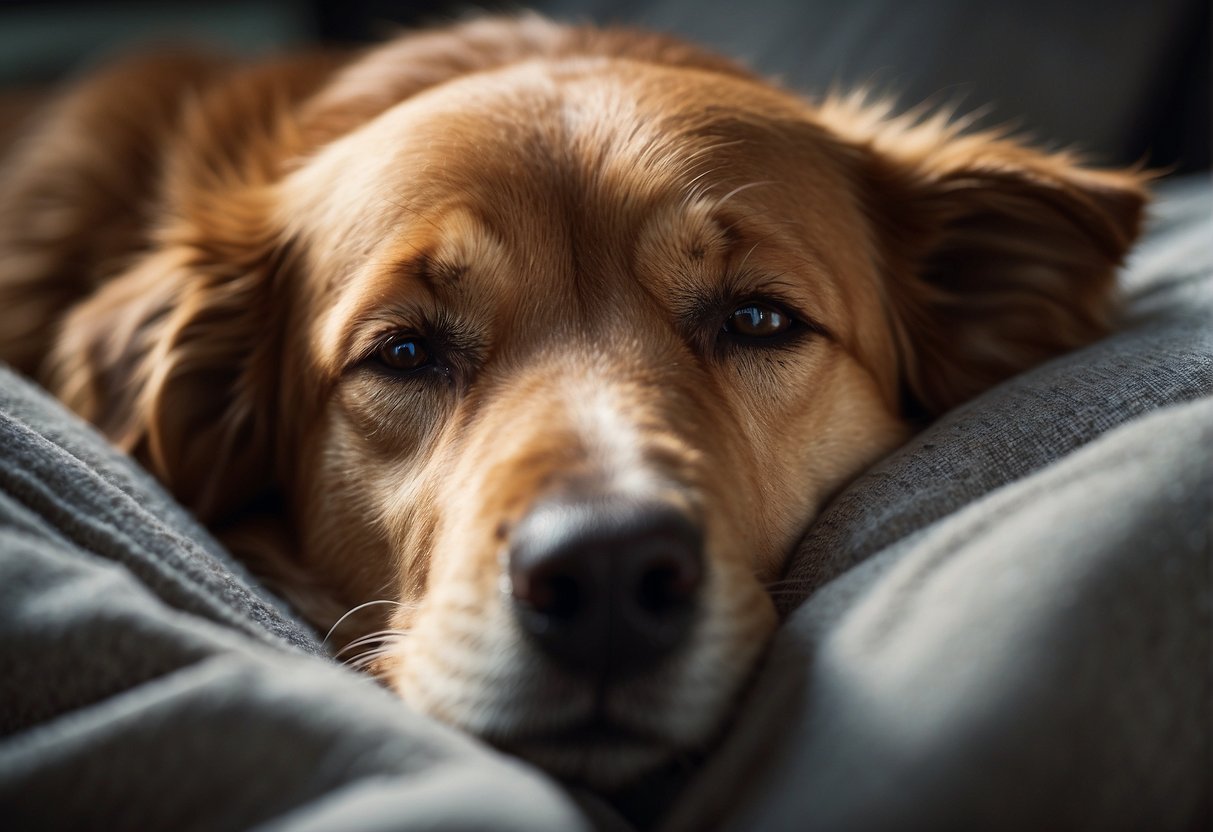
Adult dogs are typically polyphasic sleepers, meaning they have multiple episodes of sleep in a 24-hour period. Unlike humans, who are mostly monophasic sleepers with one long sleep period, dogs often take several short naps throughout the day and night.
The total hours of sleep needed by adult dogs can vary:
- Average Sleep: Approximately 8 to 13.5 hours per day
- Active Periods: Usually between 8 am to 10 am, and 5 pm to 11 pm
During these active periods, dogs are generally more alert and engaged in activities, which are punctuated by restful phases. Outside of these times, dogs may enter into shorter and more frequent naps. These multiple sleep sessions contribute to their overall daily hours of sleep and are adaptive behaviors passed down from their wild ancestors who needed to wake frequently for survival.
It is common for a dog’s sleep pattern to be influenced by their environment and routine, leading to more activity and reduced naps during weekends when owners are typically at home.
Table: Typical Adult Dog Daily Sleep Schedule
| Time of Day | Likely Activity |
|---|---|
| 8 am – 10 am | Active |
| 10 am – 5 pm | Intermittent Naps |
| 5 pm – 11 pm | Active |
| 11 pm – 8 am | Multiple Naps |
Understanding these sleep patterns can be crucial for dog owners to ensure their pets receive ample rest, which is essential for their health and wellbeing.
Adapting to Environmental Changes

Dogs are remarkably adaptable creatures, particularly in their ability to adjust sleep patterns in response to environmental changes. Various factors, such as the weather, surroundings, and household routines, can influence their sleeping behavior.
Seasonal Variations in Sleep
Surroundings and Environmental Conditions: An adult dog’s sleep can be impacted by the changing seasons. For instance, during hot weather, dogs may seek cooler surfaces to lie down, changing their usual sleeping position to maintain comfort. They might sprawle with their bellies pressed against cool floors to dissipate heat.
Hot Weather: Dogs often adjust their sleep schedule to avoid the midday heat. In summer months, they might sleep more during the hottest parts of the day and become more active during cooler mornings and evenings. This shift in routine allows them to conserve energy and mainhydrate when temperatures soar.
Seasonal Changes: As daylight hours lengthen or shorten with the seasons, dogs may alter their sleep patterns accordingly. Longer daylight hours can lead to increased activity, while shorter days may result in more time spent resting. Sleep duration can fluctuate throughout the year as dogs adapt to these environmental cues.
Sleeping Position: The position in which a dog sleeps can also be influenced by environmental factors. Cooler temperatures might cause a dog to curl up to preserve body warmth, while warmer settings can result in sprawling positions to release excess heat. Adaptable sleeping positions are a testament to a dog’s ability to regulate their body temperature according to seasonal changes.
Dogs’ ability to adjust their sleeping habits to accommodate different environmental conditions showcases their resilience and adaptability. These changes are a natural response to ensure they maintain their health and well-being throughout the varying seasons.
Bond and Sleep Behavior

In understanding the sleep behavior of adult dogs, the relationship between the pet and its owner plays a significant role in the pets’ sleeping patterns.
Owner-Pet Sleep Dynamics
The bond between a pet parent and their dog often extends into the realm of sleep. Adult dogs, typically needing between 8 to 14 hours of sleep daily, may adjust their sleeping patterns to match the routine of their human companions. When an adult dog shares a strong bond with its owner, it tends to be more in tune with the household’s daily rhythms, often sleeping when the owner sleeps.
A dog’s trust in its pet parent can influence its ability to enter a state of deep sleep, where it experiences the restorative phases crucial for health and well-being. During deep sleep, a dog may exhibit signs of dreaming, like twitching or paw movements.
Environmental factors within the home, such as the presence of a television, can affect a dog’s ability to sleep soundly. The noise and light from a television can be stimulating, which may result in alterations to a dog’s natural sleeping patterns, especially if the appliance is left on during the night.
Owners who establish a calm, quiet sleeping environment and maintain a consistent routine typically see more regular and peaceful sleep behaviors in their dogs, reflecting the strong, positive bond between them.
Frequently Asked Questions

This section addresses common inquiries regarding the sleep patterns and needs of adult dogs.
What is the average amount of sleep required by adult dogs each day?
Adult dogs generally require about 12 to 14 hours of sleep each day. This varies based on factors such as breed, size, and individual health.
Does a dog’s sleep pattern change as they age, and if so, how?
As dogs age, they often need more rest. Older dogs may experience more interrupted sleep at night and compensate with more daytime napping.
Is it normal for dogs to sleep throughout the day and night?
Yes, it is normal for dogs to sleep both during the day and night. They adapt their sleep patterns to their environment and the schedule of their owner.
What signs should I look for to determine if my dog is sleeping excessively?
Excessive sleep in dogs could be signaled by a reluctance to wake, lack of interest in activities they once enjoyed, or changes in appetite or behavior. Consulting a veterinarian is advisable if any of these signs are present.
How does the sleep requirement of a 1-year-old dog differ from that of a 2-year-old dog?
The sleep requirement of a 1-year-old dog is typically more than that of a 2-year-old dog, as younger dogs are still developing and may require additional rest. However, individual needs can vary.
Can the amount of sleep a dog gets when left alone during the day vary from their usual sleep habits?
When left alone, a dog’s sleep amount can differ from their usual habits, either increasing due to a lack of stimulation and activity or decreasing due to anxiety or stress from being alone.