
Crate training an older dog can be a multifaceted process that requires understanding, patience, and the right approach. Unlike puppies, older dogs may have established habits and anxieties that can make introducing a crate more challenging. However, with tailored techniques that suit an adult dog’s specific learning style and emotional needs, crate training can be a successful endeavor. Ensuring the comfort and safety of the dog is paramount throughout this process, as well as creating a positive association with the crate.
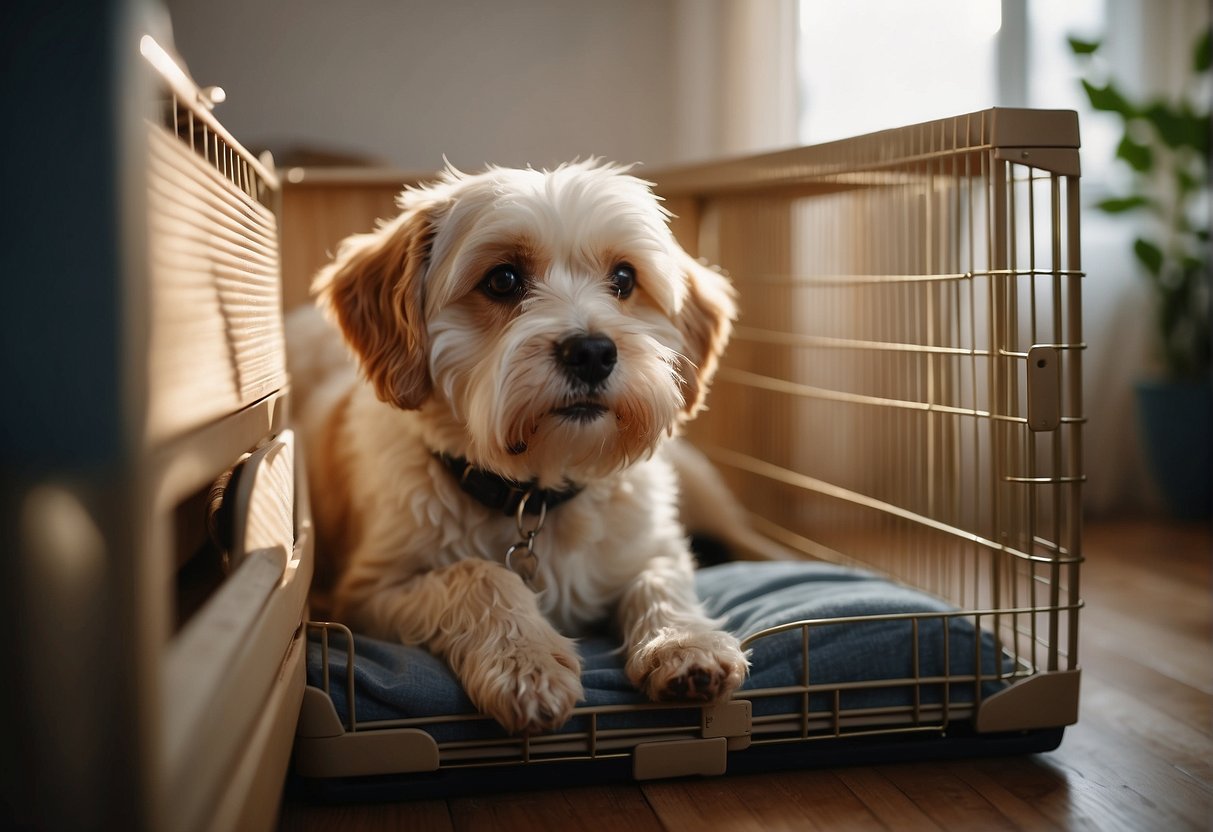
Crate training an adult dog serves multiple beneficial purposes including providing a personal safe space for the dog, easing anxiety, and facilitating better management of behavior. It’s important to start with choosing a proper crate where the dog can comfortably stand, turn around, and lie down. Establishing a positive relationship with the crate involves consistent training steps, addressing any signs of stress, and gradually increasing crate time. Every dog’s pace of adapting to crate training can vary, and throughout the process, trust between the dog and the trainer is essential.
Key Takeaways
- Crate training can be adapted to suit the needs of older dogs with patience and understanding.
- The right crate size and location, along with a positive association, are crucial for successful crate training.
- Consistency, dealing with anxiety, and reinforcing positive behavior are key aspects of the training process.
Understanding the Basics of Crate Training an Older Dog
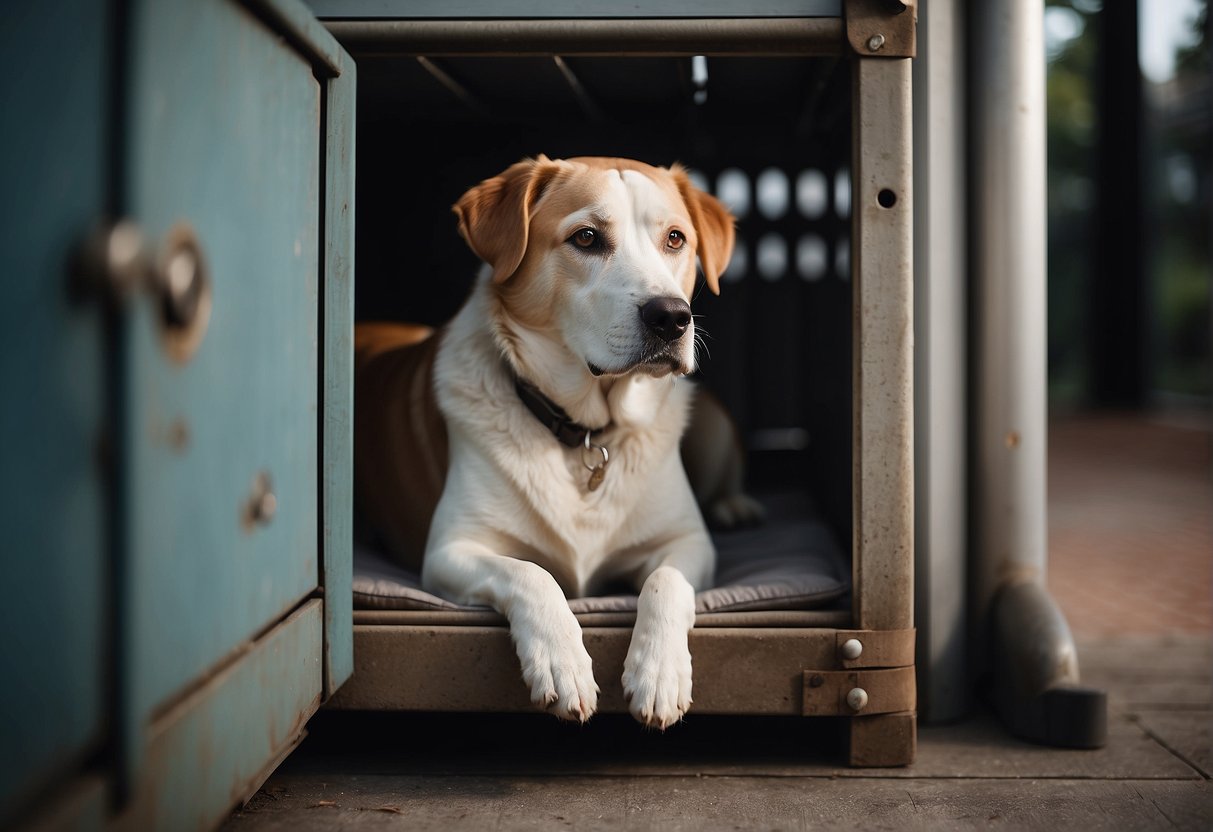
Crate training can be a beneficial method to provide an older dog with a personal space and ensure their safety when unsupervised. When training an adult or senior dog, one must be patient as they often have established habits that may take time to unlearn.
Selecting the Right Crate:
It’s important to choose a crate that allows the dog to comfortably lie down, stand up, and turn around. Durability and comfort are key criteria. Crating should be a positive experience, so including a plush towel or blanket can make the space more inviting.
Familiarization:
Allow the dog to explore the crate at their leisure with the door open. This method helps in reducing anxiety by making the crate a familiar place. High-value treats or favorite toys can be used to incentivize the dog to enter and spend time in the crate voluntarily.
Mealtime Association:
Feeding meals inside the crate can create a positive association. Initially, the door should remain open, progressing to closing it briefly during meal times. Observing the dog’s reaction is crucial; if they appear anxious or attempt to leave, the door should be opened to ensure they do not feel trapped.
Gradual Introduction to Closed Crate:
Once the dog is used to eating in the crate with the door closed, they can start to be left in the crate for short periods while the owner is at home. This helps teach the dog that the crate is a safe space, even when alone.
Throughout the process, consistency takes precedence over haste. Older dogs can require more time to adjust to crate training, so confirming each step is solidified before proceeding is paramount for long-term success.
Choosing the Right Crate for Comfort and Safety

Selecting an appropriate crate is essential for ensuring a dog’s comfort and safety. The materials and size of the crate play a crucial role in this process.
Materials and Types
There are primarily two types of crates: plastic crates and wire crates. Each has its own set of advantages for different scenarios.
- Plastic Crates: They often provide a cozy, secure environment. They are suitable for travel and can give dogs a feeling of safety, making them comfortable retreats.
- Wire Crates: These offer better visibility and air circulation, which can be more comfortable in warmer climates and for dogs who prefer not to feel closed in.
Size and Placement
Size and placement within the home are also important factors to consider for a dog’s safety and comfort.
- Size: A crate should be large enough for the dog to stand up, turn around, and lie down comfortably. Here’s a guide to finding the right size:
Dog Size Crate Length Crate Width Small 24 inches 18 inches Medium 30 inches 19 inches Large 36 inches 23 inches XL 42 inches 28 inches XXL 48 inches 30 inches - Placement: The crate should be placed in a quiet location of the home, like the living room, where there is a balance between privacy and family interaction. It’s important that the placement does not isolate the dog but still provides a peaceful area. Safety is increased when the crate is positioned away from direct heat sources, out of heavy traffic areas, and in a spot where it cannot be toppled or moved easily.
Creating a Positive Association with the Crate

To successfully crate train an older dog, they must see the crate as a safe place that offers comfort and relaxation. A positive association with the crate is crucial for this process.
Introducing the Crate
A dog should be allowed to become familiar with the crate at their own pace. Placing a plush towel or a soft blanket inside the crate can make it more inviting. Removing the door initially can help prevent anxiety and encourage exploration. They should feel that the crate is their personal relaxed space, a place they want to enter voluntarily.
Using Treats and Toys
Building a positive association with the crate often involves the use of treats and their favorite toy. Begin by tossing treats into the crate to reward their interest in it. This simple action helps them make a positive connection:
- Toss a treat to the back of the crate so the dog walks in to retrieve it.
- Place their favorite toy inside the crate to encourage them to enter and spend time inside.
It’s important for them to associate these rewards not just with the act of entering the crate but with spending time inside it. This turns the crate into a safe place associated with enjoyable experiences.
Training Steps and Consistency
Effective crate training relies on a structured approach and unwavering consistency. These elements ensure that a dog understands what is expected of them, leading to successful crate training.
Establishing a Routine
A dog thrives on a predictable schedule, which bolsters their confidence and eases anxiety. When crate training an older dog, establishing a routine is crucial. The trainer should decide on specific times for the dog to spend in the crate, ideally during periods when the household is calm. Consistent cues for entering and exiting the crate reinforce this routine. For example, taking the dog out for a walk immediately before crate time can signal the transition. A sample routine could look like this:
- Morning: Crate time after a walk and breakfast.
- Afternoon: A crate break while the household is quieter or during work hours.
- Evening: Crate time following evening activity to settle down for the night.
Crate Games and Commands
Introducing crate games and specific commands can make training an enjoyable experience rather than a chore. By using positive reinforcement and training steps that align with games, a dog associates the crate with pleasant outcomes. Commands should be clear and always followed by a reward when obeyed. For example, using the command phrase “Crate Time!” followed by a treat when the dog enters the crate, helps establish this routine. Key commands include:
- Enter: A command to go into the crate, like “In” or “Crate Time!”
- Stay: Encouraging the dog to remain calmly in the crate until they’re released.
- Release: A specific phrase or word indicating that it’s time to exit the crate.
Patience from the trainer and consistent use of these techniques are critical in dog crate training to build a positive, reliable habit.
Dealing with Anxiety and Stress in Older Dogs

Crate training an older dog requires patience and understanding, especially when managing anxiety and stress. An owner should recognize the signs of discomfort and apply appropriate soothing techniques to provide a calm and relaxing crate experience.
Identifying Stress Signals
Owners need to be vigilant in recognizing the stress signals an older dog may exhibit. Here are some common indicators:
- Pacing: An anxious dog often paces back and forth within the crate or near its entrance.
- Whining: Stress may cause a dog to whine, bark or howl to express discomfort.
- Avoidance: Reluctance or refusal to enter the crate suggests underlying stress.
- Shaking: Visible trembling or shaking is a clear sign of a dog experiencing anxiety.
- Excessive licking: Dogs may lick themselves excessively when nervous or stressed.
Soothing Techniques
Once stress signals are identified, it’s crucial to employ soothing techniques:
- Comfort items: Introduce familiar and preferred items such as blankets and toys into the crate.
- Calm demeanor: The owner’s behavior greatly affects a dog’s mood. Maintaining a calm and steady presence can help reassure an anxious dog.
- Gradual acclimation: Gradually increasing the time the dog spends in the crate can help them slowly adapt without being overwhelmed.
- Positive reinforcement: Use treats and praise to associate the crate with positive experiences.
- Consistent routine: Establishing a set routine for crate time can help an older dog to relax and feel secure.
Instilling Trust and Patience Throughout Training
Training an older dog to accept a crate involves building a bond of trust and exhibiting patience. It’s important for the owner to approach the process with a calm demeanor, reassuring the dog through consistent actions and gentle guidance.
Building Trust
- Introduce the Crate: Allow the dog to explore the crate at their own pace. Do not force them inside; instead, encourage them with treats and soft-spoken praise.
- Create Positive Associations: Place comfortable bedding and favorite toys inside to make the crate appealing. Feeding meals near or inside can also foster positive feelings.
Demonstrating Patience
- Incremental Progress: Start with short intervals of crating time, and gradually increase as they demonstrate comfort. Rushing can lead to setbacks and stress for the dog.
- Monitor Stress Levels: Be attentive to signs of discomfort or anxiety. If they occur, one should back up to a more comfortable step in the training process.
Rewarding and Praising
- Utilize treats and verbal praise to reinforce moments of calm behavior in the crate.
- Rewards should be immediate to help the dog make the connection between the crate and positive experiences.
A patient approach ensures that the dog does not become overwhelmed during crate training. Trust between the owner and dog is paramount; it is built through careful, consistent training methods where the dog’s well-being is always the priority. The goal is a stress-free environment, where the crate is associated with safety and comfort.
Managing Crate Time and Behavior

Managing crate time effectively prevents stress for older dogs and promotes better behavior. Setting structured intervals and responding correctly to vocalizations are pivotal.
Setting Time Limits
Initially, an older dog should spend short periods of time in the crate, with the door open to foster trust. They can gradually acclimate to having the door closed during these short intervals. The recommended initial crate time is about 5-10 minutes, building up to a few hours as the dog becomes more comfortable.
- Initial Duration: 5-10 minutes
- Goal: Several hours over several weeks
Owners should observe their dog for signs of comfort before extending the time. Behaviorists stress the importance of not rushing this process.
Responding to Whining or Barking
When a dog exhibits whining or barking, they might be indicating discomfort or anxiety. Instead of giving immediate attention, which can reinforce the behavior, owners should wait until the dog is quiet before letting them out. This teaches the dog that:
- Quiet Behavior = Door Opens
- Loud Behavior = Wait Longer
Praise and treats given when the dog is quiet after whining or barking can reinforce positive behavior. Consistency in response is essential for the dog’s learning process. If the problem persists, a professional behaviorist should be consulted for tailored advice.
Progressing with Crate Training
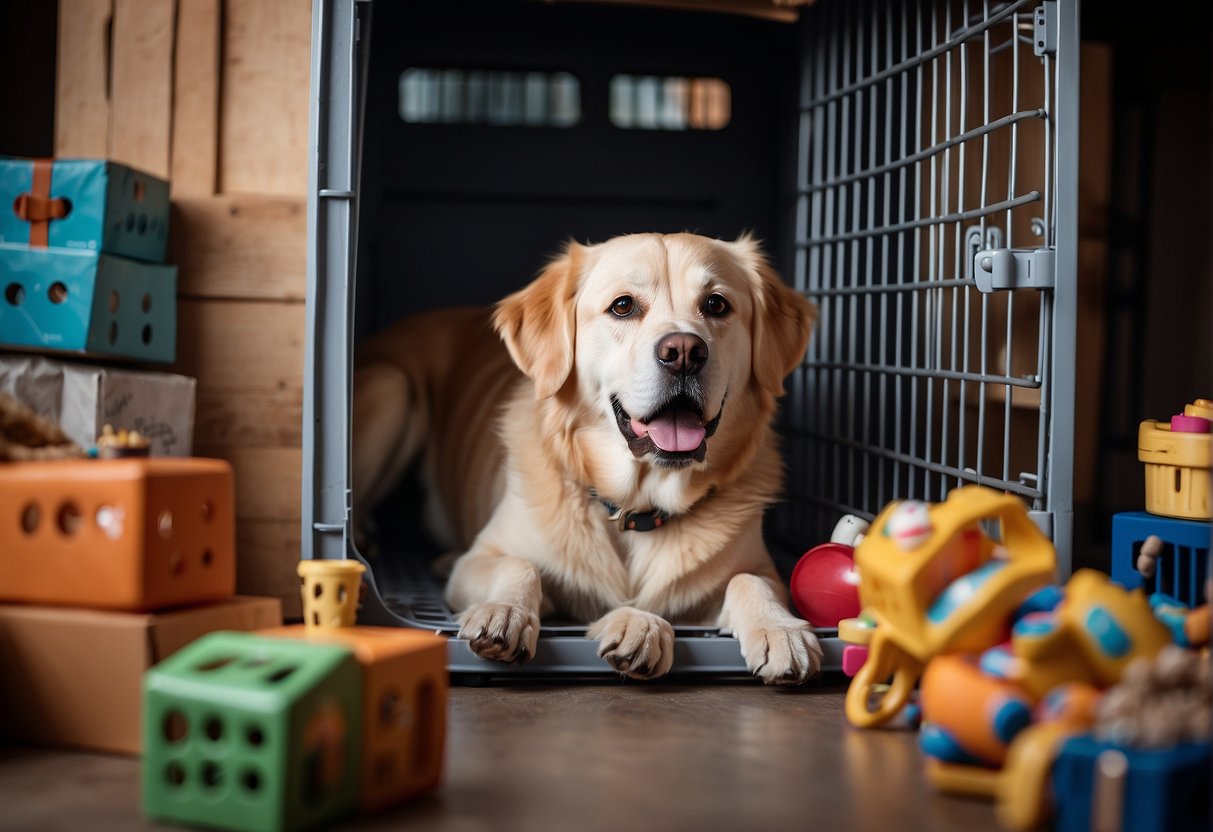
Progressing with crate training requires a balance of consistency and patience. Success hinges on gradually increasing crate time and integrating the crate into the dog’s daily routine.
Gradually Increasing Crate Time
To ensure a positive association with the crate, one must start with short intervals of time and progressively increase the duration. It’s crucial to observe the dog’s behavior for signs of stress and readjust the timing accordingly. A suggested schedule might look like this:
- Week 1: 5-10 minutes per session, 2-3 times a day
- Week 2: 15-20 minutes per session, 2-3 times a day
- Week 3: 30 minutes to 1 hour per session, twice a day
Each stage should only be advanced to the next when the dog shows comfort at the current duration. Throughout this process, it’s essential to remain present and offer a calming cue before leaving the dog alone in the crate.
Crate Training as Part of a Daily Routine
Incorporating the crate into the dog’s daily routine promotes acceptance and normalizes the experience. Meals, chew toy time, and quiet times can all take place within the crate. Here’s how one might incorporate crate time into a typical day:
- Morning: A short stay in the crate after breakfast while the family gets ready for the day.
- Midday: An extended crate period coinciding with typical working hours; this may start with shorter periods and then gradually extend as the dog becomes more comfortable.
- Evening: Crating during dinner, allowing the dog to relax in a space where it won’t be underfoot, gradually extending the time as needed.
Consistency in these routines is key, as dogs thrive on predictability. Patience from the owner is critical, as every dog will adjust at their own pace. All interactions with the crate should be calm and reassuring to strengthen positive associations.
Crate Training for Special Circumstances

Crate training an older dog not only helps with daily routines but also prepares them for unexpected situations. It ensures safety during travel and provides a secure environment during emergencies and natural disasters.
Travel and Transportation
When transporting a dog by car, the crate should serve as a familiar and secure space, minimizing stress for the dog. It is essential that the crate is properly sized to allow the dog to stand, turn around, and lie down without discomfort. For car travel, secure the crate with seat belts or other anchors to prevent movement.
- Size: The crate should be large enough for comfort yet snug enough for security.
- Securing the Crate: Use straps or a seat belt to keep the crate stable in the car.
Emergencies and Natural Disasters
In the event of an emergency or natural disaster, a dog’s crate can be a safe haven, making it crucial for them to be accustomed to it. Ensure the crate is easily accessible and part of an emergency plan.
- Accessibility: Store the crate in a location that is easy to reach during an urgent situation.
- Emergency Supplies: Keep a kit of essential supplies, such as food, water, and medications, close to the crate.
Crates should be part of regular emergency drills, so the dog associates it with a calm experience despite the potential chaos of an actual emergency.
Health and Comfort Considerations

When crate training an older dog, it is essential to prioritize their health and comfort. This includes selecting the appropriate bedding and accessories and considering any medical advice.
Proper Bedding and Accessories
Selecting the right dog bed is critical for an older dog’s comfort within the crate. The bedding should be thick and soft to account for older dogs that may have orthopedic issues. Ensure the bedding is easily washable and fits snugly inside the crate. Additionally, providing a water bowl that attaches to the crate can help prevent spills and maintain hydration.
- Bedding: Orthopedic foam, soft fleece, or heated pads.
- Accessories: Non-spill water bowl, safe chew toys.
Medical Considerations and Veterinary Advice
Consulting a veterinarian is crucial when crate training an older dog. A veterinary professional can provide advice on how to accommodate any preexisting injuries or health concerns. They can also suggest modifications to training routines according to the dog’s medical history. A veterinary behaviorist can provide insight if the older dog shows signs of anxiety or stress related to the crate.
- Consultations: Regular check-ups, behavior evaluations.
- Adjustments: Tailoring training to the dog’s physical capabilities.
Reinforcing Positive Behavior and Avoiding Punishment

When training an older dog, positive reinforcement is the cornerstone of effective crate training. This method eliminates the need for punishment by focusing on rewarding the dog’s desirable actions. Instead of reprimanding undesirable behavior, trainers should foster an environment where the dog feels encouraged to perform behaviors that lead to positive outcomes.
Rewards can come in many forms, such as:
- Treats: Small food rewards given immediately after the desired action.
- Praise: Verbal commendations like “good dog” paired with affectionate gestures.
- Toys: A favorite toy can serve as a reward and can also be placed in the crate for comfort.
Trainers should use verbal commands in a calm and friendly tone to guide the dog’s behavior. When the dog follows a command to enter the crate, they should immediately receive a reward, linking the crate with an enjoyable experience.
Here are key steps for using positive reinforcement:
- Introduce the crate calmly, allowing the dog to explore it freely without force.
- Use a command like “crate” or “bed,” encouraging the dog to enter with a reward in view.
- Praise the dog as soon as they enter, giving a treat to solidify the positive association.
Through consistency, the dog will learn that the crate is their personal space, a haven where good things happen, not a place for punishment. By avoiding negative reinforcement, trainers maintain the dog’s trust and prevent anxiety, leading to a happier and well-adjusted pet.
Frequently Asked Questions

When crate training an older dog, owners often encounter specific challenges. This section addresses common questions to provide clear and effective strategies for success.
What are effective methods for easing crate anxiety in older dogs?
To combat crate anxiety, one should introduce the crate gradually, using positive reinforcement such as treats and favorite toys to build positive associations. Ensuring the crate is comfortable with appropriate bedding can also help ease anxiety.
Can you teach an older dog with separation anxiety to adapt to a crate?
Yes, an older dog with separation anxiety can learn to adapt to a crate. Start by incorporating the crate into daily routines for short periods while at home, and gradually increase the time spent in the crate with the owner away, always providing reassurance and comfort items.
What are the steps for using a crate to assist with potty training in an adult dog?
To use a crate for potty training, establish a consistent schedule for meal times and potty breaks, and take the dog out immediately after releasing them from the crate. Praise and rewards after the dog eliminates outside reinforce the desired behavior.
What is a reasonable timeline for successfully crate training an older dog?
The timeline for crate training an older dog varies but typically ranges from a few weeks to several months, depending on the dog’s history and previous experiences with crates. Patience and consistency from the owner are crucial factors in the training process.
What strategies can help retrain a dog to sleep comfortably in a crate?
Retraining a dog to sleep in a crate requires making the crate a welcoming space with comfortable bedding and avoiding using the crate as a punishment. Associating the crate with calm and restful experiences, such as sleep time treats or quiet time, can encourage a dog to sleep there comfortably.
Is there an age limit for when a dog can no longer be crate trained?
There is no specific age limit for crate training a dog. Older dogs may require more patience and gradual introduction to the crate training process, but with consistent, positive methods, they can be successfully crate trained at any age.