
Potty training an older dog requires patience, understanding, and adaptability. Unlike puppies whose habits are still being formed, older dogs may need to unlearn previous behavior patterns before adopting new ones. It’s crucial for the pet owner to comprehend the individual nature of their dog and to recognize that effective training often involves a tailored approach suited to the specific needs of the mature pet.

Establishing a consistent routine is central to success, as dogs generally thrive on predictability. Using tools like crate training can be beneficial in setting boundaries and creating a sense of security, while positive reinforcement techniques encourage the desired behavior with rewards. It’s important to manage expectations and be prepared to address accidents without punishment, keeping in mind that older dogs could have underlying medical or behavioral challenges that may require professional assistance.
Key Takeaways
- Training an older dog to potty requires a personalized and patient strategy.
- Consistency in routine and the use of positive reinforcement are key elements for success.
- Understanding the dog’s individual needs, including potential medical issues, is essential for effective training.
Understanding Your Older Dog
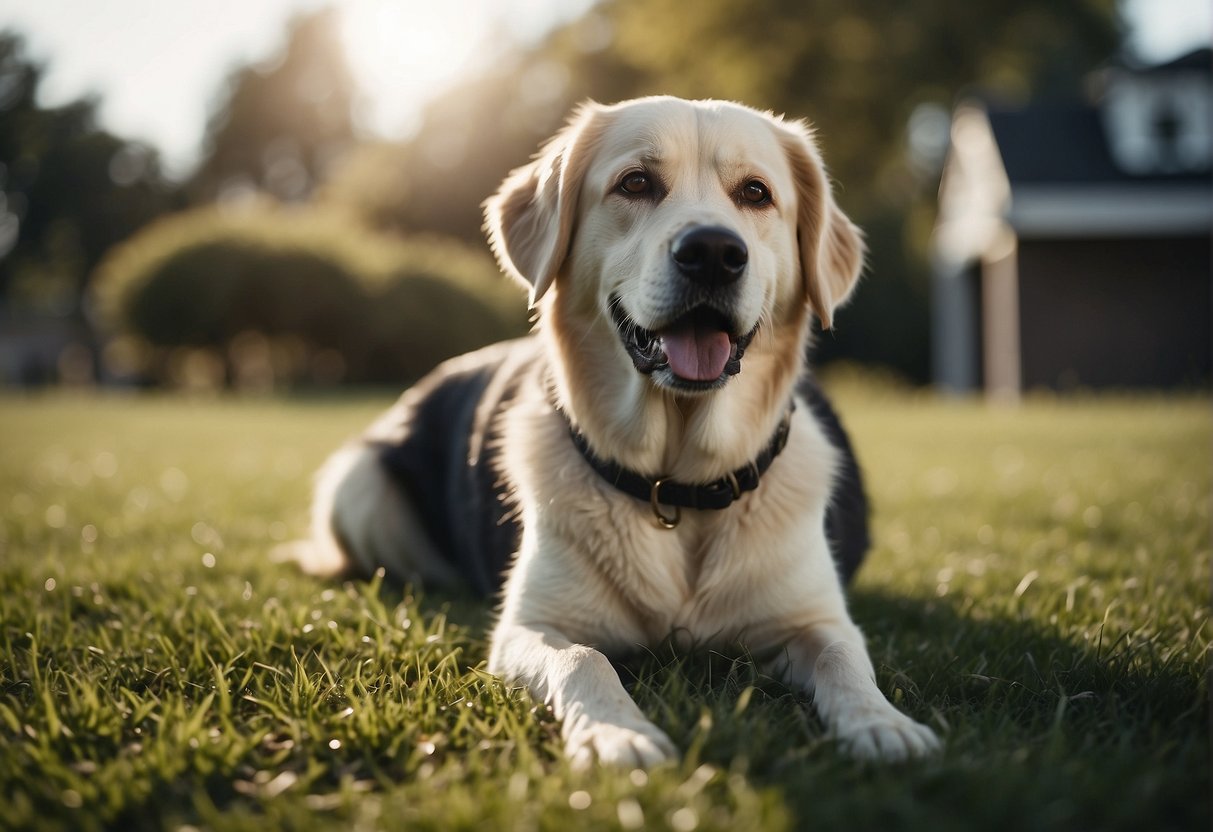
When potty training an older dog, it is crucial to pay attention to their unique signals and understand the cognitive changes that may come with age. This will help you approach the training process with patience and awareness.
Recognizing the Signs of Needing to Go
Older dogs often exhibit specific body language when they need to go outside. Familiar signs may include:
- Pacing: A quick and repetitive walking pattern.
- Sniffing: Searching the ground more than usual for the right spot.
- Whining or Circling: Audible signs of distress or spinning in place.
Watch for these signals and respond promptly to help your dog succeed in their potty training.
Cognitive Changes in Senior Dogs
As dogs age, they may experience anxiety or canine cognitive dysfunction (also known as doggy dementia), which can impact their potty habits. Key indicators of such cognitive changes include:
- Confusion: May seem disoriented or lost in familiar places.
- Anxiety: Displays of unease like panting or restlessness without an apparent trigger.
It’s essential to consult with a veterinarian if you notice signs of cognitive decline, as they can offer strategies or treatments to help manage these symptoms in your senior dog.
Preparation for Training

Before beginning the process of potty training an older dog, it’s essential to set the stage for success. This involves identifying an appropriate potty area and gathering all the supplies needed for an efficient training routine.
Choosing the Right Potty Spot
Selecting an ideal potty spot is crucial for the potty training process. For outside training, choose an area that is:
- Easily accessible: Ensuring quick access to the spot will help the dog associate the place with potty-time.
- Quiet: A low-traffic, tranquil area can help a dog feel at ease during potty breaks.
If indoor training is required, due to mobility issues or living circumstances, an indoor potty pad is a practical solution. Consider these points for pee pad placement:
- Consistency: Place the pee pad in the same spot to create a consistent go-to area.
- Seclusion: A private spot can encourage a dog to use the pee pad without distractions.
Gathering Necessary Supplies
Equip yourself with the following items to facilitate the potty training process:
| Supplies | Purpose |
|---|---|
| Crate | For creating a safe and comfortable den-like area for the dog. |
| Bed | To provide a cozy place for the dog to rest and feel secure. |
| Leash | To guide the dog to the potty area, especially for outdoor breaks. |
| Treats | To reward the dog immediately after successful elimination. |
| Pee Pads | If opting for indoor training, a designated area for the dog to relieve itself. |
It is important to have these supplies ready before training begins to ensure a structured and positive training experience.
Creating a Consistent Routine

Consistency is crucial when house training an older dog. A well-established routine helps the dog understand expectations and reduces confusion about potty breaks.
Establishing a Feeding Schedule
- Morning Meal: Serve breakfast at the same time each morning.
- Evening Meal: Provide dinner at the same time every evening.
By feeding an older dog at consistent times each day, their body will naturally regulate and predict the timing of potty breaks.
Setting Regular Potty Breaks
- Morning: Take the dog out first thing in the morning at a set time.
- After Meals: Schedule a potty break shortly after each meal.
- Evening: Ensure a final opportunity to go out right before bedtime.
Regular potty breaks reinforce house training and the dog’s internal clock, promoting successful potty habits.
Crate Training as a Tool
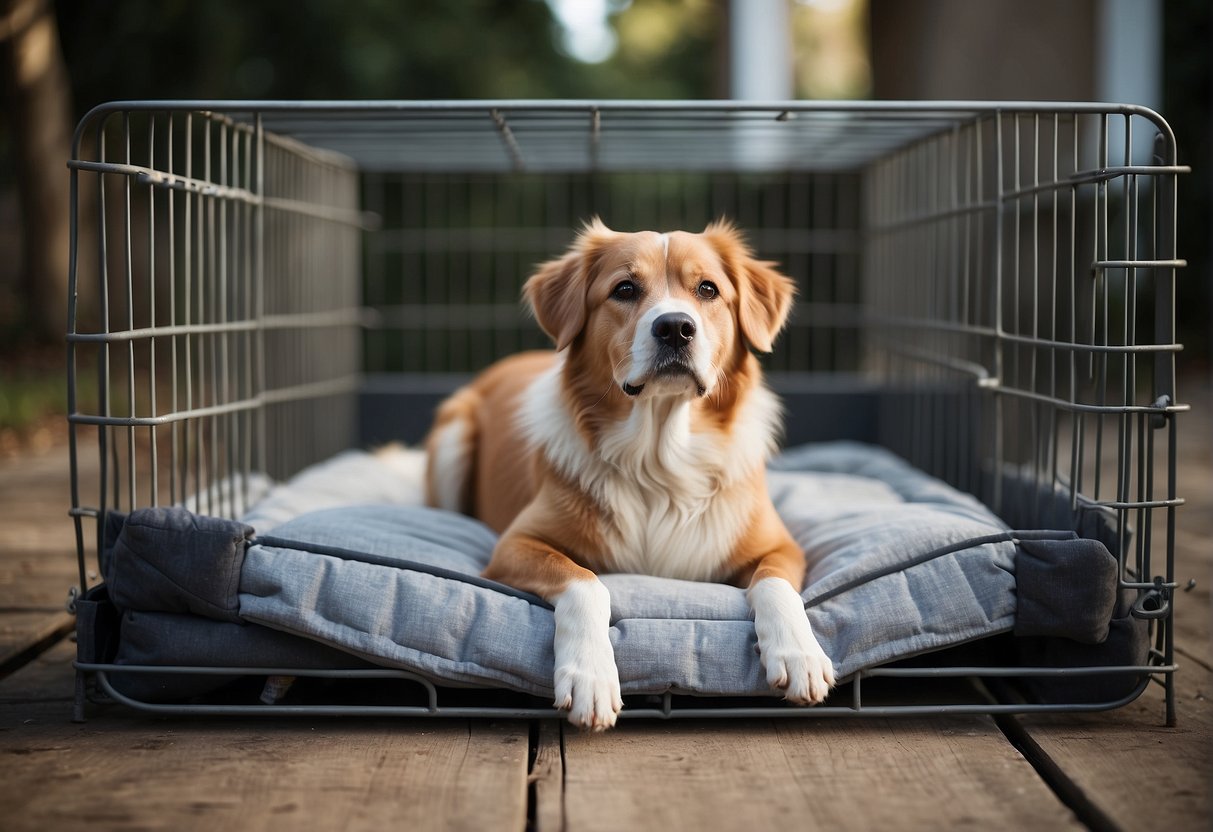
Crate training leverages a dog crate to provide a safe space for the dog while assisting with potty training. It utilizes the dog’s natural inclination to keep its sleeping area clean, thereby minimizing accidents.
Selecting an Appropriate Crate
One should select a dog crate that is large enough for the dog to stand up, turn around, and lie down comfortably, but not so large that it might eliminate at one end and sleep at the other. The crate can additionally be equipped with a comfortable bed to create a more inviting environment.
Introducing the Crate Gradually
Crate training should be a positive experience. Begin by placing treats or toys inside to motivate the dog to enter voluntarily. Gradual introduction helps the dog perceive the crate as a safe space rather than a confinement. Initially, leave the door open and encourage short periods of time spent inside, progressively increasing the duration as the dog shows signs of comfort.
Positive Reinforcement Techniques

Effective potty training for an older dog hinges on the consistent use of positive reinforcement techniques. These methods enhance the dog’s learning experience and make the training process more enjoyable for both the dog and the owner.
Implementing Reward-Based Training
Reward-based training is essential in reinforcing desired behaviors in older dogs. Immediate rewards after a successful potty break ensure the dog associates the action with positive outcomes. Key aspects to keep in mind include:
- Consistency: They should receive a reward each time they successfully go potty in the designated area.
- Timing: The reward should be given promptly, so the dog connects the treat with the correct behavior.
Types of Rewards:
- Treats: Small and tasty, these should be immediately given after the dog has used the designated potty area.
- Praise: Verbal affirmations such as “Good dog!” paired with physical affection can reinforce the behavior.
Avoiding Negative Punishments
Older dogs respond poorly to negative punishments, and such tactics can harm the trust between dog and owner. Instead, a focus should be on:
- Encouragement: Even when mistakes happen, maintaining a positive demeanor encourages the dog to try again.
- Redirection: If caught in the act of a mistake, calmly interrupt and redirect them to the appropriate potty area.
Addressing and Managing Accidents

When training an older dog, accidents are bound to occur. It is crucial to know how to respond effectively and clean up properly to maintain a consistent potty training routine.
Responding to Indoor Accidents
If a dog has an indoor accident, immediate and appropriate response is key. Owners should interrupt the dog calmly if they catch them in the act. A simple “Oops!” or “Ah-ah!” can suffice—this redirects without causing fear or anxiety. It’s important to then lead the dog outside promptly, encouraging them to finish there. Consistency in this response helps the dog learn the desired behavior.
Cleaning Up Effectively
For cleaning up accidents, it’s essential to use an enzymatic cleaner that effectively breaks down the waste and eliminates the scent that can attract the dog back to the same spot. Here’s a structured approach to cleaning up:
- Remove any solid waste with gloves or a paper towel.
- Blot up the liquid using a clean cloth or paper towels.
- Apply an enzymatic cleaner; let it sit as directed by the product.
- Wipe or vacuum the area if necessary, after the cleaner has done its work.
One should always supervise their dog closely, especially in areas where previous accidents occurred, to prevent re-marking and help ensure quick responses to any potential accidents.
Handling Medical and Behavioral Challenges
Potty training an older dog may encounter complications stemming from health concerns or behavioral hurdles. A meticulous approach is required to determine whether there’s a medical cause for accidents or if it’s a behavioral issue that can be managed with consistent training.
Identifying Possible Health Issues
When an older dog is having potty training issues, one must consider potential underlying health problems. It is crucial to consult a veterinarian to rule out or manage any medical conditions. Some common ailments include:
- Diabetes: Polyuria or frequent urination can be a sign of diabetes.
- Kidney Disease: Excessive drinking and urination may indicate renal issues.
- Urinary Tract Infection (UTI): Watch for signs such as difficulty urinating, bloody urine, or urinating in small amounts.
- Arthritis: Difficulty getting up may lead to incontinence since the dog cannot reach the potty area in time.
- Dementia: Confusion or disorientation can affect potty habits.
Medical issues like incontinence can also arise, which a vet may address with medication or other treatments. Early detection and management of these health problems are integral to the success of potty training.
Working Through Behavioral Setbacks
Behavioral issues can impede the potty training process in older dogs. It’s important to understand and address these setbacks:
- Separation Anxiety: Dogs may urinate when anxious due to their owner’s absence. Creating a calm environment and gradual desensitization to departure cues can mitigate this issue.
- Mobility Issues: Joint health and ease of movement affect a dog’s ability to reach the designated potty area. Non-slip mats and easy access are beneficial for dogs with arthritis.
- Dementia: Cognitive dysfunction in older dogs might disrupt learned behaviors, including potty training. Keep routines consistent and the environment structured to help a dog with dementia.
Through patience and adjustments to accommodate for these challenges, older dogs can successfully be potty trained despite medical and behavioral hurdles.
Training Outside the Home
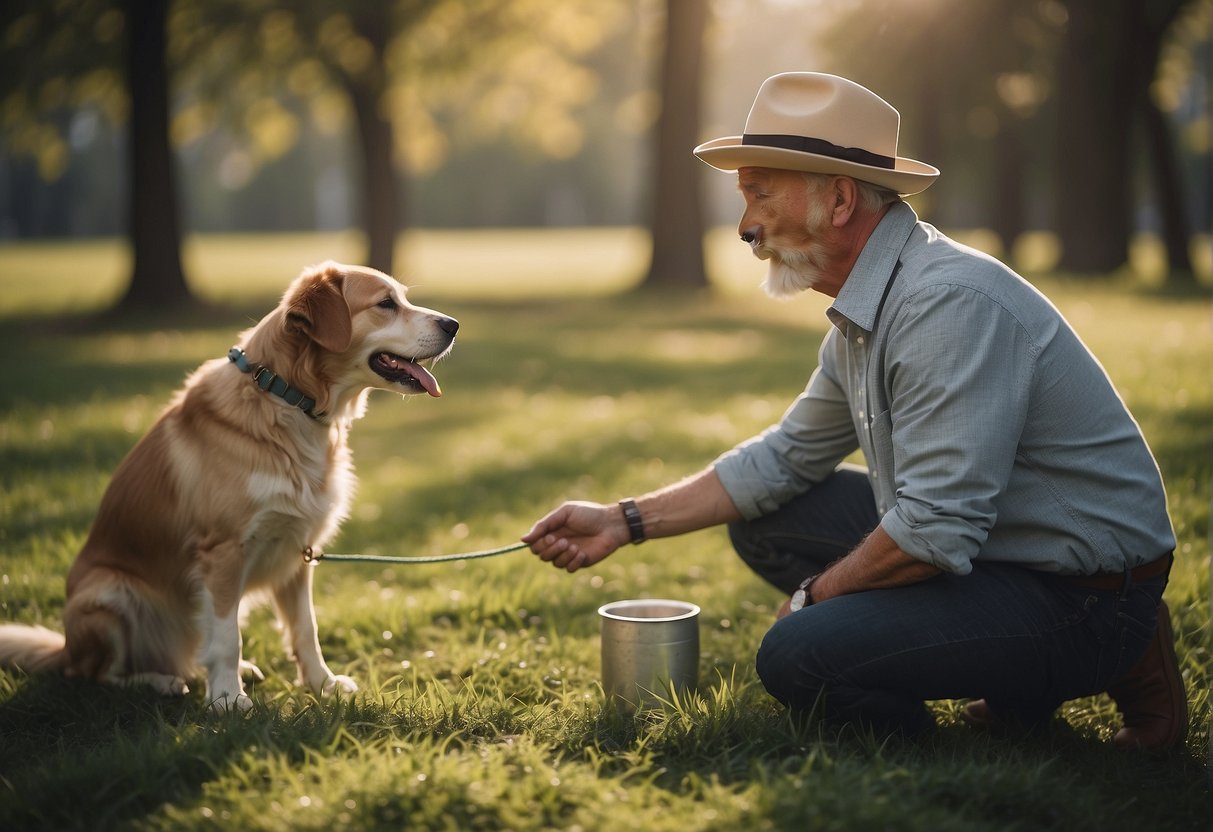
When potty training an older dog outside the home, consistency in location and routine is critical. Owners must acclimatize their dogs to various settings and maintain a structured schedule, especially when away from familiar surroundings.
Adapting to Different Environments
When taking the dog to new environments, they should introduce the dog systematically to a designated potty area. Yards or outdoor spaces should be readily identifiable and accessible to encourage the dog’s understanding of appropriate bathroom spots. It is important to use a leash to guide the dog to the area and establish a clear connection between the environment and the act of pottying. If an older dog is accustomed to pee pads, these can serve as a useful tool for creating a recognizable bathroom space outside the home.
- Familiarization: Slowly introduce new potty areas with a leash.
- Consistency: Use the same verbal cues and signals.
- Recognition: Allow the dog to sniff and recognize the spot.
Travel and Extended Absences
During travel or when the dog’s owner must leave for longer periods, maintaining a potty training routine becomes a challenge. Before leaving, familiarize the dog with temporary potty areas or establish a connection with pee pads if they will have to relieve themselves indoors. When someone else is taking the dog out for a bathroom break, they should follow the established schedule closely to prevent confusion. For instance, if the dog is used to going outside every 4 hours, the caretaker must adhere to this timing:
| Time | Activity | Notes |
|---|---|---|
| 7 AM | Morning potty break | Consistent with the dog’s usual routine |
| 11 AM | Midday potty break | Can be shortened if dog shows urgency |
| 3 PM | Afternoon potty break | Align with feeding times if possible |
| 7 PM | Evening potty break | Last break should be right before bedtime |
- Detailed Plan: Leave clear, written instructions for caretakers.
- Emergency Contacts: Provide contact information for unexpected situations.
- Comfort Items: Include familiar items such as toys to help the dog feel at ease.
By maintaining regular habits and preparing for different scenarios, owners can ensure that their older dog remains comfortable and on track with potty training even when they are outside the familiarity of their home.
Advanced Training and Troubleshooting
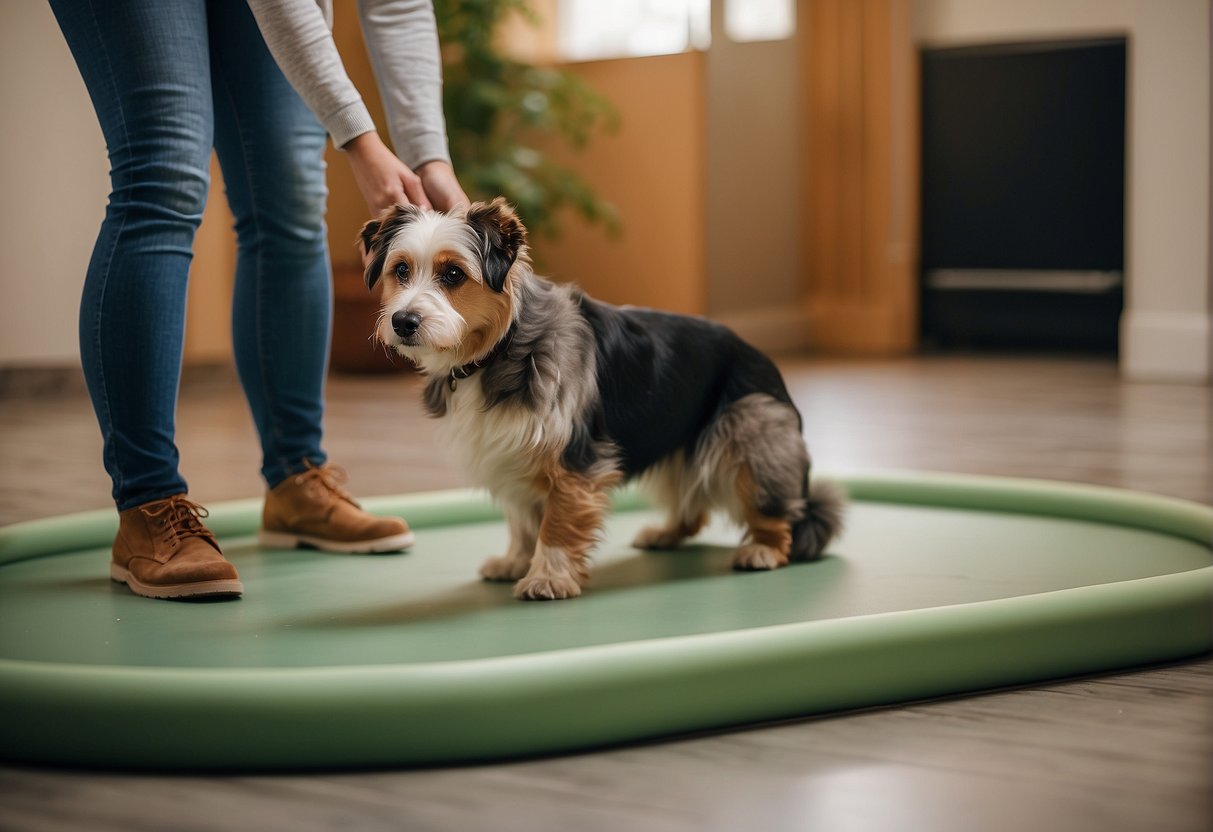
Potty training an older dog may require specific strategies, particularly when one encounters challenging cases with stubborn dogs or when a significant change in routine inhibits the establishment of new habits. Understanding when to escalate the issue to a professional dog trainer is crucial for success.
Challenging Cases and Stubborn Dogs
Some dogs may resist changes in their routine, displaying stubbornness towards new potty habits. Owners should remain patient and consistent, employing positive reinforcement and a predictable schedule to ease the transition. To address a challenging case:
- Identify Triggers: Take note of scenarios that trigger the dog’s old habits.
- Reinforce New Habits: Use treats and praise to reward the dog immediately after they eliminate outdoors.
- Adjust Feeding Times: Regulate food and water intake to predict when the dog may need to go.
When to Seek Professional Help
If an owner has diligently applied training techniques without success, it may be time to involve a professional dog trainer. Signs that professional help is needed include:
- No Progress: Persistent accidents indoors despite consistent training efforts.
- Stress Signals: The dog shows signs of stress or anxiety around potty training.
- Regression: Sudden and consistent regression in potty habits without an apparent cause.
A professional dog trainer can provide tailored advice and hands-on guidance to resolve these persistent issues.
Long-Term Maintenance and Success

Sustaining housetraining success with an older dog hinges on consistent reinforcement of good habits and adjusting to the dog’s evolving needs with age.
Reinforcing Good Habits Over Time
To ensure a house-trained dog maintains good habits, pet owners should consistently reward desired behaviors. Rewards can vary from treats to verbal praise or playtime—whatever best motivates the dog. It’s vital to remember that positive reinforcement should be immediate to help the dog associate the reward with the action. Additionally, maintaining a regular schedule for meals and potty breaks contributes to a dog’s housetraining success, reducing the risk of accidents.
Adjusting to Your Dog’s Changing Needs
As dogs enter their senior years, their needs may evolve due to health changes like incontinence or joint pain, which can affect their ability to hold it in or reach the designated potty area in time. Pet owners should remain patient and empathetic, possibly incorporating more frequent potty breaks into the routine. If mobility is an issue, providing easier access to the potty area—such as a ramp or closer indoor pee pads—can significantly help. Adjusting the household environment to cater to these changes can strengthen the bond with the furry friend and prevent housetraining regression.
Additional Resources and Support

In addressing the challenges of potty training an older dog, one should not overlook the wealth of resources and support readily available within their community and through ongoing educational opportunities. Expert help and updated training methods can greatly enhance the training experience for both the dog and the owner.
Utilizing Community Assistance
Shelters and humane societies often offer guidance and workshops on various aspects of dog ownership, including potty training. Many shelters also provide support groups and can connect dog owners with local trainers who have experience in dealing with medical conditions that might affect a dog’s ability to be house-trained.
- Contact Local Shelters:
- To inquire about training resources
- For advice on medical issues affecting potty training
- Connect with Humane Societies:
- For community support groups
- For workshops and seminars on dog training
Continuous Learning and Adaptation
In the realm of dog training, continuous learning is crucial, especially when it comes to older dogs which may require more patience and adaptable training strategies. It is advisable to stay informed on the latest research and techniques, as they can be very useful when traditional methods do not suffice.
- Research Latest Training Methods:
- Check reputable dog training websites and books.
- Consider online courses and webinars for the latest approaches.
- Adapt Training to the Dog’s Needs:
- Be open to changing tactics if certain methods are ineffective.
- Understand and accommodate any medical conditions that may impact training.
Frequently Asked Questions

Older dogs can learn new potty habits with consistent training and adaptations to their environment. These FAQs aim to address common concerns regarding the house training process for older dogs.
What is the most effective method to house train an older dog?
The most effective method involves establishing a consistent schedule for feeding and potty breaks, positive reinforcement, and patience. It’s important to take the dog out regularly, especially after meals and naps, and to praise them when they eliminate outdoors.
What are the steps to teach an older dog to use the bathroom outside at night?
Ensure the dog has a set routine which includes a specific bedtime potty break. Use outdoor lighting or a leash to guide them to the same spot each night, and reward them for going to the bathroom outdoors before bed.
Is it possible to potty train an older dog if you live in an apartment, and how?
Yes, it is possible. One can potty train an older dog in an apartment by establishing a strict bathroom schedule, using doggy pads or a balcony potty area, and gradually transitioning to outdoor breaks if feasible.
Are there strategies for potty training a dog that has not responded to previous training attempts?
Reevaluate the previous training approach. Focus on consistent scheduling, clear communication, and positive reinforcement. Address any underlying behavioral or health issues that might be impeding progress.
What techniques can prevent an older dog from having accidents indoors?
Prevent accidents by providing frequent potty breaks, supervising the dog while indoors, using confinement when necessary, and immediately cleaning any accident spots to remove odors that might encourage re-soiling.
At what point is a dog considered too old to learn proper potty habits?
There is not a specific age at which a dog is too old to learn. The key is to tailor the approach to the dog’s health and cognitive abilities, keeping in mind that patience and consistency are crucial at any age.