
As dogs age, their mobility can decline, particularly in their hind legs, which may become weaker or less steady. This is a normal part of the aging process, but it can significantly affect a dog’s quality of life. Owners of senior dogs may notice signs of hind leg weakness, such as difficulty rising from a lying position, hesitance to jump or climb stairs, or a general unsteadiness on their feet. Fortunately, there are several strategies to help strengthen an old dog’s hind legs, which can enhance their mobility and comfort.

Proper nutrition plays a crucial role in maintaining muscle mass and joint health. Ensuring that a senior dog’s diet is rich in the necessary nutrients, possibly supplemented with vitamins or omega-3 fatty acids, can support leg strength. Alongside dietary care, a tailored exercise regimen is also beneficial. Low-impact activities such as walking, controlled sit-to-stand movements, gentle slope training, and hydrotherapy can help build muscle without over-stressing the joints. Additionally, physical therapy, pain management, weight control, and the use of adaptive equipment are all techniques that can support the well-being of a dog’s hind legs.
Key Takeaways
- Maintaining hind leg strength is critical for senior dogs’ mobility and quality of life.
- Nutrition and exercise are key components of improving hind leg function.
- Professional consultation and tailored care strategies are essential for addressing hind leg weakness.
Understanding Hind Leg Weakness in Old Dogs

As dogs age, they often experience hind leg weakness, which is typically a result of underlying health issues and natural deterioration of muscle mass.
Identifying Common Health Problems
Arthritis: A prevalent condition in older dogs, arthritis leads to joint inflammation, causing pain and difficulty in movement. It is most commonly diagnosed in the hips and knees, directly impacting the strength and functionality of the hind legs.
Muscle Atrophy: Age-related muscle loss, or muscle atrophy, is another significant factor in hind leg weakness. This decline in muscle mass reduces the support and strength necessary for basic mobility.
Recognizing Signs and Symptoms
Observable signs indicating hind leg weakness in an old dog include:
- Reluctance to Move: A lack of enthusiasm in exercise or play, demonstrating possible discomfort.
- Difficulty Standing Up: Struggling to rise from a lying or sitting position, which suggests diminished leg strength.
- Limping or Favoring a Leg: This may be indicative of pain, often related to arthritis or injury.
- Swelling or Heat in Joints: Physical changes in the joints can signal inflammation or arthritis.
By recognizing these symptoms early, owners can seek veterinary care, which is crucial for managing discomfort and maintaining the dog’s quality of life.
The Role of Diet in Strengthening Hind Legs
Proper nutrition is crucial for supporting the hind leg strength of older dogs. A focus on a balanced diet and strategic supplementation can provide the essential building blocks for muscle maintenance and joint health.

Choosing the Right Supplements
When selecting supplements to support a dog’s hind leg strength, it’s important to include those that provide components for joint health and muscle maintenance. Omega-3 fatty acids are known for their anti-inflammatory properties and can be beneficial for joint health. Glucosamine and chondroitin are also popular supplements that may help repair and maintain cartilage.
- Omega-3 Fatty Acids: Can be found in fish oil supplements.
- Glucosamine and Chondroitin: Often sold as a combined supplement for joint health.
Creating a Balanced and Nutritious Diet
A nutritious diet for an aging dog should include a balance of protein, fats, and carbohydrates. Foods rich in protein support muscle mass, which is vital for hind leg strength. Ensuring the dog maintains a healthy weight can alleviate extra stress on the joints.
- High-Quality Protein: Include protein-rich foods like lean meat, eggs, and specially formulated senior dog food.
- Weight Management: Monitor caloric intake to prevent obesity, which can strain the dog’s hind legs.
Exercise Programs for Enhancing Mobility

Older dogs can benefit significantly from exercise programs tailored to improve mobility and mitigate joint stress. These programs should focus on low-impact exercises that promote joint health and activities that build muscle strength and coordination.
Low-Impact Exercises for Joint Health
Low-impact exercises are crucial for maintaining joint health in older dogs. They provide the necessary movement to keep joints flexible without placing undue stress on them.
- Walking: Daily walks, kept short and at a slow pace, allow dogs to maintain their joint motion and muscle mass without causing strain. Introducing gentle slopes can gradually increase the exercise’s intensity.
- Swimming: As an excellent form of hydrotherapy, swimming supports a dog’s weight and reduces the impact on their joints, while still providing an effective full-body workout to enhance overall mobility.
Building Muscle Strength and Coordination
Increasing muscle strength supports the dog’s skeletal system, improving stability and coordination.
- Rear leg lifts: While the dog is in a standing position, gently lift each hind leg in a controlled manner to strengthen the muscles.
- Sit-to-Stand exercises: Encourage the dog to sit and then stand multiple times, as this movement works the muscles in the hind legs.
By incorporating these exercises into a regular routine, owners can help their senior dogs maintain better mobility and quality of life.
Physical Therapy and Alternative Treatments
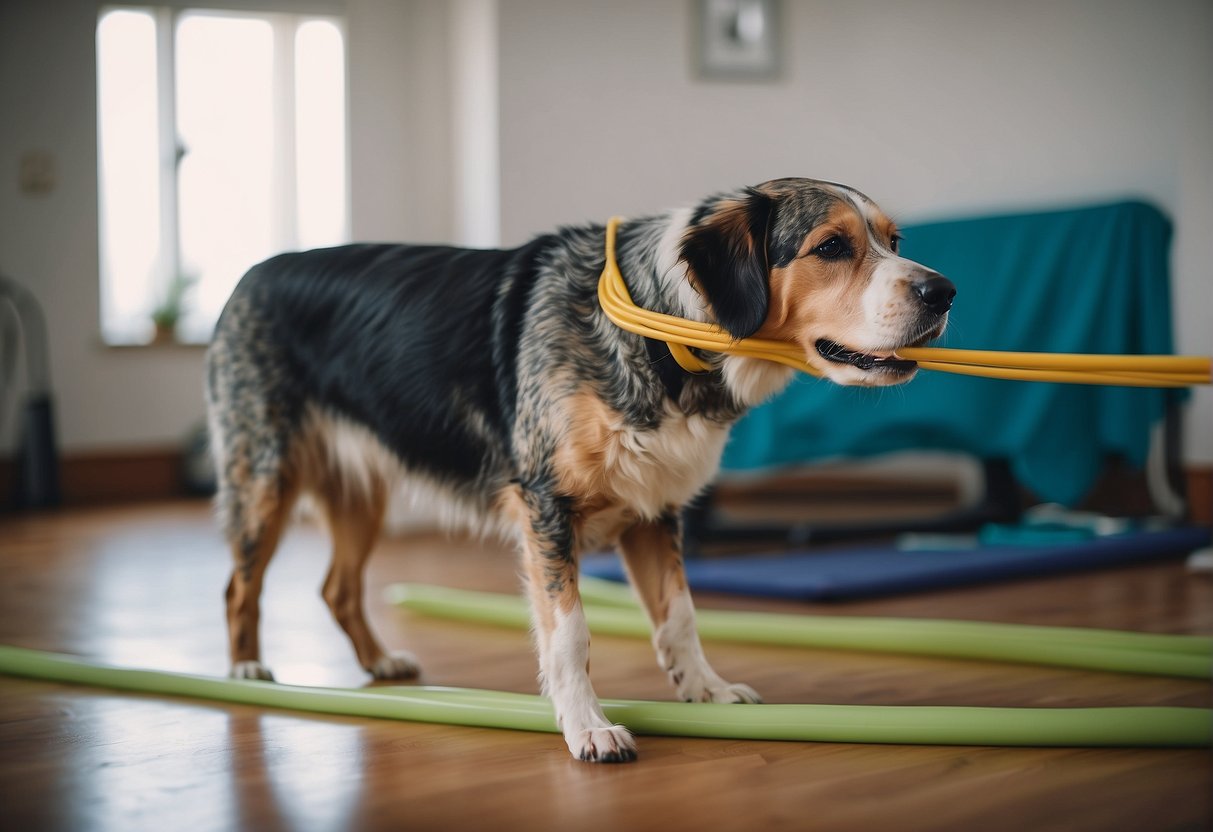
Providing old dogs with physical therapy and alternative treatments can help maintain and improve hind leg strength, enhance balance, and manage pain. These modalities are often integrated into overall care to address muscle weakness and mobility challenges.
Incorporating Physical Therapy into Routine
Physical therapy is a critical component for strengthening an old dog’s hind legs. It typically includes exercises that focus on muscle building and maintaining joint health. A licensed animal physical therapist may recommend exercises such as:
- Controlled Walking: A structured regimen of walking can aid in muscle strengthening and improve balance. Short, frequent walks are preferable over long, strenuous ones.
- Sit-to-Stand Exercises: Encouraging a dog to sit and then stand repeatedly helps to build the muscles in the hind legs.
- Balance Activities: Utilizing balance equipment, like wobble boards or inflatable discs, to challenge the dog’s balance can fortify the core and hindquarters.
Exploring Acupuncture and Laser Therapy
Acupuncture and laser therapy are alternative treatments that can complement physical therapy by targeting pain relief and muscle healing. Specifically:
- Acupuncture: This ancient practice involves inserting needles into specific points to stimulate nerves, increase blood circulation, and relieve muscle tension. Acupuncture can often help dogs that are experiencing pain in their hind legs, making it a valuable treatment for conditions like arthritis.
- Laser Therapy: Also known as photobiomodulation, laser therapy uses low-level lasers to stimulate cell function, which can lead to reduced inflammation and pain. This treatment can support the regeneration of tissues and offer relief to dogs with weak hind legs.
Managing Pain and Discomfort

In managing a senior dog’s hind leg strength, addressing pain and discomfort is crucial. It ensures they can participate in strengthening exercises without unnecessary suffering. Optimal management involves both pharmaceutical and non-pharmaceutical approaches.
Effective Use of Medications
For senior dogs with conditions like arthritis, medications prescribed by a veterinarian can play a central role in pain management. Non-steroidal anti-inflammatory drugs (NSAIDs) are commonly used to reduce inflammation and pain. Careful dosing and monitoring are essential to prevent potential side effects. Depending on the dog’s condition, other medications like opioids or adjunctive pain medications might be considered. A medication schedule can look like this:
- Morning: NSAID with food
- Evening: Adjunctive pain medication as prescribed
Consistent evaluation of the dog’s response to medication is key, as dosages may need adjustments.
Comfort Measures for Senior Dogs
Improving the comfort of senior dogs to alleviate discomfort can be achieved through various strategies. Use of orthopedic beds provides better support for aging joints, reducing pain while resting. Incorporating gentle massages can improve blood flow and provide relief from muscle stiffness. For dogs with arthritis, maintaining a warm environment can help minimize joint stiffness. Remember to keep these points in mind:
- Offer a supportive orthopedic bed for rest periods.
- Provide gentle massages; consider a professional canine massage therapist.
- Keep living areas warm to reduce discomfort from arthritis.
Weight Control for Improved Hind Leg Function

Effective weight control is paramount for enhancing hind leg function in older dogs, as excess weight places unnecessary strain on deteriorating muscles and joints, exacerbating mobility issues.
Strategies for Achieving Weight Loss
To initiate weight loss in overweight dogs, a comprehensive approach is necessary. One should:
- Consult a Veterinarian: They can determine a safe calorie intake for the dog.
- Measure Food Portions: Precise portion control to avoid overfeeding.
- Quality Diet: Opt for high-protein, low-fat diets that support muscle maintenance while promoting fat loss.
- Regular Exercise: Incorporate daily walks, tailored to the dog’s endurance.
A gradual descent to a healthy weight is the aim—it prevents muscle loss and minimizes stress on the hind legs.
Impact of Obesity on Mobility
Obesity directly affects a dog’s mobility. Excess weight can lead to:
- Increased pressure on joints, intensifying pain from arthritis.
- Accelerated progression of hind leg weakness.
- Risk of injuries due to compromised balance and stability.
Reducing a dog’s weight through controlled diet and appropriate exercise not only improves mobility but also contributes to the overall quality of life.
Adaptive Equipment and Mobility Aids

For senior dogs experiencing hind leg weakness, there are various adaptive devices designed to support their mobility. Identifying the appropriate equipment and training dogs for their use can greatly enhance their quality of life.
Choosing the Right Mobility Aids
Selecting the right mobility aids for a senior dog is crucial to ensure they receive the support they need. Here are key considerations:
- Wheelchairs: Suitable for dogs with significant hind leg weakness or paralysis. Ensure the wheelchair is correctly sized to comfortably fit the dog’s height and length.
- Rear Lifting Harnesses: Ideal for dogs that need intermittent support during walks or when navigating stairs.
- Hip Braces: Can provide additional support to dogs with hip dysplasia or arthritis, helping to stabilize the hindquarters.
When choosing mobility aids, consult with a veterinarian for recommendations based on the dog’s specific needs and conditions.
Training Dogs to Use Wheelchairs and Braces
Training a dog to use a wheelchair or brace requires patience and positive reinforcement. Steps include:
- Familiarization: Allow the dog to become comfortable with the equipment by introducing it in a familiar environment without forcing interactions.
- Assistance: Initially, guide the dog gently to use the equipment, using treats or favorite toys as motivation.
- Consistency: Daily, short training sessions help the dog adapt more quickly to the equipment, increasing their confidence and mobility over time.
Monitor the dog’s response to ensure they are not experiencing discomfort or stress during this process.
Home Environment Adjustments

Adjusting the home environment is crucial for the comfort and safety of senior dogs, especially those with weak hind legs. It helps to maintain their mobility and prevents further injury.
Making Your Home Senior-Dog Friendly
To accommodate a senior dog’s limited mobility, owners should create a living space that minimizes the risk of falls and injuries.
- Flooring: Install non-slip mats or rugs on slippery surfaces to provide traction for your dog’s hind legs. This can prevent slipping and aid in stable movement.
- Bedding: Provide orthopedic beds that support aging joints and are low enough to ensure easy access.
- Clutter: Keep floors clear of obstacles that can be tripping hazards for dogs with limited mobility.
Using Ramps and Stairs Effectively
Incorporating ramps and stairs around the home can greatly improve a senior dog’s ability to navigate their environment confidently.
- Ramps: Place ramps at entryways, couches, and beds to help dogs bypass the challenge of steps. Ensure ramps have a gentle incline and are textured for grip.
- Stairs: If ramps are not a suitable option, consider pet stairs with wide, deep steps. Stairs should have non-skid surfaces for safe ascent and descent.
By making these modifications, owners can greatly enhance their senior dogs’ quality of life and promote continued mobility despite aging-related challenges.
Monitoring and Responding to Progressive Conditions

When a senior dog exhibits hind leg weakness, it is crucial for pet owners to monitor the condition closely and respond appropriately. Degenerative Myelopathy (DM) and Intervertebral Disc Disease (IVDD) are progressive conditions that can lead to paralysis without timely and correct management.
Dealing with Degenerative Myelopathy
Degenerative Myelopathy is a disease known for affecting the spinal cord, leading to progressive hind leg weakness and eventual paralysis. Early detection is key. Here’s how to address DM:
- Consultation: If DM is suspected, consult a vet immediately for a tailored management plan.
- Genetic Testing: Consider genetic testing, as some breeds are predisposed to DM.
- Exercise: Maintain a controlled exercise regimen to support muscle function without overexertion.
Managing Intervertebral Disc Disease
Intervertebral Disc Disease affects the cushioning discs of the dog’s spine, resulting in pain, nerve damage, and potentially, hind leg paralysis. To manage IVDD, owners should follow these steps:
- Immediate Medical Attention: At any sign of hind leg weakness or pain, seek veterinary guidance to prevent worsening of the condition.
- Rest and Support: Rest is critical. Provide a comfortable and supportive sleeping area to reduce disc stress.
- Medical Treatment: A vet may prescribe anti-inflammatory medications or recommend surgery depending on the severity of the IVDD.
Caring for a Senior Dog’s Mental and Emotional Health

Proper mental and emotional care are critical for a senior dog’s overall well-being. They require consistent stimulation and an environment tailored to reduce stress and enhance comfort.
The Importance of Mental Stimulation
Senior dogs benefit greatly from mental stimulation to maintain their cognitive function. Puzzles and interactive toys can keep their minds active, while short training sessions using positive reinforcement not only stimulate but also strengthen the bond between dogs and their owners. It’s important to adapt activities to match the dog’s physical abilities, ensuring that they remain engaged without becoming fatigued.
Recognizing the Signs of Stress and Depression
Senior dogs can exhibit signs of stress and depression, which may manifest as changes in behavior, sleep patterns, and appetite. Recognizing these signs early on is crucial for timely intervention. Creating a peaceful environment, incorporating soothing activities like gentle petting or soft music, and maintaining a consistent routine can provide emotional stability and comfort. If behavioral changes persist, it is advisable for the owner to consult a veterinarian, as these could indicate underlying health issues that require professional attention.
Consultation with Veterinary Professionals
When endeavoring to strengthen an old dog’s hind legs, an initial consultation with a veterinarian is imperative. They provide a professional assessment to determine if the weakness is part of the natural aging process or indicative of an underlying health problem.
Veterinarians can perform diagnostic tests to rule out medical conditions such as:
- Degenerative Myelopathy
- Diabetes
- Arthritis
Medical attention should not be delayed as early intervention can prevent further deterioration. For example, a veterinarian may recommend:
- Physical therapy: Under the guidance of a professional trainer, structured exercises can improve strength and mobility.
- Medication: To manage pain or target specific conditions contributing to hind leg weakness.
- Nutritional adjustments: Proper diet can support muscle maintenance and overall health.
A veterinarian will also gauge an old dog’s weight since obesity can increase the strain on their legs.
After a thorough evaluation, some vets might refer the owner to a veterinary rehabilitation specialist. These professionals focus on tailored exercise regimens that can include:
- Water therapy
- Balance exercises
- Targeted muscle strengthening
In summary, strengthening an old dog’s hind legs should involve a comprehensive plan devised by veterinary professionals. They ensure that exercises and treatments are suitable for the dog’s specific needs and health status.
Frequently Asked Questions

In addressing common concerns about geriatric canine care, this section provides insights into exercises, home remedies, and treatments for strengthening an elderly dog’s hind legs and managing muscle atrophy.
What are effective exercises to strengthen a senior dog’s hind legs?
Effective exercises include sit-to-stand exercises, rear leg lifts, walking, gentle slope training, and hydrotherapy. Regular, gentle movement can significantly support muscle maintenance and joint health.
What home remedies can help improve strength in an old dog’s hind legs?
Home remedies may encompass gentle massages to improve circulation, stretches to maintain flexibility, and activities like swimming that offer low-impact resistance training for the hind legs.
How can you assist a dog whose back legs are collapsing?
Assistance can involve the use of supportive devices, such as harnesses and knee braces, to provide stability. Working with a veterinarian or a canine rehabilitation specialist can guide the usage of these aids effectively.
What could be causing my elderly dog’s sudden hind leg weakness?
Sudden hind leg weakness could stem from a variety of causes including arthritis, degenerative myelopathy, intervertebral disc disease, or nerve disorders. A veterinary examination is crucial to determine the cause.
What are the treatment options for muscle atrophy in senior dogs’ hind legs?
Treatment options may include prescribed exercise routines, physical therapy, medication for underlying conditions such as arthritis, and dietary changes or supplements to support muscle health.
Is it possible for a dog to regain strength after experiencing weakness in the hind legs?
Yes, many dogs can regain strength in their hind legs with an appropriate combination of treatments, supportive care, and targeted exercises as recommended by a veterinarian.