
As dogs age, they often exhibit behavioral changes that can indicate they are approaching the end of their life. Understanding these signs is crucial for providing the appropriate care and comfort to an aging pet. Some behaviors to watch for include increased lethargy, disinterest in previously enjoyed activities, and noticeable changes in appetite and digestion. It’s important to note that not all changes are indicative of the end of life, but they may signal a need for a closer look at the dog’s overall health and well-being.

Observing your dog and recognizing these behaviors can also help in assessing their quality of life, which may involve decisions about palliative care and, ultimately, considering the difficult decision of euthanasia. Knowing the signs and preparing for the final stages can provide a sense of readiness and peace for both the dog and the owner, ensuring the pet’s comfort is prioritized during their remaining time.
Key Takeaways
- Aging dogs exhibit various behavior changes signaling they may be nearing the end of life.
- Recognizing these changes is essential for assessing a dog’s quality of life and providing care.
- Preparation and understanding of end-of-life behaviors can offer comfort to both pets and owners during this time.
Recognizing the Signs of Aging in Dogs

As dogs progress into their senior years, it’s crucial for owners to recognize the signs of aging, which manifest through both physical and behavioral changes. These changes can affect a dog’s quality of life and indicate when special care is needed.
Physical Changes in Senior Dogs
Senior dogs often exhibit physical changes such as:
- Gray Hair: Just like humans, a senior dog may develop gray hair, particularly around the muzzle and face.
- Joint Problems and Arthritis: Aging can lead to a decline in joint health, with signs including limping, hesitance to jump or climb stairs, and obvious discomfort during or after activity.
- Muscle Mass and Strength: A noticeable loss of muscle mass and strength can occur, which contributes to decreased mobility.
- Dental Issues: Bad breath in senior dogs can be a sign of dental problems such as gum disease or tooth decay.
Incorporating tables can succinctly summarize the changes:
| Physical Change | Signs/Symptoms | Additional Notes |
|---|---|---|
| Gray Hair | Graying of muzzle and face | Aesthetic change |
| Joint Issues | Limping, avoiding stairs | Possible pain and discomfort |
| Muscle Loss | Weakened stance, lethargy | Leads to decreased mobility |
| Dental Health | Bad breath, loss of appetite | Requires veterinary attention |
Behavioral Changes with Old Age
Behavioral changes are also indicative of aging in dogs:
- Disorientation: A senior dog may appear confused or lost in previously familiar environments.
- Memory Loss: Forgetting previously learned commands or trained behaviors is common.
- Altered Sleep Patterns: Aging can disrupt regular sleep cycles, leading to more sleep during the day or restlessness at night.
- Anxiety or Increased Vocalization: Senior dogs may show signs of increased anxiety or start vocalizing more due to confusion or discomfort.
These behavioral shifts are often symptomatic of larger underlying issues related to aging and should be monitored:
| Behavioral Change | Signs/Symptoms | Additional Notes |
|---|---|---|
| Disorientation | Getting lost, confusion | Linked to cognitive decline |
| Memory Loss | Forgetting commands, confusion | Maybe symptomatic of cognitive dysfunction |
| Sleep Pattern Changes | Restlessness, more daytime sleep | Disturbs usual routine |
| Anxiety | Uncharacteristic vocalization | May signal pain or discomfort |
Monitoring these physical and behavioral changes in senior dogs allows for timely interventions and adjustments in their care to maintain their quality of life as they age.
Understanding End-of-Life Behavior

As dogs approach the end of life, they often display changes in behavior that can be indicators of their declining health. Owners may notice alterations in sleep patterns and energy levels among other signs.
Changes in Sleep Patterns
Old dogs before death may exhibit significant changes in sleep patterns. They can experience restlessness during the night, which can include pacing or an inability to settle in one place. Conversely, they might also show an increased amount of time spent sleeping during the day.
Decreased Activity and Lethargy
A marked decrease in activity is a common sign in a dog nearing the end of life. Dogs may show lethargy and a loss of interest in activities they once enjoyed, such as walking or playing. This decrease in activity is often accompanied by a reduced interaction with family members and other pets.
The Impact of Health Issues on Behavior

Old dogs often experience behavior changes due to underlying health issues. It’s crucial to differentiate between signs of natural aging and indicators of serious medical conditions.
Managing Chronic Conditions
Chronic conditions such as arthritis, kidney failure, and cancer can alter a dog’s behavior significantly. For instance, a dog with arthritis may show less interest in activity due to joint pain, which can be misinterpreted as lethargy or depression. They might struggle with stairs or be reluctant to jump or play.
- Arthritis: Reduced mobility, visible discomfort during movement
- Kidney Failure: Increased thirst and urination, lethargy, decreased appetite
- Cancer: Variable symptoms, depending on cancer type and location
Managing chronic conditions involves a combination of veterinary care, medication management, and lifestyle adjustments to minimize discomfort and maintain quality of life.
Identifying Acute Health Crises
An acute health crisis, such as liver failure or a sudden worsening of a chronic condition, can cause dramatic behavior changes. Dogs may experience bouts of confusion or disorientation, which are signs of potential cognitive dysfunction or an underlying metabolic issue like liver failure.
- Liver Failure: Jaundice (yellowing of the skin and eyes), vomiting, diarrhea
- Cognitive Dysfunction: Disorientation, altered sleep-wake cycles, loss of house training
Prompt recognition and veterinary intervention are critical in acute cases to provide appropriate treatments and potentially life-saving care.
Assessing Quality of Life

When evaluating an old dog’s remaining time, it’s crucial to assess their quality of life, considering pain, comfort, and overall well-being. Pet owners and veterinarians work together to ensure compassionate care.
Determining Pain and Discomfort Levels
Recognizing signs of pain and discomfort in a dog is essential for assessing their quality of life. Signs that a dog may be in pain include:
- Reluctance to move: Difficulty standing up after lying down or refusal to stand can suggest joint or arthritic pain.
- Changes in posture: A hunched posture or carrying the head low can indicate distress.
- Lack of appetite: Pain may cause a decreased interest in food.
- Altered breathing: Panting or rapid breath even when at rest can be a sign of discomfort.
It is advisable for pet owners to consult with a veterinarian to properly address and manage their dog’s pain.
Quality of Life Indicators
Quality of life in older dogs can be evaluated through both physical and behavioral indicators. Owners should observe their dog’s daily routines and behaviors for changes:
- Activity Levels: A significant decrease in activity or enthusiasm for regular activities.
- Eating and Drinking Habits: A persistent lack of appetite or reduced water intake could indicate declining health.
- Social Interaction: Withdrawal from family members or other pets could be a sign that a dog is preparing to pass away.
When quality of life wanes, pet owners may need to make the compassionate but difficult decision regarding euthanasia, aiming to prevent needless suffering. Regular consultations with a veterinarian can help inform this decision, ensuring comfort and dignity for the dog in its final days.
Behavioral Changes and Cognitive Dysfunction

Older dogs may exhibit a range of behavioral changes as they near the end of their life, often due to cognitive decline. Owners may notice signs of confusion, disorientation, and anxiety, which are indicative of cognitive dysfunction.
Signs of Cognitive Decline
As dogs age, they can experience cognitive decline, leading to noticeable changes in behavior. Dog owners might observe the following:
- Confusion/Disorientation: A dog may appear lost in their own home or yard or go to the wrong side of a door.
- Memory Loss: Difficulty recognizing familiar people or pets and forgetting previously learned commands.
- Anxiety: Increased clinginess or becoming easily unsettled by routine changes.
- Repetitive Behaviors: Pacing or circling obsessively without an obvious purpose.
It is essential for dog owners to recognize these symptoms early on as they directly affect the dog’s quality of life.
Adapting to Senior Dogs’ Needs
Supporting a senior dog with cognitive dysfunction involves adjustments to their environment and routine:
- Minimize changes to the dog’s environment to avoid unnecessary stress.
- Establish a routine that includes regular feeding times, walks, and bedtime to provide a sense of security.
- Use physical aids like ramps or carpeting to help with mobility and orientation.
- Mental stimulation in the form of simple, interactive games can help maintain cognitive function.
Understanding the impact of cognitive dysfunction on behavior is critical for providing compassionate care to aging pets.
Nutritional Concerns in Aging Dogs

As dogs age, their nutritional requirements shift, and certain health issues can lead to changes in appetite and dietary needs. Maintaining proper nutrition is vital for sustaining their health and quality of life during their senior years.
Addressing Changes in Appetite
Many senior dogs experience a decreased appetite which can result in weight loss and nutritional deficiencies. It’s important for owners to monitor their dog’s food intake and weight. If a dog shows a lack of appetite or change in appetite, they may prefer frequent, smaller meals rather than one or two large servings. Offering a variety of their favorite foods can also encourage eating, but it’s essential to ensure these are nutritionally balanced.
Special Dietary Needs of Senior Dogs
Aging dogs often face digestive issues that necessitate adjustments in their diet. High-quality, easily digestible foods with the right balance of fiber can aid in digestion and help prevent issues such as dehydration. Older dogs may also require a diet lower in calories but still rich in essential nutrients to maintain health without contributing to weight gain. It’s critical that their food supports joint health, renal function, and overall vitality. Regular veterinary check-ups can help determine the specific dietary needs of a senior dog.
Handling Mobility and Incontinence

In aging dogs, arthritis and joint problems often lead to reduced mobility, while a decline in muscle control can result in incontinence. Proper management is critical to maintain the dog’s quality of life.
Assisting with Mobility Issues
Arthritic changes and other joint issues can cause dogs to struggle with movement. To assist them, pet owners may consider the use of:
- Non-slip mats: Placing these around the home can help prevent slips and falls.
- Support harnesses: These devices allow owners to help their dogs stand up and navigate staircases or get into cars.
- Orthopedic beds: Provide supportive sleeping surfaces to reduce joint pain.
Dealing with Loss of Muscle Control
Incontinence in dogs might stem from a loss of sphincter muscle control or other health issues that lead to involuntary urination or defecation. Management strategies include:
- Scheduled bathroom breaks: Frequent, regular outdoor trips can minimize accidents.
- Waterproof pads: Protect home surfaces by placing these where the dog rests or sleeps.
- Medications: In some cases, vets might prescribe medications to improve muscle control.
It’s important to consult a veterinarian to identify the underlying cause of these symptoms, as they can also indicate other conditions like digestive upset leading to vomiting or diarrhea. A tailored care plan should be developed to address the specific needs of the dog.
Communicating with Your Veterinarian
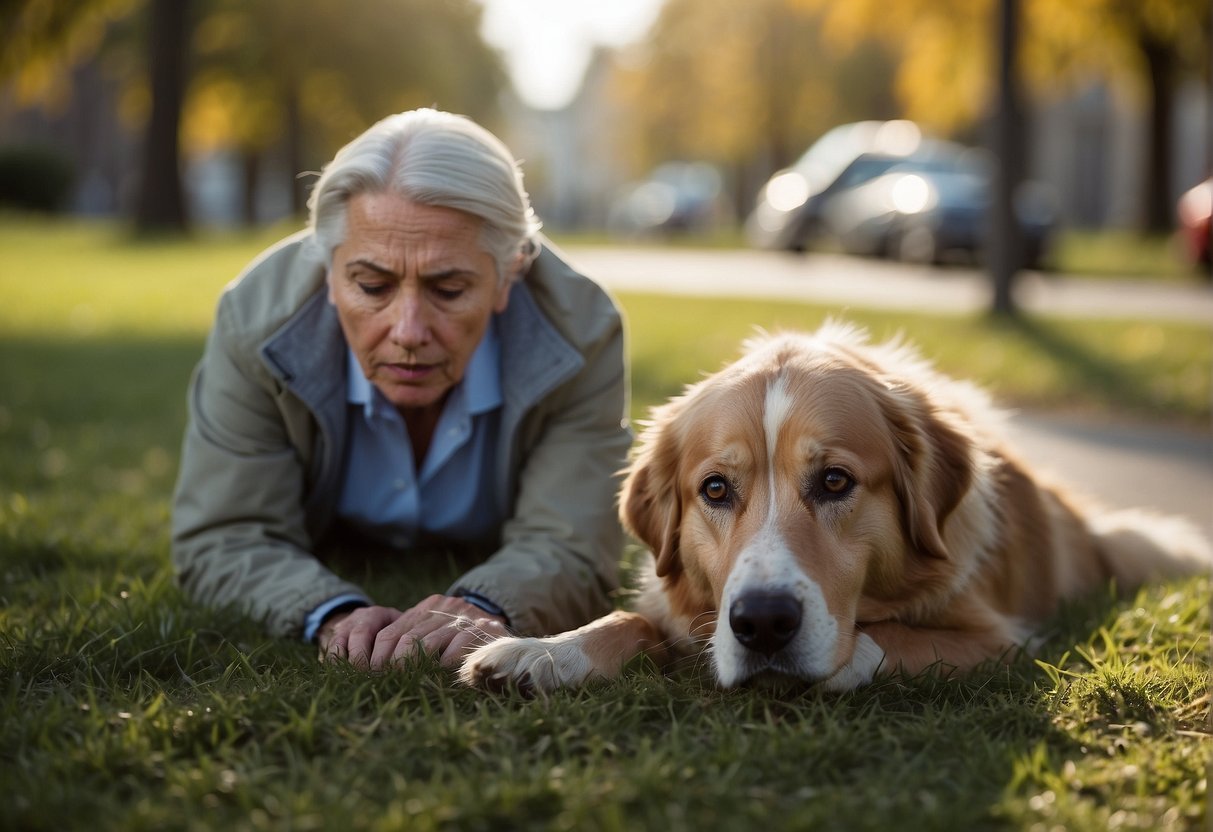
In assessing the health and possible end-of-life stage of a senior dog, open and informed communication with a veterinarian is crucial. It ensures that owners can provide the best care and make thoughtful decisions regarding their dog’s comfort and dignity during their final moments.
When to Consult Your Veterinarian
One should consult their veterinarian upon observing any marked changes in their dog’s behavior that suggest pain or discomfort. Key behaviors include:
- Reduced mobility or lethargy
- Changes in appetite or water consumption
- Visible signs of pain such as whimpering or restlessness
Owners must monitor their senior dogs closely and report these occurrences promptly. It’s imperative to maintain regular check-ups, especially when a dog reaches advanced age, as early detection of health issues can lead to more effective management or treatment.
Lists of behaviors that warrant veterinary attention:
- Incontinence indicating loss of body control
- Vomiting or nausea which could reflect gastrointestinal distress
- Confusion or loss of consciousness suggesting neurological issues
- Muscle spasms or twitching which could be signs of neural or muscular problems
Preparing for the Final Moments
When a dog is nearing the end of life, the veterinarian can guide the owner through the process of end-of-life care or euthanasia if the dog is in pain and suffering. Understanding what to expect can help owners prepare, both emotionally and practically, for their dog’s last days.
Owners should discuss the following with their veterinarian:
- The natural progression of their dog’s current health condition
- Euthanasia, including the process, timing, and aftercare options
- Pain management strategies to keep the dog comfortable
- Quality of life assessments to aid in making the difficult decision when it’s time
Having these discussions can provide comfort to owners by ensuring that their beloved companions are treated with compassion and respect when they are most vulnerable.
Emotional Considerations for Pet Owners

When a beloved pet nears the end of its life, pet owners experience a spectrum of emotions, from anxiety about the care needed to the impending grief associated with loss. Recognizing and navigating these emotions are crucial steps in the journey of pet ownership.
Coping with Grief and Loss
Pet owners may find themselves grappling with intense feelings of sorrow as they face the inevitable passing of their companion. Grief can manifest in various ways, including sadness, anger, or even guilt. It’s important to recognize these reactions as normal parts of the grieving process.
- Acknowledge Your Feelings: Safely expressing emotions is therapeutic and essential for healing.
- Seek Support: Connecting with friends, family, or support groups can offer comfort.
- Remember the Good Times: Sharing stories or looking at photos can celebrate the life of the pet.
- Consider Professional Help: Therapists specializing in pet loss can provide additional support.
Supporting Your Dog Through End of Life
Providing comfort to a dog as it approaches its final days is a compassionate act that can also help pet owners in their emotional journey. Dogs may experience increased anxiety, requiring a gentle and reassuring presence.
- Maintain Routines: Dogs take comfort in routine; try to keep daily activities as regular as possible.
- Create Comfort: Ensure the dog has a quiet and comfortable space, using soft bedding and keeping the area warm.
- Physical Contact: Petting can be soothing for both the dog and owner, reinforcing the bond until the end.
- Veterinary Guidance: Vets can offer advice for palliative care to minimize discomfort.
Throughout this period, it’s essential for pet owners to practice self-compassion and allow themselves to experience the natural process of grieving while providing empathetic support to their aging dog.
Preparing for Loss

Losing a pet is a significant event in one’s life, filled with grief and challenging decisions. This section provides guidance on identifying signs of a dog nearing the end of its life and insights into the sensitive topic of euthanasia.
Recognizing the Signs That a Dog Is Dying
A dog nearing the end of life often exhibits a combination of physical and behavioral signs. Observant owners can look for key indicators, which may include:
- Pronounced fatigue: The dog shows a marked decrease in energy and activity levels.
- Loss of interest: Previously cherished toys or interactions with people no longer engage the dog.
- Lethargy and lack of coordination: The dog may struggle with moving about and completing simple tasks.
- Physical decline: Signs like decreased respirations, incontinence, and muscle twitching may be present.
- Behavioral changes: An increase in confusion, restlessness, or a sudden constant desire to be close to their owner can occur.
The recognition of these signs allows owners to provide appropriate end-of-life care and prepare emotionally for the impending loss.
The Decision for Euthanasia
Euthanasia is considered when a dog’s quality of life has diminished significantly due to age or illness, with little to no hope of recovery. The decision requires:
- A thorough evaluation: Owners should consult with their veterinarian to discuss the dog’s health and the potential for suffering.
- A personal reflection: Owners must consider the dog’s comfort and the impact on their quality of life.
Selecting euthanasia is deeply personal and can be a humane option to prevent unnecessary pain and suffering for the pet. Owners may experience a range of emotions, from sorrow to relief, as they navigate through this aspect of end-of-life care.
Frequently Asked Questions

Recognizing the signs of a dog nearing the end of life is crucial for providing the comfort and care they need. The following frequently asked questions address key concerns of pet owners with aging dogs.
What are the common signs that indicate a dog may be dying?
Common signs a dog may be nearing the end include significant changes in behavior and routine, like decreased appetite, increased lethargy, and withdrawal from social interactions. Dogs may also experience changes in their sleep patterns.
How can I tell if my senior dog is in pain or discomfort?
Signs of pain or discomfort in senior dogs can manifest as restlessness, agitation, or vocalization. They may also exhibit increased breathing rate, reluctance to move, and changes in posture or gait.
What changes occur in a dog’s behavior as they approach the end of life?
As dogs approach the end of life, their behavior may change drastically. They can become less interested in their surroundings, show a decreased response to family members, or have a lower energy level, spending more time sleeping.
What should I expect during the final stages of my dog’s life?
During the final stages, they may lose control over bodily functions, experience difficulty breathing, and show signs of confusion or disorientation. Appetite loss is also common.
How do dogs typically behave during their last days, especially when suffering from terminal illnesses like cancer or heart failure?
Dogs with terminal illnesses may exhibit more acute symptoms such as persistent coughing or labored breathing. They might isolate themselves, experience weight loss, or show a significant decline in their mobility.
What are the indications that a dog is experiencing their last moments?
In their last moments, dogs often seek solitude and may stop eating or drinking entirely. Their breathing may become irregular, and they may no longer respond to external stimuli.