
As dogs age, their health and behavior can change, often in ways that may concern pet owners. One such change that might be noticed is an older dog drinking more water than usual. This increase in water consumption, known in medical terms as polydipsia, can be a symptom of several underlying health issues. Understanding why an elderly dog consumes excessive water is crucial as it might be indicative of conditions that require medical attention.

Increased thirst and water intake in senior dogs can be due to a variety of reasons, from the benign, such as a reaction to a salty meal, to more serious health concerns such as kidney disease, diabetes, urinary tract infections, or hormonal disorders like Cushing’s disease. Since these conditions are more prevalent in older dogs, monitoring their water consumption plays an important role in their overall well-being. It is imperative for pet owners to be aware of their senior pet’s normal drinking habits to detect any significant changes.
Key Takeaways
- Increased water consumption in senior dogs can signify underlying health issues.
- Polydipsia in old dogs warrants close monitoring and may require veterinary consultation.
- Early detection and treatment of diseases related to excessive drinking can manage symptoms and improve quality of life.
Understanding Polydipsia in Old Dogs
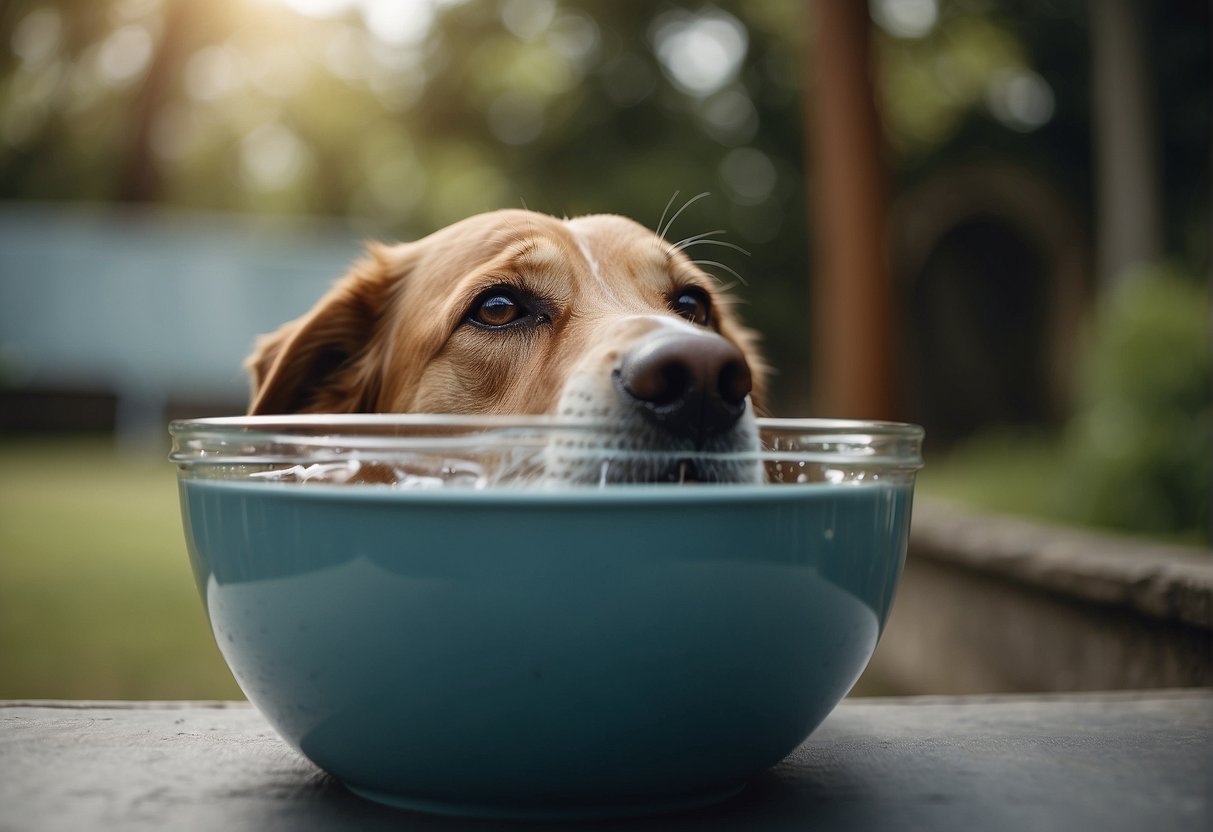
Polydipsia refers to excessive thirst and is often observed as increased water intake in dogs, particularly older canines. It may be concerning for pet owners to notice their dog drinking a lot of water, but understanding the possible causes is crucial.
Common Causes:
- Diabetes Mellitus: Affects the dog’s ability to process sugar.
- Chronic Kidney Disease: Affects the kidneys’ filtering capacity.
- Cushing’s Disease: Involves the overproduction of cortisol.
Observation Tips:
- Monitor Water Intake: Measure daily to detect any significant changes.
- Look for Accompanying Symptoms: Such as increased urination (polyuria), which could indicate a more serious condition.
Immediate Actions:
- Do not restrict water without veterinary guidance.
- Schedule a vet visit, as early diagnosis and treatment are crucial.
Diagnostic Approach:
- Vets may conduct blood tests, urine analysis, and examine the dog’s medical history.
In summary, while polydipsia in senior dogs can indicate a range of conditions, from benign to serious, a veterinarian should evaluate any instance of excessive drinking to rule out or confirm medical issues and provide appropriate care. It’s essential to monitor the dog’s behavior and report any concerns to a veterinarian promptly.
Common Causes of Increased Water Intake

When an older dog consumes more water than usual, it often indicates an underlying health issue. Specific medical conditions account for the majority of such cases, many of which demand veterinary attention for an accurate diagnosis and appropriate treatment.
Kidney-Related Disorders
Kidney disease and kidney failure are prevalent causes that propel an increased thirst in dogs. These conditions impair the kidneys’ ability to conserve water, leading to excessive urination and subsequent increased water intake. Key indicators of kidney issues include not only changes in water consumption but also alterations in urination patterns and appetite.
Diabetes Mellitus and Diabetes Insipidus
Diabetes mellitus is characterized by inadequate insulin production, causing elevated blood sugar levels and prompting dogs to drink more water to help flush out excess glucose. Contrastingly, diabetes insipidus results from a hormone imbalance that affects water regulation in the body, leading to profound thirst and diluted urine, distinct from the high glucose levels found in diabetes mellitus.
Cushing’s Disease and Other Hormonal Imbalances
Cushing’s disease, or hyperadrenocorticism, involves an overproduction of cortisol by the adrenal glands. This hormonal imbalance can increase appetite, water consumption, and the need to urinate. While Cushing’s syndrome denotes a similar condition caused externally by prolonged steroid use, the term often refers to the disease’s endogenous form. Hormonal imbalances in general can lead to a host of symptoms, with excessive water intake being one of them.
Signs and Symptoms to Monitor

When an older dog begins drinking more water than usual, it’s important for owners to pay close attention to other signs and symptoms that might indicate an underlying health concern. Here’s what to look for:
- Polyuria: An increase in the frequency and volume of urination can be a clear sign that something isn’t right.
- Urine Characteristics: Changes in urine color, clarity, or odor should prompt further investigation.
Observing a dog for signs of dehydration is crucial:
- Skin Turgor Test: Gently pinch and lift the skin between the shoulder blades. In a well-hydrated dog, the skin will quickly return to its normal position.
- Gum and Nose Condition: Dry or sticky gums and a dry nose may also indicate dehydration.
Furthermore, monitoring changes in body weight and body condition can be revealing:
- Weight Loss or Gain: Despite increased water consumption, dogs may lose or gain weight unexpectedly.
- Pot-Bellied Appearance: In conjunction with other symptoms, this may be indicative of certain diseases.
Additional symptoms that shouldn’t be overlooked:
- Muscle Weakness: Generalized or specific limb weakness can accompany various health issues.
- Ravenous Appetite: An increase in appetite, especially if sudden, warrants attention.
Consistent and objective monitoring of these signs and symptoms can help determine the urgency and necessity of a veterinary consultation. It is essential that any notable changes are documented and communicated to a veterinarian for proper assessment and diagnosis.
Diagnostic Procedures

When a senior dog presents with symptoms of excessive water consumption, various diagnostic tests are crucial to identify the underlying cause. These tests typically include blood tests, urine analysis, and imaging procedures which provide a comprehensive assessment of the dog’s health.
Blood Tests
Blood tests are a fundamental component in diagnosing health issues in dogs. They are particularly useful for:
- White Blood Cell Count: To check for signs of infection or inflammation.
- Blood Sugar Levels: To rule out diabetes by measuring the glucose concentration in the blood.
- Creatinine: To assess kidney function, as elevated levels can indicate renal issues.
Urine Analysis
Urine analysis, or urinalysis, is critical and involves several checks like:
- Appearance of the Urine Sample: Clarity and color can give initial clues about hydration status and possible bleeding.
- Specific Measurements: Such as pH, concentration, and presence of proteins or glucose.
- Microscopic Examination: For detecting cells, including white blood cells, which may indicate a urinary tract infection or other diseases.
Imaging Tests
Imaging tests provide visual insight into the internal state of the body, helping to identify abnormalities that could be causing symptoms. Common imaging tests include:
- X-rays: Useful for examining the size and shape of the kidneys, liver, and other abdominal organs.
- Ultrasound: Offers a more detailed view and can help to identify stones, tumors or structural irregularities in the urinary system.
Treatment Options for Increased Water Consumption

When a senior dog exhibits increased water consumption, it’s crucial to identify the underlying condition through veterinary consultation. Treatment plans will vary according to the specific diagnosis.
If diabetes mellitus is the cause, insulin therapy may be initiated. The veterinarian will prescribe the appropriate type of insulin and dosage, which typically requires regular monitoring and blood sugar level adjustments.
In the case of kidney failure, a carefully curated diet along with medications to manage symptoms may be recommended. Diuretics might be necessary to help the kidneys filter and excrete waste products more efficiently.
For dogs diagnosed with Cushing’s disease, treatment could involve steroids to control hormone production, but these drugs must be administered carefully to avoid secondary complications.
Each condition demands a tailored treatment plan:
- Diabetes: Insulin injections, dietary changes
- Kidney Failure: Special diet, possibly diuretics
- Cushing’s Disease: Steroids, other medications as prescribed
Regular check-ups with the veterinarian are essential to monitor the dog’s response to treatment and to tweak the treatment plan as necessary. Owners should ensure that the dog always has access to fresh water and should follow the veterinarian’s dietary recommendations to support overall health and wellness.
Management and Care at Home
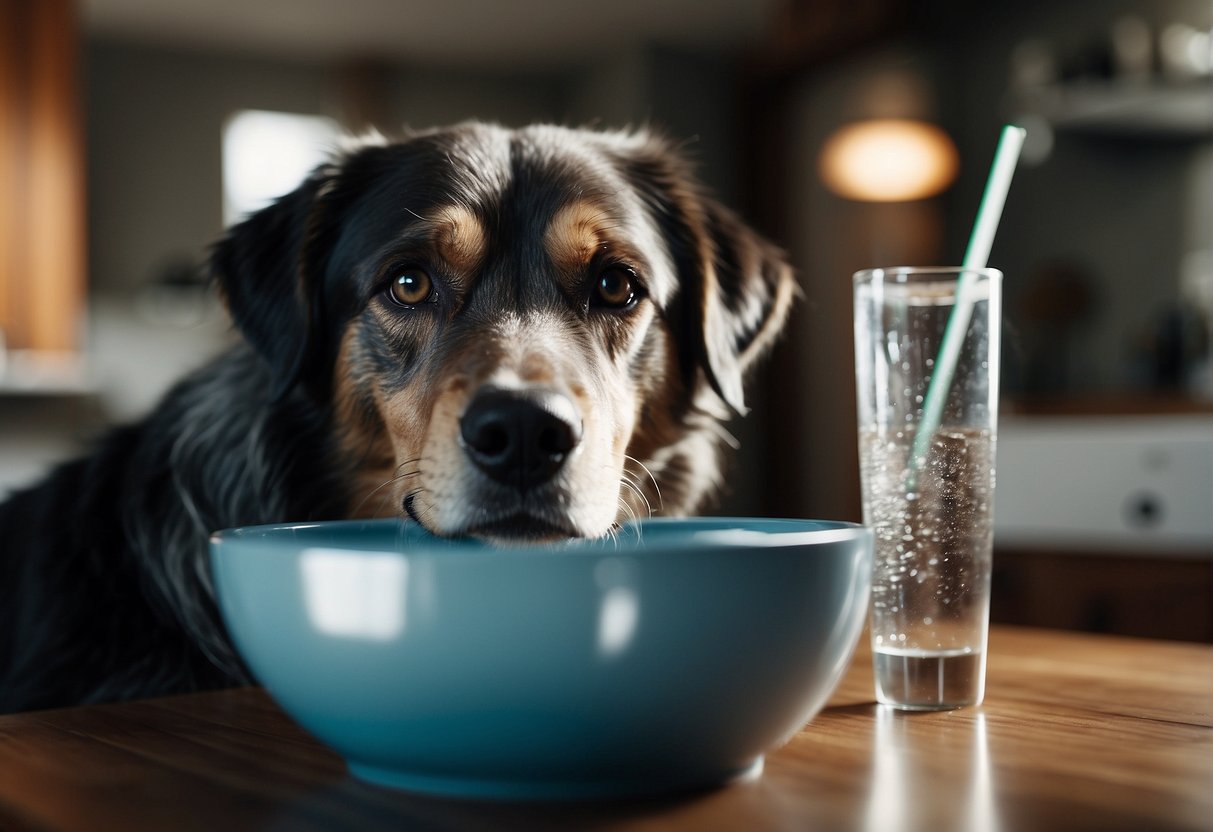
When managing a senior dog that is drinking more water than usual, owners can take several steps at home to ensure their pet’s health and comfort. It’s essential to monitor the water intake and make sure fresh water is always available. A dog’s water bowl should be filled with clean water and placed in an easily accessible location. Owners may consider multiple water stations, especially in larger homes, to encourage drinking without causing undue stress.
Dietary adjustments can also be beneficial. Sometimes an increase in water consumption can be diet-related; thus, assessing the dog’s diet with a veterinarian could reveal the need for changes. A diet with appropriate nutrients and designed for senior pets may help in maintaining hydration levels without excessive drinking.
Environmental factors like temperature can influence a dog’s hydration needs. Owners should ensure that their dogs live in a comfortable environment, with a cool place to rest during hot weather and warm bedding when it’s cold.
Stress and anxiety can lead to excessive drinking. Caregivers should create a calm and peaceful home environment. Reducing loud noises, disturbances, and maintaining a routine can help minimize stress for senior dogs. Activities and companionship are also important to alleviate anxiety and promote well-being.
Additionally, careful observation for any other changes or symptoms is crucial. Recognizing changes in behavior early helps in determining if the increase in water consumption is a sign of an underlying issue that requires professional medical attention.
Potential Complications and Prognosis
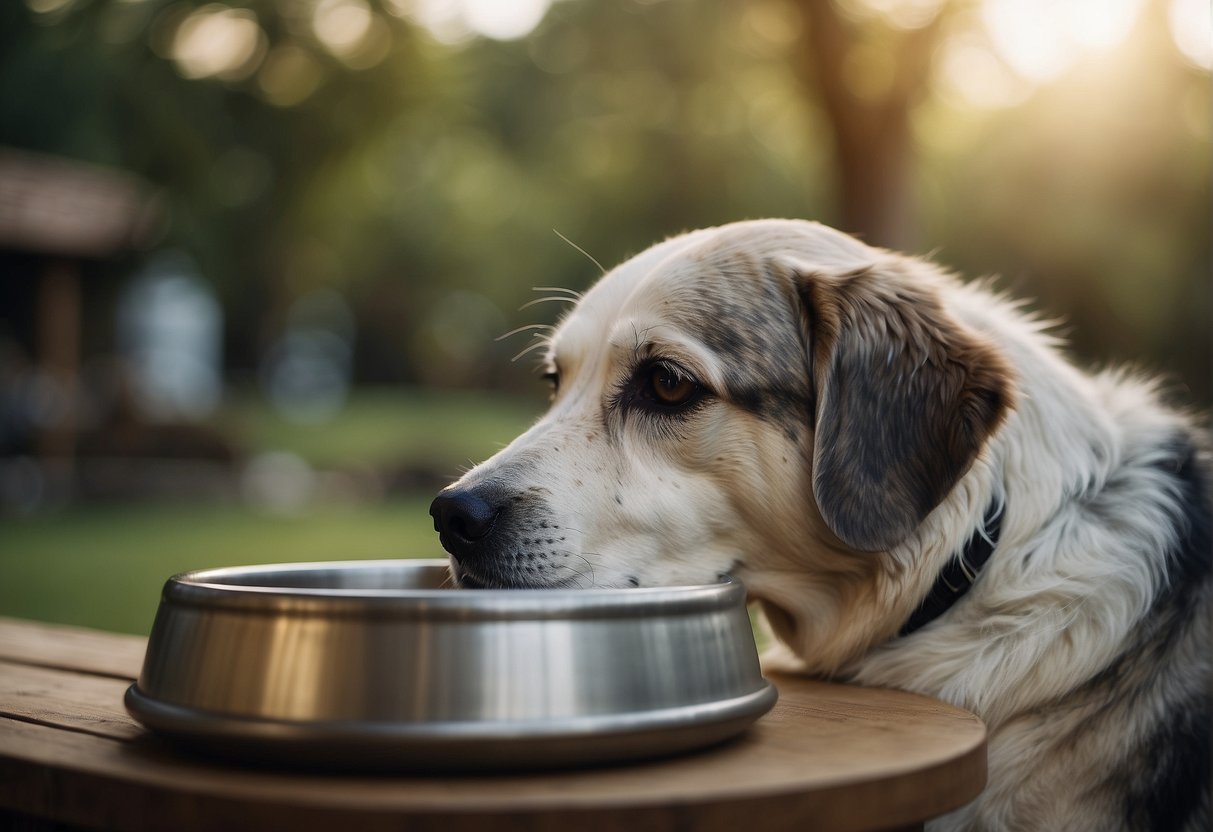
When an old dog exhibits increased water consumption, it may point to underlying health problems, some of which can be life-threatening if not promptly addressed. These issues necessitate a thorough veterinary evaluation to determine the exact cause and to begin appropriate treatment.
- Kidney Problems: Chronic kidney disease can lead to excessive thirst and urination. Complications from kidney problems may include toxin buildup in the body and electrolyte imbalances, potentially worsening the dog’s condition. The prognosis varies with the stage at diagnosis and response to therapy.
- Liver Disease: A dog’s increased water intake may be symptomatic of liver disease, which can disrupt the normal functioning of other organs. Complications can include coagulopathy, hepatic encephalopathy, and ascites. Prognosis for liver disease will depend on the underlying cause and the extent of liver damage at the time of diagnosis.
- Diabetes Mellitus: If a dog is drinking excess water, diabetes could be the culprit. Diabetes can cause numerous complications, including cataract formation, recurrent infections, and ketoacidosis, a potentially lethal condition. With proper management including diet and insulin therapy, many dogs can live a normal life span.
Promptly identifying the health problem behind the increased water intake is crucial. Prognosis for dogs with such medical issues depends on several factors:
- Early detection and treatment
- Severity of the disease
- Overall health and age of the dog
Vigilant monitoring and rigorous adherence to the prescribed treatment regimen are essential for managing these conditions and maximizing a dog’s quality of life.
Understanding Behavioral Changes

When observing aging canines, one might notice variations in their behavior, including changes in their drinking habits. These behavioral adaptations can be indicative of underlying health issues or responses to environmental shifts. It’s crucial to distinguish between normal age-related adjustments and symptoms of more significant concerns.
Key Factors Influencing Thirst:
- Environmental Factors: Changes in weather, particularly increased heat, may lead to a heightened need for hydration.
- Stress and Anxiety: Dogs experiencing stress or anxiety may alter their drinking patterns, which serves as an important behavioral cue for owners.
Recognizing Signs of Stress:
- Increased panting or pacing
- Sudden changes in appetite
- Excessive licking or grooming
Owners should assess whether the thirst is a reaction to the immediate environment or if it’s a persistent change. Consider the following:
- Temperature: Is the home too warm or too cold?
- Exercise: Has there been a change in routine that affects their physical exertion?
- Diet: Are they receiving adequate nutrition and hydration through their food?
It’s vital that canine caregivers monitor their senior dogs and respond promptly to significant alterations in behavior. Increased water consumption, particularly if accompanied by other symptoms such as lethargy or disorientation, should prompt consultation with a veterinarian. This thorough approach ensures the well-being of the dog and may aid in the early detection of health issues.
When to Seek Veterinary Attention
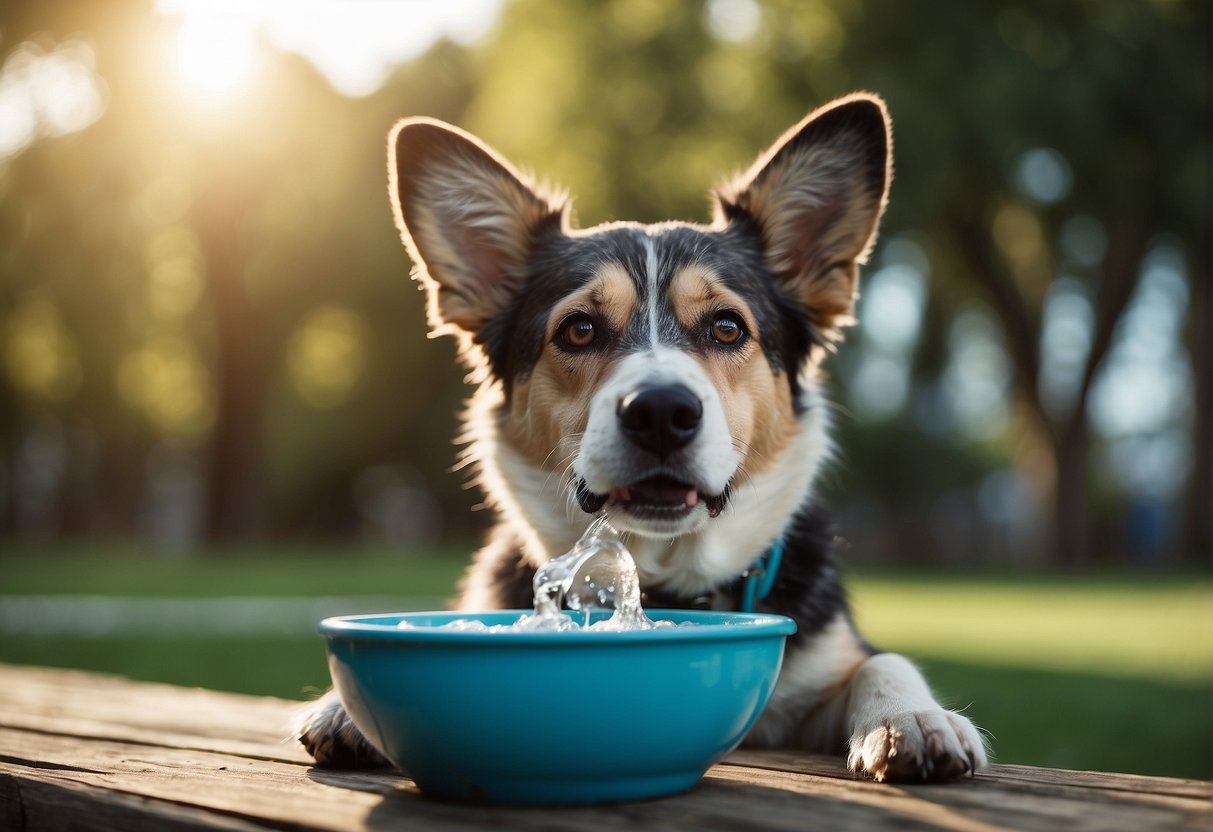
Increased water consumption in older dogs may indicate various health concerns that warrant veterinary attention. Caretakers should monitor their pets’ water intake and look out for significant changes which can be symptomatic of underlying medical conditions.
Prompted Consultation:
- Sudden Increase in Thirst: A pronounced rise in water consumption can signal kidney issues, diabetes, or Cushing’s disease.
- Changes in Urination: Increased frequency, urgency, or accidents in the house.
- Weight Loss: Despite normal eating habits, weight loss accompanying increased drinking.
- Lethargy: Unusual tiredness or lack of interest in regular activities.
- Appetite Changes: Either loss of appetite or excessive hunger.
- Vomiting or Diarrhea: Especially if persistent or accompanied by increased thirst.
Table: Signs to Act On
| Sign | Possible Health Issue | Action to Take |
|---|---|---|
| Excessive Thirst | Diabetes, Kidney Disease | Schedule Vet Appointment |
| Nighttime Panting | Pain, Mobility Issues | Immediate Veterinary Evaluation |
| Persistent Weight Changes | Liver Disease, Cushing’s | Discuss Diagnostic Tests |
| Behavioral Alterations | Senior Dementia, Pain | Seek Behavioral Assessment |
If a dog shows any of these signs, a thorough health evaluation by a veterinarian is imperative. Early detection of health issues can significantly influence the outcome of the medical condition. It is essential not only to treat the symptoms but to diagnose and address the root cause of increased water consumption. Regular check-ups can also help in early detection and management of age-related concerns.
Preventing Dehydration and Other Risks
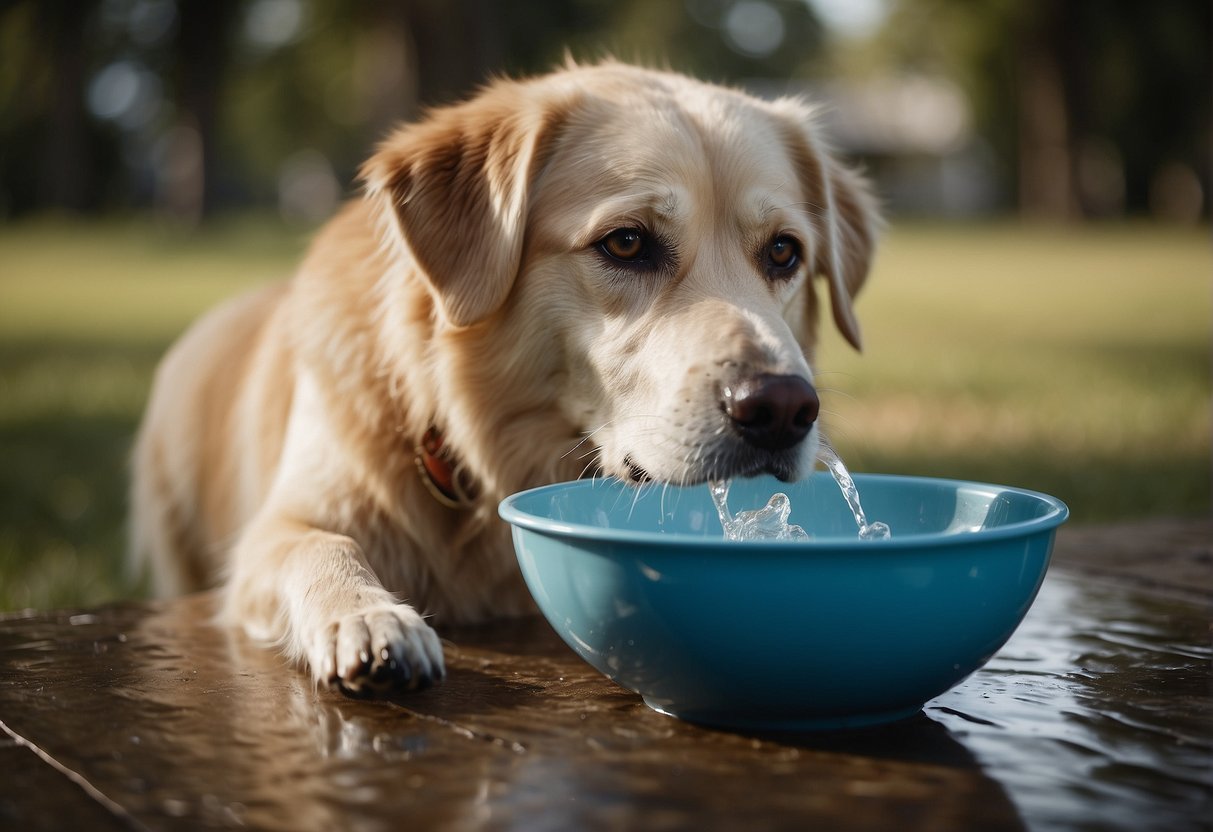
Owners can take several measures to manage their senior dog’s water intake and prevent dehydration. One critical aspect of care includes monitoring water consumption. A dog’s water needs can vary due to factors such as weather, diet, and health condition. Dehydration is a risk particularly in hot weather or if a dog is fed exclusively dry food. Consistent access to fresh water coupled with monitoring for any unusual increase in drinking can signal health issues.
Owners should adapt water provision to the weather. In hot climates, providing a cool, shaded area and ensuring that multiple water stations are available can help prevent dehydration. Additionally, consider integrating wet food into the diet to increase fluid intake. Signs of dehydration include lethargy, dry mouth, and less interest in eating.
Table 1: Senior Dog Hydration Needs
| Condition | Action |
|---|---|
| Hot Weather | Provide constant water access; shade; more frequent refills. |
| Dry Food Diet | Supplement with wet food; ensure a clean water bowl. |
| Indoor Environment | Keep water stations in multiple, accessible areas. |
| Health Conditions | Adapt water provision under vet guidance if disease present. |
High levels of the stress hormone cortisol may cause increased water consumption. Disorders such as Cushing’s Disease can elevate cortisol, leading to polydipsia, or excessive drinking. It is essential for owners to be aware of these signs and seek veterinary assistance promptly for proper diagnosis and management.
Frequently Asked Questions

Increased water consumption in senior dogs can indicate various health issues that require attention. It is important to observe changes and consult a veterinarian.
What are the possible causes for an older dog to start drinking more water than usual?
The onset of increased water consumption in older dogs may be attributed to kidney disease, diabetes, Cushing’s disease, liver disease, or urinary tract infections. Environmental factors like hot weather, dietary changes, and stress can also contribute.
How can increased water intake and weight loss be related in senior dogs?
Increased water intake and weight loss in senior dogs can be signs of conditions like diabetes or kidney disease, where the body’s normal metabolism is disrupted, leading to excessive water consumption and energy loss.
What should be done if an old dog is drinking excessively and also vomiting?
If a senior dog is consuming excessive amounts of water and is also vomiting, this could be a sign of a serious underlying condition. Immediate veterinary consultation is essential to diagnose and treat the potential health issue causing these symptoms.
Is it normal for older dogs to have increased thirst, and what are common reasons?
While increased thirst can be part of the normal aging process, it often indicates health concerns such as kidney dysfunction, diabetes, or hormonal imbalances like Cushing’s disease in older dogs.
What are the recommended treatments for older dogs who are drinking more water and urinating indoors?
Treatment for older dogs drinking more water and urinating indoors depends on the diagnosis. Conditions such as diabetes or kidney disease may require medication, dietary changes, and fluid therapy. A veterinarian will determine the best course of treatment.
Why might an older dog be excessively licking their paws in conjunction with increased water consumption?
Excessive paw licking along with increased water intake in older dogs might suggest allergies, skin conditions, or stress. Behavioral changes, including increased thirst, can sometimes be a sign of pain or discomfort that should be evaluated by a veterinarian.