
Many pet owners find themselves puzzled and concerned when their previously house-trained senior dog begins having accidents indoors. This change in behavior is not uncommon as dogs age, and it can often be attributed to a range of factors relating to the health and wellbeing of the senior pet. Understanding the underlying reasons for this behavior is crucial for addressing the issue effectively and compassionately.

The health of an older dog can change in various ways that impact their ability to control their bladder and bowels. Conditions such as Canine Cognitive Dysfunction Syndrome, which is similar to dementia in humans, along with degenerative diseases that affect muscle control, may cause a previously well-behaved dog to start having accidents inside the house. In addition to medical reasons, changes in the dog’s environment or routine can lead to stress or confusion, resulting in inappropriate elimination. A thorough veterinary examination is essential to rule out or confirm health issues and to formulate a management plan.
Key Takeaways
- Senior dogs may start having accidents due to health issues, including incontinence and cognitive decline.
- Behavioral and environmental changes can contribute to house soiling in older dogs.
- Consulting a veterinarian is important to address medical causes and form a plan to manage indoor accidents.
Understanding Canine Aging and Incontinence

As dogs age, they often experience physical and cognitive changes that can lead to incontinence. Factors such as declining health, arthritis, and cognitive dysfunction play significant roles.
The Biology of Aging
Aging in dogs brings about various biological changes that can impact their control over bodily functions. One of the prevailing conditions in senior dogs is arthritis, which can lead to difficulties in maintaining a regular potty routine due to pain and decreased mobility. This can contribute to instances of fecal incontinence, where a dog may unintentionally defecate indoors.
Cognitive Changes in Senior Dogs
Dogs can experience cognitive dysfunction, akin to dementia in humans, as they age. Cognitive decline impairs their ability to follow learned behaviors, including house-training. Symptoms of canine cognitive dysfunction (CCD) may include disorientation and a noticeable decrease in interaction with their environment and routine, which can lead to uncontrolled defecation.
Physical Health and Incontinence Issues
Senior dogs often face physical health challenges that can cause incontinence. As the muscular control weakens, dogs may not be able to hold stool until they reach an appropriate location. Fecal incontinence can be a symptom of underlying health issues, including spinal cord disease, anal gland disease, or intestinal upset. Early intervention and appropriate management are essential for maintaining quality of life.
Medical Causes of Inappropriate Elimination

When an older dog begins to eliminate inappropriately in the house, it is essential to consider several medical conditions that could be contributing to this problem. These conditions typically require a proper diagnosis by a veterinarian.
Diagnosing Gastrointestinal Conditions
Gastrointestinal issues are a common medical cause for a dog pooping in the house. Conditions such as diarrhea or irregular stools can indicate the presence of diseases or the influence of intestinal parasites. A veterinarian may perform a series of tests such as fecal examinations, blood work, and diagnostic imaging to identify the root cause.
Identifying Urinary Tract Issues
Urinary Tract Infections (UTIs) and bladder stones can lead to incontinence or a sense of urgency, which might result in house soiling. Symptoms such as increased frequency of urination, pain during urination, or blood in the urine necessitate veterinary attention for accurate identification and treatment.
Recognizing the Signs of Cancer
In older dogs, incontinence may also be related to the development of tumors or cancer within the urinary or gastrointestinal systems. Warning indicators include weight loss, abnormal growths, or a noticeable decrease in the general health state. These serious conditions need a prompt and thorough evaluation that might include biopsies or advanced imaging techniques.
Behavioral Factors Leading to Accidents

When a senior dog begins to have accidents in the house, it may not always be due to medical issues. Behavioral factors such as stress and changes in the home environment can lead to these unexpected incidents.
Separation Anxiety and Stress
Senior dogs may develop separation anxiety, a condition where dogs exhibit distress and behavior problems when separated from their owners. Signs of separation anxiety include:
- Excessive drooling or panting
- Agitation or pacing when the owner prepares to leave
- Accidents, specifically after the owner’s departure
Stress can also contribute to a dog’s incontinence. Dogs under stress might experience:
- Changes in appetite
- Anxiety-induced accidents, unrelated to the dog’s training
Changes Within the Home Environment
Transitional issues within the household can affect a senior dog’s behavior significantly. Examples of these changes include:
- Introduction of new pets or family members, which can disrupt a dog’s routine and lead to accidents.
- Rearrangement of furniture or moving to a new house, causing disorientation and stress, potentially resulting in defecation indoors.
For senior dogs, maintaining a consistent and stress-free environment is crucial in preventing behavioral accidents.
Diet and Nutrition’s Role in Elimination

Proper diet and nutrition are critical for a dog’s healthy bowel function, and imbalances can lead to fecal accidents in the house. This section explores how dietary factors specifically influence an elderly dog’s elimination processes.
Effects of Dietary Changes
When a senior dog’s diet is altered, either intentionally or due to a change in their ability to digest certain foods, it can have immediate effects on their stool. Dietary changes such as a shift to a new brand or type of food, modifications in meal portions, or the addition of new treats can disrupt their digestive system. As dogs age, their metabolism slows down, and their dietary needs can change; thus, any sudden change in what they eat may lead to loose stools or increased frequency of bowel movements, sometimes resulting in accidents indoors.
Dealing with Food Intolerances
An older dog may develop food intolerances or allergies that they did not previously exhibit. These intolerances can cause a range of gastrointestinal symptoms, including the production of abnormal feces. If an intolerance is present, a dog might struggle with proper digestion and absorption, which not only affects their overall health but can also lead to incontinence or urgency, often manifesting in inappropriate defecation.
To identify food intolerances, a veterinary professional might recommend an elimination diet, methodically removing and then reintroducing foods to determine the cause of the dog’s digestive issues. Careful monitoring of the dog’s response to specific dietary components is crucial in pinpointing problematic ingredients and adjusting their diet to support optimal digestive health and elimination.
Creating a Supportive Home Environment

Ensuring that a home is well-equipped to cater to an older dog’s needs is essential. Adaptations can minimize stress for both the pet and the owner, fostering a safe and comfortable space for the dog’s later years.
Adapting Your Home for an Aging Dog
Older dogs may face mobility issues or loss of bowel control, requiring homeowners to modify their living space to improve accessibility and cleanliness. Carpeted areas are particularly at risk for stains and odors; therefore, homeowners might consider rolling up or removing carpets and opting for easily cleaned floors instead.
- Accessibility: Install ramps or steps to help the pet reach elevated areas such as the bed or couch without straining.
- Flooring: Opt for non-slip flooring or add non-skid mats to prevent falls, especially in high-traffic areas where the dog may be more prone to accidents.
- Bedding: Place waterproof covers over beds and cushions to protect them and provide easy clean-up in case of accidents.
By incorporating these changes, the space becomes supportive for an aging canine companion, allowing them to navigate the house without additional stress.
Training and Routine for Older Dogs

It is crucial to bear in mind that while older dogs may have been house-trained in the past, factors like age-related conditions or a lapse in routine can lead to accidents indoors. Reinforcing house training and adhering to a consistent schedule are fundamental to managing this behavior.
Reinforcing House Training
When reinforcing house training for an older dog, patience and positive reinforcement are key. Older dogs might not have the same control as they once did, so it’s essential to recognize their efforts and progress. Owners should:
- Praise the dog for successful elimination outdoors.
- Immediately clean any indoor accidents with an enzymatic cleaner to remove odors that might attract the dog back to the same spot.
Setting a Consistent Schedule
A consistent schedule not only aids in house training but also provides a routine that can help older dogs feel secure. Owners should consider the following:
- Establish regular feeding times and take the dog out soon after each meal.
- Set multiple scheduled bathroom breaks throughout the day and especially before bedtime.
- Keep a record of the dog’s elimination times to adjust the schedule as needed and to identify any patterns or changes in bathroom habits.
A well-structured routine and reinforcement of house training, when approached with consistency and patience, can significantly help make an older dog a compliant and comfortable member of the household.
Management and Adaptation Strategies
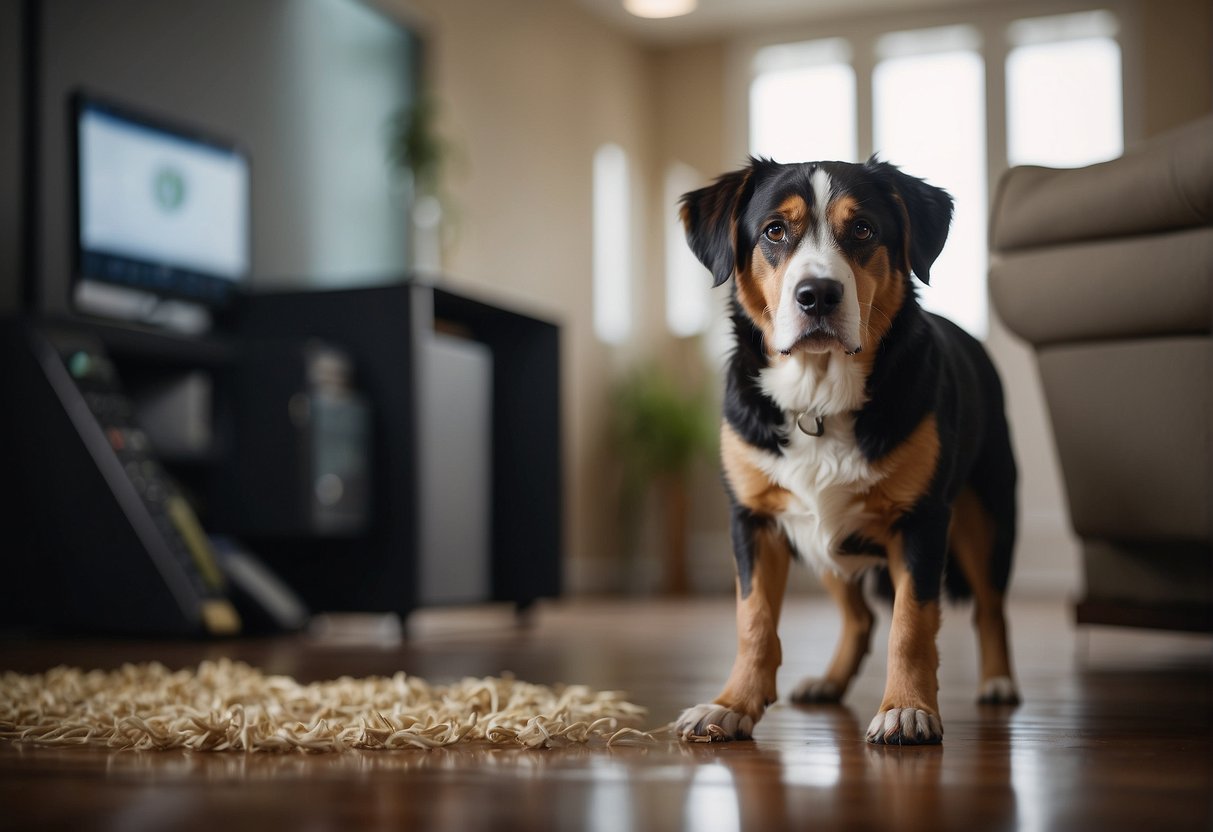
When an older dog begins to poop in the house, it can be distressing for both the pet and the owner. Effective management and adaptation strategies can help control the situation and preserve the quality of life for all involved.
Utilizing Dog Diapers and Pee Pads
Dog Diapers: They can offer a solution for managing incontinence in senior dogs. Diapers should be chosen based on the proper fit and absorbency to prevent leaks. It’s essential to change diapers frequently to avoid skin irritation or infections.
- Selection: Measure your dog’s waist to ensure a snug fit.
- Comfort: Look for soft, adjustable materials that won’t chafe your dog’s skin.
Pee Pads: Absorbent pee pads can be placed in areas where the dog frequents. These pads limit the mess and are easy to dispose of, simplifying cleanup.
- Location: Strategically place pee pads in the dog’s favorite spots or near sleeping areas.
- Training: Encourage your dog to use these by guiding them to the pads when signs of needing to eliminate are observed.
Limiting Access to Certain Areas
Restricting a senior dog’s access to certain parts of the house can help limit the impact of accidents. This control measure should be balanced with the dog’s need for comfort and social interaction.
- Baby Gates: Installing baby gates can keep your dog contained within easy-to-clean areas.
- Designated Spaces: Set up a comfortable area with bedding, toys, and access to water where your dog can relax without feeling isolated.
Emotional Support and Patience
Maintaining patience is vital when managing a senior dog with house-soiling issues. Owners should provide emotional support through gentle guidance and affection, reinforcing the bond with their aging companion.
- Consistency: Routine and structure can help a dog feel secure and aid in managing house-soiling.
- Understanding: Recognize that your dog is not acting out of defiance, but due to age-related challenges.
Healthcare and Medical Treatments

Proper healthcare and medical treatments are essential for managing an older dog’s in-house defecation issues. From regular veterinary check-ups to specific medical interventions, understanding and applying appropriate treatments can significantly improve a senior dog’s condition.
Visiting the Vet Regularly
Regular visits to the veterinarian are crucial for the health of a senior dog. They help in early detection of medical conditions that might cause incontinence. A veterinarian can provide a tailored treatment plan based on a thorough assessment of the dog’s health.
Medications and Special Diets
When incontinence is linked to a health issue, a veterinarian may prescribe medications to manage symptoms. Additionally, a special diet can assist with digestive problems, often improving stool consistency and control.
- Medications may include:
- Anti-inflammatory drugs
- Hormone therapy
- Special Diets could be:
- High-fiber for better digestion
- Limited ingredient diets for food sensitivities
When to Consider Surgery
Surgery might be an option for dogs with conditions that don’t respond to medical or diet-based treatments. It is usually considered a last resort and is dependent on the individual dog’s health, the underlying condition, and the recommendation from a certified veterinarian.
Dealing with Mobility and Pain Issues

When an older dog begins pooping in the house, it may be a sign of underlying mobility and pain issues, such as arthritis or back pain. Addressing the dog’s discomfort can help manage the in-house accidents by making it easier for them to reach the designated potty area.
Recognizing Symptoms of Pain
Older dogs often suffer from conditions like arthritis, which can make movement painful and difficult. Owners should watch for signs that their dog is experiencing pain, such as:
- Reluctance to move or perform activities they once enjoyed
- Limping or favoring one limb over others
- Visibly stiff joints, especially after resting
- Difficulty standing up or lying down
- Whining, growling, or other vocalizations when moving
Assistive Devices and Medications
Managing pain and improving mobility often involves a combination of assistive devices and medications.
Assistive Devices:
- Ramps or stairs allow dogs to access higher areas, such as a bed or car, with minimal discomfort.
- Support slings or harnesses can help owners lift and support their dog’s weight during walks or when navigating stairs.
Medications:
- Nonsteroidal anti-inflammatory drugs (NSAIDs) are commonly prescribed to reduce joint pain and swelling. However, they must be used under veterinary supervision due to potential side effects.
- Other medications, including opioids and gabapentin, can be used for severe pain, but also require close veterinary management.
- Supplements like glucosamine can be beneficial for joint health, although they may take several weeks to show effectiveness.
It is imperative for owners to consult their veterinarian for a tailored pain management plan.
Cleaning Up After Accidents

When an older dog has an accident in the house, timely and effective cleanup is crucial to prevent stains and odors while maintaining hygiene.
Choosing the Right Cleaning Supplies
One must select appropriate cleaning supplies to address pet waste on floors and carpets.
- Enzymatic cleaners: These break down waste and neutralize odors.
- Stain removers: Ideal for carpets, they remove traces without damaging fibers.
- Disinfectants: They ensure the area is hygienic post-cleanup.
For different surfaces, specific products are required:
- Hardwood floors: Use a cleaner designed for wood to avoid damage.
- Carpets: Look for carpet-safe cleaners that lift stains and odors without leaving a residue.
Preventing Repeat Incidents
To discourage a dog from reoffending in the same spot, thorough cleaning is necessary.
- Regularly wash affected areas with the appropriate supplies.
- Consider deterrent sprays that discourage pets from returning to the spot.
- Use positive reinforcement to encourage the dog to eliminate outdoors instead.
The Emotional Impact on the Family

When a senior dog begins to have accidents in the house, it can affect each family member differently. It’s crucial to navigate these emotions thoughtfully to maintain a supportive environment for both the dog and the family.
Addressing Feelings of Frustration and Shame
Frustration often emerges in families dealing with a senior dog’s incontinence. It’s a natural response to the disruption of the household’s normal routine and the added chores that come with cleaning up. Patience is tested, and the extra work can strain the family’s dynamics.
- Understanding and Empathy: Recognizing that the dog is not at fault can help temper frustration.
- Teamwork: Sharing responsibilities and supporting each other can prevent feelings of resentment.
Shame can affect both the dog and the family. Dogs might exhibit signs of embarrassment, sensing that they’ve done something against their training. Family members might feel shame or embarrassment when guests visit or when discussing the situation outside the home.
- Open Communication: Discussing the issue openly within the family can alleviate feelings of shame.
- External Support: Seeking advice from veterinarians or support groups can provide reassurance.
Supporting Your Dog Through Their Golden Years
Emotional support is critical for a senior dog struggling with incontinence. They require compassion and understanding, much as they provided their families throughout their lives.
- Comforting Presence: Remaining calm and comforting can reassure the dog that they are loved, regardless of the accidents.
- Routine and Stability: Establishing a consistent routine can help dogs feel secure and may mitigate accidents.
Families should strive to ensure their home remains a place of safety and love for their dog as they navigate this stage of life with grace and mutual support.
Frequently Asked Questions

Senior pet owners often encounter the challenge of inappropriate defecation which can be indicative of various underlying issues. This section aims to address common concerns and provide practical guidance.
How can I prevent my senior dog from defecating indoors?
To prevent indoor defecation, maintain a routine for outdoor bathroom breaks, adapt the living space for easier access to outside, and consult a veterinarian for a tailored health and diet plan that considers the dog’s age-related changes.
What causes an older dog to start defecating in the house unexpectedly?
Sudden indoor defecation in older dogs can be attributed to medical conditions such as Canine Cognitive Dysfunction Syndrome, muscle wasting, or neurologic impairment. Other factors include anxiety, changes in environment, or adjusting to a new routine.
Are there health risks associated with a dog defecating inside the home?
Health risks are primarily associated with the potential transmission of parasites and bacteria from the feces. Maintaining cleanliness and hygiene is crucial to mitigate these risks for both the pet and household members.
How should I respond to my aged dog losing bowel control, particularly during sleep?
Addressing nocturnal bowel incontinence involves consulting a veterinarian to identify any underlying health issues, and creating a comfortable and easy-to-clean sleeping area to manage the situation.
Is it common for old dogs to defecate indoors after being outside, and how can this behavior be corrected?
It’s not unusual for old dogs to still defecate indoors even after going outside. Ensuring they have ample time and opportunities to relieve themselves when outdoors and monitoring their behavior for signs of needing to defecate can help correct this behavior.
What steps can I take if my older dog has started both urinating and defecating indoors?
If an older dog begins eliminating indoors, schedule a veterinary check-up to rule out health issues, be patient and gentle while re-establishing house training routines, and consider the use of canine diapers during the assessment period.