
Vestibular disease in dogs is an unexpected, often alarming, condition that primarily affects older dogs, hence the term “old dog vestibular disease.” With symptoms that can emerge suddenly and range from a head tilt to difficulty walking, it can be a distressing scenario for both the dog and its owner. The vestibular system is responsible for maintaining normal balance and orientation; when it becomes disrupted, it can lead to the range of symptoms seen in this disease.

While the exact causes can vary, the result is the same: compromised balance and spatial orientation. A dog with vestibular disease may appear dizzy, struggle to stand up, or move in circles, and may also experience nausea. Though it can be an unsettling sight, most dogs can recover with time and supportive care. Diagnosing the condition involves a veterinary examination and often supplementary tests to rule out other causes of the symptoms. Treatment typically focuses on managing symptoms and providing supportive care to ensure the dog remains comfortable and safe during recovery.
Key Takeaways
- Old dog vestibular disease affects balance and spatial orientation in dogs.
- Symptoms can include a head tilt, dizziness, and navigational difficulties.
- Diagnosis and management rely on veterinary care, with a supportive approach to treatment.
Understanding Vestibular Disease in Dogs

Vestibular disease in dogs affects the vestibular system, which is responsible for maintaining balance, orientation, and coordination. This condition can manifest through various symptoms and can occur in several forms.
The Role of the Vestibular System
The vestibular system is key for a dog’s sense of balance and spatial orientation. It consists of parts of the inner ear and brain that process sensory information and help control balance and eye movements. When the vestibular apparatus is disrupted, whether due to disease or injury, a dog can experience vestibular disease.
Common Symptoms of Vestibular Disease
Symptoms of vestibular disease in dogs can be distressing for both the pet and the owner. They typically include:
- Nystagmus: Rapid, involuntary eye movement.
- Head Tilt: One of the most recognizable signs where the head appears tilted to one side.
- Dizziness: Dogs may appear disoriented or have trouble standing and walking.
- Loss of Coordination: They may stumble, fall, or drift sideways when walking.
Vestibular Disease Types
Vestibular disease in dogs can be divided into two main types:
- Peripheral Vestibular Disease: Originates outside the brain, often related to inner ear problems. This is the most common form and seen with idiopathic cases, especially in older dogs, often labeled as “old dog vestibular disease.”
- Central Vestibular Disease: Due to a disorder within the brain. This type of vestibular disease is less common but can be more serious, frequently associated with more severe neurological deficits.
Causes of Vestibular Disease
Vestibular disease in dogs refers to a set of symptoms that affect a dog’s balance and coordination. The causes can range from idiopathic to more defined conditions involving the ears or brain. Understanding these causes is crucial for accurate diagnosis and treatment.
Idiopathic Vestibular Disease
Idiopathic vestibular disease is a condition that presents itself without a known cause. In dogs, it most frequently occurs in aging pets, thus the term “old dog vestibular disease.” This form of the disease is typically sudden in onset and does not progressively worsen.
Ear Infections and Ear Disease
Ear infections and ear diseases are significant factors that can lead to vestibular dysfunction in dogs. Otitis media/interna, an infection of the middle or inner ear, is particularly common. These infections can cause inflammation and damage to the vestibular apparatus within the ear, which is responsible for maintaining balance.
- Ear Disease:
- Infections (Otitis media/interna)
- Inflammatory disease
- Trauma to the ear structures
Neurological Factors
Several neurological factors can also result in vestibular disturbances in dogs. These include brain tumors, hypothyroidism, which can affect neurological function, and other diseases such as cancer or stroke. Trauma to the head or neck can also impair vestibular function, leading to symptoms of vestibular disease.
- Neurological Causes:
- Tumors and cancer
- Hypothyroidism
- Stroke
- Traumatic injury to neurological systems
Diagnosing Vestibular Disease

When a veterinarian suspects vestibular disease in an old dog, they typically begin with a comprehensive assessment that entails a physical and neurological examination, followed by more advanced imaging techniques if necessary.
Physical and Neurological Examination
A physical examination focuses on identifying symptoms such as a head tilt, loss of balance, and erratic eye movements, which are indicative of vestibular dysfunction. During a neurological exam, the veterinarian will assess the dog’s reflexes, coordination, and ability to feel pain. This examination helps to differentiate between peripheral vestibular disease, which often includes the inner ear and vestibular nerve, and central vestibular disease involving the brainstem and cerebellum.
- Checklist for Vestibular Disease Symptoms:
- Head tilt
- Loss of balance or difficulty standing
- Involuntary, jerky eye movements (nystagmus)
- Nausea or vomiting
Advanced Imaging Techniques
If initial examinations suggest a more complex issue, or in order to pinpoint the exact cause, advanced imaging techniques such as Magnetic Resonance Imaging (MRI) and Computed Tomography (CT) scans may be employed. An MRI is particularly insightful for diagnosing central vestibular disease as it provides a detailed image of the brain, allowing veterinarians to assess for strokes, tumors, or inflammation. A CT scan, on the other hand, might be recommended if bone-related issues are suspected, as it can render a precise 3D image of the skull, including the inner ear structures.
- Table of Imaging Techniques:
Technique Primary Use Details MRI Central vestibular system imaging Detects soft tissue changes with high precision CT Scan Bone and inner ear structure imaging Provides detailed 3D images for structural assessment
Radiographs, or X-rays, are less frequently used for vestibular disease as they are less effective than MRI or CT in visualizing soft tissue and brain structure. However, they might be utilized to rule out other conditions that could cause similar symptoms.
Treatment Options for Vestibular Disease

Treatment for vestibular disease in dogs focuses on addressing the underlying cause, managing symptoms, and providing supportive care to help the canine patient recover.
Medication Administration
Antibiotics may be prescribed if the vestibular disease is caused by an ear infection to eliminate the bacterial infection. Anti-nausea medications are crucial for controlling dizziness and nausea provoked by the condition.
Supportive Care
Supportive treatments might include IV fluids to prevent dehydration, especially if the dog is unable to take water orally due to nausea. Additional medications might be administered to reduce inflammation and other symptoms related to the underlying cause of the vestibular disease.
Managing Symptoms at Home
At home, pet owners can assist their dogs by providing a safe environment to prevent injury from imbalance or falls. Consistent administration of medications as prescribed is important, along with frequent journeys to the vet for follow-up and adjustments to the treatment plan.
Monitoring and Managing Symptoms

Effective management of old dog vestibular disease involves diligent observation of symptoms and timely interventions to handle any recurrence or complications that may arise. Owners play a critical role in monitoring their dog’s condition, tracking improvements or progressive changes, and seeking veterinary assistance when necessary.
Observing Progress
An owner should regularly monitor their dog for symptoms such as loss of balance, nausea, vomiting, and ataxia. Recording these observations can help veterinarians identify patterns in the dog’s progress. Improvement in vestibular disease is often noted if:
- The loss of balance lessens over time.
- Episodes of nausea and vomiting reduce in frequency or stop.
- There is a noticeable decrease in the severity of ataxia (incoordination).
Owners may also observe periods of vertigo, which should gradually diminish. It’s essential to track these symptoms meticulously, as this information can significantly influence the ongoing management strategy.
Handling Recurrence and Complications
In managing recurrences or complications of vestibular disease, owners should be ready to:
- Identify early signs like sudden loss of balance or a return of nausea.
- Communicate with a veterinarian if there are signs of deterioration rather than improvement.
- Administer prescribed medications to control nausea and vomiting if applicable.
If symptoms seem progressive or if there’s a significant regression in the dog’s condition, immediate veterinary consultation is advised. Vestibular disease can sometimes recur, and it’s important for owners to recognize and respond to these episodes swiftly to prevent undue distress for their dogs.
Navigating Complications and Prognosis

Old dog vestibular disease, while often not life-threatening, can present challenges and varies in its outcomes. Pet owners should be informed about possible complications and expected prognosis to manage the disease effectively.
Addressing Potential Complications
Complications in old dog vestibular disease may arise, mainly if underlying causes, such as otitis media or interna, are present. Prompt treatment with antibiotics is essential for these infections, and owners should monitor their dogs for improvements in balance and coordination following the onset of therapy. In some cases, residual symptoms, like a slight head tilt and balance disorder, may persist, but these typically do not prevent the dog from living a comfortable life.
Understanding Prognosis and Outcomes
The prognosis for dogs with vestibular disease is generally good. Most dogs will exhibit notable improvement within the first week of appropriate treatment, with the possibility of reaching maximal neurological function in the subsequent weeks. Recurrence of vestibular symptoms can occur, but it is not overly common. Pet owners should watch for any sudden deterioration or return of symptoms and consult their veterinarian should this happen.
Caring for an Older Dog with Vestibular Disease

Caring for an older dog with vestibular disease involves modifying their living space to prevent injury and providing supportive care that accommodates their compromised sense of balance and coordination.
Adjusting the Living Environment
Flooring:
- Provide Traction: Place non-slip rugs or mats on slippery surfaces to help prevent slipping and falling. Older dogs with vestibular disease often struggle with coordination, and these modifications can provide essential stability.
Stairs:
- Restrict Access: Consider baby gates or barriers to prevent access to stairs, as senior dogs with vestibular disease may have difficulty walking and maintaining balance, making falls more likely.
Sleeping Area:
- Safety Measures:
- Ensure the dog’s bed is low to the ground to minimize the impact of any falls.
- Choose a bed with bolsters for added support and to prevent rolling out accidentally.
Special Care Instructions
Supportive Gear:
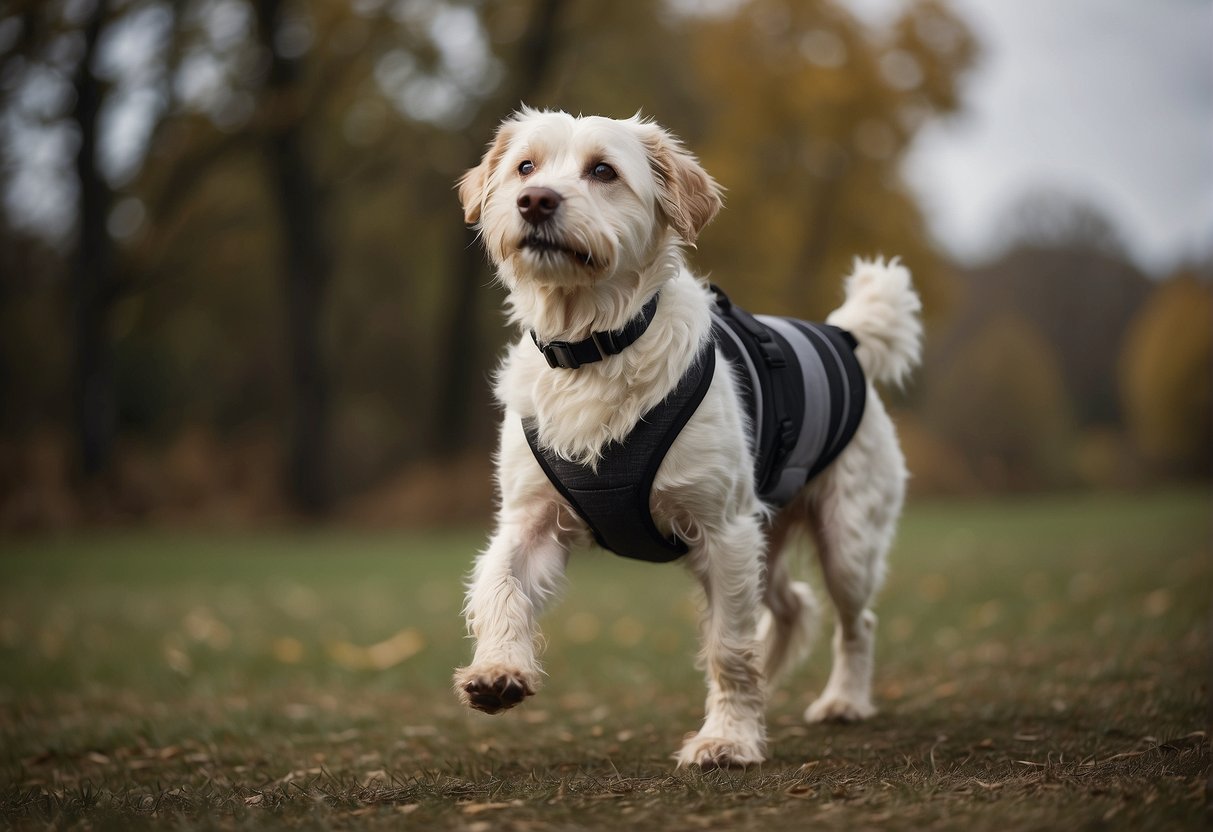
- Utilize Harnesses: A body harness can offer valuable support to an older dog, especially when they are stumbling or have trouble with stability.
Assistance Techniques:
- Gently guide your dog using the harness to help with balance when they are walking or going outside.
- When lifting, support both the front and back end to keep the spine level and reduce the risk of falls or discomfort.
Feeding & Hydration:
- Keep food and water bowls easily accessible and at a comfortable height to encourage eating and drinking without the need for excessive bending or neck stretching, which can be disorientating for dogs with vestibular issues.
Monitoring & Comfort:
- Monitor your dog for any signs of deterioration or improvement.
- Keep the environment calm and quiet to reduce stress, which can be beneficial for their recovery and overall comfort.
Understanding the Vestibular Disease Recovery Process
The recovery process for vestibular disease in dogs often varies based on the severity of their symptoms and underlying causes. Immediate improvement may be seen in some cases, but others may have a more prolonged recovery period. Vestibular disease, especially in older dogs, is typically a non-progressive disturbance of balance; that means symptoms often do not worsen over time.
Recovery Timeframe:
- Initial symptoms can be sudden.
- Improvement: Often noticed within 48-72 hours.
- Full recovery can take a few days to several weeks.
Treatment Approaches:
Treatment is predominantly supportive and can include:
- Medications: To manage nausea and vomiting.
- Physical Support: Assistance with movement and daily activities.
- Environmental Modifications: Ensuring a safe, hazard-free space for recovery.
Progress Monitoring:
Regular evaluation is necessary to monitor:
- Gait and Balance: Observing improvements in coordination.
- Appetite and Hydration: Ensuring proper nutrition and fluid intake.
Managing Residual Symptoms:
Some dogs may continue to experience:
- Mild unsteadiness.
- Head tilting.
These symptoms may persist, though typically do not inhibit quality of life.
Recurrence:
While many dogs recover with no recurrence, some may experience:
- Subsequent episodes, particularly if underlying causes persist.
Conclusion:
Owners should remain patient and provide supportive care throughout the recovery. Veterinarians play a key role in guiding the process, alleviating symptoms, and minimizing the chances of recurrence through comprehensive care and monitoring.
Professional and Home Care Strategies
Effective management of old dog vestibular disease involves a combination of professional veterinary support and at-home care. The right balance of these can alleviate symptoms and improve a dog’s quality of life.
Veterinary Follow-Up
Medical History and Examination: Veterinarians begin by taking a thorough medical history and performing a detailed examination. They may recommend diagnostic tests to rule out other conditions, such as aminoglycoside antibiotics or metronidazole toxicity, both of which can affect balance.
Supportive Care: This typically includes anti-nausea medications to curb vomiting, and in some cases, sedatives may be prescribed to reduce anxiety and prevent injury from disorientation or loss of balance. The use of chlorhexidine as part of dental care may also be discussed if an inner ear infection is suspected to be a complicating factor.
Home Care Techniques
Proper home care is crucial for dogs recovering from vestibular disease. Owners should create a safe environment to prevent injury and manage symptoms at home.
- Medication Administration: Ensuring timely delivery of prescribed medications, including anti-nausea drugs and any sedatives.
- Mobility Assistance: Using harnesses and slings to support dogs during walks, and placing non-slip mats can help prevent falls.
- Feeding Adjustments: Elevated food bowls may help dogs with balance issues eat more comfortably.
Owners should maintain a consistent routine to support their pet’s recovery and consult their veterinarian if there are any concerns or complications.
When to Consult a Veterinary Specialist

In cases of old dog vestibular disease, typically indicated by symptoms such as loss of balance, head tilt, and abnormal eye movements, owners may consider consulting a veterinary specialist. Third-party expertise becomes pivotal when the condition appears serious or when initial treatments fail to improve the dog’s well-being.
Consultation with a Veterinary Neurologist: If the disease progresses or the usual recovery time—often within 72 hours—passes without improvement, they should seek a veterinary neurologist. This specialist can provide a more nuanced understanding of the vestibular system and offer advanced diagnostic measures.
- Advanced Imaging: Technologies like MRI or CT scans, performed by specialists, can detect potential central components of the disease. These could range from central nervous system problems to tumors which may mimic canine idiopathic vestibular syndrome but require different interventions.
Recognizing Serious Symptoms: Dog owners must be attentive to the severity and duration of symptoms. Persistence or worsening of symptoms signifies a more serious condition and warrants a neurologist’s assessment.
List of Symptoms to Monitor:
- Persistent loss of balance or ataxia
- Ongoing head tilt beyond a few days
- Continuous abnormal eye movements (nystagmus)
- Lack of response to initial therapy suggested by a general vet
A veterinary specialist or neurologist can discern the likelihood of recovery using idiopathic treatments or if an underlying cause demands a specific approach. Consulting a specialist ensures the pet receives optimum care tailored to their unique condition.
Frequently Asked Questions
This section addresses some of the most common inquiries concerning vestibular disease in dogs, providing reliable information for pet owners seeking to understand and manage this condition.
What are common symptoms of vestibular dysfunction in dogs?
Symptoms of vestibular disease in dogs include loss of balance, head tilting, circling, nystagmus (rapid eye movement), vomiting, and difficulty walking. These symptoms may appear suddenly and are often quite pronounced.
How can you effectively treat vestibular disease in dogs at home?
The home treatment of vestibular disease focuses on managing symptoms and may include assisting with mobility, preventing injury, and administering any medications prescribed by a veterinarian. It is crucial to provide a safe and comfortable environment for the dog to recover.
What dietary adjustments should be made for a dog diagnosed with vestibular disease?
A dog with vestibular disease may have difficulty eating or experience nausea. It is important to provide small, easily digestible meals and ensure the dog is well-hydrated. Some dogs may require dietary changes formulated for easier digestion or those that help with nausea.
How long is vestibular disease expected to last in older dogs?
The duration of vestibular disease can vary; however, many dogs show significant improvement within 72 hours, with complete recovery often occurring within two to three weeks. Chronic cases or those with underlying causes may take longer to resolve.
In what ways can an owner provide comfort to a dog suffering from vestibular disease?
Comforting a dog with vestibular disease involves offering support with gentle handling, creating a quiet and stress-free environment, providing extra padding for bedding, and keeping the dog away from stairs and other hazards that could cause injury.
What should an owner do if their dog does not show improvement from vestibular disease?
If a dog does not show signs of improvement or worsens, it is imperative to consult a veterinarian promptly for further assessment. The lack of improvement may indicate a more serious underlying issue that requires medical attention.