
As dogs age, their bodies undergo various changes that may affect their bathroom habits. Older dogs peeing in the house is an issue that many pet owners encounter, often sparking concern over potential underlying problems. It’s important to differentiate whether the occurrence is due to medical reasons, such as urinary incontinence or kidney disease, or behavioral factors, including stress or anxiety. Understanding the root cause is vital to effectively addressing the problem and providing the necessary care for a senior dog.
Navigating the challenges of a dog’s senior years requires patience and observation. Identifying medical issues promptly and consulting with a veterinarian is crucial for the wellbeing of the older dog. In parallel, adjustments to the home environment, consistent routines, and the introduction of supportive care accessories can significantly improve the quality of life for a senior dog experiencing incontinence. Pet parents must stay informed and equipped to handle these natural age-related changes with compassion.
Key Takeaways
- Determining the cause of indoor urination is essential for proper care.
- Veterinary guidance is crucial for addressing medical concerns.
- Home adjustments and routines aid in managing a senior dog’s needs.
Understanding Incontinence in Senior Dogs

When a senior dog begins to experience incontinence, it’s often a sign of underlying health issues or the natural aging process affecting urinary control.
Common Causes of Incontinence
Senior dogs may suffer from incontinence due to several medical conditions. Here are specific common causes:
- Urinary Tract Infections (UTIs): Often more prevalent in older female dogs.
- Kidney Disease: An inefficient kidney function can lead to a loss of bladder control.
- Diabetes: Can cause increased urination and potential incontinence.
- Arthritis: May impact a dog’s ability to position themselves to urinate properly, leading to accidental leakage.
- Hormonal Imbalances: Particularly in spayed females, where estrogen levels affect bladder control.
- Medications: Certain drugs can increase urine production or relax bladder sphincters.
In each case, a veterinary consultation is crucial to diagnose and manage the condition.
The Role of Aging in Urinary Health
As dogs age, changes in their body can directly impact their urinary health:
- Muscle Atrophy: Weak bladder muscles can lead to a lack of control over urination.
- Neurological Decline: Aging can affect the nervous system, which in turn can impact bladder function.
- Dementia: Can cause a senior dog to forget their house training.
- Decreased Mobility: Conditions like arthritis can make it difficult for dogs to reach an appropriate place to urinate in time.
Understanding these aspects of aging can help in managing an old dog’s incontinence and improving their quality of life.
Identifying Medical Issues

When an older dog starts peeing in the house, it’s crucial to consider the possibility of underlying medical issues. These can range from infections to chronic diseases that require attention.
Urinary Tract Infections and Diseases
Urinary tract infections (UTIs) are common in dogs and can cause an increased urgency to urinate. Symptoms include:
- Frequent urination
- Straining to urinate
- Blood in the urine
- Foul-smelling urine
Diseases such as cystitis or bladder stones can also lead to similar symptoms and distress. If a dog presents with any of these signs, they should be evaluated by a vet.
Recognizing Symptoms of Diabetes and Kidney Disease
Diabetes and kidney disease in dogs can lead to alterations in urination patterns. Signs indicative of diabetes include:
- Excessive thirst (polydipsia)
- Increased urination (polyuria)
- Weight loss despite a good appetite
Kidney disease may exhibit symptoms like:
- Vomiting
- Lethargy
- Decreased appetite
- Changes in water consumption
Both conditions are serious and can lead to kidney failure if not treated properly. Hormonal imbalances, often related to thyroid dysfunction or estrogen levels, can also contribute to urinary issues. If these symptoms are present, immediate veterinary consultation is advised to diagnose and manage the condition effectively.
Behavioral Factors and Stress

When an older dog begins to have pee accidents in the house, it’s essential to consider behavioral factors and stress as potential contributors. Behavioral issues can manifest when a dog feels territorial, anxious, or stressed due to changes in their environment or routine.
Stress Triggers:
- Loud noises (e.g., thunderstorms, fireworks)
- New people or pets in the home
- Changes in household dynamics (e.g., a new baby)
- Altered routines or living spaces
Signs of Anxiety in Dogs:
- Excessive barking or whining
- Pacing or restlessness
- Destructive behavior
- Pee accidents in previously trained dogs
It’s vital to observe and identify any stress triggers that may cause anxiety in a senior dog. Changes in behavior such as increased clinginess or aggression can also point towards stress-related issues.
Managing Behavioral Factors:
- Routine: Maintaining a consistent routine can provide stability for an anxious dog.
- Safe Space: Create a safe, quiet area where the dog can retreat to when stressed.
- Desensitization: Gradually introduce the dog to stressors in a controlled way.
- Professional Help: Consult a veterinary behaviorist for dogs with severe anxiety or behavioral issues.
Recognizing and addressing stress and anxiety is key in preventing and managing in-house peeing incidents caused by behavioral factors. With the right approach, one can mitigate the impact of stress on an aging dog, helping them to maintain proper house manners.
Veterinary Diagnosis and Treatment

When an older dog starts peeing in the house, it is crucial to consult a veterinarian for a thorough diagnosis and to understand the treatment options to manage the condition effectively.
Consulting a Veterinarian
A veterinarian is essential in diagnosing the cause of urinary incontinence in an older dog. They will conduct a physical examination and may request diagnostic tests such as urinalysis, blood tests, ultrasound, or x-rays to determine the underlying issue, which could range from urinary tract infections to kidney disease. The vet will look for signs of diseases that cause increased urination, like diabetes or estrogen deficiency.
Understanding Treatment Options
Treatment options will depend on the diagnosis. They may include:
- Medications: Antibiotics for infections, hormone replacement therapy, or drugs to strengthen the urinary sphincter muscle.
- Dietary Changes: Special diets to support kidney function or manage diabetes.
- Management Strategies: Increased bathroom breaks, waterproof doggy diapers, or training pads.
A veterinarian might also recommend complementary therapies such as acupuncture for age-related incontinence if suitable. It’s imperative to follow the vet’s medical advice and any prescribed treatment plan, and schedule regular follow-ups to monitor the dog’s condition.
Managing an Older Dog’s Urination Habits

When an older dog begins to pee in the house, it can be both a behavioral and medical issue. Addressing it requires understanding the root causes and implementing effective strategies to manage their urination habits through consistent training and environment adjustments.
Training and Reinforcement Strategies
Training an elderly dog to maintain good urination habits may require patience as senior dogs might not respond as quickly as younger ones. Scheduled potty breaks are critical in establishing routine. An owner should take their dog outside to urinate at regular intervals, especially after meals and before bedtime.
Positive reinforcement plays a key role in retraining. When the dog successfully goes to the bathroom outside, immediate verbal praise and treats can encourage repeat behavior. Utilize:
- Praise: Always use an upbeat voice.
- Treats: Offer a small, healthy treat right after the dog eliminates outdoors.
Creating a Suitable Indoor Potty Area
For times when outdoor access isn’t possible, creating an indoor potty area can help manage an old dog peeing in the house. This area should have a distinct surface, like puppy pads or a piece of artificial turf, that signals to the dog it’s an acceptable place to urinate.
- Establish a clear boundary with a tray or pen to contain any mess.
- Place the area away from the dog’s eating and sleeping space.
- Gradually lead your dog to this area and use a consistent command like “go potty,” reinforcing successful usage as you would with outdoor elimination.
Adapting the Home Environment

As dogs age, they may experience reduced mobility and incontinence, requiring changes in the home to accommodate their needs. Strategic adjustments can help manage these issues, ensuring that older dogs can move comfortably and any accidents are cleaned up efficiently.
Accessibility and Mobility
Older dogs with mobility issues may struggle with steps and elevated areas. Owners can assist their pets by:
- Installing ramps or shallow steps to allow easy access to sofas or beds.
- Placing non-slip mats in high traffic areas to prevent slipping.
- Ensuring the dog’s bed and food bowls are accessible without the need to climb or jump.
Choosing the Right Cleaning Supplies
Cleaning up accidents promptly and effectively is essential for hygiene and to prevent repeat marking. When selecting cleaning supplies, owners should consider:
- Enzymatic Cleaners: These are designed to break down pet waste and eliminate odors at the molecular level.
- Absorbent Materials: Microfiber cloths or paper towels are useful for blotting up urine before using any cleaning agent.
- Gentle, Non-toxic Formulas: Harsh chemicals can be harmful to pets and humans, so natural cleaners are often a safer choice.
Preventive Measures and Daily Routines

Managing an older dog’s urinary habits requires a proactive approach, focusing on consistent routines and keen oversight on the dog’s intake and health.
Importance of Regular Potty Breaks
Regular potty breaks are crucial for maintaining urinary health in older dogs. As dogs age, their bladder control can weaken, making frequent trips outside a necessity. A consistent schedule should include:
- Morning: First thing to aid overnight bladder control.
- After Meals: To assist in digestion and regular elimination.
- Evening: Before bedtime to prevent overnight accidents.
Inclusion of potty pads strategically placed in the house can offer a backup for moments when immediate outdoor access isn’t possible.
Monitoring Water Intake and Diet
Monitoring a dog’s water intake ensures they stay hydrated without overloading their bladder. The right balance can reduce the chances of in-house accidents. Older dogs should have constant access to clean water; however, owners might consider:
- Water Intake Schedule: Limited intake a few hours before bedtime.
- Controlling portions and water availability during potty training periods.
A proper diet contributes to urinary health. Foods high in nutrients and tailored for senior dogs help in maintaining regular bodily functions and digestion. Regular check-ups with a veterinarian can fine-tune diet and water intake to an individual dog’s needs.
Supportive Care and Accessories
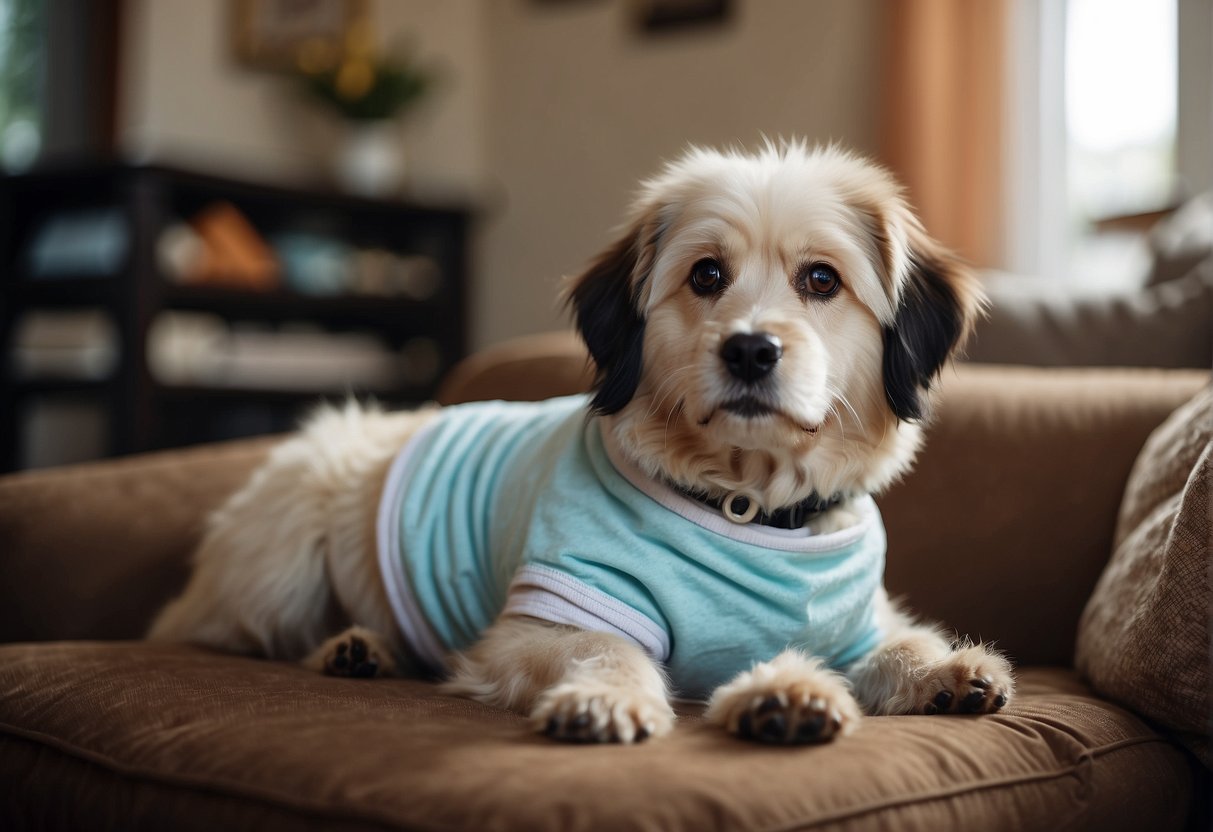
When managing incontinence in older dogs, pet parents can utilize specific accessories for hygiene and comfort. These tools help maintain cleanliness and can prevent uncomfortable situations for both the dog and the household.
Using Dog Diapers and Belly Bands
Dog diapers are an excellent option for managing a senior dog’s incontinence. They come in various sizes and absorbencies to suit different breeds and incontinence levels. When selecting a dog diaper, it’s essential to choose one that fits snugly without causing discomfort. For male dogs, belly bands wrap around the abdomen and provide a less intrusive solution. This helps cover only the genital area and is useful for dogs who primarily pee inside while keeping the rest of the body free.
- Diaper Types:
- Disposable: Easy to use and throw away but may be less cost-effective over time.
- Reusable: More environmentally friendly and can be more cost-effective in the long run.
Handling Increased Urination at Night
Nighttime can often present challenges for incontinent dogs and their owners. Increased urination at night means pet parents should be prepared to make accommodations to manage this. Solutions include:
- Waterproof bedding: Protects the dog’s bed and keeps them dry through the night.
- Scheduled late-night bathroom breaks: Reduces the likelihood of accidents while resting.
Implementing these supportive care strategies and accessories will help manage an older dog’s incontinence and promote a more comfortable living environment for both the dog and their family.
Coping with Canine Cognitive Dysfunction

Canine Cognitive Dysfunction (CCD) is akin to dementia in humans and affects many senior dogs. Dogs with CCD may display confusion and changes in behavior, including incontinence. Understanding and managing CCD can make this condition more manageable for both the dog and its caregiver.
Recognizing the signs:
- Disorientation or confusion
- Changes in sleep patterns
- Loss of house training
- Decreased interaction with family
- Altered activity levels
Management Strategies:
- Veterinary Consultation:
A veterinarian can diagnose CCD using a combination of history, clinical signs, and ruling out other conditions. They may also suggest medications that can help manage symptoms. - Environment Adaptation:
- Maintain a routine to provide stability.
- Use nightlights to help with nighttime disorientation.
- Limit access to areas where the dog could be injured.
- Behavioral Support:
- Engage in gentle, regular exercise to help maintain alertness.
- Provide toys and activities that encourage mental stimulation.
- Home Care:
- Monitor diet and provide specially-formulated food if recommended.
- Ensure easy access to a comfortable rest area and the outside for toileting.
- Use dog diapers or waterproof mats if necessary.
- Patient Caregiving:
- Approach your dog calmly to avoid adding stress or confusion.
- Give clear and consistent commands.
- Praise and reward for desired behaviors to reinforce training.
Caregivers should approach CCD with patience and empathy. These management approaches can help to maximize a senior dog’s quality of life while coping with the challenges of dementia.
Support for Pet Parents
Managing an older dog that is peeing in the house requires not just patience and time, but also emotional and financial resources. Pet parents need to know that they are not alone in this, and support is available through various community resources and networks.
Emotional Support and Community Resources
Pet parents dealing with an incontinent older dog can seek emotional support and advice from community resources such as local support groups, online forums, and social media groups. These platforms allow individuals to connect with others facing similar challenges, share experiences, and find solace in knowing they are part of a compassionate community that understands the stress and emotional toll of caregiving.
- Online Forums: Websites like PetForums or Dogster provide a space for discussing pet-related issues.
- Social Media Groups: Facebook groups and Reddit subreddits dedicated to senior dog care can be valuable resources.
- Local Support Groups: Some veterinary clinics or animal shelters may host support groups for pet parents.
Financial Considerations of Treatment
The cost of managing medical issues causing incontinence in older dogs can be substantial, but understanding the financial considerations can help pet parents prepare and seek assistance if necessary. Several options to consider include pet insurance, wellness plans offered by vets, and community funds or charities that aid in pet healthcare costs.
- Pet Insurance: May cover diagnostic tests and treatments related to incontinence if enrolled before the condition is diagnosed as pre-existing.
Insurance Feature Benefit Annual deductible Reduces yearly out-of-pocket costs after met Reimbursement rate Percentage of the vet bill that will be refunded Coverage limit Maximum amount paid out during the policy term - Wellness Plans: Veterinary clinics often have wellness plans that include regular check-ups and diagnostic tests that can detect health issues early.
- Financial Aid: Organizations like The Pet Fund and RedRover offer assistance to pet owners for non-basic, non-urgent care.
Frequently Asked Questions
Senior dogs may develop incontinence and changes in urination habits due to a variety of health issues. Understanding the underlying causes and implementing appropriate interventions can help manage these changes.
What could be causing increased water consumption and urination in my older dog?
Increased water consumption and urination in older dogs can be symptomatic of conditions such as kidney disease, diabetes, or hormonal imbalances like Cushing’s disease. It is crucial to consult a veterinarian for an accurate diagnosis and treatment plan.
How do I address incontinence in my senior dog?
Addressing incontinence in a senior dog requires a veterinary examination to diagnose the cause. Treatment may include medication, hormone therapy, or changes in diet. Using dog diapers or pee pads can also help manage incontinence.
Are there specific reasons why my elderly dog is peeing in the house at night?
Elderly dogs may urinate indoors at night due to a decline in their cognitive function, leading to disorientation. Urinary tract infections, reduced bladder control, or medication side effects could also be contributing factors.
What are the most effective ways to prevent an old dog from urinating indoors?
Preventing indoor urination in old dogs involves regular and frequent bathroom breaks, easy access to outdoor areas, and waterproof bedding. Consistency and gentle positive reinforcement are key in helping them remember their house training.
Can sudden urination in the home be a sign of a serious health issue in older dogs?
Yes, sudden urination in the home can indicate a serious health issue in older dogs. Potential causes include urinary tract infections, kidney disease, or diabetes, all of which require immediate veterinary attention.
Should I be concerned if my older dog has started peeing on the bed?
Concern is warranted if an older dog starts peeing on the bed as this could be a sign of urinary incontinence or a urinary tract infection. It is important to seek veterinary advice to determine the cause and appropriate treatment.