
Adopting a senior dog can be a deeply rewarding experience. These animals often face a much harder time finding homes due to their age, yet they can make loving and grateful companions. While puppies have a tendency to require more training and energy, senior pets can bring a calmer presence into the home. Their personalities are already developed, so you know what kind of pet you’re bringing into your family. In addition, many senior dogs are already house-trained and possess basic obedience skills, making the transition into your home smoother.

Understanding the needs of senior pets is crucial when considering adoption. As dogs age, they may require different medical attention and dietary needs compared to their younger counterparts. They may have less energy and require fewer walks, but they still need a loving environment and regular, moderate exercise to maintain their health. Adopters should ensure they are prepared to offer the appropriate care that senior dogs require which may include regular veterinary visits, possible adjustments to their living space, and attention to any behavioral changes.
When preparing to adopt a senior dog, it’s important to familiarize oneself with the adoption process and any financial considerations. This may include understanding adoption fees, potential long-term medical costs, and investments in your home to make it senior-dog friendly. After the adoption, becoming part of a community that supports senior pet adoption can provide invaluable resources and support for both the dog and the adopter. From these communities, to learning specific care requirements for aging pets, to understanding the realities of the commitment, educating oneself thoroughly will allow for a more informed and responsible adoption decision.
Key Takeaways
- Senior dog adoption offers the chance to bring a loving and calm pet into the home, with many being already house-trained.
- Prospective adopters should be ready to provide the unique care that senior dogs need, including medical and behavioral considerations.
- Educating oneself on the adoption process, financial requirements, and available support is essential for a successful adoption.
Benefits of Adopting a Senior Dog

Adopting a senior dog provides both emotional and practical advantages. These mature pets offer loyal companionship and have often surpassed the need for intensive training, making the transition into their new home smoother.
Companionship
Senior dogs are known for providing a level of companionship that is both enriching and steadfast. They often seek a gentle presence and affectionate bonds with their human counterparts. This mutual relationship brings comfort and love to both the senior dog and their adopter. Individuals who welcome an older dog into their home typically find a calm, less demanding, yet equally loving companion who is grateful for their care.
Support Older Dogs
By adopting an older dog, individuals directly contribute to the wellbeing of senior pets who may otherwise have a lower chance of adoption. They offer these dogs a tranquil environment where they can spend their twilight years with dignity. In return, senior dogs often require less training and exercise than younger pups, which can be a perk for adopters looking for a lower-energy pet. Here, the focus is on providing warmth, safety, and love to these deserving animals who may only seek simple comforts and affection.
Understanding Senior Dog Needs

Adopting a senior dog brings a heartfelt journey with specific needs in terms of health and daily living. They require attentive care, consistent health monitoring, and modifications to their environment to ensure their comfort and wellbeing.
Health and Wellness
Regular Veterinary Visits: Senior pets must have routine check-ups to monitor their health. Veterinary costs can be significant, as older dogs are prone to age-related issues, such as arthritis or dental problems.
- Common Health Issues:
- Arthritis
- Dental Disease
- Reduced Mobility
- Sensory Decline
Nutrition: A balanced diet suitable for their age, size, and health conditions is crucial. Senior dogs may need diets lower in calories but rich in fiber and essential nutrients.
- Nutritional Adjustments:
- Lower calorie intake
- High-fiber foods
- Supplements as recommended by vet
Comfort and Accessibility
Living Space: Older dogs benefit from a living space that accommodates their reduced mobility. Slip-free flooring and accessible resting areas are important to prevent injuries.
- Home Modifications:
- Ramps for furniture or stairs
- Orthopedic beds to ease joint pain
Temperature Regulation: Senior pets have a harder time regulating their body temperature. Maintaining a comfortable indoor climate and providing bedding suitable for the weather helps keep them comfortable.
- Comfort Measures:
- Climate control in the home
- Season-appropriate bedding
Preparing Your Home for a Senior Dog

When preparing one’s home for a senior dog, safety and comfort are paramount. Careful modifications can ensure the dog lives a happy, loved, and secure life in its new environment.
Safety Measures
- Slip-Proof Flooring: Considering that older dogs may have mobility issues, it’s essential to install no-slip mats or use rugs on hard surfaces to prevent falls.
- Accessibility: Minimize the need for climbing by placing dog beds, food, and water bowls on the ground floor if possible.
- Gates: If there are areas that could be hazardous to an unsupervised senior dog, such as stairs, one should install safety gates to restrict access.
Creating a Comfortable Environment
- Resting Areas: Provide multiple soft beds or cushions in quiet corners, away from foot traffic, to give the senior dog peaceful spots to rest.
- Temperature Control: Maintain a comfortable indoor temperature with heating or cooling as required, considering that older dogs may struggle with extreme temperatures.
- Familiarity: Place toys and blankets from the dog’s previous home (if available) around the house to help it feel more at home.
The Adoption Process

The adoption process involves careful consideration to ensure adopters and adoptable animals are the best match, a thorough review of adoption criteria, and adherence to the necessary steps to welcome a new companion into your home.
Finding the Right Dog
When considering adopting a senior dog, prospective owners should reflect on their lifestyle and household environment. Senior dogs vary greatly in temperament, health needs, and energy levels. It’s important to:
- Assess needs: Define what you want in a dog to ensure compatibility.
- Do research: Use online resources to identify adoptable senior dogs.
- Visit shelters: Engage with different dogs to find the right temperament and energy level.
- Ask questions: Learn about the dog’s health, history, and behavior from shelter staff.
Adoption Criteria and Steps
Each shelter or rescue group will have its own specific adoption criteria and steps, often outlined on their website or available upon inquiry. Prospective adopters generally need to follow these steps:
- Fill out an application form with personal details.
- Undergo an interview or home visit to ensure a suitable environment.
- Meet and greet with the dog—sometimes multiple visits are needed.
- Go through a vet check to understand any existing health conditions.
- Complete adoption paperwork and pay the adoption fee.
It’s essential for adopters to read and understand all policies regarding the adoption process. They should be prepared for a waiting period as applications are reviewed. Following these steps diligently increases the chances of a successful adoption, pairing senior dogs with a loving forever home.
Financial Considerations

When it comes to adopting a senior dog, prospective pet parents must be prepared for the financial responsibility that comes with their care, especially since they often require more medical attention.
Costs of Senior Pet Care
The costs associated with the care of senior pets can be significantly higher compared to younger animals. A pet owner should consider regular expenses such as quality food, sometimes specialized for senior pets, and preventive care.
- Food: Specialty senior pet food can range from $20-$60 per month.
- Preventive Care: Routine check-ups and vaccinations may cost between $50-$300 annually.
These costs can be tempered by the potential absence of training and socializing expenses that are more common with younger dogs.
Potential Medical Expenses
Senior dogs often face age-related health issues that require veterinary attention and sometimes ongoing medical care.
- Common Health Issues: These include arthritis, dental problems, and decreased organ function.
- Typical Costs for Treatments:
- Minor conditions such as ear infections may incur costs of $50-$200.
- Chronic illnesses like diabetes can require $500-$1,000 yearly for medication.
- Surgery or emergency care: These expenses vary widely but can exceed $2,000.
Owners may also want to explore pet insurance options or special savings accounts for unexpected medical needs. Donations to animal care organizations can also be a source of assistance for those who have opted to adopt and provide for a senior pet.
Senior Dog Health and Medical Care
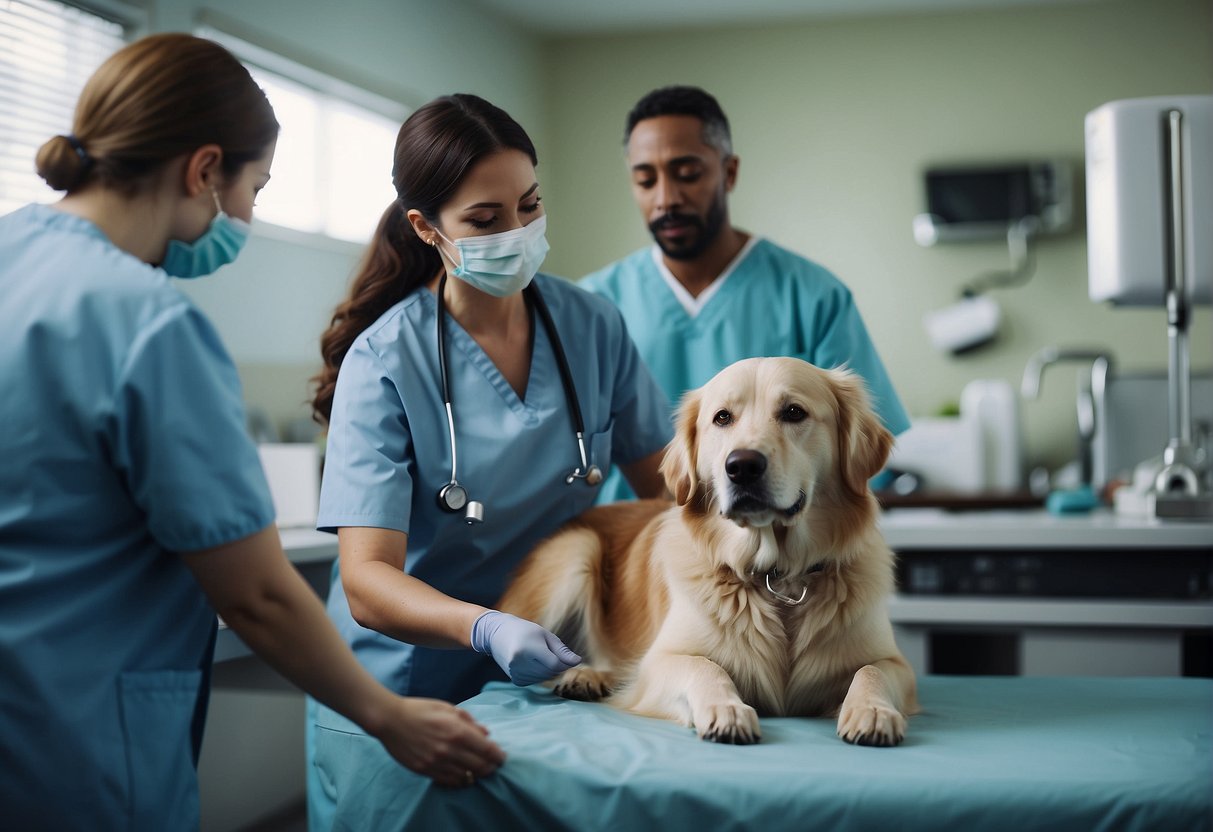
Adopting a senior dog brings the responsibility of ensuring they continue to lead a comfortable life, which includes a proactive approach to their health and medical care. Regular vet visits and managing ongoing conditions are fundamental for their well-being.
Routine Veterinary Visits
Senior pets benefit greatly from routine veterinary check-ups. These visits are key opportunities to monitor their overall health and catch any emerging issues early. Vets typically recommend that senior dogs have a check-up at least every six months. During these visits, one can expect a thorough physical examination that often includes:
- Weight checks: to manage diet and nutrition.
- Dental assessment: as older dogs are prone to dental disease.
- Bloodwork and urinalysis: to monitor organ function and detect signs of disease.
Senior dogs may also require vaccination updates and parasite control to maintain their health, tailored to their age and medical history.
Managing Chronic Conditions
As dogs age, they often develop chronic conditions that require ongoing medical care. It becomes crucial for caregivers to closely monitor their pet’s condition and adjust care as needed. Common chronic issues may include:
- Arthritis and joint pain: which may be managed with pain relief medication, supplements, or weight management.
- Heart disease: which can be treated with a combination of medications, diet, and exercise modifications.
- Kidney disease: requiring special diets and possibly medication.
Caregivers can provide additional support through environmental accommodations like ramps or soft bedding, and regular gentle exercise to maintain mobility. When fostering a senior dog, the organization typically covers these medical expenses, reducing the financial burden on the foster family while ensuring the animal receives the care it needs.
Behavior and Training
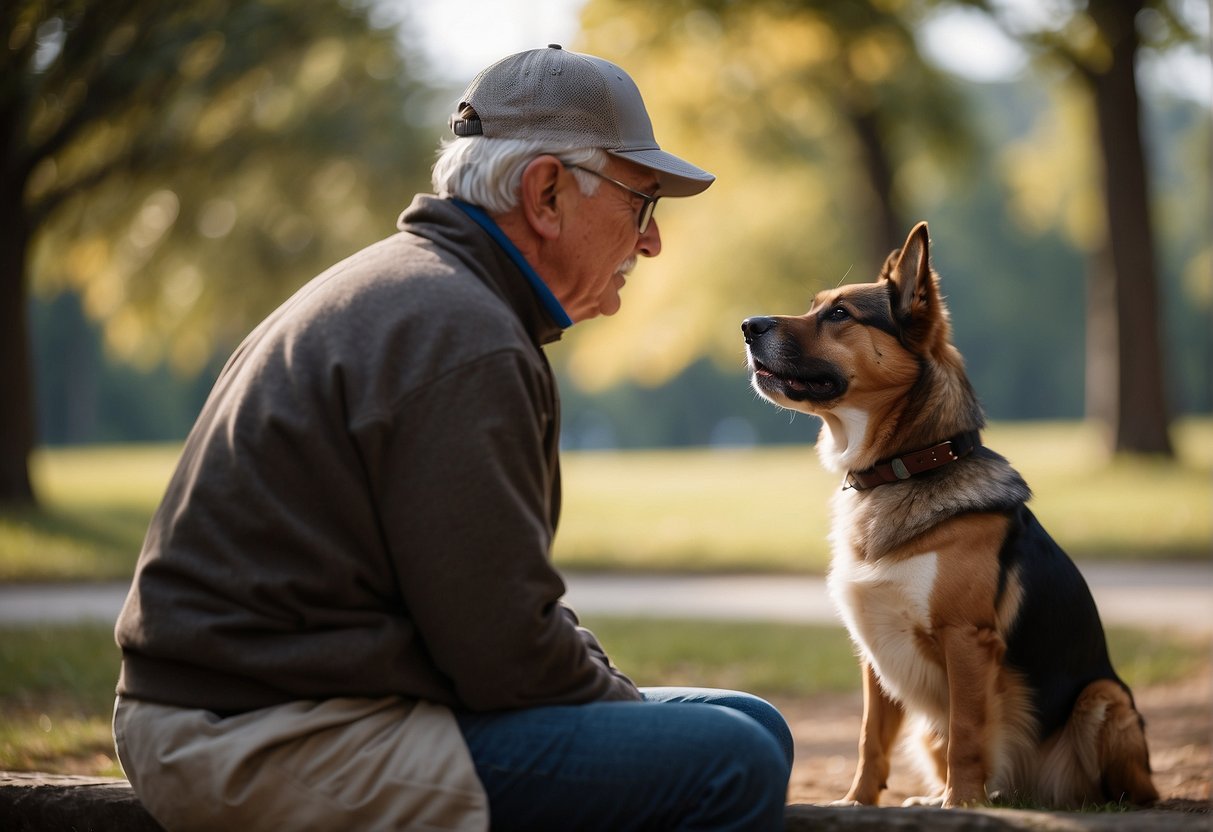
Adopting a senior dog often brings the advantages of a companion who already possesses a foundation of training and socialization. However, new owners may encounter unique behavioral changes due to the dog’s age, and may need to adapt training techniques to suit their individual needs.
Understanding Behavioral Changes
Senior dogs can exhibit changes in behavior due to age-related factors such as cognitive decline or sensory impairments. Owners should monitor for signs of confusion, anxiety, or changes in sleep patterns, as these can indicate health concerns that require veterinary attention. It’s important for caregivers to provide a stable environment and extra comfort to help their senior dogs feel secure.
- Common behavioral changes include:
- Reduced hearing or vision
- Increased reaction times
- Altered sleeping habits
Training and Adaptation
Training a senior dog may necessitate adjustments to account for potential sensory deficits and lower energy levels. Positive reinforcement techniques remain the best approach, offering support and love without overwhelming the pet. Some senior dogs may benefit from shorter and more frequent training sessions to accommodate their endurance.
- Adaptation strategies:
- Utilize hand signals for dogs with impaired hearing.
- Maintain a consistent routine to reduce stress.
- Offer soft, comfortable bedding for rest after training.
Fostering a senior dog, even temporarily, provides valuable insights into the dog’s behavior, aiding in the training process and ensuring they receive the love and stability they deserve as they transition to a permanent home.
Fostering as an Alternative

When adoption is not a practical option, fostering offers a way to provide senior dogs with the love and care they need. Volunteers serve pivotal roles in the success of foster programs which support shelters by alleviating overcrowding and offering individualized attention to the dogs.
Short-Term Commitment
Fostering a senior dog typically involves a temporary arrangement that can range from a few weeks to several months. This period allows for the dog to live in a home environment where they can receive:
- Personalized care and attention tailored to their specific needs.
- The opportunity for rehabilitation and assessment in preparation for a forever home.
Volunteers enjoy the benefit of offering compassion without the long-term commitment that ownership entails.
Providing Temporary Homes
Shelters rely on foster homes to provide a stable and nurturing environment for senior dogs who may be transitioning from previous living situations or awaiting adoption. Foster families play a critical role by:
- Offering a respite for dogs that might be stressed in shelter conditions.
- Socializing the dog with humans and other pets.
- Identifying and addressing any medical or behavioral issues.
Fostering is a vital service that supports shelters and exemplifies the profound impact of volunteer love and care for senior canines.
Community and Support

Adopting a senior dog often brings together a compassionate community that offers support and creates volunteer opportunities. Within this network, adopters connect with one another and contribute to the welfare of senior pets at rescues and shelters.
Connecting with Other Adopters
Individuals who adopt senior dogs can often find community support groups, facilitated either by the rescue organizations themselves or through social media platforms. These groups help adopters share experiences, advice, and sometimes arrange meetups, which can be crucial for both the humans and dogs in adjusting to their new lives. For example, some organizations that focus on senior pet adoption may offer:
- Monthly meetups for senior pets and their owners
- Online forums for sharing tips on caring for older dogs
- Matchmaking services to connect potential adopters with the right senior pet
Volunteer Opportunities
Rescues and shelters thrive on the assistance of volunteers who are eager to support senior pets. Individuals can offer their time and skills in various ways that ultimately benefit the animals. Opportunities might include:
- Providing temporary foster homes for senior dogs
- Assisting with transportation to veterinary appointments or adoption events
- Participating in fundraising activities to support the medical care of older pets
Volunteers play a crucial role in the operations of shelters and rescue groups, often allowing these organizations to extend their reach and resources.
Advocacy and Awareness
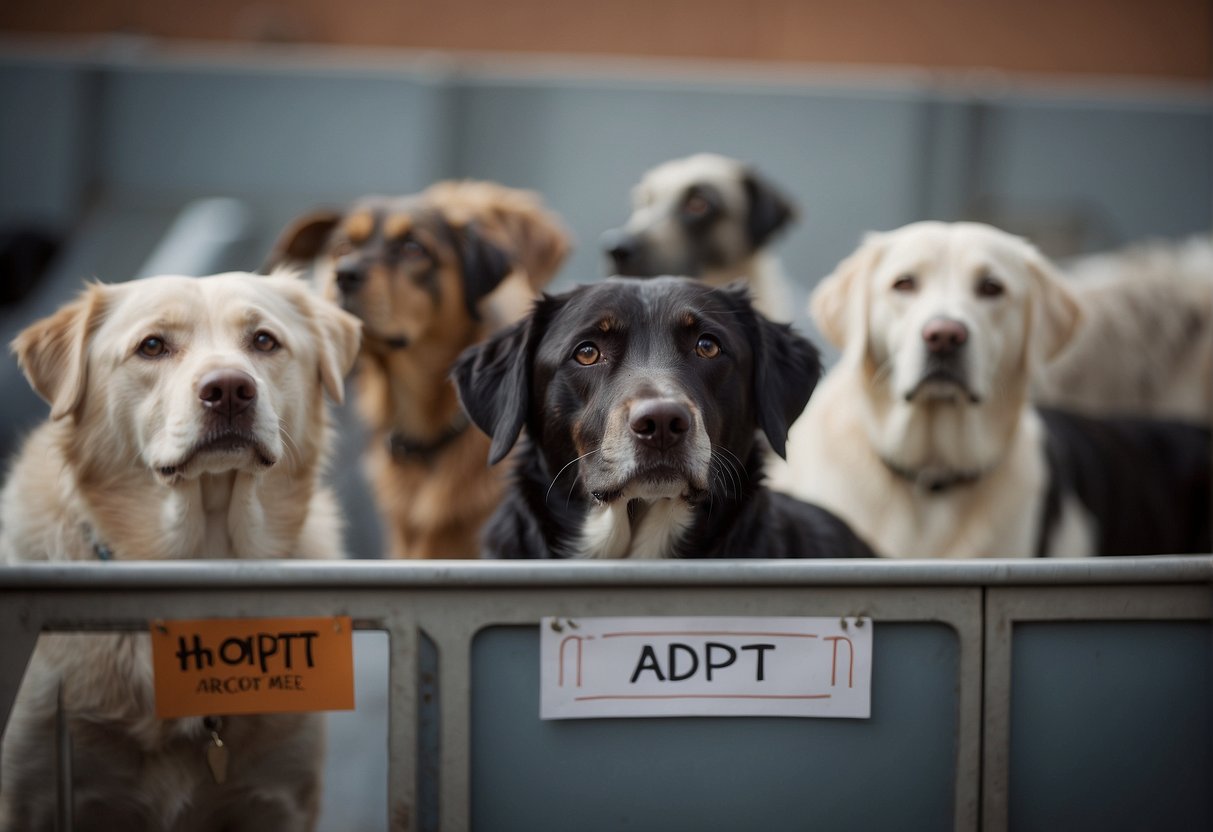
Raising awareness and advocating for senior dog adoption is essential for improving the welfare of older pets. These measures contribute significantly to finding forever homes for senior dogs who are often overlooked in shelters.
Promoting Senior Dog Adoption
Awareness Campaigns are vital in promoting senior dog adoption. Social media platforms, community events, and press releases provide exposure, sharing success stories of senior pets and their new owners. Press coverage is strategic, giving a voice to the animals that cannot speak for themselves. High-profile platforms can highlight the benefits of adopting older dogs, leading to a more informed public that might consider a senior pet as their next family member.
Incentive Programs such as the Senior-to-Senior Discounts, where adoption fees are reduced for senior citizens adopting senior dogs, encourage adoptions. It’s effective because it addresses financial concerns, making it more feasible for older individuals to adopt and care for a senior pet.
Collaborating with Shelters and Rescues
Shelters and rescues play an integral role in the welfare of senior dogs, and collaboration with them is crucial for advocacy efforts. Partnerships with these organizations help to rescue more senior pets and find them homes. They often provide waived or reduced fees for older adopters, making adoption more attractive and attainable, as reflected in programs offered by the SPCA of Texas and Animal Care Centers of NYC.
Volunteer Networks extend the reach of shelters and rescues. By engaging volunteers in the mission, shelters can amplify their reach and effectiveness. Volunteers can assist in everything from care to adoption events, which raises the profile of senior dog adoption.
Donations and Funding are essential for the support of senior pets. When individuals donate, they contribute to the health care, feeding, and housing of senior dogs, increasing their adoptability. Advocacy groups can facilitate funding through fundraising events and donation drives, ensuring that rescues have the resources needed to care for these pets until they are adopted.
After the Adoption

Adopting a senior dog leads to a period of adjustment, where both the pet and owner acclimate to each other. This phase is crucial for establishing trust and a lifelong bond.
Integrating into Your Life
Once a senior dog has been adopted, the first task for the new owner is to create a safe and welcoming environment. They should designate a specific area of the home for the dog to sleep and relax, which can be outfitted with a comfortable bed and some toys. It’s important for them to maintain a consistent routine regarding feeding times, walks, and play, as this can help the dog settle in more quickly.
A structured introduction to other members of the household, including pets, is necessary. Owners must ensure interactions are supervised and gradual to build positive associations. Offering treats during meetings can associate the new family members with a positive experience.
Ongoing Support and Care
Senior dogs require ongoing support to thrive in their new loving homes. This involves regular veterinary checkups, which should be scheduled promptly after adoption. A table can be helpful for keeping track of these appointments:
| Veterinary Need | Schedule | Notes |
|---|---|---|
| Initial Check-up | Within the first week | Baseline health assessment |
| Vaccinations/Boosters | As recommended by the vet | Depending on prior history |
| Dental Check | Annually | More frequent if needed |
| General Health Screening | Biannually | Includes bloodwork, X-rays if necessary |
Owners must also pay close attention to the dog’s dietary needs, as senior dogs may have different nutritional requirements compared to younger ones. They should opt for high-quality, age-appropriate food recommended by a veterinarian. Tailoring exercise to the dog’s capability is equally important; shorter, more frequent walks may be more suitable for a senior dog’s energy levels and joint health.
Adopting a senior dog is a generous act that provides these animals with loving homes and companionship in their later years. It requires dedication and empathy to ensure they live their golden years with comfort and dignity.
Frequently Asked Questions

Adopting a senior dog can be a rewarding experience. These frequently asked questions provide essential information for prospective pet parents considering this responsible decision.
What are the benefits of adopting a senior dog?
Senior dogs often come with a calm demeanor and are typically house-trained. They offer companionship with their distinct personalities and can seamlessly adapt to a new home environment.
How can I find reputable senior dog adoption centers in my area?
Prospective adopters should research local animal shelters and rescue organizations that are dedicated to rehoming senior pets. Many such organizations can be found through recommendations, local directories, or vet referrals.
What should I consider before adopting a senior dog?
Individuals should assess their lifestyle, living arrangements, and ability to provide for the dog’s needs, including regular veterinary care. It’s also important to consider the dog’s temperament and how it may fit with the adopter’s family.
At what age is a dog considered to be senior?
A dog is generally considered senior based on its size and breed, but typically this is around 7 years of age for most breeds, earlier for larger breeds, and slightly later for smaller ones.
How can I prepare my home for a senior dog adoption?
One should make the home safe and comfortable by removing hazards, creating easily accessible cozy spaces, and possibly adding non-slip mats to prevent falls.
What are the common health concerns for senior dogs in adoption centers?
Common health issues may include arthritis, dental disease, vision and hearing loss, and organ-related ailments. Adopters should be prepared to provide preventive care and manage any existing conditions.