
As dogs age, they undergo a range of changes that can affect their behavior, similar to the way aging affects humans. Aging in dogs can lead to alterations in their cognitive function, senses, and physical health, all of which can influence their behavior. For instance, senior dogs might display a decline in memory, learning capability, sensory acuity, and in their social relationships with humans and other pets. These transformations often necessitate adjustments to their care and routine to maintain their quality of life.
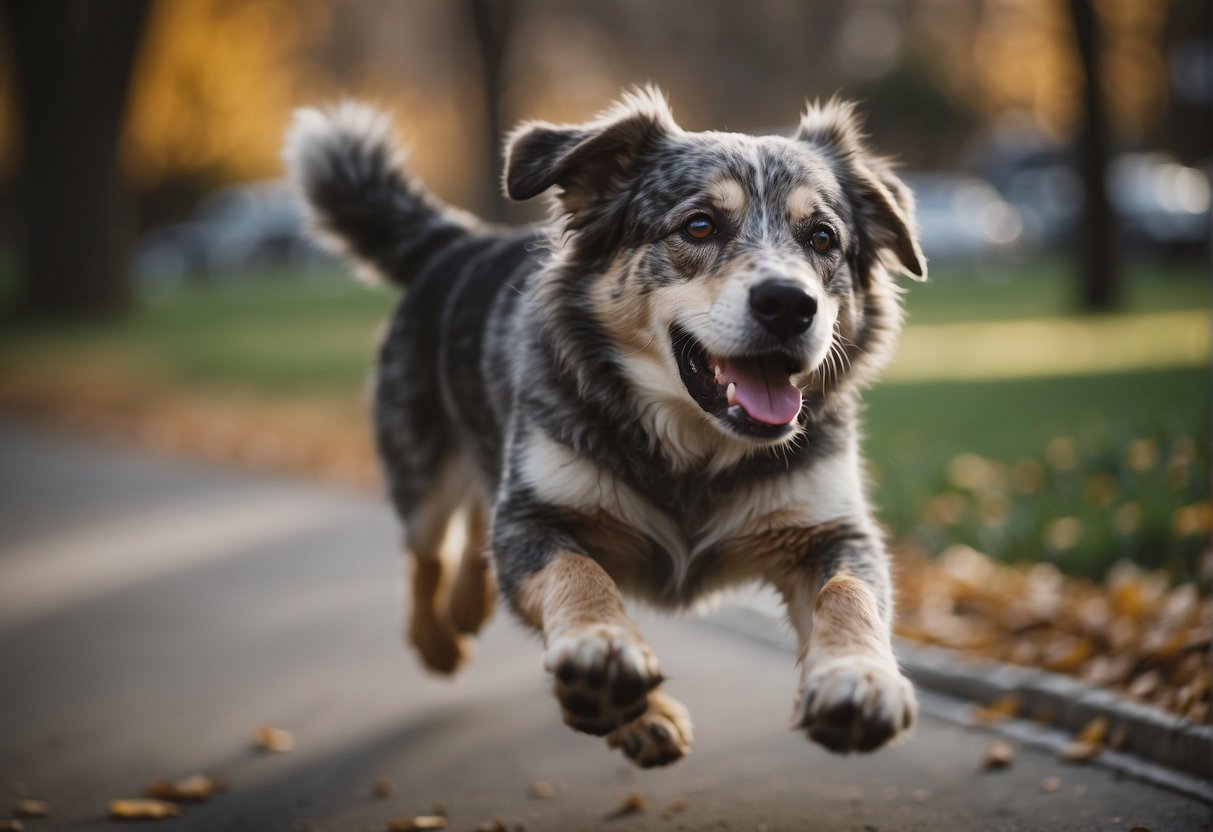
Recognizing and understanding the behavioral changes in senior dogs is crucial for pet owners. Symptoms such as increased sleep, reduced interaction, and potential signs of confusion may be indicative of age-related conditions like canine cognitive dysfunction syndrome, equivalent to dementia in humans. Addressing these changes proactively with appropriate strategies—such as managing anxiety, adjusting diet and nutrition, and incorporating suitable exercise—can play a vital role in supporting the well-being of an aging dog.
Key Takeaways
- Aging dogs may exhibit behavior shifts due to cognitive, sensory, and physical changes.
- Early recognition of behavior changes supports effective management and care for senior dogs.
- Altered care strategies, including nutrition and exercise, can help maintain a senior dog’s quality of life.
Understanding Senior Dog Behavior

As dogs age, they may exhibit changes in behavior that are distinct from their youthful counterparts. Owners of senior dogs should be aware that these changes can be a normal part of the aging process. However, they also need to be attentive, as alterations in behavior can signal underlying health concerns.
Key Behavioral Changes in Aging Dogs:
- Decreased Activity Levels: Senior canines often show a decrease in energy, opting for more rest over active play.
- Altered Social Interactions: Older dogs might change how they interact with humans and other pets, sometimes showing increased irritability or indifference.
- Cognitive Decline: Memory, learning capacity, and awareness can diminish, resembling symptoms of dementia in humans.
Physical Health and Behavior:
Physical health can have a direct impact on a dog’s behavior. For instance, conditions such as arthritis can cause pain leading to reluctance in participating in activities they once enjoyed.
Sensory Changes:
A less-discussed aspect of aging is the reduction in sensory perception. Dogs might experience diminished sight and hearing, affecting their responsiveness and potentially contributing to anxiety or fearfulness.
Identifying Behavior Changes:
- Reluctance to Engage: Once enthusiastic about play or walks, senior dogs may become more hesitant.
- Sleep Patterns: Changes in sleep cycles, including restlessness or increased sleep, can be observed.
Understanding these behaviors in senior dogs is crucial for providing the necessary care and attention they require as they navigate the later years of life. It is also essential for owners to maintain regular veterinary checkups to manage any medical issues potentially influencing their senior dog’s behavior.
The Impact of Aging on Canine Behavior
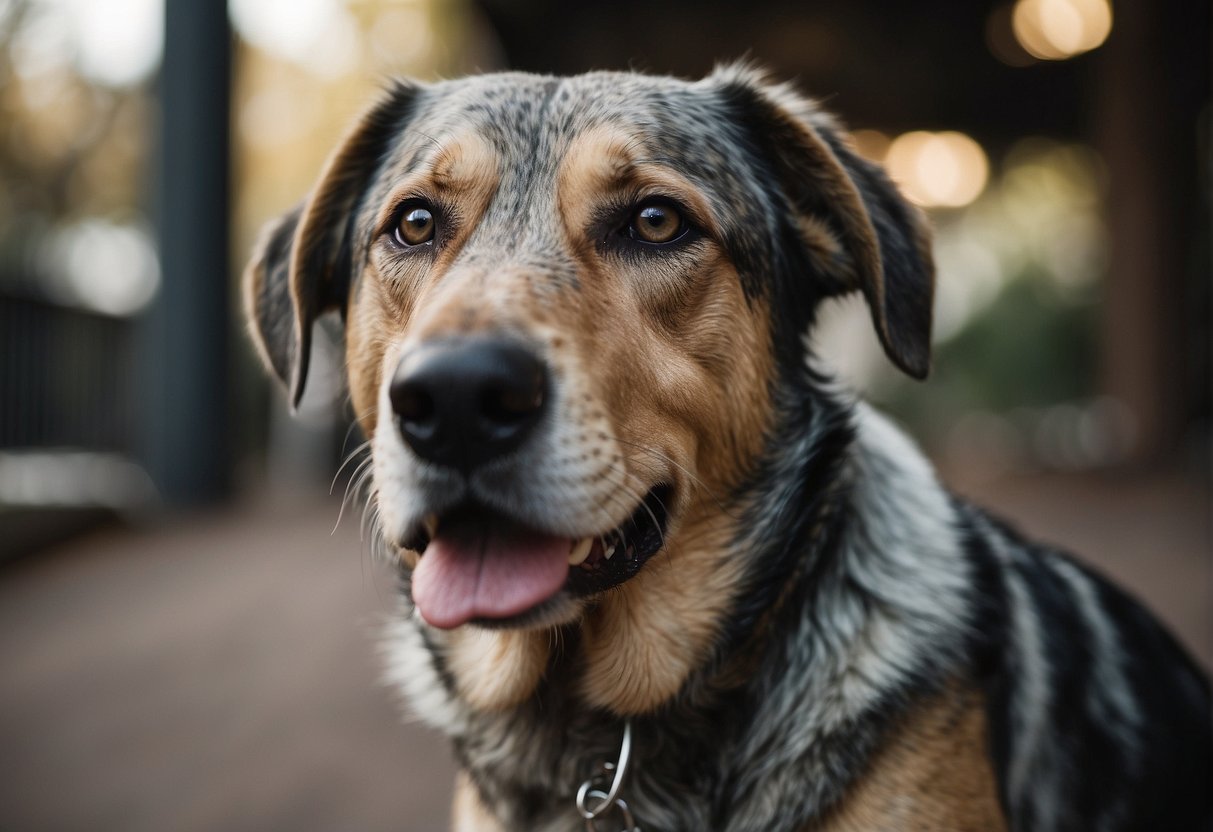
Aging can significantly influence a senior dog’s behavior, often manifesting through cognitive decline, sensory impairments, mobility challenges, altered sleep patterns, and varied reactions due to underlying medical conditions.
Cognitive Decline and Confusion
As dogs age, they may experience a deterioration in cognitive function similar to cognitive dysfunction syndrome (CDS) observed in humans. Cognitive decline may present as confusion, memory loss, and reduced awareness, leading to noticeable changes in behavior.
Sensory Changes: Vision and Hearing Loss
Sensory changes are common in senior dogs, with many experiencing some degree of vision and hearing loss. This can alter their interactions with the environment and can lead to increased anxiety or reduced responsiveness to commands.
- Vision Loss: Difficulties in navigation and recognizing familiar faces or objects.
- Hearing Loss: Decreased reaction to auditory cues, potentially resulting in unresponsiveness.
Mobility Issues and Pain
As dogs get older, conditions like arthritis can limit their mobility, leading to pain and discomfort:
- Difficulty getting up or lying down
- Reluctance to exercise, climb stairs, or jump
Prompt evaluation by a veterinarian is essential to manage pain and maintain mobility.
Sleep Pattern Alterations
Older dogs may experience changes in their sleep patterns, including restlessness or disorientation during the night, which can be signs of underlying age-related issues.
Behavioral Signs of Medical Conditions
Behavioral changes in senior dogs can often be the first indicator of medical problems. Consistent observation for any deviations in normal behavior is crucial, and veterinary intervention should be sought to address potential health issues such as cognitive dysfunction or other age-related conditions.
Addressing Behavioral Changes in Senior Dogs

When a senior dog exhibits behavioral changes, a methodical approach involving veterinary assessment, appropriate treatments, and environmental adjustments can significantly improve their quality of life.
Veterinary Assessment and Diagnosis
It is essential to begin with a thorough veterinary assessment to diagnose any underlying medical conditions that may contribute to changes in behavior. Symptoms like anxiety, disorientation, and visible pain could indicate treatable health issues. A veterinarian might perform a series of tests to exclude diseases and might diagnose cognitive decline, which affects a dog’s mental functions similar to dementia in humans.
Treatment Options and Management
Once a diagnosis is made, treatment options are considered. If the behavioral changes stem from cognitive dysfunction, medications such as selegiline may be prescribed to enhance cognitive function. For other conditions, a variety of medicines can manage symptoms effectively. Moreover, addressing anxiety can involve anti-anxiety medications, alongside behavioral therapies. Regular veterinary care is imperative to adjust treatments as needed.
Environmental Adjustments for Comfort
Creating a supportive environment can alleviate stress and disorientation in senior dogs. Adjustments could include:
- Consistent routine: Maintaining a regular schedule for feeding, walks, and bedtime helps minimize confusion and anxiety.
- Safe spaces: Designate a comfortable resting area with easy access to food and water, away from high traffic zones.
- Physical accommodations: Use ramps for mobility issues and place non-slip mats where floors are slippery.
Enhancing Cognitive Function
Cognitive function can be maintained and even improved with the right interventions. These include:
- Mental stimulation: Regular, gentle mental exercises like new, simple tricks or games can keep a senior dog’s brain active.
- Dietary adjustments: Incorporate foods rich in omega-3 fatty acids, which have been shown to support brain health.
- Regular interaction with people and other pets to encourage socialization and prevent isolation.
By adopting a holistic approach, addressing both health and lifestyle, caregivers can promote a comfortable, content, and enriched life for their aging canine companions.
Recognizing Pain and Discomfort

Senior dogs often experience discomfort and pain due to various health issues, such as arthritis and general mobility challenges. Owners can look for several indicators to identify if their dog is in pain.
Physical Signs:
- Limping: A clear sign of pain, especially related to joint issues or arthritis.
- Difficulty Moving: Hesitance to climb stairs or jump may indicate discomfort.
- Posture Changes: Hunched back or other abnormal postures could be a response to pain.
Behavioral Signs:
- Reduced Activity: A marked decrease in exercise or enthusiasm for activities they once enjoyed.
- Restlessness: Pacing or an inability to get comfortable can suggest discomfort.
- Changed Social Habits: Withdrawal from social interactions or increased irritability might be a reaction to ongoing pain.
Changes in Daily Routines:
- Appetite: Decreased interest in food can sometimes be attributed to pain.
- Sleep Patterns: Increased sleep or difficulty settling could signal discomfort.
Owners’ Role:
Owners should monitor their senior dogs closely for these signs. Timely recognition of pain can lead to better management through veterinary care and adjustments to exercise and home environment to help alleviate their pets’ discomfort. Regular vet checkups are essential for early detection and effective treatment of pain and related conditions.
Managing Anxiety and Stress in Aging Dogs

Aging dogs often experience increased anxiety and stress, manifesting through altered behaviors. Managing these conditions effectively requires a multifaceted approach.
Environmental Adjustments: Ensure they have a quiet and comfortable space. Reducing noise and maintaining a calm household can help senior dogs feel secure. Introduce consistency in their daily routine to provide them with a sense of predictability.
Exercise: Regular, gentle exercise is beneficial. Tailor activities to their physical capabilities to prevent overexertion while keeping them mentally stimulated and physically active.
Pheromone Therapy: Consider using pheromone diffusers or sprays. These mimic calming signals naturally produced by dogs, helping to reduce anxiety.
Engagement: Maintain engagement through interactive toys and puzzles. This stimulates their mind and can alleviate stress.
Example Daily Schedule:
| Time | Activity | Notes |
|---|---|---|
| Morning | Short walk followed by breakfast | Keep walks short and stress-free. |
| Midday | Quiet time/nap | Ensure a comfortable resting area. |
| Afternoon | Gentle play and puzzle toys | Adapt to your dog’s energy level. |
| Evening | Calm interaction and dinner | Maintain a peaceful environment. |
The management of anxiety and stress in senior dogs should always be approached with patience and understanding. Regular vet check-ups are important to rule out any underlying health issues that may contribute to changes in behavior.
Diet and Nutrition for Older Dogs
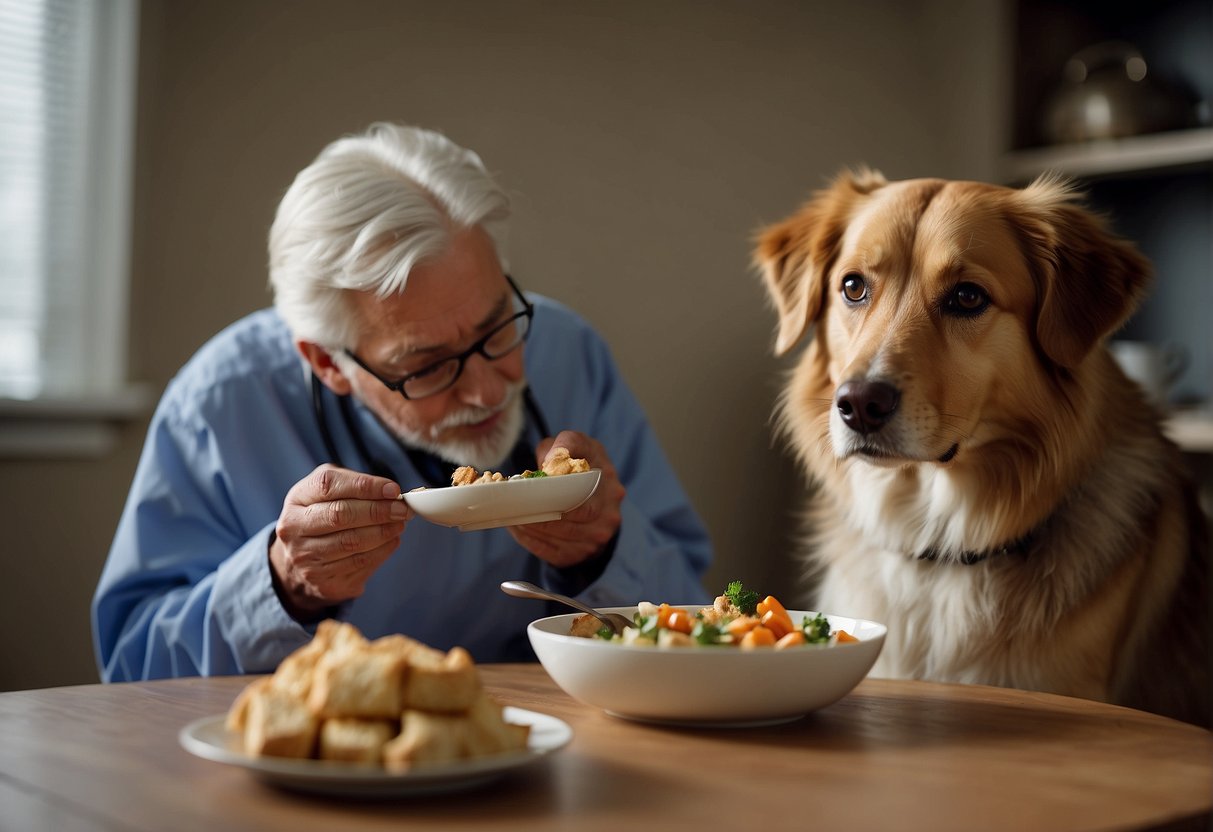
Proper diet and nutrition are critical for maintaining the health of senior dogs. They often require a specialized diet to support their changing needs and to mitigate health issues associated with aging.
Key Nutritional Adjustments:
- High-Quality Protein: Senior dogs need proteins that are easily digestible to maintain muscle mass and support the immune system.
- Antioxidants: A diet rich in antioxidants can help counteract free radicals, which increases in older dogs, potentially reducing the impact of aging on the immune system.
- Omega-3 Fatty Acids: These are essential for maintaining joint health and cognitive function, which can decline in senior dogs.
Older dogs can experience a less robust immune system. Nutritionists suggest a balanced diet that includes optimal vitamin levels to support immune health. Foods with natural prebiotic fibers can also promote a healthy digestive system, which is crucial for the appropriate absorption of nutrients.
Table 1: Suggested Components for Senior Dog Diets
| Component | Benefit |
|---|---|
| Easily digestible proteins | Supports muscle maintenance and immune system |
| Antioxidants | Helps reduce age-related cell damage |
| Omega-3 fatty acids | Aids in joint health and cognitive function |
| Vitamins | Essential for overall immune health |
| Prebiotic fibers | Promotes healthy digestion |
When making dietary adjustments, owners should be vigilant about introducing new foods gradually to prevent gastrointestinal upset. Regular consultation with a veterinarian can ensure that the nutritional needs of an aging dog are met effectively, and any diet-related health issues are addressed promptly.
The Role of Exercise in Senior Dog Care

As dogs advance in years, maintaining a suitable exercise routine becomes increasingly pivotal. Exercise for senior dogs should address four main areas: mobility, arthritis, weight management, and overall well-being.
Mobility: Exercise boosts joint movement and helps keep senior dogs more agile. Even with reduced intensity, regular physical activity assists in strengthening muscles, which supports the joints, mitigating the risk of injury.
- Low-Impact Exercises: Ideal for seniors, as they are gentle on the joints. Examples include:
- Leisurely walks
- Swimming
- Controlled playtime
Arthritis: A common ailment in older dogs is arthritis, which leads to joint pain and stiffness. Exercise tailored to individual tolerances can help manage arthritis by:
- Enhancing blood flow to muscles and joints
- Reducing joint inflammation
- Slowing the progression of joint degeneration
Weight Management: Keeping a senior dog at a healthy weight is crucial. Excess weight puts additional strain on already aging joints.
- Consistent Routine: A regular and moderated exercise program can help control a dog’s weight, preventing obesity-related health complications.
General Exercise Tips:
- Begin with a warm-up to prepare the muscles.
- Keep sessions short and manageable; around 10 to 15 minutes.
- Monitor the dog’s response to exercise, adjusting intensity as needed.
- Always consult with a veterinarian before starting any new exercise regimen, especially for dogs with health concerns.
Exercise for senior dogs, when approached with care and moderation, is essential for their health and quality of life. Proper exercise keeps them mobile, manages the symptoms of arthritis, aids in weight control, and improves their overall physical and mental health.
Preventive Measures for Senior Dog Health
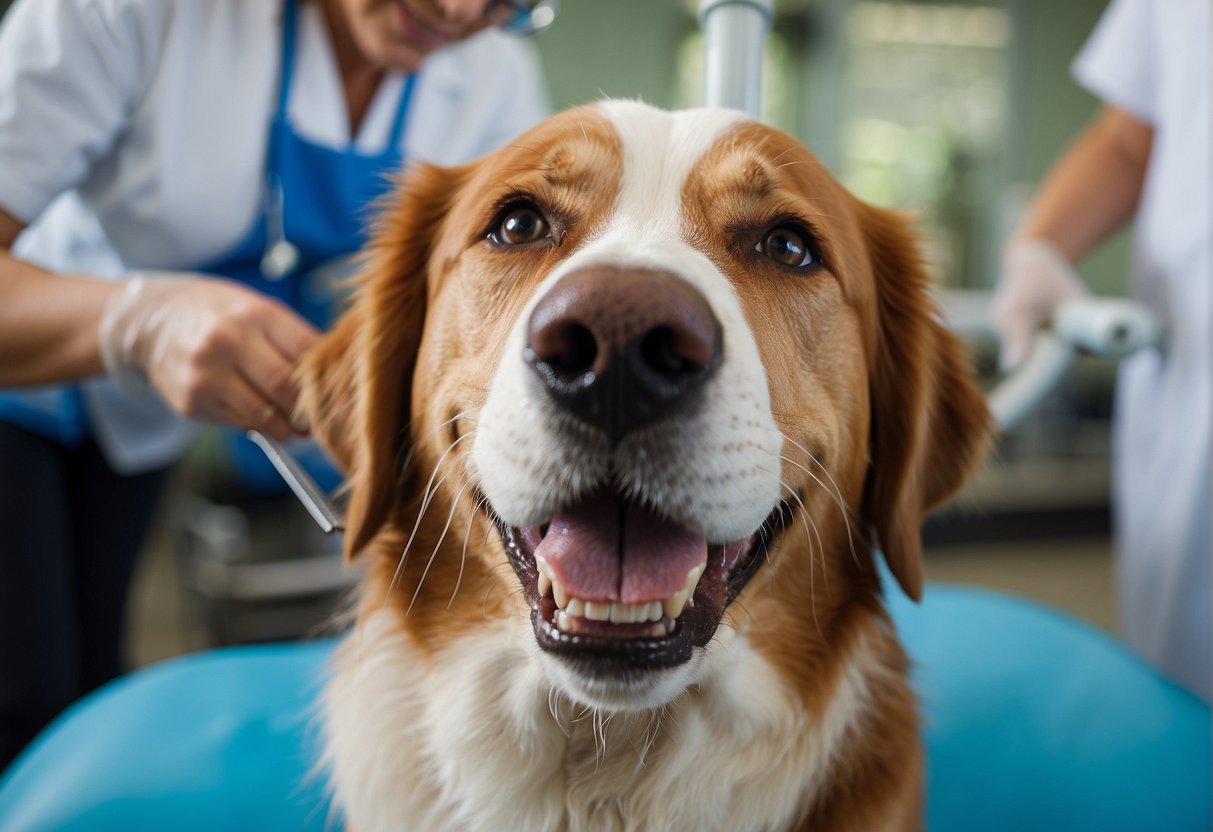
As dogs enter their senior years, maintaining their health becomes crucial. Adequate exercise, routine veterinary care, and keen owner awareness of the aging process will bolster early detection and effective management of health issues.
Routine Veterinary Checks
Senior dogs should have regular veterinary examinations—at least once a year, but more frequently if recommended by a veterinarian. These check-ups allow for early detection and treatment of age-related diseases. Utilizing routine blood tests, urinalysis, and other diagnostic tools, a veterinarian can keep track of a senior dog’s health status and advise on preventive care strategies.
- Key elements of veterinary checks include:
- Evaluation of organ function
- Joint health assessment
- Dental examination
Keeping an Eye on Behavioral Cues
Owners must maintain a heightened sense of awareness concerning changes in their dog’s behavior, as alterations may signal underlying health issues. Frequent and acute observation allows for spotting signs such as unusual aggression, reluctance to exercise, changes in sleep patterns, or irregular eating habits.
- Important behavioral cues to monitor:
- Alterations in social interaction
- Variations in activity levels
- Any new or unusual behaviors
Regular exercise tailored to the dog’s capabilities not only supports physical health but also promotes mental well-being. Owners should adapt exercises to accommodate their dog’s endurance and joint health, as overexertion can be harmful.
Dealing with Cognitive Dysfunction Syndrome

Cognitive Dysfunction Syndrome (CDS) affects a notable percentage of senior dogs, with changes in behavior often noticeable as they progress in age. As dogs age, they may exhibit signs such as confusion, disorientation, and changes in vocalization patterns.
Identifying CDS
When a senior dog exhibits changes such as:
- Increased disorientation
- Altered interactions with humans or other pets
- Disrupted sleep-wake cycles
- Increased vocalization without apparent cause
It may suggest the onset of Cognitive Dysfunction Syndrome. Early recognition of these behavioral changes is critical for managing the condition effectively.
Management Strategies
Interventions for CDS include a mix of medical and environmental adjustments:
- Routine: Establishing a consistent daily routine helps reduce confusion for dogs with CDS.
- Mental Stimulation: Activities that stimulate the mind can slow the progression of cognitive decline.
- Medication: In some cases, veterinarians may prescribe drugs to manage the symptoms of cognitive decline.
- Comfort: Adjusting the living environment to minimize stress can be beneficial.
Behavioral Changes
Owners may notice their senior dogs showing signs of:
- Restlessness
- Aimless wandering
- Difficulty finding and using usual locations (like food dishes or doors)
These are common manifestations of CDS and indicate it may be time to consult a veterinarian for a comprehensive health evaluation.
By understanding and targeting the individual symptoms of CDS with a combination of lifestyle changes and medical interventions, owners can help their senior dogs navigate the challenges of aging with greater comfort and quality of life.
Supporting the Emotional Needs of Senior Pets

As senior pets age, their emotional needs can become more pronounced, and addressing these is crucial for maintaining their quality of life. Owners can take practical steps to minimize stress and anxiety in their older pets, fostering a serene environment.
Routine and Familiarity: Maintain a consistent schedule, as unpredictability can cause distress. Familiar toys, bedding, and surroundings offer comfort, so avoid unnecessary changes to their environment.
Cognitive Stimulation: Mental engagement helps keep their mind sharp. Interactive toys and gentle games can provide stimulation without overtaxing their energy levels.
Emotional Support: Senior pets may seek more affection. Owners should be responsive to these needs, with gentle petting and calm interactions.
Reducing Stressors: Identify sources of stress, such as loud noises or too much activity, and create a peaceful space.
Medical Checkups: Regular veterinary visits can detect issues that may affect their emotional well-being, like discomfort or illness.
Attention to Diet: A balanced diet suited to their age can impact mood and cognitive function. Consult with a vet for dietary advice.
Behavioral Changes:
- Increased vocalization may signal a need for attention or indicate discomfort.
- Decreased interest in play signifies a need for cognitive stimulation or could be a sign of underlying health issues.
Owners should observe their pets carefully, recognizing behavioral cues and responding appropriately. Through compassion and understanding, they can significantly contribute to the emotional well-being of their senior pets.
Frequently Asked Questions

This section addresses specific concerns regarding the behavioral changes and health considerations for senior dogs.
What are common signs that indicate my senior dog may be nearing the end of its life?
Senior dogs nearing the end of life may exhibit reduced mobility, loss of interest in food and water, incontinence, and a marked decrease in responsiveness to their surrounding environment.
How can I tell if my senior dog is experiencing discomfort or suffering?
Signs of discomfort in senior dogs can include persistent whining, panting without physical exertion, reluctance to move or be touched, and changes in sleeping patterns.
What behavioral changes should I expect as my dog progresses into old age?
As dogs age, owners may notice increased confusion, disrupted sleep-wake cycles, reduced social interaction, and potential incontinence or other housetraining issues.
Are there specific dietary needs for older dogs to help maintain their health?
Older dogs typically require diets lower in calories but rich in fiber and essential nutrients to support their less active lifestyle and to maintain digestive health. Veterinarian-approved senior-specific dog food can help meet these needs.
Why might a senior dog suddenly start acting anxious or restless?
Anxiety or restlessness in senior dogs can be due to various factors, including pain, vision or hearing loss, or cognitive decline affecting their perception and understanding of their environment.
What are the indications that it might be time to consider humane euthanasia for my aging dog?
Indications for humane euthanasia can include uncontrollable pain, severe difficulty breathing, profound loss of mobility, or when a dog’s daily living is burdened more by suffering than enjoyment.