
As dogs progress into their senior years, they often exhibit changes in behavior that can be perplexing and sometimes challenging for pet owners. These alterations can range from slight adjustments in energy levels and sleep patterns to more pronounced shifts in interaction and cognitive function. Recognizing and understanding these behavioral changes in senior dogs is crucial for providing appropriate care and maintaining their quality of life.

The aging process in dogs is not just marked by the greying of fur or a slower gait, but also by a variety of behavioral signs that may indicate underlying health issues, adjustments in sensory capabilities, or even cognitive decline. It’s important for dog owners to observe their aging pets closely and to be attuned to any new or changing behaviors. Prompt recognition and intervention can greatly impact the management of age-related conditions and can help mitigate the effects of aging on a dog’s behavior.
Key Takeaways
- Behavioral changes in senior dogs are important indicators of their overall health and well-being.
- Age-related physical and mental changes require adapted care and understanding from dog owners.
- Proactive management of senior dog health can enhance their quality of life during the aging process.
Understanding Senior Dog Behavior

As dogs age, they may exhibit a range of behavioral changes and signs of cognitive decline that pet owners should be aware of. Recognizing these changes can facilitate a supportive environment for the aging canine.
Common Behavioral Changes
1. Disorientation: Aging dogs might appear confused, have difficulty finding their way around familiar surroundings, or get stuck behind furniture.
2. Interaction alterations: They may seek less attention, show diminished interest in social interactions, or, conversely, become more clingy.
3. Sleep-wake cycle disruptions: Senior dogs can experience changes in their sleep patterns, such as sleeping more during the day and less at night.
4. House soiling: Previously house-trained dogs might start having accidents indoors.
5. Activity level changes: These can include a decrease in activity, reluctance to play, or increased repetitive activities such as pacing.
6. Increased vocalization: Dogs might bark or whine more due to anxiety, hearing loss, or disorientation.
Signs of Cognitive Decline
Cognitive Dysfunction Syndrome (CDS): Similar to dementia in humans, dogs can develop CDS, leading to a decline in cognitive function.
- Memory loss: Canines might forget previously learned commands or house training.
- Decreased awareness: They may not recognize familiar people or animals and become indifferent to activities they once enjoyed.
- Learning and response deficits: Senior dogs may show a decreased ability to learn new tasks or respond to commands.
- Increased anxiety: An aging dog may experience heightened anxiety with unfamiliar situations or environments.
Understanding these behavioral and cognitive changes in senior dogs is crucial for providing the necessary care and adjustments to their lifestyle, ensuring their comfort and well-being.
Age-Related Physical Changes and Their Effects
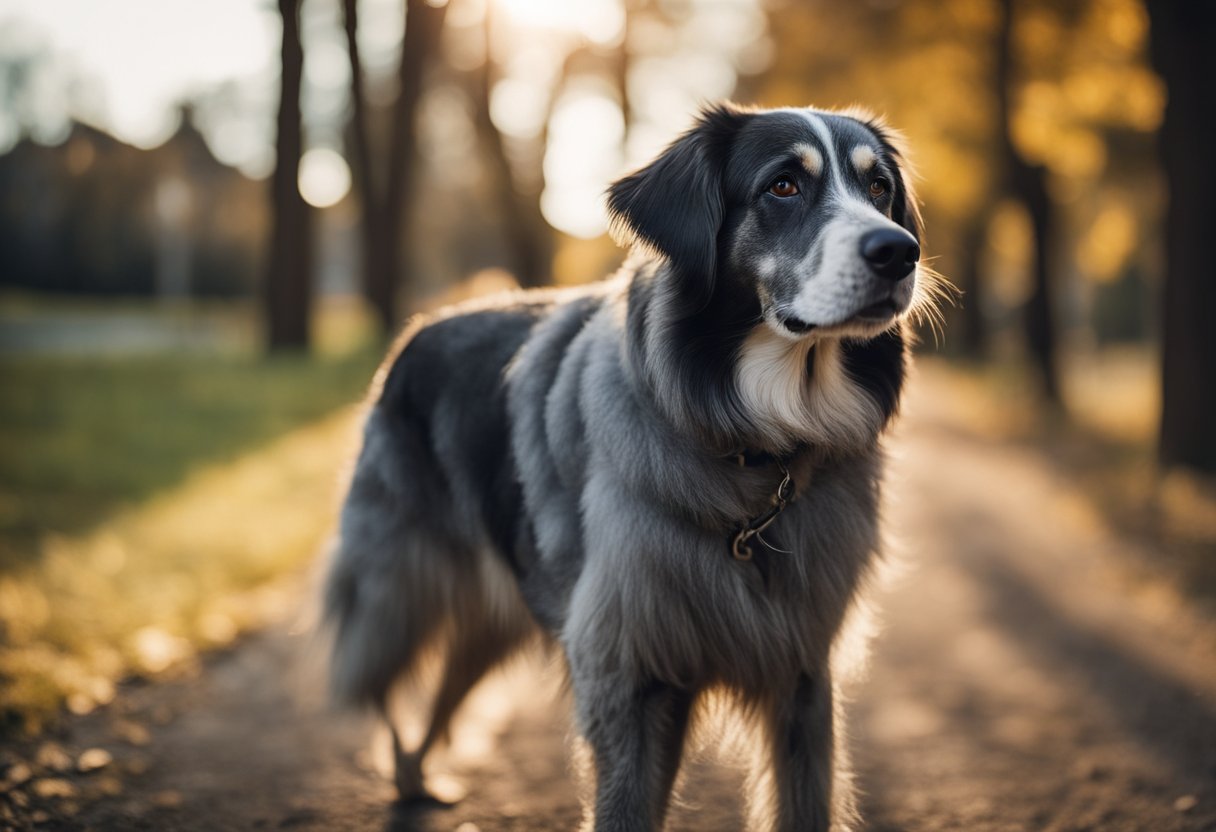
As dogs age, several physical changes occur that can significantly impact their behavior and interaction with their environment. These changes are primarily noticeable in their sensory abilities and mobility.
Sensory Decline
Sight: Vision loss in senior dogs is often gradual. The aging process can cause a cloudiness in the lens, known as cataracts, or a degeneration of the retina, leading to a diminished ability to see clearly. These visual changes can cause a dog to become more hesitant in unfamiliar surroundings and can alter their responses to visual cues.
Hearing: Hearing degradation is another common age-related change. The wear and effects of time may result in partial or complete deafness. A dog with compromised hearing might not respond to verbal commands or familiar sounds, which can be mistaken for disobedience or behavioral issues.
Mobility Challenges
Arthritis and Joints: Aging brings about a natural wear on a dog’s joints and bones, with arthritis being a prevalent condition among senior canines. This degenerative disease causes pain, stiffness, and swelling in the joints, which directly affects a dog’s mobility and comfort.
Pain: It’s imperative to recognize that with mobility challenges often comes pain, which can limit a senior dog’s activity levels and willingness to play or exercise. Observing a change in how a dog carries itself—such as reluctance to climb stairs, difficulty standing up after lying down, or a noticeable limp—is essential for early detection and management.
Bones: The strength and density of the bones may decrease with age, making senior dogs more prone to fractures and other injuries. Adequate nutrition and proper care can help maintain bone health and prevent complications related to bone fragility.
Mental Health and Behavioral Issues
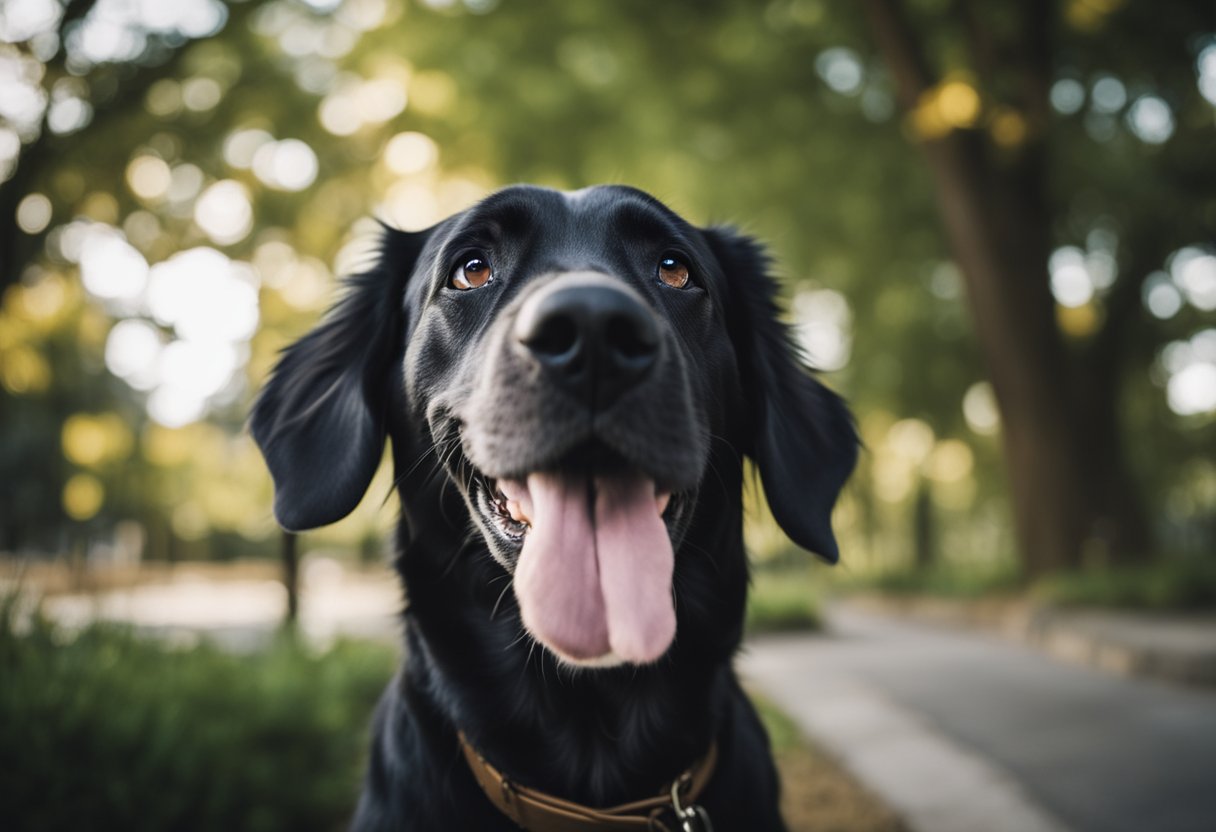
As dogs age, they may exhibit changes in behavior due to the health of their mental state. Two common issues are anxiety and stress, and disorientation and confusion, which can stem from a decline in cognitive function and adjustments in their sensory abilities.
Anxiety and Stress
Elderly dogs often experience increased levels of anxiety and stress. This can manifest as:
- Restlessness
- Excessive barking or vocalization
- Increased clinginess or neediness
Causes for anxiety can include changes in their environment, pain due to physical ailments like arthritis, or a decline in hearing and vision. Owners might notice their senior dogs becoming more apprehensive in situations that previously caused them no concern.
Disorientation and Confusion
Disorientation and confusion are signs of possible cognitive dysfunction syndrome (CDS), a condition akin to dementia in humans. Safeguards for dogs with CDS include:
- Keeping the environment consistent to avoid confusion
- Maintaining a fixed routine for feeding and exercise
Owners may observe behaviors indicative of disorientation, such as difficulty locating doors, or getting lost in familiar places. Confusion in older dogs can also lead to interrupted sleep patterns, where they may appear disoriented or pace during nighttime hours.
Health Care for Senior Dogs
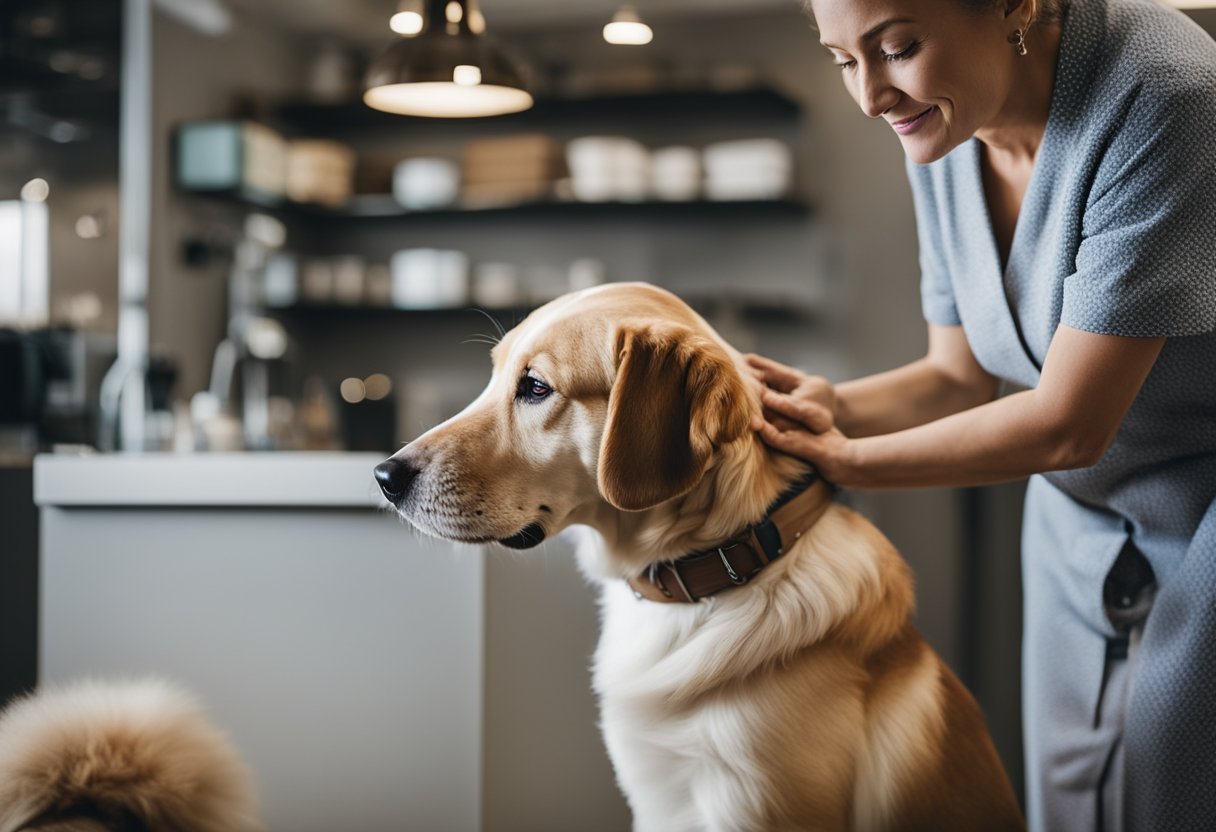
Proactive health care is crucial for senior dogs to manage age-related changes and maintain their quality of life. Regular check-ups and addressing chronic conditions early are the cornerstones of caring for aging canines.
Routine Veterinary Visits
Senior dogs should have bi-annual veterinary check-ups to detect and diagnose health issues early. During these visits, veterinarians typically perform a thorough physical examination and may recommend diagnostic tests such as blood work, urine analysis, and imaging to assess the condition of the kidneys, heart, and liver, which are commonly affected by aging.
- Physical Examination: A veterinarian will check for lumps, bumps, and signs of pain or discomfort.
- Blood Work: Evaluates organ functions including the kidneys and liver.
- Urine Analysis: Helps detect diabetes, kidney issues, and urinary tract infections.
- Imaging: X-rays or ultrasounds can reveal heart enlargement or liver abnormalities.
Managing Chronic Conditions
Treatment for chronic conditions in senior dogs often involves a combination of medications and lifestyle adjustments.
- Medication: Appropriate drugs can manage conditions such as heart disease, liver problems, or weakened immune systems.
- Diet: Specialized diets can support medical treatment and improve organ function.
- Exercise: Gentle exercise helps maintain muscle tone and joint flexibility, aiding in overall health.
Regular monitoring and treatment adjustments are crucial as these conditions can change over time. Early diagnosis and treatment can significantly enhance a senior dog’s health and comfort.
Diet and Nutrition for Aging Dogs

As dogs age, their dietary needs change. Senior dogs may require different nutrients to address age-related issues and maintain their health. Owners should consider tailored feeding strategies and the appropriate use of supplements.
Feeding Strategies
One should consider the dog’s changing metabolism and potential weight management issues when planning their diet. Senior dogs often need lower calorie diets to prevent obesity due to their decreased activity levels. However, a diet rich in high-quality protein can help maintain lean body mass. It’s important to adjust portion sizes and meal frequencies to support their slower metabolism and prevent weight gain.
For dogs with kidney problems, diets with lower levels of phosphorus and protein can reduce the strain on these organs. Monitoring the dog’s response to dietary changes is crucial, and adjustments should be based on regular veterinary consultations.
Supplement Use
Supplements can be beneficial for aging dogs, especially to support joint health and reduce inflammation. Common supplements include:
- Glucosamine and Chondroitin: Aid in supporting joint health and mobility.
- Omega-3 Fatty Acids: Help reduce inflammation and can support cognitive function.
- Antioxidants: Vitamins E and C can help neutralize free radicals and promote immune health.
It is essential to consult a veterinarian before adding supplements to a dog’s diet, as they can advise on the appropriate types and dosages for the dog’s specific health needs.
Exercise and Activity Levels
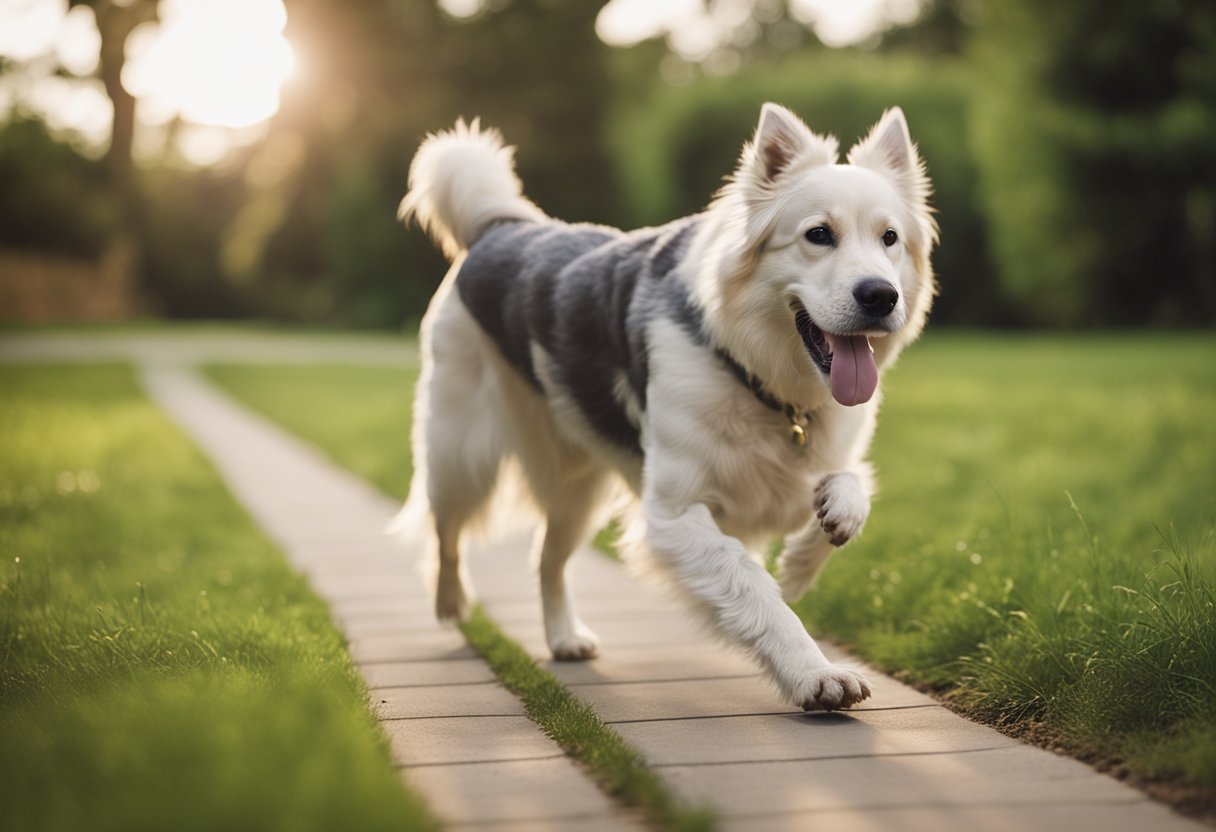
Senior dogs require tailored exercise regimes appropriate for their age and physical condition. Regular activity is essential for maintaining their health, yet the intensity and type of exercise should be adjusted to account for age-related changes and mobility issues.
Adapting Exercise Routines
It’s imperative to modify exercise routines for senior dogs to match their reduced endurance and potential health constraints. Shorter walks interspersed with periods of rest can be beneficial. For dogs with mobility issues, low-impact activities such as swimming might be a more appropriate form of exercise. It’s essential to observe a senior dog’s response to exercise and adjust the activity level accordingly.
- Low-impact exercises: Swimming, gentle walking
- Duration: Short sessions multiple times a day
- Observation: Monitor for signs of fatigue or discomfort
Maintaining an Active Lifestyle
An active lifestyle for an aging dog involves regular, gentle exercise to aid in maintaining muscle tone, joint flexibility, and overall well-being. The key is consistency and the integration of exercise into the dog’s daily routine.
- Consistency: Regular daily exercise, even if gentle, is better than sporadic activity.
- Daily routines: Incorporate exercises into everyday activities, such as brief walks during potty breaks.
Exercise for senior dogs is not just about physical health but also supports mental acuity. By maintaining an active routine, caregivers can contribute significantly to their senior dog’s quality of life.
Behavioral and Cognitive Therapy
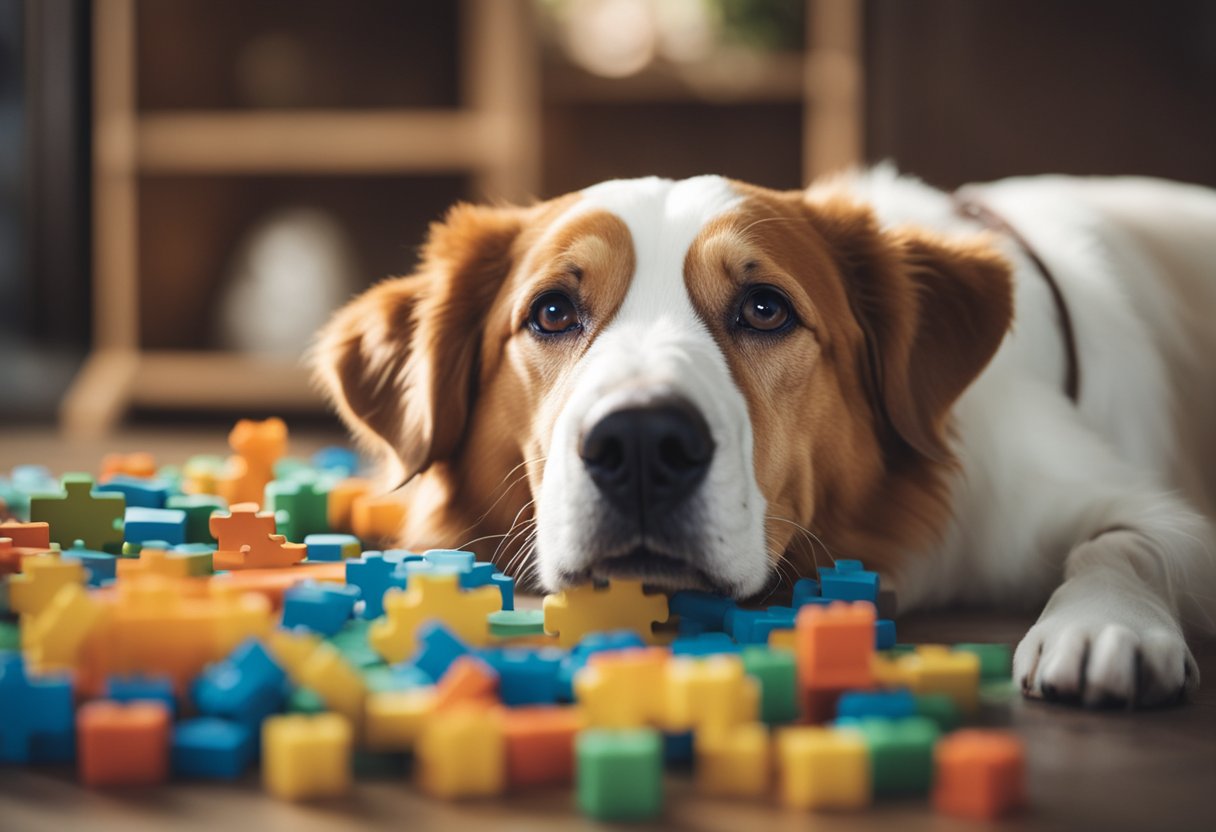
Behavioral and cognitive therapies for senior dogs focus on maintaining mental sharpness and slowing cognitive decline. They involve treatment methods that enhance the dog’s environment and provide targeted cognitive training.
Environmental Enrichment
Environmental enrichment is crucial for maintaining a senior dog’s mental health. A stimulating environment can help preserve cognitive abilities and delay the progression of degenerative changes in the brain. To implement environmental enrichment:
- Visual Stimulation: Introduce new items that can cause curiosity and visual interest.
- Olfactory Stimulation: Use scented toys or safe essential oils to stimulate the dog’s sense of smell.
- Auditory Stimulation: Soft music or environmental sounds provide auditory enrichment.
Cognitive Training Methods
Cognitive training methods aim to improve specific cognitive functions in aging dogs.
- Memory Exercises: Hide treats in puzzle toys to stimulate problem-solving skills and memory.
- Obedience Training: Continual obedience practice ensures mental engagement and awareness.
- Physical Exercise: Regular exercise, adapted to the dog’s physical abilities, supports overall brain health.
By incorporating these methods, the goal is to keep senior dogs mentally engaged, aware, and active within their environment.
Senior Dog Care at Home

Caring for a senior dog at home involves adjusting their environment to accommodate declining mobility and sensory perception, alongside maintaining structured daily routines that cater to their evolving needs for rest and security.
Creating a Comfortable Environment
Bedding: Comfortable and orthopedic bedding is crucial to alleviate joint pain and provide adequate rest for senior dogs. Placement should be in a quiet area away from drafts to ensure a warm, cozy spot that is easily accessible, preventing undue strain on their aging bodies.
Flooring: Non-slip mats or rugs can prevent accidents, as older dogs often have difficulty with traction. Keeping their most frequented paths clear of obstacles also helps to reduce the risk of injury.
Accessibility: Consider providing ramps or steps to help your dog access their favorite spots, like the bed or sofa, if jumping becomes difficult.
Daily Routines and Safety
Feeding & Medication: Consistent feeding times and a dietary plan tailored to senior dogs help maintain their health. Medications, if prescribed, need a strict schedule to manage age-related conditions effectively.
Exercise: Short, gentle walks keep them physically engaged while respecting their limits. Monitor their ability to handle exercise and adapt as needed.
Sleep Patterns: Senior dogs may experience changes in sleep patterns, showing signs of restlessness or pacing at night. Maintaining a quiet and comfortable sleeping area helps promote a good night’s sleep.
Safety Measures: To prevent injuries or wandering, especially if cognitive decline is apparent, secure your home and yard. Supervise them closely, and consider dog-proofing measures such as baby gates to limit access to potential hazards.
Engagement: Mental stimulation remains essential; offer puzzle toys or simple training exercises to keep their mind active, adjusting the level of difficulty to their cognitive abilities.
Common Medical Conditions in Older Dogs
As dogs age, they become susceptible to a range of medical conditions that can significantly affect their quality of life. Early detection and effective management of these illnesses are crucial.
Detecting and Treating Illnesses
Older dogs often face health issues that require vigilant observation. Medical conditions such as urinary tract infections and cancer are more prevalent in senior canines. Symptoms indicating a possible medical condition include changes in urination habits, loss of appetite, or visible lumps. Regular veterinary check-ups are vital for early detection of health problems, which allows for timely medical care. Treatments vary based on the condition but may include medications, surgery, or specialized diets.
- Urinary Tract Infection: Look for increased thirst, frequent urination, blood in urine.
- Cancer: Watch for abnormal swellings, sores that do not heal, weight loss.
Pain Management
Managing pain or discomfort in older dogs is a key aspect of their medical care. Conditions like arthritis can cause significant pain, which may be evident through a dog’s reluctance to move or persistent licking of a particular joint. Pain management strategies include anti-inflammatory medications, physical therapy, or even acupuncture. It’s important for caretakers to follow the veterinarian’s pain management plan closely to ensure the dog’s comfort.
- Arthritis Pain: Medications such as NSAIDs, supplements like glucosamine.
- Dental Pain: Dental cleanings, tooth extractions, or pain medications.
Understanding and Handling Behavioral Issues
As dogs enter their senior years, certain behavioral issues such as aggression, fear, and incontinence may arise. Identifying the underlying causes is the first step toward effectively handling these changes.
Aggression and Fear
Senior dogs might display increased aggression and fear due to a variety of factors. Medical causes, such as pain from arthritis or dental disease, can lead to aggressive behavior when they’re touched in a sensitive area. Additionally, a decline in their sensory capabilities can result in fear or aggressive responses to unfamiliar situations or people.
Common signs of aggression or fear include:
- Growling
- Snapping
- Biting
- Ears back
- Tail tucked
Management Strategies:
- Seek veterinary care to rule out or treat underlying medical conditions.
- Maintain a consistent routine to provide a sense of security.
- Introduce new situations, people, or animals gradually.
- Use calming techniques or products recommended by a veterinarian.
House Soiling and Incontinence
In senior dogs, house soiling and incontinence can be a significant behavioral issue often stemming from age-related decline or medical causes. These might include urinary tract infections, weakened sphincter muscles, or cognitive dysfunction.
Signs of incontinence include:
- Dribbling urine unintentionally
- Wet spots where the dog was lying or sleeping
- Frequent licking of the genital area
Intervention Methods:
- Consult a veterinarian for diagnosis and treatment options.
- Increase the frequency of bathroom breaks.
- Use incontinence products such as waterproof doggy beds and canine diapers.
- Maintain easy and unobstructed access to outdoor areas.
By recognizing and addressing the potential medical causes of behavioral changes and employing compassionate handling strategies, one can help senior dogs maintain a good quality of life during their golden years.
Life Stage and Breed Considerations
When discussing senior dogs, one must consider the impact of life stage and breed, as these factors heavily influence age-related behavior changes and decline in function. Size and breed are pivotal in understanding how a dog ages.
Small vs. Large Breeds
Small breeds generally enjoy a longer lifespan compared to large breeds and often do not display signs of aging as early. These breeds may enter their senior years later but still experience age-related behavior changes such as reduced activity levels and cognitive decline.
- Large breeds, on the other hand, typically have shorter lifespans and may begin to show signs of aging at an earlier age. It is important for owners of large breeds to monitor for any decline in physical function, which could manifest as difficulty in movement or a decrease in stamina.
Breed-Specific Aging Patterns
Certain breeds have unique aging patterns and predispositions to certain health conditions that can affect their behavior as they age. For instance:
- Beagles and Poodles, often remain active and alert well into their senior years but may be prone to developing blindness or deafness that could alter their behavior.
- German Shepherds and Golden Retrievers may suffer from hip dysplasia, impacting their mobility and potentially leading to changes in temperament due to pain or discomfort.
Recognizing the breed-specific traits and common health concerns aids in providing tailored care and anticipating behavioral changes in senior dogs.
Frequently Asked Questions

As dogs age, they undergo several behavioral changes. Understanding these modifications can help owners provide the best care for their senior companions.
What are the common behavioral changes observed in aging dogs?
Common behavioral changes in aging dogs include increased irritability, a decrease in tolerance of touch and restraint, changes in sleep patterns, occasional confusion, and a potential increase in anxiety or aggression towards unfamiliar individuals or other pets.
How can you tell if a senior dog is in discomfort or pain?
A senior dog may be in pain if they show signs of decreased activity, reluctance to climb stairs or jump, changes in posture, limping, or licking a particular area of their body more than usual. Changes in behavior such as increased aggression or withdrawal could also indicate discomfort.
What might cause an elderly dog to start following their owner persistently?
Persistent following in elderly dogs may be due to increased anxiety, the need for reassurance, or cognitive dysfunction, which can make dogs feel less secure and more dependent on their owner’s presence.
Why do some older dogs appear to lose muscle mass and get bony?
Muscle mass loss and a bony appearance in older dogs can result from natural aging. Reduced physical activity, changes in metabolism, and various health issues such as dental problems affecting their ability to eat can contribute to this condition.
What are the signs that indicate good health in aging canines?
Signs of good health in aging canines include maintaining a healthy appetite, displaying enthusiasm for regular activities and interaction, having consistent sleep patterns, and showing no significant changes in behavior or mobility.
How do normal dog behaviors evolve as they reach senior years?
Normal dog behaviors can evolve into less activity, longer rest periods, and potentially increased repetitive activities like pacing. Dogs may also start having variations in their social interactions, either seeking more attention or becoming more reclusive.