
As dogs age, they may experience mobility issues and incontinence, which can be stressful for both the pet and the pet owner. Senior dog diapers become an essential product to manage these challenges effectively. These diapers provide a solution for incontinence by protecting your home from leaks and stains, and they offer relief for dogs who may struggle to control their bladder function due to health issues. They are designed to offer comfort to the dog while also being practical for the owner to use and manage.
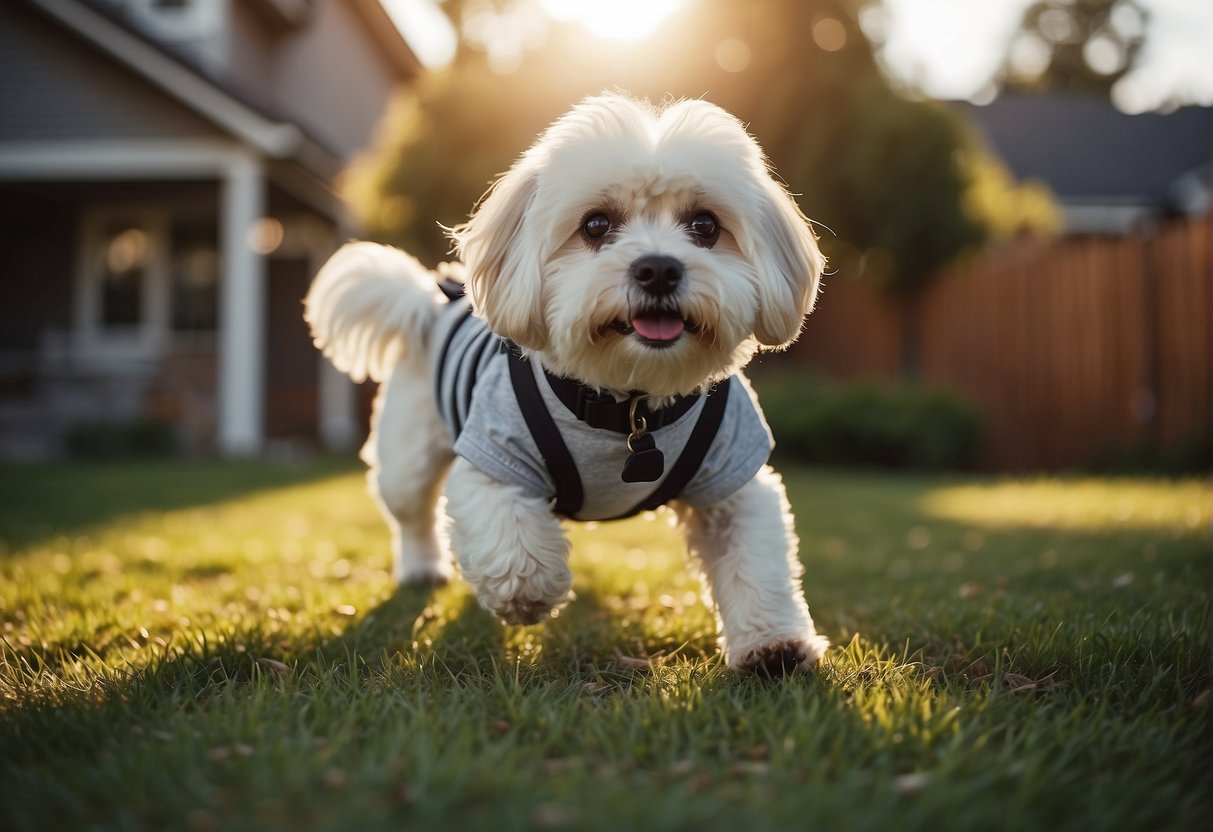
The variety of dog diapers on the market includes disposable and washable types, each with unique features such as adjustable fits, absorbency levels, and design variances for male and female dogs. Selecting the right diaper involves understanding the specific needs of the senior dog, such as the severity of incontinence, the dog’s size, and any other health considerations. Addressing diaper challenges, such as ensuring a proper fit and preventing leaks, can make using dog diapers a successful experience for managing incontinence in senior dogs.
Key Takeaways
- Dog diapers alleviate stress by addressing incontinence in senior dogs and protecting the home environment.
- Variety in design caters to different needs, with options including adjustable fits and male or female specific features.
- Proper fit and correct usage are crucial for comfort and effectiveness of the diapers.
Understanding Incontinence in Senior Dogs

Incontinence in senior dogs often manifests as the loss of control over urination or defecation, typically requiring management strategies such as dog diapers. These incidents can stem from a range of health issues that are more common in older canines.
Types of Incontinence
There are several forms of incontinence that can affect senior dogs:
- Urinary Incontinence: Unintentional leakage of urine, which may occur while the dog is resting or sleeping.
- Fecal Incontinence: The inability to control bowel movements, leading to accidental defecation.
Causes and Health Concerns
Possible causes and underlying health concerns that contribute to incontinence in older dogs include:
- Urinary Tract Infections (UTIs): Infections can irritate the bladder, prompting frequent urination.
- Mobility Issues: Conditions like arthritis hinder a dog’s ability to reach an appropriate place to relieve themselves in time.
- Surgery: Post-operative effects or complications may temporarily or permanently affect an animal’s ability to control urination or defecation.
- Disease: Kidney disease or diabetes can lead to increased urine production and subsequent incontinence.
- Hormonal Imbalance: Especially in spayed females, hormonal changes can weaken the urinary sphincter muscles.
- Neurological Problems: Damage to nerves controlling the bladder or bowel can lead to loss of control.
- Degenerative Conditions: Such as cognitive dysfunction or degeneration of the nerves and muscles involved in elimination can reduce a dog’s ability to maintain continence.
Proper diagnosis and management of the underlying condition are critical to help mitigate the effects of incontinence in senior dogs.
Types of Dog Diapers
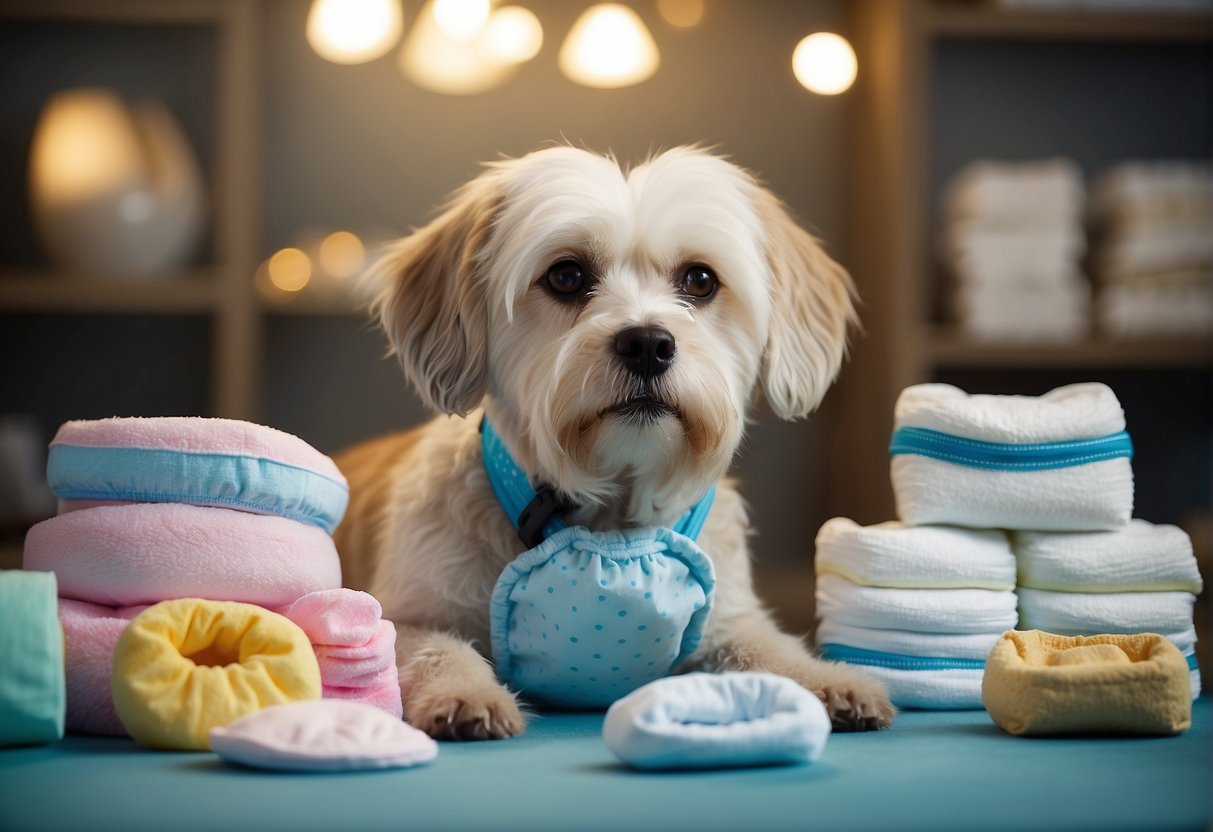
There are several types of dog diapers available for senior canines, each designed to offer solutions for incontinence and other elimination issues. These products range from disposable options for convenience to washable varieties for cost-effectiveness and environmental considerations.
Disposable Dog Diapers
Disposable dog diapers are a convenient option for managing incontinence in senior dogs. These single-use diapers come with built-in absorbency and leak protection, making them ideal for short-term use or when traveling. They are easy to put on and take off, minimizing mess and maintaining hygiene.
Washable Dog Diapers
Washable dog diapers are a reusable and environmentally friendly alternative to disposables. These diapers can be machine washed and are available in various sizes to ensure a comfortable and adjustable fit. Many come with a tail hole and are made from soft, absorbent fabric to keep your pet dry and comfortable over multiple uses.
Belly Bands for Male Dogs
Belly bands are specifically designed for male dogs to wrap around the midsection, covering the urethra to catch leaks or urine dribbles. They are typically washable and can be a cost-effective solution. Belly bands often feature adjustable fits to accommodate various sizes and are a discreet way to manage male dog incontinence.
Female Dog Diapers
Female dog diapers provide a full-coverage solution and are shaped to fit a female dog’s anatomy, with the cutout for the tail. These diapers can be either disposable or washable, ensuring that owners have a choice depending on their preferences. Comfortable to wear and secure, they are designed to prevent leaks and protect your home from accidents.
Diaper Features and Selection
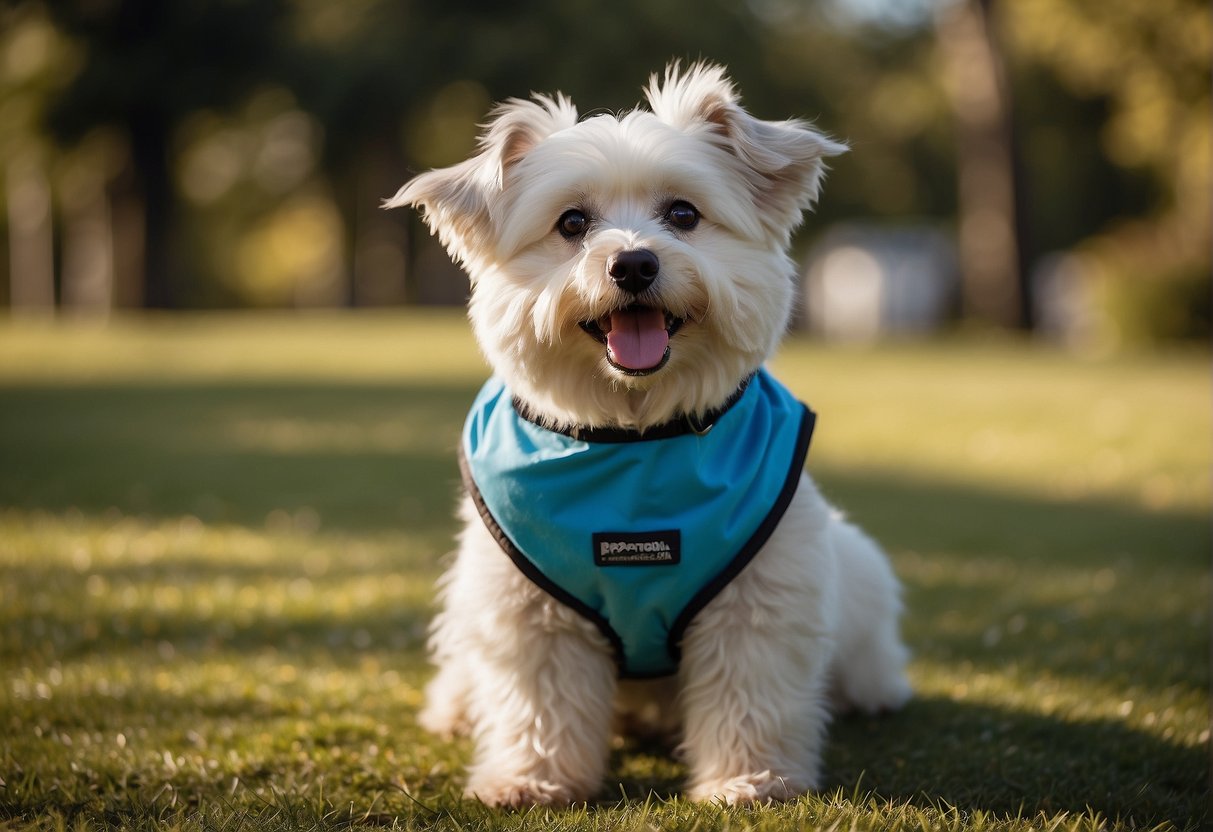
Choosing the right dog diaper involves considering various features that ensure the well-being of the senior dog. Specifically, the diaper’s absorbency, size, fit, and comfort are essential for effective use.
Absorbency and Leak Protection
The core functionality of a dog diaper is to manage urine efficiently to prevent leaks and contain messes. Look for diapers with super absorbent layers and a leak-proof outer layer. These features work together to lock in moisture and protect your home from accidents. Diapers should ideally also prevent rashes and skin irritations from prolonged moisture exposure.
Sizing and Fit
Proper sizing is crucial to prevent leaks and ensure the diaper is secure. Most brands provide a sizing chart; use it to select a diaper based on your dog’s measurements, rather than weight alone, for the most accurate fit. Diapers should cater to the specific size and build of the dog, acknowledging that different breeds have unique body shapes.
Comfort and Adjustability
Senior dogs require a diaper that offers both comfort and an adjustable fit to accommodate their limited mobility and potential anxiety with wearing a diaper. Diapers should not impede movement or cause discomfort. Look for features like Velcro straps or snaps for easy adjustment. Some diapers also come with suspenders to keep them in place without tightening the waistband excessively.
Addressing Diaper Challenges
When using diapers for senior dogs, owners must address challenges such as avoiding infections and rashes, ensuring a comfortable and accurate fit, and maintaining hygiene.
Preventing Infections and Rashes
Senior dogs are susceptible to diaper dermatitis—skin rashes and infections caused by prolonged exposure to moisture and bacteria. To minimize these risks:
- Choose the right type of diaper: Disposable diapers are convenient and offer a high level of hygiene, while washable diapers are eco-friendly and can be cost-effective.
- Use pee pads: For additional absorption, consider inserting a pee pad inside the diaper. This can keep the area dry and reduce the likelihood of urinary tract infections or rashes.
Ensuring a Proper Fit
To ensure diapers provide the necessary comfort and protection without causing discomfort or diarrhea due to a tight fit:
- Consult a sizing chart: Each brand has its specific sizing chart—use it to choose the correct size for your dog.
- Look for adjustable fit features such as snaps or Velcro closures, which can help contour the diaper to your dog’s shape.
Maintaining Hygiene
Good hygiene practices are essential to prevent infections and ensure comfort:
- Change diapers frequently to prevent build-up of bacteria.
- Wash machine washable diapers regularly according to the manufacturer’s instructions.
By meticulously addressing these diaper challenges, you can promote your senior dog’s comfort and wellbeing.
Benefits of Using Dog Diapers
Senior dogs often experience a decline in bladder and bowel control due to age-related incontinence. Utilizing dog diapers can provide numerous advantages for both the senior dog and their owners.
- Comfort: Diapers can help to keep a dog comfortable, avoiding the distress that comes with involuntary urination. By reducing wetness and minimizing soiling of their living spaces, the diapers contribute to a more comfortable daily life.
- Mobility: With diapers, senior dogs with decreased mobility can move around more freely. Owners can worry less about accidents, thus allowing their pets to maintain a level of independence.
- Prevent Accidents: Diapers are an effective solution to prevent unwanted accidents in the home. They are particularly beneficial for dogs living in high-rise apartments where quick access to outdoor areas is limited.
- Mental Well-being: Pets can sense when they have had an accident, which might affect their mood and well-being. Diapers can help maintain a dog’s dignity and happiness, ensuring a fun, worry-free environment.
Here is a quick summary of key points:
| Benefit | Description |
|---|---|
| Comfort | Keeps the senior dog dry and reduces irritation from accidents. |
| Mobility | Offers the freedom to move without the constraint of frequent trips outside. |
| Prevent Accidents | Protects home spaces from unwanted soiling, easing owner frustrations. |
| Mental Well-being | Helps maintain a dog’s spirit by preventing the distress from accidents. |
It’s important for owners to choose the correct size and type of diaper to ensure their senior dog’s needs are met without sacrificing comfort or mobility.
Training and Acclimatization

Training and acclimatizing senior dogs to wear diapers requires patience and understanding of their needs. Effective methods help manage incontinence and prevent accidents at home.
Introducing Diapers to Your Dog
First Steps:
- Select the right diaper size: Ensure it fits comfortably without causing irritation or hindrance to movement.
- Familiarization: Allow your dog to sniff and investigate the diaper to insert a sense of familiarity.
Training Techniques:
- Positive Reinforcement: Use treats and praise to create a positive association with the diaper.
- Gradual Introduction: Place the diaper near your dog during relaxed times, then gently fit it on for short periods, gradually increasing the duration.
House Training Senior Dogs
Addressing Incontinence:
- Senior dogs may develop incontinence, making it crucial to adjust house training routines. Regularly scheduled bathroom breaks and consistent positive reinforcement help maintain house training standards.
Preventing Accidents:
- Consistency: Maintain a routine for outside breaks, even with the diaper, to discourage reliance on it for bathroom needs.
- Monitoring: Observe signs indicating the need to eliminate and promptly assist your dog to the designated area to reinforce house training habits.
Adjustment Period:
- Understand that adjustment to diapers may take time. Be patient and attentive to your senior dog’s comfort and reactions during this transition.
Considerations for Male and Female Dogs
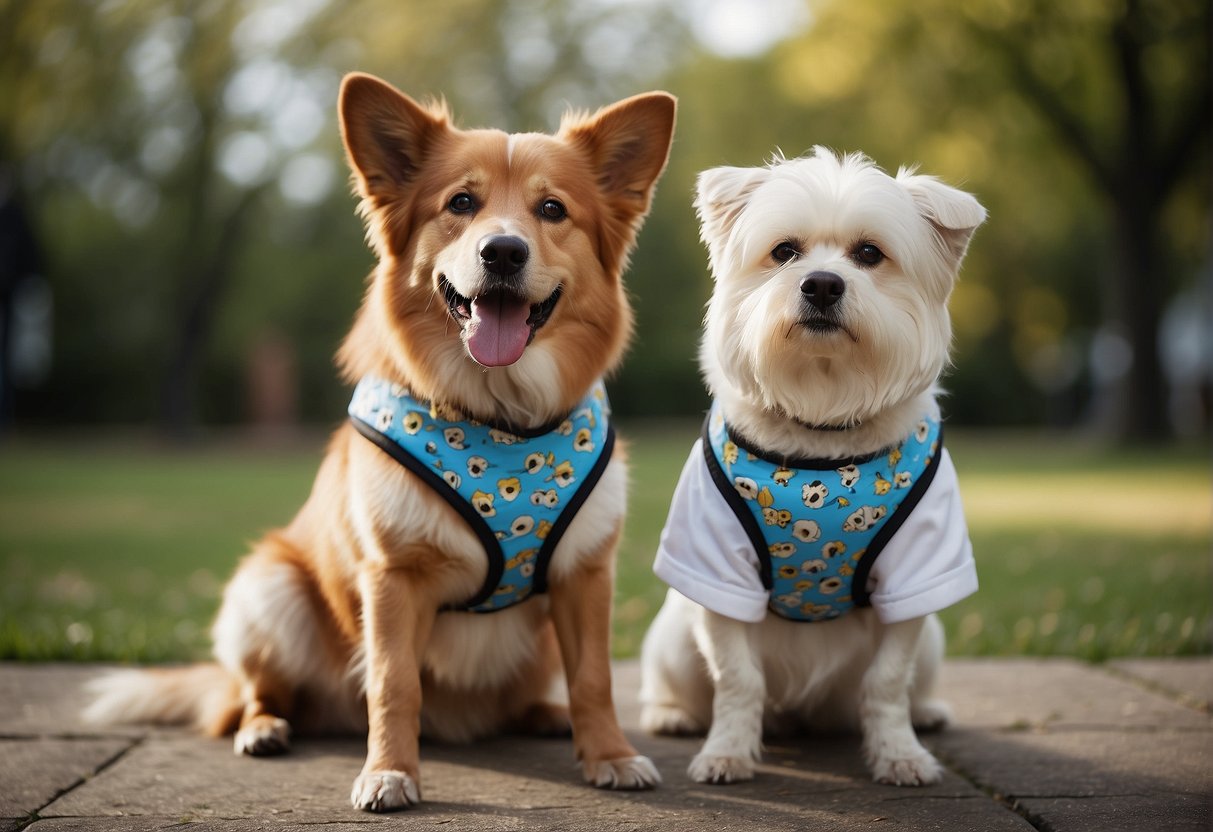
When selecting diapers for senior dogs, it’s essential to choose based on the dog’s sex due to anatomical differences. Diapers designed for male dogs often encompass a wider base and longer waist to cover the urethra, while those for female dogs should fit without excess material for comfort.
Specialized Diapers for Male Dogs
Male dog diapers, sometimes referred to as dog wraps or belly bands, cater to male anatomy. They aim to be comfortable while providing adequate coverage. Key attributes include:
- Wider Base: Ensures coverage of the urethra.
- Longer Waist: Allows the diaper to sit securely on a male dog’s waist.
Selecting a product that is specifically designed as a male dog diaper can significantly improve efficacy and prevent leaks.
Diapers for Female Dogs
Female dog diapers are tailored to fit the anatomy of a female dog. These diapers usually do not need to be as long as those for males, ensuring a comfortable fit without unnecessary material. Important considerations:
- Proper Fit: A snug fit to prevent leaks, yet not too tight to ensure comfort.
- Design: The product should be designed to stay on a female dog, even during movement.
For both male and female dogs, the right size and type of diaper is crucial for preventing discomfort and ensuring that the diapers serve their intended purpose effectively.
Diaper Alternatives and Supplements
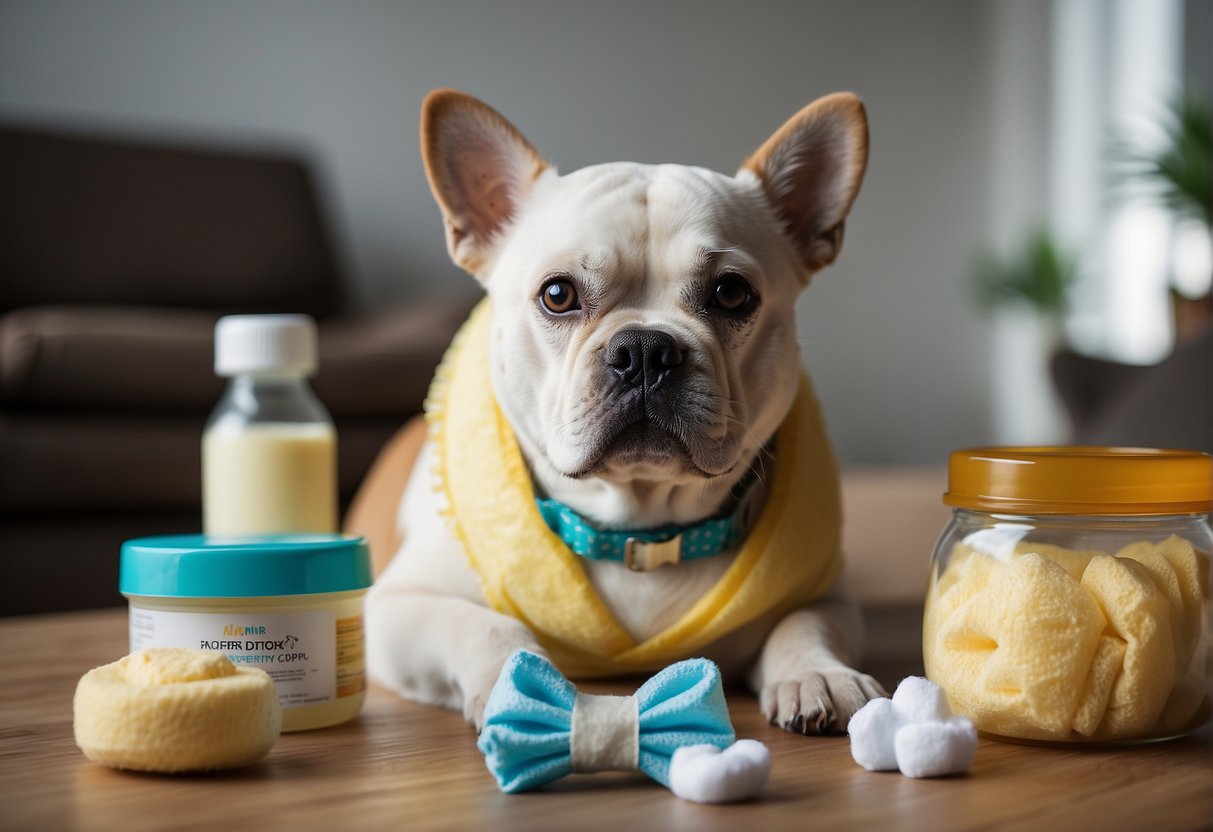
When managing incontinence in older dogs, comfort and hygiene are paramount. There are specific alternatives and supplements to diapers that cater to these needs effectively.
Belly Bands and Wraps
Belly bands for male dogs and wraps provide a simple alternative to diapers. These products encircle the dog’s midsection, covering the urinary area, to contain any leaks. Dog belly bands are designed with comfort in mind, often being adjustable and made from soft, yet absorbent materials. Wraps are similar but may also include additional padding for extra absorbency. Belly bands and wraps are particularly useful for:
- Male dogs with urinary incontinence.
- Providing a less cumbersome option that allows greater mobility and freedom of movement.
Pee Pads and Incontinence Pads
The usage of pee pads and incontinence pads offers another layer of protection for senior dogs. A pee pad can be laid down in the dog’s resting area, while incontinence pads can be inserted into a dog’s diaper or belly band for added absorbency.
Pee pads often feature:
- Leak-proof protection.
- Odor control.
Incontinence pads can either be disposable or washable, and they:
- Are specifically designed to fit into belly bands or wraps.
- Enhance the overall absorbency, helping to keep the dog dry and comfortable.
Practical Tips for Managing Dog Diapers

Managing dog diapers for senior canines requires attentiveness to hygiene, comfort, and routine to effectively handle incontinence issues. With the right approach, one can ensure their furry companion a comfortable, dignified quality of life.
Changing and Disposing of Diapers
To maintain hygiene, dog diapers should be changed frequently—typically every 3-4 hours or immediately if heavily soiled. Owners can follow these steps:
- Removal: Carefully detach the closures and ease the diaper away from the dog’s body to prevent any spillage.
- Cleaning: Wipe the dog’s underbelly with a damp cloth or pet-safe wipes to keep the area clean and free of bacteria.
- Disposal: Dispose of disposable diapers responsibly in a sealed bag to contain odors until trash collection.
Traveling with Diapered Dogs
When planning trips with diapered dogs, comfort and convenience are key.
- Preparation: Pack a sufficient supply of both disposable and washable diapers, as well as a portable changing mat.
- Hygiene Kits: Create handy hygiene kits including wipes, bags for disposal, and a waterproof container for soiled diapers.
Dealing with Overnight Incontinence
Overnight periods present a unique challenge for managing dog incontinence. Here is what can be done:
- Absorbent Diapers: Ensure the diaper used at night is highly absorbent to prevent leaks and discomfort.
- Protective Bedding: Consider a waterproof bed protector to safeguard your dog’s bed and reduce the need for constant cleaning.
Purchasing and Cost Management
When selecting diapers for senior dogs, owners should prioritize cost-effectiveness while considering the balance between convenience and environmental considerations.
Finding Cost-Effective Solutions
Cost-effectiveness is a key factor when it comes to managing expenses for senior dog diapers. Reusable diapers offer an economical option in the long run because they can be washed and used multiple times, minimizing the need to purchase frequently. The upfront cost is typically higher than disposable items, but one should account for the overall savings over time. Manufacturers often provide a variety of reusable products that cater to different sizes and breeds, ensuring a proper fit and minimizing chances of leaks which, in turn, prevents additional costs related to cleaning and damage.
Bulk Buying and Retail Options
Purchasing diapers in bulk can lead to substantial cost savings. Retailers often sell products at a discounted rate when bought in larger quantities, lowering the cost per unit. Here is a comparison to illustrate:
| Quantity | Price (Disposable) | Price (Reusable) | Cost Per Use (Reusable) |
|---|---|---|---|
| 10-pack | $10 | – | – |
| 30-pack | $25 | – | – |
| Single | – | $15 | Varies by use |
Adding items to a virtual cart during online promotions can also secure discounts. For those preferring physical retail options, local pet stores might have loyalty programs or offer sales on specific brands. Some manufacturers recommend buying directly from them for the best pricing and product guarantees. The choice between reusable and disposable ultimately depends on the specific needs of the dog and the preferences of the owner, balanced against the financial implications.
Frequently Asked Questions

When choosing diapers for senior dogs, it’s important to consider the type best suited for the dog’s needs, ensure a proper fit, and understand the maintenance required for your dog’s comfort and hygiene.
What are the best types of dog diapers for managing incontinence in senior dogs?
The best types often include disposable diapers for convenience and washable diapers for cost-efficiency. The choice depends on the dog’s size, the severity of incontinence, and the owner’s preference for reusability.
How can I ensure a proper fit when choosing an appropriate diaper for my senior male dog?
Diaper fit can be ensured by accurately measuring the dog’s waist and consulting the sizing chart provided by the diaper manufacturer. Look for adjustable closures to secure the diaper snugly without causing discomfort.
Are there specific features to look for in female dog diapers that help with urinary incontinence?
For female dogs, a diaper should have a hole for the tail and be shaped to accommodate their anatomy. Absorbent lining and leak-proof edges are important features to prevent leaks and contain messes.
Can dog diapers be an effective solution for senior dogs that have issues with bowel incontinence?
Yes, diapers can be used for bowel incontinence, but they should be changed immediately after soiling to prevent discomfort and skin irritation. Choose diapers with a high absorbency to manage fecal incontinence effectively.
What bulk purchasing options are available for dog diapers, and how can they be cost-effective?
Bulk purchasing options for dog diapers can include larger packs of disposable diapers or buying multiple washable diapers at once. These options can be cost-effective by reducing the per-unit price and saving on frequent purchases.
How often should a dog diaper be changed to maintain hygiene and comfort for the senior dog?
A dog’s diaper should be changed every 3-4 hours or immediately if soiled to maintain hygiene and prevent skin irritation. Frequent changes are essential to keep the dog comfortable and reduce the risk of infections.