
As dogs enter their senior years, their behavior may undergo significant changes that can concern their owners. An elderly dog pacing and unwilling to lie down suggests discomfort that may stem from a range of issues, some of which might require medical attention. While it’s natural for senior dogs to show a decrease in energy and a shift in habits, the onset of restless behaviors like pacing or an inability to rest comfortably could be indicative of underlying health problems.

Understanding these alterations is crucial for providing appropriate care to aging canine companions. Potential causes for such pacing may include pain from conditions like arthritis, stress from environmental changes, or even cognitive dysfunction similar to dementia in humans. It’s essential for pet owners to monitor these behaviors and seek veterinary consultation to rule out or treat medical conditions, ensuring the well-being of their senior pets.
Key Takeaways
- Senior dogs pacing and not lying down can indicate discomfort or health issues.
- Veterinary assistance is vital to diagnose and treat underlying causes.
- Proper care and adjustments can improve the quality of life for senior dogs.
Understanding Senior Dog Behavior

As dogs reach their senior years, they exhibit changes in behavior that may signal underlying health issues or natural age-related shifts. Recognizing these signs and understanding their root causes is essential for providing the right care and comfort.
Recognizing Signs of Aging in Dogs
Senior dogs, typically classified as such when they reach approximately two-thirds of their expected lifespan, may show various signs of aging that affect their behavior. They can experience:
- Diminished senses: Loss of sight and hearing can lead to confusion and anxiety, manifesting in restlessness.
- Cognitive changes: Similar to dementia in humans, dogs can develop Canine Cognitive Dysfunction, leading to disorientation and behavioral changes.
- Physical health issues: Joint pain, thyroid dysfunction, and other health problems may cause discomfort and reluctance to lie down.
It’s important to monitor these aging signs as they directly correlate with changes in a senior dog’s behavior.
Common Behavior Changes and Causes
Behavioral changes in senior dogs can be multifaceted. Below are some common changes and their potential causes:
- Pacing and restlessness: May indicate pain, anxiety, or a need for more frequent toileting due to health issues like urinary tract infections or kidney disease.
- Reluctance to lie down: Often a sign of physical discomfort, possibly due to arthritis or hip dysplasia.
- Changes in sleep patterns: Disrupted sleep or insomnia can be symptomatic of discomfort or cognitive decline.
Identifying these behaviors and understanding their possible causes is crucial for effective care and intervention.
Possible Health Issues

When a senior dog displays a pattern of pacing and an inability to lie down, this is often indicative of underlying health issues that require attention. Identifying and understanding these medical conditions is crucial for providing proper care and improving the dog’s quality of life.
Identifying Medical Conditions
Medical conditions in senior dogs can range from cognitive disorders to systemic illnesses. A veterinarian can often determine if the behavior is due to age-related changes in the brain, such as Canine Cognitive Dysfunction, which is akin to dementia in humans. Other serious conditions that may lead to restlessness include kidney disease, which can cause discomfort and increased thirst and urination leading to pacing, and cancer, where the associated pain and discomfort can result in a dog’s inability to settle down.
- Common Medical Conditions:
- Canine Cognitive Dysfunction
- Dental Disease
- Kidney Disease
- Cancer
A thorough evaluation by a vet should include a physical examination, possibly blood work, and other diagnostic tests to rule out or confirm these conditions. Based on the findings, appropriate medications or treatments can be prescribed to manage symptoms or address the root cause of discomfort.
Role of Chronic Pain
Chronic pain is a prevalent factor in pacing behavior, particularly as dogs age. Joint ailments such as arthritis can cause significant discomfort, making it difficult for a dog to find a comfortable resting position. Dental disease can also lead to persistent pain, which might not be immediately obvious but can severely affect a dog’s quality of life.
- Signs of Chronic Pain:
- Difficulty in finding a comfortable position
- Reluctance to chew or loss of appetite
- Limping or hesitance to move
Management of chronic pain typically involves a combination of treatments, including medications like nonsteroidal anti-inflammatory drugs (NSAIDs), physical therapy, weight management, and supportive care. The vet’s aim is to reduce pain and inflammation to help the dog rest more comfortably.
Cognitive Decline and Mental Health

Cognitive decline and mental health issues are common in older dogs and can lead to behaviors such as pacing and restlessness. These changes are often indicative of underlying conditions that affect a dog’s ability to settle down comfortably.
Canine Cognitive Dysfunction and Dementia
Canine Cognitive Dysfunction (CCD), also known as dog dementia, resembles human Alzheimer’s disease. It results in a decline in mental faculties, including:
- Memory loss: Difficulty remembering previously learned commands or routines
- Confusion: Signs of disorientation, such as getting lost in familiar surroundings
- Decreased interaction: A tendency for less engagement with family members or other pets
Senior dogs with dementia may exhibit a lack of interest in their environment and may pace due to confusion or memory lapses. Veterinary intervention is crucial upon recognizing symptoms for an accurate diagnosis and management plan.
Anxiety and Phobias in Older Dogs
As dogs age, they can develop anxiety or phobias that were not previously evident. Common triggers include:
- Noise phobias: Fear of loud noises like thunderstorms or fireworks may cause a senior dog to pace and seem unable to relax.
- Separation anxiety: Increased dependency on their owners may lead to distress when left alone.
Management strategies for anxiety in senior dogs may include environmental modification, behavior therapy, and in some cases, medications prescribed by a veterinarian. It is vital to approach these issues with patience and understanding, as they can significantly impact an older dog’s quality of life.
Pain Management and Treatment

Pain in senior dogs causing pacing behaviors can be addressed through veterinarian interventions and the administration of appropriate medications and supplements. Recognizing and alleviating discomfort is the cornerstone of treatment.
Veterinarian Interventions
When a senior dog exhibits pacing and an inability to lie down, a veterinarian should evaluate the dog to identify any underlying pain. Diagnostic tests might include blood work, X-rays, or MRIs to uncover conditions such as arthritis, dental disease, or internal injuries. Once a veterinarian identifies the cause of pain, they can tailor a treatment plan specific to the dog’s needs.
Medications and Supplements
Medication:
Veterinarians may prescribe various pharmaceuticals to manage pain:
- NSAIDs: Nonsteroidal anti-inflammatory drugs are commonly prescribed for inflammation and pain.
- Opioids: In cases of severe pain, these may be administered for short-term relief.
- Gabapentin: Often used for neuropathic pain, this medication can help with chronic discomfort.
Supplements:
Dietary supplements can support joint health and overall comfort:
- Glucosamine and Chondroitin: These are often recommended to support joint function.
- Omega-3 Fatty acids: Known for their anti-inflammatory properties, they may aid in reducing joint pain.
Behavioral and Environmental Adjustments
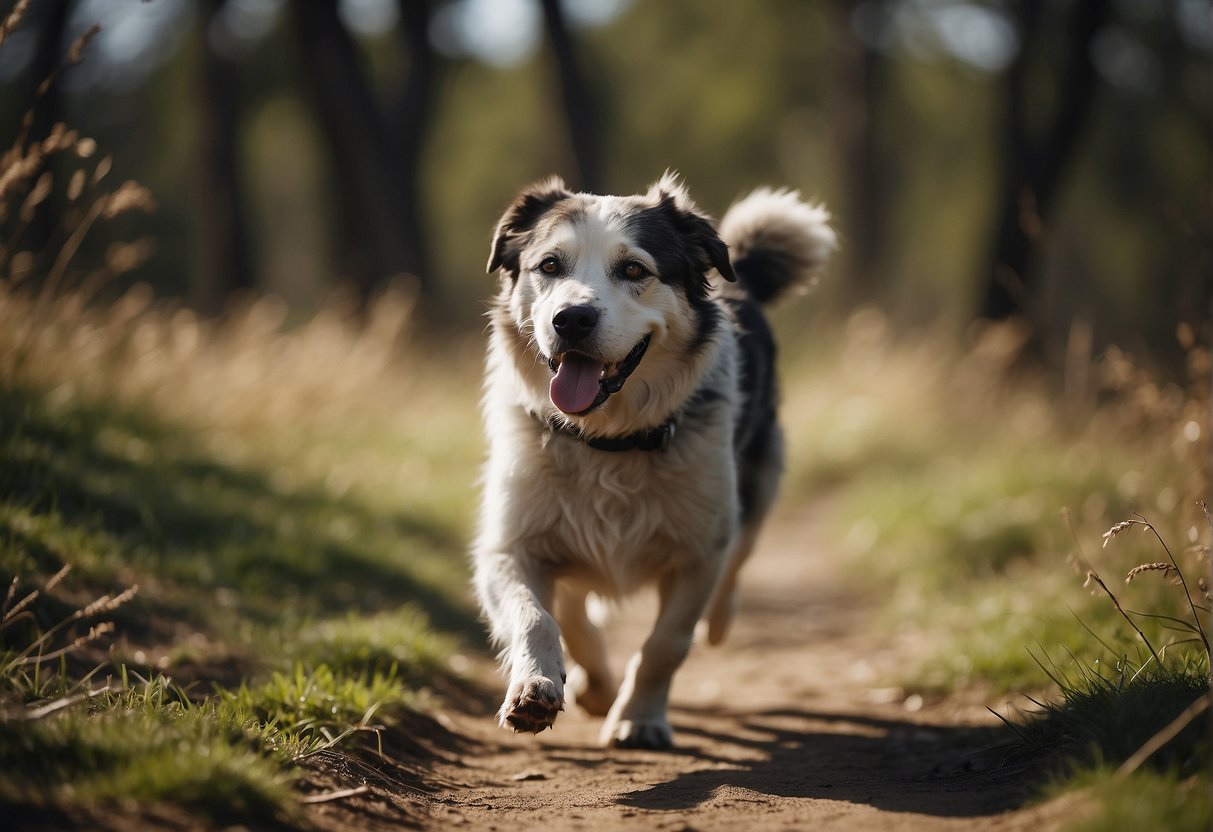
When addressing pacing behavior in senior dogs, it is essential to make both behavioral and environmental adjustments. These changes aim to provide comfort and reduce anxiety, which can alleviate pacing.
Creating a Comfortable Space
One must ensure the senior dog’s living environment is designed to maximize comfort. A comfortable space includes:
- Furniture: Ensure beds or resting spots have ample cushioning to support aging joints. Elevated beds can also help to keep the dog away from drafts.
- Environmental Enrichment: Provide a quiet and peaceful area away from high traffic or noisy parts of the home. Introduce items like familiar blankets that carry the scent of home or soft background music to soothe the dog.
Behavioral Modification Techniques
Implementing behavioral modification techniques requires patience and consistency. A behaviorist may advise:
- Establishing a calm routine to reduce anxiety and promote restful behavior.
- Using positive reinforcement to reward the dog for calm behavior, such as lying down and staying in place.
- Introducing mental stimulation through toys and puzzles to keep the dog engaged without the need for pacing.
Nutrition and Hydration Concerns

Senior dogs may experience pacing and restlessness due to inadequate nutrition or dehydration. Proper diet and consistent access to water are crucial for their well-being.
Feeding and Diet for Aging Dogs
As dogs age, their dietary requirements change. Quality nutrition tailored for senior dogs should be lower in calories yet rich in fiber to help maintain a healthy weight and aid digestion. Proteins should be high-quality and easily digestible, particularly for dogs with kidney issues. Specially-formulated senior dog food often includes supplements such as glucosamine and chondroitin, which may support joint health and potentially reduce discomfort that leads to pacing.
- Caloric Intake: Adjust to prevent obesity or underfeeding
- Protein: High-quality, lean proteins
- Fiber: Increased levels to promote gastrointestinal health
- Supplements: Glucosamine, chondroitin, and fatty acids for joint support
Ensuring Proper Hydration
Hydration is vital for senior dogs, not just for kidney function but also to maintain overall health. A dog’s water bowl should always be filled with fresh, clean water, encouraging them to drink regularly. One can gauge a senior dog’s hydration by checking for signs of dehydration such as dry gums or a decrease in skin elasticity. Dogs with hydration issues may pace due to discomfort or the need to urinate.
- Water Bowl: Always clean and full
- Freshness: Water should be changed daily
- Monitoring: Regular checks for signs of dehydration
Diagnostic and Regular Health Checks

When a senior dog exhibits pacing behavior and an unwillingness to lie down, it’s critical to seek a professional diagnosis and engage in regular health monitoring to determine the root cause and address any medical concerns effectively.
Importance of Regular Veterinarian Visits
Regular visits to a veterinarian are paramount for aging dogs to ensure their overall health and to catch early signs of disease that may cause discomfort or changes in behavior. A physical exam is typically the first step in assessing a senior dog’s condition, where the veterinarian may check for signs of pain, joint issues, or other physical abnormalities. Blood tests are often recommended as a non-invasive method to screen for common age-related conditions, such as kidney or liver disease. Through scheduled health checks, owners can ensure their canine companions receive timely interventions and maintain quality of life.
Recommended Frequency of Veterinarian Visits for Senior Dogs:
- Bi-annual: Physical exam and wellness check-up
- Annual: Comprehensive blood work
Advanced Diagnostics for Aging Dogs
When initial examinations indicate potential health issues, advanced diagnostic tools may be required. X-rays can reveal structural abnormalities in bones and certain organs, while an MRI scan is useful for detailed images of soft tissue structures, including the brain and spinal cord. A CT scan offers a thorough cross-sectional view of the dog’s body, which can aid the veterinarian in diagnosing conditions concealed by traditional x-rays. These diagnostic measures are crucial when routine checks suggest underlying problems, providing veterinarians with the information needed to formulate an accurate diagnosis and appropriate treatment plan.
| Diagnostic Tool | Purpose |
|---|---|
| X-ray | Identifying bone and joint issues, certain tumors, and lung changes |
| MRI | Detailing soft tissue structures, including brain and spinal issues |
| CT Scan | Offering cross-sectional views to detect various internal anomalies |
Regular diagnostic checks and the use of advanced imaging techniques play a significant role in managing the health of senior dogs.
Exercise and Physical Activity

Regular exercise is crucial for a senior dog’s health, both to maintain physical fitness and to provide necessary mental stimulation. As dogs age, their exercise needs may change, but remaining active within their capabilities is essential.
Benefits of Regular Exercise
Regular exercise provides essential benefits for senior dogs:
- Physical Health: It helps maintain muscle tone, improve circulation, and can prevent obesity.
- Mental Stimulation: Physical activity provides mental stimulation, which is vital for keeping a senior dog’s mind active.
- Behavioral Health: Consistent exercise can reduce anxiety and restlessness, helping to alleviate pacing and discomfort.
To ensure proper exercise:
- Work with a veterinarian to establish an exercise routine that suits the dog’s health and ability.
- Introduce a dog walker if personal time constraints limit the dog’s activity opportunities.
- Aim for regular exercise sessions, keeping them consistent in timing and duration.
Adapting Activities for Seniors
Adapting exercise activities to suit the aging dog’s reduced mobility and energy levels involves:
- Shorter Walks: Opting for shorter, more frequent walks rather than long treks.
- Low-Impact Exercise: Engaging in low-impact activities, such as gentle fetch or swimming, to ease joint strain.
- Interactive Toys: Using interactive toys to provide physical stimulation without excessive exertion.
Understanding and Handling Sensory Changes

Sensory changes in senior dogs, such as vision and hearing loss, can significantly impact their behavior. These changes may lead to symptoms like confusion, pacing, and restlessness.
Vision and Hearing Loss in Senior Dogs
Senior dogs often experience vision loss due to conditions like cataracts or macular degeneration, which can result in a diminished capacity to navigate their environment. This can cause pacing and reluctance to lie down due to uncertainty or fear of the unfamiliar. Hearing loss is another common age-related change, leading to decreased responsiveness to auditory cues and possible increased noise sensitivity, making them more anxious or startled by sudden sounds.
Coping with Sensory Decline
To assist dogs coping with sensory decline, owners can:
- Maintain routines: Consistency helps minimize confusion and anxiety for dogs with sensory loss.
- Safe environment: Remove hazards that might cause harm to a dog with impaired vision or hearing.
- Signal changes: Use floor mats or scents to mark important locations like food bowls and beds.
- Regular check-ups: Visit the veterinarian regularly to monitor and manage symptoms like panting or limping, which can be signs of pain or distress.
Emergency Situations and First Aid

When a senior dog is pacing and unable to lie down, it may face emergency situations requiring immediate attention. Owners need to recognize urgent problems and respond with appropriate first aid measures to ensure the safety and comfort of their aging pet.
Recognizing and Reacting to Urgent Problems
Owners should monitor their senior dogs for signs of accidents, seizures, and sudden vomiting. In the case of an accident, they need to assess the surroundings for hazards like spilled human medication that may be ingested. A dog having a seizure will show uncontrollable shaking, loss of consciousness, or stiffening of the body; during this time, it is crucial to keep them from harm and not interfere with their mouth or jaws.
Vomiting can occur suddenly and may indicate a range of issues from dietary indiscretion to a more serious underlying condition. Owners should not offer food or water until vomiting has ceased and should contact their veterinarian promptly.
First Aid for Common Senior Dog Emergencies
Owners should keep a first aid kit tailored for their dog that includes essentials for treating wounds and managing emergencies. For a wound, cleaning with saline solution and applying a sterile bandage is vital before heading to a veterinarian. Owners must never use human medication to treat a dog’s symptoms without veterinary advice.
| Emergency | First Aid Action |
|---|---|
| Accidents | Remove hazards, keep dog warm and still, consult vet. |
| Seizures | Clear space, time seizure, don’t interfere with mouth, after seizure, keep calm and contact vet. |
| Wound | Clean with saline, cover with sterile bandage, seek vet care. |
| Vomiting | Withhold food and water, remove stimuli, call vet if persistent. |
In all urgent situations, owners should provide first aid only as a temporary measure before professional veterinary care can be obtained.
Comforting a Restless Senior Dog

For a senior dog displaying signs of restlessness, such as pacing and difficulty sleeping, finding the right combination of techniques and products to provide comfort is essential. Effective calming strategies can alleviate discomfort and agitation, helping to reassure and secure the pet.
Calming Techniques and Products
- Calming Beds: Offer a designated comfortable sleeping area with orthopedic or memory foam beds.
- Pheromone Products: Utilize diffusers, collars, or sprays that mimic calming pheromones produced by mother dogs.
- Pressure Wraps: Consider a snug-fitting garment like the Thundershirt, which applies gentle, constant pressure.
- Soft Music: Play soothing tunes or white noise to create a tranquil environment.
- Massage: Gentle petting or massage can relax tense muscles and calm a nervous dog.
It’s important to choose products tailored to a dog’s specific needs and to consult a veterinarian if the dog’s restlessness is a new behavior or if it’s accompanied by signs of pain or vestibular syndrome.
Providing Reassurance and Security
- Routine Maintenance: Maintain a consistent daily routine to offer a sense of security.
- Presence: Stay close to provide comfort, as senior dogs may become more clingy due to anxiety or disorientation.
- Gentle Guidance: If the dog is disoriented, especially in cases of vestibular syndrome, guide them gently to their bed or a comfortable area.
- Quiet Time: Create a quiet, safe space away from loud noises or household commotion to help ease agitation.
Reassurance can often be as simple as presence and touch. However, persistent restlessness should be investigated by a professional to rule out underlying issues that could be causing discomfort.
Frequently Asked Questions

When senior dogs exhibit sudden restlessness and pacing, especially at night, it can be concerning for any pet owner. These behaviors can be symptoms of underlying physical or cognitive issues. This FAQ addresses common questions and provides insight into potential causes and solutions.
What can cause sudden restlessness and pacing in senior dogs at night?
Sudden restlessness and pacing in senior dogs at night can be due to various factors, including physical discomfort from conditions like arthritis, cognitive dysfunction similar to dementia in humans, or anxiety related to environmental changes.
How can you assess if a senior dog that is pacing might be in pain or suffering?
One can assess pain or suffering in a pacing senior dog by noticing changes in their behavior, reluctance to engage in activities they once enjoyed, or vocalization like whimpering. It’s important to observe any changes in gait or posture and to consult a veterinarian for a professional evaluation.
What are the common treatments for pacing and restlessness in older dogs?
Common treatments can include pain management with medications for conditions like arthritis, supplements for cognitive support, environmental modifications to reduce stressors, and in some cases, anti-anxiety medications prescribed by a veterinarian.
Why might an older dog keep walking around the house and exhibit reluctance to lie down?
An older dog may keep walking around due to discomfort when lying down, confusion resulting from cognitive decline, or even vision or hearing loss. Pain management and creating a comfortable rest area can sometimes alleviate these issues.
What are some signs that an older dog’s pacing behavior may be a prelude to more serious health issues?
Signs that pacing may indicate more serious health issues include a sudden onset of pacing, changes in appetite or thirst, weight loss, or other symptoms like incontinence or significant behavior changes. A veterinary consultation is crucial in such cases.
What are effective methods to help calm a restless senior dog?
Effective methods to calm a restless senior dog include establishing a routine to provide security, using calming products like pheromone diffusers, providing a quiet and comfortable sleeping area, and ensuring the dog has adequate exercise and mental stimulation.