
Training senior dogs presents unique challenges that differ significantly from those encountered when training younger dogs. As dogs age, they experience a range of physical and cognitive changes that can affect their ability to learn new commands and retain old ones. This can include anything from a decline in hearing and vision to the onset of cognitive dysfunction, which may lead to confusion or disorientation. Consequently, senior dogs may require more patience, understanding, and adjustments to their training regimen. It’s essential to recognize these factors to ensure that training remains effective and enriching for the dog’s well-being.
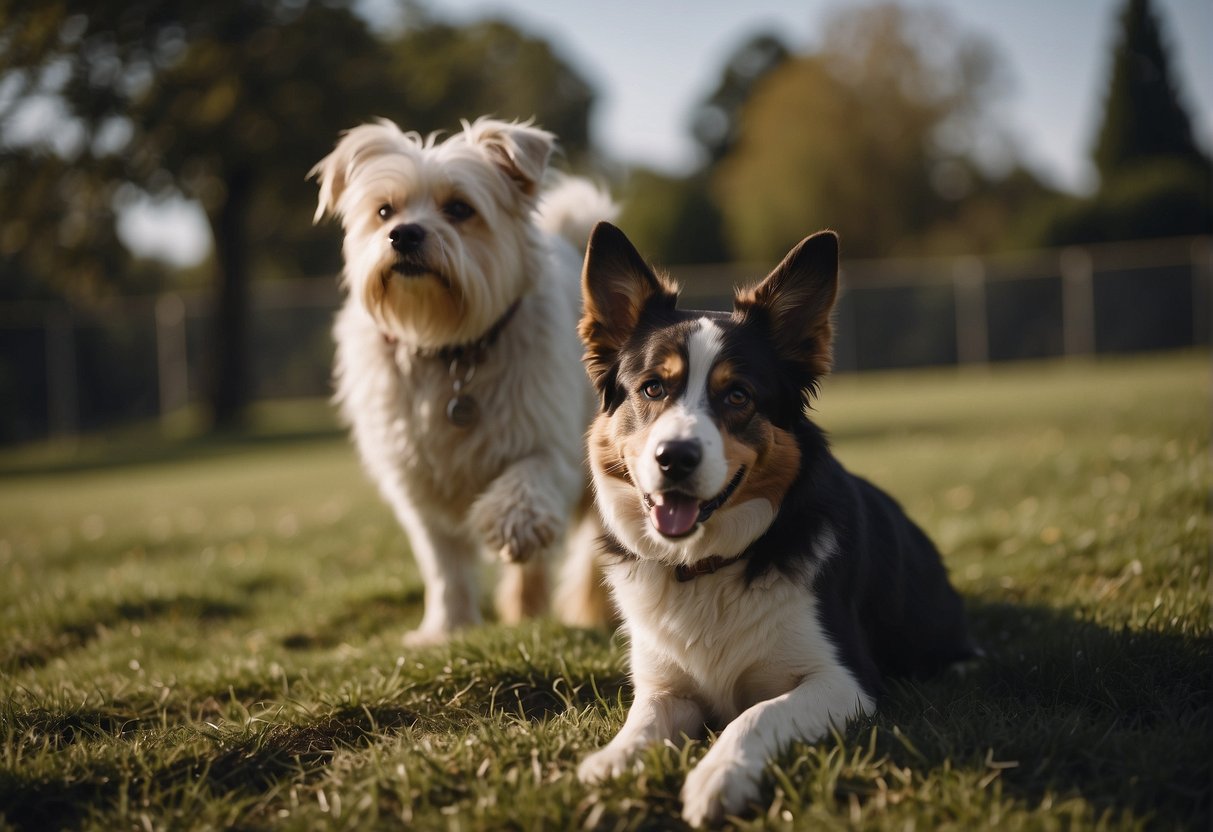
Creating a suitable training environment for senior dogs is critical to accommodate their changing needs. For instance, training sessions should be shorter to align with an older dog’s reduced energy levels and concentration span. The use of positive reinforcement remains an effective tool, but it may need to be more frequent to help the senior dog associate the training with positive outcomes. Additionally, the physical setting should be safe and comfortable, avoiding any undue strain on the dog’s joints or senses. By understanding the unique requirements of older dogs, owners can adapt their training methods to maintain the dog’s health, behavior, and mental stimulation.
Key Takeaways
- Physical and cognitive changes in senior dogs necessitate adjustments in training methods.
- Tailoring the training environment can help accommodate a senior dog’s comfort and capabilities.
- Consistent and adapted training reinforces obedience and provides mental stimulation for older dogs.
Understanding Senior Dog Training Challenges

Training a senior dog comes with a unique set of considerations due to the natural aging process affecting their physical and mental capacities. Dog owners need to recognize and adapt to these changes to ensure successful and humane training practices.
Physical Considerations:
- Arthritis and Osteoarthritis: Senior dogs often develop joint problems such as arthritis, which can cause pain and discomfort, limiting their physical abilities.
- Muscle Strength: With aging, muscle mass tends to decrease, leading to a reduction in strength and stamina.
- Physical Limitations: Aging dogs may not be able to perform activities they once did with ease, necessitating adjustments to their training routines.
Mental Health and Cognitive Function:
- Cognitive Dysfunction: Similar to humans with aging, senior dogs can experience cognitive decline, which affects their learning and memory.
Approaching Training:
- Adjustments must be made to account for these changes:
- Shorter, more frequent training sessions
- Low-impact exercises to accommodate joint health
- Patience and positive reinforcement to support their well-being
Well-being Considerations:
- The overall well-being of older dogs should be prioritized, with gentle and supportive methods employed to help them adapt to their evolving capacities.
- Owners should monitor signs of pain or discomfort during training and consult with a veterinarian to manage any health issues that may impact training.
Cognizance of these factors is essential in navigating the complexities of training senior dogs, ensuring their comfort and fostering a continued strong bond between dogs and their owners.
Creating a Comfortable Training Environment

When training a senior dog, ensuring physical comfort can greatly enhance their ability and willingness to learn. A comfortable setting is crucial to prevent stress and potential injury, especially for dogs that may have age-related health issues such as arthritis.
Selecting the Right Training Space
The ideal training space for a senior dog should be quiet and free from distractions, allowing them to focus fully on the tasks at hand. It’s important to choose an area that is also easily accessible for a dog that may have mobility issues. Avoid areas that are too isolated, however, as dogs are social creatures and they should not feel excluded from the family.
Choosing Comfortable Surfaces
Surface selection is paramount for a senior dog’s training area. Hard, slippery floors can exacerbate joint pain and increase the risk of injury.
- Recommended Surfaces:
- Carpeted areas or large rugs can provide cushioning for the dog’s joints.
- Interlocking foam mats are another great option as they offer support and are easy to clean.
- For dogs with severe arthritis or joint issues, orthopedic beds or padded surfaces can be used during rest periods within the training session.
Adapting Training to Senior Dog Needs
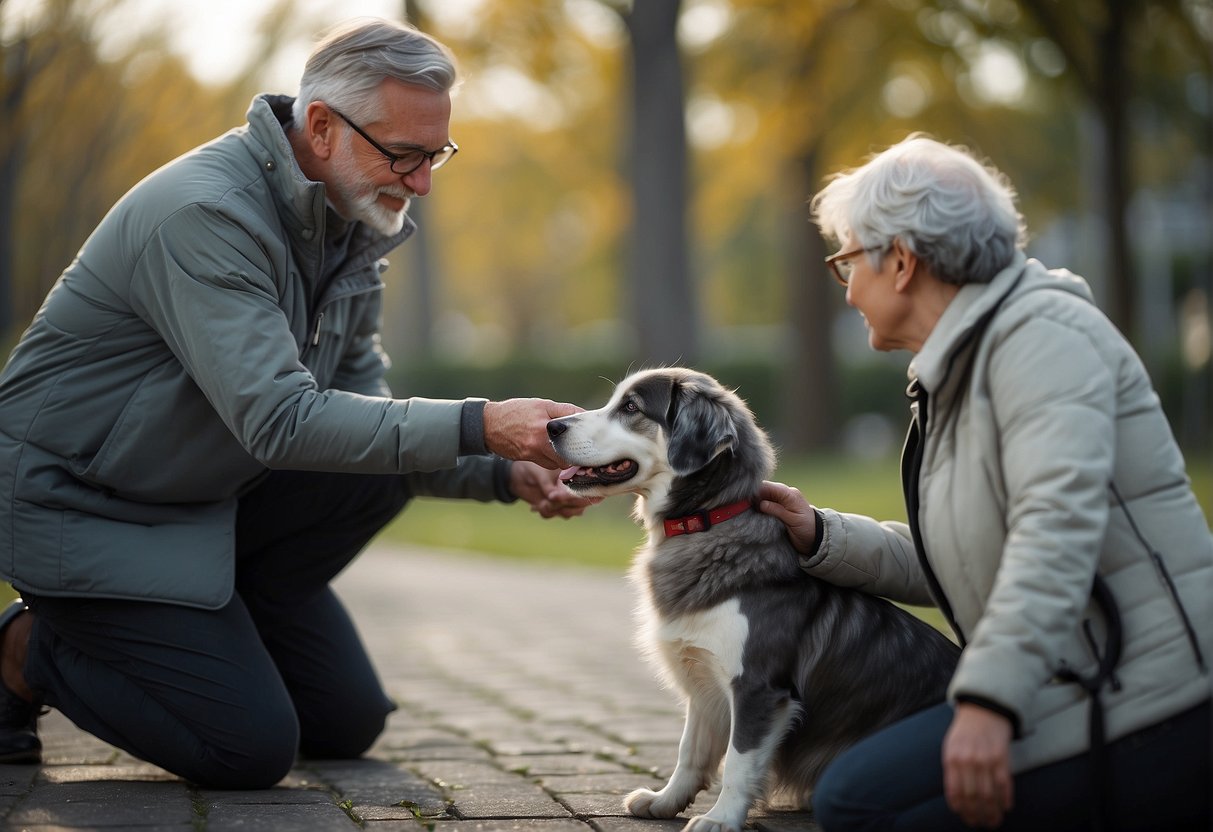
When it comes to senior dogs, training requires modifications to accommodate their advancing age, reduced energy levels, and physical changes. By adjusting the established routines, owners can ensure their senior pets remain active, interested in learning, and engaged in a safe manner during their golden years.
Adjusting Training Duration and Intensity
For senior dogs, the length and intensity of training sessions should be modified to prevent fatigue and overexertion. A good practice is to:
- Limit training sessions to 10-15 minutes.
- Focus on short, frequent sessions throughout the day.
- Use mild commands and cues to keep training low-key.
- Ensure adequate rest periods between training attempts.
Owners should observe their senior dogs closely for signs of tiredness or discomfort, adjusting the session length and intensity as needed.
Focusing on Low-Impact Exercises
Exercise for senior dogs should aim to maintain fitness without straining their aging bodies. Suitable low-impact activities include:
- Gentle walks: Keep them brief but regular to maintain joint mobility.
- Modified fetch: Use soft toys and roll them on the ground instead of throwing.
- Swimming: If available and safe, swimming is an excellent low-impact exercise.
- Puzzle games: Stimulate their mind with treat-dispensing toys or scent games.
Incorporating these types of exercises into a senior dog’s routine helps them stay active and engaged, ensuring their physical and mental health is supported.
Managing Health Issues During Training

When training aging dogs with health issues, it is crucial to address their physical limitations and integrate veterinary guidance into the training plan. The focus should remain on gentle, low-impact exercises that don’t exacerbate any existing conditions, and to ensure any training regimen aligns with professional medical advice.
Addressing Arthritis and Mobility Issues
Arthritis is a common ailment in senior dogs, affecting their joints and leading to pain and reduced mobility. Effective training strategies include:
- Low-impact exercise: Replace jumping or running with walking or swimming to maintain muscle mass without straining painful joints.
- Assistive devices: Utilize ramps or steps to help dogs access higher places without jumping or climbing, which can cause joint stress.
- Soft surfaces: Conduct training on cushioned surfaces to ease the impact on the dog’s joints and muscles.
Incorporating these adaptations can improve a dog’s quality of life and make training sessions more comfortable and enjoyable for them.
Incorporating Vet Recommendations
Following a vet’s advice is essential for a safe training regimen, especially for dogs with conditions such as osteoarthritis, heart disease, or post-injury recovery. Veterinarians can provide:
- Custom exercise plans: Based on the dog’s specific health status.
- Medications: To manage pain and inflammation for a more comfortable training experience.
- Regular check-ups: To monitor the dog’s condition and adjust training accordingly.
By incorporating these veterinary recommendations into a senior dog’s training routine, training can be tailored to their physical capabilities, ensuring they remain active and healthy without risking further injury or discomfort.
Nutrition and Weight Management
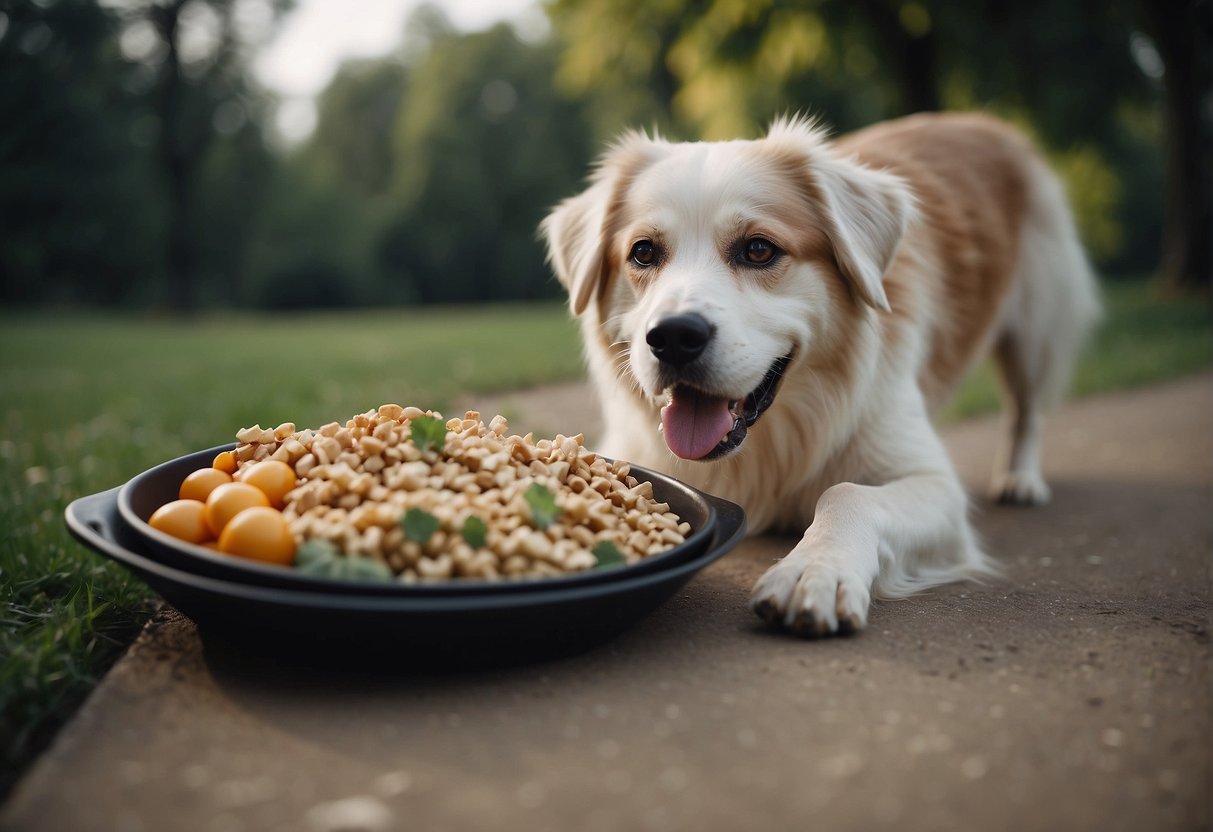
Proper nutrition and weight management are crucial for maintaining a senior dog’s health and vitality. They require careful adjustments to their diet to support their changing energy needs and to prevent obesity.
Choosing Age-Appropriate Food
Senior dogs have specific dietary requirements that differ from those of younger dogs. As dogs age, their metabolism slows down, necessitating a decrease in caloric intake. High-quality protein is vital for maintaining lean muscle mass. Age-appropriate food should be lower in fat to prevent weight gain but should still contain enough protein and essential nutrients to support organ function and immune health. Owners should consider protein-rich, lower-calorie diets and discuss with veterinarians about incorporating suitable supplements.
Understanding the Impact of Obesity
Obesity in senior dogs can lead to a myriad of health issues including arthritis, diabetes, and heart disease. It also exacerbates the natural decline in mobility and can affect overall conditioning. Monitoring a dog’s weight regularly and adjusting their food intake accordingly is essential. Owners should ensure their pets have a balanced diet with adequate fiber, which aids in digestion and satiety, helping to control weight. Regular, gentle exercise is also important to support weight management and overall health.
Behavior and Mental Stimulation

As dogs age, they may experience cognitive decline, which can impact both behavior and their ability to engage in and learn from training sessions. Mental stimulation is essential in managing these changes and can positively influence their overall well-being.
Cognitive Exercises for Aging Dogs
Cognitive dysfunction in senior dogs can manifest in various ways, including disorientation and confusion. To combat these symptoms, a series of cognitive exercises can be beneficial. Training should focus on:
- Memory games: Games such as hiding treats and having the dog find them can help with memory retention.
- Name recognition for objects: Teaching dogs the names of their toys encourages focus and engagement.
- Interactive toys: Puzzles and toys that require problem-solving keep the mind active.
Maintaining a Routine
A consistent routine provides a sense of structure, which can be comforting for dogs facing cognitive challenges. When establishing a routine:
- Training consistency: Ensuring regular training sessions help maintain learning and responsiveness.
- Daily schedules: Feeding, walks, and playtime should occur at the same times each day to reduce anxiety.
Although training approaches may need to be adjusted for aging dogs, consistently integrating cognitive exercises and a stable routine can mitigate the behavioral effects of cognitive decline.
Reinforcing Obedience Training

In the realm of senior dog training, revisiting basic obedience commands and employing positive reinforcement techniques are pivotal for maintaining and enhancing a dog’s discipline and responsiveness.
Revisiting Basic Commands
Reinforcing obedience in senior dogs often begins with a review of basic commands. As a dog ages, their cognitive abilities may not be as sharp as they were in their youth, making it important to regularly practice commands such as sit, stay, come, and heel.
- Sit: Gently guide them into a sitting position, and commend with a consistent verbal cue.
- Stay: Increase duration gradually, offering praise for each successful attempt.
- Come: Start with short distances in a distraction-free area, then increase complexity.
- Heel: Reinforce by rewarding proper alignment during walks.
These foundational commands not only reinforce a senior dog’s training program but also serve as a cognitive exercise, keeping their mental faculties engaged.
Positive Reinforcement Techniques
Positive reinforcement is a cornerstone of effective dog training, particularly with senior dogs who may be more set in their ways. This method includes using praise, treats, and other rewards to encourage and acknowledge desirable behavior.
- Praise: A bright tone of voice communicates approval.
- Treats: Should be given immediately after the desired behavior to reinforce the connection.
- Clicker Training: Click to mark the exact moment of correct behavior, followed by a treat.
Consistency in positive reinforcement is crucial; a dog must associate their correct response with immediate rewards. By focusing on positive reinforcement, the training program encourages obedience through rewarding experiences, sidestepping negative associations and stress for the senior dog.
Special Considerations for Senior Dog Care
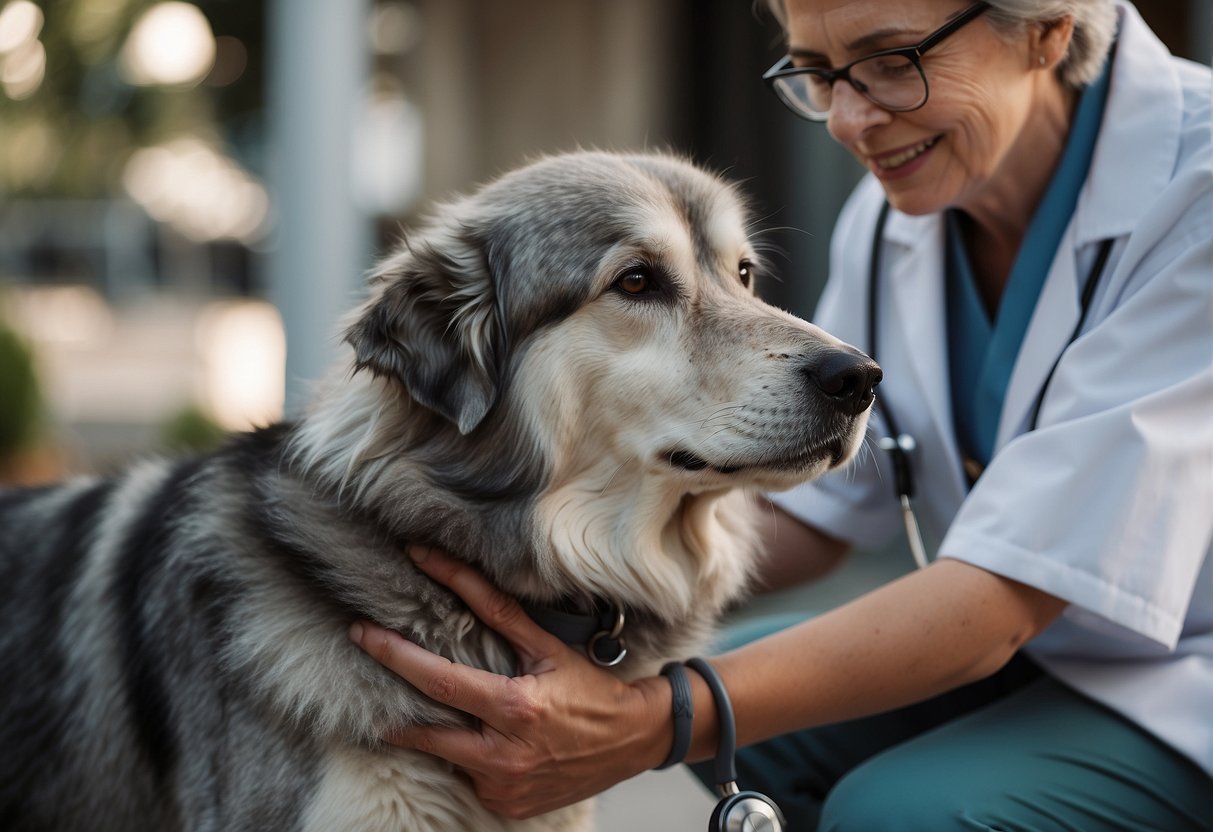
As dogs enter their senior years, typically regarded as age seven and older, their care needs to adapt to changing physical and cognitive conditions. This phase in a dog’s life can be accompanied by specific health challenges, such as arthritis and restlessness, and may require more attentive care to maintain comfort and well-being.
Regular Health Screenings
Senior dogs should undergo regular health screenings to detect and manage age-related conditions early. These check-ups can reveal the onset of arthritis, which manifests through symptoms like stiffness or limping, and is due to the breakdown of cartilage in the joints. Health screenings can also help identify signs of cancer, another condition common in aging dogs. External signs may include the presence of new lumps and bumps on the skin. It’s important to monitor for behavioral changes as well, as senior dogs might display incontinence or restlessness, which could indicate underlying health issues.
- Recommended Health Screening Intervals:
- Annual Check-ups: Comprehensive exams to assess overall health.
- Bi-annual Blood Work: To monitor organ function and detect early signs of disease.
- Regular Dental Checks: At least once a year to prevent dental diseases that can affect overall health.
Gentle Grooming Techniques
Grooming a senior dog is about more than maintaining a clean coat; it’s an opportunity to enhance their comfort and monitor their health. This phase requires a softer touch to avoid irritating potentially sensitive skin. While grooming, one should look for any new growths or changes to the skin, which can be indicative of health issues. Gentle brushing can help stimulate circulation, which is beneficial for dogs that may not be as active due to joint pain from conditions like arthritis.
- Essential Grooming Tips:
- Soft Brushes: Use brushes with soft bristles to minimize discomfort.
- Warm Baths: Keep water at a mild temperature to prevent chilling or overheating.
- Supportive Bath Mats: Provide non-slip mats in the bath to ensure stability and prevent injury.
- Regular Ear and Eye Cleaning: Maintain cleanliness to prevent infections.
In handling senior dogs with care during grooming and keeping up with their health screenings, owners can help ease the transition into their pets’ golden years.
Training Modifications for Physical Impairments

As senior dogs age, they often face physical impairments such as arthritis and hearing loss, which necessitate modifications to their training regimen to ensure their safety and comfort. These adaptations allow for continued engagement and mental stimulation through training while respecting their physical limitations.
Adapting to Hearing and Vision Loss
Senior dogs may experience a decline in hearing and vision, which can profoundly affect their ability to follow verbal commands or visual cues. Training must shift to accommodate these sensory changes, ensuring that a dog’s decreased ability to receive traditional commands doesn’t impede their learning or quality of life.
- For hearing loss: Training transitions from relying on voice commands to emphasizing hand signals and physical gestures to communicate. Vibrations or other non-auditory signals can also be useful in gaining a dog’s attention.
- For vision loss: One can maintain a consistent environment to avoid disorienting the dog and use scents or textured mats to create a tactile map, aiding in navigation during training exercises.
Training with Hand Signals
Hand signals serve as an effective alternative communication method for dogs with hearing loss. They are a clear and direct way to give commands that can be easier for an older dog to understand and follow. Here’s how to incorporate hand signals into training:
- Begin with simple commands like “stay” or “sit,” using distinct and consistent gestures.
- Always commence the training in a well-lit area to ensure the dog can see the signals.
- Pair the hand signals with the original verbal commands initially, if some residual hearing is present, to help the dog associate the visual cue with the command.
- Practice regularly and reward the dog immediately after a command is followed correctly, to reinforce the learning.
By considering a senior dog’s physical limitations and safety, one can adjust training methods to provide an accessible and engaging learning experience.
Senior Dog Training Success Stories
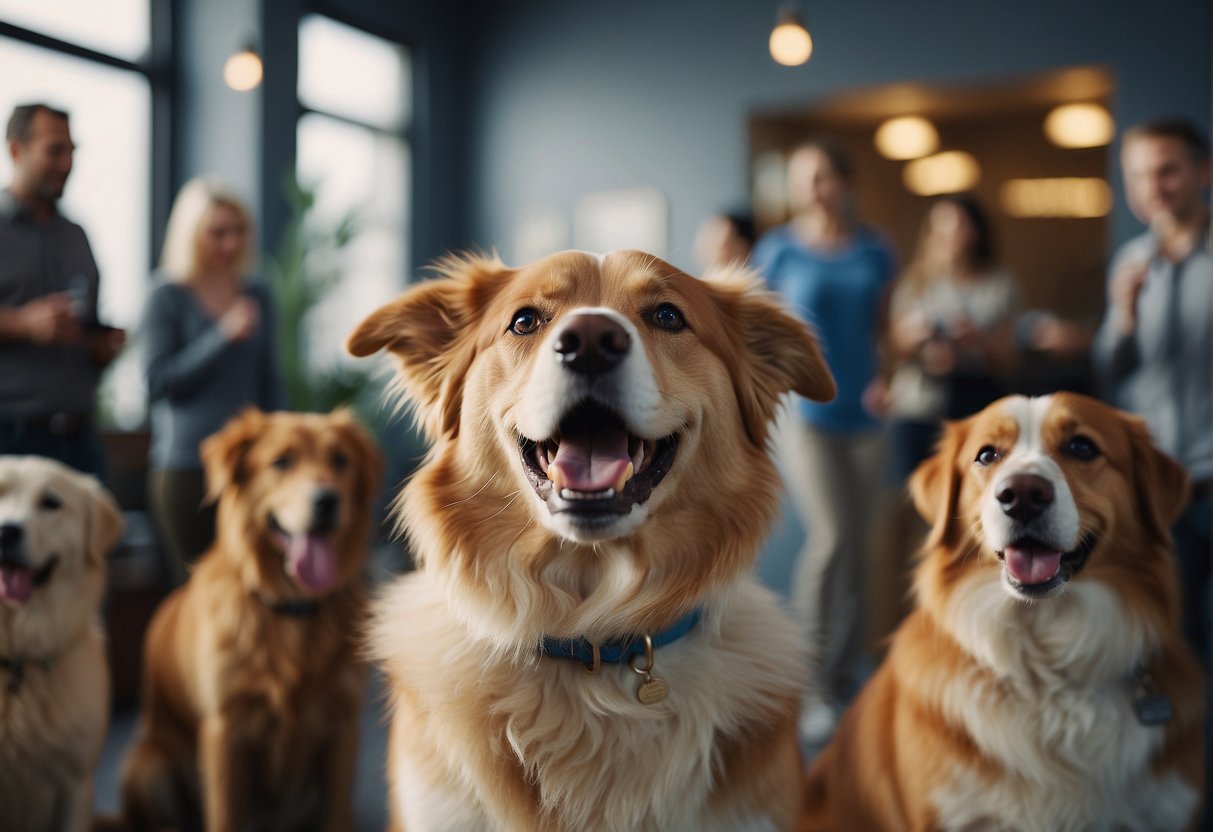
Senior dogs, often seen as set in their ways, can still achieve exceptional outcomes with a positive training program.
Max, an 8-year-old Retriever, had never learned to follow basic commands. However, after his owner enrolled him in a positive reinforcement program, Max defied stereotypes. With the trainer’s patience, Max flourished, mastering sit, stay, and come within weeks. His story is a testament to the plasticity of senior canine minds when given the chance.
Bella, a 10-year-old shepherd mix, was thought to be too old to engage in training. She surprised everyone when she learned new tricks such as shaking paws and rolling over. Her trainer emphasized the importance of a patient approach, integrating short, engaging sessions that catered to Bella’s endurance and attention span.
In a similar vein, Oliver, a senior Beagle, exhibited signs of mild cognitive decline. His family, alongside a dedicated trainer, implemented a tailored training routine that not only invigorated Oliver mentally but also reinforced his obedience skills.
| Dog Name | Age | Achievements |
|---|---|---|
| Max | 8 | Basic commands |
| Bella | 10 | New tricks |
| Oliver | 12 | Improved obedience |
These stories illuminate the potential within older dogs to adapt and learn, highlighting the significance of having faith in the abilities of senior pets. They serve as an inspiration, encouraging owners of senior dogs to invest in continued training, irrespective of their dog’s age.
Building a Supportive Community
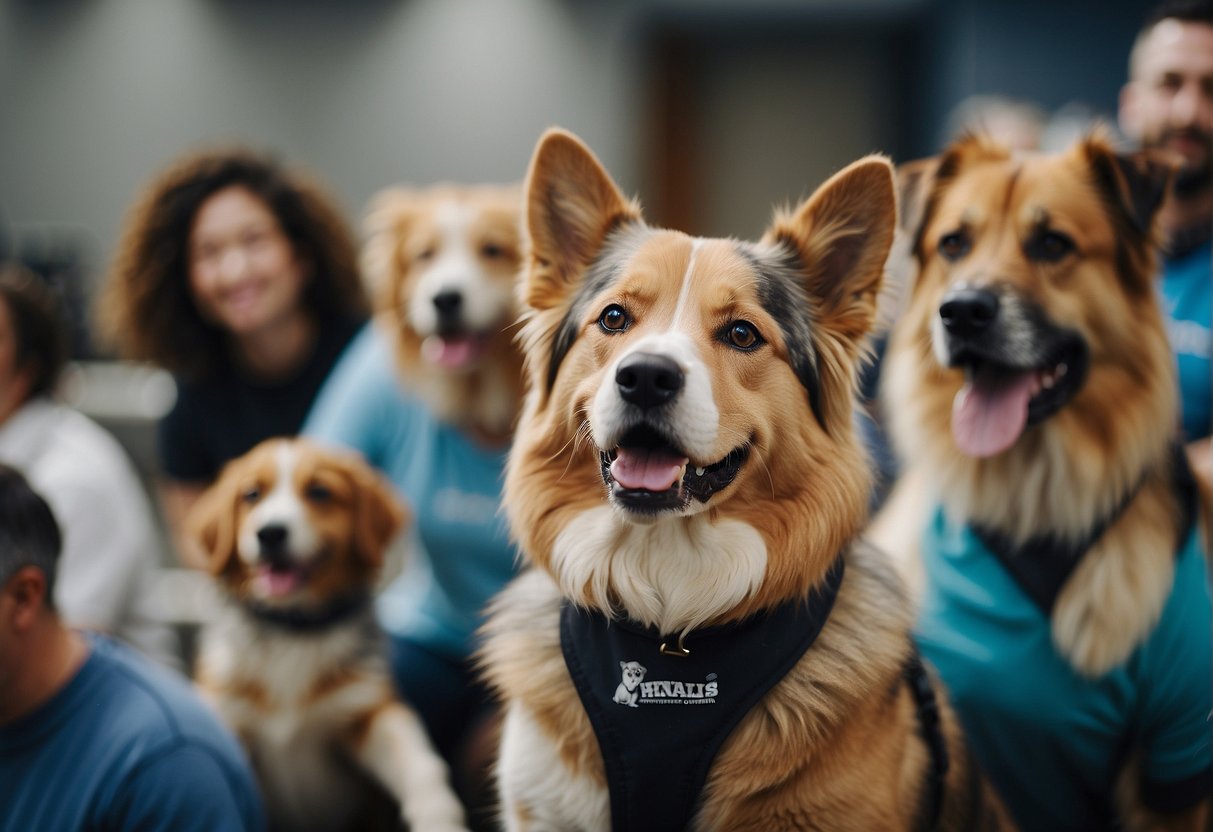
In addressing the unique training needs of senior dogs, the support of a dedicated community plays a vital role. This includes finding specialized trainers and connecting with fellow caregivers to share experiences and advice.
Finding a Senior Dog Trainer
Identifying a trainer geared towards older dogs is essential. A trainer with this focus takes into account the physical and cognitive limitations that come with age. When searching, one should look for:
- Certifications: Trainers should have credentials from reputable organizations.
- Experience: Prior work specifically with senior dogs.
- Methodology: A commitment to positive reinforcement techniques, avoiding stress for the dog.
Connecting with Other Senior Dog Owners
Engaging with a network of senior dog owners provides both social and informational support. This connection can be fostered through:
- Local shelters and rescue groups: Many offer community programs or can direct owners to existing support groups.
- Senior citizen centers: Some may have pet-related activities or groups where older adults can share experiences and advice regarding their senior pets.
- Online forums and social media: Platforms dedicated to senior dog care where one can exchange tips and encouragement with others facing similar challenges.
By leveraging these resources, owners of senior dogs can enrich their pets’ lives and receive the support they need through the community.
Frequently Asked Questions

Training and caring for senior dogs come with unique challenges and considerations. This section aims to address common concerns and provide insights into maintaining their health and well-being.
How can I address behavior changes in my senior dog?
One should respond to an older dog’s behavior changes with patience and understanding. Altering routines and providing comfort can help mitigate issues like noise phobia or reluctance to use certain spaces.
What are common signs that indicate my senior dog is still healthy?
Common signs of good health in senior dogs include consistent energy levels, regular eating habits, maintaining healthy weight, and exhibiting typical behavior patterns.
How do you manage increased anxiety in aging dogs?
Increased anxiety in aging dogs can be managed by creating a calm and structured environment. Consistent training and avoiding punishment can alleviate anxiety and stress.
Is there an age limit to begin training a dog on basic commands?
There is no age limit to begin training a dog on basic commands. Senior dogs can still learn effectively, though the training sessions might need to be shorter and more frequent.
What could cause sudden changes in my senior dog’s behavior?
Sudden behavioral changes in senior dogs can be due to health issues such as arthritis, loss of hearing, or cognitive dysfunction. Consultation with a veterinarian is recommended for a proper diagnosis.
Why might an older dog have difficulty learning new things?
Older dogs may have difficulty learning new things due to age-related cognitive decline or physical limitations. Adapting training methods to suit their capabilities can assist in their learning.