
Training a senior dog requires a unique approach tailored to the needs and limitations of an older pet. As dogs age, they may experience changes in cognition, physical ability, and behavior. It’s a common misconception that older dogs are not teachable, but with patience and the right strategies, senior dogs can learn new behaviors and even tricks. Training not only provides mental stimulation but can enhance their overall well-being, helping to keep an aging dog’s mind sharp and preserving their quality of life.

Senior dog training focuses on gentle methods and positive reinforcement, accounting for any health-related issues like arthritis or decreased vision. Adjusting training sessions to accommodate for these changes is essential, as older dogs may require shorter and more frequent sessions to prevent fatigue. Creating a comfortable environment and establishing clear communication can make the learning process for them as smooth as possible, ensuring that training remains an enjoyable activity for both the dog and the owner.
Key Takeaways
- Adopting the right training strategies can improve a senior dog’s quality of life.
- Positive reinforcement and adapting to physical limitations are key for older dogs.
- Consistency and patience in training reinforce behavioral improvements in senior pets.
Understanding Senior Dogs
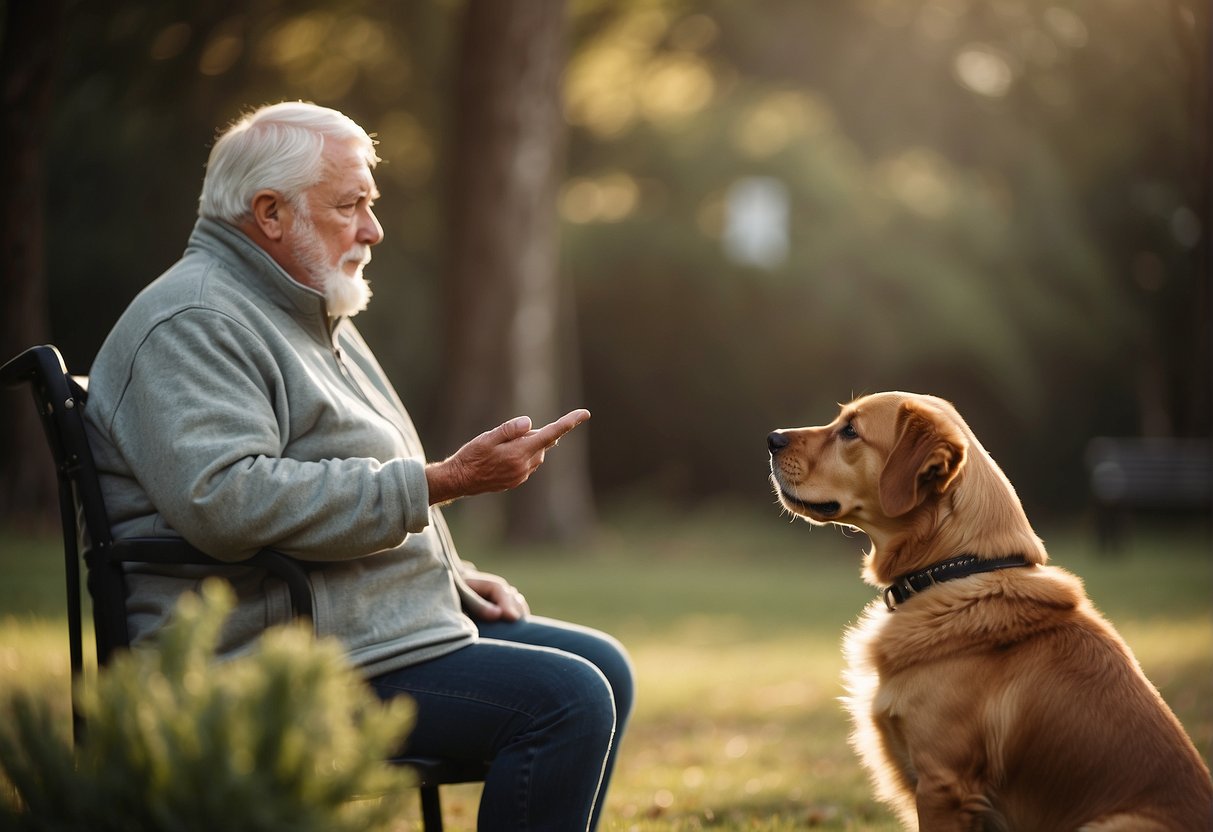
Senior dogs, like people, go through numerous changes as they age. Recognizing these changes and their impacts on training is crucial for maintaining both physical and mental health.
Recognizing Physical Changes
As they age, senior dogs may experience a range of physical changes. Health issues such as arthritis can affect mobility, necessitating adjustments in training activities. It’s important to tailor exercises that accommodate reduced stamina and joint health, focusing on gentle, low-impact routines.
- Vision and hearing loss might also affect how a senior dog interacts with the world, so training methods that rely on visual cues or verbal commands might need to be adapted.
Cognitive Decline and Mental Stimulation
Cognitive decline can affect older dogs, leading to changes in behavior and memory. This underscores the importance of mental stimulation in their routine.
- Regular training can help keep a senior dog’s brain active, combating cognitive deterioration.
- Simple, fun games that encourage thinking, like puzzle feeders or new tricks, can provide mental stimulation while also strengthening the bond between the dog and its owner.
- Consistency and patience in training can help manage these age-related changes, maintaining a senior dog’s cognitive health for as long as possible.
Basics of Senior Dog Training

Training senior dogs requires understanding their learning capabilities and adopting a customized approach to match their pace. They can learn new behaviors, but trainers must apply patience and consistent positive reinforcement.
Adjusting Your Expectations
When embarking on the journey of training older dogs, expectations must be realigned with their physical and cognitive abilities. Unlike puppies, senior dogs may require more time to absorb new information. Their response to commands might not be as prompt, and they often need additional repetitions. A realistic set of expectations helps to create a stress-free environment for both the trainer and the dog, fostering better learning conditions.
Essentials of Training Older Dogs
There are several key components to consider when training an older dog:
- Patience: They learn at their own pace, so patience is crucial.
- Repetition: Consistent repetition aids memory and skill retention.
- Positive Reinforcement: Reward-based techniques encourage older dogs to learn by creating a positive association with the desired behavior.
- Routine Adjustment: Accommodate the dog’s physical limitations by structuring shorter, more comfortable training sessions.
Positive reinforcement training is the cornerstone of teaching senior dogs. Each small step they learn should be reinforced with rewards, such as treats or praise, to motivate and engage them in the training process. While a senior dog might take longer to learn new tricks or commands, with a gentle and understanding approach, they can still be successful in their training endeavors.
Health and Nutrition

Senior dogs have specific health and nutritional needs that are crucial for maintaining their overall well-being. High-quality protein and appropriate levels of fats are essential to support their aging bodies, while careful attention to joint health is key in preserving mobility.
Dietary Considerations
For senior dogs, a diet rich in high-quality protein is vital to maintain muscle mass and support immune function. The diet should be tailored to the individual dog’s needs, often determined by an experienced veterinarian, ensuring that it’s lower in calories to prevent obesity, a common issue in less active senior dogs. It’s also critical to balance fats; they should provide energy and support a healthy coat, but not exacerbate any existing weight issues.
- Protein: Look for diets with a named meat source as the first ingredient.
- Fats: Should be well-balanced, often with added sources of omega-3 fatty acids to support joint health.
Joint Care and Mobility Issues
Senior dogs frequently suffer from joint issues like arthritis, which can significantly impact their mobility. A vet-recommended diet that includes joint-supportive nutrients such as glucosamine and chondroitin can be beneficial. Additionally, maintaining an optimal weight is critical to reduce stress on the hips and joints.
- Supplements: May be advised by a veterinarian for individual needs.
- Exercise: Regular, gentle exercise helps maintain joint mobility, but physical limitations should be considered to avoid stress on aging joints.
Creating a Comfortable Environment

A senior dog’s quality of life is largely influenced by its immediate surroundings. It is essential for pet owners to make the living space conducive to their dog’s comfort and safety.
Choosing the Right Bed
When selecting a bed for a senior dog, pet owners should consider a foam dog bed for its supportive qualities that can ease joint pain. The ideal bed should be:
- Sized appropriately for the dog to lie down and stretch out without any constraints.
- Made of high-quality, orthopedic foam to provide cushioning for sore joints.
- Easy to clean and maintain with a removable, machine-washable cover.
Adapting the Living Space
Adapting the living space, such as the living room, can help a senior dog navigate its environment safely. Pet owners should:
- Ensure the dog has a designated area with easy access to their bed, food, and water.
- Use non-slip rugs or mats to prevent slips on hardwood or tile floors.
- Eliminate hazards such as wires or small objects that the dog could trip over or ingest.
- Arrange furniture to create clear paths for the dog to move around with ease.
Effective Communication
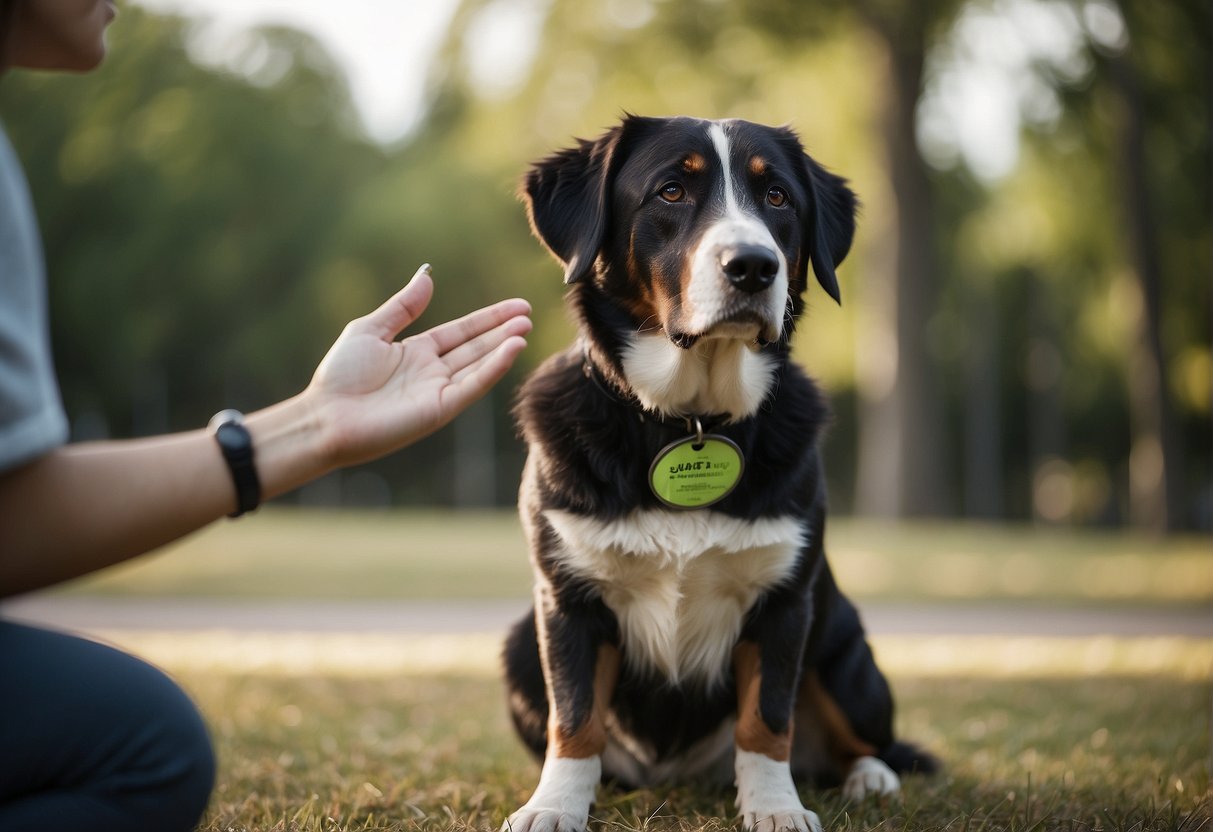
Training senior dogs requires clear and consistent communication. Effective communication helps in maintaining their attention and ensuring they understand the desired behaviors.
Using Hand Signals
Senior dogs may experience a decline in hearing, making verbal commands less effective. Hand signals are a visual way to communicate commands, and they can be clearer to a senior dog than spoken words. When introducing hand signals, one should ensure they are distinct and consistent for each command. For example:
- Sit: Hold your hand palm-up and move it in an upward arc.
- Stay: Extend your arm out in front of you, palm facing forward.
- Come: Extend your arm with palm up and sweep it towards your chest.
Improving Attention and Focus
A senior dog’s attention span may be shorter, so sessions should be kept brief and engaging. To improve attention and focus, trainers should use positive methods, such as treats or praise, to reward the dog for maintaining attention. It’s important to:
- Choose a quiet, distraction-free environment for training sessions.
- Use a clear, upbeat tone to keep the dog’s attention.
- Reward immediate attention with praise or a treat to reinforce this behavior.
By incorporating hand signals and fostering an attentive environment, one can enhance communication with their senior canine, fostering a better training experience.
Exercise and Physical Activities

Maintaining a routine of exercise and physical activities is crucial for a senior dog’s health. These activities help preserve muscle strength, joint flexibility, and overall well-being.
Low-Impact Exercise Options
Swimming: A highly beneficial low-impact exercise that supports the dog’s weight while strengthening their legs and body. It’s recommended to start with short sessions and gradually increase the duration as the dog builds endurance.
- Walking: Gentle walks, preferably on soft terrain, help maintain cardiovascular health. Ensure that the walks are at a pace comfortable for the dog, with intervals of rest when needed.
Fun Games That Aid Training
Fetch: Engaging in games of fetch can provide both exercise and bonding opportunities. Opt for lighter toys to avoid strain on the dog’s jaws and teeth.
- Agility Training: This can be adapted for older dogs with obstacles set to a lower height to reduce joint stress. Repetitions should be kept to a minimum to prevent fatigue.
Positive Reinforcement Techniques
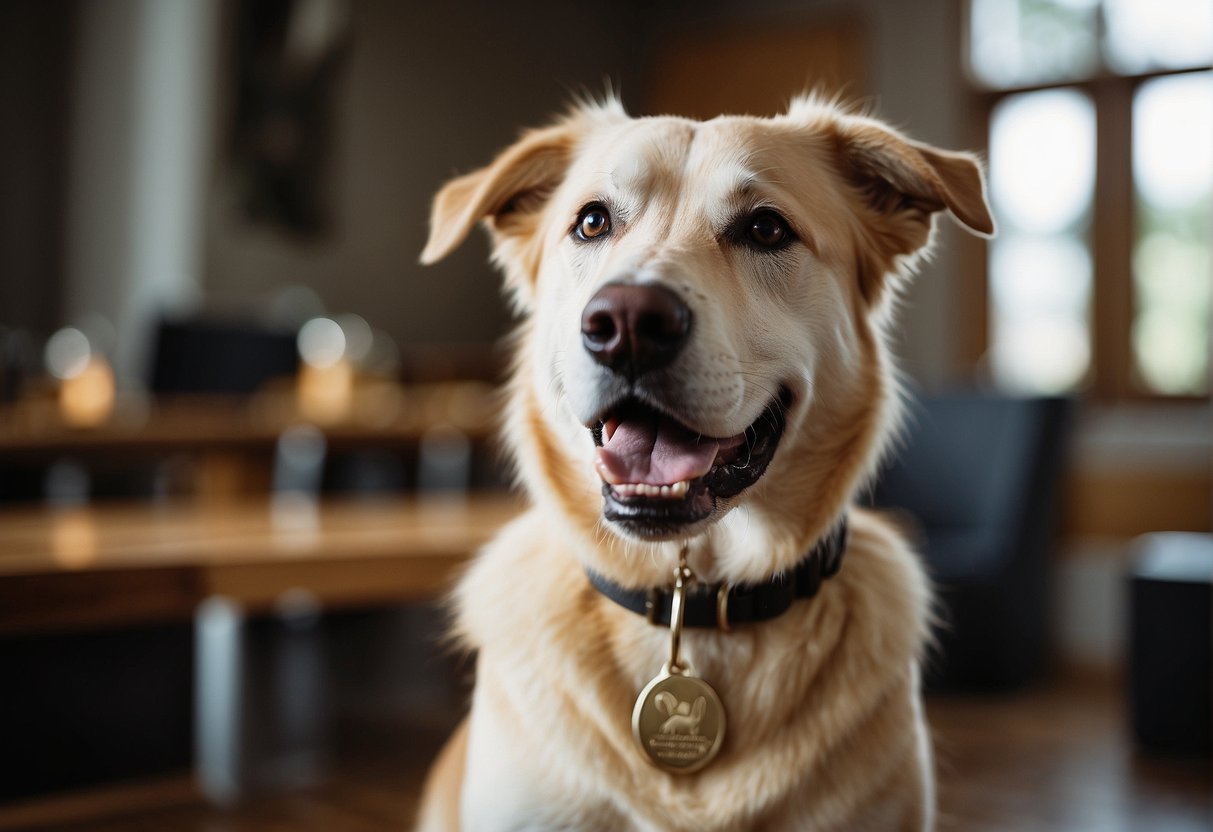
Utilizing positive reinforcement techniques with senior dogs encourages desired behaviors by rewarding them, creating a strong association between the action and the pleasurable outcome. The approach relies on treats and praise to reinforce good habits.
Rewards and Treats Usage
Treats serve as a powerful motivator in training senior dogs. These rewards should be healthy and appealing to the dog. Trainers should:
- Choose small, low-calorie treats to avoid weight gain, especially important for older dogs.
- Use treats to reinforce behavior immediately after the dog performs the desired action.
The timing of the reward is crucial, as it helps the dog associate the specific behavior with the positive outcome. Intermittent reinforcement, where the treats are given irregularly once a behavior is reliably performed, can help maintain the behavior without an excess reliance on treats.
Praise and Positive Associations
Praise, alongside treats, strengthens the dog’s positive behavior. Verbal affirmations like “Good dog!” or “Well done!” should be:
- Delivered in an enthusiastic and warm tone to convey approval.
- Accompanied by physical attention, such as petting or a gentle pat, to enhance the positive experience.
Consistent praise helps to solidify the behavior, as dogs will often work as hard for praise as they do for treats once the positive association is established. As dogs age and their motivation may change, maintaining a positive and affirming approach becomes even more integral to their ability to learn and adapt.
Teaching Basic Commands and Routines
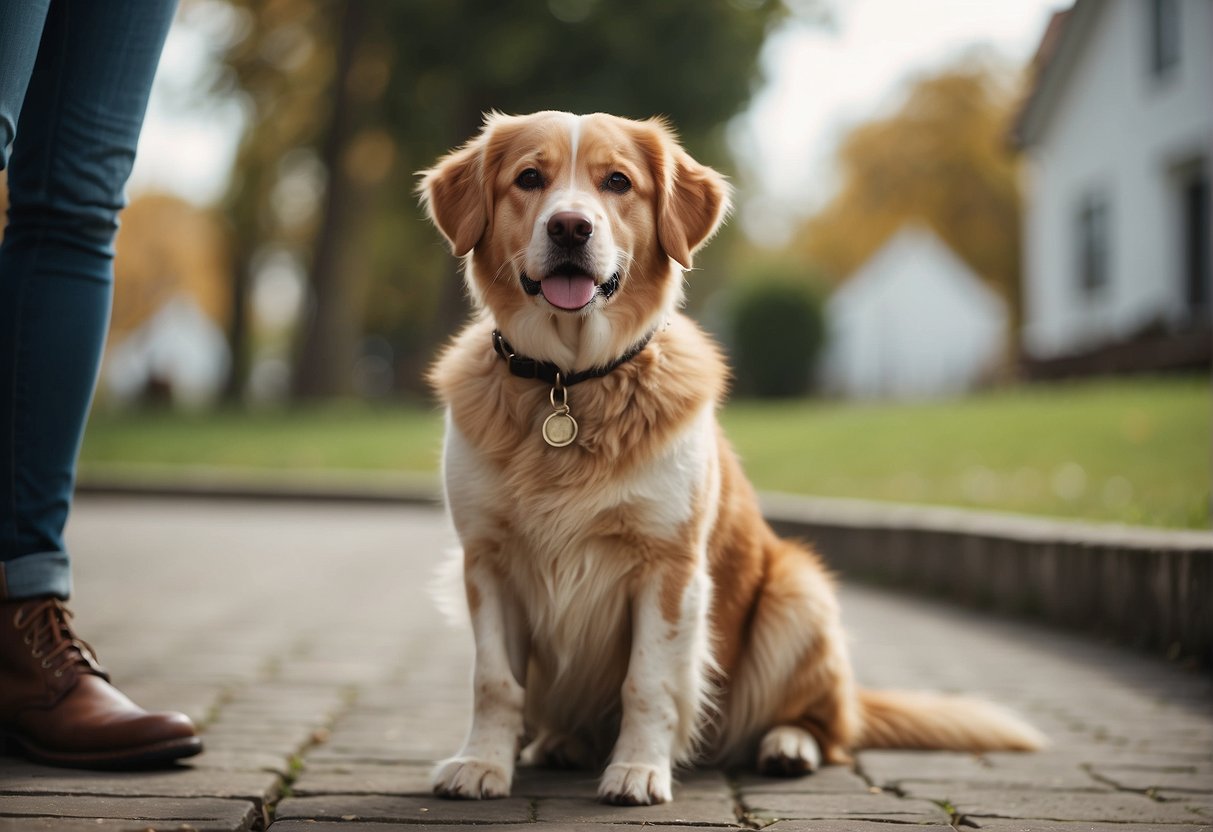
Training a senior dog requires patience and understanding, focusing on essential commands and the importance of consistency to develop routines.
Mastering Essential Commands
Commands such as sit, stay, come, and down are the cornerstone of dog training. Older dogs can learn these commands if their owners use clear, consistent cues and positive reinforcement. Training sessions should be kept short to accommodate any decrease in attention span or energy levels associated with age.
- Sit: Hold a treat close to the dog’s nose and lift your hand slightly up, causing the dog’s head to follow and hindquarters to lower.
- Stay: Begin by asking the dog to sit, then introduce the command “stay,” stepping away incrementally, and rewarding them for remaining in place.
- Come: Use a happy tone of voice to encourage the dog to approach you, rewarding them when they arrive.
- Down: Encourage the dog to lie down by slowly moving a treat down to the ground and slightly away from them, guiding them into a down position.
Consistency is vital for an older dog to reinforce what they learn. It is essential to practice these commands regularly.
Incorporating Routines in Training
A structured routine helps senior dogs feel secure and promotes effective training. They benefit from knowing what to expect and when to expect it, which reduces stress and improves their ability to focus during training.
- Consistent Training Times: Choose specific times for training each day so that it becomes a part of the dog’s daily schedule.
- Regular Exercise: Pair training with their regular exercise routine, which can aid in mental simulation.
- Rally Obedience: This can be an excellent way to integrate commands into a routine. Rally provides a course of designated stations where the dog and handler perform specific tasks.
Training tips: Always be patient and positive, using treats and praise to motivate and reward. Avoid punishing your senior dog, as this can create fear and stunt learning. Instead, aim for a supportive environment where they feel encouraged to try new things.
Behavioral Training and Overcoming Bad Habits
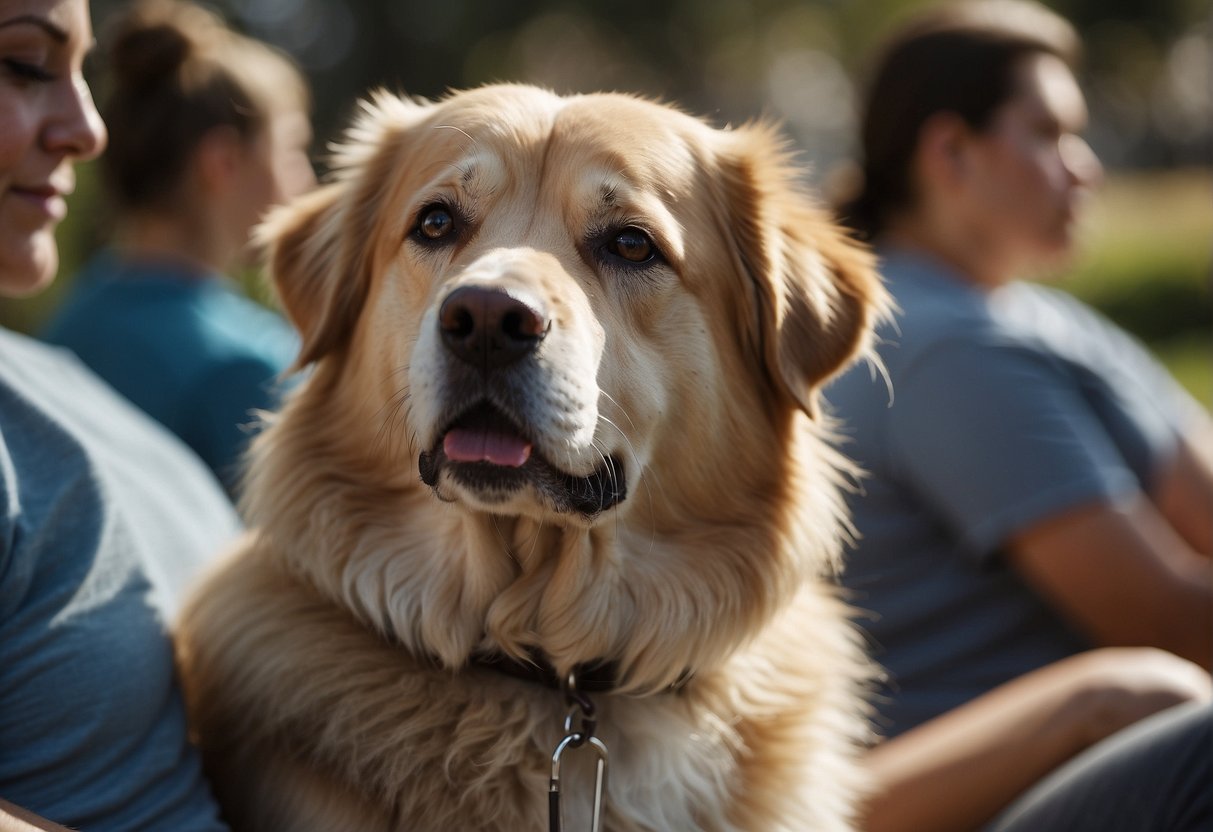
Training a senior dog to overcome bad habits requires patience and deliberate effort. It is essential to address common behavior issues methodically and instill good behavior through consistent training practices, utilizing repetition to reinforce new tricks and habits.
Addressing Common Behavior Issues
Bad habits such as begging, unnecessary barking, or furniture chewing can become ingrained in older dogs. A structured training program is crucial for redirecting these behaviors. Dog owners should identify specific undesired behaviors and use consistent commands and reinforcements to eliminate them. Consistency across all family members and repetition of correct responses are pivotal in modifying an older dog’s behavior.
- Begin with clear, simple commands to address the bad habit.
- Employ positive reinforcement immediately after the dog exhibits the correct behavior.
- Ensure repetitions of this process to help the dog associate the right behavior with the command.
Encouraging Good Behavior in Older Dogs
Encouraging good behavior in older dogs often involves teaching them new tricks or commands as a means of mental stimulation and reinforcing desirable behaviors. Positive reinforcement and reward-based techniques are effective for senior dogs, acknowledging their successful responses with treats, praise, or playtime.
- Consistency in cues and rewards helps the dog understand what is expected.
- Incorporate repetition in training sessions to make new behaviors a routine.
For both addressing behavior issues and encouraging good behavior, short and frequent training sessions are recommended to maintain the dog’s attention and to prevent cognitive overload.
Socialization and Interaction
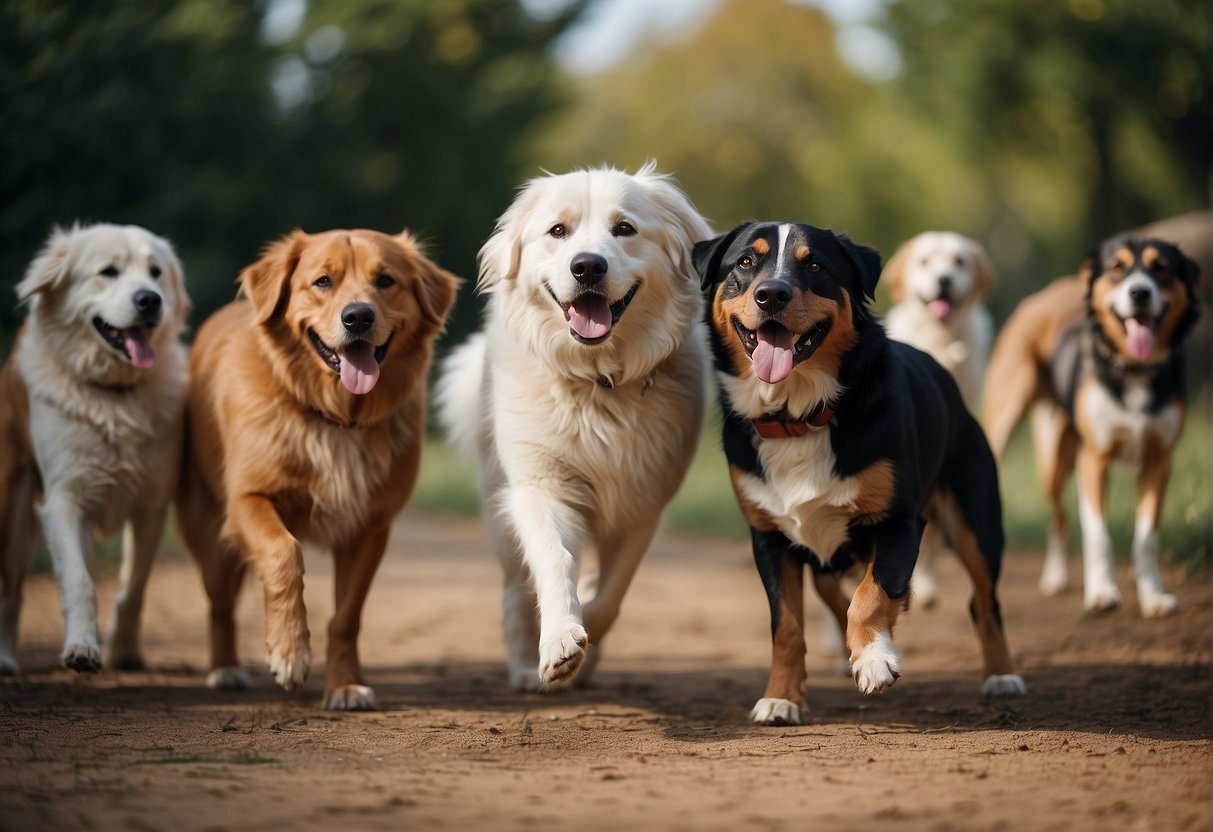
Senior dogs often require gradual exposure to novel situations to enhance their social skills, which can be especially important if they’ve missed early socialization opportunities. Owners can improve their older dog’s quality of life significantly through careful and patient socialization practices.
Introducing New Environments
Introducing senior dogs to new environments should be a slow and steady process. Owners should consider the dog’s comfort and stress levels, starting with quieter and less stimulating places before progressing to busier settings. The use of positive reinforcement, such as treats and praise, can help make new environments more appealing and reduce anxiety. It’s beneficial to gradually extend the time spent in new settings as the dog becomes more comfortable.
Interaction with People and Pets
When it comes to interaction with unfamiliar people and pets, older dogs may need a gentle approach. Owners should always monitor these interactions to ensure they are positive experiences for all parties involved.
- With People:
- Begin with a calm environment to prevent overwhelming the dog.
- Allow the dog to approach new people at its own pace, without forced interactions.
- Instruct people on how to interact with the dog, such as offering the back of their hand for the dog to sniff.
- With Other Pets:
- Observe the dog’s body language closely for signs of discomfort or aggression.
- Start introductions in neutral territory, keeping both animals on a leash.
- Keep initial meetings short, and gradually increase the duration as the dogs become more accustomed to each other.
These practices can facilitate smoother interactions and help integrate the senior dog into a more sociable lifestyle, whether they’re from an adoption from a shelter or a change in their current home environment.
Continued Learning and Adaptation
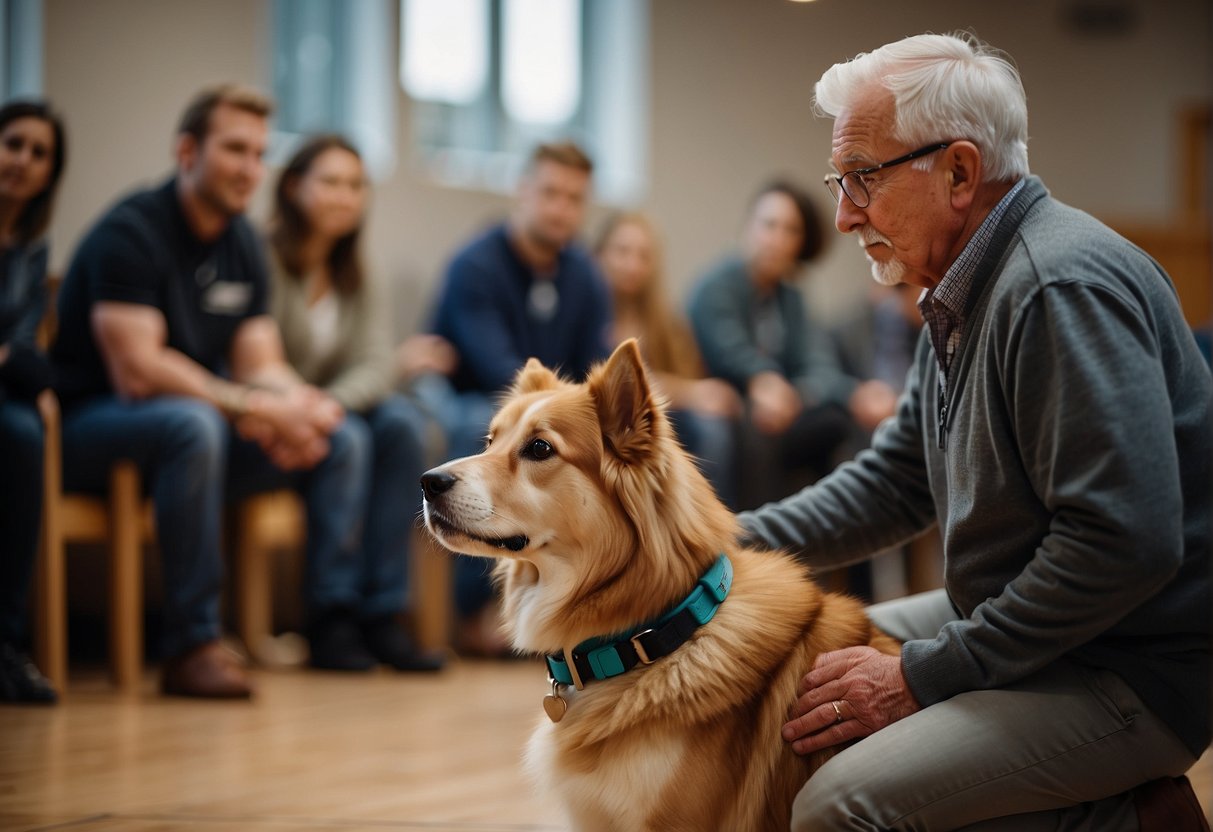
Senior dogs benefit from continued mental stimulation and learning to maintain cognitive function. As they age, adaptation in training methods is crucial to account for changes in their physical capabilities and sensory perceptions.
Teaching Advanced Skills
Senior dogs can learn new tricks, including advanced skills that offer substantial mental stimulation. Dock diving, for example, can be a low-impact activity that provides both physical exercise and enjoyment. However, it is essential to ensure that any new activities are suitable for a senior dog’s health status and to consult a veterinarian if unsure. When introducing new skills, one should:
- Start Slowly: Introduce the new activity gradually to avoid overwhelming the senior dog.
- Reward-Based Training: Utilize positive reinforcement, such as treats or praise, to encourage and reward progress.
Adjusting Training with Age
As dogs age, they may experience a decline in their sensory capacities, such as vision loss or reduced hearing. Training methods should be adjusted accordingly:
- Vision and Hearing Adjustments:
- For dogs with vision loss, rely more on verbal commands or distinct sounds that can guide them.
- Enhance communication with dogs experiencing hearing loss by using hand signals or vibrations.
When adapting training for senior dogs, modifications are essential to accommodate their physical limitations and sensory changes. By doing so, one can ensure that their senior dog continues to receive the mental and physical engagement they need for their well-being.
Frequently Asked Questions

In senior dog training, it’s crucial to adapt to the dog’s learning abilities and physical limitations, ensuring that the training is effective and comfortable for the dog.
What are effective methods for potty training an older dog?
One must be patient and consistent when potty training an older dog. They should be taken out on a regular schedule, given praise and treats for doing their business outside, and any indoor accidents should be cleaned up immediately without punishment to avoid reinforcing negative behavior.
How can one reduce excessive barking in an older dog through training?
To reduce excessive barking, identify the cause of the barking and remove any incentives related to it. Training an older dog to respond to a quiet command or using desensitization techniques to acclimate them to stimuli can be effective.
Which basic commands are most important for training senior dogs?
Essential basic commands for senior dogs include “sit,” “stay,” “come,” and “down.” These commands help manage behavior and can improve safety for the dog in various environments.
What techniques help in managing aggression in elderly dogs?
Managing aggression involves keeping a consistent routine, avoiding situations that trigger aggressive behavior, and reinforcing positive behaviors with praise and treats. Consultation with a professional trainer or behaviorist is recommended for tailored solutions.
Is there an age limit to when a dog can no longer learn new commands or behaviors?
Dogs can learn new commands and behaviors at any age. Training may take more time for senior dogs due to age-related cognitive decline, but with patience and positive reinforcement, they are capable of learning.
How can longstanding bad habits be corrected in senior dogs?
Correcting longstanding habits in senior dogs involves consistency in training and replacing bad behaviors with positive ones. One should reward good behavior immediately and avoid giving attention for bad behaviors. It’s never too late to teach healthy habits.