
As dogs enter their senior years, they often experience a decline in joint health, which can lead to discomfort and reduced mobility. Joint supplements for senior dogs aim to support joint function and enhance the quality of life for these aging pets. These supplements typically contain a blend of ingredients like glucosamine, chondroitin, and omega-3 fatty acids, which are known to contribute to the maintenance of healthy cartilage and joint fluid. Although joint supplements are not a cure for degenerative conditions such as arthritis, they can play a crucial role in managing symptoms and potentially slowing the progression of joint deterioration.

Choosing the right joint supplement for an aging canine companion involves understanding their specific health needs and any underlying conditions they may have. It is important to consult with a veterinarian to ensure the supplement’s compatibility with the dog’s overall health plan. In addition to supplements, a balanced diet tailored for senior dogs, potential lifestyle adjustments, and complementary treatments can also contribute to a comprehensive approach to joint health care. Informed by a combination of veterinary advice and clinical evidence, pet owners can make educated decisions about the supplements they provide to their senior dogs.
Key Takeaways
- Joint supplements for senior dogs can support joint health and mobility.
- Consulting a veterinarian is essential when choosing supplements for an aging dog.
- A comprehensive approach to joint care includes diet, lifestyle, and evidence-based treatments.
Understanding Joint Supplements

Joint supplements for dogs are specially formulated to support the health of a canine’s joints, particularly as they age. These supplements aim to help maintain joint mobility, ease discomfort, and promote overall joint function.
Key Ingredients
The effectiveness of joint supplements often depends on their key ingredients, which typically include:
- Glucosamine: A naturally occurring compound that helps maintain the health of cartilage, the rubbery tissue that cushions joints.
- Chondroitin: Often paired with glucosamine, chondroitin supports the maintenance and repair of joint cartilage.
- Methylsulfonylmethane (MSM): A compound that may help reduce joint inflammation and pain.
- Omega-3 Fatty Acids: Fatty acids, including EPA and DHA, that can help decrease inflammation.
- Hyaluronic Acid: A substance that lubricates joints, enhancing mobility and reducing discomfort.
- Green Lipped Mussel: A source of glycosaminoglycans and omega-3 fatty acids, it’s used for its potential anti-inflammatory properties.
- Collagen: The main protein in cartilage, tendons, and bone that contributes to joint strength and elasticity.
- Antioxidants: Such as vitamins E and C, which help combat oxidative stress in joint tissues.
- Amino Acids & Minerals: Essential for maintaining the structure and function of joint components.
Functionality of Supplements
Joint supplements may work through different mechanisms to support joint health:
- Promoting Cartilage Repair: Compounds like glucosamine and chondroitin contribute to the maintenance and regeneration of cartilage.
- Reducing Inflammation: Ingredients like MSM, omega-3 fatty acids, and green-lipped mussel may help reduce joint inflammation and associated pain.
- Providing Lubrication: Supplements containing hyaluronic acid can help maintain the synovial fluid that keeps joints lubricated.
- Supporting Overall Joint Structure: Collagen, amino acids, and minerals support the structural integrity of joints.
Products such as Cosequin and Dasuquin are brands that often include a combination of these ingredients, aiming to offer comprehensive support for joint health. It is important to choose supplements that provide high-quality ingredients in formulations that are known to be effective.
The Impact of Aging on Canine Joints

As dogs age, their risk of developing joint-related issues increases, leading to conditions such as arthritis and degenerative joint disease which affect their mobility and quality of life.
Degenerative Conditions
Osteoarthritis, often simply referred to as arthritis, is a common degenerative condition affecting senior dogs. This chronic disorder is characterized by the deterioration of cartilage, which leads to painful bone-on-bone contact within the joint. Degenerative joint disease is an overarching term that includes various degenerative conditions like arthritis but also encompasses the worsening conditions of hip and elbow dysplasia related to aging.
- Common Symptoms:
- Chronic joint pain
- Stiffness, particularly after rest
- Visible discomfort during movements
These degenerative changes can lead to inflammation and chronic pain, significantly impairing a dog’s joint health and overall well-being.
Common Joint Problems
Senior dogs often suffer from specific joint problems due to the wear and tear of long-term use and the onset of age-related deterioration. Two of the most prevalent issues are hip dysplasia and elbow dysplasia:
- Hip Dysplasia: This is a hereditary condition, but age and wear can exacerbate its symptoms, such as limping and reluctance to exercise or climb stairs.
- Elbow Dysplasia: Similar to hip dysplasia, this condition is worsened by age, potentially leading to lameness and joint swelling.
Both conditions contribute to joint inflammation and can lead to arthritis if the stress and trauma to the joints remain unaddressed. Preventive care and early intervention with senior dogs can be crucial to managing these conditions effectively.
Assessing Your Dog’s Joint Health

Early detection and intervention are key to managing joint health in senior dogs. By recognizing the signs of joint issues and consulting with a veterinarian, pet owners can take important steps to maintain their dog’s mobility and comfort.
Symptoms of Joint Issues
Senior dogs often exhibit certain symptoms that may indicate the onset of joint problems:
- Stiffness: They may show reluctance to move after resting or have difficulty getting up.
- Limping: An altered gait or favoring one limb over another can be a sign of discomfort.
- Decreased Mobility: Hesitation to jump, run, or climb stairs suggests mobility issues.
When to Consult a Veterinarian
A veterinarian should be consulted when:
- Persistent Symptoms: If signs of joint problems are consistently observed, a professional evaluation is needed.
- Behavioral Changes: Any change in a dog’s behavior, particularly relating to movement, warrants a veterinarian’s attention.
By engaging with these preventive measures, owners can help ensure their senior dogs live comfortably in spite of joint issues.
How Supplements Support Joint Function

Joint supplements for dogs are formulated to maintain healthy joint function by supporting the structures within the joint. Key ingredients typically include glucosamine hydrochloride and chondroitin sulfate, which play crucial roles in maintaining the integrity of cartilage and the overall health of canine joints.
Promoting Cartilage Regeneration
Glucosamine hydrochloride is a fundamental component of cartilage and is renowned for its role in cartilage regeneration. It provides the building blocks necessary to repair and make new cartilage. This is vital for senior dogs, as cartilage tends to wear down with age, leading to discomfort and reduced mobility.
- Key Functions:
- Supports the production of new cartilage
- Aids in the maintenance of synovial fluid, enhancing cushioning within the joint
Chondroitin sulfate complements glucosamine, targeting the resilience and elasticity of cartilage. By doing so, it helps maintain the water-holding properties of cartilage, which is essential for its role as a shock absorber.
- Key Functions:
- Helps retain water in the cartilage
- Encourages cartilage repair and maintenance
Reducing Inflammation
Anti-inflammatory ingredients in joint supplements work to reduce inflammation, which can lead to joint pain and further damage to joint structures in dogs. Many supplements include natural anti-inflammatory compounds, which can be beneficial in managing inflammation without the side effects associated with some medications.
- Natural Anti-inflammatories:
- Omega fatty acids such as those from green lipped mussel extract
- Herbal extracts known for their anti-inflammatory properties
By reducing inflammation, these components help alleviate pain and improve mobility, allowing dogs to maintain a more active lifestyle. This in turn can lead to better joint health, as regular movement supports joint function and prevents stiffness.
Choosing the Right Supplement

When selecting joint supplements for senior dogs, owners should focus on the quality of ingredients and the appropriate formulation to ensure effectiveness and safety.
Ingredients to Look For
Senior dogs often require a range of key ingredients to support joint health. Glucosamine and chondroitin are two compounds commonly found in reputable brands like Nutramax. They are essential for maintaining cartilage and joint fluid. Omega-3 fatty acids, particularly EPA and DHA, are also crucial for reducing inflammation. Additionally, MSM (Methylsulfonylmethane) supports mobility and helps alleviate joint pain. The inclusion of specific vitamins and antioxidants can further assist in maintaining overall joint health.
- Glucosamine: Helps form and repair body tissues.
- Chondroitin: Supports cartilage elasticity and water retention.
- Omega-3 fatty acids: Reduce joint inflammation.
- MSM: Improves joint flexibility and pain reduction.
- Vitamins: Support immune function and bone health.
Formulations and Dosage
Finding the right formulation and dosage is essential. Joint supplements come in various forms, such as chews, tablets, or liquids, which cater to different preferences based on breed and size. A vet-recommended dosage should take the dog’s weight and genetics into account, as these factors can influence the efficacy of the supplement. Dog owners should consult with a veterinarian to find a tailored approach that considers their dog’s specific needs and to determine the best route for administration.
- Chews/Tablets: Easily mixed with food; preferable for dogs that enjoy treats.
- Liquid: Can be added to food for picky eaters or those with difficulty chewing.
- Dosage: Dependent on weight and breed; consult with a veterinarian.
Diet and Nutritional Needs of Senior Dogs

As dogs age, their nutritional needs change. Senior dogs require diets that support their slowing metabolism and often changing health conditions, such as joint health, skin and coat vitality, and heart function.
Balanced Diets
Senior dogs should consume balanced diets that are specifically tailored to their lower energy needs yet rich in nutrients. High-quality protein is crucial to maintain muscle mass, but the quantity should be adjusted to prevent unnecessary weight gain. Fat is still important for energy, but it should be closely monitored. The inclusion of omega fatty acids is beneficial for maintaining healthy skin and coat, as well as supporting heart health.
- Proteins: Should come from high-quality sources.
- Carbohydrates: Provide fiber that aids in digestion.
- Fats: Limited amounts of healthy fats to maintain energy levels.
Nutritional Additions
Nutritional additions, such as supplements, can be significant in a senior dog’s diet, especially for joint health. Glucosamine and chondroitin are commonly recommended for their role in maintaining cartilage and reducing inflammation. Omega-3 fatty acids are another supplement that can support joint health as well as improve skin and coat condition. When choosing kibble for senior dogs, one might consider those fortified with these supplements, or they can be added separately.
- Glucosamine & Chondroitin: Support joint health and cartilage.
- Omega-3 Fatty Acids: Promote heart health and improve skin and coat.
Complementary Treatments and Lifestyle

In addition to joint supplements, senior dogs can benefit from a range of complementary treatments and adjustments to their lifestyle to support joint health and mobility.
Physical Therapy and Exercise
Physical therapy and regular exercise are crucial for maintaining a senior dog’s joint function. A tailored exercise program can help by:
- Strengthening muscles to better support joints
- Enhancing circulation which assists in joint health and repair
- Maintaining a healthy weight to reduce stress on joints
Exercises should be gentle to prevent stress on the joints, and may include:
- Short, frequent walks
- Controlled playtime
- Swimming, if accessible
Natural Anti-Inflammatories
Certain natural substances can serve as anti-inflammatories that may support joint health:
- Turmeric contains curcumin, known for its anti-inflammatory properties.
- CBD (Cannabidiol) may help reduce inflammation and pain, though one should consult a veterinarian as research is ongoing.
- Green-lipped mussel is rich in omega fatty acids and is observed to help reduce joint pain and inflammation.
- Boswellia serrata extract can reduce inflammation and is often used in combination with other joint health ingredients.
- Yucca has compounds that might alleviate joint inflammation.
Supplements containing these ingredients could be incorporated, with veterinary advice, into a senior dog’s diet:
- Fish oil or salmon oil, for omega-3 fatty acids helping to reduce joint inflammation
- Formulated joint supplements that may include a combination of the above components
It is important for owners to introduce any new treatment or supplement under the guidance of a qualified veterinarian to ensure it is appropriate for their individual dog’s health needs.
Understanding Clinical Evidence

When choosing joint supplements for senior dogs, it’s crucial to consider the supporting clinical evidence and endorsements by authoritative bodies. This will help ensure that selections are based on sound research and meet industry standards.
Studies on Effectiveness
Clinical studies and research play a pivotal role in determining the effectiveness of joint supplements for dogs. Various ingredients, such as glucosamine, chondroitin, and MSM (Methylsulfonylmethane), are commonly researched for their potential benefits in improving joint health. Prominent veterinary journals often publish these studies, which are critical for vets to recommend specific supplements. Results from these studies might show varying degrees of improvement in symptoms like lameness or reduction in pain, which are quantifiable outcomes that can guide decisions.
National Animal Supplement Council Endorsements
The National Animal Supplement Council (NASC) is a respected authority in the animal health products industry. Supplements that receive NASC endorsements have been vetted for their safety and compliance with rigorous quality standards. The NASC Quality Seal, often found on product packaging, indicates that the manufacturer has committed to promoting high-quality and monitored products. Vet-recommended supplements often have this seal, which can give the pet owner confidence in the product’s credibility.
Potential Side Effects and Contraindications

While joint supplements can offer relief and support to senior dogs, it’s important for pet owners to be aware of potential side effects and contraindications. Particular attention should be given to allergic reactions and interaction with other medications the dog may be taking.
Allergic Reactions
Dogs can exhibit allergic reactions to ingredients commonly found in joint supplements. One frequent allergen is shellfish, which is a source of glucosamine, a primary component in many joint health products. Symptoms of an allergic reaction include:
- Itching or hives
- Swollen face or extremities
- Difficulty breathing
Owners should monitor their pets for such signs and seek veterinary care promptly if an allergic response is suspected.
Interaction with Medications
Joint supplements, like any other ingestible substances, have the potential to interact with other medications. The consequences can vary from reduced effectiveness of the medication to more severe complications. For instance, supplements containing methylsulfonylmethane (MSM) may interact with:
- Blood thinners
- Anti-inflammatory drugs
- Certain cancer therapies
It is imperative that dog owners consult with a veterinarian to discuss their dog’s current medications and potential interactions before starting any new supplement regimen.
Where to Buy Quality Joint Supplements
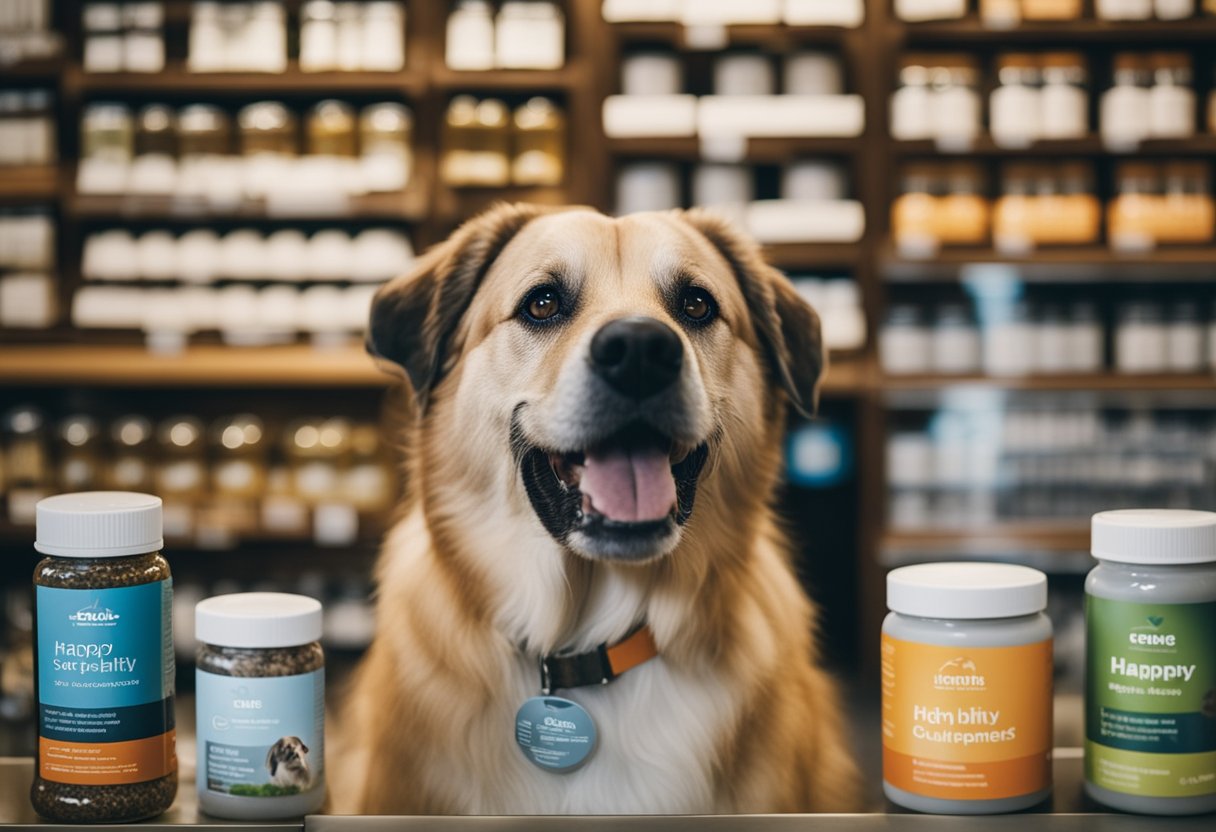
When seeking out joint supplements for senior dogs, one has two primary options: purchasing directly from vet clinics and pharmacies, or ordering from reputable online retailers. Both avenues offer access to high-quality products, provided one chooses established brands with good reviews.
Vet Clinics and Pharmacies
At vet clinics and pharmacies, customers can expect professional recommendations tailored to their dogs’ specific health needs. These establishments typically carry trusted brands like Liquid Health K9 Glucosamine. Staff at these locations are often well-informed about the products, including their ingredients and proper packaging standards.
Online Retailers
Online retailers such as Amazon and Chewy provide convenience and a wide range of options. They stock various brands, including Honest Paws and Liquid Health, with detailed product descriptions and customer reviews. Shoppers can compare products side by side to ensure they’re getting a high-quality supplement. It’s also easier to find specialized formats like liquid supplements or chewables here. When ordering online, one should always verify the authenticity of the product and the credibility of the retailer to avoid counterfeit items.
Frequently Asked Questions

Selecting the right joint supplement can significantly improve the quality of life for senior dogs. These FAQs address the most common concerns about joint supplements for aging canines.
What is vet’s top choice for joint supplements in senior dogs?
Vets often recommend Nutramax Dasuquin with MSM as a top choice for joint supplements in senior dogs, due to its comprehensive formulation that supports overall joint health.
Which joint supplement is most effective for dogs with arthritis?
For dogs with arthritis, Nutramax Dasuquin Advanced with MSM is commonly recommended for its powerful combination of ingredients designed to reduce inflammation and pain associated with arthritis.
How does glucosamine aid in the joint health of older dogs?
Glucosamine is a natural substance that helps repair and rebuild cartilage, improve joint lubrication, and reduce joint pain, making it essential for maintaining joint health in older dogs.
Which is preferred for joint health in large breeds, Cosequin or Dasuquin?
Dasuquin is typically preferred for joint health in large breeds as it contains a more potent formulation suitable for the needs of larger dogs and those with more severe joint issues.
Can natural joint supplements offer adequate relief for senior dogs?
Natural joint supplements, such as those containing UC-II® collagen and omega-3 fatty acids, can offer significant relief for senior dogs, supporting joint function and flexibility.
What are the best joint health strategies for senior dogs with hip dysplasia?
The best strategies for managing hip dysplasia in senior dogs include a combination of weight management, controlled exercise, and supplements like Cosequin, which has been shown to be effective in supporting joints affected by dysplasia.