
Selecting the best food for senior small-breed dogs is a vital step in ensuring their health and longevity. As dogs enter their golden years, their metabolism slows down, and their nutritional needs change. Small breed dogs, in particular, may require different nutrient concentrations compared to larger breeds due to their higher metabolic rates and longer life spans. A diet that caters to these needs is essential for maintaining their muscle mass, supporting joint health, and keeping their immune system strong.
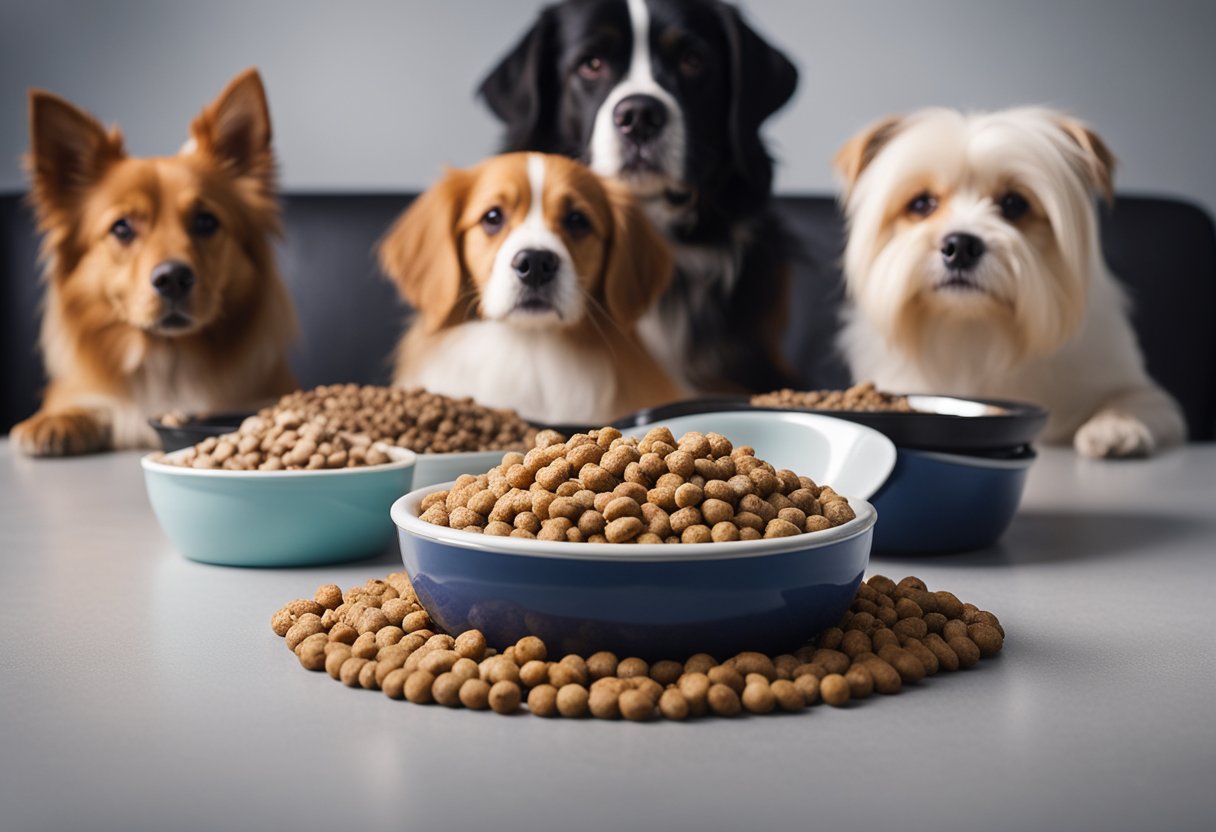
When choosing food for a senior small breed dog, it’s important to focus on high-quality protein to sustain muscle mass and manage weight. Equally crucial is the assessment of fat and caloric content to prevent obesity, which can exacerbate age-related health issues. Owners should seek formulas with ingredients that support joint health, adapt to a dog’s changing appetite, and address dental health concerns. Consulting a veterinarian can provide guidance tailored to an individual dog’s health conditions and dietary needs, ensuring the selected food promotes overall well-being.
Key Takeaways
- Senior small breed dogs require diets high in quality protein and adjusted fats.
- Nutritional formulations should support joint health and accommodate changing appetites.
- Veterinarian consultation is key for personalized senior dog nutrition plans.
Understanding Senior Dogs’ Nutritional Needs

As dogs age, their nutritional needs change. Senior dogs, particularly small breeds, require a careful balance in their diet to maintain their health and manage age-related conditions.
Caloric Intake: Senior dogs generally have lower energy levels and are less active, which necessitates a reduction in calories to prevent obesity. However, the very old may need a slight increase if underweight.
Protein: Adequate protein is essential for maintaining muscle mass in senior dogs. However, the protein level should take into account any existing kidney disease, as high protein levels can exacerbate such conditions.
Fat: Moderation is key; enough fat is required for energy, but too much can lead to weight gain. Omega-3 fatty acids, like EPA and DHA, are beneficial for joint health and cognitive function.
Nutritional Balance:
- Fiber: Assists with gastrointestinal health.
- Vitamins and Minerals: Specific to senior dog needs to support immune health and overall body function.
Managing Medical Conditions:
- Kidney Disease: Diets lower in phosphorus and sodium may be recommended.
- Arthritis: Supplements or diets rich in omega-3 can help manage inflammation.
- Obesity: Lower-calorie diets to manage weight.
Properly addressing the dietary needs of senior dogs can support their well-being and potentially enhance their quality of life during their golden years. Owners should consult with a veterinarian to tailor their small breed senior dog’s diet appropriately, taking into account individual health concerns and lifestyle.
The Importance of Protein for Muscle Maintenance

Protein is an essential component in the diet of senior small breed dogs, playing a crucial role in the maintenance and repair of muscle mass. As dogs age, their bodies become less efficient at synthesizing new muscle proteins, making it vital for them to consume adequate levels of high-quality protein to preserve lean muscle mass.
Daily Protein Intake:
Senior dogs typically require a higher percentage of protein in their diet compared to younger dogs to help counteract the loss of muscle mass
Assessing Fat and Caloric Requirements

When considering the best senior dog food for small breeds, it’s imperative to assess fat and caloric content carefully. Small breed senior dogs may have different requirements due to their size and metabolism. As dogs age, their energy levels often decrease, which can lead to weight gain if their caloric intake is not adjusted accordingly.
Fat is a critical component in dog food, as it provides energy and helps with absorption of fat-soluble vitamins. However, excessive fat can contribute to obesity, especially in less active senior dogs. On the other side, a diet too low in fat may lead to weight loss and a decrease in energy levels. The key is balance.
The caloric needs of senior dogs vary:
- Younger seniors may be prone to overweight if their diet isn’t adjusted for lower activity.
- Very old dogs often face underweight issues and may require a higher caloric intake to maintain a healthy weight.
A Body Condition Score (BCS) is a useful tool to determine whether a senior dog is at an ideal body weight, overweight, or underweight. It’s a scale typically ranging from 1 (emaciated) to 9 (obese). An ideal score is around 4 to 5.
Here’s a brief guideline:
| Body Condition Score | Suggested Action |
|---|---|
| 1-3 | Increase calories |
| 4-5 | Maintain current diet |
| 6-9 | Decrease calories |
To ensure optimal health, the chosen senior dog food should:
- Have an appropriate balance of calories and fat.
- Include a specific caloric content per serving that aligns with the dog’s BCS.
- Adjust the portions if weight loss or gain is advised.
Selecting a dog food that is tailored to the unique needs of senior small breeds will support their energy requirements and help manage body weight effectively.
Selecting High-Quality Ingredients
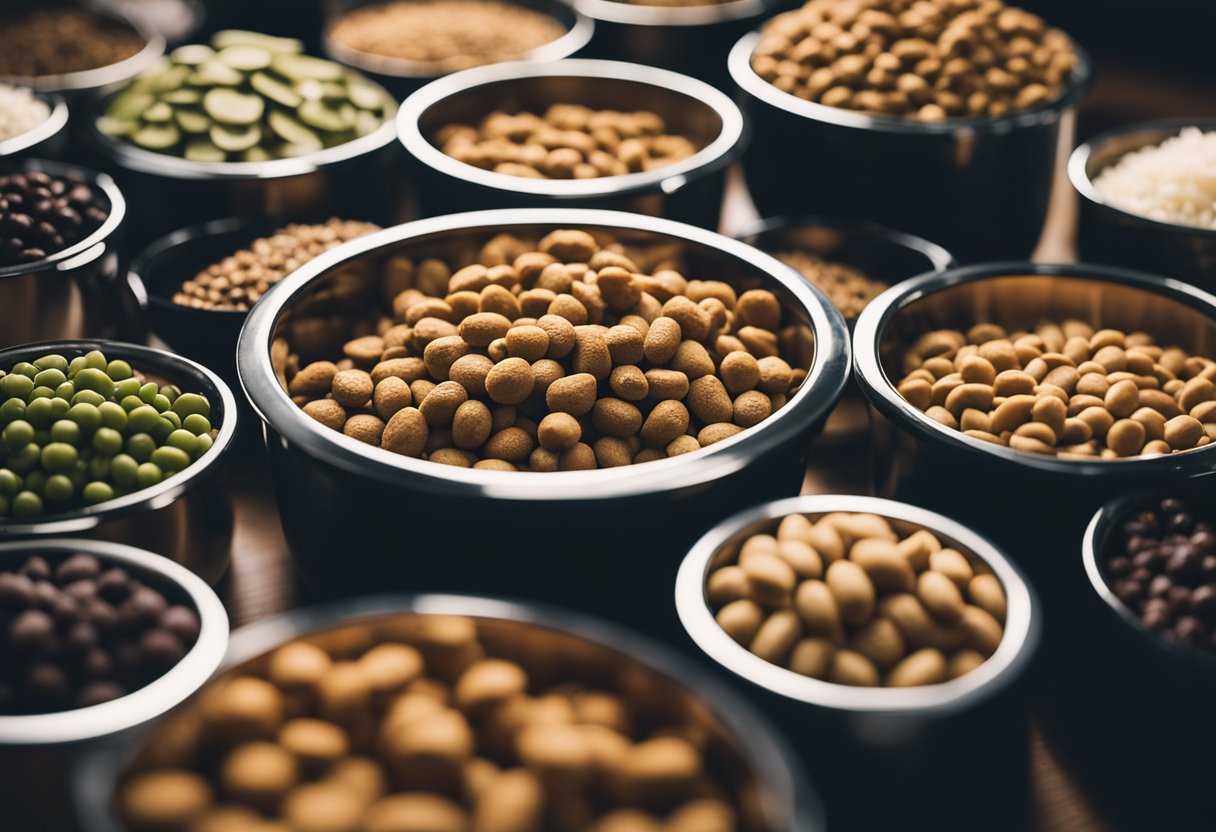
When crafting a diet for senior small breed dogs, the priority lies in including high-quality ingredients that provide maximum nutrition and cater to their aging needs. The selection of meat as a primary source of protein, the role of carbohydrates, and the inclusion of essential vitamins and minerals define the quality of senior dog food.
Meat Content and Animal Proteins
Senior small breed dogs require easily digestible, high-quality animal proteins that support muscle maintenance and overall health. Chicken meal, being a concentrated form of animal protein, is a common ingredient. Providers like Blue Buffalo often include chicken meal as a leading ingredient due to its rich amino acid profile crucial for a senior dog’s diet. Additionally, the inclusion of omega-3 and omega-6 fatty acids, sourced from ingredients like fish, benefits skin and coat health.
- Key Proteins for Senior Dogs:
- Chicken meal
- Fish (rich in omega-3)
- Lamb or beef (additional options)
Grains and Alternative Carbohydrates
While some senior dog foods are grain-free, incorporating grains like rice or alternative carbohydrates such as sweet potato can offer energy and essential nutrients. These ingredients should be easily digestible to prevent strain on the senior dog’s metabolism. Sweet potato, not only a source of carbohydrates but also rich in fiber, supports digestive health.
- Common Carbohydrate Sources:
- Sweet potato (fiber-rich)
- Brown rice (with grains)
- Oats or barley (alternative grains)
Vitamins and Minerals
Proper balance of vitamins and minerals is vital for maintaining the health of a senior small breed dog. Ingredients should be selected for their nutrient content, such as Vitamin A for eye health and phosphorus for kidney function. Supplements like glucosamine and chondroitin support joint health, an important consideration as dogs age. Foods enriched with these supplements can help alleviate symptoms of arthritis, which is common in senior dogs.
- Essential Nutrients for Senior Dogs:
- Vitamin A: Supports vision
- Phosphorus: Aids in kidney function
- Glucosamine and Chondroitin: Enhances joint health
Special Diet Considerations for Small Breed Dogs

Small breed dogs have unique dietary needs that differ from their larger counterparts, especially as they age. An older small breed dog requires a diet that is rich in nutrients and easy to chew. Formulating such a diet involves considering their metabolic rate, oral health, and mobility.
Metabolic Concerns: Small breeds have a higher metabolic rate, hence they require food that is energy-dense. As they become seniors, calorie needs may decrease, yet they still need nutrient-rich food to maintain their health.
Oral Health: Dental issues are common in small breeds. Therefore, the size and texture of the kibble are important. Small kibble that is formulated for easy chewing can help maintain oral health.
| Nutrient | Importance for Small Breeds |
|---|---|
| Protein | Supports lean muscle mass |
| Fats | Provides energy |
| Fiber | Aids in digestion |
| Vitamins & Minerals | Ensures overall well-being |
For an aging small breed dog, the balance of these nutrients is crucial to support their health. They may require fewer calories compared to their younger selves to ward off obesity, but the quality of the ingredients should not be compromised.
Food for small breed dogs should contain:
- High-quality proteins for muscle support
- Antioxidants for immune health
- Fatty acids like Omega-3 and Omega-6 for skin and coat
- Glucosamine and chondroitin for joint health
- Adaptive calorie content to suit their aging metabolism
When selecting senior dog food for small breeds, caregivers should look for products specifically designed for the needs of an older small breed dog. This includes smaller kibble size for easier consumption and digestion, as well as adjusted nutrient levels to match their aging process.
Joint Health and Mobility Support

When selecting food for senior small breed dogs, joint health and mobility are crucial factors to consider. These aged canines frequently suffer from arthritis and other joint-related issues. The incorporation of specific ingredients can support joint health and alleviate discomfort.
Glucosamine and chondroitin are key supplements that aid in maintaining cartilage health and repairing damaged tissues. They act as building blocks for cartilage, offering relief from joint pain and improving mobility. These compounds are often synthesized naturally in a dog’s body but may be deficient in older dogs, making supplementation beneficial.
Small breed senior dog foods often include omega-3 fatty acids, which provide anti-inflammatory benefits. Omega-3s, like those found in fish oil, can reduce the inflammation associated with joint pain, thus enhancing a dog’s quality of life. They also support overall heart and kidney health.
A diet containing these supplements may provide noticeable improvements for dogs with arthritis. Arthritis, a common ailment in older dogs, leads to chronic pain and reduced mobility. Nutrition plays a critical role in managing these symptoms and preventing further joint degradation.
| Key Ingredient | Benefits for Joint Health |
|---|---|
| Glucosamine | Supports cartilage repair |
| Chondroitin | Maintains joint fluidity |
| Omega-3 Fatty Acids | Reduces joint inflammation |
Food tailored for senior small breeds should not only contain these joint-supporting ingredients but also be easily digestible and palatable to ensure proper nutrient absorption. Regular vet check-ups and a balanced diet are recommended for an effective approach to managing joint health in senior dogs.
Adapting to Age-Related Changes in Appetite

As dogs grow older, their appetite often changes due to a decrease in metabolism and alterations in taste and smell. It is essential to acknowledge and address these changes to maintain their health and well-being.
Senior Diet: An older dog’s diet should be tailored to its diminished energy needs and digestive capabilities. High-quality protein and fiber can aid in digestion and help sustain muscle mass. Carefully monitor their weight, as obesity or undue weight loss may point to an imbalance.
Textures and Flavors: Many senior dogs prefer wet food or canned food due to ease of chewing and enhanced flavor. These foods are also beneficial for dogs experiencing dehydration, as they have a higher moisture content.
- Dry Mouth: Ensure plenty of fresh water is available to alleviate dry mouth, which can discourage eating.
- Nausea or Digestive Issues: Dogs experiencing nausea, vomiting, or diarrhea may shun their food. In such cases, consult a veterinarian for a tailored diet plan potentially involving bland foods or a temporary diet adjustment.
Feeding Schedule: Smaller, more frequent meals can encourage eating by reducing the feeling of fullness and boosting appetite throughout the day.
| Concern | Suggestion |
|---|---|
| Decreased Appetite | Offer more flavorful options |
| Digestive Disturbances | Consult for specialized diets |
| Weight Management | Monitor and adjust calorie intake |
| Hydration Issues | Provide wet or canned food |
Remember, these are simply guidelines; each senior dog’s needs may vary, and it is crucial to consult with a vet to ensure their dietary requirements are met effectively.
Dry Vs Wet Food: Pros and Cons

When considering the best diet for small breed senior dogs, owners must weigh the advantages and disadvantages of both dry and wet food options.
Dry Food:
Pros:
- Dental Health: Dry food’s texture can help reduce plaque and tartar buildup on teeth.
- Convenience: It is easier to store and measure, making it beneficial for maintaining consistent feeding routines.
- Cost-Effective: Generally, dry food offers more servings per package compared to wet food, making it more economical.
- Long Shelf Life: Once the package is opened, dry food can last longer without spoiling.
Cons:
- Hydration: Dry food has low moisture content, which can be a concern for dogs prone to dehydration.
- Flavor and Appetite: Some senior dogs may find dry food less palatable, leading to decreased appetite.
Wet Food:
Pros:
- Hydration: Higher moisture content in wet food helps ensure adequate hydration, beneficial for dogs with kidney issues or those prone to dehydration.
- Palatability: The rich flavors and aromas can stimulate the appetite of picky eaters or senior dogs with a diminished sense of smell and taste.
Cons:
- Dental Health: Unlike dry food, wet or canned food does not provide a cleaning action for teeth, which may contribute to dental problems.
- Storage and Shelf Life: Once opened, it must be refrigerated and typically cannot be kept for as long as dry food.
- Price: Typically more expensive per serving, increasing the overall cost of feeding.
For senior small breed dogs, it’s crucial to consider their specific needs such as dental health, appetite, and risk of dehydration when choosing between dry or wet food types. A combination of both might also be considered to balance the benefits of each and cater to the dog’s preferences and health requirements.
Ensuring Dental Health for Senior Dogs

Senior dogs, particularly small breeds, often face dental challenges that can impact their overall health. As they age, they can experience issues such as tooth loss or a decline in dental health due to weaker teeth and gums. It’s crucial for pet owners to select appropriate food that caters to these dental needs.
Dry dog food is generally recommended for maintaining dental health in dogs. The texture of dry kibble helps in scraping away plaque as dogs chew, which can reduce tartar buildup. For small breeds with dental problems, choosing small kibble is beneficial as it is easier for them to chew and digest, making mealtime more comfortable.
Here is a simplified way to understand the benefits:
- Dry Food Advantages:
- Scrapes plaque
- Reduces tartar buildup
- Often comes in sizes suitable for senior small breeds
Always monitor a senior dog’s ability to chew and digest dry food. If the dog has few teeth or shows difficulty in chewing, softer options or a mix of wet and dry food can be used. This transition ensures that they still receive the benefits of dry food while accommodating changes in their dental health.
Pet owners should also incorporate regular dental checks and cleaning routines for their senior dogs. Consultation with a veterinarian can provide additional personalized advice on maintaining a senior dog’s dental health through diet and care, ensuring they continue to enjoy their meals safely and comfortably.
Key Nutritional Additives for Senior Dogs
When choosing food for senior small breed dogs, owners should look for key nutritional additives that cater to their dog’s aging needs. These additives support various bodily systems and ensure optimal health.
Supplements: Supplements like glucosamine and chondroitin support joint health, which is crucial as dogs age and their risk of arthritis increases. Owners should also consider foods that include these supplements in their ingredient list.
Antioxidants: Antioxidants are important to combat oxidative stress and may slow the aging process. Foods with added antioxidants can contribute to a stronger immune system.
Fish Oil: Rich in omega-3 fatty acids, fish oil can help maintain a healthy coat and skin. Additionally, these fatty acids may have anti-inflammatory effects beneficial for older dogs.
| Nutrient | Benefit for Senior Dogs |
|---|---|
| Fish Oil | Supports skin, coat, and joint health |
| Antioxidants | Strengthens the immune system and reduces aging |
| Glucosamine | Promotes joint health and mobility |
| Chondroitin | Complements glucosamine for joint care |
Cholesterol & Fatty Acids: A controlled amount of cholesterol is essential for cellular health, but it should be balanced to avoid weight gain. Fatty acids like omega-3 and omega-6 are essential for cognitive function and the prevention of inflammation.
Dietary Fiber: A diet rich in fiber can aid in maintaining gastrointestinal health. Adequate fiber ensures proper bowel function and may help in managing weight by promoting a feeling of fullness.
Owners should carefully assess the dietary needs of their senior dogs and consider these nutritional additives when selecting an appropriate food to maintain their pet’s health and well-being.
Consulting a Veterinarian for a Custom Diet Plan

When considering a diet for a small breed senior dog, it is imperative to consult with a veterinarian who can evaluate the dog’s specific health requirements. Senior diets tailored to small breeds are specially formulated to accommodate the unique metabolic and physical needs that emerge with age.
Veterinarians can provide valuable insights into a dog’s health and recommend whether a prescription diet is necessary. Prescription diets are often used to manage health conditions such as kidney or heart disease, and are based on the latest scientific research.
Life stages play a critical role in dietary needs. A diet that is adequate for a small breed dog in the prime of its life may no longer be suitable as it enters its senior years. A veterinarian can ascertain the appropriate adjustments to the diet to align with these changes.
Here are some factors a veterinarian may consider when developing a senior diet plan:
- Weight Management: Obesity can be a concern for senior pets, making it crucial to monitor calorie intake.
- Joint Health: Ingredients to support joint health may be included in senior diets for small breed dogs.
- Digestibility: Higher digestibility can help with the decreased gastrointestinal efficiency dogs may experience as they age.
- Dental Health: Dental health is also an important consideration, as senior dogs often have more sensitive teeth and gums.
A diet labeled as “all life stages” is not typically catered to the specific needs of senior dogs. A veterinarian will aim to create a diet that is precise in nutrient content, tailored to support a senior dog’s continued vitality and health.
Frequently Asked Questions

Selecting the right food for a small senior dog involves understanding their unique dietary needs to support a healthy, active lifestyle during their golden years.
What diet should I consider for my small senior dog to ensure proper nutrition?
For small senior dogs, a diet rich in high-quality proteins, easily digestible carbohydrates, and lower in calories is recommended to maintain lean muscle mass and prevent obesity.
How can I choose food to support joint health and mobility in aging small breed dogs?
Food formulated with supplements like glucosamine and chondroitin can be beneficial for small breed senior dogs to support joint health and mobility.
When is the appropriate time to transition my small dog to a senior-specific formula?
Transition to a senior-specific formula when your small dog reaches the age of 7 to 10 years, as this is when they typically begin to show signs of aging and can benefit from adjusted nutrients.
What are the benefits of wet food versus dry food for older small breed dogs with dental issues?
Wet food may be easier for small breed senior dogs with dental issues to chew and digest, while also maintaining hydration, but it’s important to ensure it still provides complete nutrition.
What key ingredients should I look for in senior dog food to maintain my small breed dog’s health?
Look for antioxidants, omega-3 fatty acids, and a balance of protein and fiber to support digestive health, immune function, and maintenance of skin and coat health in small breed senior dogs.
What age defines a small breed dog as ‘senior’ and what dietary changes should be implemented at that stage?
A small breed dog is typically considered senior at around 7 years of age. At this stage, dietary changes should focus on lower calorie intake, high-quality proteins, and essential nutrients to support aging systems.