
As dogs grow older, their dietary needs evolve, making weight management a critical aspect of their overall health care. Senior dogs often require a different nutritional balance, which includes lower calorie content and higher-quality ingredients to maintain an ideal weight and support their aging bodies. Identifying dog food that is specifically tailored for weight loss and senior dietary needs is crucial in ensuring the longevity and well-being of canine companions.

When shopping for the best senior dog food for weight loss, one must look for products that feature a formulation aimed at supporting the unique health challenges facing older dogs. This includes reduced fat content, high-quality proteins, and a mix of fibers that aids in digestion and helps maintain satiety. Moreover, it’s essential to seek out foods that incorporate supplements to bolster joint health, improve cognitive function, and support other age-related concerns.
Key Takeaways
- Specialized senior dog foods with weight management formulas help maintain ideal weight and support aging bodies.
- High-quality protein and fiber content are integral for senior dogs’ weight loss and overall health.
- It’s important to choose food that contains supplements for joint health and other age-related needs.
Understanding Senior Dog Nutritional Needs

As dogs age, their bodies undergo changes that can affect their metabolism, energy levels, and overall health. It is crucial to adjust their diet to help maintain a healthy weight and support their changing nutritional needs, which include a balanced intake of protein, fat, and essential nutrients.
Importance of Protein in Senior Diets
Senior dogs may experience a loss of muscle mass as they age. Protein is essential in their diets to help preserve lean muscle. High-quality protein sources like chicken, beef, and fish provide amino acids that are vital for muscle maintenance and overall health. Senior diets should contain a protein level adapted to prevent muscle wastage while taking into consideration kidney function, which might be compromised in older dogs.
- Recommended Protein Sources:
- Chicken
- Beef
- Fish
- Eggs
- Benefits of Adequate Protein:
- Supports muscle mass
- Promotes tissue repair
- Enhances immune response
Managing Fat Intake for Aging Dogs
The metabolism of a senior dog slows down, necessitating a careful management of fat intake to avoid obesity. Obesity can lead to a variety of health issues, such as diminished mobility and additional strain on the heart and joints. However, it’s also important to provide enough fat to maintain energy levels and to deliver essential fatty acids that contribute to skin and coat health.
Senior dog foods should contain a lower caloric density to prevent weight gain, while fiber plays a role in making dogs feel full and supporting gastrointestinal health.
- Optimal Fat Guidelines for Senior Dogs:
- Reduced calorie content
- Sufficient levels of omega-3 and omega-6 fatty acids
- Balance between caloric restriction and nutrient-rich diet
By focusing on the adjusted intake of protein and fat, along with other nutrients like fiber, antioxidants for cellular health, and fatty acids for maintaining mobility, owners can immensely contribute to the well-being of their senior dogs.
Selecting High-Quality Ingredients
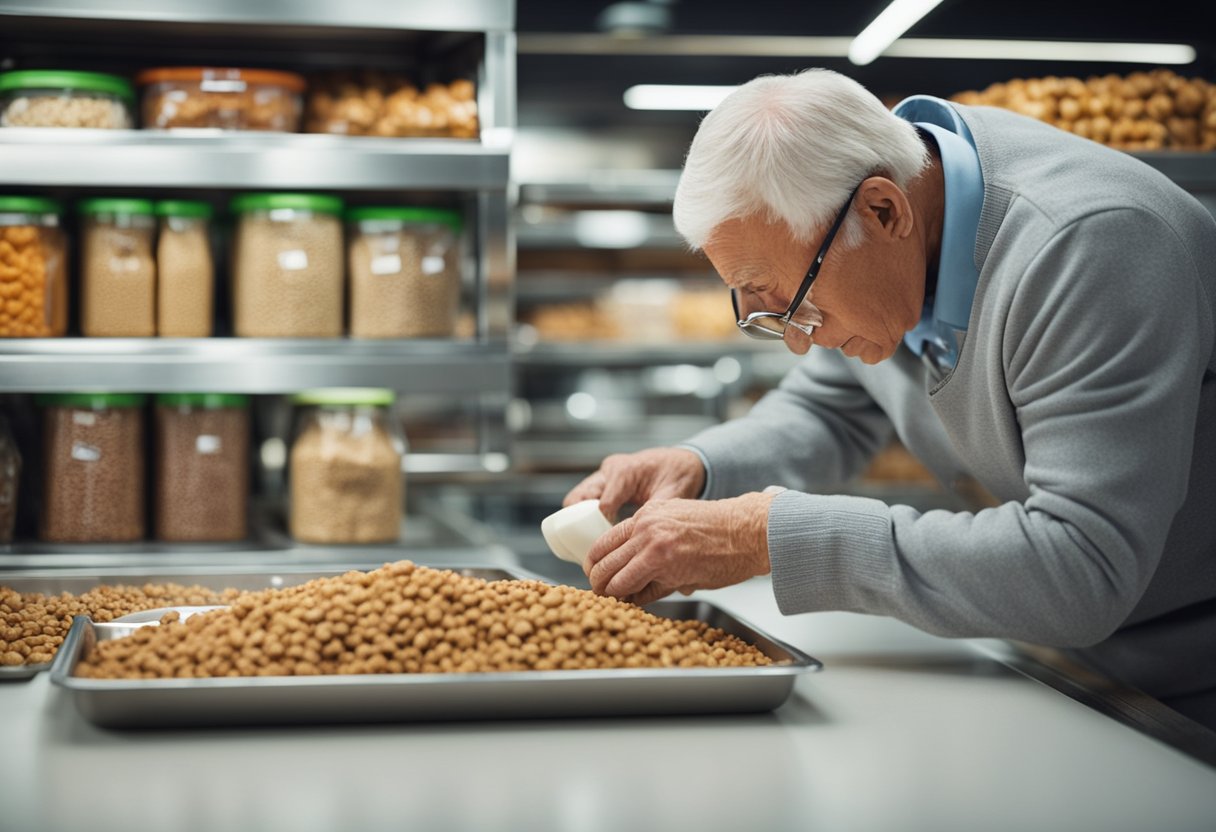
When choosing senior dog food for weight loss, the quality of ingredients is paramount. Nutrient-dense and high-quality ingredients support a healthy weight and overall well-being.
Evaluating Protein Sources
Animal protein should be at the heart of senior dog food, as it is crucial for maintaining lean muscle mass. The ingredient list should feature real meat, such as chicken or fish, as one of the first items. High-quality protein is more digestible and provides essential amino acids. Look for clear references to named animal proteins like:
- Chicken
- Beef
- Lamb
- Fish
Grain-free options might replace traditional grains with ingredients like peas, potatoes, chickpeas, sweet potato, and lentils. While these can be good sources of protein, it’s important to verify they are not used excessively as fillers which can lead to dietary imbalances.
The Role of Fiber and Grains
Fiber plays a critical role in weight management by enhancing satiety and aiding digestion. Sources of fiber in senior dog food can include whole grains, which contrary to grain-free trends, can offer nutritional benefits unless the dog has a specific grain allergy. Acceptable grains include:
| Acceptable Grains | Benefits |
|---|---|
| Brown rice | High in fiber, supports digestion |
| Barley | Slow-release energy, maintains fullness |
| Oats | High in fiber, good for heart health |
For dogs without grain sensitivities, these ingredients can contribute positively to their diet. Overall, a balanced amount of fiber from grains or non-grain sources is key in promoting a healthy weight.
The Best Senior Dog Food Options
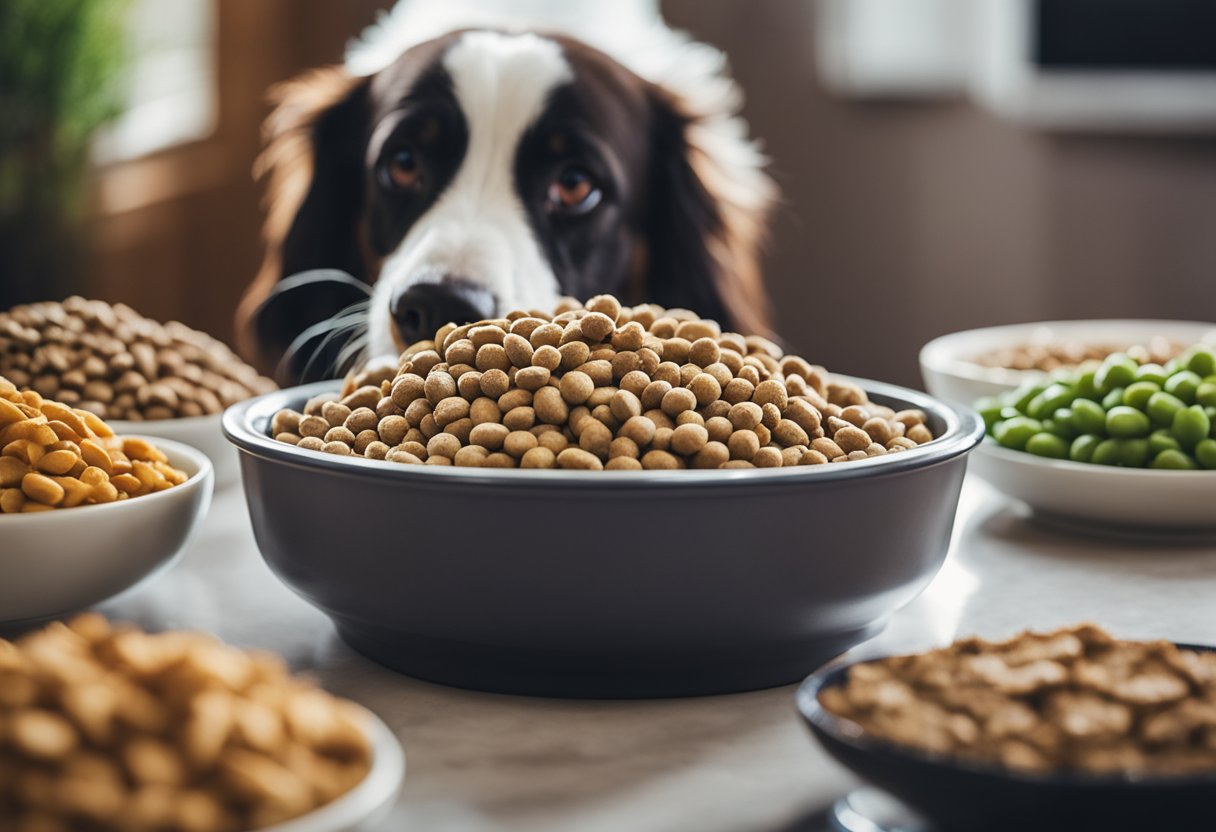
Choosing the best senior dog food for weight loss involves selecting formulas that support a healthy, reduced-calorie diet enriched with appropriate nutrients to maintain vitality in older dogs. Dry and wet food options are available, and certain brands stand out for their quality and nutritional value.
Recommended Dry Food Brands
Purina Pro Plan offers a wide range of senior dog food options specifically tailored for weight management. Their formulas often include high-quality proteins and essential vitamins to maintain muscle mass and overall health.
- Blue Buffalo Life Protection Formula features life source bits enriched with antioxidants and is customized for senior dogs’ needs, focusing on a balanced diet.
- Iams Proactive Health Senior has a blend enriched with nutrients and fibers to help older dogs maintain a healthy metabolism.
- Wellness Core Senior emphasizes grain-free recipes and higher protein content to promote lean body mass and muscle tone.
Victor Senior Healthy Weight is recognized for its scientifically advanced formulas, making it a suitable pick for weight-conscious senior dogs. It prioritizes digestion and joint health.
Top Picks for Wet Food
Wet food can be higher in protein and moisture, which is beneficial for senior dogs. When considering wet food, look for brands that prioritize natural ingredients and reduced calorie content.
- Merrick Senior provides grain-free wet dog food options rich in omega-3 and omega-6 fatty acids, supporting skin and coat health.
- Natural Balance L.I.D. (Limited Ingredient Diets) is designed for senior dogs with sensitivities and focuses on simple protein and carbohydrate sources.
Orijen offers biologically appropriate wet foods that are rich in meats and protein, serving older dogs’ needs for a low-glycemic and calorie-controlled diet.
Weight Management for Senior Dogs

Weight management in senior dogs hinges on a careful balance of calorie intake with the right levels of exercise. Making nutritional adjustments is key for older dogs to maintain a healthy weight.
Balancing Calories and Exercise
Senior dogs often require fewer calories per day than their younger counterparts due to their decreased activity levels. Regular, gentle exercise is crucial to help older dogs burn calories and preserve muscle mass. It’s important for pet owners to know their dog’s body condition score, a veterinary-assessed value that determines if a pet is underweight, at a healthy weight, or overweight. Integrating a consistent exercise routine tailored to a senior dog’s mobility can aid in achieving weight loss while maintaining a healthy lifestyle.
Dietary Adjustments for Weight Loss
For senior dogs that need to lose weight, a diet with below-average calories and adjusted macronutrient profiles can be effective. The ideal dog food formula should include:
- Above-average protein: To support muscle health while encouraging fat loss.
- Below-average fat: To reduce unnecessary calorie intake.
When choosing a senior dog food for weight loss, consider foods specifically formulated for senior dogs:
- Detailed calories per cup information to monitor and adjust portions easily.
- Adjust feeding amounts to align with the dog’s weight management goals.
- Opt for dog foods that explicitly cater to weight management in senior canines, ensuring they are formulated to meet their nutritional needs while helping them achieve a healthy weight.
Maintaining a healthy weight in senior dogs is essential to prevent issues associated with obesity and to promote overall well-being.
Supplemental Nutrition and Special Diets

When seeking the best senior dog food for weight loss, it’s important to consider supplemental nutrition that can target joint health and address special dietary needs. Appropriate supplements may enhance the efficacy of a diet, while custom feeds can cater to individual health requirements, ensuring optimal care and support for a senior dog’s well-being.
Joint Health Supplements
Joint health is a common concern in older dogs, and certain supplements can provide significant relief. Glucosamine and chondroitin are widely recognized for their potential to maintain healthy joint function and mitigate the effects of arthritis. They work by helping to rebuild cartilage and restore the dog’s joint fluid, reducing inflammation and discomfort. It’s advisable to select senior dog foods that are enriched with these supplements.
Another valuable addition to a senior dog’s diet is EPA (eicosapentaenoic acid), an omega-3 fatty acid known for its anti-inflammatory properties. Including omega-3 fatty acids or salmon oil in a senior dog’s diet can offer joint support, benefiting dogs with arthritis or mobility issues.
| Key Supplements for Joint Health | Benefits |
|---|---|
| Glucosamine | Cartilage repair |
| Chondroitin | Enhances joint fluid |
| EPA (Omega-3 Fatty Acids) | Anti-inflammatory effects |
Customizing Feeds for Special Needs
Senior dogs may require diets tailored to their specific health challenges, such as overweight and kidney problems. L-carnitine plays a critical role in the metabolism of fats and can be an important dietary addition for weight management. Its presence in senior dog food helps in the efficient burning of calories, thus supporting weight loss in overweight dogs.
For dogs with kidney issues, a diet low in phosphorus is often recommended to help manage the disease’s progression. Choosing senior dog foods that cater to these special requirements can be essential in managing health conditions and improving the quality of life for older dogs.
- Special diet considerations:
- Incorporate L-carnitine for weight management
- Limit phosphorus for dogs with kidney problems
In supporting the health of seniors dogs, select a diet that provides these targeted supplemental benefits, and consider customizing your dog’s food based on their unique health needs.
Understanding Dog Food Labels
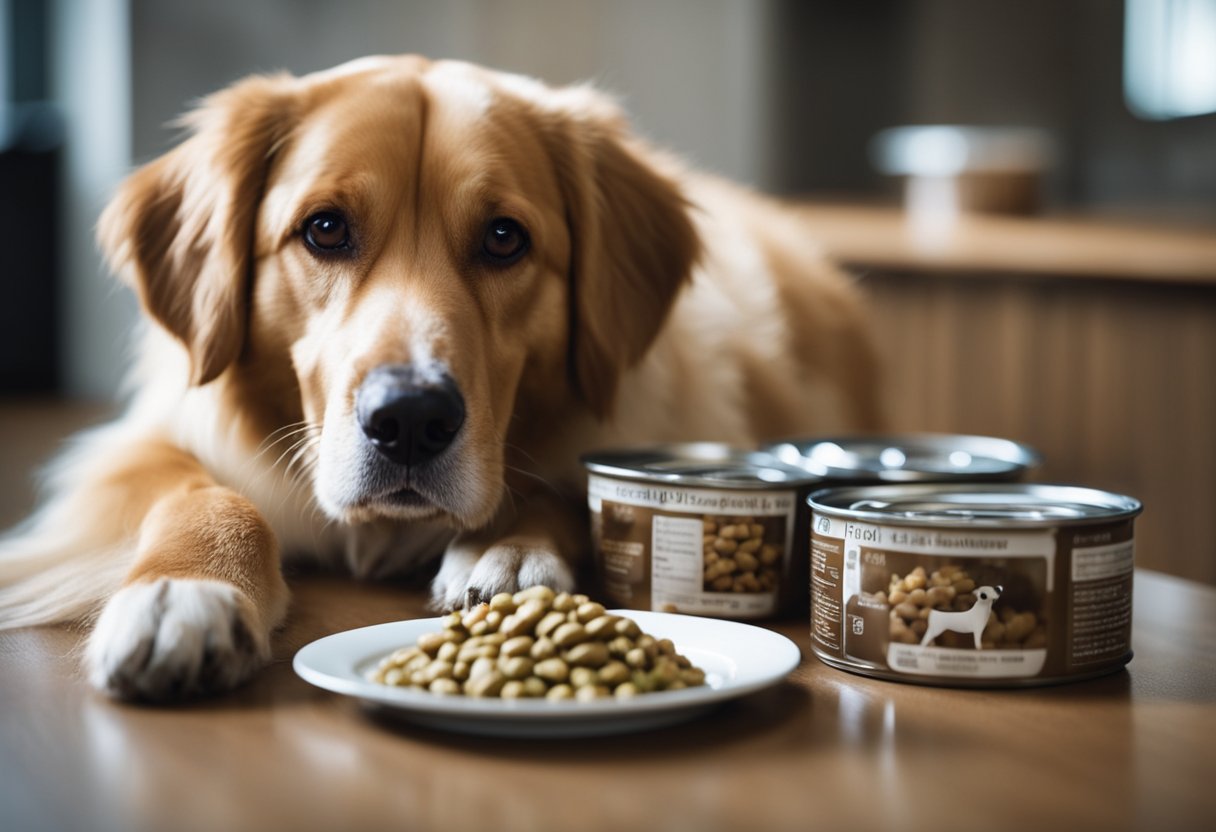
When selecting dog food for senior dogs, especially those that need weight management, understanding food labels is crucial. Attention to the ingredient list and compliance with standards set by authoritative bodies such as the AAFCO can guide owners toward making informed decisions.
Deciphering the Ingredient List
Dog food labels list ingredients in descending order of weight. For weight loss and maintenance in senior dogs, owners should look for a diet with above-average protein content to support muscle maintenance. Protein sources should be named (e.g., “chicken” or “beef”), signaling higher quality. Conversely, vague terms like “meat by-products” might indicate lesser quality.
Key ingredients to look for:
- Identified meat sources (e.g., chicken, beef)
- Whole grains, vegetables, and fruits
- High-quality fats (e.g., flaxseed oil, fish oil)
Identifying AAFCO Guidelines
The Association of American Feed Control Officials (AAFCO) provides nutritional standards that are essential for pet foods. Products meeting AAFCO standards have undergone feeding trials or nutrient profile testing. Labels should indicate if the food meets AAFCO’s guidelines for a “complete and balanced” diet, which would be particularly vital for senior dogs’ metabolic requirements.
Items to check for AAFCO guidelines:
- Complete and Balanced: Indication of a nutritionally adequate diet for the dog’s life stage.
- Feeding Trials: Evidence of testing the food on animals to ensure health benefits.
- Nutrient Profiles: Confirmation that the food matches dietary levels established by AAFCO.
When choosing food for senior dogs that need to manage their weight, the presence of the AAFCO statement on the label can be a reliable indicator that the food will meet the nutritional needs without contributing to weight gain.
Health Considerations in Senior Dogs
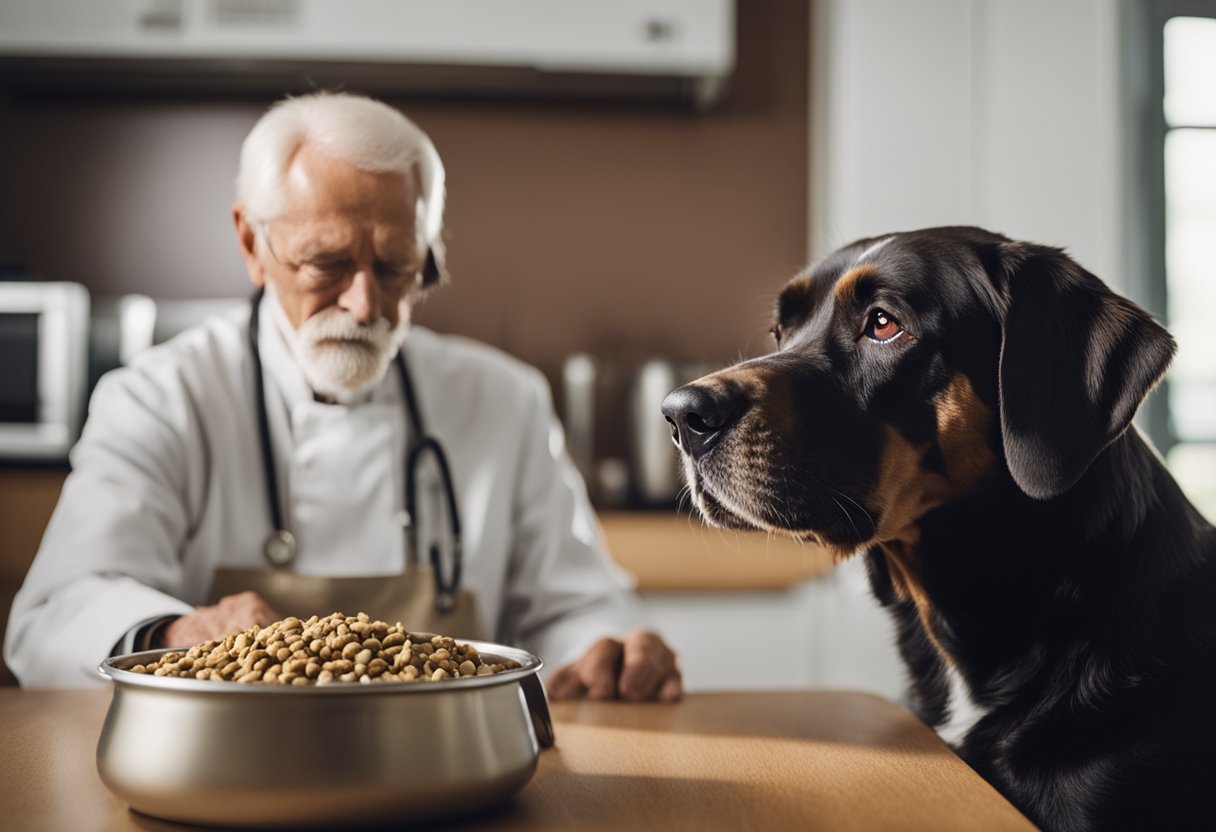
As dogs age, their nutritional needs change, and they become more susceptible to certain health conditions. Addressing these through diet can be pivotal for maintaining their overall health and quality of life.
Addressing Obesity and Mobility Issues
Senior dogs commonly face obesity, which exacerbates joint issues and can lead to arthritis. A diet that is lower in calories but still rich in essential nutrients is crucial to manage their weight. Healthy joints are supported by ingredients like glucosamine and chondroitin, often recommended by veterinarians, to promote mobility and reduce discomfort associated with joint problems.
Preventing Common Age-Related Illnesses
Older dogs’ immune systems often weaken, making them prone to various age-related illnesses. Diets fortified with antioxidants can bolster the immune system. Furthermore, to combat risks of dental issues, kidney problems, and diseases like dilated cardiomyopathy, senior dog foods should provide a balanced blend of vitamins and minerals. Specific attention to the phosphorus levels can help in maintaining healthy kidney function, while omega-3 fatty acids support heart health.
Optimizing Hydration and Palatability
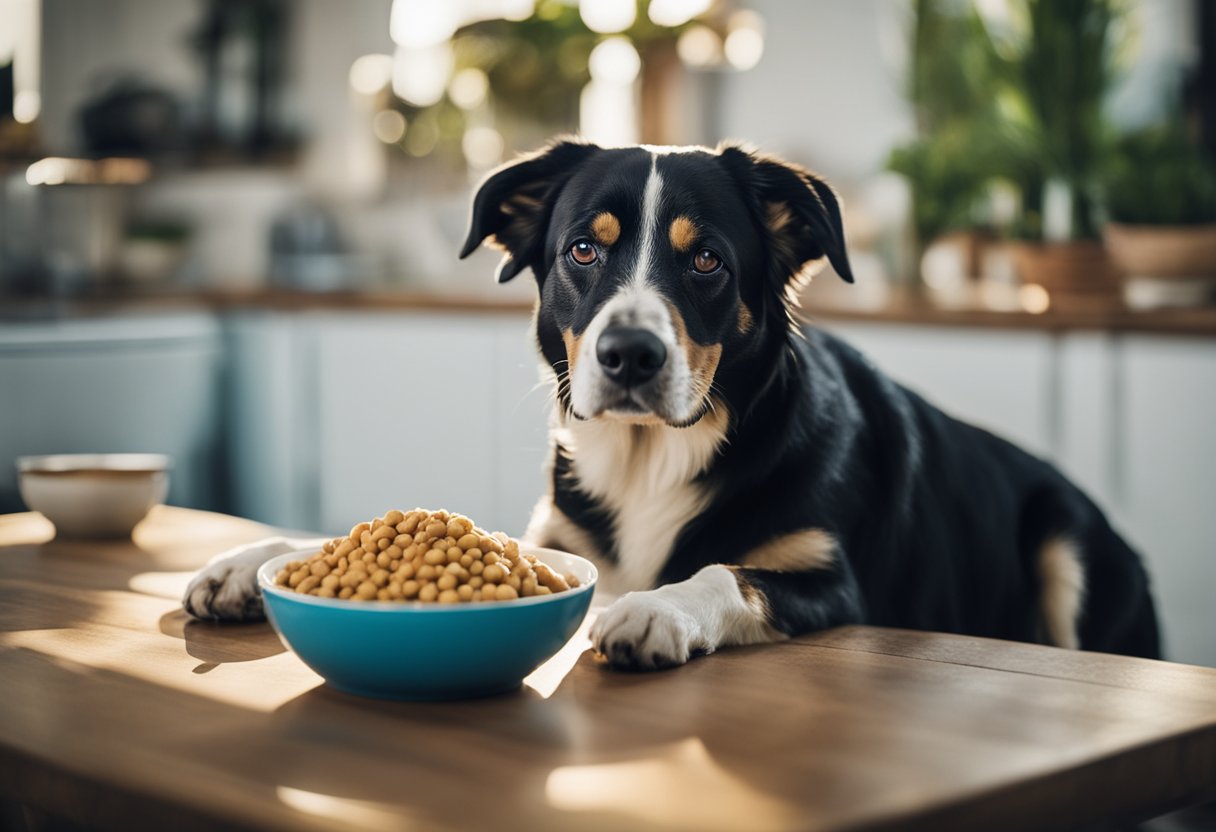
When formulating a diet for senior dogs with weight loss in mind, the choice between dry and wet foods and the methods of enhancing flavor and texture are key to ensuring the food is both hydrating and appealing to the dog’s senses.
Choosing Between Dry and Wet Foods
Dry food, typically referred to as kibble, is a convenient and widely used dog food type. For weight loss, dry kibble can be specifically designed to have lower calorie content while still providing the necessary nutrients. It often includes ingredients like deboned turkey, turkey meal, or chicken fat to maintain lean muscle mass without adding excessive weight. However, since senior dogs may require more water intake, incorporating wet food or adding water to dry food can significantly improve hydration. Wet food inherently contains more moisture which is beneficial for dogs that don’t drink enough water on their own.
Enhancing Flavor and Texture
To maintain or improve palatability while ensuring a diet appropriate for weight loss, the flavor and texture of the food are crucial. Additional flavor can be introduced by including savory ingredients like salmon meal, which is also a good source of omega-3 fatty acids beneficial for joint health. Enhancing the food’s texture can motivate senior dogs to eat, especially if they have dental issues or decreased sense of smell. Mixing wet and dry food can provide a diverse texture experience, and incorporating soft, succulent pieces of meat can increase the appeal of the meal to a dog’s palate.
Transitioning to a Senior Dog Diet
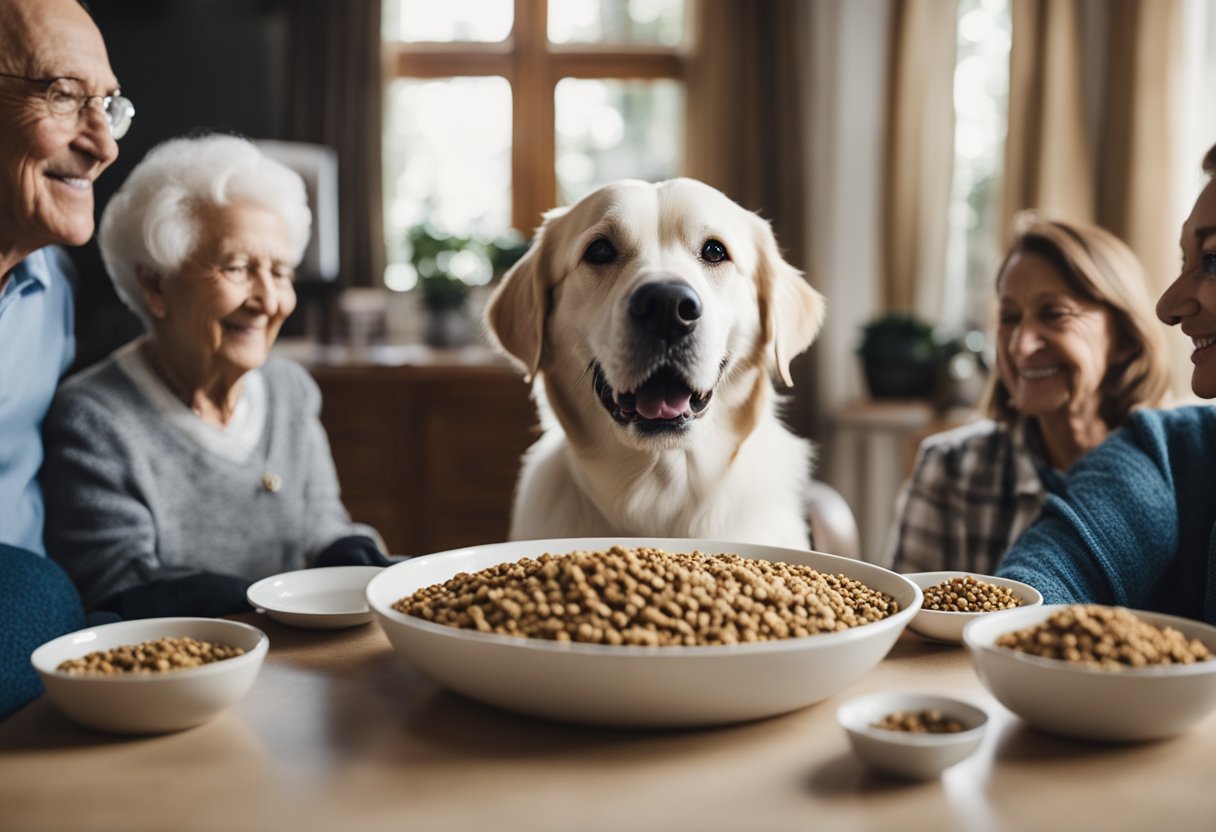
Senior dogs have different nutritional needs than their younger counterparts due to changes in metabolism and activity levels. Transitioning to a senior dog food tailored for weight loss is crucial for maintaining health and preventing obesity-related issues.
When to Switch to Senior Dog Food
The right time for a dog to switch to senior dog food varies, but it typically coincides with a noticeable decrease in activity and the onset of age-related changes. Senior dog food is specifically formulated to support the aging canine’s health, often with fewer calories to maintain a healthy weight and added nutrients to support the immune system health. Foods labeled for “all life stages” can be deceptive; they often cater to the most nutritionally needy, like puppies, rather than providing for the adult maintenance requirements of senior dogs. A dog is generally considered senior at around 7 years of age, but this can vary by breed and size.
How to Gradually Introduce New Food
A dog’s appetite and digestive system can be sensitive to abrupt changes. To transition to a new food:
- Day 1-3: Mix 25% of the new senior food with 75% of the current food.
- Day 4-6: Increase to a 50/50 blend of new and current food.
- Day 7-9: Mix 75% of the new senior food with 25% of the current food.
- Day 10-14: Completely switch to the new senior dog food.
This gradual transition helps prevent digestive upsets and allows the dog to adjust to the new taste and texture. Monitoring the dog’s response to the new diet through these stages is important; some may need a slower transition if they show signs of gastrointestinal discomfort or disinterest in the new food.
Innovative Feeding Methods
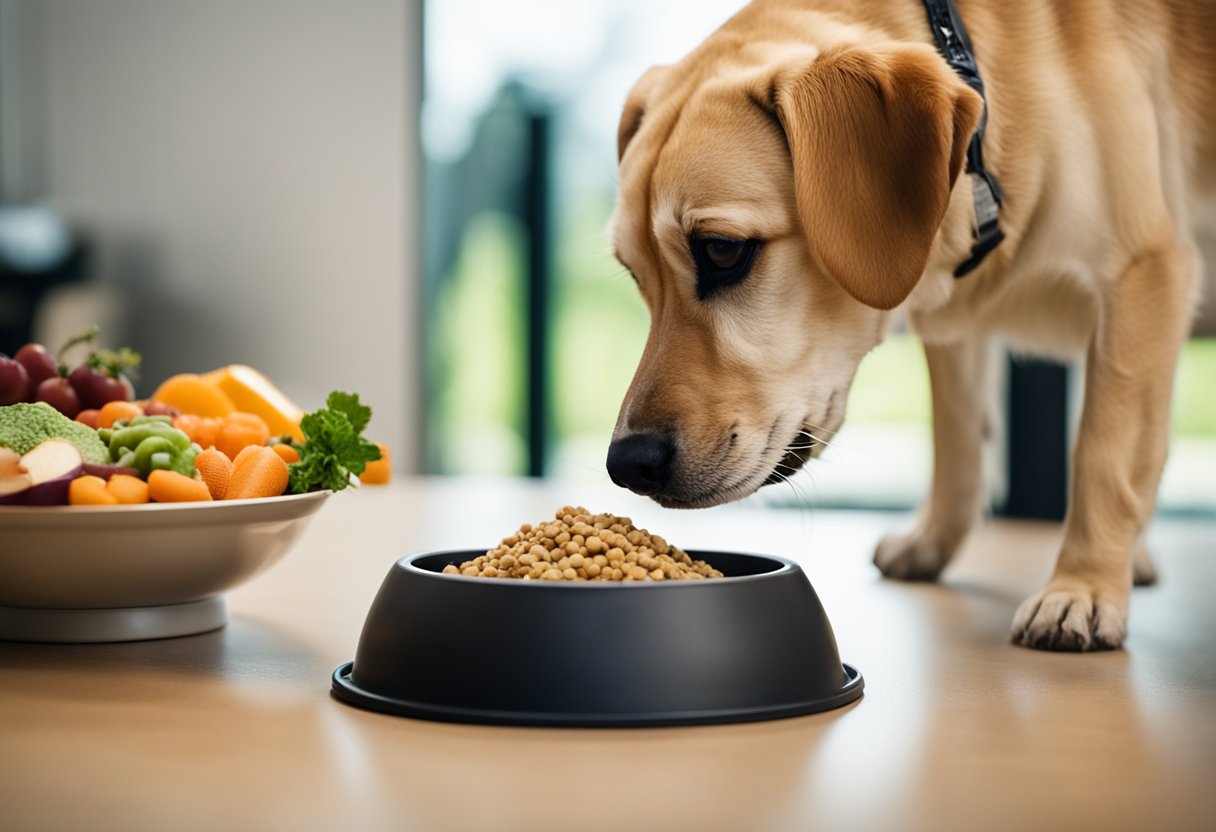
When considering weight loss for senior dogs, it’s important to focus on feeding methods that prioritize high-quality ingredients and appropriate calorie content.
Exploring Fresh Dog Food Options
Fresh dog food offerings have surged in popularity due to their use of whole, natural ingredients. Brands like The Farmer’s Dog and Nom Nom deliver pre-portioned meals tailored to a dog’s specific dietary needs. Senior dogs may benefit from these services, as they often provide:
- Healthy proteins: Essential for maintaining muscle mass during weight loss.
- Controlled calorie counts: Important for a balanced diet that promotes gradual weight loss without sacrificing nutrition.
| Fresh Food Brand | Protein Source | Calorie Content |
|---|---|---|
| The Farmer’s Dog | Beef, chicken, turkey | Customized |
| Nom Nom | Beef, chicken | Customized |
By serving fresh dog food, owners can ensure their senior dogs are not only enjoying their meals but also consuming food that’s conducive to weight management.
Benefits of Homemade Dog Diets
A home-prepared diet offers control over every ingredient a senior dog consumes. For weight loss, a diet rich in healthy protein and low in fat can be designed at home. Ingredients are selected based on:
- Palatability: Ensuring the food is appealing to the dog to maintain appetite.
- Nutrition: Creating a balanced diet to support health and gradual weight loss.
Owners may choose to consult a veterinarian or a canine nutritionist to tailor a diet that is best for their dog’s specific needs. Homemade diets can be adjusted easily, allowing for flexibility and individualization that is particularly beneficial for weight loss in senior dogs.
Frequently Asked Questions
When selecting a senior dog food for weight loss, owners should consider the specific nutritional needs of older dogs. Below are some comprehensive responses to common inquiries regarding senior dog food and weight management.
What ingredients should I look for in senior dog food to promote weight loss?
Senior dog food that promotes weight loss typically includes high-quality proteins, fiber, and complex carbohydrates while being low in fat. Ingredients like lean chicken, turkey, or fish provide essential proteins. Fiber-rich vegetables and whole grains such as sweet potatoes and brown rice aid in digestion and help the dog feel full.
How can I adjust my senior dog’s diet if they have dental issues but need to lose weight?
For senior dogs with dental issues, softer foods can ease chewing and digestion. It’s important to choose a diet that is still low in calories and high in nutrients. Wet foods or rehydrated freeze-dried foods are good options that can be gentler on the teeth while aiding weight management.
Which forms of dog food are more effective for weight management in aging dogs?
Both dry and wet dog foods can be effective for weight management. However, wet food often has fewer calories per gram compared to dry food, which can be beneficial for weight loss. Additionally, the higher moisture content can help keep older dogs hydrated.
Are there any specific weight management diets recommended for small breed senior dogs?
Small breed senior dogs may require diets with tailored calorie contents and smaller kibble sizes. Foods that are specifically formulated for small breeds usually have balanced nutrients to support joint health and lean muscle mass, which are crucial for weight management in small, older dogs.
What homemade meal options can aid in weight loss for senior dogs?
Homemade meals for senior dogs focusing on weight loss should include lean meats, fibrous vegetables, and low-calorie grains or legumes. It’s essential to avoid high-fat meats and excessive oils to maintain a low-calorie intake. Consulting a veterinarian for a homemade diet plan is recommended to ensure all nutritional needs are met.
At what age should I consider switching my dog to a senior diet to help with weight management?
The age at which a dog is considered a senior can vary based on size and breed, but a general benchmark is around 7 years old. Dogs may start to experience a slower metabolism at this stage, so transitioning to a senior diet can help in maintaining a healthy weight. A veterinarian can provide the best advice regarding the timing for switching to a senior diet.