
Senior dogs have different dietary needs compared to their younger counterparts. As dogs age, their metabolism slows down, and they may become less active, necessitating adjustments in their diet to maintain health and manage weight. Senior dog foods are formulated to support these changes; they often contain higher-quality protein, are easier to digest, and have different balances of nutrients to support joint health, cognitive function, and immune response.

Choosing the best dog food for a senior dog involves understanding these nutritional needs and recognizing the best ingredients that cater to them. It’s also essential to consider any health issues your dog may have and select a food tailored to manage those conditions. Brands specializing in senior dog food offer various products to meet the diverse needs of aging dogs, including various types of meat, fish, and vegetarian-based options, as well as wet and dry food choices. Consultation with a veterinarian is crucial to ensure the chosen diet adheres to the Association of American Feed Control Officials (AAFCO) standards for a balanced diet.
Key Takeaways
- Senior dog food is tailored to the unique nutritional needs of aging dogs.
- A balanced senior diet supports joint, cognitive, and immune system health.
- Consultation with a veterinarian is key to ensuring dietary choices meet senior dog health requirements and industry standards.
Understanding Senior Dog Nutritional Needs
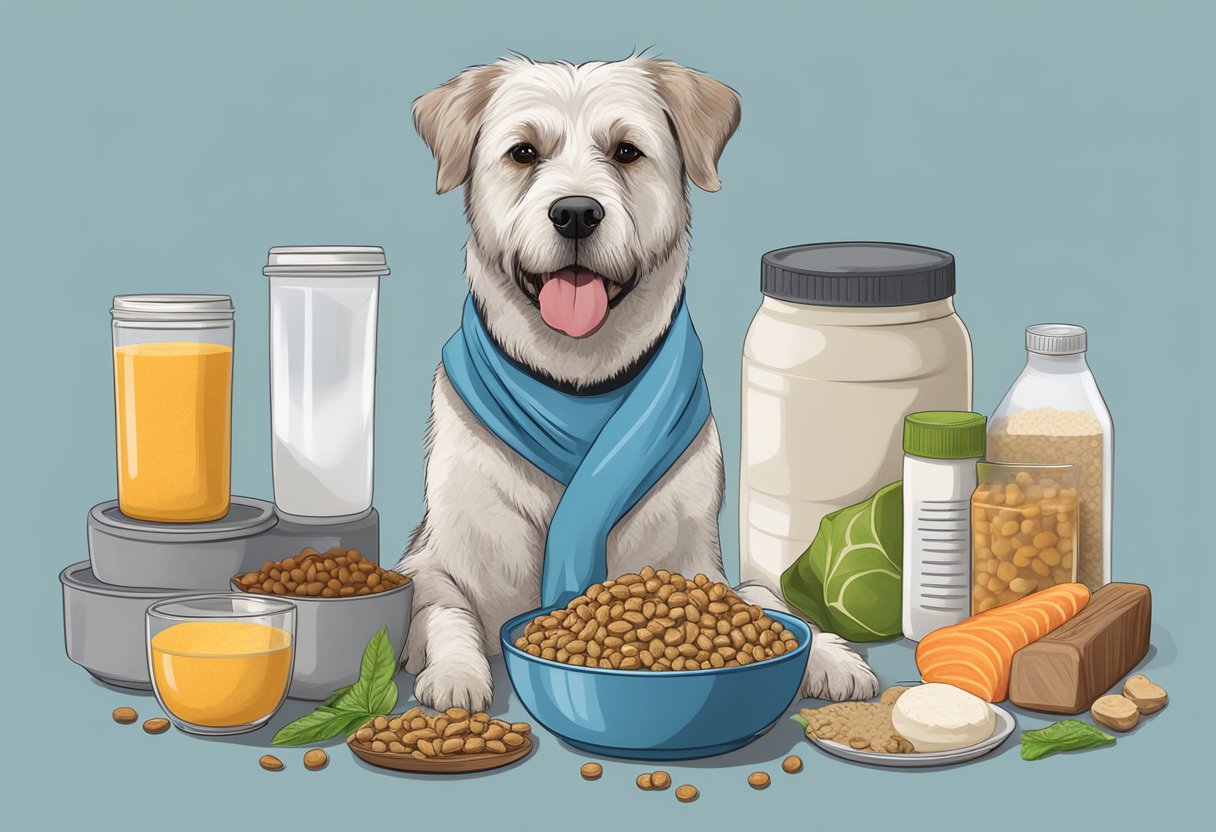
Maintaining a balanced diet is crucial for senior dogs, as their nutritional needs adjust with age. These dogs require diets tailored to support lean muscle mass, regulate energy levels, and promote digestive health.
Protein and Muscle Mass in Older Dogs
Senior dogs often experience a reduction in lean body mass, making adequate protein intake essential. Proteins should constitute 28 to 32 percent on a dry-matter basis in their diet to help sustain muscle mass and repair body tissues. High-quality proteins that are easily digestible can aid in maintaining an ideal body condition score for aging dogs.
The Role of Fat and Calories for Energy
While fat is a vital energy source, senior dogs may require fewer calories than their younger counterparts due to decreased activity levels. Fat content in their diet should be carefully balanced to prevent obesity, yet sufficient to provide energy and support absorption of fat-soluble vitamins. Omega-3 fatty acids, particularly EPA (eicosapentaenoic acid) and DHA (docosahexaenoic acid), are beneficial for cognitive function and joint health.
Importance of Fiber for Digestive Health
Fiber plays a significant role in the digestive health of senior dogs. A diet rich in fiber can enhance bowel regularity and contribute to a feeling of fullness, which can be helpful for weight management. It should be noted, however, that excessive fiber can interfere with the absorption of other nutrients, so the fiber content must be carefully calibrated to the needs of the senior dog.
Key Ingredients in Senior Dog Food
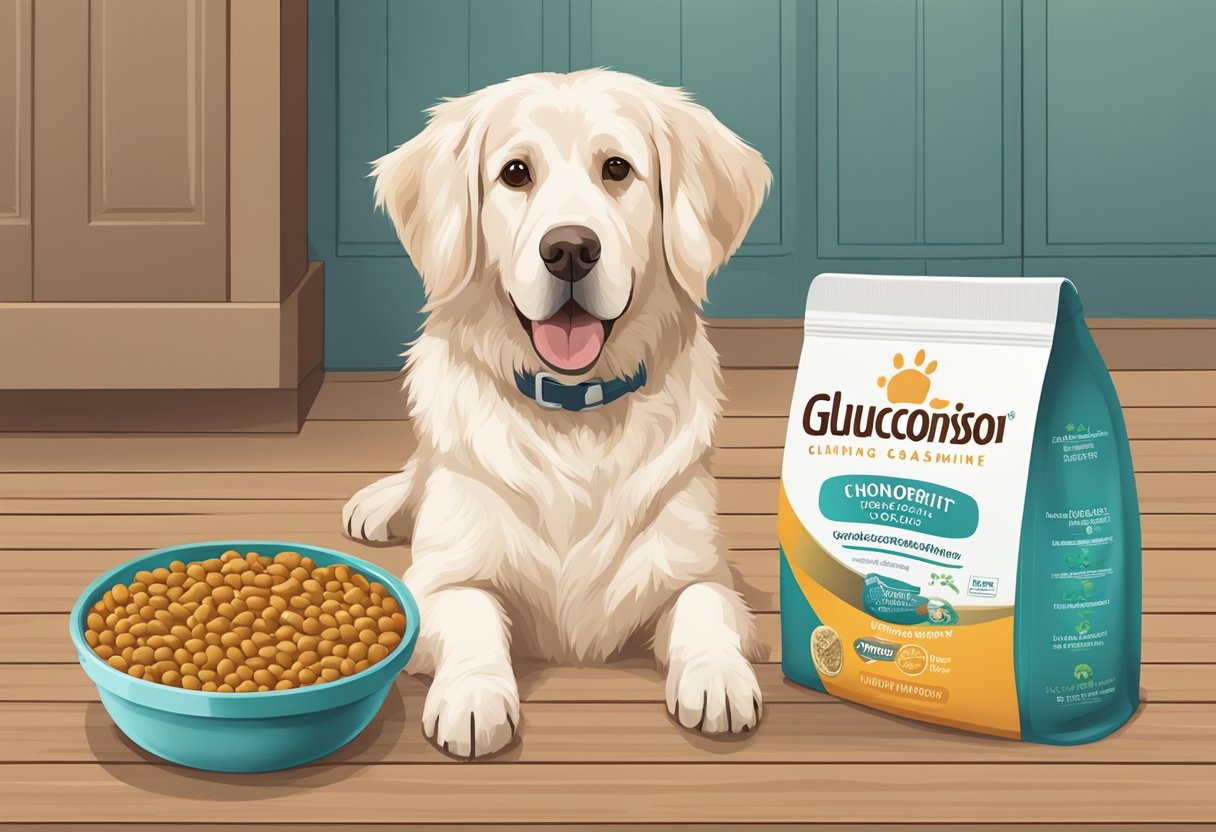
As dogs age, their dietary needs change, necessitating specific nutrients that must be present in their food for optimal health. Here are the key ingredients to look for in senior dog food.
High-Quality Protein Sources
Senior dogs benefit significantly from high-quality protein sources such as chicken, beef, or turkey. These animal proteins provide essential amino acids that are crucial for maintaining muscle mass and overall health. While some senior dog foods may reduce protein content, it’s important to maintain adequate levels of high-quality protein to support an aging dog’s bodily functions.
- Chicken: Offers high digestibility and essential amino acids.
- Beef: Rich in proteins and nutrients while providing palatability.
- Turkey: A lean source of protein that assists in weight management.
Essential Fatty Acids for Joint and Coat Health
Fatty acids, particularly omega-3 and omega-6, play a pivotal role in maintaining joint and coat health. Omega-3 fatty acids are anti-inflammatory and support joint health, which is beneficial for dogs with arthritis. Omega-6 fatty acids contribute to a healthy skin and coat.
- Omega-3 Sources: Fish oil and flaxseeds.
- Omega-6 Sources: Poultry fat and plant oils.
Balancing Carbohydrates and Grains
Carbohydrates are a source of energy, and in senior dogs, it’s important to balance their source and quantity to avoid unwanted weight gain. Foods may contain grains like rice or oats or be grain-free, incorporating carbohydrates from sources like sweet potatoes and peas. While grains can be easily digestible, some owners opt for grain-free options due to their dog’s sensitivities.
- Grains: Include rice and oats for energy and fiber.
- Grain-Free: Often includes sweet potatoes and peas as alternatives.
The Best Dog Food Brands for Seniors

When selecting food for senior dogs, it’s imperative to choose brands that cater to the unique needs of older canines. Brands like Ollie and The Farmer’s Dog have received positive attention for their focus on fresh, whole-food ingredients that are well-suited for dogs in their golden years. These companies often offer customized plans tailored to an individual dog’s dietary needs, based on the guidance of veterinarians.
- Ollie: Offers specially formulated meals that include nutritious proteins and are rich in omega-3 fatty acids, which can aid in maintaining healthy joints for adult dogs.
- The Farmer’s Dog: Known for making meals with fresh, human-grade ingredients, this brand provides personalized meal plans that accommodate all life stages, including the unique requirements of senior dogs.
Veterinarians frequently emphasize the importance of a diet that contains added antioxidants, joint-supporting supplements like glucosamine and chondroitin, and a balance of fibers to support digestive health—a key concern for aging canines.
- Nom Nom: Distinctly tailored nutritional profiles for seniors and support from a dedicated team ensure each dog receives a diet that’s both palatable and nutrient-rich.
In addition to these fresh food services, it’s vital to verify that any senior dog food brand chosen adheres to the guidelines set forth by the Association of American Feed Control Officials (AAFCO). Products certified by AAFCO give pet owners confidence that the food meets the minimum nutritional requirements for the intended life stage.
Here’s a quick reference table for notable senior dog food brands recommended by experts:
| Brand | Noteworthy Features |
|---|---|
| Ollie | Customizable, fresh recipes, omega-3 rich |
| The Farmer’s Dog | Human-grade ingredients, personalized for all life stages |
| Nom Nom | Custom nutrition profiles, veterinary support |
Carefully considering these brand recommendations and their characteristics can greatly contribute to the well-being and happiness of senior dogs.
Special Health Considerations

Senior dogs often face changes in metabolism and weight, which can lead to various health issues. They may need a diet tailored to their specific needs, including joint support and kidney health management.
Managing Weight and Metabolism
As dogs age, their metabolism slows down, necessitating a careful balance between calorie intake and exercise. Weight management is vital, as overweight dogs can suffer from a variety of health problems, and underweight ones may need more calories to maintain their health. Senior diets should take into account the specific needs of large and small breed dogs, with formulations designed to support a healthy metabolism while preventing weight gain in less active seniors.
Joint Support Supplements
Senior dogs often struggle with joint health issues. Including glucosamine and chondroitin in their diet can provide much-needed support. These supplements can help maintain healthy cartilage and reduce inflammation, potentially enhancing joint mobility and comfort.
| Key Joint Supplements | Purpose |
|---|---|
| Glucosamine | Helps maintain cartilage integrity |
| Chondroitin | Aids in reducing joint inflammation |
Kidney Health and Disease Management
As they age, dogs may face an increased risk of kidney disease. A diet that is low in phosphorus and protein, yet high in omega-3 fatty acids, can help manage kidney health issues and support overall well-being. Regular veterinary check-ups can help detect kidney problems early, and a specialized senior diet can assist in managing the disease effectively.
Veterinary Guidance and AAFCO Standards
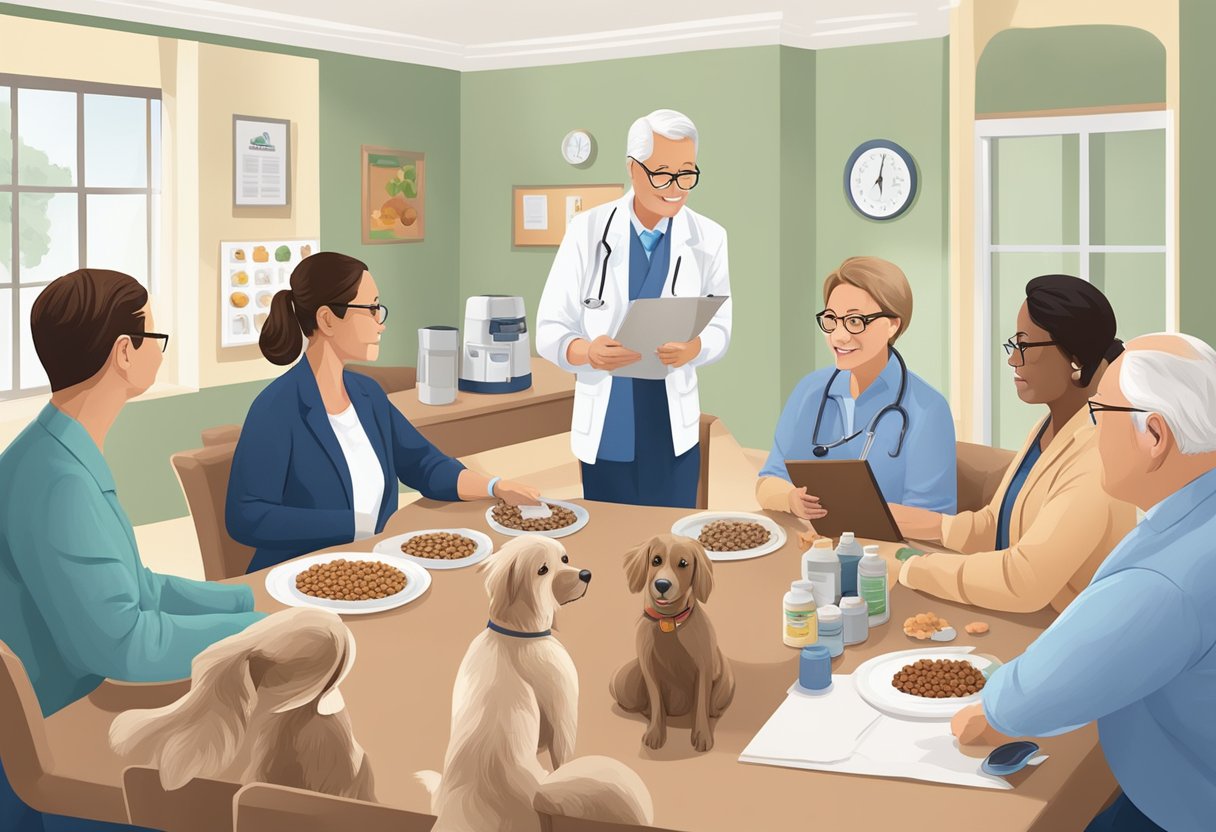
When selecting food for senior dogs, consulting with a veterinarian should be the first step. Veterinarians can provide individualized guidance based on a dog’s specific health needs, considering factors like breed, existing health conditions, and age. They often recommend foods that contain joint-supporting nutrients like glucosamine and chondroitin, especially for breeds prone to arthritis.
The Association of American Feed Control Officials (AAFCO) sets standards for pet foods in the United States, ensuring that they are nutritionally complete and balanced. A key aspect of the AAFCO standards is feeding trials, which test the food’s suitability for the animal by monitoring their response over a period of time. These trials are crucial for senior dogs since they have different nutritional requirements compared to younger adults.
AAFCO approval signifies that the food has either been formulated to meet specific nutritional standards or has passed feeding trials. This is an important consideration for pet owners when selecting a dog food brand. Here is a brief overview of what to look for:
- AAFCO Statement: Indicates the food meets established profiles.
- Feeding Trials: Ensures the food’s performance in real-world situations.
- Nutrient Profile: Reveals if the food is appropriate for a senior dog’s life stage.
The choice of senior dog food should be influenced by these standards, and owners should look for brands that prioritize quality ingredients and tailored nutrition.
| Consideration | Importance |
|---|---|
| AAFCO Approval | Indicates nutritional adequacy |
| Veterinarian Recommendation | Tailored to your dog’s needs and health status |
| Breed-Specific Formulas | Addresses the unique needs of different breeds |
While breed-specific formulas can be beneficial, they are not always necessary if the food meets the overall health requirements of the senior dog. Hence, AAFCO standards coupled with veterinary advice play a vital role in maintaining a senior dog’s health through proper nutrition.
Wet Food Vs. Dry Food: Making the Choice
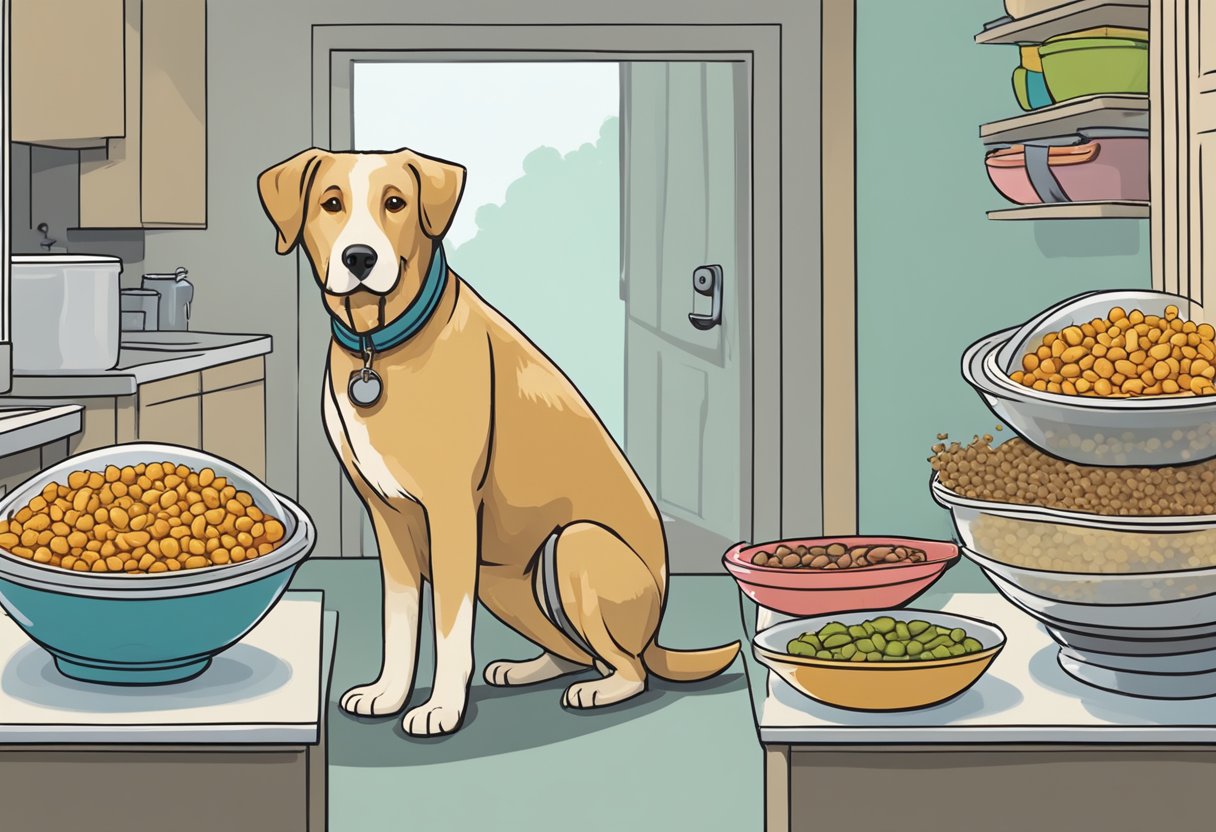
When selecting the best senior dog food, pet owners must consider the unique benefits of wet food and the distinct advantages of dry kibble to cater to their aging canine’s nutritional and health needs.
Benefits of Wet Food
Wet food can be particularly beneficial for senior dogs as it generally offers higher moisture content, essential for maintaining hydration. This is especially crucial for dogs that naturally have a low thirst drive or those with kidney conditions. The texture and aroma of wet food can also be more appealing to dogs with a diminished appetite, encouraging them to eat the nutrients they need.
Advantages of Dry Kibble
On the other hand, dry food or kibble is acknowledged for its convenience and dental benefits. The hard texture of kibble can help reduce plaque buildup, promoting healthier teeth. Moreover, kibble’s low moisture content allows it to have a longer shelf life than wet food and can be more cost-effective for daily feeding. Additionally, properly formulated dry dog foods can provide complete nutrition designed specifically for the needs of senior dogs.
Role of Supplements in a Senior Diet
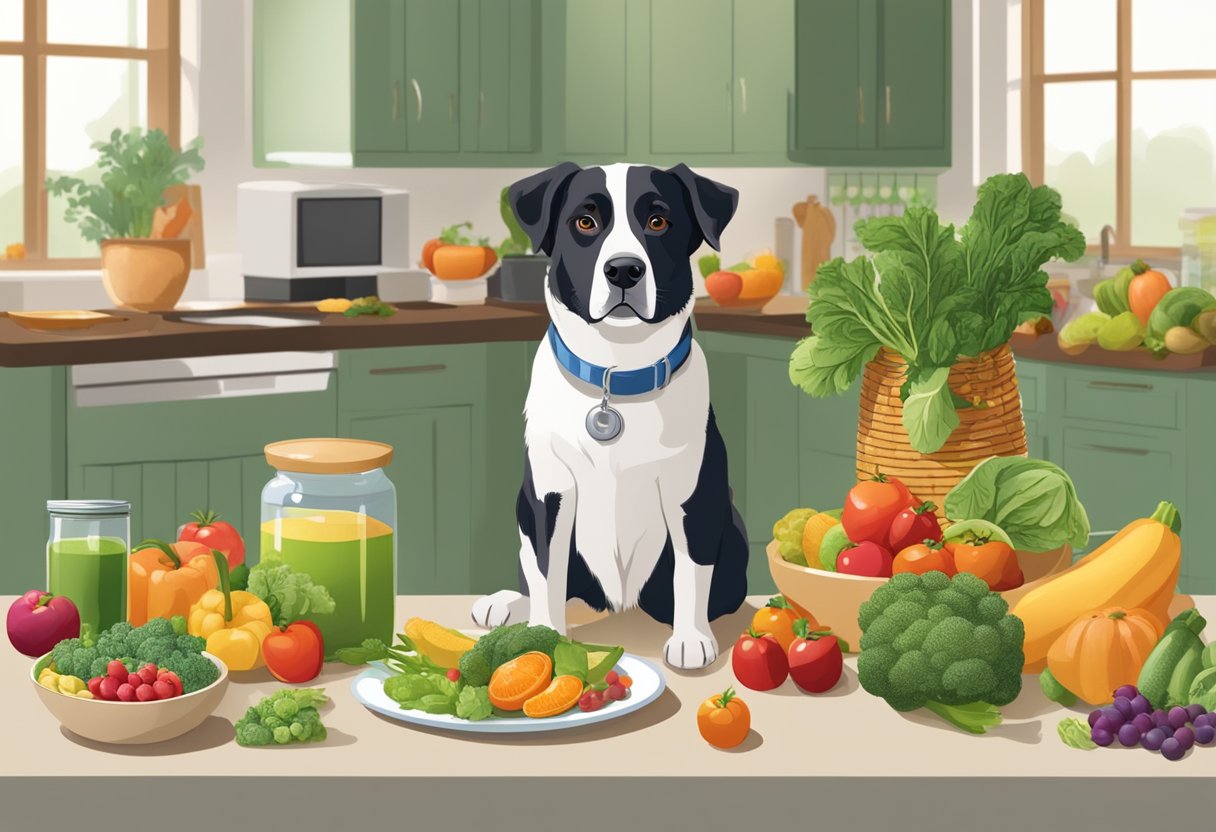
As dogs age, their nutritional needs change, and dietary supplements can play a crucial role in maintaining their health. Supplements tailored for senior dogs often include ingredients like glucosamine and chondroitin, which are known to support joint health. These compounds can aid in alleviating the discomfort associated with arthritis—a common issue in older dogs.
Fish oil is another beneficial supplement, rich in omega-3 fatty acids, which can help reduce inflammation and support cognitive function. This supplement can also promote a healthy coat and skin. Vitamin E and B vitamins are essential vitamins known for their antioxidant properties, which help combat oxidative stress, a contributing factor in aging and degenerative diseases.
Antioxidants, more broadly, play a significant role in a senior dog’s diet by neutralizing free radicals, potentially reducing the impact of aging at the cellular level.
| Supplement | Known Benefits |
|---|---|
| Glucosamine | Supports joint health, aids in arthritis relief |
| Chondroitin | Complements glucosamine in joint care |
| Fish Oil | Promotes skin/coat health, anti-inflammatory |
| Vitamin E | Antioxidant, supports immune function |
| B Vitamins | Aids in energy production, supports nervous system |
A balanced gut is fundamental for optimal health, and that’s where probiotics (beneficial bacteria) and prebiotics (fibers that feed beneficial bacteria) come into play. They work together to maintain a healthy digestive system, which is essential for nutrient absorption and a strong immune system in senior dogs. Incorporating these into a senior dog’s diet can support their overall well-being and help them maintain an active lifestyle well into their golden years.
Feeding Your Senior Dog
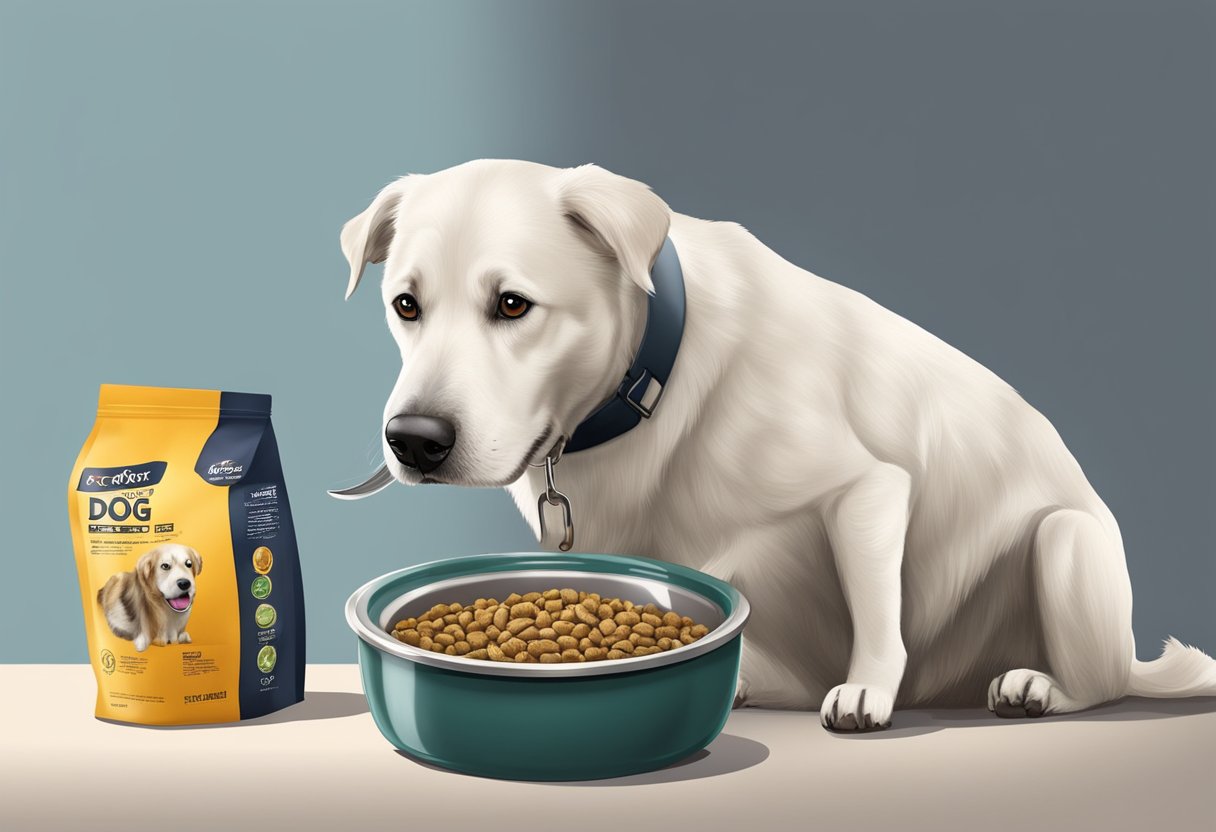
As dogs age, their dietary needs evolve, necessitating adjustments in portion control, meal frequency, and the type of food they consume. Owners should opt for specially formulated foods and be mindful of their senior dog’s maintenance requirements.
Portion Control and Meal Frequency
Portion Size: The number of calories per cup in senior dog food can vary, making it crucial to adjust portions to the dog’s activity level. They may require fewer calories to maintain their weight as their energy level decreases.
- A small breed may only need 1/4 to 1/2 cup per meal.
- A large breed might require 2 to 4 cups per meal.
Meal Frequency: Depending on their health and preferences, senior dogs may benefit from more frequent, smaller meals to support digestion and stabilize energy levels.
- 2 meals per day: for average maintenance.
- Small, frequent meals: for those with specific health issues.
Specially Formulated Foods for Aging Dogs
Senior-Specific Formulas: Foods formulated for aging dogs generally contain:
- Higher-quality protein: To support muscle maintenance without overburdening the kidneys.
- Supplements: Such as glucosamine and chondroitin for joint health, and omega-3 fatty acids for cognitive function.
- Reduced calories: Catered to lower energy requirements while being rich in fiber to aid digestion.
Choosing the Right Food: Look for products that adhere to the standards set by the Association of American Feed Control Officials (AAFCO) and include a balance of the necessary nutrients. For dogs with specific issues, consult a veterinarian to recommend a diet that addresses those health concerns.
Dealing With Common Senior Dog Health Problems
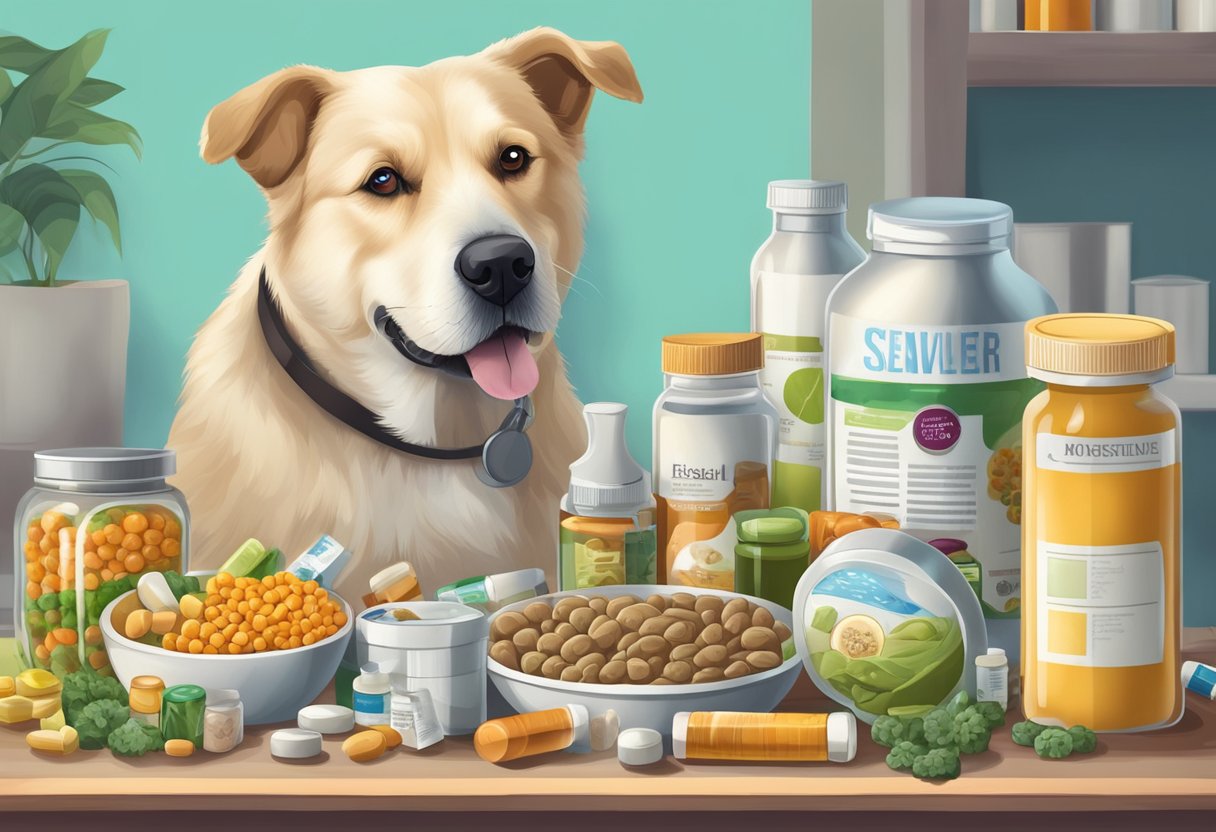
Senior dogs often encounter several health issues as they age, which can impact their diet and nutrition needs. A targeted approach to their food can help manage these conditions effectively.
Arthritis is a common ailment in older dogs. Foods enriched with omega-3 fatty acids aid in reducing inflammation and sustaining joint mobility. Supplements like glucosamine and chondroitin are also beneficial for maintaining healthy joints.
For dental issues, such as missing teeth or dental problems, softer foods or well-cooked grains and proteins can be more manageable for senior dogs to consume. A diet lower in hard-to-chew foods can alleviate discomfort and ensure adequate nutrition.
Heart disease and conditions like dilated cardiomyopathy often require dietary adjustments. Low-sodium foods are essential for managing these heart conditions, reducing the strain on a senior dog’s cardiovascular system.
Sensitive stomachs and nausea are not uncommon in older dogs. Easily digestible ingredients and low-fat content can help soothe their stomachs and promote proper digestion.
Maintaining dental health is critical as well. Regular oral care and appropriate diets can reduce the incidence of dental problems. Chewable treats that promote dental hygiene can also be integrated into their diet to help clean teeth and freshen breath.
| Health Issue | Dietary Consideration |
|---|---|
| Arthritis | Omega-3 fatty acids, glucosamine, chondroitin |
| Dental Issues | Softer food, well-cooked grains and proteins |
| Heart Disease | Low-sodium food |
| Sensitive Stomach | Easily digestible ingredients, low-fat content |
| Dental Health | Chewable treats, regular oral care |
By addressing these conditions with specific dietary measures, one can support their senior dog’s health, keeping them comfortable and well-nourished in their later years.
Understanding Food Labels and Ingredients
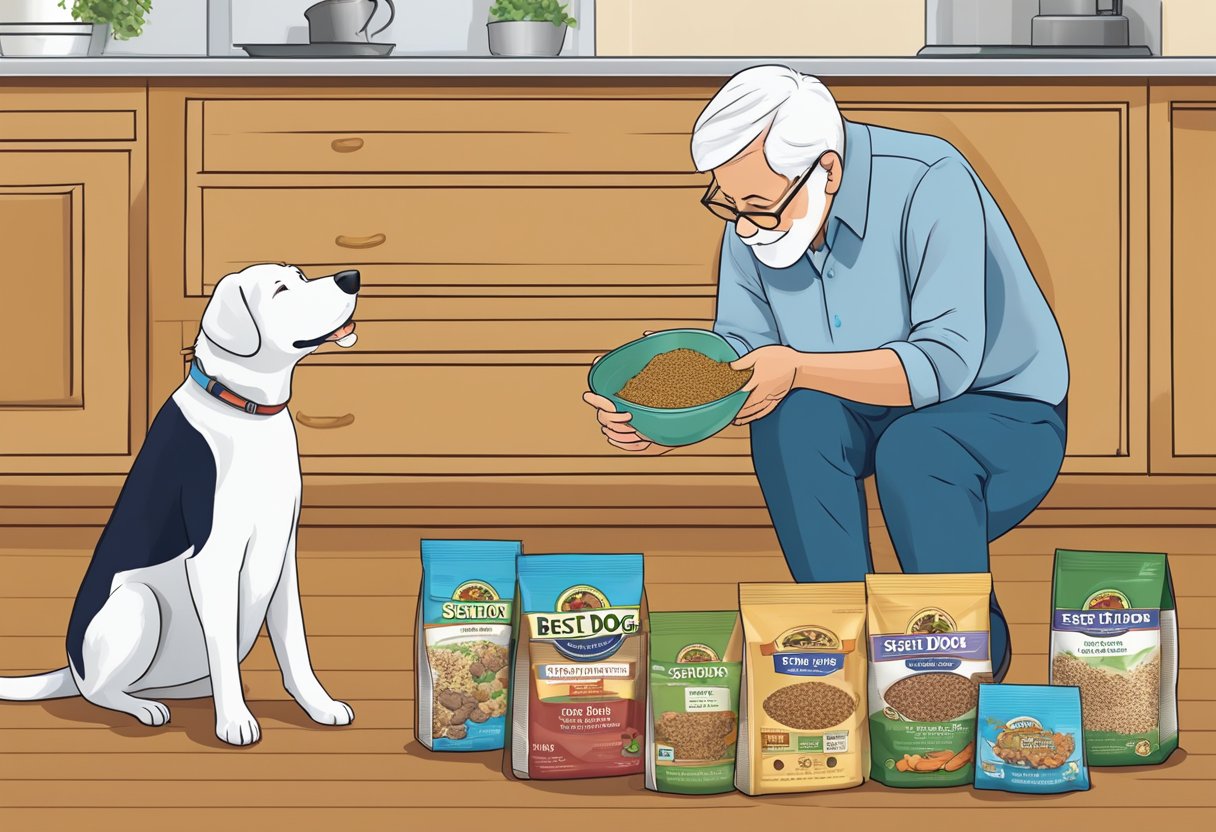
When selecting senior dog food, it is essential to understand the information on food labels. This can help pet owners make informed decisions about the nutrition they are providing for their aging companions. Here is how to decode the label:
- Ingredients: Ingredients are listed by weight, with those making up the highest proportion of the food generally listed first. Senior dogs often benefit from high-quality protein sources, such as farm-raised chicken, which should be among the first ingredients listed. Avoid products where vague terms like “meat meal” are used, as these can originate from any number of animal sources and vary in quality.
- Preservatives: Look for foods with natural preservatives, such as Vitamin E (often listed as mixed-tocopherols), rather than artificial preservatives that can be harmful over time.
- Artificial Flavors: High-quality pet food shouldn’t need artificial flavors. Their absence in the ingredients list is generally a good sign, signaling that the food’s flavor comes from wholesome, tasty ingredients.
- ‘Human-Grade’ Labeling: The term “human-grade ingredients” indicates that the food was manufactured, packed, and held in accordance with federal regulations for human food. However, be aware that this label is more about the production process than it is about nutritional content.
- Plant Protein Sources: Ingredients such as lentils and chickpeas are good sources of plant protein and dietary fiber, but they should not replace animal proteins as the main protein source in your dog’s diet.
- Nutrients: Phosphorus levels should be monitored, especially in senior dogs, which can have kidney issues. Comprehensive senior diets should also contain joint-supporting supplements such as glucosamine and chondroitin.
- Caloric Density: The label should clearly state the “calories per cup” to help manage your dog’s energy intake as their metabolism slows down with age.
- Fresh Food: Some owners opt for fresh, refrigerated dog foods, which can offer whole-food ingredients without the need for preservatives. If choosing fresh food, ensure it meets AAFCO guidelines and is formulated to meet the nutritional needs of senior dogs.
Transitioning to Senior Dog Food
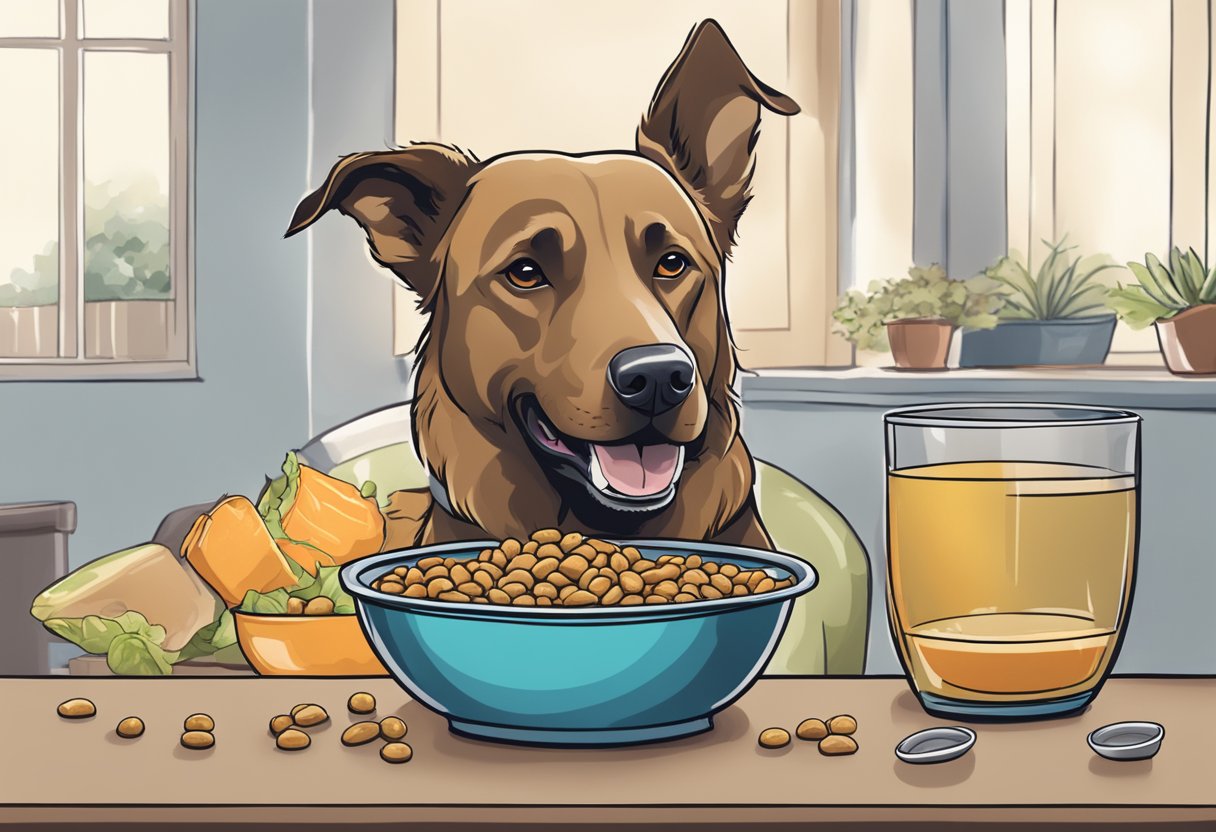
Transitioning an older dog to senior-specific dog food is imperative for adapting to their changing nutritional needs. It usually involves a gradual shift from their current diet to one that better supports their aging bodies, including considerations for maintaining lean muscle mass and satisfying their appetite.
Gradual Change: To minimize digestive issues, pet owners should integrate new food gradually over a week. The recommended transition might look like:
- Day 1: 25% new diet, 75% old diet
- Day 3: 50% new diet, 50% old diet
- Day 5: 75% new diet, 25% old diet
- Day 7: 100% new diet
Nutritional Adjustments: Senior dogs often need a diet with different concentrations of certain nutrients. These adjustments include:
- Lower Fat: To help manage weight and prevent obesity.
- Enhanced Protein: To sustain lean muscle mass, a moderate to high level of quality protein is important.
- Added Supplements: Ingredients like glucosamine and chondroitin support joint health.
- Omega-3 Fatty Acids: For cognitive function and coat health.
- Prebiotic Fiber: Aids in digestive health and regularity.
Appetite Monitoring: Owners should keep a close eye on their dog’s appetite during this period. A decrease in appetite can signal issues with the new diet or health challenges related to aging.
Pet owners are urged to consult with their veterinarian when transitioning their senior dog to a new food to ensure it meets the dog’s specific health requirements. Choosing a diet formulated for seniors that is approved by the Association of American Feed Control Officials (AAFCO) further ensures that the food meets standard nutritional profiles.
Frequently Asked Questions
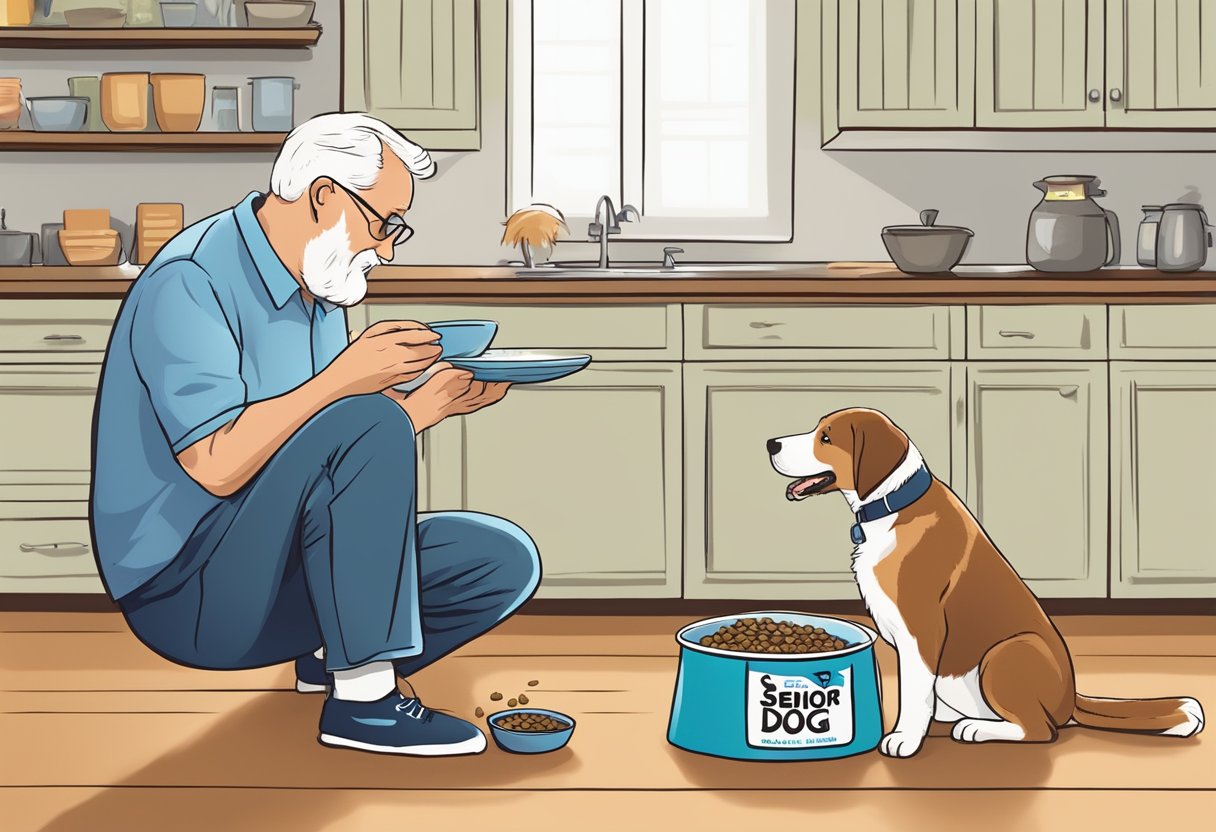
When selecting the best senior dog food, it is crucial to consider the specific needs of aging dogs. The following subsections address common queries regarding their diet.
What factors should be considered when choosing food for weight loss in senior dogs?
When choosing food for weight loss in senior dogs, one should look for diets lower in calories but still rich in essential nutrients. It’s important to maintain muscle mass while losing fat, so foods with high-quality proteins and fiber for satiety are beneficial.
How can diet help manage arthritis symptoms in elderly canines?
Dietary management for dogs with arthritis should include foods with anti-inflammatory properties, such as those rich in omega-3 fatty acids. Glucosamine and chondroitin supplements, often incorporated into senior dog foods, can also support joint health.
At what age should a dog’s diet transition to senior-formulated food?
Dogs typically should transition to senior-formulated food between the ages of 7 and 10 years, varying by breed size. Smaller breeds may transition later, while larger breeds may need senior diets earlier.
What are the benefits of high-protein diets for aging dogs?
High-protein diets for aging dogs help maintain lean muscle mass, which tends to decline with age. Quality protein sources are also crucial for overall body function and can aid in the recovery of certain health conditions.
How does senior dog food differ from adult dog food formulations?
Senior dog food differs from adult formulations by having lower calorie content, added joint-supporting supplements like glucosamine, easier digestibility, and adjusted macronutrient profiles to suit reduced energy needs and metabolic changes in older dogs.
Can the right diet improve mobility and vitality in older dogs?
Yes, the right diet can improve mobility and vitality in older dogs. Foods enhanced with fatty acids, antioxidants, and appropriate levels of high-quality protein can help maintain an aging dog’s mobility and support a healthy immune system.