
As dogs age, their nutritional needs evolve. Just like humans, older dogs often require a diet tailored to the changing demands of their bodies. Senior dog food is formulated with this in mind, taking into account the decreased metabolism and the potential for weight gain that typically comes with age. Unlike regular adult dog food, which is designed for maintenance of optimal health in adult dogs, senior dog foods often contain reduced calories, increased fiber, and adjustments to protein levels to cater to an older dog’s lifestyle.

The transition from adult to senior dog food is not just about age, but rather about a dog’s overall health and activity level. Many senior dog food formulas include ingredients to support joint health, improve digestion, and bolster the immune system, reflecting the common issues that aging dogs face. It’s also common to find senior dog foods with different textures to cater to dental health concerns in older dogs, with kibble shapes and sizes that can help maintain dental hygiene.
Key Takeaways
- Senior dog food is specifically formulated to meet the nutritional needs of aging dogs.
- Adjustments in senior dog food may include reduced calories and modified protein levels.
- Transitioning to senior dog food involves considering a dog’s health, activity level, and age-related changes.
Understanding Dog Life Stages

In the lifecycle of a dog, nutrition plays a crucial role that must be adjusted in correspondence with their age. Recognizing when a dog transitions from one life stage to the other is essential for their overall health.
Defining Adult and Senior Life Stages
Adult dogs typically range from 6 to 8 years old, at which point they are considered fully grown and maintain a fairly consistent level of activity. The life stage that follows is senior, where dogs often exhibit a decrease in energy and possibly the onset of age-related health issues. The transition from adult to senior status varies considerably among breeds, with larger dogs often reaching seniority earlier than smaller ones.
How Age Impacts Health and Nutrition
As dogs age, their nutritional needs evolve significantly. Senior dogs may require food with lower calorie content due to a slower metabolism and less physical activity. In contrast, adult food is designed to sustain an active lifestyle and maintain overall health during the prime of a dog’s life. The selected diet should consider an individual dog’s health status, activity level, and life expectancy, which differs across breeds. It is not uncommon for dog foods to be marketed as suitable for all life stages, though such formulations may not address the specific needs of senior or older dogs as effectively as age-specific food would.
Nutritional Requirements for Aging Dogs

As dogs age, their dietary requirements adjust to accommodate slowing metabolism and health changes. A balanced diet for senior canines ensures they receive essential nutrients while addressing specific age-related conditions.
Essential Nutrients for Senior Dogs
- Proteins: Senior dogs still need quality protein, but typically less than their younger counterparts, mainly to protect kidney function. Foods designed for seniors usually contain about 18-23% protein, adjusted to their diminished activity levels.
- Fats: Moderate levels of fats are vital for energy, but lower quantities are necessary for senior dogs to prevent obesity. Balanced fat content helps maintain healthy weight without straining the cardiovascular system.
- Fiber: Increased dietary fiber aids in digestion and can help manage weight in aging dogs.
- Vitamins and Minerals: Adequate levels of calcium, phosphorus, and other minerals support bone health. Additionally, a spectrum of vitamins tailored for seniors promotes overall wellness.
Addressing Common Health Conditions
- Obesity: Reduced calories and increased fiber in senior diets help combat obesity, a common issue as dogs age due to lower energy requirements.
- Arthritis: Incorporating nutrients like omega-3 fatty acids can alleviate inflammation associated with arthritis.
- Kidney Disease: Lower protein levels and reduced phosphorus can ease the burden on kidneys, preventing or managing chronic kidney disease.
- Diabetes: Consistent, high-quality protein and complex carbohydrates in senior food formulas support stable blood sugar levels.
Key Ingredients for Senior Dog Food
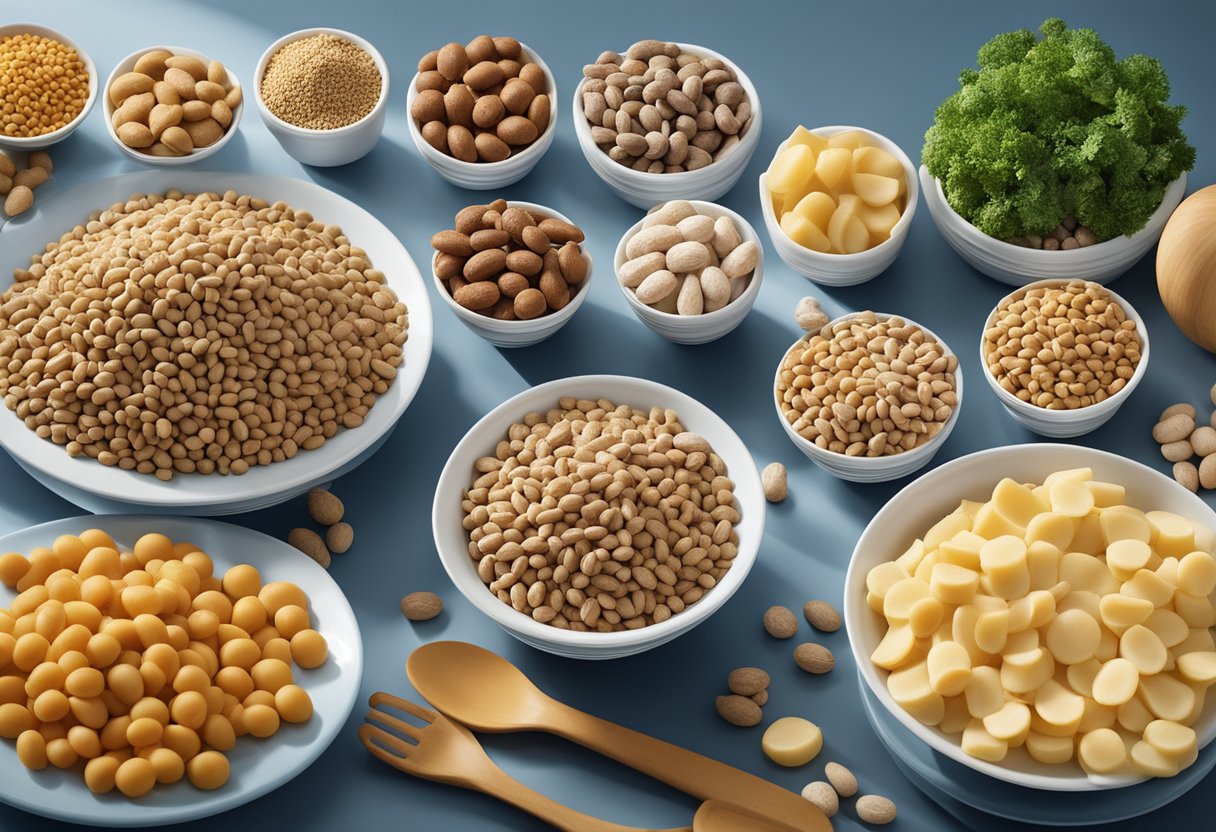
The formulation of senior dog food is critical to accommodate the changing nutritional needs of aging dogs. Proper levels of key ingredients such as protein, fat, and carbohydrates, as well as the addition of fiber and specific supplements, can significantly influence the wellbeing and health maintenance of senior pets.
Understanding Protein and Fat Levels
In senior dog food, protein levels are meticulously balanced. Contrary to common assumptions, senior dogs still require adequate protein to help maintain muscle mass and support a healthy metabolism. However, the sources of protein may differ, with a preference for highly digestible forms to ease the strain on renal function.
When it comes to fat, senior dog foods usually contain reduced levels compared to adult dog food. A lower fat content helps prevent unnecessary weight gain as older dogs are generally less active and have a slower metabolism. Essential fatty acids, especially omega-3 fatty acids, though, are prevalent due to their anti-inflammatory properties, which can aid in managing chronic conditions such as arthritis. Ingredients rich in omega-3s, like flaxseed or fish oils, are common.
The Role of Fiber and Carbohydrates
A higher fiber content is a hallmark of senior dog foods. Adequate fiber supports digestive health, helping regulate bowel movements and assisting in weight management by promoting a feeling of fullness. Common fiber sources in senior dog food include ingredients like beet pulp and various types of bran.
Carbohydrates should come from easily digestible sources to maintain energy levels without overloading the dog’s digestive system. Complex carbohydrates like sweet potatoes are beneficial as they provide sustained energy and are gentle on the gut.
Aside from protein, fat, and carbohydrates, senior dog foods are often fortified with additional vitamins and minerals to support aging joints and bones. Supplements like glucosamine and chondroitin are frequently included to support joint health. Moreover, some foods may feature antioxidants to fortify the immune system, which can become compromised in older dogs. These may come from natural sources such as fruits and vegetables or be added during manufacturing.
Senior Dog Food Formulas

Senior dog food formulas are crafted to cater to the changing dietary needs of aging canines. They focus on a different nutrient profile to support overall well-being and address age-related health concerns.
Benefits of Specialized Senior Diets
Specialized senior dog food targets the nutritional requirements of older dogs, which may include a reduced fat content and adjustments in protein levels to maintain muscle mass and organ health with lower calorie intake. This change aids in weight management, a common concern for less active senior dogs. Manufacturers also enrich these diets with supplements such as glucosamine and chondroitin, which are essential for maintaining joint health and mobility.
- Nutrient Profile: Specially tailored with a balanced blend of vitamins and minerals.
- Joint Health: Enhanced with supplements to support joints and mobility.
- Weight Management: Formulated to help older dogs maintain a healthy weight.
Prescription Diets and Supplements
Prescription diets are a subset of senior dog food that addresses specific medical conditions like kidney, heart, or liver disease. Veterinarians may recommend these tailored diets when a dog has particular health issues that can be managed or improved through targeted nutrition. Supplements may also be included or recommended separately to aid in the treatment of age-related conditions or deficiencies. The best senior dog food will vary depending on an individual dog’s health needs and should always be chosen based on a veterinarian’s guidance.
- Prescription Diet: Tailored to specific health issues per veterinarian recommendations.
- Supplements: May include fatty acids, antioxidants, and other nutrients for condition-specific support.
Managing Weight and Metabolism

As dogs age, their dietary needs change, with weight management and metabolism becoming critical factors in their overall health. Appropriate food choices can help control weight gain and support a senior dog’s slowing metabolism.
Controlling Caloric Intake
The caloric needs of senior dogs differ from those of younger adults due to their reduced activity levels and slowing metabolism. It is essential to provide them with a diet that has a lower caloric density to prevent obesity and related health issues. Senior dog food typically contains fewer calories which helps in maintaining a healthy weight without depriving them of essential nutrients.
- Typical Caloric Content: Senior dog food formulas often have fewer calories per serving compared to adult dog food.
- Balanced Nutrition: While calories are reduced, the nutrient profiles are adjusted to ensure dogs still receive all necessary vitamins and minerals.
Supporting Healthy Metabolism in Seniors
Senior dogs tend to experience a natural decline in metabolic rate, making it crucial to adjust their diet accordingly. A focus on nutrient-dense food that supports cellular energy production is a key aspect of senior dog food. Additionally, these foods are often enriched with fatty acids, antioxidants, and amino acids to aid in maintaining a healthy metabolism.
- Targeted Nutrients: Key components like fatty acids can foster a healthy metabolic rate, even as digestive efficiency may wane with age.
- Optimization of Proteins and Fats: While keeping fat content lower, proteins may be optimized to align with decreased activity levels without compromising muscle mass.
The Role of Exercise and Lifestyle

As dogs transition from adulthood into their senior years, their diet must adapt to their changing exercise patterns and lifestyle needs, taking into account reduced activity levels and the impact on mobility and muscle mass.
Adjusting Activity Levels for Aging Dogs
Senior dogs generally exhibit a decrease in activity level due to a natural decline in energy and mobility related issues. As a dog ages, they may experience loss of muscle mass which can reduce their stamina and ability to engage in long or intense play sessions. It’s crucial that a senior dog’s diet reflects these changes. A reduction in calories is often necessary to prevent weight gain, which can place additional stress on already aging joints. Working dogs, who have led an active lifestyle, may also need a gradual adaptation in their diet to suit their slowing pace.
Influence of Lifestyle on Diet
The lifestyle of an older dog impacts dietary needs significantly. Senior dog foods are typically formulated considering the reduced energy requirements and potentially altered metabolic rate due to lessened activity. This tailored approach helps manage weight and support joint health which is paramount for maintaining quality of life in older pets. For dogs with specific issues, such as decreased mobility or the loss of muscle mass, diets rich in certain nutrients like omega-3 fatty acids can help support joint health and muscle maintenance.
Regardless of their past, senior dogs require attentive care to align their dietary intake with their contemporary lifestyle, ensuring they remain healthy and content in their later years.
Types of Senior Dog Food

Senior dog foods are formulated to cater to the changing dietary needs of aging canines, which often include adjustments in calorie content, protein levels, and easier digestibility. They come in various textures and ingredients to suit different preferences and health requirements.
Dry vs. Wet Food Considerations
Dry Food (Kibble):
- Kibble is a popular choice for senior dog food due to its convenience and dental benefits.
- Senior-specific formulas often include glucosamine for joint health and may have reduced calorie content to prevent weight gain.
Wet Food (Canned Food):
- Wet food can be more palatable and easier to chew, making it suitable for older dogs with dental issues.
- It typically has higher moisture content, which helps with hydration but usually has a shorter shelf life after opening compared to dry food.
Home-Cooked and Raw Diet Options
Home-Cooked Diets:
- Tailored to include a balance of lean proteins such as chicken, beef or fish, and can include grains, vegetables, and fruits for a well-rounded meal.
- Requires careful planning to ensure all nutritional needs are met, and is often vet-recommended for specific health conditions.
Raw Diets:
- Composed of raw meat, bones, fruits, and vegetables, mimicking a dog’s ancestral diet.
- Controversial due to concerns about foodborne illness; pet owners should consult a veterinarian before transitioning to a raw diet.
Consulting with a Veterinarian
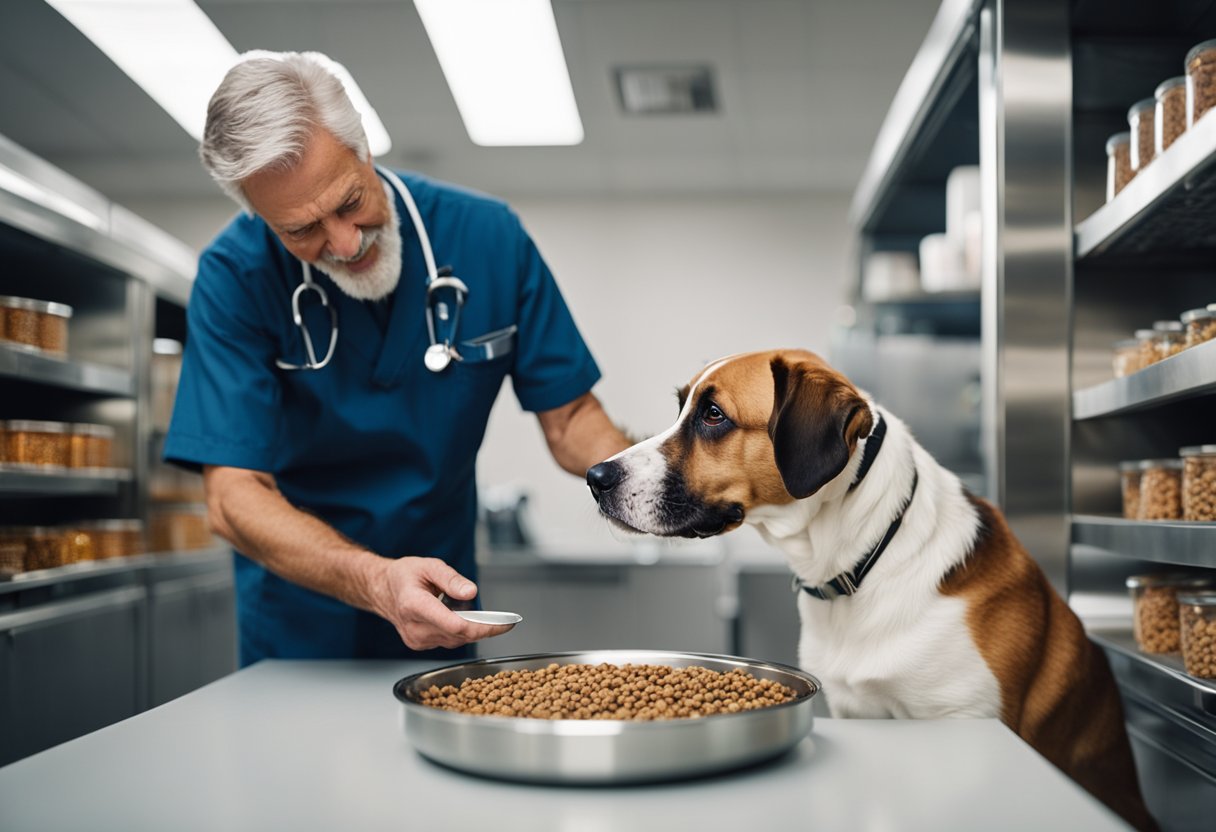
When considering the dietary needs of a senior dog, the advice of a veterinarian is indispensable. They possess the expertise to address specific health concerns and recommend appropriate diet adjustments based on individual needs.
The Importance of Professional Guidance
A veterinarian’s role is crucial in determining whether a senior dog requires a special diet. They can assess the dog’s overall health and identify any medical issues that may influence dietary needs. As dogs age, they may develop conditions like arthritis, dental disease, heart disease, or even cancer. Each condition could necessitate a unique diet plan. A veterinarian is equipped to pick up early signs of such diseases, some of which may present with symptoms like vomiting or diarrhea. Tailored professional guidance ensures that any medical conditions are adequately managed through a combination of proper nutrition and medical treatment.
Regular Health Check-Ups and Diet Adjustments
Senior dogs need regular health check-ups to monitor their condition and manage any medical issues. These check-ups are an opportunity for the veterinarian to:
- Review and modify the dog’s diet as needed.
- Track changes in the dog’s weight, which can be an indicator of health.
- Ensure the diet supports overall health, particularly for dogs with chronic conditions.
Regular assessments allow the veterinarian to prescribe a diet that supports the management of specific conditions, like low-sodium diets for heart disease or foods with increased omega-3 fatty acids for joint health. As senior dogs can also be prone to weight gain due to a slower metabolism, the veterinarian may recommend foods that are lower in calorie content than regular adult dog food.
Analyzing Senior Dog Food Brands

When assessing senior dog food brands, it’s essential to consider ingredient quality and sourcing, as well as the validity of marketing claims. Transparency in these aspects is key to finding the best nutrition for aging dogs.
Assessing Quality and Ingredient Sources
High-quality senior dog food brands list real meat, wholesome grains, or other premium sources as their first ingredients. On a dry-matter basis, these foods provide the necessary nutrients tailored to the decreased metabolism and energy needs of older dogs. Consumers should look for brands that clarify the origin of their ingredients, ensuring they come from reputable suppliers. When considering nutrient profiles, one should refer to the Association of American Feed Control Officials (AAFCO) guidelines that denote whether a food is “complete and balanced” for senior dogs.
Ingredients to look for in senior dog food:
- Real meat (chicken, beef, fish)
- Healthy grains (brown rice, oats)
- Essential fatty acids (flaxseed, fish oil)
- Glucosamine and chondroitin for joint health
Deciphering Marketing Claims and Labels
Brands often utilize marketing claims such as “specially formulated” or “premium” that can be ambiguous without proper context. The AAFCO provides definitions for such terms, but consumers should read labels closely to understand what they are feeding their senior dogs. The term “senior dog food” itself is not regulated by the AAFCO, making it even more crucial to examine the label for a specific AAFCO nutrient profile suited to an older dog’s requirements.
Key label elements to understand:
- AAFCO Statement: Confirms if the food meets the regulatory criteria for a senior dog’s nutritional needs.
- Guaranteed Analysis: Provides the nutrient content on a dry-matter basis, which is critical for evaluating protein, fat, fiber, and moisture levels without the impact of the food’s water content.
- Ingredient List: The order indicates the proportion of each ingredient, with the first items being the most prevalent.
By staying informed about these factors, pet owners can make educated decisions in selecting a suitable senior dog food brand.
Preparing for Age-Related Changes

As dogs transition into their senior years, their dietary needs change due to variations in metabolism, cognitive function, and physical health. Adjusting their food can help manage these age-related changes, potentially improving their quality of life and longevity.
Cognitive and Physical Health Considerations
Cognitive Health:
Senior dogs can experience cognitive decline, which affects memory, learning, perception, and awareness. A diet rich in antioxidants, omega-3 fatty acids, and medium-chain triglycerides may help maintain cognitive function.
- Antioxidants: Help counteract oxidative stress.
- Omega-3 Fatty Acids: Support cell membrane integrity.
- Medium-Chain Triglycerides: Provide a brain-friendly energy source.
Physical Health:
Age brings on a natural decrease in a dog’s metabolism and often a decline in activity levels, necessitating fewer calories to prevent obesity. Senior-specific formulas often have a lower calorie count and reduced fat content.
| Nutrient | Adult Dog Food | Senior Dog Food |
|---|---|---|
| Calories | Higher | Lower |
| Fat | Moderate to High | Moderate to Low |
| Protein | Varies by Breed/Size | Adjusted for Kidney Function |
Digestive health can also diminish, leading to the potential for digestive upset. Foods that are easier to digest, with added fiber and probiotics, can aid in maintaining gastrointestinal health.
- Fiber: Promotes regular bowel movements and healthy gut bacteria.
- Probiotics: Support a balanced digestive system.
Emotional Well-Being and Comfort
A senior dog’s emotional health is closely tied to their physical comfort. As chronic conditions like arthritis can cause discomfort and inflammation, diets with anti-inflammatory ingredients like omega-3 fatty acids can contribute to their overall well-being.
Appetite changes can occur, making palatability essential for ensuring they eat enough to sustain their energy levels. Enhanced flavor and softer textures can appeal to senior dogs who may have a diminished sense of smell or dental issues.
Mobility can be a challenge for aging dogs, particularly large breeds susceptible to joint issues. Ingredients that support joint health, including glucosamine and chondroitin, are beneficial additions to a senior dog’s diet.
By addressing these key areas, owners can help ease their senior dogs into a comfortable, healthy stage of life.
Frequently Asked Questions
When deciding between senior and adult dog food, pet owners often have questions about nutritional content, health benefits, and appropriate feeding strategies. This section aims to address some of the most common inquiries.
What are the nutritional differences between senior and adult dog food?
Senior dog foods typically contain fewer calories and a lower fat content than adult dog foods to accommodate a senior dog’s decreased metabolism and activity level. They may also be enhanced with specific vitamins and minerals to support aging joints and immune systems.
Can adult dogs maintain good health when fed senior dog food?
While senior dog food is formulated to address the needs of older dogs, an adult dog’s nutritional requirements differ. Although an adult dog may maintain decent health on senior dog food, it is not optimal due to the reduced energy content and may not cater to their developmental needs.
At what age is it appropriate to transition a dog to senior dog food?
The transition to senior dog food is contingent on the dog’s breed and individual health status, but typically, small breed dogs are considered seniors at around 10-12 years, whereas larger breeds may reach senior status at 6-8 years. It is best to consult with a veterinarian for a tailored recommendation.
Are there specific benefits of feeding my dog senior dog food as they age?
Yes, senior dog food can provide targeted benefits such as supporting joint health, maintaining lean body mass through higher-quality proteins, and ensuring proper digestive function through added fiber.
Is the texture of senior dog food designed to be easier for older dogs to eat?
Some senior dog foods are formulated with softer textures or smaller kibble sizes to accommodate older dogs that may have dental issues or reduced bite strength, making it easier for them to chew and digest.
What should I do if I accidentally purchased senior dog food for a younger dog?
If a younger dog accidentally receives senior dog food, it is not harmful for a short period. However, for long-term nutrition, transitioning back to an adult-specific formula that meets their energy requirements is advisable. Consult with a veterinarian for guidance on transitioning foods.