
As dogs age, their dietary needs evolve, necessitating careful attention to their nutrition. Homemade dog food for senior dogs offers pet owners the ability to tailor meals to these changing requirements, ensuring that their aging companions receive the balanced nutrients needed for their health and well-being. It allows for the accommodation of specific health issues and preferences, providing a potentially more palatable and digestible option compared to commercial foods.

Senior dogs often face health challenges that can be managed with a proper diet. By preparing homemade meals, owners can ensure the inclusion of quality proteins and fats appropriate for their pet’s life stage, as well as carefully control ingredient sources. Additionally, this hands-on approach to meal preparation affords the opportunity to integrate supplements and superfoods that target age-related conditions such as joint health or cognitive decline.
Key Takeaways
- Personalized homemade diets cater to the unique nutritional requirements of senior dogs.
- Crafting meals at home allows for close management of protein, fat, and supplements in a senior dog’s diet.
- Homemade dog food must be safely stored and portions properly managed to maintain a senior dog’s health and metabolism.
Understanding the Nutritional Needs of Senior Dogs
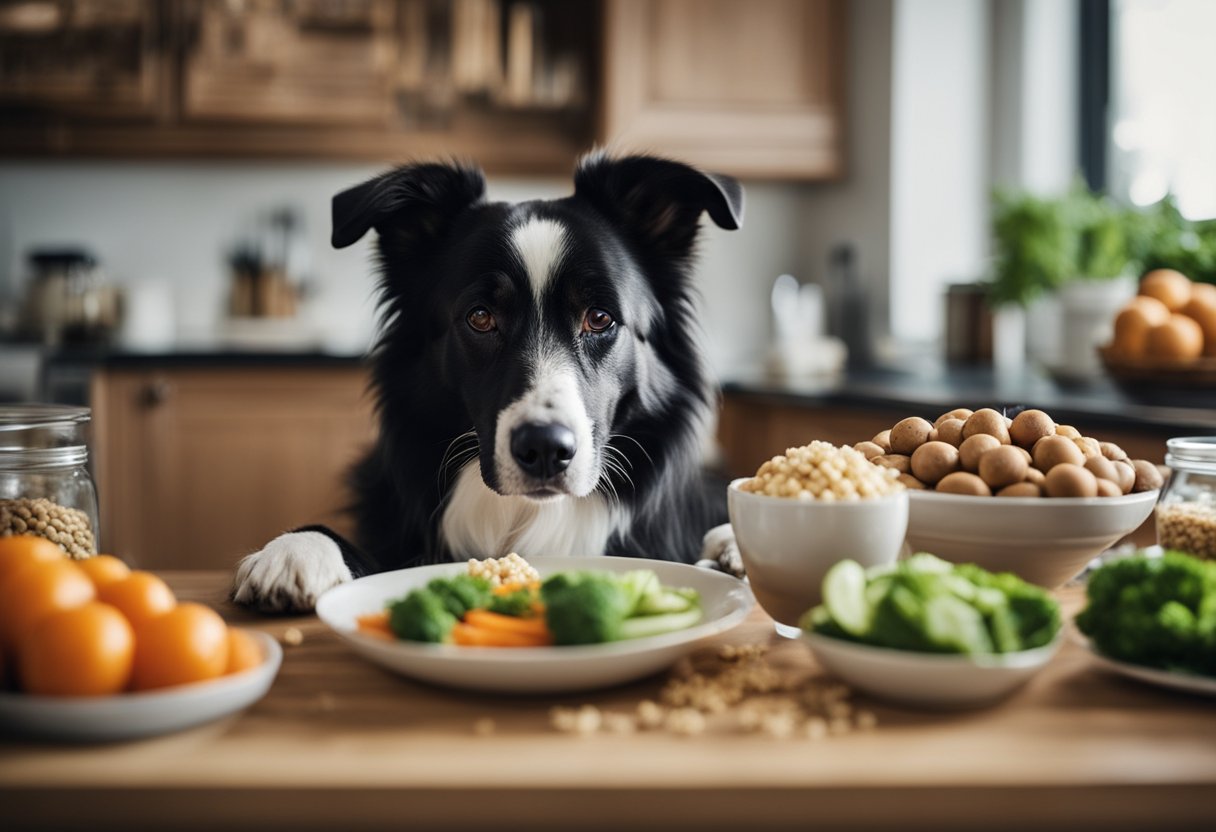
As dogs progress into their senior years, their dietary needs evolve significantly. It is crucial to adjust their diet to accommodate the changing requirements in order to maintain their health and well-being.
Importance of Diet in Aging
Senior dogs often require lower-calorie diets to help prevent obesity due to their decreased activity levels. However, these diets must still provide adequate protein to maintain muscle mass and support organ function. The balance of nutrients needs careful consideration as well – senior dogs benefit from a diet rich in fiber to support digestive health and minerals like calcium and phosphorus to maintain bone health.
Vitamins, including vitamin A for skin and coat health and B vitamins for energy metabolism, play a critical role in the diet of aging dogs. While the body’s ability to absorb nutrients may decline with age, ensuring the dog food is fortified with essential vitamins and minerals is vital for their overall health.
Common Health Issues and Dietary Adjustments
Several health issues in senior dogs, such as arthritis and kidney problems, can be managed with tailored nutrition. A diet with omega-3 fatty acids can help reduce inflammation, aiding in the management of arthritis. For those with kidney issues, reducing the amount of phosphorus and protein in their diet, while still ensuring protein is of high quality, can help manage the condition.
Dogs experiencing a decline in cognitive function may benefit from diets enhanced with antioxidants to combat oxidative stress. Additionally, adjustments in the texture and size of food may be necessary for senior dogs with dental issues, ensuring that they can eat comfortably despite any pain or missing teeth.
Senior Dog Food Recipes and Preparation

Creating homemade dog food for senior pets ensures they get the necessary nutrients tailored for their age and health needs. The following segments provide guidelines for preparing such meals and offer specific recipe ideas.
Basic Homemade Food Guidelines
When preparing homemade dog food, it’s imperative to ensure the food is balanced and suitable for a senior dog’s health. Key components typically include a balance of proteins, carbohydrates, and fiber, with lean meats like turkey being especially beneficial for older dogs’ metabolism and weight maintenance.
- Proteins: Offer lean proteins such as turkey or chicken.
- Carbohydrates: Incorporate brown rice or sweet potatoes for energy.
- Fiber: Add vegetables like carrots to promote digestive health.
Portion Control: Senior dogs often require fewer calories, so appropriate portion sizing is crucial to prevent weight gain.
Consultation: Always consult with a veterinarian before making changes to a senior dog’s diet to ensure the nutritional changes align with their specific health requirements.
Recipe Ideas for Balanced Meals
Preparing balanced meals for senior dogs involves combining the right proportions of proteins, carbohydrates, and vegetables. Here are a couple of recipes that utilize the beneficial ingredients mentioned:
Recipe 1: Turkey and Brown Rice Mix
- Ingredients:
- 1 cup cooked, lean ground turkey
- 2 cups cooked brown rice
- 1 cup chopped carrots
- Preparation:
- Mix all ingredients in a bowl. Serve it at room temperature.
Recipe 2: Sweet Potato and Veggie Feast
- Ingredients:
- 1 medium sweet potato, baked and mashed
- 1 cup shredded turkey
- 1/2 cup steamed carrots, diced
- Preparation:
- Combine sweet potato, turkey, and carrots. Ensure the mix is cool before serving.
Each recipe provides a blend of protein, complex carbs, and fiber to support the overall well-being of senior dogs. The simplicity of these recipes makes them easy to prepare, ensuring that senior dogs have access to tasty, nutritious food that’s just right for their dietary needs.
The Role of Protein and Fat in Senior Dog Diets

As dogs age, their metabolism slows and activity level often decreases; it becomes crucial to adjust their protein and fat intake accordingly to maintain their health.
Adjusting Protein Intake with Age
Senior dogs typically require proteins that are easily digestible and can support the maintenance of muscle mass without overburdening the metabolism. The type of protein also matters:
- High-Quality Proteins: Chicken, turkey, and fish are excellent sources of high-quality protein that are beneficial for senior dogs.
- Venison: This game meat is a novel protein that can be beneficial for dogs with sensitivities.
Aiding the maintenance of muscle tissue and supporting the overall health of senior dogs, dietary proteins should be adjusted to ensure:
- Adequate quantity to prevent muscle wasting.
- High digestibility for easier absorption and utilization.
Managing Fat Levels for Optimum Health
Senior dogs often require fewer calories due to their lower activity levels, and an excess of dietary fat can lead to weight gain and health issues. The approach to fat in a senior dog’s diet should reflect their individual energy needs. Here’s what to keep in mind:
- Monitor Calories: Ensure the dog’s diet is lower in fat to match their slower metabolism and reduced calorie requirements.
- Essential Fats: Incorporate essential fatty acids such as omega-3 and omega-6 to support joint health and cognitive function.
In homemade diets like a chicken casserole, care should be taken to measure and moderate the amount of fat added to prevent unnecessary weight gain while providing essential nutrients.
Incorporating Supplements and Superfoods

When formulating homemade dog food for senior canines, it is crucial to incorporate supplements and superfoods that can bolster their health and address age-related concerns.
Vitamins and Minerals
Senior dogs have specific nutritional needs that differ from those of younger dogs. Their diets often require a careful balance of vitamins and minerals to maintain their health. Supplements can ensure they receive:
- Calcium and Magnesium: Essential for bone health and preventing brittle bones.
- Iron and Zinc: Important for maintaining strong immune systems and cognitive function.
A combination of these vitamins and minerals can be achieved through natural ingredients like spinach, which is high in iron and calcium.
Beneficial Supplements for Joint Health
Joint health is a common concern for aging dogs. Incorporating certain supplements can aid in maintaining joint flexibility and comfort.
- Glucosamine and Chondroitin: These supplements are commonly used to support joint health and may help alleviate symptoms of arthritis.
- Omega-3 Fatty Acids: Sourced from flaxseed oil or fish, omega-3s are anti-inflammatory and can reduce joint swelling and pain.
Blueberries can be included as a superfood rich in antioxidants, supporting overall joint and immune health.
Addressing Special Dietary Considerations

When preparing homemade dog food for senior pets, it’s essential to be mindful of their unique dietary needs, including potential food allergies and sensitivities, as well as any medical conditions that dictate a specific diet.
Food Allergies and Sensitivities
Senior dogs may develop allergies or sensitivities to certain ingredients that were previously well-tolerated. These reactions can affect their digestion and overall health. A common approach is to implement an elimination diet, removing common allergens like:
- Beef
- Dairy
- Wheat
Substitute these with novel proteins or carbohydrates the dog has not been exposed to. For dogs with gluten-free or lactose intolerant needs, ingredients such as brown rice, sweet potatoes, and specially-formulated dog-friendly vegetables can be excellent alternatives. Monitoring a senior dog’s response to these changes is crucial for tailoring a suitable diet.
Homemade Food for Dogs with Medical Conditions
Dogs with medical conditions often require diets formulated to support their health and alleviate symptoms. Some common conditions and dietary adjustments include:
- Kidney Disease: Reduced phosphorus and protein levels, but high-quality protein is still necessary.
- Cardiac Problems: Lower sodium intake and adjusted levels of omega-3 fatty acids to support heart health.
- Digestive Issues: Easily digestible foods, probiotics, and prebiotics to aid in gut health.
For a senior dog with specific health conditions, a veterinarian may suggest a therapeutic diet. Owners should seek guidance from their vet to determine the best ingredients and meal plans that address the dog’s dietary restrictions and provide optimal nutrition.
Storage and Handling of Homemade Dog Food
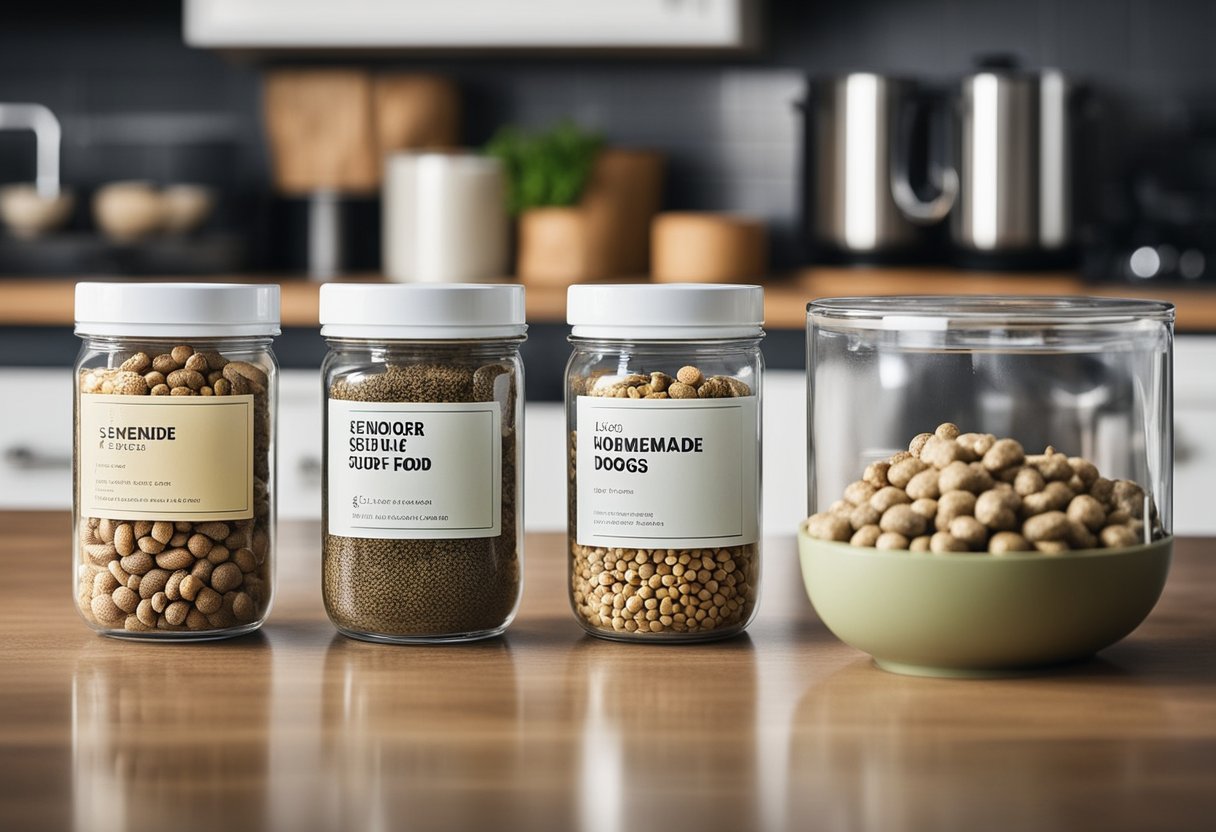
When preparing homemade dog food, it’s crucial to store it properly to maintain freshness and prevent spoilage. Proper refrigeration and freezing techniques extend the shelf life while preserving the food’s nutrients.
Proper Refrigeration Methods
Homemade dog food should be stored in the refrigerator immediately after cooling. Use an airtight container to prevent contamination and odors. The ideal temperature for storing homemade dog food is below 40°F, and it should not be kept in the fridge for more than four days. As a guideline, one could organize the storage process using the following table:
| Item | Temperature | Duration |
|---|---|---|
| Homemade Dog Food | Below 40°F | Up to 4 days in airtight container |
Freezing and Thawing Tips
For extended storage, freezing homemade dog food is an effective option. Allocate the food into individual serving sizes before freezing to make defrosting more convenient. Always thaw frozen dog food in the refrigerator overnight rather than at room temperature, which can encourage bacterial growth. Once thawed, the food should be used within two days for optimal freshness.
- Freeze: Portion the food into serving sizes, store it in airtight containers or freezer-safe bags.
- Thaw: Move the needed serving size from the freezer to the refrigerator for overnight thawing.
Meal Planning and Portion Control
Proper nutrition is crucial for the well-being of senior dogs and involves careful meal planning and portion control to maintain optimal weight and health. Here’s how to calculate their daily caloric needs and determine the appropriate serving size and frequency of meals.
Calculating Daily Caloric Needs
One must first determine the dog’s Resting Energy Requirement (RER), which can be calculated using the formula: RER = 70 × (body weight in kg)^0.75. For senior dogs, it’s particularly important to adjust this number based on their activity level, health status, and whether they are overweight or underweight. For instance, an overweight senior dog requires fewer calories to encourage weight loss, while an underweight dog requires more.
| Weight (kg) | RER (kcal/day) |
|---|---|
| 5 | 210 |
| 10 | 354 |
| 20 | 595 |
| 30 | 810 |
These values are approximations and will vary based on the dog’s specific needs.
Serving Size and Frequency
The total daily caloric need should be divided into appropriate serving sizes for each meal. Senior dogs often benefit from eating smaller, more frequent meals, which can aid digestion and stabilize blood sugar levels. A standard practice is two meals per day, but some may require three smaller portions, especially if they have certain health conditions.
For example:
- A 10 kg senior dog might require about 354 kcal/day.
- If feeding twice a day, each meal should contain roughly 177 kcal.
Senior dogs with conditions like obesity may need their portions reduced to prevent further weight gain, while underweight dogs may have increased portion sizes. Monitoring the dog’s weight and adjusting the portion size is essential for maintaining their health.
Affordable Homemade Dog Food Options

Creating homemade dog food for senior dogs can be both nutritious and economical. By focusing on budget-friendly ingredients and cost-efficient cooking methods, owners can ensure their aging pets receive proper nutrition without breaking the bank.
Budget-Friendly Ingredients
When making homemade senior dog food, choosing affordable ingredients is key to keeping costs down.
- Brown rice: A great source of carbohydrates and fiber.
- Liver: High in protein and nutrients, liver is a cost-effective meat option.
- Cabbage: Provides vitamins, minerals, and fiber at a low cost.
- Others: Carrots, green beans, and potatoes are also nutritious and wallet-friendly.
When selecting ingredients, one should consider their nutritional value and overall impact on the health of a senior dog.
Cost-Efficient Cooking Methods
Adopting cost-efficient cooking methods can help save money in the long run. Here are some practical tips:
- Batch Cooking: Prepare large amounts of dog food and store it in portions. This can reduce energy costs over time.
- Efficient Appliances: Use pressure cookers or slow cookers, which tend to use less energy and can be more economical.
By focusing on affordable ingredients and cost-efficient cooking practices, one can provide senior dogs with the balanced diet they need without unnecessary expenses.
Transitioning Your Senior Dog to a Homemade Diet

When switching a senior dog to a homemade diet, it’s important to account for their age, existing health concerns, and potential appetite changes. A careful transition ensures the dog’s digestive system can adapt without distress.
Introducing New Foods Gradually
Introduce homemade meals to a senior dog’s diet progressively over a period of several weeks. A gradual transition minimizes digestive upsets and allows the owner to observe the dog’s responses to the new foods. Here is an example of a transition schedule:
- Week 1: Serve 25% homemade food mixed with 75% of their current diet
- Week 2: Increase to a 50/50 mix of homemade and current food
- Week 3: Transition to a 75% homemade and 25% current diet
- Week 4: Shift entirely to homemade food
Monitoring Your Dog’s Adaptation
Throughout the transition to a homemade diet, closely monitor the dog for signs of improved health or potential concerns, such as:
- Stool Quality: Look for well-formed, consistent stools as a sign of good digestion.
- Energy Levels: Notice if there’s a change in their energy; a good diet will often result in increased vitality.
- Appetite: Pay attention to changes in appetite which can indicate how well the dog is accepting the new diet.
Adjust portions and ingredients as necessary to ensure the dog maintains a healthy weight and hydration levels. Consult a veterinarian if any health concerns arise during the transition.
Maintaining a Healthy Weight and Metabolism

Maintaining an optimal body weight and a healthy metabolism is crucial for senior dogs to live comfortably. Obesity can lead to several health issues, while a proper metabolism helps in efficient nutrient absorption and energy management. This section outlines diet options and strategies to address these aspects of canine health.
Low-Calorie Food Options for Senior Dogs
Senior dogs often require lower-calorie diets to prevent obesity due to their decreased activity levels. It’s essential to create meals that are filling yet lower in calories. Green beans and pumpkin are excellent choices for this purpose. Both are low in calories and high in fiber, aiding in satiety without contributing to weight gain.
- Examples of Low-Calorie Additions:
- Green beans: Can be steamed or boiled to soften, making them easier for senior dogs to digest.
- Pumpkin: Provides a good source of fiber; use canned pure pumpkin, not the sugary pie filling.
Supporting an Aging Metabolism
As dogs age, their metabolism slows down, necessitating adjustments in their diet to support their changing body. Providing them with nutrient-dense, easily digestible food is key. Incorporating smaller, more frequent meals can aid in metabolism efficiency and prevent potential weight gain.
- Metabolism-Boosting Tips:
- Meal Frequency: Smaller, frequent meals throughout the day keep the metabolism engaged.
- Balance: Ensure a balance of protein and fiber to support lean body mass and digestive health.
By focusing on these dietary adjustments, owners can significantly impact their senior dogs’ weight management and metabolic health.
Expert Advice on Canine Nutrition
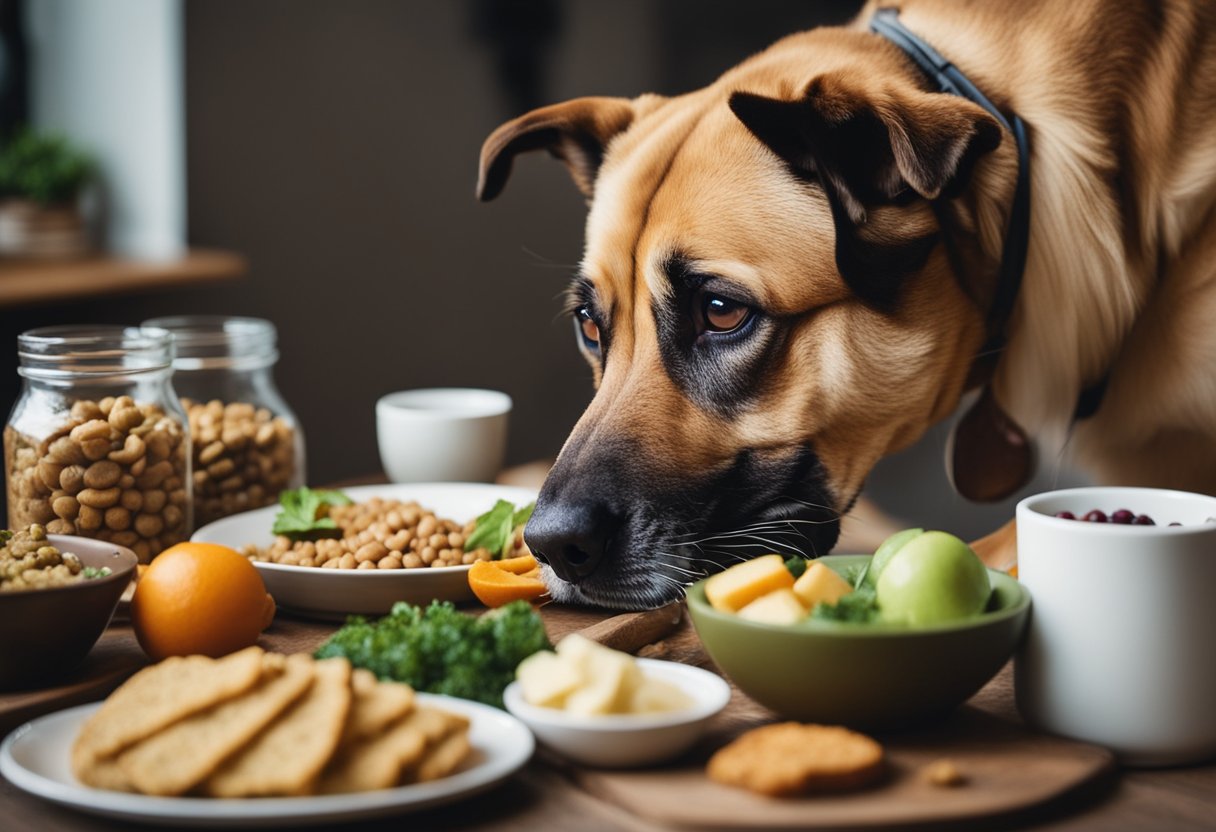
Proper nutrition is critical for the health and longevity of senior dogs. Access to professionals such as veterinary nutritionists can ensure that a senior dog’s unique dietary requirements are met effectively.
Consulting a Veterinary Nutritionist
A canine nutritionist or a veterinarian trained in nutrition is invaluable when considering a homemade diet for a senior dog. They carry the expertise to formulate a balanced diet that addresses specific needs. A nutritionist will assess factors like the dog’s current health status, dietary history, and any health problems to create a tailored nutrition plan.
- Key Role: Formulation of nutrition plans
- Considerations: Health status, dietary history
- Objective: Ensure a balanced diet
Tailoring Diets to Individual Dogs’ Needs
The nutritional needs of a senior dog vary based on size, breed, and existing health problems. Therefore, it’s crucial to customize their diet. For example, larger breeds may require a different caloric intake compared to smaller breeds, while an older dog with dental issues would benefit from softer food textures.
- Individual Needs Per Breed Size:
- Large Breeds: May need lower-calorie food to prevent obesity
- Small Breeds: Often require more calories per pound due to a faster metabolism
- Adjust for Health Problems: Modify diets to include or exclude certain nutrients that can aid or exacerbate specific health issues.
Frequently Asked Questions

In providing a balanced and appropriate diet for senior dogs through homemade food, owners must consider specific nutritional needs, soft food options, supplements, and portion sizes, as well as special recipes tailored to various health conditions.
What are the nutritional considerations when making homemade dog food for elderly dogs?
Elderly dogs often require diets with increased protein and reduced fat content. They may also benefit from additional fiber to aid digestion and appropriate levels of carbohydrates for sustainable energy.
How can I create a soft food diet for a senior dog with dental issues?
For senior dogs with dental issues, soft food diets should include easy-to-chew foods like cooked grains, ground meats, and pureed vegetables. Cooking and mashing foods can aid in their digestibility and comfort during eating.
Which supplements should be included in homemade dog food for optimal senior dog health?
Supplements beneficial for senior dogs include glucosamine for joint health, omega fatty acids for cognitive function and skin health, and probiotics for digestive wellbeing. A veterinarian can advise on specific supplement requirements.
Could you suggest vet-approved homemade dog food recipes for senior canines?
A vet-approved recipe might combine lean meats like chicken or turkey with brown rice and softly cooked vegetables such as carrots and peas. Consultation with a vet ensures that homemade recipes meet all the nutritional needs of a senior dog.
What is the correct portion size for homemade meals for older dogs?
The correct portion size depends on the dog’s weight, activity level, and any health issues. Generally, smaller, more frequent meals are easier to digest for senior dogs. Measuring food based on body weight is a common practice.
How do I craft a homemade diet for a senior dog with specific health conditions like arthritis or kidney disease?
Creating a homemade diet for senior dogs with conditions like arthritis might involve incorporating anti-inflammatory foods like omega-rich fish, while kidney disease may require reduced phosphorus and protein levels. Veterinarians should always be consulted to tailor the diet to the dog’s specific health requirements.