
As dogs age, their dietary needs can change, and they can become more prone to developing food allergies and sensitivities. These conditions are not just uncomfortable for your pet but can also pose a significant challenge for pet owners trying to provide the best care. In senior dogs, the manifestation of food allergies might be different from in younger dogs, as their immune systems and digestive systems can become more sensitive over time. Owners might notice symptoms such as itching, gastrointestinal upset, or ear infections, which could indicate an adverse reaction to certain food ingredients.
Identifying and addressing food allergies or sensitivities is crucial in maintaining the health and well-being of a senior dog. Through elimination diets, consultations with veterinarians, and paying careful attention to food labels, owners can find suitable dietary options to alleviate discomfort. It is important to distinguish between true food allergies, which are immune responses to a particular ingredient, and food sensitivities or intolerances, which are more likely to cause digestive problems without the involvement of the immune system. Finding the right balance in a senior dog’s diet might involve choosing a formula with fewer, high-quality ingredients and a nutritional profile tailored to the dog’s specific needs.
Key Takeaways
- Proper diet and nutrition are critical for managing allergies in senior dogs.
- Distinguishing between food allergies and sensitivities helps guide dietary choices.
- Consultation with a veterinarian is essential for a tailored allergy management plan.
Understanding Canine Allergies
In senior dogs, allergies can present through various symptoms and be triggered by a multitude of allergens. It’s crucial to differentiate between allergies and intolerances to provide appropriate care.

Common Allergens in Senior Dogs
Senior dogs may develop allergies to substances that they were previously exposed to without issue. Common allergens include:
- Environmental allergens: pollen, dust, and mold
- Parasites: particularly fleas
- Food allergens: certain proteins or carbohydrates found in dog food
Allergens can cause the immune system to react, leading to inflammation and discomfort.
Signs and Symptoms of Allergies
Allergy symptoms in senior dogs often manifest on the skin or affect the gastrointestinal system. Recognizable signs include:
- Skin reactions: itching, hives, red and inflamed skin
- Respiratory issues: itchy, runny eyes; sniffling
- Gastrointestinal symptoms: diarrhea and vomiting
- Behavioral changes: constant licking or scratching
Observation of these signs warrants a visit to a veterinarian.
Difference Between Food Allergies and Intolerances
Food allergies and intolerances are often confused but are not the same:
- Food Allergies involve the immune system where even small amounts of the offending food can cause symptoms like itchy skin or gastrointestinal upset.
- Food Intolerances do not involve the immune system and typically result in gastrointestinal symptoms such as diarrhea or vomiting, without the dermatological signs.
Understanding this difference is key for appropriate diagnosis and treatment.
Senior Dog Nutrition Basics
As dogs age, their nutritional needs evolve. This section aims to shed light on the dietary shifts necessary for supporting the health of senior dogs.
Diet and Age-Related Changes
A senior dog’s metabolism slows down, which means their caloric needs decrease. Despite needing fewer calories, it’s vital to maintain a nutrient-rich diet to support digestion and overall health. Food with higher fiber content can aid in digestion and alleviate some common age-related gastrointestinal issues. Senior dogs may also experience a decline in dental health and therefore require diets that are easier to chew and digest.
Key Considerations for Diet Adjustments:
- Reduced Caloric Intake: Match food intake with the reduced energy levels of the dog.
- Enhanced Digestibility: Offer highly digestible foods to facilitate nutrient absorption.
Key Nutrients for Senior Dogs
Certain nutrients become particularly important as a dog enters its senior years. Protein is crucial for maintaining muscle mass; however, too much can strain the kidneys, so it needs to be balanced. Supplements such as glucosamine and chondroitin can support joint health and may help with conditions like arthritis. Omega-3 fatty acids, particularly EPA and DHA, are beneficial for cognitive function, skin health, and may reduce inflammation.
Essential vitamins and minerals must also be present in optimal amounts to support the immune system and overall well-being. Dog owners should consult with a veterinarian to determine specific dietary needs based on the individual health of their senior dog.
Nutrients of Focus:
- Protein: Adequate but not excessive to avoid kidney strain and maintain muscle mass.
- Fats for Joint and Cognitive Health:
- Glucosamine & Chondroitin: Contribute to joint health and mobility.
- Omega-3 Fatty Acids (EPA & DHA): Support brain health and possess anti-inflammatory properties.
- Vitamins & Minerals: Tailored multivitamin use to the senior dog’s specific needs to promote immune health.
Identifying Food Allergies

When it comes to senior dogs, recognizing food allergies requires a methodical approach. Key steps include professional consultation and specific dietary strategies.
Allergy Testing and Diagnosis
The identification of food allergies in senior dogs typically begins at the office of a veterinarian. They may recommend allergy testing to determine if the dog’s immune system is reacting to specific food proteins. Common practices include blood tests and intradermal skin testing, which can provide insights into the offending allergens. It is important to note that allergy tests must be interpreted by a professional, as they can indicate sensitivities, not just allergies.
Role of Elimination Diet
If allergy testing is inconclusive or if a more hands-on approach is desired, the veterinarian might suggest an elimination diet to pinpoint the food causing the adverse reaction. This involves feeding the dog a simplified diet with protein and carbohydrate sources it has never eaten before. Throughout the food trial, which typically spans 8-12 weeks, no other food, treats, or flavored medications should be given. Any improvement in symptoms can indicate a food allergy, and further individual ingredients may be reintroduced to isolate the allergen.
Choosing the Right Food for Allergies
When selecting food for senior dogs with allergies, the choice often centers around protein quality and specialized diets that minimize adverse responses.
Importance of High-Quality Protein
High-quality proteins are crucial in a senior dog’s diet to maintain muscle mass and support immune function. However, it is essential to ensure that the source of protein does not trigger an allergic reaction. Hydrolyzed proteins, which are proteins broken down into small pieces that are less likely to cause an allergic response, can be beneficial for dogs with food allergies. Foods that utilize single-source proteins which the dog has not been previously exposed to can also help in identifying and avoiding allergens.
Limited Ingredient and Prescription Diets
Limited ingredient diets are formulated with fewer components, thereby reducing the chance of allergic reactions. They often contain novel proteins and carbohydrates that the dog has not encountered before, mitigating the risk of a response. Veterinarians may recommend a prescription diet specifically designed for food sensitivities; these diets may include hydrolyzed proteins or other modifications to avoid common food allergens like beef, chicken, dairy, or wheat. Prescription diets should only be fed under veterinary supervision, as they are tailored to address specific health issues in senior dogs.
Common Food Allergens for Dogs

Dogs, much like humans, can experience allergic reactions to certain foods, although true food allergies are less common than food sensitivities or intolerances. In senior dogs, it is important to recognize the common food allergens that can affect their well-being.
Proteins are typically the most common culprits of food allergies in dogs. They have a high potential to cause an immune response that can lead to allergy symptoms. The most common protein sources associated with allergic reactions in dogs include:
- Beef: A prevalent ingredient in many dog foods and treats, beef can be allergenic to some dogs.
- Chicken: Often used as a primary protein, chicken is another common allergen found in commercial dog foods.
- Dairy: While not a meat protein, dairy products can also cause allergic reactions in some dogs.
Additionally, other ingredients might trigger allergies in dogs:
- Soy: Found in some dog foods as a protein source or additive, soy can lead to allergies.
- Wheat: A common grain in many dog foods, wheat can be an allergen, especially in dogs with gluten sensitivity.
It should be noted that an intolerance to these foods does not always involve an immune response. Instead, it may manifest as a digestive problem, such as difficulty in processing the food, which can cause discomfort and other gastrointestinal symptoms.
Owners of senior dogs should be mindful of their pets’ dietary reactions and consider these potential allergens when choosing food for their animals. Consultation with a veterinarian is essential when an allergy or sensitivity is suspected.
Feeding Practices to Mitigate Allergies
Proper feeding practices are essential in managing allergies in senior dogs. The choice between wet and dry food, as well as the incorporation of fresh or raw diets, can make a significant difference in the well-being of an allergic dog.
Wet vs. Dry Dog Food
Wet Dog Food may be a suitable option for senior dogs with allergies. It typically has a higher moisture content than dry food, which can be easier to chew and digest. This can help alleviate gastrointestinal symptoms associated with food sensitivities.
- Pros:
- Easier to eat for dogs with dental issues.
- Often more palatable and may encourage appetite.
- Cons:
- Can be more expensive than dry food.
- Requires refrigeration once opened.
Dry Dog Food offers a convenient and cost-effective feeding option. Some brands offer a wide recipe selection specifically designed for dogs with food sensitivities.
- Pros:
- Easy to store and has a longer shelf life.
- May provide dental benefits due to the mechanical action of chewing.
- Cons:
- Might be less palatable to some dogs.
- Often contains more processed ingredients which can aggravate allergies.
Benefits of Fresh and Raw Food Diets
Fresh and Raw Food Diets can be beneficial for senior dogs with allergies. Fresh diets often incorporate whole ingredients like fresh turkey or fresh beef, which can be less likely to trigger an immune response when compared to processed foods.
- Pros:
- Foods such as Raised Right’s dog food provide whole-food recipes with minimal processing.
- Raw turkey patties or frozen raw recipes may reduce exposure to common allergens found in traditional dog foods.
- Cons:
- Requires adherence to strict handling procedures to prevent bacterial growth.
- Can be costlier and less convenient than traditional kibble or canned foods.
By selecting appropriate food types and considering specialized diets such as fresh or raw food, one can tailor feeding practices to help manage and mitigate allergies in senior dogs. It’s important to consult with a veterinarian before making any significant changes to a dog’s diet, especially for those with known food sensitivities.
Non-Dietary Allergens and Management
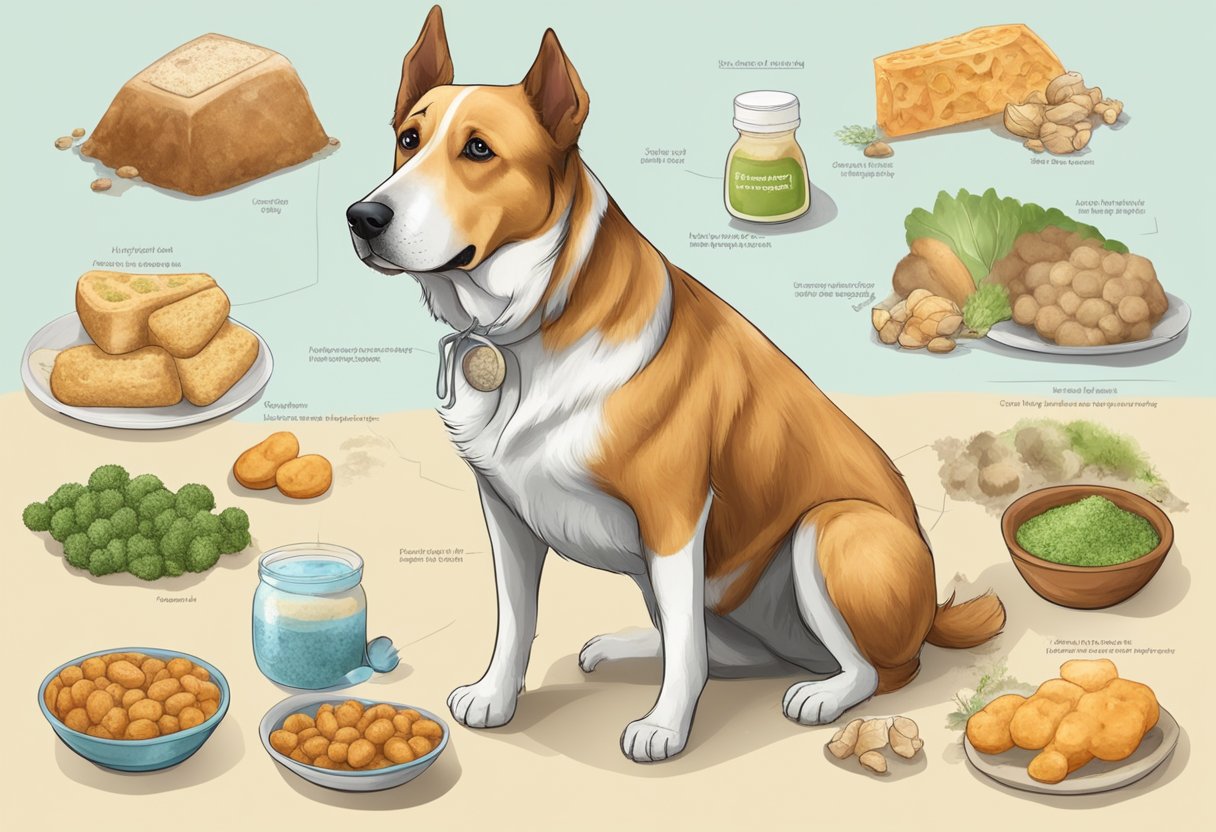
Senior dogs, like their younger counterparts, can be susceptible to environmental and seasonal allergens. The management of these allergens is crucial to ensure the dog’s comfort and health.
Environmental and Seasonal Allergies
Environmental allergens, which can affect dogs, include substances like pollen, mold, dust, and fleas. Such allergens can trigger reactions in sensitive dogs, similar to allergies in humans, and can cause symptoms ranging from mild to severe. These reactions are not related to food, but they can impact a senior dog’s well-being profoundly.
Pollen: Trees, grasses, and weeds release these tiny grains into the air, which can cause allergic reactions when inhaled by dogs. Symptoms might include sneezing, itching, or watery eyes.
Fleas: Flea saliva is a common allergen and can cause flea allergy dermatitis (FAD), leading to intense scratching and skin infections. Maintaining regular flea control is vital.
Mold: Mold spores in the environment can trigger allergic reactions. Minimizing exposure by keeping the home clean and dry, and using air purifiers can help.
Dust: Dust mites are a common source of allergies. Regular cleaning and the use of hypoallergenic bedding can reduce a dog’s exposure to dust mites.
Management Strategies:
- Regular Grooming: Bathing with hypoallergenic or medicated shampoos can remove allergens from a dog’s fur and skin.
- Environmental Control: Implementing air purifiers and maintaining a clean living space are proactive measures to reduce the presence of allergens.
- Flea Prevention: Applying topical treatments or oral medications as recommended by a veterinarian can keep fleas at bay.
- Veterinary Care: A veterinarian may prescribe medications or allergy shots to manage symptoms, especially during peak allergy seasons.
Monitoring a senior dog’s reaction to environmental changes and implementing these management strategies can make a significant difference in controlling non-dietary allergies.
Dealing with Gastrointestinal Issues

Senior dogs often experience gastrointestinal symptoms that can include diarrhea, vomiting, and inflammation of the digestive tract. These symptoms can lead to discomfort and may indicate food sensitivities or allergies. It is critical to approach these issues with effective management strategies.
When a senior dog presents with diarrhea, the first step is to ensure they stay hydrated, as diarrhea can lead to dehydration. A temporary shift to a bland diet, such as boiled chicken and rice, may help. However, if the symptoms persist, it’s advisable to consult a veterinarian to rule out underlying conditions.
Vomiting, while occasionally a normal response to dietary indiscretion, can become worrisome if it’s frequent or chronic. Immediate veterinary attention may be necessary to diagnose the cause, which can range from acute situations to ongoing sensitivities or allergies.
For chronic gastrointestinal issues, a dietary overhaul might be needed. An elimination diet can help identify specific food intolerances. Ingredients commonly associated with sensitivities in dogs include chicken, lactose, and wheat.
Including probiotics in a senior dog’s diet can also support digestive health. These beneficial bacteria are instrumental in maintaining the balance of the gut flora, leading to reduced inflammation and improved symptoms.
Table 1: Common Allergens and Alternatives
| Allergens | Alternatives |
|---|---|
| Chicken | Fish, Duck |
| Dairy (Lactose) | Lactose-free formulas |
| Wheat | Rice, Sweet Potatoes |
In all cases of gastrointestinal distress, a veterinarian’s insight is invaluable. They may recommend specific formulations designed for sensitive stomachs or guide owners through dietary adjustments best suited for their senior dog’s needs.
Allergy-Related Complications in Senior Dogs
Senior dogs can experience a range of complications due to allergies, including persistent infections and severe allergic reactions that can significantly impact their quality of life. Recognizing these complications is key for timely and effective treatment.
Chronic Skin and Ear Infections
Skin Allergies (Atopic Dermatitis) often manifest in senior dogs as chronic skin and ear infections. These can include:
- Chronic Ear Infections: Manifesting as itchy ears and recurrent inflammation, chronic ear infections often result from an allergic response to environmental allergens or food sensitivities.
- Foot Infections: Dogs with allergies may lick or chew their paws excessively, leading to foot infections characterized by redness, swelling, and sometimes a foul odor.
- Bacterial Infections: Secondary bacterial infections may complicate allergy-induced skin problems due to the compromised state of the skin barrier.
Management: Early identification and management are crucial. Topical therapies, oral medications, and hypoallergenic diets are common approaches to control chronic skin and ear infections in allergic senior dogs.
Serious Allergic Reactions
Allergic reactions can range from mild to life-threatening, with anaphylaxis being the most severe form of allergic reaction.
- Anaphylactic Reaction (Anaphylaxis): This rapid, systemic reaction can cause gastrointestinal signs, like vomiting and diarrhea, alongside more dramatic symptoms such as facial swelling and difficulty breathing.
- Serious Complications: Without immediate veterinary intervention, anaphylaxis can lead to shock and be fatal.
Treatment: For dogs at risk of anaphylactic reactions, carrying an emergency kit with prescribed epinephrine can be lifesaving. Avoidance of known allergens is crucial, and immunotherapy may be recommended for environmental allergies.
Expert Advice and Resources
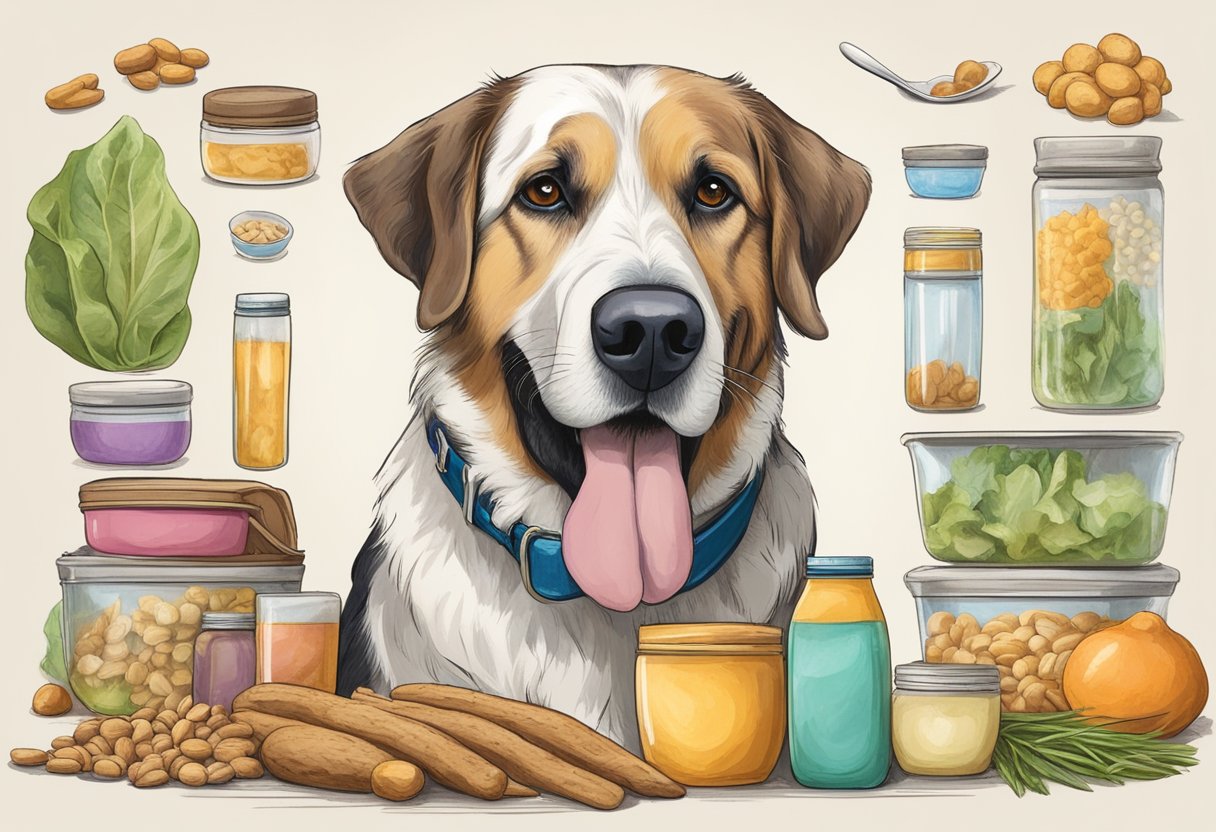
When addressing food allergies and sensitivities in senior dogs, it’s crucial for pet owners to seek guidance from accredited professionals and utilize reliable educational materials. Proper management of a senior dog’s dietary needs can significantly enhance their quality of life.
Consulting a Veterinary Nutritionist
A veterinarian or board-certified veterinary nutritionist is the best resource for creating a tailored diet plan for a senior dog with food sensitivities. These professionals have the expertise to assess clinical signs, like itchy skin and digestive issues, and recommend appropriate dietary changes. For example, the American Kennel Club (AKC) often emphasizes the importance of veterinary guidance in such matters.
- Initial Assessment: A veterinarian will conduct a thorough examination to rule out other health issues.
- Dietary Adjustments: A veterinary nutritionist may suggest specific diets, which could include hypoallergenic formulations or novel protein sources.
Educational Resources and Guides
Pet owners should educate themselves utilizing reputable sources to better understand their senior dog’s condition.
- AKC: Offers a wealth of articles on dog allergies, symptoms, and treatments.
- Dog Food Advisor: Provides unbiased dog food reviews and ratings guided by a chief veterinary officer to help owners make informed decisions.
- The Farmer’s Dog: Supplies information on fresh, whole-food diets, including options for dogs with sensitivities.
Here are several steps owners can take for further education:
- Read Guides: Look for comprehensive guides from established animal health organizations.
- Online Courses: Consider enrolling in online courses focused on pet nutrition.
- Support Groups: Join forums or social media groups to connect with other owners of dogs with similar issues.
Final Considerations for Caregivers
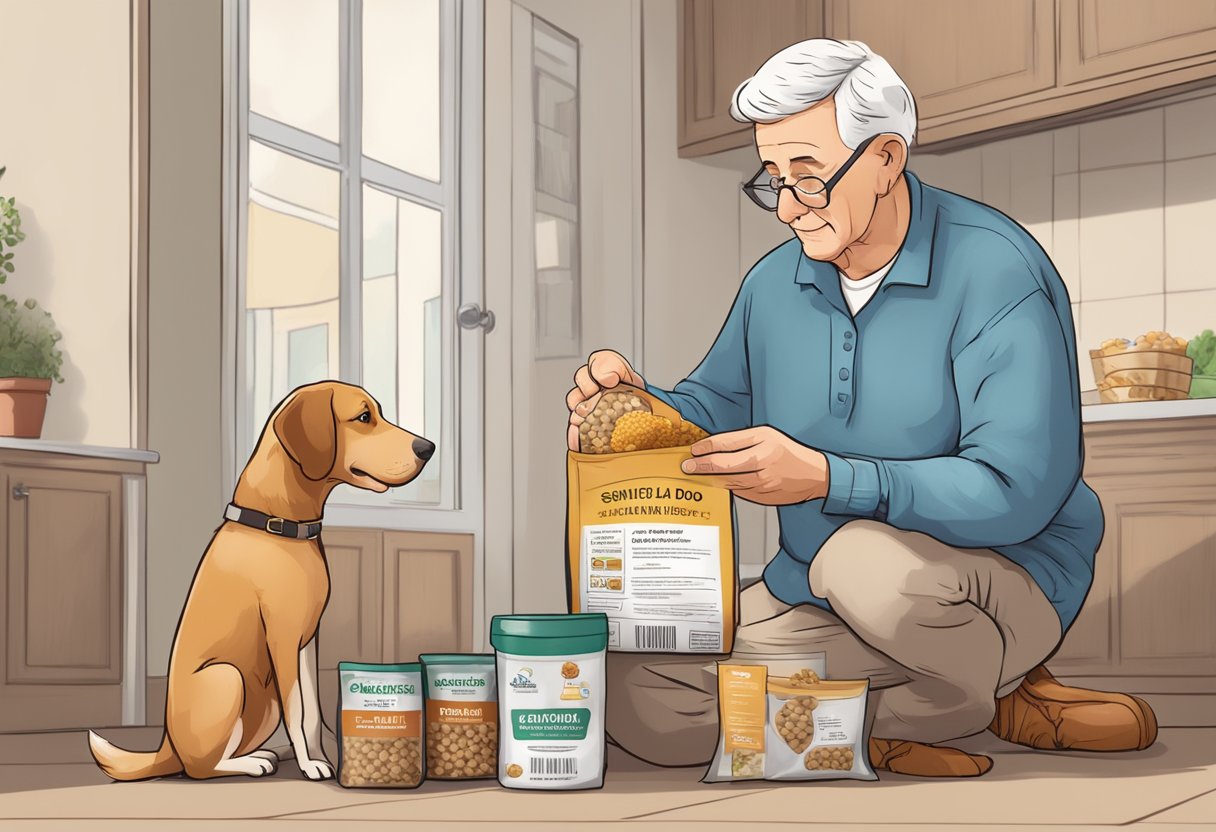
When attending to senior dogs with food allergies or sensitivities, pet parents face a distinct set of challenges. Here are definitive steps to ensure your canine companion receives the care they need:
- Nutritional Adjustment: Monitor your pet’s reaction to different foods, and consult with a veterinarian to define an ideal hypoallergenic diet that caters to their nutritional needs without triggering an allergic response.
- Observation: Stay vigilant for signs of discomfort post-meal, which might indicate a food sensitivity. Symptoms can include itching, gastrointestinal upset, or changes in skin and coat condition.
- Activity Adjustment: Align your dog’s activity level with its health status. While exercise remains important for seniors, it should be balanced with rest and should not be strenuous, to avoid stress on their immune system.
- Mobility Support: As dogs age, mobility can diminish. Ensure that their living space is adapted to support movement without unnecessary strain, particularly if they’re coping with the effects of food sensitivities.
- Regular Check-ups: Schedule consistent veterinary visits to promptly identify and manage any emerging health concerns and adjust their dietary plan as required.
Here is a simple reference table to guide caregivers:
| Factor | Consideration |
|---|---|
| Diet | Adjust and monitor, seeking professional advice. |
| Symptoms | Keep a close watch for any adverse reactions. |
| Exercise | Maintain a comfortable level of activity. |
| Comfort | Ensure a mobility-friendly environment. |
| Health | Regular veterinary visits for optimal management. |
By providing meticulous care and adhering to professional advice, caregivers can effectively manage their senior dogs’ food allergies or sensitivities, enhancing the quality of life of their beloved companions.
Frequently Asked Questions

In this section, we address common inquiries regarding food allergies and sensitivities in senior dogs, providing clarity on detection, symptoms, dietary management, and risks.
How can you determine if your dog is allergic to certain foods?
If one suspects their dog has a food allergy, it’s crucial to consult a veterinarian. A professional may recommend an elimination diet, systematically removing potential allergens from the dog’s diet and observing for a reduction of symptoms.
What are common symptoms indicating a dog may have food allergies or sensitivities?
Symptoms of food allergies in dogs can include gastrointestinal issues like vomiting or diarrhea, skin conditions such as itchiness and inflammation, and recurrent ear or foot infections.
What dietary changes can benefit a senior dog with grain allergies?
For senior dogs with grain allergies, switching to a grain-free diet that uses alternative carbohydrate sources, such as sweet potatoes or legumes, can be beneficial.
Which ingredients should be avoided in dogs with skin allergies?
Dogs with skin allergies should avoid ingredients that trigger their reactions, which often include common allergens like beef, dairy, chicken, soy, and wheat.
How can homemade diets help manage skin allergies in dogs?
Homemade diets allow for tight control over ingredients, ensuring that food allergens are excluded and that the diet is balanced to support a dog’s specific health needs.
Do senior dogs have a higher risk of developing food allergies or intolerances?
Senior dogs can develop food allergies or intolerances even if they did not have them previously. Ageing can change a dog’s immune system, potentially leading to new sensitivities.