
As dogs age, their nutritional needs change and their risk for cognitive decline increases. Cognitive dysfunction syndrome (CDS) is a common condition in senior dogs that can affect their memory, learning ability, awareness, and sensory perception. To support their cognitive health and manage the risk of CDS, it’s crucial to provide an appropriate diet tailored for their advanced age. The right nutrition can significantly influence their ability to maintain cognitive function and overall behavior, contributing to a better quality of life in their senior years.

Nutritional intervention is a key factor in managing cognitive decline in senior dogs. Research indicates that certain nutrients, such as antioxidants and omega-3 fatty acids, can help enhance cognitive function. These nutrients combat oxidative damage and support neural functions, which is particularly important for senior dogs. Alongside a nutrient-rich diet, it is essential to integrate regular exercise and mental stimulation into an elderly dog’s daily routine to support physical and mental health.
Environmental enrichment and a stable routine can also play a vital role in managing behavioral changes associated with aging. The appropriate food and supplements, coupled with a consistent and supportive environment, help in mitigating the effects of aging and maintaining a senior dog’s well-being.
Key Takeaways
- Senior dogs require specialized nutrition to support cognitive function and manage the risk of CDS.
- Antioxidants and omega-3 fatty acids are essential for maintaining cognitive health in aging dogs.
- Regular exercise, mental stimulation, and a consistent routine are important for the overall senior dog health.
Understanding Cognitive Dysfunction in Aging Dogs
As dogs advance in age, they, like humans, often experience a decline in cognitive function, a condition known colloquially as ‘senior dog dementia,’ medically termed Cognitive Dysfunction Syndrome (CDS). CDS is akin to Alzheimer’s disease in humans and affects a significant number of aging canines.
Early Signs of CDS:
- Disorientation and confusion
- Changes in sleep patterns
- Loss of house-training
- Reduced social interaction
- Altered activity levels
Senior dogs may show a gradual decline in cognitive function, which can manifest in various behavioral changes. This is because CDS is characterized by the accumulation of abnormal protein in the brain and neuronal loss leading to cognitive impairment.
Diagnosis of CDS is primarily clinical, based on history and symptomatology due to the absence of definitive diagnostic tests. Veterinarians will evaluate a dog’s behavior and rule out other conditions that could cause similar symptoms.
Impact of Age-Related Cognitive Decline:
- Memory: Decreased ability to learn new tasks or recognize familiar people and environments.
- Awareness: Impairment in spatial orientation, resulting in getting lost in familiar places.
- Sensory decline: Diminished sense perception that compounds disorientation.
Management of cognitive decline involves environmental enrichment, dietary changes, medication where appropriate, and routine that caters to the changing needs of the senior dog. Since there’s no cure for CDS, the goal is to slow the progression of cognitive decline and maintain the quality of life for as long as possible.
The Importance of Nutrition for Senior Dogs
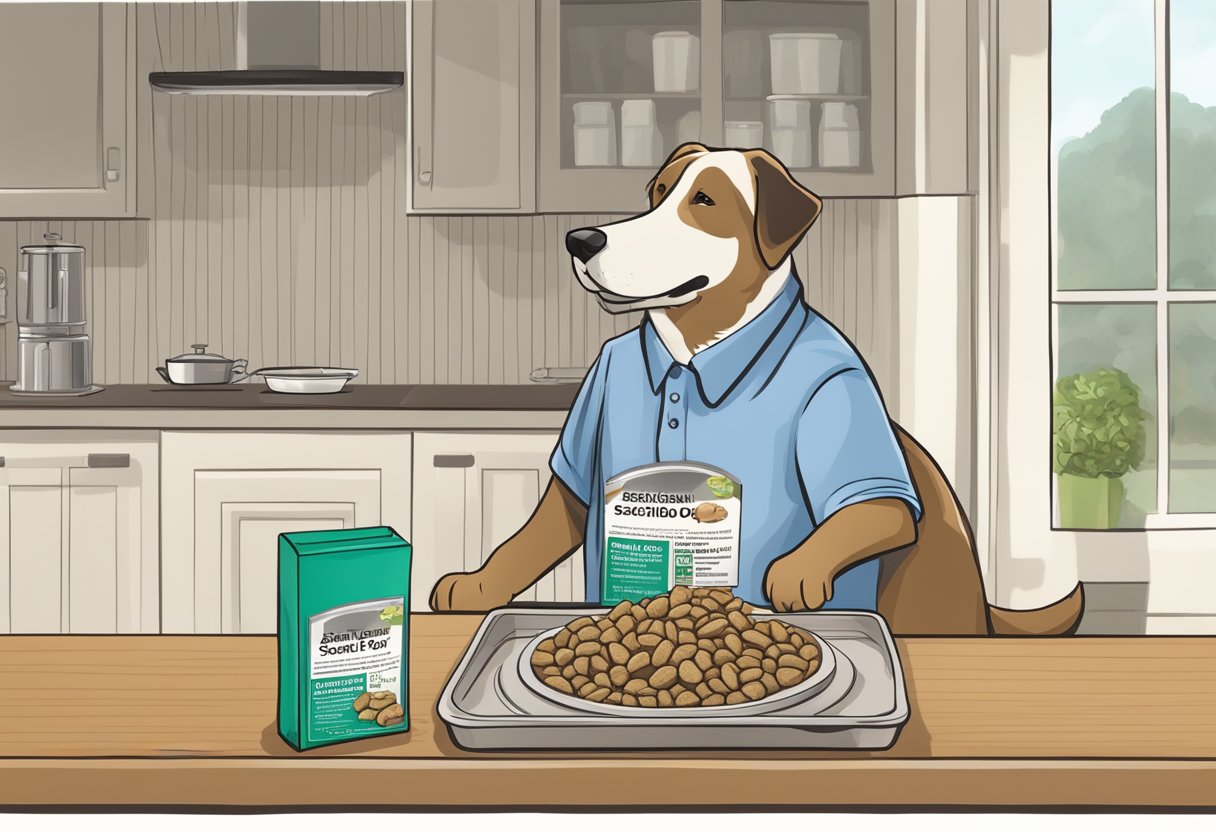
As dogs age, their nutritional needs evolve. Senior dogs require a diet formulated to support their changing physiology and to address common age-related issues. Nutrition plays a pivotal role in maintaining the health and cognitive function of aging dogs.
Senior dog food should be rich in specific nutrients to deal with the decline in their cognitive capabilities. Antioxidants, for instance, are crucial in combating oxidative stress, which is linked to cognitive dysfunction. Diets high in antioxidants like Vitamin E and C, flavonoids, and carotenoids can help mitigate the impact of aging on the brain.
Essential fatty acids, particularly omega-3s like DHA and EPA, support neuronal health. They help maintain cell membrane integrity and facilitate communication between nerve cells. Nutrition for senior dogs often includes a balance of these fatty acids to uphold cognitive function.
A senior dog’s diet should also be easily digestible and cater to reduced energy demands while ensuring it is still nutrient-dense to counteract potential muscle loss and support joint health. Reduced caloric intake helps prevent obesity, a common problem in less active senior dogs.
Senior dogs can also benefit from functional foods and supplements specifically designed to enhance cognitive function. Such foods typically include a range of B vitamins, which play a role in protecting against nerve damage and in the maintenance of mental faculties.
Here is a summarized list of considered nutrients for senior dog diets:
- Antioxidants: Combat oxidative damage (e.g., Vitamins E and C)
- Essential Fatty Acids: Support brain and cell membrane health (e.g., DHA, EPA)
- B Vitamins: Protect nerves and support mental function
- Adapted Protein Levels: Support muscle maintenance with digestible proteins
- Calorie Controlled: Match the decreased energy needs of less active dogs
Implementing the right nutrition is clearly instrumental in managing the well-being and behavioral health of senior dogs. It can help maintain their quality of life during the golden years.
Key Nutrients for Cognitive Health
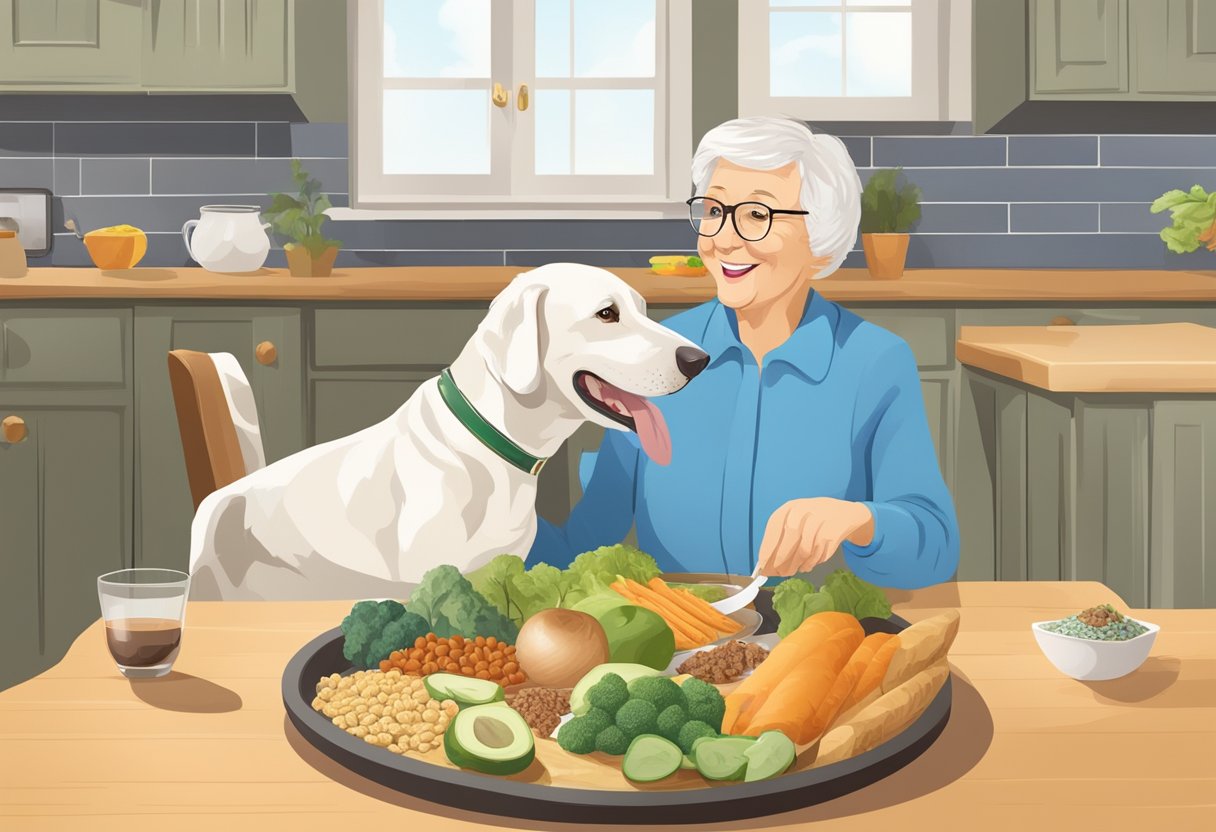
Research suggests that certain nutrients play an essential role in supporting cognitive health in senior dogs. Providing these nutrients through diet or supplements can contribute to brain function and potentially mitigate decline associated with aging.
Antioxidants such as Vitamin E and Vitamin C are vital. They help reduce oxidative damage by combatting free radicals. Flavonoids and carotenoids are other types of antioxidants that support brain health.
- Omega-3 Fatty Acids, especially docosahexaenoic acid (DHA), are known for their anti-inflammatory properties and are crucial for neural function.
- L-Carnitine aids in the metabolism of fats to provide energy and has been linked with improved brain function.
Medium-chain triglycerides (MCTs) are unique fats that are metabolized differently from other types of fat and can provide an alternative energy source for the brain.
| Nutrient | Role in Cognitive Health |
|---|---|
| Antioxidants | Combat oxidative stress and may reduce cognitive decline |
| Omega-3 Fatty Acids | Support cell membrane integrity and neural function |
| L-Carnitine | Facilitates energy production and may improve mental function |
| Vitamin E | Acts as an antioxidant and supports immune function |
| Vitamin C | Antioxidant that can regenerate other antioxidants |
| Flavonoids | May improve cognition by interacting with neuronal pathways |
| Carotenoids | Protects the brain from oxidative damage |
| MCTs | Provide an alternative energy source for brain cells |
Inclusion of these nutrients in a senior dog’s diet may help maintain cognitive functions, thereby improving their quality of life. It’s important for pet owners to choose specially formulated dog food that ensures their aging canines receive these beneficial nutrients.
Role of Diet in Managing Cognitive Decline
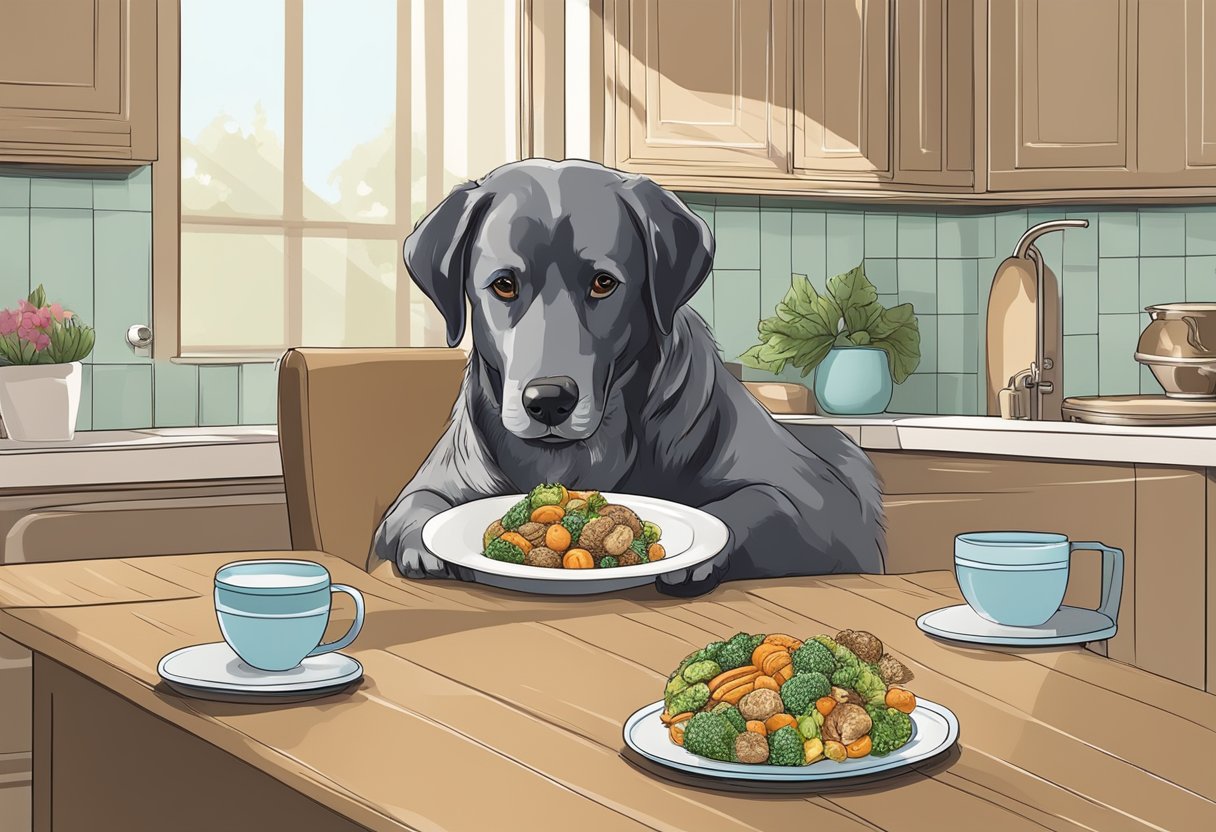
As dogs age, they can experience cognitive decline, much like humans. This deterioration in mental faculties is sometimes referred to as Cognitive Dysfunction Syndrome (CDS) in veterinary medicine. A dog’s diet plays a pivotal role in managing these age-related cognitive changes.
Nutritional Intervention: Senior dog foods fortified with antioxidants can provide significant benefits. Antioxidants help in reducing oxidative damage to the brain, which is a contributing factor to cognitive decline. By integrating an antioxidant-enriched diet, aging dogs may experience a slowing in the progression of cognitive symptoms.
Key Nutrients: Certain nutrients are vital for brain health, especially in managing blood-brain barrier integrity and neuroprotection. An optimal diet for senior dogs with cognitive decline would include:
- Omega-3 Fatty Acids: Particularly DHA, which supports neural functions.
- Vitamins E and C: Powerful antioxidants that defend against free radicals.
- L-Carnitine and Alpha-Lipoic Acid: Involved in mitochondrial function and energy production, with potential neuroprotective effects.
Feeding Strategies: It’s beneficial to combine such a diet with behavioral enrichment to maximize cognitive function. Studies indicate memory or cognitive performance improvements in dogs receiving both dietary support and stimulation through activities.
Clinical Evidence: Research underlines that a nutrient profile designed to combat free radicals can increase the body’s efficiency in clearing them, thus playing a role in managing CDS. However, it’s important to understand that while diet can be a powerful tool, it is not a cure-all for age-related cognitive decline, and a multifaceted approach is often necessary for managing the condition.
Supporting Cognitive Function Through Exercise
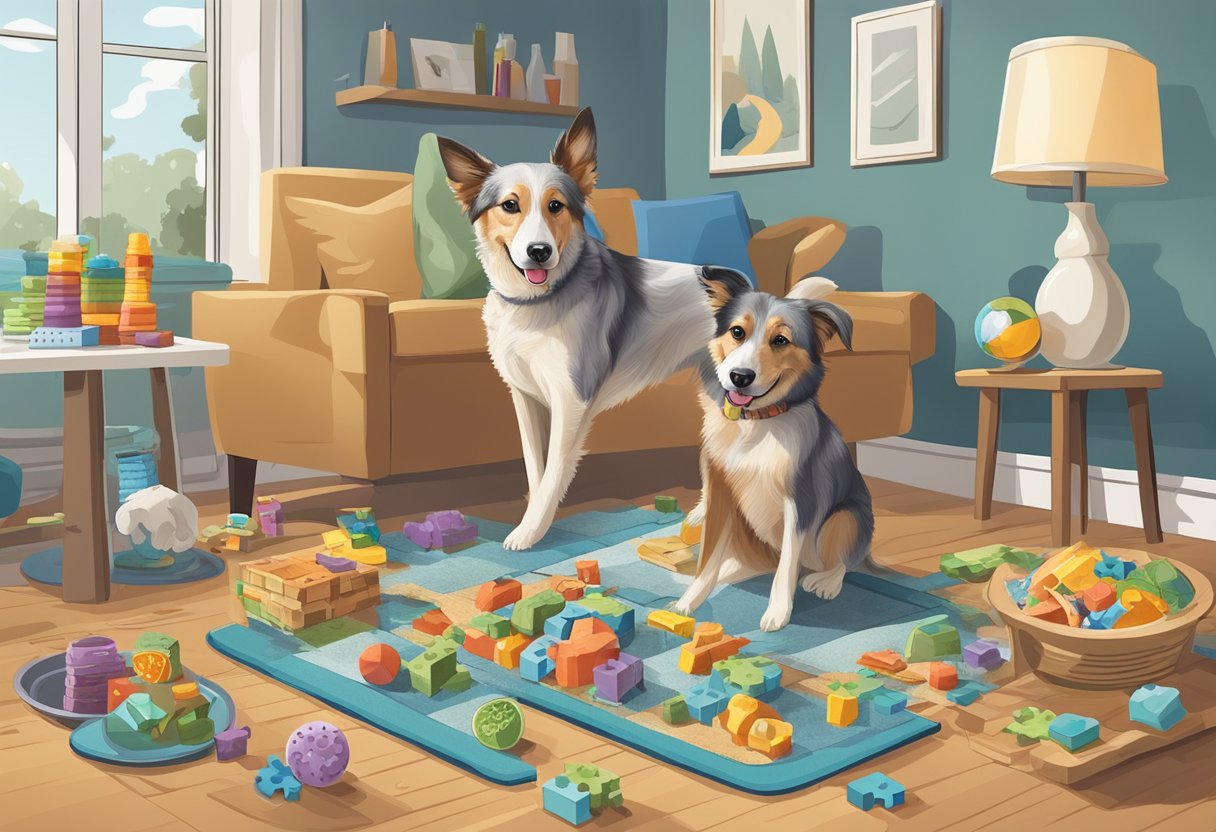
Regular physical exercise plays a critical role in maintaining and improving cognitive function in senior dogs. It stimulates their minds and enhances the learning and memory processes, essential for their overall well-being.
Schedule and Consistency: Consistent exercise routines help in establishing a structured environment for senior dogs. They benefit from knowing what to expect, which can reduce anxiety and confusion often associated with cognitive decline.
Exercise Variety:
- Gentle Walks: Daily walks provide not only physical exercise but also mental stimulation from the environment.
- Interactive Games: Games such as fetch keep the body active and the brain engaged in learning tasks and executing commands.
Physical Health Benefits: Along with cognitive advantages, regular exercise maintains joint health and muscle tone, which is significant as these physical attributes can affect a dog’s ability to engage mentally.
Behavioral Enrichment:
- New Tricks: Teaching senior dogs new tricks can stimulate cognitive processing.
- Puzzle Toys: These toys encourage problem-solving, which is directly tied to cognitive acuity.
In conclusion, a regimen of appropriate physical exercises will contribute greatly to preserving the mental agility of senior dogs. By incorporating regular, varied physical activities into a senior dog’s daily routine, caregivers can significantly enhance their pet’s cognitive functions and overall quality of life.
Behavioral Changes in Aging Dogs
As dogs age, they often exhibit a range of behavioral changes that can be indicative of underlying health issues or a condition known as Cognitive Dysfunction Syndrome (CDS). Common signs of CDS include:
- Confusion or disorientation, demonstrated by getting lost in familiar spaces.
- Changes in social interactions; senior dogs may become more withdrawn or irritable.
- Altered sleep-wake cycles, leading to restlessness or anxiety at night.
- Increased or decreased activity level; dogs might become either more lethargic or hyperactive.
- House soiling, which might be a result of a decline in urinary or fecal control.
- Changes in reaction to stimuli, with dogs potentially becoming less responsive to commands or cues.
The acronym DISHAA is often used to identify symptoms related to cognitive dysfunction:
- Disorientation
- Interactions (altered)
- Sleep-wake cycle changes
- House soiling
- Activity level changes
- Anxiety
For example, a senior dog may exhibit anxiety by pacing at night, unable to settle, which can be disruptive and concerning for owners. Another common behavior is increased vocalization, such as whining, crying, or barking, which may be a result of anxiety, hearing loss, or pain.
Owners of senior dogs should observe their pets closely and consult a veterinarian if they notice any significant changes in behavior. Early recognition and management can improve the quality of life for dogs with CDS and help in adapting their environment and routine to better suit their changing needs.
Environmental Enrichment for Mental Stimulation
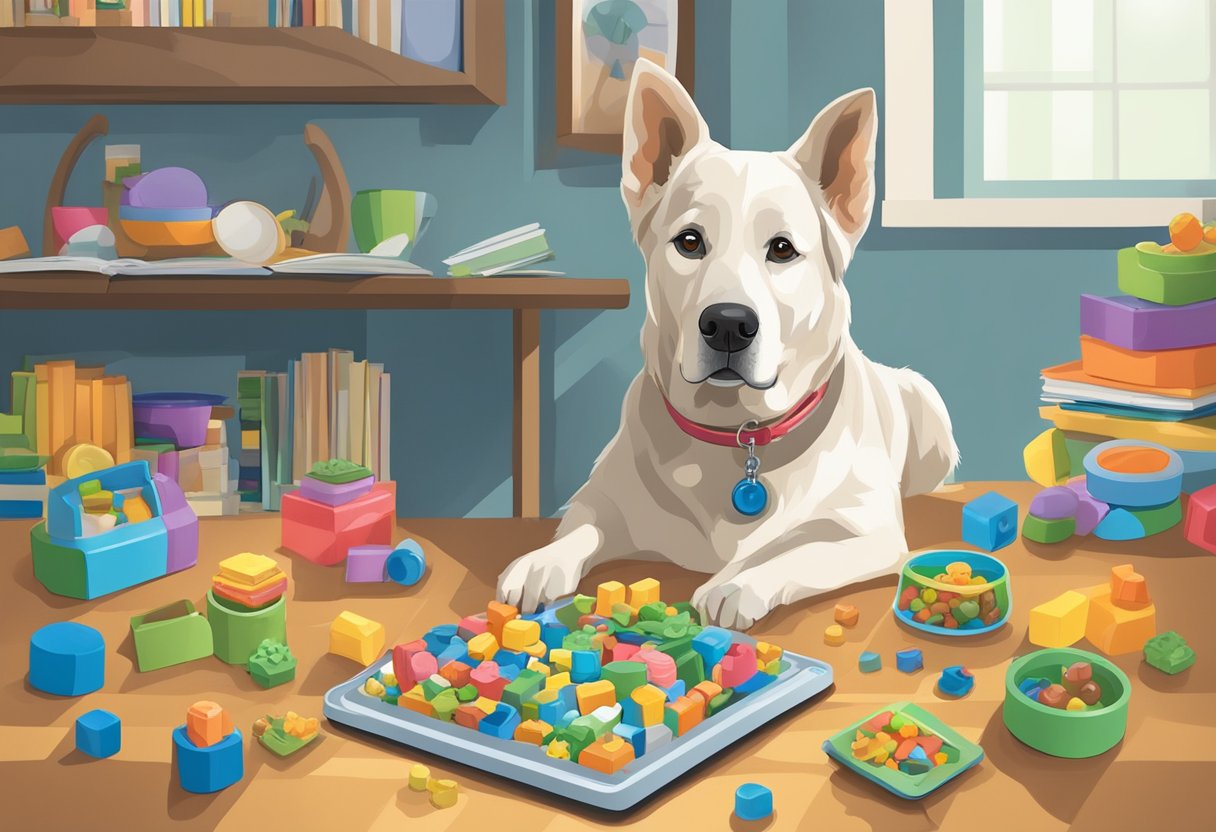
Environmental enrichment plays a crucial role in promoting cognitive function and behavioral health in senior dogs. By integrating a variety of stimulation methods into a dog’s environment, owners can support their aging pets’ mental agility and overall well-being.
Physical Activities: Consistent exercise, such as gentle walks, can greatly benefit a senior dog’s cognitive health. Physical activity helps maintain their learning capabilities and supports brain function.
Interactive Play: Engagement with interactive toys stimulates problem-solving skills. Offering toys that dispense treats when manipulated can encourage mental exertion and learning.
Social Interactions: Allowing dogs to socialize with other dogs and humans can boost their mood and cognitive sharpness. Social enrichment can include playdates or simply spending time with family members.
Sensory Stimulation: Introducing new scents, sights, and sounds can engage a senior dog’s senses, which is important for maintaining their cognitive abilities. This can involve anything from new walking routes to introducing safe household items with novel textures or smells.
Enrichment Activities:
- Bonding Time: Dedicated sessions for petting and talking to the dog.
- Conspecific Play: Interactive sessions with other dogs, if suitable.
- New Environments: Exploring different settings, whether indoors or outdoors.
The table below summarizes key enrichment strategies and their benefits:
| Enrichment Strategy | Cognitive Benefit |
|---|---|
| Physical Activities | Enhances learning and brain function |
| Interactive Play | Promotes problem-solving |
| Social Interactions | Boosts mood and cognitive sharpness |
| Sensory Stimulation | Engages and maintains cognitive abilities |
Incorporating environmental and behavioral enrichment methods can lead to improved quality of life for senior dogs, helping them remain alert and engaged as they age.
Choosing the Right Senior Dog Food
When caring for aging dogs, nutrition plays a pivotal role in maintaining their health and cognitive function. Senior dog food formulations are tailored to meet the specific needs of older dogs, who often have different dietary requirements compared to their younger counterparts.
Nutritional Adjustments for Aging Dogs:
Senior dogs can benefit from foods that have adjusted macronutrient profiles:
- Protein: High-quality protein for muscle maintenance.
- Fat: Moderated levels to prevent obesity, while ensuring enough energy.
- Fiber: Increased fiber for gastrointestinal health.
Supplementary Ingredients:
Certain additives can support cognitive function and joint health:
- Omega-3 Fatty Acids: For brain health.
- Glucosamine and Chondroitin: To aid joint health and mobility.
- Antioxidants: To combat oxidative stress and support overall wellness.
Selecting Quality Food:
- Look for the Association of American Feed Control Officials (AAFCO) approval, indicating balanced and complete nutrition.
- Ingredients should be carefully scrutinized, giving preference to whole foods over by-products and fillers.
Feeding Guidelines:
- Follow the feeding recommendations on the food packaging, adjusting as necessary for the dog’s weight and activity levels.
- Consultation with a veterinarian can be crucial in customizing a diet plan, especially for dogs with health issues like diabetes or kidney disease.
By offering a diet specially formulated for senior dogs, owners can proactively address the nuances of aging, ensuring their pets’ golden years are supported by the best possible nutrition.
Supplements and Medications

Senior dogs may experience a decline in cognitive function, which can manifest as changes in behavior. Owners and veterinarians often turn to a combination of supplements and medications to support brain health.
Supplements:
- Omega-3 fatty acids: Rich in DHA which is crucial for the support of brain function. Omega-3 supplements can come from fish oil or algae sources.
- Antioxidants: These compounds help combat oxidative stress, which is implicated in cognitive decline. Common antioxidants include Vitamins E and C, selenium, and flavonoids.
A nutrient profile comprising these supplements may slow the progression of cognitive dysfunction by reducing oxidative damage and supporting neuronal function.
Medications:
- Selegiline (Anipryl): A medication specifically approved for Canine Cognitive Dysfunction (CCD). It works by altering the concentration of brain chemicals, which can help in improving the symptoms of CCD.
It is essential for pet owners to consult a veterinarian before starting any new supplement or medication regime, as they can advise on the correct dosage and monitor for any potential side effects.
Summary Table:
| Type | Example | Potential Benefits |
|---|---|---|
| Supplement | Omega-3 fatty acids | Supports brain health, improves cognition |
| Supplement | Antioxidants | Reduces oxidative damage, supports neurons |
| Medication | Selegiline (Anipryl) | Alters brain chemicals, improves CCD symptoms |
Careful consideration of these supplemental and medical interventions can make a significant difference in the quality of life for a senior dog with cognitive concerns.
Working With Your Veterinarian
When managing a senior dog’s cognitive function and behavior, collaboration with a veterinarian is paramount. They can diagnose potential cognitive decline and recommend specific treatment plans tailored to the dog’s needs.
Initial Assessment:
- Medical History: A veterinarian will review the dog’s overall medical history to identify any contributing medical issues.
- Physical Examination: A thorough physical exam can help rule out other medical problems that may affect cognitive behavior.
- Cognitive Evaluation: Specific tests may be conducted to assess the dog’s mental status.
Developing a Treatment Plan:
- Treatment for cognitive dysfunction may involve nutritional interventions alongside medical therapy.
- A veterinarian might suggest dietary changes, including supplements rich in antioxidants, vitamins, and omega-3 fatty acids.
Monitoring:
- Regular follow-up appointments are essential to monitor the progression of cognitive issues and adjust treatment as needed.
- Owners should report any new behaviors or concerns promptly.
Medication & Supplements:
- If warranted, certain medications may be prescribed to support cognitive function.
- Veterinarians can advise on reputable supplements that may benefit the dog’s cognitive health.
It’s crucial to understand that treatment is most successful when started early, making timely veterinary consultations essential. Always consult with a veterinarian before changing a senior dog’s diet or starting any new supplements to ensure compatibility with existing conditions and medications.
Establishing Routine and Managing Behavioral Issues
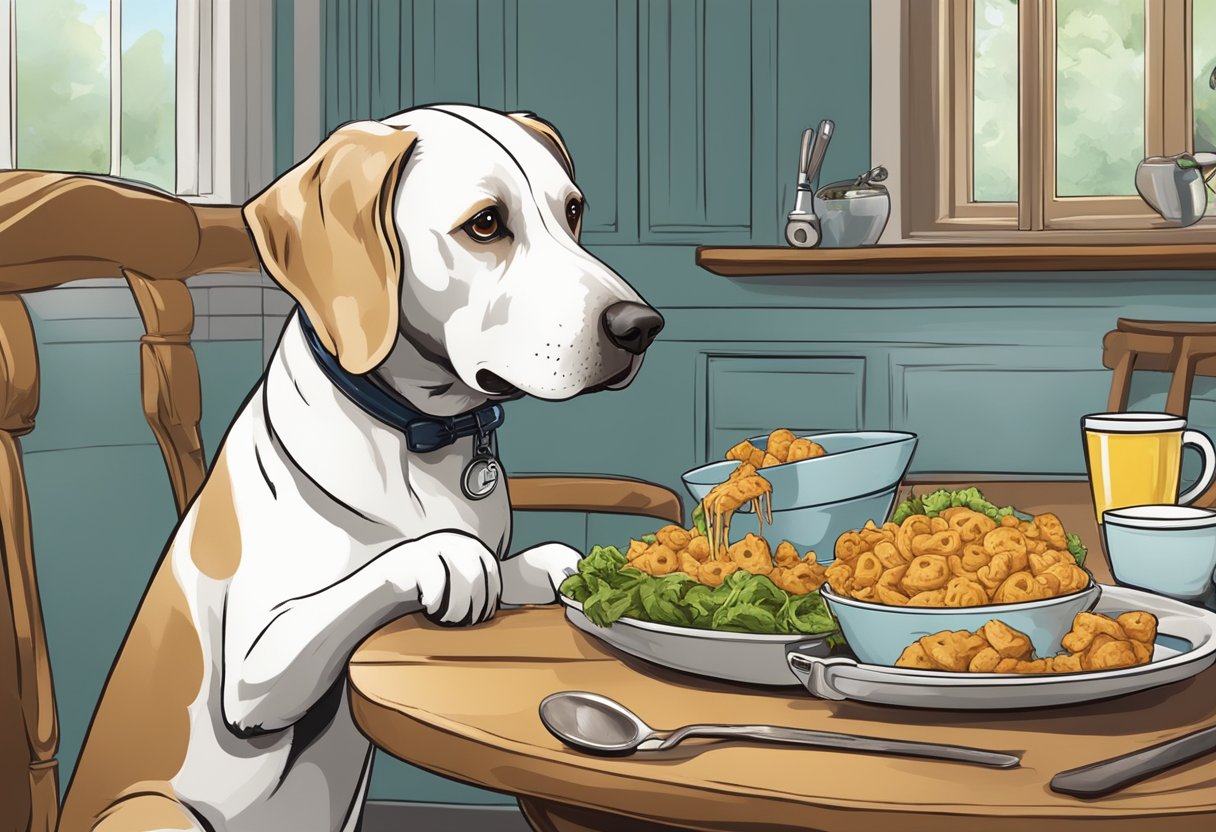
Establishing a consistent routine is paramount for senior dogs facing cognitive decline. A structured schedule provides stability and can help reduce symptoms of disorientation and anxiety.
Daily Routine:
- Feeding: Consistent meal times.
- Exercise: Gentle walks at set times.
- Playtime: Regular, brief play sessions.
Behavioral issues such as house soiling, excessive vocalization, and phobias can stem from cognitive changes. They require sympathetic management strategies.
Behavioral Management:
- House Soiling:
- Increased potty breaks.
- Use of puppy pads in accessible areas.
- Excessive Vocalization:
- Soothing music to calm them.
- Ignore the behavior to avoid reinforcement.
- Disorientation:
- Nightlights for evening confusion.
- Keep the environment consistent.
- Phobias & Anxiety:
- Create a safe space.
- Desensitization through gradual exposure.
Separation anxiety can also be prevalent in aging dogs, revealing itself through destructive behavior or restlessness.
Managing Separation Anxiety:
- Departures: Low-key without fanfare.
- Safe Space: Comfortable area with familiar items.
- Calm Returns: Encourage calmness upon arrival.
Italicized words are gentle reminders that senior dogs benefit from softer approaches due to their heightened sensitivity and potential for confusion. Adapting the home and routine to the dog’s evolving needs can significantly improve their quality of life while managing age-related behavioral changes.
Frequently Asked Questions
This section addresses common inquiries regarding the dietary needs of aging dogs to support cognitive function and manage behavior changes related to neurological health.
What dietary options help improve cognitive function in aging dogs?
A balanced diet rich in antioxidants, omega-3 fatty acids, and medium-chain triglycerides can help improve cognitive function in aging dogs. Ingredients such as fish oil and coconut oil are beneficial in supporting brain health.
Which commercial dog foods are recommended for dogs with neurological issues?
Commercial dog foods formulated for senior dogs often include enhanced antioxidant levels and omega-3 fatty acids to support neurological health. Brands that specialize in senior dog nutrition can offer products specifically designed for dogs with neurological issues.
How does nutrition influence canine cognitive health and behavior?
Nutrition plays a critical role in maintaining cognitive health in dogs. Diets formulated with nutrients that support brain function, like antioxidants and amino acids, can influence behavior by helping mitigate the effects of age-related cognitive decline.
What supplements may benefit dogs suffering from cognitive dysfunction syndrome (CDS)?
Supplements containing selenium, L-carnitine, alpha-lipoic acid, flavonoids, and carotenoids may benefit dogs with cognitive dysfunction syndrome by reducing oxidative damage and supporting cognitive health.
Are there specific ingredients to look for in food that supports brain health in senior dogs?
Foods that support brain health in senior dogs should contain high levels of antioxidants, such as vitamin E and beta-carotene, along with omega-3 fatty acids like DHA and EPA, which are vital for maintaining healthy brain function.
What treatment strategies exist for dogs diagnosed with dementia or cognitive decline?
Treatment strategies for dogs with dementia may include a combination of dietary modifications, pharmaceutical interventions, and environmental enrichment to manage symptoms and support cognitive function. Veterinarians may also recommend specific therapeutic diets designed for cognitive support.