
As dogs enter their senior years, their nutritional needs and ability to maintain dental health can change significantly. Dental health in older canines is crucial as it can directly affect their overall health and quality of life. Senior dog food formulated for dental health often includes specific nutrients and is designed to support both the dietary needs and dental care of aging dogs. Such formulations may incorporate a variety of ingredients known to support dental wellness, including added supplements that aid in preventing plaque and tartar buildup.
Simultaneously, dental chews play a complementary role in supporting the oral health of senior dogs. Chewing is a natural behavior for dogs that also serves to maintain oral health by mechanically removing debris from teeth. Quality dental chews for senior dogs are effective when used in conjunction with proper diet. Products free from artificial colors, flavors, or preservatives, and those that carry credentials from reputable organizations, are typically recommended. It’s also important to select foods and chews that are easy on older dogs’ more sensitive digestive systems and teeth, avoiding fillers and by-products that offer little nutritional value.
Key Takeaways
- Senior dog food for dental health is formulated with nutrients to support aging dogs’ oral and overall wellness.
- Dental chews serve to complement a senior dog’s diet by helping to clean teeth and reduce tartar.
- Choosing products free from artificial additives and fillers is important for the health of senior dogs.
Understanding the Needs of Senior Dogs
As dogs age, their dietary needs shift due to changes in metabolism and health status. A deeper awareness of these needs ensures that senior dogs maintain their health and quality of life.
Age-Related Changes
Senior dogs often experience a decline in the efficiency of their metabolism, which can lead to reduced energy needs. They may also lose muscle mass while their body fat percentage increases. Joint health can be a concern due to a natural decrease in the production of joint-supportive compounds like glucosamine and chondroitin, leading to potential inflammation and reduced mobility. Tailoring their diet to address these physiological changes is critical.
- Metabolism: Slows down, necessitating fewer calories.
- Muscle Mass: Tends to decrease, making protein intake important to maintain what muscle mass remains.
- Joint Health: Concerns increase; supplements such as glucosamine and chondroitin can help support joint function.
Nutritional Requirements
Senior dog food is formulated with specific nutrients that cater to older dogs’ unique needs. Glucosamine and chondroitin are often added to these diets to aid in sustaining joint health, while omega-3 fatty acids can help manage inflammation. Senior dogs’ food often contains:
- Higher protein levels to help maintain muscle mass.
- Adjusted fats and carbohydrates to manage weight since their metabolism is slower.
- Supplements like glucosamine, chondroitin, and omega-3 fatty acids to support joints and reduce inflammation.
A properly balanced senior dog food takes into account these adjustments to address the declining physical faculties and to promote overall health during the golden years.
Key Nutrients for Senior Dog Dental Health
Certain nutrients play a critical role in maintaining dental health for senior dogs. They can aid in preventing dental problems such as plaque and tartar buildup, and contribute to the overall strength and resilience of teeth and gums.
Ingredients for Dental Care
Calcium and Phosphorus: These minerals are essential for maintaining strong teeth. They help in the remineralization of teeth enamel, directly impacting a dog’s ability to chew and prevent dental problems.
- Calcium: Key for tooth structure.
- Phosphorus: Works with calcium to optimize dental strength.
Vitamins: Certain vitamins support gum health and the structural integrity of teeth.
- Vitamin C: Contributes to the health of gum tissue.
- Vitamin D: Facilitates calcium absorption and helps in maintaining the calcium and phosphorus balance.
Benefits of Specific Nutrients
Antioxidants: Compounds such as vitamins E and C help manage and reduce inflammation in the gums, and contribute to the repair of oral tissues.
- Vitamin E: Serves as an anti-inflammatory agent.
- Vitamin C: Acts as an antioxidant promoting healthy gums.
These nutrients specifically combat oxidative stress that might lead to dental issues in senior dogs. By reinforcing the dog’s natural defense system, they can contribute to better oral health and reduce the occurrence of plaque and tartar buildup.
Exploring Different Types of Senior Dog Food
When selecting dog food for senior dogs, it’s important to consider both dental health and ease of chewing. Owners should analyze the benefits of dry versus wet food and investigate specialized formulas aimed at dental care.
Dry vs. Wet Food
Dry Food: Senior dogs often require diets tailored to their diminishing dental health. Dry food, commonly known as kibble, can be beneficial for maintaining dental hygiene due to its abrasive texture that helps reduce plaque buildup. However, as dogs age, they may face difficulties in chewing hard kibble due to weakened teeth or gum issues. To aid in chewing and digestion, one can lightly moisten the kibble with water, which also aids in hydration.
- Pros:
- Helps clean teeth through natural abrasive action
- Typically more calorie-dense, requiring less volume
- Cons:
- May be hard to chew for some seniors
- Less moisture can be a risk for dogs with inadequate water intake
Wet Food: Wet food can be gentler for dogs with dental issues, as it is easy to chew and swallow. Moreover, it naturally contains more water, which supports hydration—critical for senior dogs who may not drink enough. It’s a safe option for ensuring a senior dog is well-fed and hydrated. However, without the abrasive action that dry food provides, it’s less effective in promoting dental health.
- Pros:
- Soft texture eases chewing and digestion
- Increased water content aids in hydration
- Cons:
- Less effective at cleaning teeth during eating
- Can be lower in calories, requiring larger portions
Specialized Dental Formulas
Manufacturers have responded to the need for senior dog food that supports dental health by creating specialized dental formulas. These diets may be grain-free and include elements such as:
- Additives to reduce tartar and plaque: Certain additives can be included in dog food to help prevent the build-up of tartar and plaque, which are leading causes of dental problems.
- Texturized kibble: Some kibbles are specifically shaped or textured to provide a brushing effect on teeth.
When choosing specialized dental dog food, owners should check for the Association of American Feed Control Officials (AAFCO) approval to ensure they are safe and nutritionally balanced for their pets. It is also critical to review the ingredient list for high-quality components and any additives that support oral health.
The Role of Dental Chews and Treats
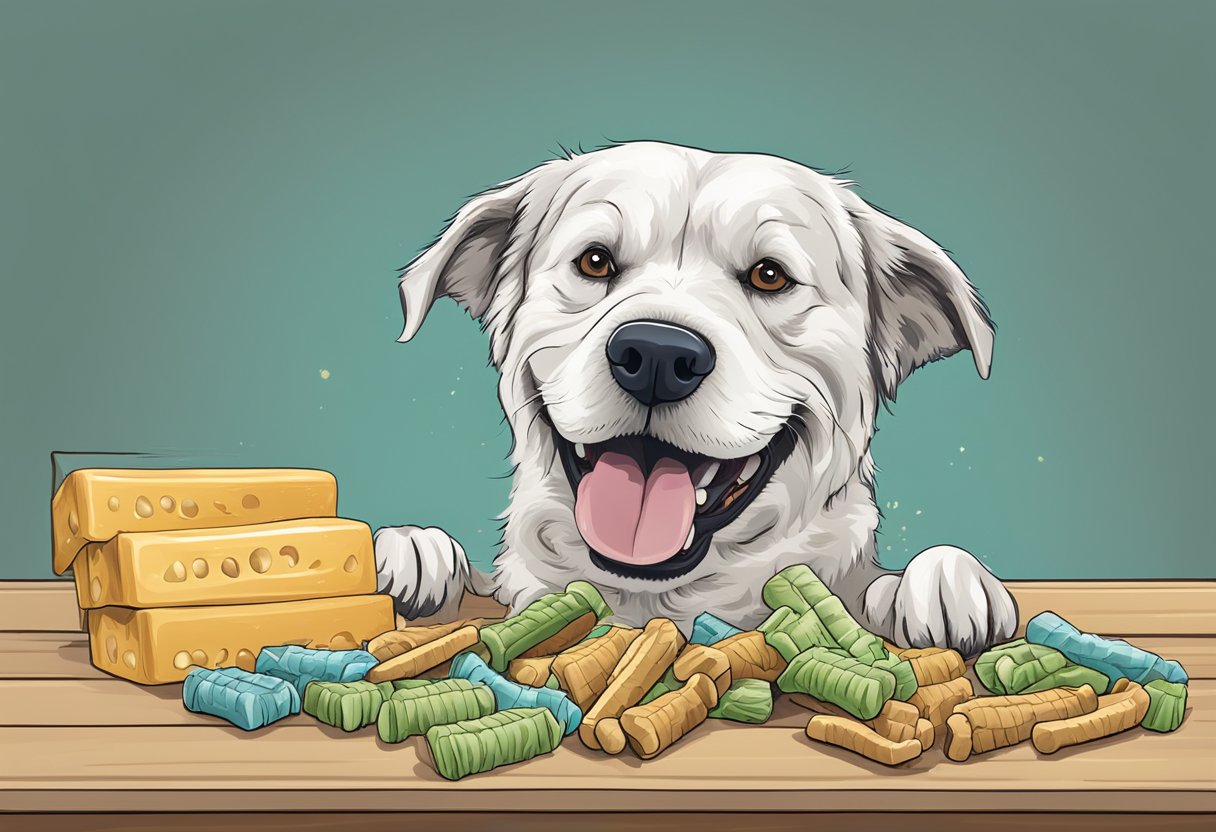
Dental chews and treats specifically designed for senior dogs play a vital role in maintaining oral health by reducing tartar build-up and freshening breath. They are designed to complement regular teeth brushing and not replace it.
Types of Dental Chews
- Soft Dental Chews: Ideal for older dogs, these chews are gentle on sensitive teeth and gums, while still being effective in cleaning.
- Brushing Chews: These treats have a texture and shape designed to brush away plaque as the dog chews, mimicking the action of brushing.
- Tartar Shield Chews: Often harder in texture, these are formulated to help break down the tartar that can build up on a dog’s teeth.
- Natural Ingredient Chews: Chews made from natural ingredients focus on providing a safe and chemical-free option, sometimes including beneficial supplements for overall health.
- Wild Bones: A type of dental chew that often contains unique proteins and promises an appealing taste for dogs while working to clean their teeth.
Choosing the Right Treats for Your Dog
When selecting dental chews:
- Consider Size and Hardness: Match the chew to the dog’s size and chewing style to ensure they can safely enjoy it without risking harm to their teeth or gums.
- Inspect Ingredients: Opt for chews with natural ingredients known to be safe for canine consumption, avoiding unnecessary additives.
- Look for Added Benefits: Some dental chews are enriched with glucosamine or omega-3 fatty acids, promoting joint health and skin/coat wellness.
By understanding the types of dental chews available and selecting the right one, pet owners can support their senior dogs’ dental health effectively.
How to Enhance Dental Health Through Diet
A senior dog’s diet can significantly impact dental health, with the right balance and texture of food aiding in maintaining oral hygiene and preventing dental issues.
Food Texture and Dental Cleaning
Texture plays a crucial role in the mechanical cleaning of a dog’s teeth.
- Dry Food: It generally has a rough texture that can help scrape away plaque from the teeth’s surface as the dog chews.
- Specialized Dental Treats: These are designed to reduce plaque and tartar build-up. They come in various shapes and textures that enhance the cleaning process during chewing.
It’s important to provide a regular, appropriate diet with a mixture of textures that support dental health without relying solely on any single food type.
Balanced Diets and Oral Hygiene
A balanced diet is vital for overall and dental health in senior dogs.
- Fiber: Food high in fiber can help maintain oral health by creating more chewing resistance, which stimulates saliva production and helps clean the teeth.
- Nutrients: Ensure the diet includes essential nutrients to support periodontal health, such as vitamins, minerals, and antioxidants.
- Consistency: Consistent feeding of foods that support dental health can contribute to reducing the risk of periodontal diseases.
Owners should consult with their veterinarians to find the best diet that promotes dental health in addition to meeting all their senior dogs’ nutritional needs.
What to Avoid in Senior Dog Food
When selecting senior dog food for dental health and chewing, one must be cautious of certain ingredients and labeling practices that can be detrimental to an older dog’s well-being.
Harmful Ingredients
Artificial Colors and Flavors: These additives offer no nutritional value and can potentially cause allergic reactions or digestive issues in senior dogs. It’s crucial to look for food that prioritizes natural ingredients without relying on artificial means to enhance appearance or taste.
- Artificial colors to avoid: Red 40, Blue 2, Yellow 5, Yellow 6
- Artificial flavors: Any non-natural flavoring should be questioned
Fillers: Low-quality fillers provide minimal nutritional benefit and may contribute to weight gain or digestive problems. Some common fillers found in dog foods include:
- Corn and wheat gluten
- Meat by-products
- Cellulose
Plant-Based and Soy-Based Recipes: While not inherently harmful, senior dogs often require higher-quality animal protein sources for optimal health. Soy can also cause allergies and thyroid issues in some dogs, so it is generally recommended to avoid soy-based recipes, especially if the dog has not eaten these ingredients regularly in the past.
- Avoid: High quantities of corn, soy, and wheat as primary ingredients
Misleading Labels
‘Complete and Balanced’: This statement can be misleading without considering the specific needs of senior dogs with dental health concerns. Verify the label against AAFCO nutritional standards to ensure the food meets the particular requirements for senior dogs.
- Check for: AAFCO statement tailored to senior or mature dogs
Ingredient Splitting: Some manufacturers list similar ingredients separately to improve the appearance of a higher-quality composition. A discerning eye should catch the split ingredients and assess the true nutritional content.
- Look out for: Multiple listings of corn, such as corn meal and corn bran, to assess actual ingredient ratios
By avoiding these pitfalls, one can provide senior dogs with nutrition that supports their dental health and accommodates their possibly diminished capacity for chewing, leading to a happier and healthier life in their golden years.
Reviewing Senior Dog Food Brands
When considering senior dog food, significant differentiators include ingredients targeting dental health and ease of chewing. Brands have formulated specific diets to support these needs in aging dogs.
What Sets Brands Apart?
Different brands distinguish themselves by formulating senior dog foods that cater to the unique nutritional requirements of older dogs, including dental health support and easier-to-chew kibble. Blue Buffalo, for example, incorporates calcium and phosphorus to help maintain strong teeth, while Wellness Core Senior Dog Food includes glucosamine and chondroitin for joint health, beneficial for dogs with dental discomfort who may struggle to chew. Nulo Freestyle Grain-Free Senior Dog Food offers smaller kibble size, making it easier for older dogs to eat and digest. Additionally, Canidae Grain-Free Pure Senior Formula is known for using a limited number of wholesome ingredients to reduce the risk of dietary sensitivities and to support gentle digestion.
Top Picks for Dental Health
Iams ProActive Health Mature Adult Senior Dog Food is often recommended for dental health due to its tailored nutrient profile that includes a specially designed kibble to reduce plaque build-up. On the other hand, Orijen Senior Dog Food provides a biologically appropriate diet rich in protein from fresh, whole meats, which can help maintain strong jaw muscles, crucial for maintaining dental health.
Here’s a brief overview of senior dog food options in the market:
- Blue Buffalo: Contains life source bits enriched with antioxidants and tailored nutrients for dental health.
- Wellness Core Senior Dog Food: Features ingredients promoting overall health and kibble designed to keep teeth clean.
- Orijen Senior Dog Food: Offers high protein content with fresh meats to maintain strong jaws and teeth.
- Nulo Freestyle Grain-Free Senior Dog Food: Provides smaller, easier to chew kibble with advanced probiotics for senior dogs.
- Iams ProActive Health Mature Adult Senior Dog Food: Delivers tailored nutrition with a focus on dental kibble design to minimize tartar.
- Canidae Grain-Free Pure Senior Formula: Utilizes simple, whole-food ingredients for easier digestion and dental health maintenance.
The Importance of Supplements for Aging Dogs

As dogs enter their senior years, their nutritional needs shift, and incorporating the right supplements into their diet becomes imperative for maintaining their health and well-being.
Supporting Joint Health
Senior dogs often experience joint-related issues such as arthritis, which can significantly affect their mobility and quality of life. Glucosamine and chondroitin are two supplements that are critical in supporting joint health. Glucosamine is a natural compound found in cartilage that helps to keep joints cushioned during movement. Chondroitin works alongside glucosamine to help maintain the integrity of cartilage and promote elasticity. Many senior dog supplements include these compounds, acknowledging their benefits in reducing inflammation and pain associated with degenerative joint conditions.
- Glucosamine: Aids in maintaining cushioned joints
- Chondroitin: Promotes cartilage integrity and elasticity
Benefits of Omega Fatty Acids
Omega-3 fatty acids, particularly EPA (eicosapentaenoic acid) and DHA (docosahexaenoic acid), play a crucial role in managing inflammation and supporting overall health in senior dogs. These fatty acids, commonly sourced from fish oil, contribute to the maintenance of healthy skin and coat, support cognitive function, and help reduce the inflammatory response often associated with aging. Supplementing a senior dog’s diet with fish oil rich in omega-3 fatty acids can provide these essential nutrients that they may not be getting enough of from their regular diet.
- Omega-3 Fatty Acids:
- EPA: Manages inflammation
- DHA: Supports cognitive health
It is beneficial for a senior dog’s health regimen to include supplements that contain these specific components. Including probiotics in their diet can also aid digestion and help maintain a balanced gut microbiome, which is especially important for senior dogs as their digestive systems can become more sensitive with age.
Dealing with Specific Health Issues
As senior dogs age, they often face unique health challenges that require careful dietary management, particularly concerning dental health and weight control.
Dental Problems
Senior dogs frequently suffer from dental issues such as periodontal disease and tooth loss, which can impact their ability to chew and digest hard food. Careful selection of a diet tailored to these needs is imperative.
- Soft-textured food: Wet or canned food is often recommended for seniors with bad teeth. It’s easy to chew and may be more appetizing.
- Dental health support: Specially designed kibble or additives can help maintain dental health, reducing plaque and tartar build-up.
Considerations:
- Dental chews: Supplement meals with dental chews that promote mechanical cleaning of the teeth.
- Hydration: Wet foods can contribute to better hydration, which is beneficial for dental hygiene.
Weight Management
Maintaining an ideal weight is crucial for senior dogs to minimize the stress on their joints and to manage or prevent health issues like kidney disease.
- Caloric intake: Adjust calories to match reduced activity levels.
- Balanced nutrients: Ensure a balanced diet that supports overall health without unnecessary weight gain.
Dietary Adjustments:
- High-fiber diets: Can help manage weight by providing a feeling of fullness.
- Protein-rich foods: Support muscle mass, crucial for aging dogs to maintain strength and function.
Special Diets:
- Sensitivity issues: Watch for signs of sensitivities or allergies, and choose hypoallergenic formulas if needed.
- Kidney health: Diets low in phosphorus and protein may benefit dogs with kidney concerns, but always consult a veterinarian for advice tailored to specific health issues.
Feeding Guidelines and Portion Control
Senior dogs have different nutritional needs compared to younger dogs. Portion control and proper calorie intake are essential for maintaining dental health and accommodating a slowing metabolism.
Calculating Optimal Calories
To determine the optimal calorie intake for a senior dog, one must first assess their individual needs based on factors such as weight, energy level, and health conditions. A veterinarian can provide a precise caloric requirement, but a general guideline is to feed senior dogs about 20% fewer calories than adult dogs to prevent obesity due to their decreased activity levels.
- Active senior dog (per pound of body weight): Approximately 30 calories
- Less active or overweight senior dog (per pound of body weight): Approximately 20 calories
Protein and fat ratios should be tailored to maintain lean muscle mass while avoiding weight gain. Protein levels should remain adequate to support muscle health, while fat content may be reduced to lower total calorie intake.
Adjusting to Slowing Metabolism
Senior dogs experience a natural decline in metabolism, necessitating adjustments in their diet to prevent weight gain which can exacerbate health issues such as arthritis and heart disease. Careful monitoring of portion sizes and regular weight checks are crucial.
- Frequency of feeding: Divide the total daily calorie allotment into two meals to support steady energy levels and digestion.
- Weight control: Regularly adjust the portion sizes based on the dog’s body condition score and muscle condition score, reducing amounts if the dog shows signs of excess weight.
Formulaic adjustments to the diet may be required for maintaining optimal calories and managing weight control. It is also important to consider the ease of chewing and digestibility of the senior dog’s food to ensure dental health is supported, opting for softer textures or tailored kibble shapes if necessary.
Final Considerations for Choosing Senior Dog Food
Choosing the right senior dog food requires attention to detail and an understanding of your dog’s specific needs. High-quality ingredients and professional guidance are paramount.
Quality Ingredients
Senior dogs have unique dietary needs that high-quality ingredients can help meet. When selecting a food for a senior dog, it’s important to look for options that include fresh ingredients which provide essential nutrients for maintaining overall health. For instance, Nom Nom Beef Mash Fresh Dog Food is known for its use of fresh, wholesome ingredients that cater to a senior dog’s requirements. One should also consider foods like Pro Plan Bright Mind Adult 7+ Senior Chicken and Rice which includes enhanced botanical oils shown to promote mental sharpness, and high-quality protein sources like chicken to maintain muscle mass.
Consulting Professionals
Before making any changes to a senior dog’s diet, it is critical to consult with a veterinarian. They can provide invaluable advice tailored to the individual dog’s health status, taking into account any dental issues that affect their ability to chew. The vet can help determine whether a senior formula is necessary and if specific food brands like Pro Plan Bright Mind or specialized diets such as Nom Nom would suit the dog’s particular dental and nutritional needs.
Frequently Asked Questions
Selecting the right dog food for senior dogs with dental problems is crucial for their health and well-being. This section addresses common questions and provides guidance to support your aging dog’s dental and overall health.
What are some recommended dog foods for senior dogs with dental problems?
Senior dogs with dental issues benefit from foods that are easy to chew and swallow. Softer kibbles or canned foods specifically formulated for seniors often have the right balance of nutrients and a softer texture.
Are there specific soft dry dog food brands that cater to older dogs with chewing difficulties?
Yes, there are brands that produce soft dry dog food, which is designed to be easier on the teeth while still providing the required nutrition. Look for brands that claim to be suitable for senior dogs or those with dental issues.
How can I ensure proper nutrition for my senior dog that has lost teeth?
For senior dogs with missing teeth, you can ensure proper nutrition by offering them soft, wet foods or by moistening dry food to make it easier to eat. Always opt for a diet that fulfills their specific nutrient needs like protein, fat, and fiber.
What diet adjustments should I consider for a senior dog with arthritis and dental issues?
A senior dog with arthritis and dental issues may require foods with anti-inflammatory properties to help with joint pain and softer textures for easy chewing. Foods with added supplements such as glucosamine and chondroitin can be beneficial.
What are vet-recommended dog foods for maintaining dental health in senior dogs?
Vets often recommend diets that include ingredients for tartar control and gum health. Prescription diets tailored for dental health also often come vet-recommended for maintaining a senior dog’s oral hygiene.
What safe chewing options are available for senior dogs to support dental health?
Senior dogs can be provided with safe chewing options like soft dental chews or toys designed to clean the teeth without being too hard on their jaws and gums. It’s important to choose a size and hardness appropriate for your senior dog’s specific condition.