
As dogs age, their nutritional needs evolve, and for senior dogs with kidney issues, a tailored diet is often recommended. Kidney health is crucial for senior dogs, as their renal function tends to decline naturally with age. By adjusting their diet to include specialized dog food formulated for kidney health, pet owners can help manage these conditions and maintain their dog’s well-being. It’s important to provide a diet that is lower in protein, phosphorus, and sodium, yet rich in omega-3 fatty acids, antioxidants, and other vital nutrients to support kidney function.

Veterinary guidance is essential when selecting the right food for a senior dog with kidney disease. Prescription renal diets are designed to address specific health issues and are subjected to rigorous testing to ensure their safety and effectiveness. Meanwhile, for owners opting for homemade diets, it’s critical to ensure they meet the dog’s nutritional requirements while being palatable and hydrating. Hydration, while often overlooked, plays a significant role in kidney health, and attention to adequate water intake is as important as the food itself.
Key Takeaways
- Specialized diets for senior dogs can support kidney health and manage disease.
- Veterinary-approved kidney diets are essential for meeting nutritional needs.
- Proper hydration is crucial for maintaining kidney function in senior dogs.
Understanding Kidney Health in Senior Dogs

As dogs age, their organ systems often begin to function less optimally, with kidney health being a common concern in senior dogs. Proper management of kidney function is crucial for maintaining their overall health and quality of life.
The Impact of Kidney Disease on Dogs
Chronic kidney disease (CKD) is a prevalent issue in older dogs that can progressively diminish the kidneys’ abilities to function properly. As filtrating organs, the kidneys are vital for removing wastes and maintaining balance of electrolytes and water in the body. When these organs suffer from chronic disease, toxins can accumulate in the bloodstream, leading to a decline in overall health. Conversely, acute kidney failure occurs suddenly and can be caused by factors such as toxin ingestion or decreased blood flow to the kidneys.
Symptoms of CKD may not be evident until the disease has advanced, making early detection through regular veterinary screenings important. Chronic kidney failure cannot be reversed, but its progression can be managed with appropriate dietary adjustments and medical care.
Identifying Symptoms of Kidney Issues
Recognizing the symptoms of kidney issues in senior dogs is critical for early intervention and management. These symptoms often include:
- Increased thirst and urination: As the kidneys’ ability to concentrate urine declines, dogs may drink and urinate more.
- Weight loss and decreased appetite: A dog may eat less due to nausea caused by toxin buildup.
- Vomiting or diarrhea: Ongoing gastrointestinal upsets could indicate compromised kidney function.
- Lethargy: Dogs with kidney disease may be less active or show decreased interest in activities.
- Poor coat condition: A once-lustrous coat may become dull and dry.
Prompt veterinary attention when symptoms are noticed can help distinguish between chronic and acute kidney issues and provide a pathway to management strategies for the dog’s specific condition.
Nutritional Requirements for Kidney Support

Senior dogs with kidney issues require diets formulated to support kidney function while meeting their nutritional needs. The food selected plays a critical role in managing the condition and contributing to the dog’s overall wellbeing.
Role of Protein in Kidney Health
Protein intake in dogs with chronic kidney disease (CKD) needs careful management. While a source of energy and essential amino acids, excessive amounts of protein can exacerbate kidney damage. The goal is to provide enough high-quality protein to prevent muscle wasting without overburdening the kidneys. Diets for canines with kidney issues typically contain 14-20% protein on a dry matter basis, which helps minimize the waste products that the kidneys must filter.
Importance of Phosphorus Control
Phosphorus levels in the diet are also crucial for dogs with CKD. Elevated phosphorus can lead to further renal damage and worsen the prognosis. Therefore, phosphorus content is generally recommended to be between 0.2-0.5% on a dry matter basis for dogs with compromised kidney function. Limiting dietary phosphorus helps delay the progression of the disease and can improve the quality of life.
Selecting the Right Dog Food
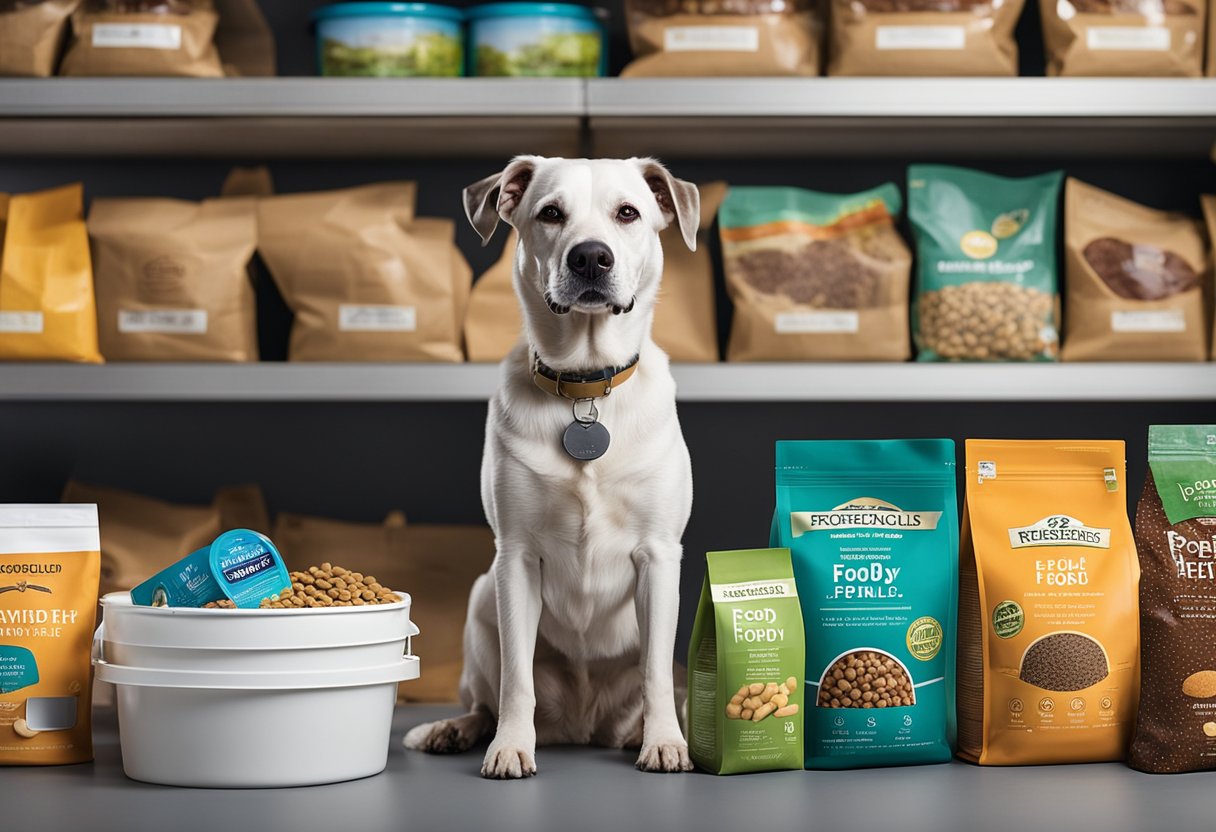
When it comes to the health of senior dogs, choosing a diet tailored for kidney health is crucial. This requires careful consideration of ingredients and consultation with a veterinarian.
Choosing Senior Dog Food for Kidney Health
Senior dogs often require specialized dog foods that address their unique health needs, particularly when it comes to kidney health. A dog with kidney issues needs a diet that is low in phosphorus, sodium, and often protein. However, the protein should be high-quality to ensure it’s easily digestible. Brands like Blue Buffalo have specific lines designed for kidney support, offering controlled levels of these critical components.
It’s essential to select dog foods that mitigate the advancement of kidney disease while providing complete and balanced nutrition. Feedback from a vet is key in determining the appropriate dog food that accommodates both the age-related changes in a senior dog and its specific medical conditions.
Ingredients to Look For in Dog Foods
When evaluating dog foods for kidney health, the ingredients list becomes a critical component. Below are some ingredients identified as beneficial for dogs with kidney concerns:
- Low Phosphorus & Sodium Levels: Crucial to alleviate kidney stress.
- Controlled Protein Levels: High-quality but limited protein to reduce kidney workload while preventing muscle waste.
- Omega-3 Fatty Acids: Help to reduce inflammation.
- Antioxidants: Support immune health and combat cellular damage.
Table: Recommended Nutrient Levels
| Nutrient | Recommended Level |
|---|---|
| Phosphorus | Low |
| Sodium | Low |
| Protein | Controlled Amounts |
| Omega-3 Fatty Acids | Encouraged |
| Antioxidants | Present |
Dog owners must scrutinize dog food labels for these ingredients to ensure that their senior dog’s kidney health is not adversely affected. While specialized diets can be more expensive, investing in the right dog food can lead to better health outcomes for the dog. It’s always advised to discuss with a veterinarian to tailor a diet specific to an individual dog’s health status.
Dietary Adjustments for Senior Dogs with Kidney Disease

Proper dietary management is critical for senior dogs with kidney disease, requiring specific adjustments in protein levels as well as in sodium and calcium intake.
Adjusting Protein Levels
In senior dogs diagnosed with kidney disease, it is important to modify protein intake. While protein is an essential part of a dog’s diet, impaired kidneys can struggle to process nitrogenous waste produced from protein metabolism. Therefore, adjusting the protein content of their diet can aid in managing the disease. Some veterinarians may recommend a diet with reduced protein levels, but the quality of the protein should remain high.
- High-quality protein: This can help reduce the kidneys’ workload.
- Low phosphorus levels: Essential to consider alongside protein to support kidney function.
Managing Sodium and Calcium Intake
Sodium should be limited in a senior dog’s diet to help control high blood pressure, a common issue in dogs with kidney disease. Meanwhile, a balanced calcium intake is essential, as imbalances can affect kidney function and bone health.
- Reduced sodium: Aims to control blood pressure.
- Balanced calcium: Prevents bone issues and helps support kidney function.
Managing the diet of senior dogs with kidney disease involves these careful adjustments to ensure that the food supports their health needs while mitigating the progression of the disease.
Supplements and Additives for Kidney Support
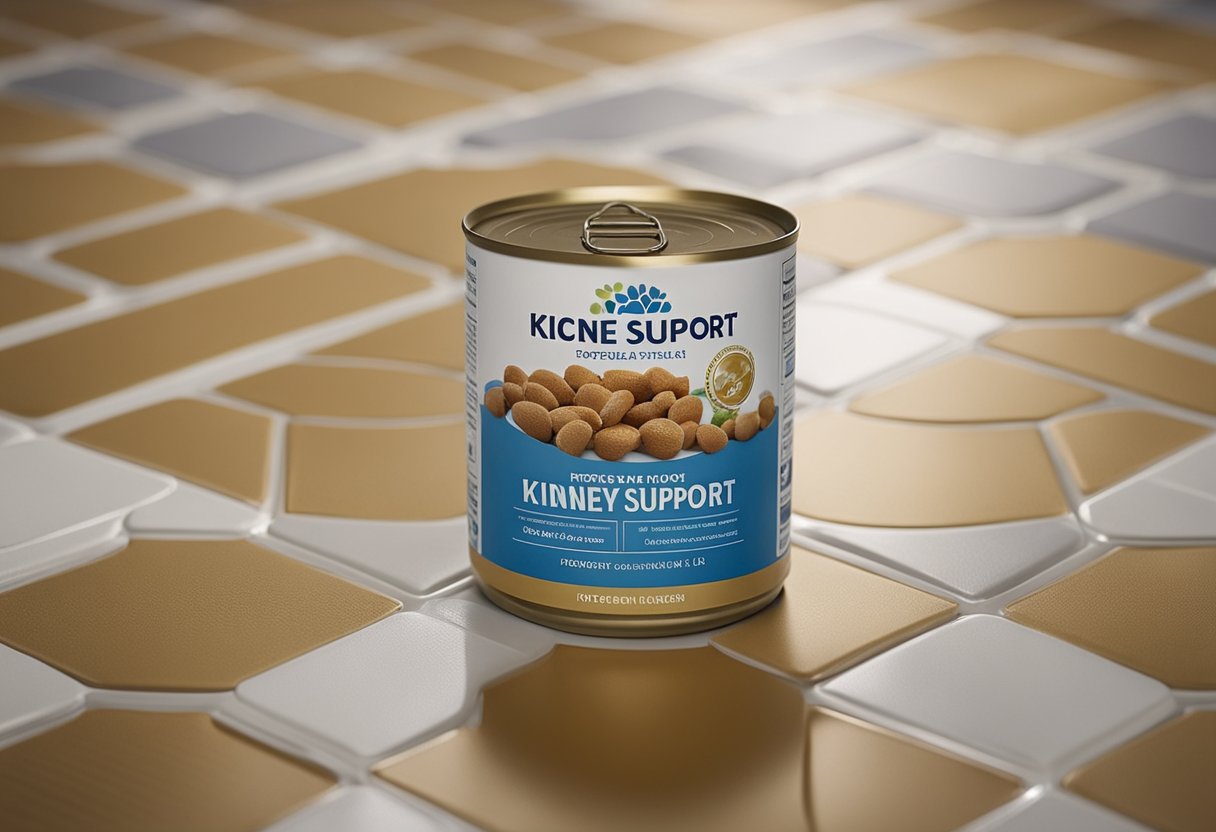
Dogs with kidney issues may benefit from certain dietary supplements and additives specifically formulated for kidney support. These nutritional enhancements can aid in reducing inflammation and bolstering the kidneys’ ability to function properly.
Benefits of Omega-3 Fatty Acids
Omega-3 fatty acids, primarily found in fish oil, serve a crucial role in managing chronic kidney disease in dogs. These fatty acids are known to have anti-inflammatory properties, which help alleviate the inflammation often associated with kidney problems. The administration of omega-3 supplements can therefore be an integral component in a renal support regimen.
- Sources of Omega-3s:
- Fish oil supplements
- Flaxseed oil
- Certain fish species (e.g., salmon, sardines)
The Role of Antioxidants in Kidney Health
Antioxidants are substances that can prevent or slow damage to cells caused by free radicals. In the context of kidney health, antioxidants help counteract oxidative stress that often exacerbates renal impairment. A dog’s kidney function can be supported by the inclusion of antioxidant-rich supplements, which may contain:
- Vitamins C and E: Known for their antioxidative properties.
- Fruits and Vegetables: Can be used as treats; blueberries and spinach are high in antioxidants.
In summary, the appropriate use of omega-3 fatty acids and antioxidants in the diet can be a beneficial part of managing a senior dog’s kidney health. These compounds target inflammation and cellular damage, potentially improving the quality of life for dogs with kidney disease.
Hydration and Kidney Function

Proper hydration is crucial for maintaining kidney function in senior dogs, as it helps flush out toxins and supports overall health.
The Importance of Water Intake
The kidneys play a vital role in regulating a dog’s internal environment, particularly by filtering waste and maintaining hydration levels. Sufficient water intake is essential for these organs to function effectively. It ensures that waste products are diluted and expelled in the urine, minimizing the risk of kidney stone formation and helping to manage kidney disease.
Key points about water intake and kidney health:
- Adequate water consumption helps in the prevention of toxin buildup in the kidneys.
- Water aids in maintaining blood pressure, which is crucial for kidney health.
Signs of Dehydration in Dogs
Recognizing dehydration in dogs is imperative as it can indicate inadequate water intake, which may lead to deteriorating kidney function.
Symptoms that a dog may be dehydrated include:
- Dry gums: A healthy dog’s gums should be moist, not sticky or dry.
- Lethargy: A dehydrated dog may appear tired and less interested in activities.
- Loss of skin elasticity: When gently pinched, the skin should spring back into place.
Immediate veterinary attention is recommended if signs of dehydration are observed, as it can impact kidney health and the dog’s overall well-being.
Transitioning to a Kidney-Supportive Diet

When a senior dog is diagnosed with kidney disease, their nutrition needs to change to a specialized diet that supports kidney health. This transition must be done carefully to ensure the dog accepts the new diet while receiving the nutrients needed for their condition.
How to Introduce a Specialized Diet
To introduce a new kidney-supportive diet to a senior dog, it’s important to start slowly. One method is to begin by mixing a small amount of the new, specialized food with their current food, gradually increasing the proportion over the course of a week or two. This method helps the dog’s digestive system adjust and can help prevent rejection of the new diet.
Here are steps for transitioning:
- Day 1-3: 25% specialized diet mixed with 75% current diet
- Day 4-6: 50% specialized diet mixed with 50% current diet
- Day 7-9: 75% specialized diet mixed with 25% current diet
- Day 10+: 100% specialized diet
Keep a close eye on the dog’s response to the new diet, including any changes in appetite or stool quality, and consult with a vet if there are concerns.
Dealing with Picky Eaters
Picky eaters may be more resistant to dietary changes. In such cases, one can enhance the palatability of the kidney-supportive food by warming it slightly or adding a small amount of low-sodium chicken broth. It is critical to avoid foods with high phosphorus and sodium content since these can exacerbate kidney issues.
To accommodate picky eaters:
- Warm the food: A slight increase in temperature can release aromas and make the food more appealing.
- Add flavors: Introduce low-sodium flavors to entice the dog’s appetite without compromising kidney health.
If a dog continues to be reluctant to eat the new diet, consult a veterinarian for advice. They may recommend specific appetite stimulants or alternative kidney-supportive diets that may be more palatable to the dog.
Veterinary Care and Regular Monitoring
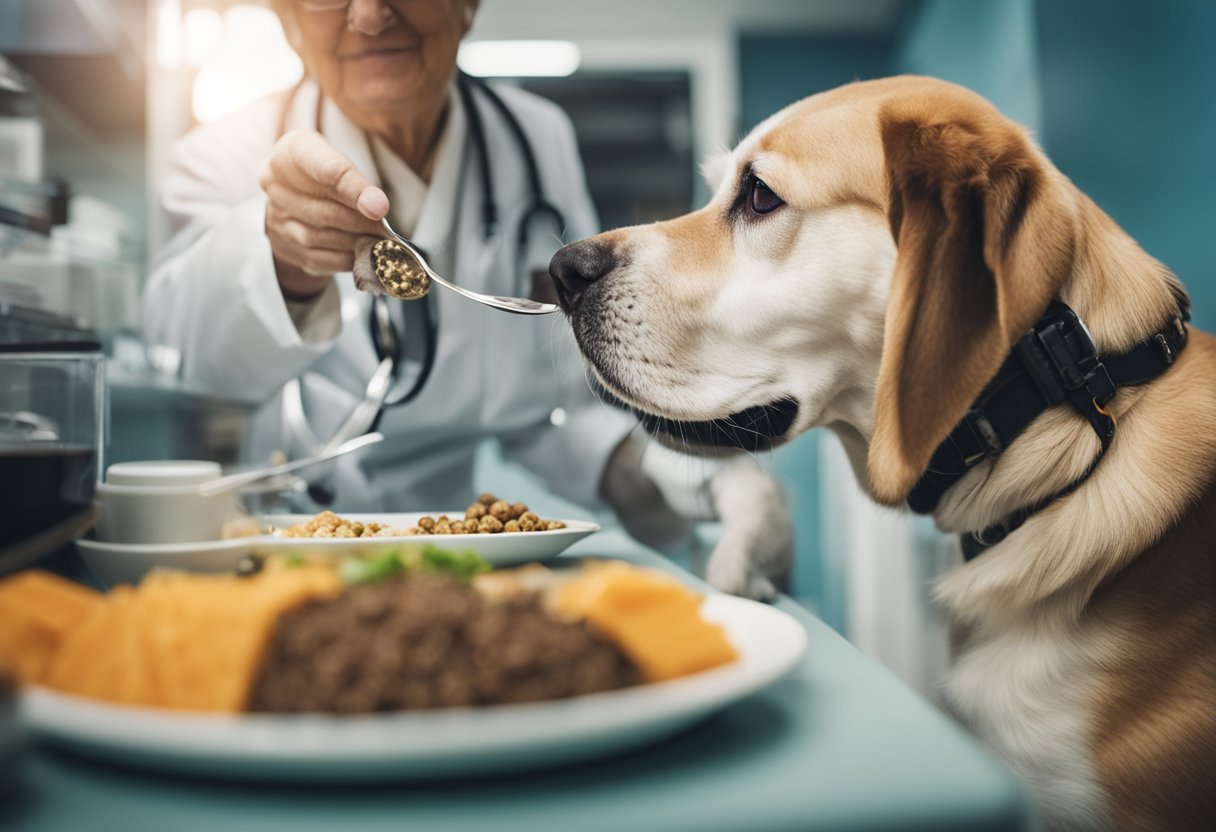
For senior dogs with kidney disease, sustained veterinary care and consistent monitoring are pivotal for managing the condition effectively. Frequent check-ups and dedicated nutritional planning are integral to this process.
Working with a Veterinary Nutritionist
When managing kidney disease in senior dogs, consulting with a veterinary nutritionist can be invaluable. These specialists craft a tailored diet that supports kidney function, often recommending therapeutic foods specifically designed for this purpose. Adequate nutrition is critical, as it can impact the disease’s progression and the dog’s overall well-being.
Key Responsibilities of a Veterinary Nutritionist Include:
- Assessment: Evaluating the dog’s current health status and dietary needs.
- Diet Formulation: Creating a specific dietary regimen that limits phosphorus, sodium, and protein levels while ensuring complete nutritional needs are met.
- Continual Adjustment: Modifying the diet as the dog’s condition changes over time.
Tracking Progression of Kidney Disease
Continuous monitoring by a veterinarian is crucial in observing the progression of kidney disease. This often includes regular blood tests and urinalysis to evaluate kidney function. By tracking specific markers in blood and urine, the veterinarian can make informed decisions about treatment and dietary adjustments.
Vital Tests in Monitoring Kidney Disease:
| Test | Purpose |
|---|---|
| BUN (Blood Urea Nitrogen) | Indicates waste removal efficiency of the kidneys |
| Creatinine | Helps assess kidney function and progression of disease |
| Urinalysis | Evaluates urinary concentration ability and possible infections |
These assessments help determine the effectiveness of the treatment and management plans, allowing for necessary alterations in the dog’s care regimen.
Understanding Commercial Kidney Diets

Commercial kidney diets for senior dogs are specifically formulated to manage kidney disease by adjusting nutrients known to affect kidney function. These diets aim to support kidney health while meeting the dog’s other nutritional needs.
Analyzing Specialized Dog Food Labels
When choosing commercial kidney diets, it’s essential to understand the nutritional information provided on dog food labels. Specialized diets typically feature altered levels of protein, phosphorus, and sodium. For instance, lower protein content is common to reduce the workload on the kidneys, as kidneys metabolize protein waste. Commercial foods like Purina Pro Plan Veterinary Diets NF Kidney Function Formula are crafted with adjusted protein levels. One also needs to look for low phosphorus levels, which help to maintain kidney function and slow the progression of kidney disease.
Prescription Diets vs. Over-the-Counter Options
Prescription diets, such as Hill’s® Prescription Diet® k/d® or Royal Canin® Veterinary Diet Canine Renal Support, are exclusively available through veterinarians. These foods are clinically tested and are specifically tailored to support kidney function in dogs with chronic kidney disease (CKD). They often contain supplements like omega-3 fatty acids that may help decrease kidney inflammation.
Over-the-counter alternatives may not provide the same level of tailored nutrition and should be selected with care. While they may be labeled for “kidney support”, they might not fully meet a senior dog’s specific requirements without guidance from a veterinarian. Always consult with a veterinarian before making changes to a diet, especially for dogs diagnosed with CKD.
Home-Prepared Diets and Natural Remedies

When managing kidney health in senior dogs, home-prepared diets and natural remedies can be tailored to meet specific nutritional needs. These approaches focus on reducing strain on the kidneys while providing essential nutrients.
Creating a Homemade Diet for Kidney Health
A homemade diet for dogs with kidney issues typically includes high-quality protein in controlled amounts, low phosphorus levels, and a moderate quantity of high-fiber carbohydrates.
Sample Ingredients:
- Proteins: Cooked chicken or pork (low in phosphorus compared to red meats)
- Carbohydrates: Rice or pasta (easy to digest and low in phosphorus)
- Vegetables: Cabbage, cauliflower (low-phosphorus options, providing fiber and nutrients)
Nutritionists may also recommend including Omega-3 fatty acids which support kidney function, available in fish oil supplements.
Natural Supplements and Their Efficacy
Supplements for Kidney Health:
- Fish oil: Omega-3 fatty acids in fish oil can help reduce inflammation and support kidney health.
- Cranberries: They contain antioxidants and may prevent urinary tract infections that can worsen kidney problems.
When considering natural remedies, efficacy can vary, and it’s essential to consult with a veterinarian before adding supplements to a dog’s regimen, to ensure they are safe and beneficial for the dog’s specific condition.
Frequently Asked Questions

This section provides answers to common questions about managing kidney issues in senior dogs through appropriate diet and nutrition.
What are the top vet-recommended diets for senior dogs with kidney issues?
Veterinarians often recommend diets low in phosphorus and moderate in protein for senior dogs with kidney issues. Prescription renal diets from brands like Hill’s Prescription Diet, Royal Canin, and Purina ProPlan are commonly suggested.
What homemade meal recipes support kidney health in elderly canines?
Homemade meal recipes for dogs with kidney disease usually include high-quality protein sources such as lean ground beef or chicken, carbohydrates like rice or pasta, and low-phosphorus vegetables such as cauliflower or green beans.
Which commercially available dry dog foods are best suited for managing kidney disease in dogs?
Commercial dry dog foods specifically formulated for kidney health, like Hill’s Prescription Diet k/d, Royal Canin Renal Support, and Blue Buffalo Natural Veterinary Diet Kidney + Mobility, are tailored to manage kidney disease in dogs.
How can kidney function be supported through diet in dogs with renal concerns?
Supporting kidney function in dogs with renal concerns involves feeding low-protein, low-phosphorus, and low-sodium diets to reduce the workload on the kidneys and slow the progression of kidney disease.
What are the dietary no-nos for dogs with compromised kidney function?
For dogs with compromised kidney function, high-sodium foods, excessive protein, and high-phosphorus ingredients should be avoided as they can exacerbate kidney problems and accelerate disease progression.
How should one approach feeding a senior dog that is reluctant to eat due to kidney disease?
Feeding a senior dog that is reluctant to eat due to kidney disease may require offering smaller meals more frequently, warming the food to enhance its aroma, or adding flavors like low-sodium chicken broth to increase palatability.