
As dogs age, their dietary needs evolve. Senior dog food specifically formulated for skin and coat health becomes increasingly important. The right balance of nutrients is crucial in maintaining a healthy sheen and preventing skin issues that can become more common in older dogs. As a dog’s natural oils diminish with age, the condition of their skin and coat can be a reflection of their overall health. Choosing a diet rich in essential fatty acids, particularly omega-3 and omega-6, can support skin health and contribute to a lustrous coat.
Senior dog foods are designed to address the unique nutritional requirements of older dogs. They often include supplements like glucosamine for joint health, which can be beneficial. However, when it comes to skin and coat care, the focus is on sustainable sources of fats that aid in maintaining the skin’s elasticity and the coat’s vibrancy. Additionally, as digestive efficiency often decreases with age, highly digestible proteins and carbohydrates can also contribute to the overall health and appearance of a dog’s skin and coat.
Key Takeaways
- Senior dog foods are tailored to meet the changing nutritional needs of aging dogs, with a focus on skin and coat health.
- Essential fatty acids play a crucial role in maintaining skin elasticity and coat condition in senior dogs.
- Highly digestible ingredients support overall senior dog health and can enhance the appearance of a senior dog’s skin and coat.
Understanding the Nutritional Needs of Senior Dogs
As dogs age, their nutritional needs evolve. Senior dogs require a well-balanced diet with specific nutrients to maintain a healthy skin and coat, support joint health, and provide sufficient energy.
Importance of Protein and Amino Acids
Senior dogs need high-quality protein to maintain muscle mass and support a vibrant skin and coat. The right level of protein also contributes to the repair and maintenance of tissues. Essential amino acids found in protein are crucial for skin health as they support the renewal of skin cells and hair growth.
Vitamins and Minerals for Aging Dogs
Vitamins and minerals play significant roles in maintaining the health of senior dogs. Vitamin E and Vitamin A are vital for skin health, aiding in the repair and protection of skin cells. Minerals such as zinc and selenium also support skin integrity and may have antioxidant properties that contribute to a shiny coat.
Special Dietary Considerations for Joint Health
Senior dogs often experience joint issues such as arthritis, affecting their mobility. Diets supplemented with glucosamine and chondroitin can help support joint health and complement weight management strategies to alleviate pressure on the joints. These supplements are known for their role in maintaining cartilage and enhancing joint fluidity, which can help improve a senior dog’s movement and energy levels.
Selecting the Right Senior Dog Food
When choosing food for a senior dog, it is essential to consider the type of food, the quality of ingredients, and dietary needs that cater specifically to skin and coat health.
Dry vs. Wet Food: Pros and Cons
Dry Food:
- Pros: Dry food, commonly referred to as kibble, generally has a longer shelf life and can help to maintain dental health by reducing plaque buildup.
- Cons: It may contain less moisture than wet food, which is not ideal for dogs that do not drink enough water.
Wet Food:
- Pros: Higher in moisture and often more palatable, wet food can be beneficial for hydration and dogs with decreased appetite.
- Cons: It requires refrigeration after opening and can be more expensive than dry food.
Natural Ingredients vs. Artificial Additives
Natural Ingredients:
- Look for senior dog foods that prioritize high-quality proteins and essential fatty acids, which are crucial for maintaining healthy skin and a shiny coat.
Artificial Additives:
- Avoid senior dog foods that contain artificial colors or preservatives, which can be unnecessary and possibly harmful to a dog’s health.
Grain-Free and Special Diets
Grain-Free:
- Grain-free diets replace grains like wheat, corn, and rice with alternative sources of carbohydrates such as peas and potatoes.
- Note that the absence of grains does not necessarily mean a product is healthier; the overall balance of nutrients is what’s most important.
Special Diets:
- Some senior dogs may benefit from special diet formulations that exclude potential allergens like soy and emphasize ingredients that support skin health such as omega-3 fatty acids.
The Role of Fats in Skin and Coat Health
Fats play a crucial role in maintaining a dog’s skin and coat health, especially as they age. The right balance of fats in a senior dog’s diet can promote a shiny coat and healthy skin.
Balancing Omega-3 and Omega-6 Fatty Acids
Senior dogs require a careful balance between omega-3 and omega-6 fatty acids in their diet to maintain healthy skin and a shiny coat. These two types of fatty acids serve different purposes. Omega-6 fatty acids are responsible for supporting the skin’s barrier function and are critical for maintaining hydration. They generally come from plant oils, such as flaxseed, hemp, and canola. On the other hand, omega-3 fatty acids have anti-inflammatory properties that can help alleviate the effects of skin disorders. They are found in higher concentrations in marine oils. An imbalance, especially a diet higher in omega-6 than omega-3 can lead to inflammation and other skin issues.
Benefits of Fish Oil Supplements
Fish oil supplements are an excellent source of omega-3 fatty acids EPA and DHA, which are vital for coat health. They can help reduce inflammation in the skin, which is beneficial for dogs with skin allergies or irritations. The anti-inflammatory effects of fish oil can lead to less itching and scratching, promoting a healthier and more comfortable skin condition for senior dogs. Fish oil supplements should, however, be administered according to a veterinarian’s recommendations to ensure the correct dosage for the dog’s specific needs and to prevent any potential adverse effects.
In conclusion, incorporating an appropriate balance of omega-3 and omega-6 fatty acids in the form of fish oil supplements or a diet with the right mix can significantly influence the overall skin and coat health of senior dogs.
Optimizing Digestion for Senior Dogs
As a dog ages, its digestive system may become less efficient. Senior dogs often benefit from specific dietary adjustments that foster healthy digestion and improve nutrient absorption.
Fiber’s Impact on Gastrointestinal Health
Fiber plays a crucial role in promoting gastrointestinal health in senior dogs. It aids in the movement of food through the digestive tract and can help mitigate problems with constipation, a common issue in older dogs. An appropriate balance of fiber can also assist in maintaining a healthy weight.
- Soluble Fiber: This type of fiber absorbs water and can help to soften stools, making them easier to pass.
- Insoluble Fiber: These roughage components help to bulk up stools and stimulate bowel movements.
When incorporating fiber into a senior dog’s diet, a gradual introduction is recommended to avoid gastrointestinal upset.
Probiotics and Prebiotics in Dog Food
The inclusion of probiotics and prebiotics in a senior dog’s diet supports a balanced gut microbiome, essential for healthy digestion.
- Probiotics: These are beneficial bacteria that can help maintain the health of the gastrointestinal tract, aid in digestion, and support the immune system.
- Prebiotics: Non-digestible components that fuel the beneficial bacteria, prebiotics are essential for sustaining a healthy population of gut flora.
For senior dogs with sensitive stomachs, introducing probiotics and prebiotic fiber into their diet can help alleviate symptoms and improve overall digestive well-being. It’s important to choose dog food formulations that include these components or supplement them as advised by a veterinarian.
Managing Weight and Muscle Mass in Older Dogs
As dogs age, they often face challenges in maintaining a healthy weight and muscle mass. Managing caloric intake and ensuring a diet rich in quality protein are key for senior canines.
Caloric Needs for Senior Canines
Senior dogs typically have lower energy needs, which means their caloric requirements usually decrease with age to prevent weight gain. Veterinarians can provide specific recommendations based on factors like the dog’s weight, activity level, and overall health. A reduction in calories often helps maintain weight but it is crucial to ensure that the diet remains balanced and nutritious.
- Average caloric needs for inactive older dogs: 20 calories per pound
- Active senior dogs may require: 30 calories per pound
- Overweight seniors need fewer calories for weight loss
Lean muscle mass is preserved by not reducing calories too drastically.
High-Protein Diets for Muscle Maintenance
Protein is fundamental for maintaining and rebuilding muscle mass in senior dogs, which can help counteract age-related muscle atrophy. Senior dog foods should contain higher protein levels to support lean muscle mass maintenance.
- Recommended dietary balance for older dogs: at least 25-30% protein content on a dry matter basis
- Sources of high-quality protein: chicken, fish, eggs, and legumes
While managing protein intake, it’s essential to monitor the dog for any signs of weight loss and adjust their diet accordingly.
Specific Needs for Different Dog Breeds and Sizes
When formulating senior dog food, considering the breed and size is crucial for skin and coat health. Each breed comes with unique characteristics that affect their nutritional requirements.
Adjusting for Small vs. Large Breeds
Small breeds often have faster metabolisms than their larger counterparts, which can impact their nutritional needs. They may require higher-calorie foods that are rich in fatty acids like omega-6 and omega-3, to maintain their coat’s shine and skin’s health. Foods with a balance of these fatty acids can help prevent dry skin and ensure their coat remains lustrous even into older age.
For large breeds, joint health is a common concern, and their weight can impact their skin and coat. They benefit from diets lower in calorie density to prevent weight gain, with adequate levels of protein to support muscle mass. Look for senior dog foods that also include glucosamine and chondroitin for joint health, which can indirectly affect skin health by helping the dog stay active and maintain a healthy circulation, which benefits skin and coat health.
Breed-Specific Health Issues
Certain breeds have predispositions to skin conditions such as allergies or seborrhea. For example, Labradors may be prone to oily skin, which requires a diet formulated to avoid exacerbating this condition. On the other hand, breeds like the Bichon Frise may need a diet that supports their curly and hypoallergenic coat, which can be achieved by including adequate levels of amino acids and minerals in their food.
Dog food for senior breeds should be tailored not just to size, but also to the specific breed-related issues that can impact skin and coat health. This implies a diet that caters to their unique genetic makeup and the common health issues they might face at their senior age.
Addressing Common Senior Dog Health Concerns
As dogs age, their nutritional needs change, often requiring specialized diets to manage common health conditions such as arthritis and kidney disease. These adjustments can significantly impact their overall health, particularly their skin and coat condition, mobility, and organ function.
Foods for Supporting Kidney Function
Senior dogs can develop kidney disease, which may be managed with proper diet. Phosphorus control is crucial, as high levels can exacerbate kidney problems. Diets low in phosphorus and supplemented with omega-3 fatty acids from fish oil are beneficial because omega-3 has anti-inflammatory properties that help support kidney function.
- Recommended Food Components for Kidney Support:
- Low phosphorus
- Enhanced omega-3 fatty acids
- Moderate protein levels
- Increased water content (canned or moist diets)
Veterinarians often suggest diets formulated specifically for kidney health, which may also include antioxidants to combat oxidative stress.
Dietary Adjustments for Dogs with Arthritis
Arthritis is a common mobility issue in senior dogs, often leading to joint pain and stiffness. An effective diet for a dog with arthritis includes nutrients that aid in maintaining joint health.
- Key Nutrients:
- Glucosamine and Chondroitin: These are often added to senior dog foods to support joint health.
- Omega-3 fatty acids: They are potent natural anti-inflammatories, particularly effective are EPA (Eicosapentaenoic acid) and DHA (Docosahexaenoic acid) from fish oils.
- Antioxidants: These can reduce oxidative damage to the joints and overall inflammation.
Weight management is also a crucial aspect, as excess weight puts additional strain on the joints. Low-calorie diets that are still rich in essential nutrients can be beneficial. Regular, gentle exercise, in combination with these dietary adjustments, can also help manage arthritis symptoms.
Professional Insights on Senior Dog Nutrition
Professional insights align on the importance of tailored nutrition for senior dogs. As dogs age, their nutritional requirements change, and it’s imperative to address these changes to maintain their health, particularly skin and coat condition.
Veterinarian-Recommended Diets for Aging Dogs
Veterinarians emphasize that senior dogs often need diets lower in calories but enriched with specific nutrients to maintain optimal skin and coat health. As a dog’s metabolism slows with age, obesity can become a concern; therefore, a balance between energy-dense foods and those that provide sufficient nutrition is key.
- Protein: Senior dog foods should contain easily digestible proteins to maintain muscle mass and support skin and coat health.
- Fatty Acids: Omega-3 and omega-6 fatty acids are critical in supporting skin health and can contribute to a shiny coat.
- Vitamins and Minerals: A correct balance of vitamins and minerals, such as vitamin E and zinc, helps support skin integrity and repair.
Professional advice often points out the value of a consistent diet tailored to the individual needs of the senior dog. Some dogs may also require specialized diets due to health conditions that can affect skin and coat quality, such as kidney or heart disease that call for low-sodium options. Dog parents are encouraged to consult with their veterinarians to evaluate their senior dogs’ health and dietary needs, and if necessary, to determine appropriate therapeutic diets or supplements that address specific health issues.
Preventing Dental Issues through Diet
Senior dogs often face dental challenges, which can affect their overall health. An appropriate diet can play a crucial role in preventing dental issues, such as periodontal disease.
Soft Foods for Dogs with Dental Challenges
For senior dogs with missing teeth or difficulty chewing, soft foods can be an integral part of maintaining dental health. Since hard kibbles may be challenging for them to manage, soft foods are recommended to ensure they can eat comfortably and receive the nutrition they need without straining their teeth.
Key Considerations for Soft Foods:
- Softness: Foods should be easy to chew and not require significant pressure, which could further harm their teeth.
- Nutrition: Foods must still provide adequate nutrition, including proteins and fiber, which are vital for a senior dog’s health.
- Texture: The texture of the diet should not be sticky or overly hard, as these can create an environment in the mouth that exacerbates dental issues. A moist, tender texture helps prevent plaque buildup and can soothe sensitive gums.
When selecting soft foods for a dog with dental challenges, it’s imperative to consider the balance of nutrients to ensure they are still receiving a complete and balanced diet that supports their overall health—including their coat and skin condition. Products like senior dog-specific formulas often incorporate adjusted levels of nutrients to meet the aging canine’s requirements and may include additions like probiotics to aid in dental health.
Senior Dog Food Product Recommendations
When selecting food for senior dogs, it’s essential to look for products that contain high-quality animal proteins and are specially formulated to support skin and coat health. The following recommendations provide a combination of essential nutrients and targeted ingredients to meet these needs.
Top Picks for Skin and Coat Health
For senior dogs in need of a healthy skin and coat, products rich in fish oil and certain botanical oils can be particularly beneficial, as they offer a robust source of omega-3 fatty acids.
- Open Farm Senior Grain-Free Dry Dog Food: This formula includes salmon and fish oil, which are excellent for maintaining a healthy coat and skin.
- Fromm Mature Senior Dry Dog Food: Enriched with lamb, chicken meal, and salmon oil, this food helps in keeping your senior dog’s coat shiny and skin healthy.
- Orijen Senior Dog Food: Containing turkey, chicken, and fish (including salmon), this diet is high in animal protein and is designed to naturally support a senior dog’s coat and skin.
Recommended Weight Management Formulas
Weight management is a crucial aspect of caring for older dogs. Foods that balance energy levels with high-quality proteins and offer healthy carbohydrates can help in maintaining an optimal weight.
- Blue Buffalo Life Protection Formula Senior Chicken & Brown Rice Recipe: This contains deboned chicken and brown rice, providing a well-balanced diet with ample protein and energy.
- Wellness Complete Health Senior Dog Food: With deboned chicken, barley, and peas, this formula supports weight management while being gentle on a senior dog’s digestive system.
- Nutro Ultra Senior Dry Dog Food: Featuring a blend of chicken, lamb, and salmon, and with whole brown rice and sweet potatoes, it targets healthy weight maintenance in older dogs.
Transitioning to a Senior Diet
As dogs age, their nutritional needs change. Transitioning to a senior diet can address these needs and specifically support skin and coat health for older dogs over 7 years, ensuring that they maintain a good quality of life during their senior years.
Switching Foods Safely
Gradual Transition: It is important to change a dog’s food gradually over a period of about 7-10 days. Start by mixing approximately 25% of the new senior diet with 75% of their current food. Slowly increase the proportion of the new diet each day. This method helps prevent digestive upsets and allows the dog to adjust to the new food.
Senior Diet Selection: Choose a senior dog food that is specifically formulated for adult dogs aged 7+. The product should contain higher levels of essential fatty acids and a balanced array of nutrients tailored for senior dogs. Look for foods that include omega-3 and omega-6 fatty acids to support skin and coat health, as well as adjusted caloric content to match their decreased activity levels.
Monitoring Your Dog’s Response to the New Diet
Health Checks: Closely monitor the dog’s health and response to the new senior diet, especially during the initial transition period. Check for improvements in skin and coat quality, which are indicators of effective nutrient absorption.
Feeding Routine: Maintain a consistent feeding routine, and note any changes in appetite or digestion. If issues arise, consult a veterinarian—they can help determine if the diet is compatible with the dog’s health requirements or if further adjustments are necessary. Regular veterinary check-ups are essential to evaluate a senior dog’s overall well-being and to make any dietary refinements.
Frequently Asked Questions
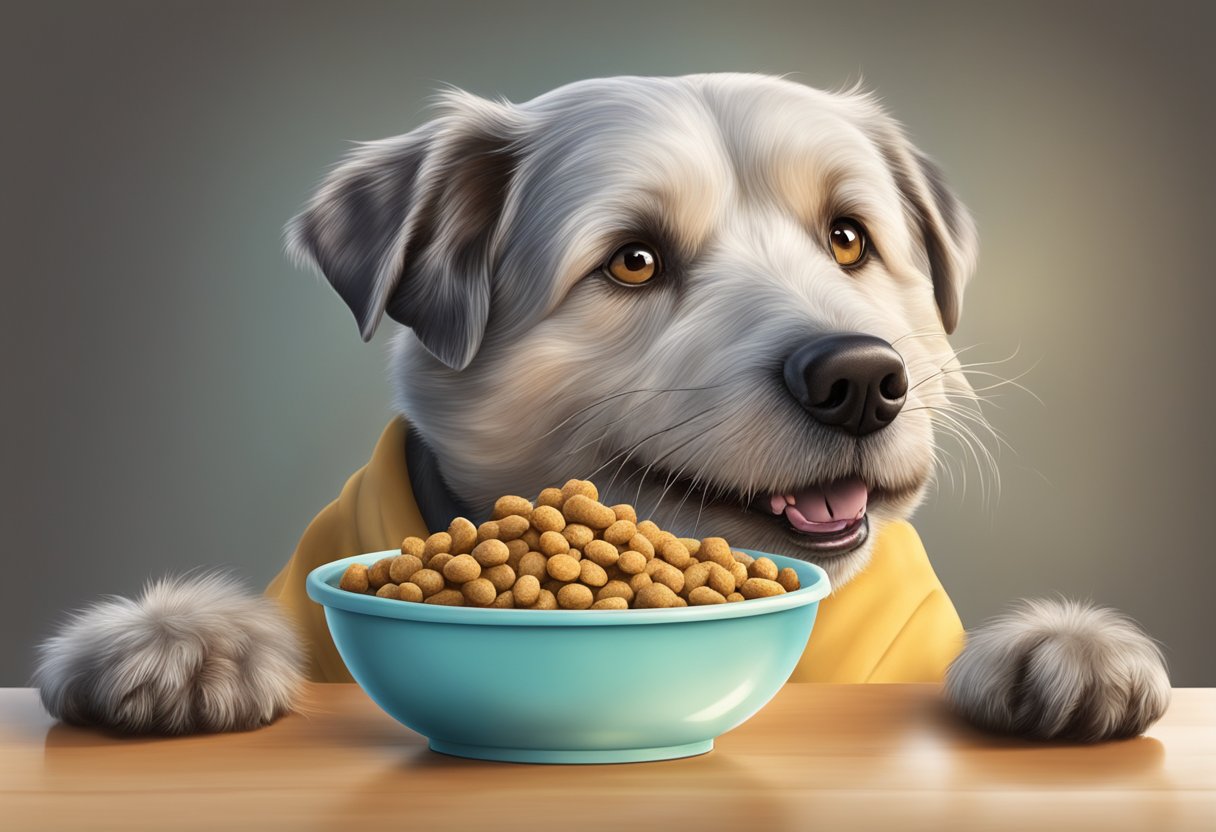
When selecting senior dog food for skin and coat health, it’s essential to understand the specific needs of older dogs. The ingredients, breed size differences, and timing of diet change all play a crucial role in maintaining a healthy coat and skin.
What ingredients should I look for in senior dog food to improve skin and coat health?
Owners should seek out senior dog foods rich in Omega-3 fatty acids, particularly EPA and DHA, which are known to support skin health and coat shine. Additionally, Vitamin A and linoleic acid are crucial for maintaining healthy skin.
How does dog food for senior small breeds differ when focusing on skin and coat well-being?
Dog food formulated for senior small breeds often contains higher concentrations of specific nutrients like fatty acids, balanced for their faster metabolisms, to support skin and coat health, which can be particularly sensitive in smaller breeds.
At what age should I consider switching my dog to a senior formula for optimal skin and coat condition?
Dogs generally transition to senior status at around 7 to 10 years old. However, this can vary based on breed, size, and health. One should monitor their dog’s coat and skin condition to decide when to switch to a senior diet.
Are there specific brands of senior dog food renowned for enhancing skin and coat health?
While several brands offer formulas targeting senior dog’s coat and skin health, it’s important to evaluate the ingredient list for high-quality proteins, Omega-3s, and other skin-supportive nutrients rather than rely solely on brand reputation.
Can I supplement my senior dog’s diet with human foods to benefit their skin and coat?
Certain human foods, such as fish or flaxseed, are rich in n-3 fatty acids and can complement your senior dog’s diet for improved skin and coat health. These should only be given in moderation and with consideration of any possible dietary restrictions.
How can nutrition address common skin problems in aging dogs?
A well-balanced diet rich in essential fatty acids, antioxidants, and digestible proteins can help to alleviate and prevent skin issues such as dryness and irritation, which are common in aging dogs.