
As dogs enter their senior years, their dietary needs evolve significantly, and when you’re dealing with large breeds, the changes required in their diet are even more critical. Larger dogs are more susceptible to age-related changes such as joint problems, heart conditions, and metabolic slow-downs, making proper nutrition a cornerstone for maintaining their health and quality of life. The best senior dog food for large breeds is one that caters to their specific needs with a balance of proteins, fats, and carbohydrates, and fortification with essential vitamins and nutrients to support their aging bodies.
Selecting the right food for a senior large-breed dog involves not just the basic nutrition but also specialized ingredients for joint support, digestive health, and muscle maintenance. Incorporation of elements like glucosamine, chondroitin, and omega fatty acids can make a significant difference. Moreover, it’s crucial to adjust calorific intake as senior dogs tend to be less active and more prone to weight gain. As metabolism slows, managing caloric density while ensuring each meal is packed with the necessary nutrients is a delicate balance. Understanding food labels and choosing a reputable brand that provides transparency and quality assurance is also essential for ensuring that your senior dog’s diet is appropriate for their changing needs.
Key Takeaways
- Proper nutrition is crucial for senior large-breed dogs to support their health and wellbeing.
- Key ingredients like glucosamine, chondroitin, and omega fatty acids are beneficial for joint and overall health.
- Caloric intake should be adjusted for senior dogs’ slower metabolism and reduced activity levels.
Understanding Senior Dog Nutritional Needs
As dogs age, their dietary needs evolve, particularly for large breeds. Senior dogs require a balanced diet tailored to their less active lifestyles and changing physiological needs.
Importance of Diet for Aging Dogs
Senior dogs have a slower metabolism and, consequently, different energy requirements compared to their younger counterparts. A diet that’s low in calories but high in quality ingredients is crucial to prevent obesity and maintain health. With aging, they also might face challenges such as decreased renal function or joint issues, making diet an integral factor in managing such conditions.
Key Nutritional Requirements
Senior large breed dogs need balanced nutrition that supports overall health. Here is a summary of their core nutritional needs:
- High-quality protein: Essential for maintaining muscle mass and overall health. Sources should be easily digestible to decrease kidney strain.
- Fats and Omega-3 fatty acids: Important for joint health and cognitive function, but should be balanced with caloric needs to avoid weight gain.
- Fiber: Aids in gastrointestinal health to ensure proper digestion and to manage weight.
- Vitamins and antioxidants: Help in supporting immune health and countering oxidative stress.
- Calcium and phosphorus: These are critical for maintaining bone health in large breeds, which are more prone to joint issues.
Special Considerations for Large Breeds
Large breed senior dogs have unique dietary needs that stem from their size and potential propensity for joint issues and other health concerns. They generally require:
- Calorie management: Tailoring calorie intake to avoid excess weight, which can exacerbate joint problems.
- Joint support nutrients: Glucosamine and chondroitin are often included in large breed formulas to support joint health.
- Adapted kibble size: To ensure ease of eating and dental health maintenance given the larger anatomy of such breeds.
Nutritional needs must be finely tuned to sustain their quality of life during their golden years.
Best Ingredients for Senior Large Breed Dog Food
Choosing the right ingredients is crucial for the health of senior large breed dogs. They require specific nutrients to maintain their muscle mass, support joint health, and promote optimal digestion.
Proteins and Animal Protein Sources
Senior large breed dogs benefit significantly from high-quality proteins, which support muscle maintenance and repair. Animal protein sources such as chicken and fish are valuable for their amino acid profiles and are often more easily digested by older dogs. When considering dog food, one should look for products that list these sources as primary ingredients to ensure adequate protein levels.
- Preferred animal protein sources include:
- Chicken
- Fish (also provides omega-3 fatty acids)
- Beef
- Eggs
Carbohydrates and Fiber Sources
While proteins are crucial, carbohydrates and fiber play significant roles in a balanced senior dog food, aiding digestion and providing energy. Ingredients like rice, barley, and sweet potatoes are excellent sources of carbohydrates and are gentle on a senior dog’s digestive system. Additionally, fibrous ingredients such as oatmeal and pumpkin can help with bowel movements and colon health.
- Fiber-rich ingredients to look for are:
- Oatmeal
- Barley
- Sweet potatoes
- Pumpkin
Essential Fats and Oils
Fats are a dense energy source and important for the absorption of fat-soluble vitamins. Fish oil is particularly beneficial for senior large breed dogs, providing omega-3 fatty acids which can help reduce inflammation and support cognitive function. Vegetable oils should be included but in moderation, as they offer essential fatty acids that support cell function and skin health.
- Essential fats and oils include:
- Fish oil (rich in omega-3 fatty acids)
- Flaxseed oil
- Canola oil
- Olive oil
Tailoring Caloric Intake for Older Dogs
As dogs age, their caloric needs change significantly due to a slower metabolism and altered activity levels. Large breed senior dogs, in particular, require careful management of their calorie intake to maintain optimal health and body condition.
Managing Weight and Metabolism
Senior dogs often experience a decrease in metabolism, leading to lower daily energy requirements. For large breeds, which are predisposed to joint issues such as arthritis, maintaining a healthy weight is crucial to minimize additional stress on their bodies. A dog’s weight can be managed through a careful balance of dietary intake and exercise.
- Calories: Senior large breed dogs typically require fewer calories compared to their younger counterparts. Veterinarians might recommend a diet with a low-calorie density to help prevent weight gain while providing sufficient nutrients.
- Metabolism: With age, metabolism slows down, and the resulting decrease in energy expenditure means that senior dogs do not need to consume as much food as they once did.
Monitoring body condition is a key aspect, and any weight loss or gain should be gradual and intentional. Consistent assessments from a veterinarian can guide proper caloric adjustments.
Evaluating Caloric Needs for Large Breeds
The evaluation of a senior large breed dog’s caloric needs must be individualized based on their body condition and health status. Caloric needs can vary, but a general guideline is that large breed senior dogs may require about 20% fewer calories than adult dogs of the same size.
Considerations for Caloric Needs:
- Activity Level: Adjust caloric intake based on the dog’s activity. Less active dogs need fewer calories, while those still moderately active may require more to sustain their energy levels.
- Health Status: Dogs with chronic conditions may have altered caloric requirements. For instance, a dog with heart disease might need a different caloric intake compared to a healthy senior dog.
Regular veterinary check-ups are essential to tailor the diet appropriately, as they can provide a more personalized plan for the dog’s needs. Feeding trials, using a specific amount of food and observing the dog’s response over time, are often recommended to determine the ideal caloric intake.
Vitamins and Supplements for Health Support

When considering vitamins and supplements for health support in large breed senior dogs, attention should be directed towards compounds that specifically support joint health, enhance immune system function, and aid in cognitive and vision maintenance to address the unique needs of aging canines.
Joint Supporting Additives
For joint health, glucosamine and chondroitin are essential additives in supplements for senior dogs. Glucosamine helps sustain joint flexibility and mobility, while chondroitin supports the repair and maintenance of cartilage. Regular supplementation can assist in managing arthritis symptoms commonly seen in large breed senior dogs.
- Common Joint Supporting Additives:
- Glucosamine
- Chondroitin
Enhancing Immune System Health
Antioxidants play a significant role in bolstering a dog’s immune system. Vitamins such as Vitamin E and beta-carotene are potent antioxidants that help protect cells from oxidative damage. Furthermore, omega-3 fatty acids, especially EPA and DHA, are reputed for their anti-inflammatory properties and support a healthy immune response.
- Key Immune-Enhancing Nutrients:
- Antioxidants: Vitamin E, Beta-carotene
- Omega-3 Fatty Acids: EPA, DHA
Cognitive and Vision Support
For cognitive and vision support in senior dogs, DHA, an omega-3 fatty acid, is particularly beneficial. It contributes to the maintenance of normal brain function and vision. Additionally, supplements may contain l-carnitine, which is involved in energy metabolism and can potentially aid in maintaining cognitive function.
- Important Cognitive and Vision Nutrients:
- DHA (Omega-3 Fatty Acid)
- L-Carnitine
Senior Dog Food Brands and Products

When selecting food for senior large breed dogs, it’s essential to choose brands renowned for their high-quality ingredients and age-specific formulas.
High-Quality Brands for Senior Diets
- Blue Buffalo: Blue Buffalo’s senior formulas often feature real chicken or deboned chicken as the first ingredient, supporting lean muscle maintenance in older dogs.
- Iams Proactive Health Mature Adult: Iams provides tailored nutrition with easily digestible ingredients and antioxidants that cater to the needs of senior dogs.
- Purina Pro Plan Adult 7+: Purina’s formula specifically for senior dogs focuses on enhancing mental sharpness and includes prebiotic fiber for digestive health.
- Royal Canin Size Health Nutrition Large Aging 8+: Designed for large breed seniors, this food addresses health concerns like joint support.
Ingredients to Look for in Premium Foods
- High-Quality Protein: Sources such as real chicken support lean muscle mass in senior large breeds.
- Essential Fatty Acids: Ingredients like fish oils contribute to skin and coat health, as well as cognitive function.
- Fiber: Ingredients that are high in fiber, such as certain grains and vegetables, help maintain intestinal health.
- Glucosamine and Chondroitin: These supplements are often included to support joint health, which is crucial for large breed seniors.
- Antioxidants: Vitamins E and C, among others, are valuable for immune health.
- No Artificial Preservatives: High-quality senior dog food will avoid using artificial preservatives and instead may use natural preserving methods.
Human-grade ingredients are also a sign of premium dog food, although this term should not be confused with a guarantee of higher nutritional value. The choice between dry dog food and wet dog food depends on the specific needs and preferences of the senior dog, as both types can be part of a high-quality diet.
Understanding the Labels: Decoding Dog Food Packaging
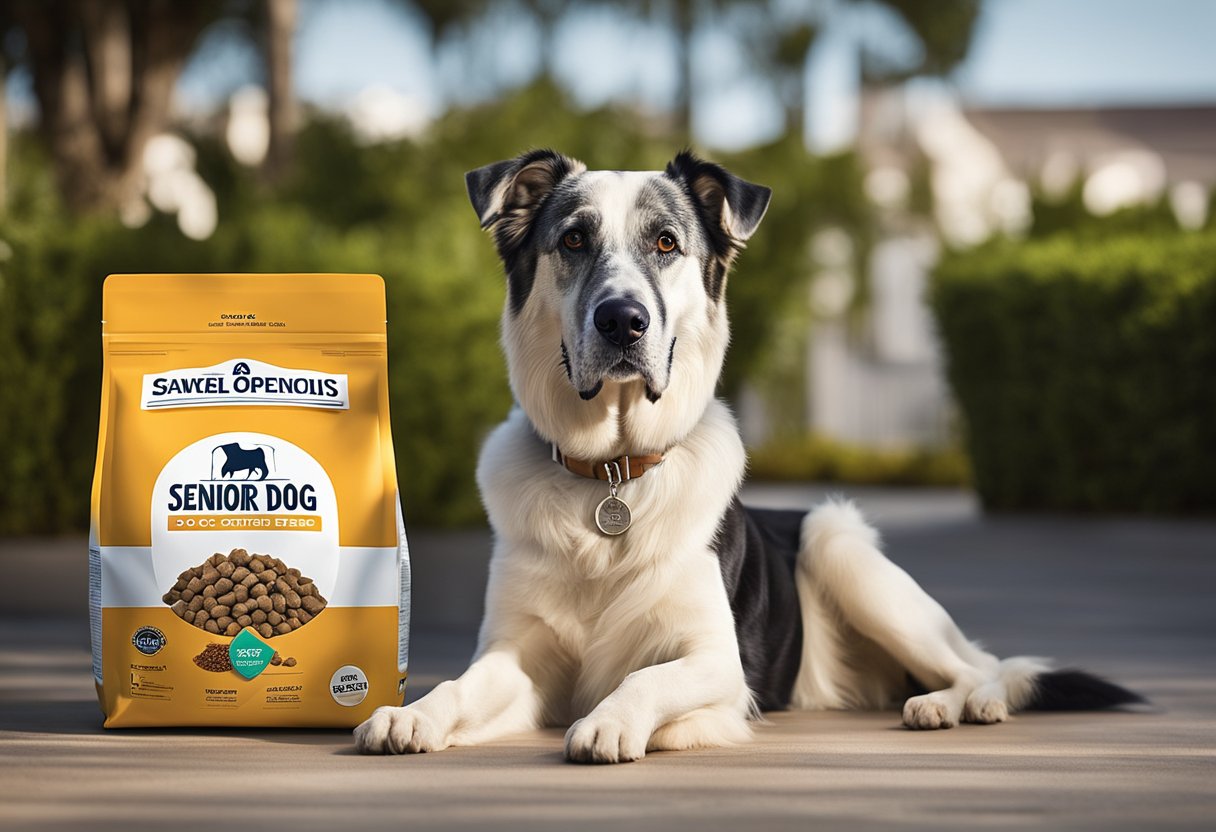
Senior large breed dogs have specific nutritional requirements that must be met for their well-being. Deciphering dog food labels is essential to ensure that the food provides the necessary nutrients in appropriate amounts.
Analyzing the Ingredient List
When evaluating dog food for senior large breeds, the ingredient list is a crucial starting point. Ingredients are listed by weight in descending order before cooking. Whole grain corn and corn gluten meal are often present in dog food; they serve as a carbohydrate source and can provide protein, though they are less optimal than animal proteins. Poultry by-product meal and fish meal are common protein sources. While they can be nutritious, it’s important to note they may vary in quality.
Protein, fat, and fiber percentages are key contributors to a senior dog’s diet, providing energy, aiding in weight management, and supporting gastrointestinal health. The source of protein should be specified — look for named animal proteins as the first ingredient to ensure quality. Fat is necessary for energy, but the amount should cater to a senior dog’s lower metabolism. Fiber sources can include named grains, vegetables, or fruit, which help with digestion. Labels must also indicate if the food is dry or wet; dry food typically has less moisture content compared to wet food, which can be beneficial for dental health but may require ensuring adequate water intake.
Recognizing Misleading Marketing Terms
Marketing terms such as “natural flavor” or “premium” can be ambiguous without regulatory definitions. Claims of “natural flavor” may imply quality, but they do not necessarily signify a better nutritional profile. Always scrutinize the product beyond marketing terms to understand its true nutritional value. It’s the actual ingredients and their proportions that determine a food’s quality, not marketing descriptors.
Minerals are a fundamental part of a senior dog’s diet, but their source and bioavailability can differ. Chelated minerals, which are attached to proteins, are typically easier for dogs to absorb. Look for specific mineral names to determine quality.
By meticulously examining the ingredient list and understanding marketing terminology, one can make an informed decision on the most appropriate senior large breed dog food. It’s essential to select a diet that meets the nutritional needs while considering the dog’s age and activity level.
Health Concerns and Diet Adjustments
As large breed senior dogs age, their health concerns become more prominent, necessitating specific diet adjustments to manage issues such as joint health and muscle maintenance, along with kidney function and dental care.
Supporting Mobility and Muscle Mass
Large breed older dogs often face joint health challenges that can impair their mobility. Incorporating chondroitin and glucosamine into their diet can support joint health and reduce the discomfort associated with arthritis. Additionally, increasing the proportion of high-quality protein in their diet helps maintain muscle mass, which is crucial for supporting aging joints and fostering healthy aging. The thermogenic effect of protein also aids in managing weight, which is vital in reducing stress on aging joints.
- Recommended Nutrients for Mobility and Muscle Mass:
- Protein: High levels of quality protein
- Omega-3 Fatty Acids: To reduce inflammation
- Supplements: Often include chondroitin and glucosamine
Addressing Kidney and Dental Issues
Kidney disease is a common concern in senior canines, particularly in large breeds. A diet low in phosphorus can help manage this condition and reduce the progression of kidney disease. Meanwhile, dental problems in older dogs can affect their ability to eat and lead to more systemic health issues. Offering food designed for easy chewing and incorporating crunchy kibble can aid in maintaining dental health. Consultation with a veterinarian is critical to tailor dietary changes that consider individual kidney function and dental health.
- Dietary Adjustments for Kidney and Dental Health:
- Reduced Phosphorus: To ease kidney strain
- Dental Care Kibble: To assist in cleaning teeth and gums
Regular check-ups with a veterinarian can help monitor the development of these health issues and guide proper dietary adjustments for a large breed senior dog, ensuring they receive appropriate nutrition for their unique needs.
Specialized Diets for Senior Dogs
Senior dogs have unique dietary needs that can be supported through specialized senior dog food formulas. These diets are crafted to address the changing nutritional requirements as a dog ages.
Life Stage Specific Formulas
Life stage specific formulas for senior dogs are designed to cater to the altered metabolism and dietary requirements of older pets. Senior dog food typically contains higher levels of joint-supporting nutrients like glucosamine and chondroitin and adjusted levels of protein and fat to maintain muscle mass and manage weight. The transition from adult maintenance to a senior diet should be implemented according to a veterinarian’s recommendations, as these age-specific formulas are key in supporting overall health and wellbeing during a dog’s golden years.
- Nutrient Adjustment: Tailored ratios of proteins, fats, and carbohydrates.
- Joint Support: Enhanced with additives for improved mobility.
- Caloric Needs: Reduced caloric density to prevent obesity.
Customizable Food Solutions
Customizable food solutions offer an innovative approach to meet the dietary needs of senior large breed dogs. They provide options to tweak the diet according to individual health concerns, preferences, and tolerances. Ingredients are chosen based on the dog’s specific requirements, ensuring that each senior dog receives a balanced diet that supports their health.
- Custom Nutrients: Tailoring the diet to include specific nutrients as needed.
- All Life Stages: Some customizable diets cater to all life stages, adjusting as the dog ages.
- Personalization: These diets focus on personal preferences and health conditions, often vet-recommended.
Feeding Practices and Daily Routines

Proper feeding practices and daily routines are critical for maintaining the health of large breed senior dogs. They require a balance of nutrients to support digestion and overall health, with careful attention to portion sizes and feeding schedules.
Scheduled Feeding Times
Senior large breed dogs benefit from structured feeding times. Feeding them twice a day — once in the morning and once in the evening — is a widespread method that supports their digestion and helps to regulate their metabolism. Consistent feeding times also assist in managing hunger and can stabilize energy levels throughout the day. Owners should be mindful of monitoring their dogs’ response to scheduled feeding to ensure it meets their specific needs.
Portion Sizes and Treat Management
The right portion size is vital to prevent obesity, which is a common issue in senior dogs and can exacerbate health problems like arthritis. It’s essential to follow the feeding guide recommended by the dog food manufacturer, adjusting as necessary for the dog’s activity level. Portion control techniques include:
- Measuring meals accurately: Use a standard measuring cup to ensure consistency.
- Accounting for treats: Treats should make up no more than 10% of a dog’s daily caloric intake.
To support digestion and enhance gut health, owners might integrate probiotics and supplements tailored for senior dogs into their daily feeding routine. However, they should only do so following a veterinarian’s advice. Supplements can sometimes interfere with the dog’s nutrition and health if not appropriately managed.
Interactive Food and Mental Stimulation

Interactive feeding practices can serve a dual purpose for senior large breed dogs: these methods increase physical activity and also provide mental stimulation, which is vital for maintaining cognitive health.
Using Food to Encourage Activity
Senior dogs often experience a decrease in activity levels, but incorporating interactive feeding methods can motivate them to move. For example:
- Treat-dispensing toys: Toys that release food as they roll or are manipulated encourage dogs to engage in play, stimulating physical movement.
- Scatter feeding: Spreading kibble over a larger area or in a puzzle feeder prompts dogs to search for their food, combining their natural foraging instincts with eating.
These activities benefit older dogs not only by introducing a fun challenge but also by slowing down their eating pace, which can be particularly beneficial for large breeds prone to bloating.
Cognitive Benefits of Food Puzzles
Food puzzles and related toys engage a senior dog’s problem-solving skills, presenting cognitive challenges that can delay the onset of age-related mental decline. Key points include:
- Mental engagement: Solving puzzles for treats keeps a dog’s brain active, fostering neural connections.
- Reduced boredom: Puzzles prevent tediousness that might lead to destructive behavior.
By regularly introducing new puzzles or changing the type of interactive feeder, caregivers can help maintain a senior dog’s cognitive health while providing a varied and enriching feeding experience.
Frequently Asked Questions

Choosing the right senior dog food for large breeds involves understanding the specific nutritional needs that change as these dogs age. This section aims to address common concerns and provide insights into making the ideal food choice for an aging large breed dog.
What nutritional benefits does senior dog food provide to large breeds?
Senior dog food for large breeds typically includes ingredients that support joint health, like glucosamine and chondroitin. They are often formulated with optimal protein levels and lower calories to help maintain muscle mass and manage weight.
How do I determine when my large breed dog should start eating senior dog food?
Large breed dogs usually transition to senior dog food between 5 to 7 years of age, as their metabolism slows down and activity levels decrease. Observing one’s dog for signs of aging, such as reduced mobility and weight gain, can also guide this decision.
What are the key differences between senior and adult dog food formulas for large breeds?
Senior formulas often have reduced calories and lower fat content to prevent obesity, enhanced fiber for gastrointestinal health, and added supplements for joint support, all tailored to the aging needs of large breed dogs.
How can I choose the best wet food specifically formulated for senior large breed dogs?
When selecting wet food for senior large breeds, look for high-quality protein sources and ingredients that support cognitive function. The inclusion of omega fatty acids for coat health and antioxidants for immune support is also beneficial.
Why might a veterinarian recommend a specific senior dog food for my large breed?
A veterinarian might propose a specific senior dog food based on an individual large breed dog’s health issues, such as kidney or heart disease, which may require a diet with restricted sodium or tailored protein levels.
What should I look for in a high-quality dry food for my senior large breed dog?
High-quality dry food for senior large breed dogs should have a balance of easily digestible proteins, reduced calories, and fiber. Additional supplements to support common issues like arthritis or cognitive decline are also important considerations.