
As dogs age, their nutritional needs evolve, calling for tailored diets that ensure their health and vitality during the golden years. Senior dog foods are crafted with these changing needs in mind, focusing on easy digestibility, joint support, and the prevention of weight gain. Incorporating grain-free or organic ingredients caters to specific dietary requirements or sensitivities, while also offering wholesome, natural nutrition that many pet owners prioritize for their aging companions.

The debate between grain-free and with-grain diets is ongoing, yet a key consideration lies in the quality and source of ingredients rather than the presence of grains themselves. High-quality grain-free dog foods often substitute grains with ingredients like sweet potatoes or legumes to provide necessary carbohydrates and fiber. On the other hand, organic dog foods with grains can offer senior dogs the benefits of whole grains along with fewer pesticides and chemicals, which is in alignment with a growing interest in sustainability and ethics in pet food production.
Key Takeaways
- Senior dog diets focus on digestibility, weight maintenance, and joint health support.
- Grain-free and organic ingredients cater to dietary sensitivities and holistic nutrition.
- The choice of senior dog food should prioritize high-quality ingredients and overall health benefits.
Understanding Senior Dog Nutritional Needs

As dogs age, their dietary requirements evolve. Senior dogs often require specially formulated food that addresses their lower calorie needs while ensuring optimal protein, fat, and fiber content for maintaining health.
Importance of High-Quality Protein
Senior dogs need high-quality protein to help maintain muscle mass and support their immune system. It’s crucial that the protein sources in senior dog food are easily digestible to facilitate nutrient absorption and minimize strain on the kidneys. Animal-based proteins such as chicken, turkey, and fish are excellent choices as they provide complete amino acid profiles.
Balancing Fats for Energy
Fats serve as a concentrated source of energy. For senior dogs, it’s essential to provide diets with balanced omega-3 and omega-6 fatty acids. These fats not only supply energy but also support cognitive function and skin health. A balance is key because too much fat can lead to weight gain, while too little could result in deficiencies.
Fiber and Digestive Health
Adequate dietary fiber is beneficial for a senior dog’s digestive health, helping to regulate bowel movements and improve stool quality. Sources of fiber in senior dog food often include ingredients like sweet potatoes, pumpkins, and peas. However, the fiber level needs to be monitored to prevent digestive upset and ensure proper nutrient utilization.
Grain-Free Dog Food Benefits
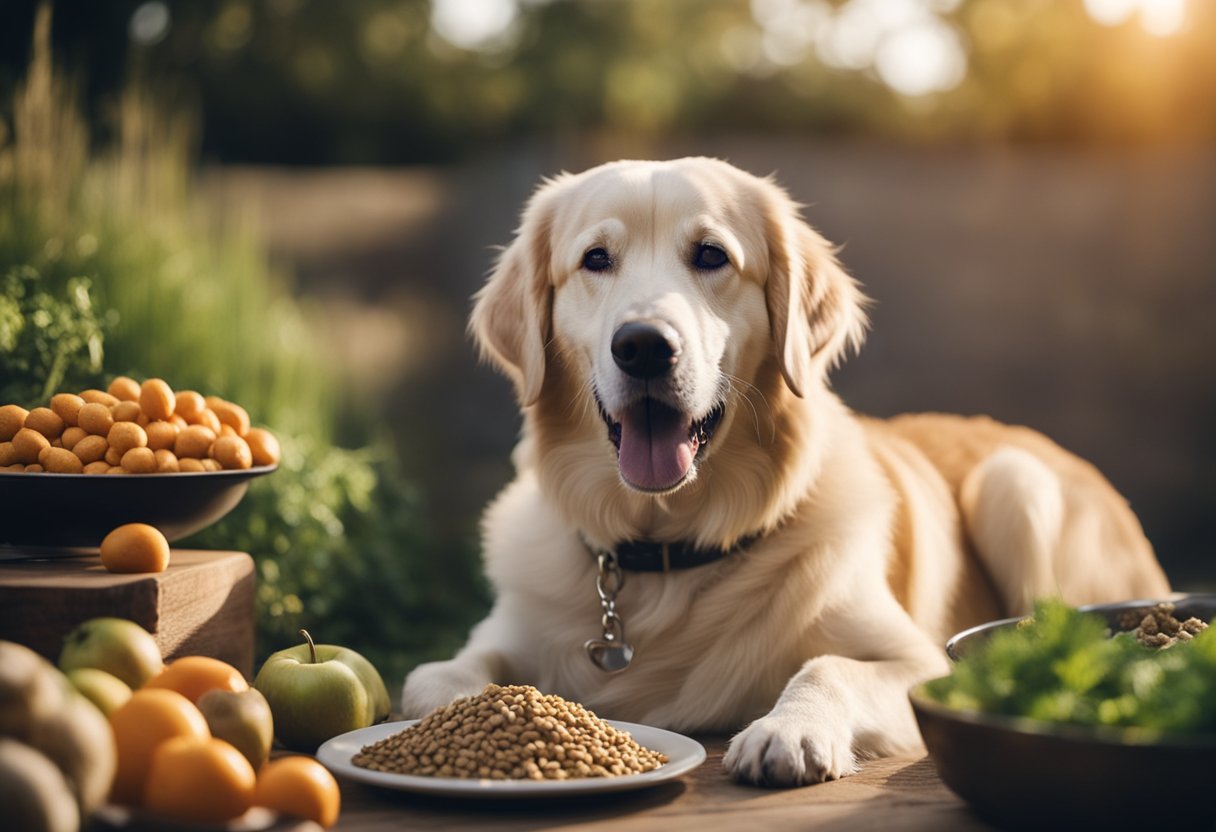
Grain-free senior dog food provides specific health advantages to older dogs, particularly those with certain dietary needs. The absence of grains caters to sensitivities, and the focused nutrition can support their aging bodies.
Managing Allergies and Sensitivities
Senior dogs may develop allergies or sensitivities to grains commonly found in pet foods. Switching to grain-free diets helps mitigate the effects of such allergens, as these foods often incorporate limited ingredient formulas. This diet simplification can lead to fewer allergic reactions because it reduces the number of potential allergens a dog is exposed to.
Supporting Joint Health
Joint health is a critical concern for older dogs. Some grain-free senior dog foods include ingredients like New Zealand Green Lipped Mussel, which is known for its natural joint health supporting properties. In addition to this, grain-free options can be fortified with supplements such as glucosamine and chondroitin, which are beneficial for maintaining healthy joints and mobility.
Protein Content in Grain-Free Diets
Grain-free dog foods often have higher protein content due to higher proportions of animal protein sources like chicken or turkey. High-quality animal proteins are essential for maintaining lean muscle mass in senior dogs, which is important for overall vitality and health. Grain-free diets tend to be rich in these proteins, providing the necessary amino acids for a senior dog’s nutrition.
By focusing on the absence of grains, these senior dog foods address specific dietary needs while promoting a more active and wholesome life for older dogs.
Key Ingredients in Senior Dog Food
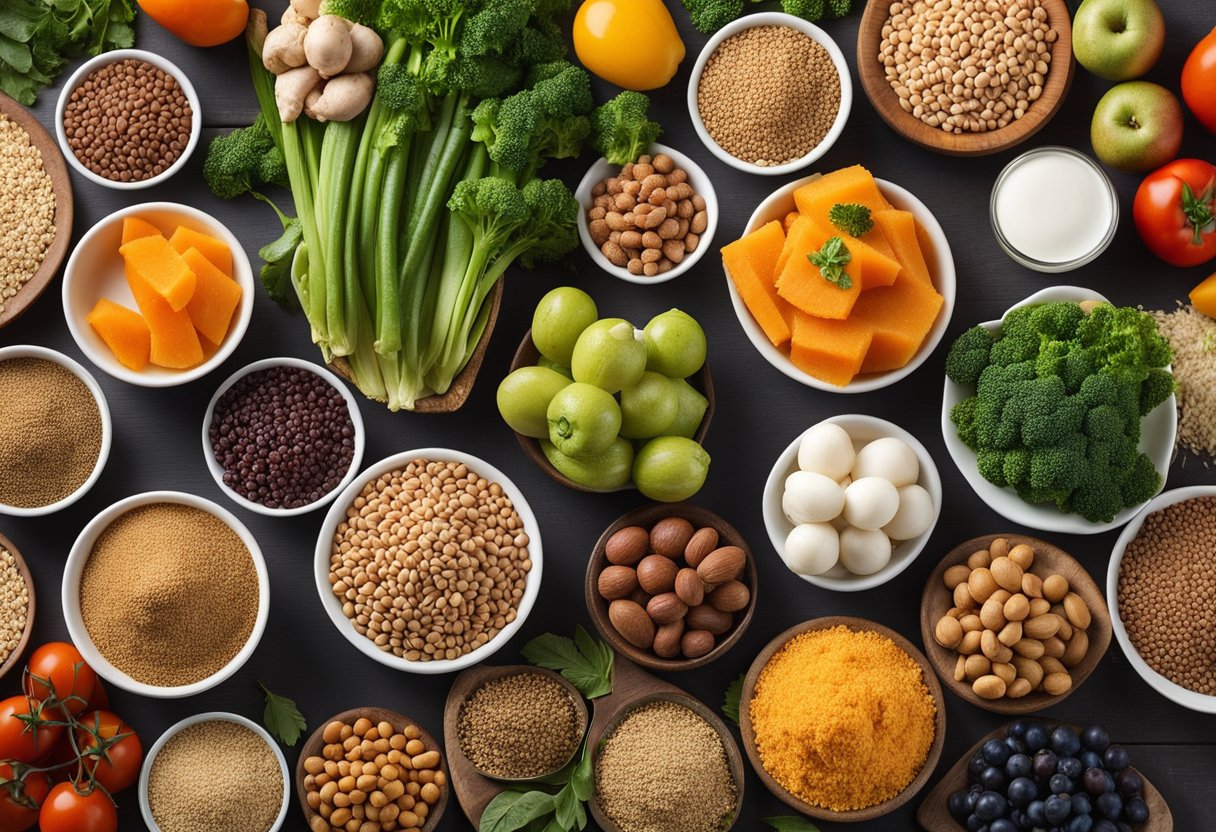
When selecting senior dog food, it is imperative to focus on nutrient-rich ingredients that support the health and vitality of aging dogs. This should include high-quality proteins, essential vitamins, and supplements that address the unique dietary requirements of older dogs.
Meat and Animal Proteins
Senior dog foods often prioritize high-quality animal proteins as a cornerstone of their formulations. These proteins provide the essential amino acids necessary for muscle maintenance and overall health.
- Chicken and Turkey: These are commonly used lean sources of protein that support muscle health without excessive calories.
- Salmon: A rich source of omega-3 and omega-6 fatty acids, which play a crucial role in maintaining healthy skin and a shiny coat, as well as supporting cognitive functions.
Wholesome Vegetables and Fruits
In addition to proteins, senior dog foods often incorporate a variety of fruits and vegetables that offer a spectrum of vitamins and antioxidants:
- Sweet Potato: A highly digestible source of carbohydrates, rich in dietary fiber which helps in maintaining a healthy digestive tract.
- Blueberries and Cranberries: Offer antioxidants that support immune health, and are beneficial for urinary tract function.
Beneficial Supplements
Formulas for senior dogs are enhanced with supplements that specifically target age-related health concerns:
- Glucosamine and Chondroitin: These are essential supplements known for their role in supporting joint health and mobility.
- Omega-3 fatty acids: Important for cognitive health and joint inflammation.
- Taurine and L-Carnitine: Amino acids important for heart health and energy production.
- Probiotics: Live microorganisms included to support a healthy balance of gut bacteria, enhancing the digestive system and immune response.
By understanding the roles of these key ingredients, pet owners can better navigate the range of senior dog foods available and choose a diet tailored to their dog’s needs.
Organic Ingredients and Their Advantages
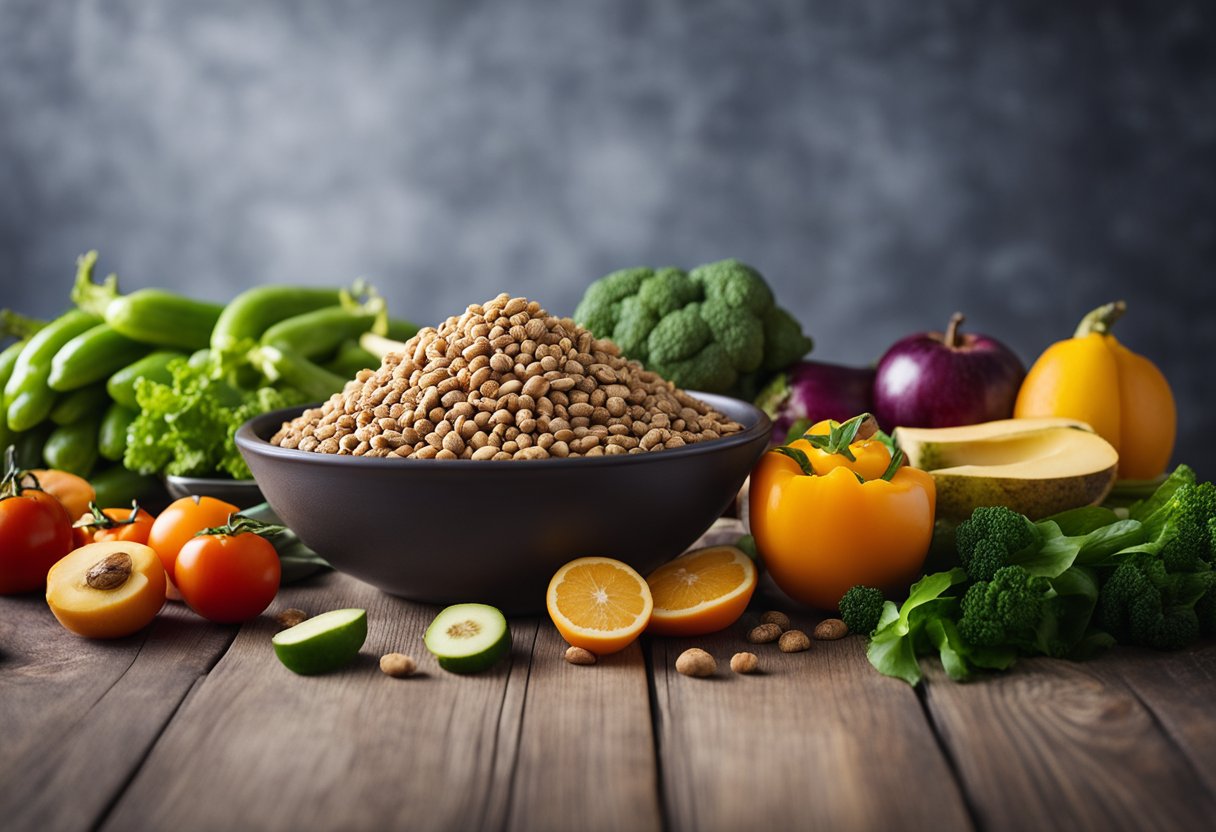
Organic ingredients in senior dog food offer benefits that go beyond the basic nutritional requirements. They ensure that dogs are consuming foods that are cultivated without synthetic pesticides and chemicals, often providing higher nutrient levels.
Avoidance of Pesticides and Chemicals
Organic ingredients are cultivated without the use of synthetic pesticides, herbicides, and fertilizers. This means the ingredient list for organic dog foods typically consists of components that are not exposed to potentially harmful chemicals. Feeding dogs organic foods can reduce their ingestion of these substances, which is especially important for senior dogs with potentially compromised immune systems.
Enhanced Nutrient Levels
Superfoods such as organic blueberries and organic sweet potatoes, often featured in these foods, come with a natural enhancement of vitamins and antioxidants. Organically grown plants may have higher levels of certain nutrients, including vitamin C, iron, magnesium, and phosphorus, due to the soil being managed by sustainable practices. High-quality dog foods often boast human-grade ingredients, which suggests a quality standard that is fit for human consumption, though pet foods are not regulated by the same standards as human foods.
Organic Certification Standards
In the USA, the Association of American Feed Control Officials (AAFCO) provides guidelines for pet foods, and an “organic” label indicates adherence to strict production and processing standards as per the USDA’s definition for organic food. Organic certification on dog food guarantees that the product’s farming processes and ingredients meet these rigorous standards. However, the term does not necessarily equate to the overall nutritional value of the food, making it crucial for pet owners to assess the complete ingredient list and nutritional adequacy as per AAFCO guidelines.
Maintaining a Healthy Weight

Senior dogs often require a careful balance in their diet to maintain a healthy weight. As metabolism slows with age, caloric intake needs to be adjusted accordingly, and certain ingredients like L-carnitine can play a pivotal role in maintaining healthy metabolism.
Adjusting Caloric Intake
Senior dogs tend to be less active and therefore may require fewer calories daily to avoid weight gain. A reduction in caloric intake should correspond with the dog’s activity level as well as their individual metabolic rate to maintain a healthy weight. High protein, grain-free dog foods can aid in this balance as they often have a lower fat content, which is vital as dogs age. The fat-to-protein ratio is a critical factor; senior dog foods should contain a higher proportion of quality protein to support lean muscle mass while keeping fat at a moderate level to control weight.
L-carnitine for Metabolism
L-carnitine is an amino acid that plays a significant role in the metabolism of fats. For senior dogs, it helps convert their body’s fat reserves into energy, promoting a leaner body mass and combating obesity. The inclusion of L-carnitine in senior dog food formulas has been shown to support better weight management and overall metabolic health. It is especially beneficial when paired with a diet that has an optimal balance of proteins and carbohydrates tailored to an aging dog’s needs.
Specialized Diets for Joint and Mobility Support
Senior dogs often require specialized diets to maintain joint health and mobility. Key ingredients such as glucosamine, chondroitin, and omega fatty acids are critical for sustaining healthy joints and enhancing overall mobility in older dogs.
Glucosamine and Chondroitin Supplementation
Glucosamine and chondroitin are essential components of cartilage and play a pivotal role in maintaining joint health. Glucosamine assists in the repair of damaged cartilage and reduces inflammation, while chondroitin helps in resisting cartilage compression. Dog foods that are supplemented with these compounds support not only the repair of existing wear but also aid in the prevention of further joint damage. For maximum benefit, an appropriate balance between glucosamine and chondroitin is recommended.
Importance of Omega Fatty Acids
Omega fatty acids, including omega-3 and omega-6, are influential in managing inflammation and bolstering the immune system. Specifically, omega-3 fatty acids are known for their anti-inflammatory properties, which can be beneficial for dogs with mobility issues caused by joint conditions like arthritis. Incorporating foods rich in these fatty acids into a senior dog’s diet can lead to improved joint flexibility and reduced discomfort. It is important to look for a diet that contains a balanced ratio of omega-3 to omega-6 fatty acids to ensure a dog’s inflammatory response is properly managed.
Boosting the Immune System

In senior dogs, maintaining a robust immune system is crucial, and specific dietary components can play a significant role. Antioxidants, vitamins, as well as probiotics and prebiotics, are all integral to supporting immune health.
Antioxidants and Their Role
Antioxidants are molecules that counteract oxidative stress by neutralizing free radicals—unstable atoms that can damage cells, leading to aging and various diseases. Senior dogs can benefit greatly from antioxidants, which are abundant in various vitamins such as:
- Vitamin A: Important for skin, eye, and immune health.
- Vitamin C: Not typically required in dog food as dogs can synthesize it, but supplementation may offer immune support.
- Vitamin E: Acts as a fat-soluble antioxidant that is vital for immune function.
The inclusion of antioxidant-rich ingredients in senior dog food supports the immune system and can help to accommodate the increased need for immune support as dogs age.
The Impact of Probiotics and Prebiotics
Probiotics are beneficial bacteria that reside in the digestive tract, playing a pivotal role in overall health, including the immune system. They aid in:
- Digestion: Assisting in breaking down food substances.
- Protective Barrier: Competing with harmful bacteria, thus providing a form of gut defense.
On the other hand, prebiotics are non-digestible fibers that act as food for probiotics, ensuring that the beneficial bacteria thrive. Together, they create a balanced gut microbiome, which is essential for a healthy immune system. Their presence in a dog’s diet contributes to improved immune system health by maintaining the intestinal barrier and reducing the likelihood of pathogenic invasions.
Both of these elements are found in some formulas of senior dog foods that focus on high-quality, functional ingredients. Foods rich in these components are often sought after for their potential to bolster a senior dog’s immune responses and overall vitality.
Senior Dog Food and Common Health Issues
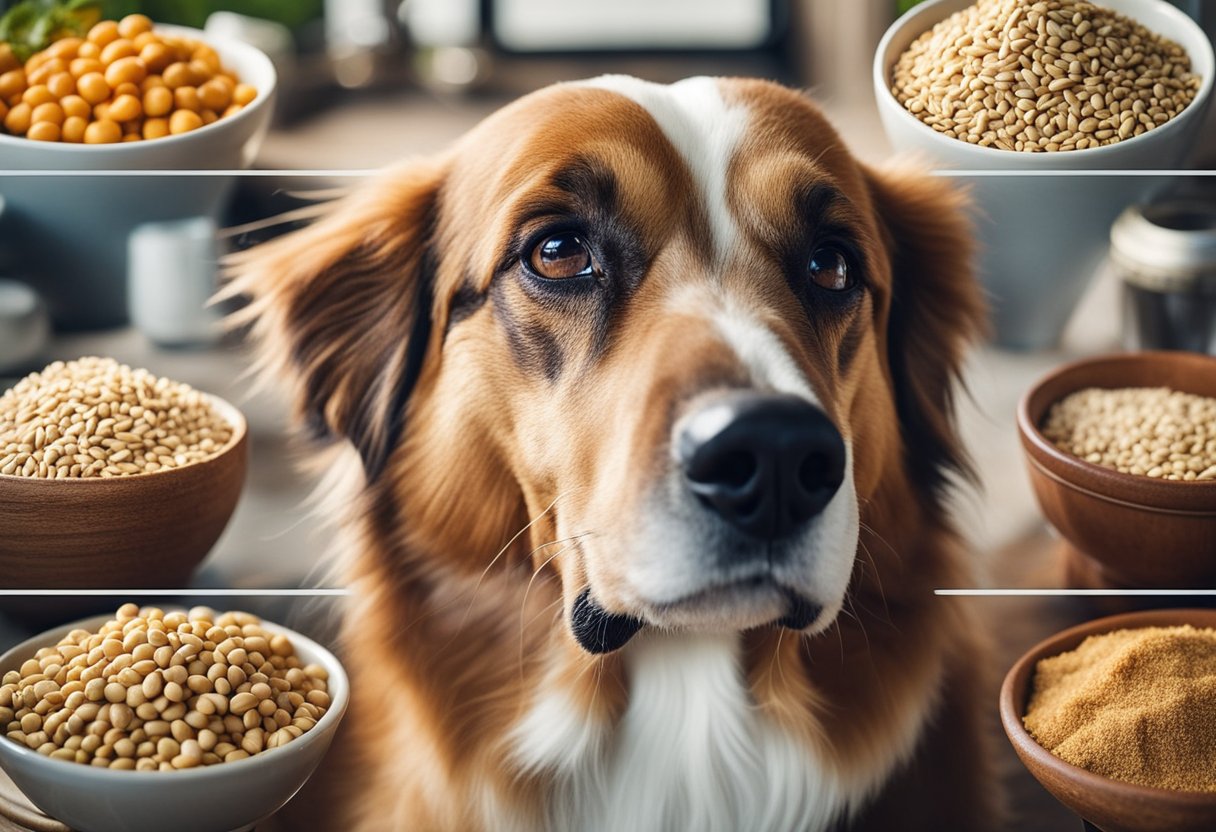
Senior dogs often face specific health challenges that can be managed with appropriate dietary choices. The right senior dog food can help address issues such as dental decay and kidney disease, contributing to overall well-being.
Managing Dental Issues
Senior dogs frequently experience dental issues, including tooth decay and gum disease. Selecting senior dog food with a kibble designed to reduce plaque and tartar build-up can be beneficial. Additionally, diets incorporating soft or wet food can be gentler on sensitive teeth and gums, making mealtime more comfortable.
Nutrition for Kidney Disease
Chronic kidney disease (CKD) is a common concern in aging canines. A diet lower in phosphorus and moderate in high-quality protein can help manage this condition. Senior dog foods formulated for kidney health often include:
- Reduced sodium levels to maintain normal blood pressure
- Enhanced antioxidant levels to support the immune system
- Omega-3 fatty acids to reduce inflammation
In summary, the correct diet for a senior dog should take into account their dental health and the functioning of their kidneys, as these are common areas of concern.
Choosing the Best Senior Dog Food

When selecting the best senior dog food, it is essential to consider the ingredients carefully and seek professional advice to meet the specific nutritional needs of aging dogs.
Deciphering Food Labels and Ingredient Lists
Ingredient Quality: The quality of ingredients in senior dog food is paramount. To ensure high-quality standards, look for organic ingredients which can indicate fewer pesticides and chemicals. Owners should prioritize food with high-quality protein sources at the beginning of the ingredient list, such as deboned chicken or salmon.
Grain-Free Options: Grain-free food might be beneficial for dogs with certain dietary sensitivities. However, not all senior dogs require a grain-free diet. Whole grains like rice and oats are nutritious and can be part of a balanced diet for seniors.
AAFCO Approval: Pet owners should verify if the pet food meets the AAFCO nutritional standards. If the label indicates that the food has undergone AAFCO feeding trials, this can be an assurance of the food’s suitability and balance for senior dogs.
Nutrient-Rich Additions: Essential nutrients such as glucosamine and chondroitin for joint health, and omega-3 fatty acids for skin and coat health, should be part of a senior dog’s diet. Antioxidants are also important to support age-related immune system challenges.
Consulting with a Veterinarian
Professional Guidance: A veterinarian is the most reliable source of advice on the nutritional needs of a senior dog. Given their expertise, they can recommend the best dog food that caters to the specific health requirements and activity levels of older pets.
Health Considerations: Not all senior dogs have the same health issues. Some may need food that supports heart health or is easier on the kidneys. Veterinarians can suggest diets low in sodium or specifically formulated for dogs with certain medical conditions.
Feeding Adjustments: Veterinarians can also provide guidance on the proper feeding amounts and schedules for senior dogs. As metabolism slows down with age, the caloric needs of senior dogs may decrease, necessitating adjustments to their feeding regimen to maintain a healthy weight.
Sustainability and Ethical Considerations

When selecting senior dog food, it is crucial to consider the sustainability of ingredient sourcing and the ethical practices of the brand. These elements ensure that the chosen dog food not only supports the health of the pet but also aligns with broader environmental and ethical values.
Sourcing of Ingredients
Sourcing of ingredients for senior dog food involves prioritizing materials that have a minimal environmental footprint. Sustainable sourcing includes organic ingredients that are free from pesticides and synthetic fertilizers, which can be beneficial for a senior dog’s health and less damaging to the ecosystem. Brands often seek ingredients such as chicken, chicken liver, and peas from suppliers that adhere to certifications reflecting high standards of animal welfare and environmentally friendly farming practices.
- Meat Sources: Ideally from farms with humane treatment of animals and no use of growth hormones or antibiotics.
- Plant-based Components: Such as carrots, peas, and whole grains like brown rice, sourced from organic farms practicing sustainable agriculture.
Brand Reputation and Practices
Investigation into a brand’s reputation and practices provides insight into their commitment to ethical and sustainable production. Ethical brands tend to be transparent about their supply chain, openly share information about the sourcing of ingredients, and have policies in place that prioritize the welfare of animals and the planet.
- Transparency: Leading brands often provide clear information about where and how they source their ingredients.
- Certifications: Look for brands that hold certifications for animal welfare and environmental standards.
- Corporate Responsibility: Recognition of brands that address the environmental and ethical impact of their products and take steps to mitigate negative effects.
Frequently Asked Questions

Choosing the right food is crucial for maintaining the health and wellbeing of senior dogs. The following frequently asked questions address the benefits and impacts of grain-free and organic ingredients in their diets.
What are the benefits of organic ingredients in senior dog food?
Organic ingredients in senior dog food ensure that the food is produced without synthetic pesticides and fertilizers. This may reduce a dog’s exposure to potential toxins and can support a healthier immune system in their later years.
How does grain-free food impact the health of senior dogs?
Grain-free dog food can be beneficial for senior dogs with specific grain allergies or sensitivities. It often contains alternative carb sources like sweet potatoes, which can still provide the necessary energy without the grains that might cause issues.
What should I look for when choosing the best senior dog food?
When selecting senior dog food, one should look for high protein content, lower calories to prevent weight gain, and added nutrients such as omega-3 fatty acids, glucosamine, and chondroitin that support joint health and cognitive function.
Are there specific senior dog food formulas recommended by veterinarians?
Veterinarians may recommend senior dog food formulas based on individual health assessments. Formulas designed for senior dogs often include ingredients supporting heart and kidney health and adjust nutrients to meet the aging dog’s metabolic needs.
What ingredients are important in food for senior dogs with arthritis?
Senior dogs with arthritis can benefit from ingredients like green-lipped mussel, glucosamine, and chondroitin which are known to support joint health and reduce inflammation.
How do I choose between grain-free and with-grain dog food for a senior dog?
Choosing between grain-free and with-grain dog food for a senior dog should be based on the dog’s specific health needs, any grain sensitivities or allergies, and dietary requirements recommended by a veterinarian.