
Selecting the right dog food for a senior pet is an essential aspect of their care, as nutritional needs evolve with age. Senior dogs often require a diet that is high in protein but low in calories to maintain muscle mass and manage weight. High protein content supports their aging bodies without the excess calories that could lead to obesity, a common concern in less active senior dogs. As their metabolism slows, it’s important to provide them with a diet that meets their changing nutritional demands in order to keep them healthy and happy in their golden years.

Understanding dog food labels is key when choosing the best senior dog food with high protein and low calories. It is important to look for foods that meet the standards set by the Association of American Feed Control Officials (AAFCO). These guidelines help ensure that the food provides complete and balanced nutrition. Nutritionists often recommend a diet that incorporates additional supplements like glucosamine and chondroitin for joint health as well as omega-3 fatty acids for their anti-inflammatory properties which can support cognitive health and skin and coat quality. Food that contains antioxidants can help combat age-related health issues. A balanced diet tailored for senior dogs can potentially extend the lifespan and quality of life for these aging companions.
When feeding mature and senior dogs, consider portion control and the specific needs of your pet based on their health, lifestyle, and breed. Some senior dogs may benefit from specialized diets or prescription foods, especially if they have health conditions that can be managed with diet such as kidney disease or arthritis. Senior dog food should avoid unnecessary additives and ingredients that do not provide any health benefits. Always consult with a veterinarian for specific dietary recommendations tailored to your senior dog’s individual health requirements.
Key Takeaways
- High protein, low calorie diets are essential for maintaining muscle mass and managing weight in senior dogs.
- Senior dog food should meet AAFCO standards and may include joint-supporting supplements.
- Consult a veterinarian to establish personalized feeding guidelines and to address specific senior dog health issues.
Nutritional Needs of Senior Dogs

As dogs age, their nutritional needs evolve, necessitating dietary adjustments. Senior dogs typically benefit from diets higher in protein while being mindful of caloric intake to manage weight and preserve muscle mass.
Protein and Muscle Mass
Aging Dogs require more dietary protein to maintain muscle mass. The body’s efficiency in processing protein decreases with age, making it crucial for senior dogs to consume high-quality protein. This supports the replenishment of proteins needed for maintaining muscle and overall bodily functions.
- Protein needs for senior dogs: Approximately 25-30% of total calories
- Sources of high-quality protein: Chicken, fish, eggs, and lean meats
Weight Management and Calories
Calories become a focal point in Weight Management for senior dogs as their metabolism slows. A lower calorie diet helps prevent obesity, which can exacerbate age-related conditions. However, caloric needs vary greatly among senior dogs based on size, breed, and activity level.
- Suggested caloric range: 246 to 408 calories per cup of food
- Guidelines for caloric intake must be tailored to individual dogs, considering their specific health requirements.
Understanding Dog Food Labels
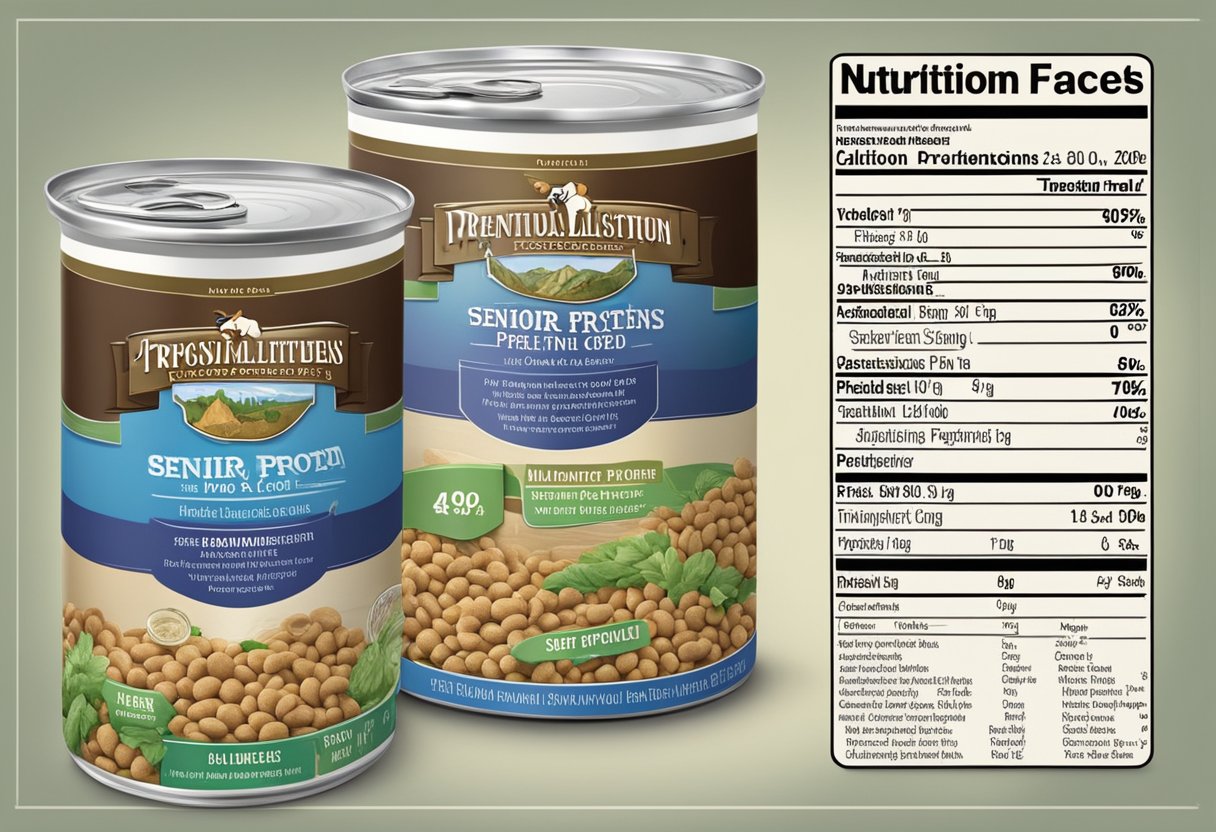
When choosing a senior dog food that is high in protein and low in calories, understanding the pet food label is crucial. These labels provide vital information about the nutritional content and quality of the food, guided by established standards.
AAFCO Standards
The Association of American Feed Control Officials (AAFCO) sets guidelines for pet food labeling, ensuring that consumers receive standardized and essential nutritional information. A dog food that meets AAFCO standards will have a statement on the label indicating that it is “complete and balanced.” This means that the food provides the necessary nutrients for dogs, as outlined in the AAFCO nutrient profiles.
The AAFCO standards are based on specific nutrient profiles for different life stages, such as growth, reproduction, and maintenance. Senior dogs, categorized under the maintenance life stage, require a nutrient profile that supports their needs without excessive calories which can lead to obesity.
Analyzing Nutritional Content
Understanding the nutritional content is key when selecting dog food for senior dogs with high protein needs. The label will list the following:
- Guaranteed Analysis: This section presents the minimum or maximum levels of nutrients such as protein, fat, fiber, and moisture.
Nutrient Requirement Crude Protein Minimum % Crude Fat Minimum % Crude Fiber Maximum % Moisture Maximum % - Ingredients: Ingredients are listed in descending order by weight. High protein ingredients should be listed first if the dog food is high in protein.
Analyzing the calorie content is also important as senior dogs often have a lower metabolism. A statement of caloric content is a valuable piece of information, but not all labels have this. Careful consideration of the calorie information provided, if available, helps ensure the senior dog maintains a healthy weight while receiving adequate protein.
The Balance of Protein and Other Nutrients

When formulating senior dog food, it’s crucial to adjust protein levels while ensuring a low-calorie content to maintain muscle mass and prevent obesity. A holistic approach balances high-quality protein with essential fibers, carbohydrates, vitamins, and minerals.
Importance of High-Quality Protein
Senior dogs typically require higher levels of protein to support muscle maintenance and overall health. As they age, they become less efficient at processing protein, necessitating an increase in the proportion of this nutrient in their diet. The protein should come from high-quality sources, such as real meats and eggs, which provide the necessary amino acids without excessive calories. These sources help in preserving lean muscle and supporting the immune system.
- Sources of High-Quality Protein for Senior Dogs:
- Chicken
- Fish
- Eggs
- Lean beef
Role of Fiber and Carbohydrates
Fiber plays a vital role in a senior dog’s diet, aiding in digestive health and helping to regulate blood sugar levels. On the other hand, carbohydrates must be monitored to avoid unnecessary weight gain. Complex carbohydrates, such as those found in whole grains, are preferable as they provide energy and are rich in essential vitamins and minerals.
- Key Functions of Fiber:
- Enhances gastrointestinal function
- Helps prevent constipation
- Recommended Carbohydrate Sources:
- Brown rice
- Barley
- Vegetables like peas and carrots
In senior dog foods, it is essential to find a careful balance between proteins, fibers, carbohydrates, vitamins, and minerals to support the health and vitality of aging dogs without contributing to calorie overconsumption.
Health Considerations with Senior Diets

When formulating a diet for senior dogs, one must consider the balance between high protein content and low calories while also addressing specific health challenges. Dietary management plays a pivotal role in mitigating the impact of age-related conditions.
Dietary Restrictions for Common Ailments
Senior dogs often face chronic health issues such as kidney disease and heart disease. Diets for dogs with kidney disease should have moderated protein levels to reduce renal stress, yet high-quality protein is essential to sustain muscle mass. Low-phosphorus ingredients are also recommended to slow the progression of kidney problems. In dealing with heart disease, reduced sodium intake helps manage blood pressure and fluid retention. Low-calorie diets are important for managing obesity, which can exacerbate joint issues and mobility problems.
- Kidney Disease: Moderate protein, low phosphorus
- Heart Disease: Low sodium
- Obesity: Low calorie
Supplements for Joint and Cognitive Health
To support joint health, supplements like glucosamine and chondroitin may be beneficial in maintaining cartilage and reducing inflammation. For cognitive function, antioxidants such as vitamin E, vitamin C, and certain omega-3 fatty acids (like DHA) can help protect the brain against oxidative damage. These supplements can be incorporated into senior dog foods or provided separately to tailor to individual needs.
- Joint Health: Glucosamine, Chondroitin
- Cognitive Health: Antioxidants (Vitamin E, Vitamin C), Omega-3 fatty acids (DHA)
Selecting the Right Senior Dog Food

When choosing the best senior dog food, one should consider the protein content, caloric density, and specific needs based on the dog’s breed and size, as well as its lifestyle.
Formulating for Different Breeds and Sizes
Selecting an appropriate senior dog food for different breeds and sizes is crucial. Small breeds and large breeds have distinct nutritional requirements. For instance, small breeds may require foods with higher caloric density to support their fast metabolisms, whereas large breeds often benefit from lower-calorie foods that help prevent obesity, a common health concern. Senior dog foods should therefore be tailored to the size of the dog:
- Small Breeds: Higher protein, energy-dense foods.
- Large Breeds: Lower calorie, joint-supporting nutrients like glucosamine.
Wet vs. Dry Dog Food
When selecting the best senior dog food, one should also consider the format: wet or dry.
- Wet Dog Food: Offers moisture which is beneficial for seniors with dental issues or decreased thirst. However, wet foods may have higher calorie content per gram compared to dry food, so portion control is key.
- Dry Dog Food: Generally more calorie dense and convenient for regular feeding, it can help maintain dental health through abrasive action. Some dry foods are specially formulated with higher protein and lower calories to meet senior dogs’ needs.
Both types can be formulated to provide the balanced nutrition that senior dogs require, but it will often depend on the dog’s preference and any specific health issues. It’s essential that the chosen dog food meets the guidelines set by the Association of American Feed Control Officials (AAFCO) and that one pays close attention to the ingredient list to ensure quality and nutritional adequacy.
Food Types and Forms
When selecting high-protein, low-calorie food options for senior dogs, one must consider the different types available, including wet and dry forms. Both have distinct qualities that cater to the specific dietary needs of aging dogs.
Benefits of Wet and Canned Foods
Wet food, often available in cans, provides a significant source of hydration which is beneficial for senior dogs that may not drink sufficient water throughout the day. They typically find the texture and flavor of wet food appealing, which can stimulate appetite in older dogs with diminished senses. Moreover, wet foods can be higher in protein and lower in carbohydrates when compared to their dry counterparts, which aligns well with the nutritional requirements of senior dogs.
Pros and Cons of Dry Kibble
Dry dog food, or kibble, is a convenient and economical option. It can support dental health through the mechanical action of chewing, which can reduce tartar build-up. High-protein, low-calorie kibble is formulated to meet the nutritional demands of senior dogs without providing excess calories which could lead to weight gain in less active pets. However, kibble has lower moisture content, so additional water intake is necessary. It’s imperative to check the ingredient label for high-quality protein sources and to ensure there are no unnecessary fillers that may contribute to weight gain or other health concerns.
Feeding Guidelines and Portion Control
For senior dogs, maintaining an optimal weight through a balance of high-quality protein and controlled calorie intake is crucial. As dogs age, their metabolism slows, necessitating adjustments in their diet to prevent obesity and support lean muscle mass.
Determining Individual Energy Requirements
Each senior dog has unique energy needs based on their activity level, health status, and natural metabolism. Veterinarians often calculate a dog’s Resting Energy Requirement (RER) to establish a baseline for daily caloric intake. The RER can be determined using the formula:
RER = 70 (body weight in kilograms)^0.75
After calculating the RER, adjustments are made for age, as senior dogs typically require about 20% fewer calories than their younger adult counterparts. Specific health conditions may also impact these requirements, necessitating further customization of their diet.
Adjusting Portions with Age
- Weight Monitoring: Regular weigh-ins are essential to monitor a senior dog’s weight and adjust food portions as needed. A dog that is becoming overweight may need a reduction in calorie intake, while an underweight dog might require more.
- Adjusting Food Quantities: If a senior dog gains or loses weight, the portion size should be increased or decreased, respectively, by 5-10% while maintaining high protein levels. This gradual change helps to manage weight without causing undue stress on the dog’s body.
- Consultation with Professionals: It is important for owners to collaborate with their veterinarian to refine portion control and ensure an appropriate balance between proteins and calories. This may include choosing specially formulated senior diets that are less calorie-dense and adjust portion sizes accordingly.
Specialized Diets and Prescription Foods

Specialized diets and prescription dog foods are critical for managing certain health conditions in senior dogs. These diets often contain a balance of high-quality protein and lowered calories to suit the needs of aging canines.
When to Consider Veterinary Diets
One should consider veterinary diets when a senior dog has specific health issues that can be managed or improved through targeted nutrition. Prescription diets can be integral in supporting kidney function, where the balance of protein, phosphorus, and sodium is crucial. A veterinarian might recommend a prescription kidney diet when a dog has chronic kidney disease, as it can help reduce the progression of the disease.
Navigating Prescription Dog Food Options
Choosing the right prescription dog food requires careful consideration of the ingredients and the dog’s specific health requirements. Dietary fiber, for instance, is a key component in managing certain health conditions. It aids in digestive health and can help maintain optimal weight.
Here is an example of what to look for in prescription dog food options:
| Nutrient | Benefit for Senior Dogs |
|---|---|
| High-Quality Protein | Supports muscle maintenance |
| Low in Calories | Helps prevent obesity |
| Increased Fiber | Enhances gastrointestinal health |
Always consult with a veterinarian to select the appropriate prescription diet and to understand the correct feeding guidelines for your dog’s condition.
Additives and Ingredients to Avoid
When selecting high-protein, low-calorie food for senior dogs, it is important to be aware of certain additives and ingredients that may be harmful or contribute to food sensitivities. The focus should be on providing nutrition that supports the health and well-being of the dog while avoiding unnecessary and potentially harmful substances.
Understanding Food Allergies and Sensitivities
Senior dogs may develop food allergies or sensitivities that can cause discomfort and adverse health effects. Common allergens include:
- Beef
- Dairy
- Wheat
In addition to these allergens, one should select foods that avoid:
- Artificial colors: They offer no nutritional benefit and can cause allergic reactions.
- Human-grade ingredients: While often seen as a marketing term, human-grade ingredients should still maintain a focus on the nutritional needs of dogs, avoiding any foods known to cause sensitivities in dogs.
Identifying Harmful Additives
Senior dog food should not contain unnecessary additives that can be harmful. Key additives to avoid include:
- Preservatives: Certain chemical preservatives have been associated with health issues in dogs. Natural alternatives like tocopherols (vitamin E) are preferable.
Carefully check labels for these substances and opt for dog foods that preserve freshness using natural alternatives.
The Role of Supplements in Senior Dog Diet

As dogs age, their nutritional needs change, requiring a more focused approach to diet and health. Supplements tailored for senior dogs can play a critical role in maintaining optimal health, particularly for joint and coat health as well as cognitive and immune system support.
Joint and Coat Health
Senior dogs often experience joint issues due to wear and tear over their lifetimes. Incorporating supplements with glucosamine and chondroitin can help maintain healthy joints by supporting cartilage structure and enhancing joint fluidity. For coat health, omega-3 fatty acids are vital. They not only support skin health but also nourish the coat, keeping it shiny and reducing itchy skin.
- Key Supplements for Joint and Coat Health:
- Glucosamine: Aids in the repair of damaged cartilage.
- Chondroitin: Complements glucosamine and helps maintain joint mobility.
- Omega-3 Fatty Acids: Improves coat sheen and skin health.
Cognitive and Immune System Support
Antioxidants play a significant role in supporting cognitive functions and bolstering the immune system of senior dogs. They combat oxidative stress, which affects cognitive health, and strengthen the immune response, reducing the risk of chronic diseases. Consistent intake of antioxidants can contribute to improved mental sharpness and overall longevity.
- Important Antioxidants for Seniors:
- Vitamin E: Protects cells from oxidative damage.
- Vitamin C: Offers an additional layer of immune system support.
To summarize, senior dog diets benefit significantly from the strategic use of supplements, with dedicated ingredients supporting joint, coat, cognitive, and immune health, all contributing to the quality of life for aging canines.
Frequently Asked Questions
When selecting a high-protein, low-calorie diet for senior dogs, pet owners must consider their aging companions’ specific nutritional needs to maintain their health and vitality.
What are the best high-protein, low-calorie dog foods for senior dogs?
Senior dogs often benefit from diets that are rich in quality protein but have fewer calories. Some top choices include brands that explicitly formulate senior dog foods with enhanced levels of proteins sourced from real meats, like chicken or fish, without excessive calorie content.
How can a high-protein diet benefit an elderly dog’s health?
A high-protein diet supports lean muscle mass retention in senior dogs. As metabolism slows with age, maintaining muscle can help with mobility and overall health. It’s pivotal that the protein is high quality and digestible.
When should I switch my dog to a senior diet, and what should I consider?
Dogs typically transition to a senior diet around 7-10 years old, but this varies by breed and individual health. Key considerations include lowered caloric needs, increased fiber for gastrointestinal health, and adjusted levels of specific nutrients such as omega fatty acids and antioxidants.
What should I look for in a senior dog food to assist with weight management?
For weight management, look for foods with high protein to promote satiety and muscle maintenance, and low in calories to prevent weight gain. Fiber-rich ingredients can also aid in digestion and help maintain a healthy weight.
Are there specific brands recommended for high-protein senior dog food?
Certain brands are recognized for their high-protein, low-calorie senior dog formulas. While specifics were not provided, it’s advisable to seek out reputable brands that conduct feeding trials and tailor their formulas to senior dog needs.
How do I choose suitable dog food for a senior small breed with dental issues?
For senior small breeds with dental issues, soft, wet foods or kibble designed for easy chewing can be beneficial. High-quality protein remains important, and the kibble size should be small and easy to manage. Consult with a veterinarian to select a food that accommodates dental sensitivity while meeting dietary requirements.