
As dogs age, their dietary needs evolve, demanding careful consideration of their nutritional intake to maintain health and vitality. Senior dog food, specifically formulated to cater to the needs of older dogs, often includes probiotics and antioxidants – two key components that can significantly benefit a dog’s well-being in their later years. Probiotics, beneficial bacteria found in the gut, play a vital role in maintaining a healthy digestive system, which is crucial for senior dogs that might experience digestive irregularities. Incorporating these into their diet helps to support a robust immune system and promotes a balanced gut microbiome.
Antioxidants are another critical ingredient in senior dog food that help to combat the effects of aging. They work by neutralizing free radicals, which can damage cells and lead to chronic health problems. By including antioxidants, such as vitamins A and E, into their diet, senior dogs may experience improved cognitive function and a reduction in age-related cellular degradation. Beyond these, foods tailored for older dogs might also feature components aimed at supporting joint health, managing weight, and reducing the risks of common health issues associated with aging pets.
Key Takeaways
- Probiotics in senior dog food support digestive health and immune function.
- Antioxidants in senior dog food help neutralize free radicals, potentially reducing age-related health issues.
- Specialized senior dog diets consider joint support, weight management, and disease prevention.
Understanding the Nutritional Needs of Senior Dogs

As dogs age, their nutritional requirements shift due to changes in metabolism, energy levels, and health status. Addressing the specific needs of senior dogs through targeted nutrients, including probiotics and antioxidants, is essential for maintaining their health and well-being.
Essential Nutrients for Aging Canines
Senior dogs often require a balanced diet that is lower in calories but still rich in high-quality proteins to maintain muscle mass. It’s important to provide them with:
- High-Quality Protein: Helps to maintain muscle tissue and supports overall bodily functions.
- Fiber: Aids in digestive health and helps to manage weight.
- Fatty Acids (Omega-3s): Support joint health and cognitive function.
- Calcium and Phosphorus: Assist in maintaining bone health.
- Vitamins and Minerals: Tailored to the changed needs of senior dogs to prevent nutritional deficiencies.
The Role of Probiotics in Digestive Health
Probiotics are beneficial bacteria that promote a healthy digestive system, which is vital for senior dogs as they can be prone to digestive issues. Probiotics help to:
- Enhance Gut Flora: Support the balance of good bacteria in the gut.
- Boost Digestive Efficiency: Aid the absorption of nutrients and support bowel health.
Antioxidants and Immune System Support
Antioxidants play a crucial role in supporting the immune system and combating oxidative stress in senior dogs. Their inclusion in a senior dog’s diet can:
- Reduce Oxidative Damage: Protect cells from free radicals, which are more of a threat in aging canines.
- Strengthen Immune Response: Help maintain the natural defense system of the body, which tends to weaken with age.
Key Ingredients in Senior Dog Food
When formulating diets for senior dogs, certain ingredients are crucial for maintaining health and addressing age-related issues. These include high-quality proteins, essential fatty acids, and a robust vitamin and mineral profile.
Quality Animal Proteins
Senior dogs require high-quality animal proteins that are easily digestible to maintain muscle mass and support cellular repair. Animal proteins should be listed as the first ingredient on dog food labels and can include sources like:
- Chicken
- Turkey
- Fish
- Beef
These proteins provide essential amino acids that senior dogs need. Additionally, ingredients like glucosamine and chondroitin are often sourced from meats and are essential for joint health.
Importance of Omega Fatty Acids
Omega-3 and omega-6 fatty acids are vital in a senior dog’s diet, contributing to cognitive function, skin health, and the reduction of inflammation. Foods enriched with:
- Omega-3 fatty acids, like EPA and DHA, typically come from fish oils.
- Omega-6 fatty acids are found in plant oils, such as flaxseed and canola oil.
A balanced ratio of omega-3 to omega-6 is essential to maximize health benefits.
Vitamins and Minerals for Holistic Well-Being
Vitamins and minerals play diverse roles in a senior dog’s body, from supporting immune function to ensuring bone health. Key vitamins and minerals include:
- Calcium and Phosphorus for bone integrity.
- Vitamins E and C, potent antioxidants that combat oxidative stress and promote a healthy aging process.
- B Vitamins for energy metabolism and cognitive health.
These vitamins and minerals, alongside the antioxidants provided by certain food ingredients, help maintain a senior dog’s overall vitality.
Joint Health and Mobility Enhancements
As dogs age, their joints often start to show signs of wear and tear, affecting their mobility and quality of life. Senior dog foods with joint health supplements such as glucosamine and chondroitin, along with fatty acids, can significantly enhance a dog’s mobility and comfort.
Glucosamine and Chondroitin Supplements
Glucosamine is a natural compound found in cartilage, the tough tissue that cushions joints. In senior dog foods, glucosamine helps maintain the health and resilience of joints. Chondroitin complements glucosamine and is another natural substance that helps resist compressive forces on the joints.
| Substance | Purpose | Benefit |
|---|---|---|
| Glucosamine | Aids in cartilage repair and growth | Enhanced joint health |
| Chondroitin | Works alongside glucosamine to support joints | Improved comfort |
Incorporating Fatty Acids for Joint Lubrication
Fatty acids, particularly omega-3 fatty acids, are crucial for maintaining joint health. They provide the necessary lubrication that is essential for optimal joint function, reducing inflammation and potentially offering relief from stiffness and joint pain in senior dogs.
- Omega-3 Fatty Acids: Help to lubricate joints and reduce inflammation.
By combining these nutrients, senior dogs can maintain healthier joints, potentially leading to improved mobility and a better quality of life.
Senior Dog Weight Management
Managing weight is crucial for a senior dog’s overall health. They require a careful balance of calories and nutrients to maintain a healthy weight without compromising their nutritional needs.
Balancing Calories for Healthy Weight Maintenance
A senior dog’s metabolism slows down, leading to weight gain if their caloric intake isn’t adjusted. Healthy weight maintenance hinges on providing just enough calories that equate to their lowered energy expenditure. Adjusting their portion sizes and shifting to dog food specifically formulated for weight control can help maintain a healthy weight. Such foods often have a reduced calorie content but are still rich in necessary nutrients.
Role of Dietary Fiber in Weight Control
Dietary fiber is beneficial for weight control as it can help dogs feel full without adding excessive calories. Foods with increased fiber content can aid in weight management, while also supporting digestive health. It’s important to ensure the fiber in a senior dog’s diet is well-balanced so as not to interfere with the absorption of other vital nutrients.
- High-fiber foods can mitigate feelings of hunger after eating, helping prevent overeating.
- The fiber must be fermentable to a certain extent to avoid flatulence and discomfort.
Specialized Senior Dog Diets

As dogs grow older, their nutritional needs change, and certain health issues may become more prevalent, necessitating specialized diets. Senior dog food often includes added probiotics and antioxidants to support digestive health and bolster the immune system. Additionally, there are prescription diets specifically tailored to address various health conditions.
Formulations for Sensitive Digestion
Many senior dogs develop sensitive digestion as they age. Manufacturers often address this by including probiotics in their food formulations. Probiotics are beneficial bacteria that can help maintain a healthy balance in the gut microbiome. The American Association of Feed Control Officials (AAFCO) provides guidelines to ensure these diets meet minimum nutritional standards set for pet foods. Formulations for sensitive digestion typically include:
- Highly digestible proteins
- A blend of fibers to support gut health
- Probiotic additives
Prescription Diets for Specific Health Conditions
For senior dogs with specific health issues, veterinarians may recommend prescription diets. These diets are formulated with targeted nutrients to support dogs with conditions such as kidney disease, arthritis, or obesity. Prescription diets are based on clinical research and are often regulated to ensure they adhere to strict nutritional standards. Key components of prescription diets may include:
For Joint Health:
- Glucosamine and Chondroitin: These compounds support joint health and may help improve mobility.
For Kidney Support:
- Reduced Phosphorus: Low phosphorus levels are crucial for dogs with kidney disease.
- Enhanced Antioxidants: To help protect kidney cells from oxidative damage.
For Weight Management:
- Reduced Fat: Lower fat content helps manage calorie intake.
- High-Quality Protein: To support lean muscle mass.
Veterinarians play a crucial role in monitoring the dog’s health and recommending the appropriate prescription diet based on the dog’s specific needs and medical history.
Avoiding Common Health Risks

Senior dogs often face health risks that can be mitigated through careful dietary choices. Selecting the right dog food with probiotics and antioxidants is crucial in avoiding common age-related health issues.
Steering Clear of Artificial Additives
One key to maintaining a senior dog’s health is to avoid artificial additives such as colors, flavors, and preservatives. These substances can cause unnecessary strain on a dog’s organs and may contribute to chronic health problems. Instead, owners should opt for foods that use natural preservatives like tocopherols (vitamin E) or ascorbic acid (vitamin C), and are labeled as non-GMO to ensure the food’s ingredients are not genetically modified.
Grain-Free Options and Allergies
Another consideration is whether to choose grain-free recipes, particularly for dogs with allergies or sensitivities. Grains are a common allergen for dogs, and a grain-free diet can help minimize allergic reactions and support skin health. However, it’s important to ensure that the chosen grain-free food is well-balanced and provides all the necessary nutrients. Look for grain-free options that are supplemented with beneficial ingredients like:
- Omega-3 fatty acids for joint health and mobility
- Glucosamine and chondroitin for cartilage support
- Probiotics for a healthy digestive system
- Antioxidants for strong immune support
Quality and Sourcing of Ingredients
In the realm of senior dog food, the caliber of constituents is paramount. Manufacturers who use high-grade, human-grade ingredients often source from reputable suppliers to ensure both quality and safety.
Benefits of Human-Grade Ingredients
Human-grade ingredients in dog food imply that these components are of a standard fit for human consumption. Quality comes to the forefront as these ingredients are subjected to rigorous testing and regulatory oversight similar to that of human food products. For senior dogs, this often means their food contains:
- Wholesome meats and proteins that provide the nutrition necessary for maintaining muscle mass and supporting overall health.
- Complex carbohydrates for sustained energy.
- Fiber which aids in digestion – a common concern for older dogs.
Foods sourced from the USA or New Zealand are popular due to their strict quality control measures and reputation for safety.
Ethical and Sustainable Sourcing Practices
Ethical sourcing is not only about the well-being of the animals and eco-systems but also ensures the long-term sustainability of pet food production. Sustainable practices include:
- Responsibly managed fisheries for marine ingredients rich in beneficial omega fatty acids.
- Free-range or pasture-raised meat sources, supporting animal welfare.
- Partnering with local farmers and producers, thus reducing the carbon footprint of transportation and supporting local economies.
By focusing on human-grade ingredients and ethical sourcing, manufacturers can provide senior canines with a diet that supports their health while also being mindful of the environment and sustainability.
Feeding and Care for Senior Dogs
Senior dogs have specific dietary requirements that need careful consideration. Adjustments in their diet can help manage energy levels and metabolism, which are key to their overall health.
Adjusting Portion Sizes Over Time
As dogs age, their metabolism tends to slow down, necessitating changes in their daily calorie intake. Feeding trials conducted by professionals can determine the optimal portion sizes for senior dogs to prevent excess weight gain or undernutrition. A veterinarian can recommend tailored feeding plans that align with each senior dog’s changing energy requirements.
- Underweight senior dogs: They may need calorie-dense foods to maintain a healthy weight.
- Overweight senior dogs: They might require lower-calorie foods or smaller portions to avoid further weight gain.
Regular Veterinary Check-ups
Regular check-ups are imperative to monitor a senior dog’s health. Veterinary medicine plays a crucial role in detecting and addressing age-related health issues.
- Health screenings: Detect early signs of metabolic changes, organ function decline, or other concerns.
- Dietary adjustments: A veterinarian can recommend specific foods rich in antioxidants and probiotics to support a senior dog’s immune system.
- Nutritional supplements: Incorporation of glucosamine or omega fatty acids may be suggested to support joint health and mobility.
Regular veterinary consultations also ensure that dietary adjustments align with the latest scientific findings and are customized to an individual dog’s health conditions and needs.
Product Recommendations and Reviews

In this section, consumers will find detailed reviews of selected senior dog food products that incorporate probiotics and antioxidants. The recommendations are based on the products’ inclusion of essential nutrients conducive to the health of senior dogs, as well as consumer feedback regarding these brands.
Dry and Wet Food Options
Senior dogs have diverse dietary needs, and pet owners have to make a choice between dry and wet food options. Dry food is often preferred for its convenience and dental benefits, while wet food is favored for hydration and ease of chewing for older dogs with dental issues.
- Dry Food:
- Blue Buffalo Life Protection Formula Senior Chicken & Brown Rice Recipe: With a precise blend of antioxidants, vitamins, and minerals, this formula supports the overall health and well-being of senior dogs.
- Hill’s Science Diet Senior 7+ Chicken Meal, Barley & Brown Rice Recipe: It is designed to help protect vital kidney and heart function, with high-quality protein and clinically proven antioxidants.
- Wet Food:
- Blue Buffalo Homestyle Recipe Natural Senior Wet Dog Food: This offering is rich in protein and formulated with ingredients to support muscle maintenance and overall health.
- The Farmer’s Dog Fresh Human-Grade Dog Food: Providing a customizable meal plan, this wet food option features fresh ingredients and a healthy profile suited for senior dogs with specific dietary requirements.
Top Brands and Consumer Feedback
The reputations of brands such as Blue Buffalo, The Farmer’s Dog, and Hill’s Science Diet, are not established in a vacuum but are reinforced by consumer experiences.
- Blue Buffalo:
- Known for their natural ingredients, this brand is often praised for its Life Protection Formula, which caters to the needs of senior pets.
- The Farmer’s Dog:
- A subscription-based brand delivering fresh food, it receives accolades for its quality and customization, but some consumers note the higher price point.
- Hill’s Science Diet:
- Vet-recommended and backed by science, Hill’s Science Diet garners positive feedback for its focus on age-specific dietary needs, although some buyers mention the need for more flavor varieties.
Transitioning to Senior Dog Food
The progression to a senior diet is a pivotal step in managing the health of an aging dog. It involves not only timing but also the gradual introduction of a well-balanced diet tailored to the dog’s evolving nutritional needs.
When to Start Your Dog on a Senior Diet
The shift to senior dog food typically begins when a dog reaches seven years of age, although this can vary with breed and size. Small breeds may not start a senior diet until later, sometimes around ten years, while large breeds might benefit from starting as early as six years. The key is recognizing that a senior diet is different from adult maintenance foods as it is specially formulated to support the health of older dogs. Senior dog foods often contain lower calories, higher fiber, and adjustments in protein levels compared with all life stages foods, which are designed to be adequate for any age.
| Dog Size | Estimated Age to Start Senior Diet |
|---|---|
| Small | 10-12 years |
| Medium | 8-10 years |
| Large | 6-8 years |
How to Introduce New Foods Safely
Introducing a senior diet should be done gradually to avoid gastrointestinal upset. The transition from the dog’s current adult maintenance food to a senior diet should occur over a period of 5-7 days. Begin by mixing a small amount of the new senior dog food with the current food on the first day, and then slowly increase the proportion of the new food each day.
- Day 1-2: 75% current food, 25% new senior food
- Day 3-4: 50% current food, 50% new senior food
- Day 5-6: 25% current food, 75% new senior food
- Day 7: 100% new senior food
It’s crucial during this period to monitor the dog for any signs of digestive discomfort or food intolerance, and to consult a veterinarian if any issues arise.
Enhancing Overall Senior Dog Wellness
Senior dog wellness is significantly enhanced by specific diets formulated with probiotics and antioxidants. These elements support cognitive function and general health, and are imperative for maintaining vitality in older dogs.
Supporting Cognitive Function and Vitality
Probiotics can play a crucial role in maintaining a healthy gut, which is directly linked to brain health through the gut-brain axis. For senior dogs, incorporating Lactobacillus and Bifidobacterium strains in their diet can help maintain cognitive functions. Antioxidants like vitamin E, vitamin C, and beta-carotene combat oxidative stress and can aid in preserving neural health, thereby supporting the dog’s vitality and alertness.
- Key Probiotics: Lactobacillus, Bifidobacterium
- Essential Antioxidants: Vitamin E, Vitamin C, Beta-carotene
Integrating Supplements into Daily Routines
Introducing supplements into a senior dog’s daily routine should be done with attention to the dog’s specific health needs and according to veterinary recommendations. Supplements with glucosamine and chondroitin support joint health, while omega-3 fatty acids from fish oils can reduce inflammation and support cognitive function.
Daily Supplement Guide for Senior Dogs:
- Joint health: Glucosamine (300mg), Chondroitin (250mg)
- Cognitive support: DHA-rich Omega-3 Oil (200mg)
Regular veterinary check-ups ensure the supplements provided match the senior dog’s health requirements, and adjustments are made as necessary to optimize their well-being.
Frequently Asked Questions
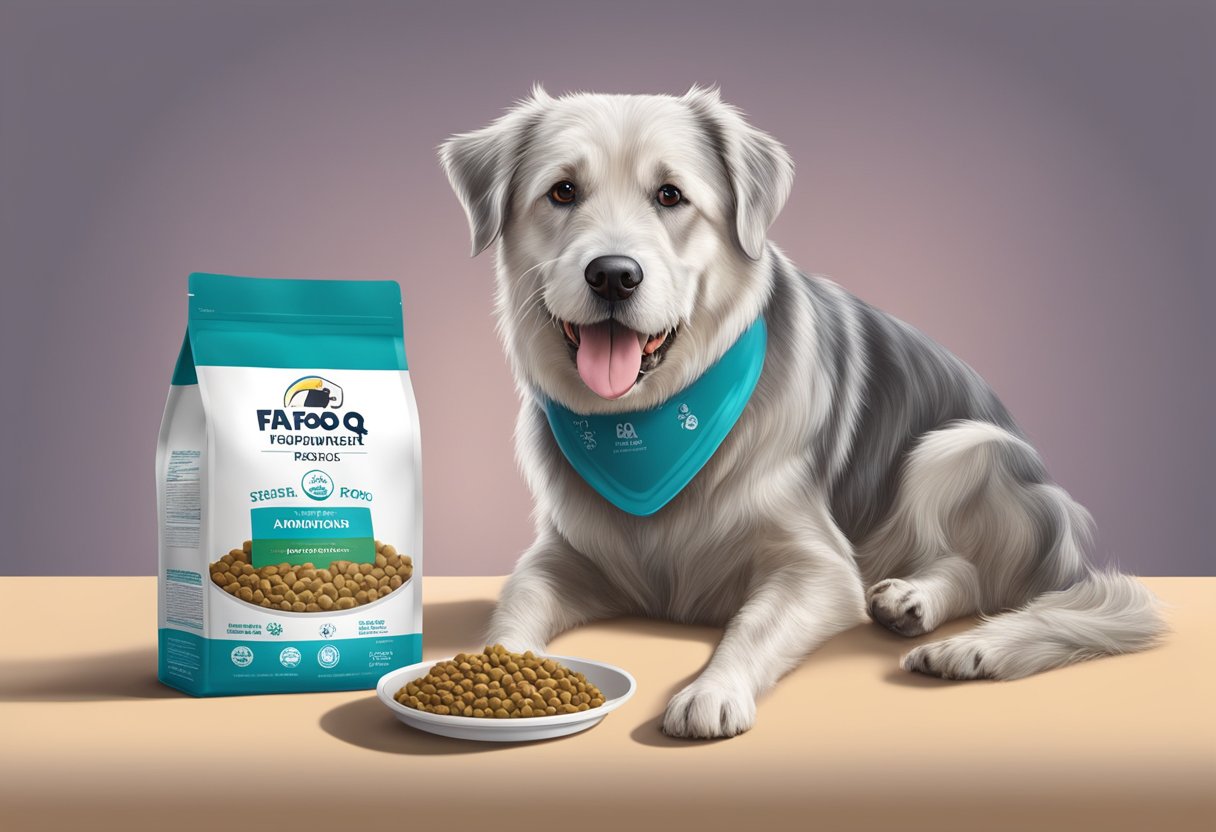
Choosing the appropriate diet for a senior dog is crucial to ensure they receive the necessary nutrients for their changing health needs, especially with regard to digestive support and immunity, which probiotics and antioxidants can provide.
What are the benefits of adding probiotics and antioxidants to senior dog food?
Probiotics aid in maintaining a healthy gut flora, which is vital for senior dogs’ digestive health, while antioxidants help combat oxidative stress and can support immune function in aging dogs.
How does senior dog food differ from other dog food?
Senior dog food is typically formulated with fewer calories to match their lower energy levels and enriched with specific nutrients to address age-related health issues such as joint health and cognitive function.
Is there a specific type of protein that is best for senior dogs with sensitive stomachs?
Animal-based proteins are generally recommended for senior dogs because they provide a complete amino acid profile. For those with sensitive stomachs, easily digestible proteins such as chicken, lamb, or fish are often preferred.
What should one look for in a high-quality senior dog food blend?
One should look for a senior dog food blend that includes high-quality proteins, essential fatty acids, fiber, and a balance of vitamins and minerals tailored to support the health of an aging dog.
Are there any ingredients to avoid in senior dog food for dogs with food sensitivities?
It’s advisable to avoid artificial colors, flavors, and preservatives, as well as common allergens such as corn, soy, and wheat, which may exacerbate food sensitivities in senior dogs.
How can I assess whether a senior dog food brand is reputable and beneficial for my dog’s health?
Assessing a senior dog food brand involves checking for Association of American Feed Control Officials (AAFCO) approval, transparent labeling of ingredients, the inclusion of beneficial supplements, and consultation with a veterinarian for personalized advice.