
As dogs age, their dietary needs evolve, necessitating special care when choosing treats for them. Senior dogs often require treats that are not only appetizing but also beneficial to their changing health needs, such as softer textures for ease of chewing or added nutrients to support their overall well-being. It’s important for pet owners to be informed about the optimal treats for their aging companions to ensure they are providing snacks that cater to their health without compromising on taste.
The selection of the right treats for senior dogs should involve a consideration of their physical condition, any health issues they might have, and their lifestyle. Since senior dogs are typically less active, their treats should be low in calories to help manage weight and reduce the risk of obesity. Meanwhile, ingredients that support joint health, cognitive function, and dental hygiene can be especially advantageous. Many owners also opt for natural and wholesome ingredients to reduce the risk of digestive upset and increase the nutritional value of each treat.
Key Takeaways
- Treats for senior dogs should be tailored to their specific health needs and preferences.
- Low-calorie treats and those supporting joint, cognitive, and dental health are beneficial.
- Consulting a veterinarian can guide owners to the best treat choices for their senior dogs.
Understanding Senior Dog Nutritional Needs
As dogs enter their senior years, their nutritional needs evolve. An older dog’s diet should be tailored to support their changing health requirements and to maintain their quality of life. This is particularly important to account for natural body changes and the development of age-related health issues.
Important Vitamins and Supplements
Senior dogs often need an increase in certain nutrients, including:
- Protein: Vital for maintaining muscle mass and overall health. It helps offset the natural decline in protein turnover associated with aging.
- Fatty Acids: Omega-3 fatty acids, found in fish oil and flaxseed, are essential for anti-inflammatory benefits and supporting joint, heart, and cognitive health.
- Vitamins: A balanced array of vitamins is crucial. For example, Vitamin E and C act as antioxidants, supporting immune function.
- Antioxidants: They combat oxidative stress and can help slow the aging process at the cellular level.
Careful selection of high-quality supplements can be beneficial to a senior dog’s diet, especially when natural food intake doesn’t meet these nutritional needs.
Special Dietary Considerations
The dietary needs of a senior dog may vary based on their individual health status:
- Dogs suffering from obesity might require diets lower in calories but still rich in nutrients to lose weight healthily.
- For those with arthritis, a diet supplemented with specific nutrients like glucosamine can provide joint support.
- Increased digestive support might be needed, for which natural prebiotic fibers can be introduced.
Understanding and addressing these conditions with targeted nutrition can significantly impact a senior dog’s well-being and vitality.
Selecting the Right Treats for Your Senior Dog
When choosing treats for senior dogs, it’s crucial to consider their specific dietary and dental needs. The texture, size, and ingredients of the treats can greatly affect their health and enjoyment.
Assessing Treat Texture and Size
The texture of treats for senior dogs should be soft and easy to chew to accommodate any dental issues they may have. Wet Noses Little Stars Dog Treats and Bocce’s Bakery Soft and Chewy Treats exemplify ideal textures that are gentle on older dogs’ teeth. The size of the treat is equally important; smaller pieces prevent choking hazards and are easier for senior dogs to manage.
- Ideal Treat Texture: Soft, chewy
- Recommended Size: Small, manageable pieces
Navigating Treat Labels and Ingredients
When reading treat labels, owners should look for natural ingredients that promote health without unnecessary additives. For example, Zuke’s Mini Naturals and Wellness Natural Soft WellBites are known for containing healthy, grain-free ingredients. Additionally, it is beneficial to select treats with a limited number of ingredients, as this can minimize the risk of upsetting the senior dog’s more sensitive digestive system.
- Desirable Ingredients: Natural, grain-free, limited number
- Avoid: Artificial flavors, preservatives
It is essential for the health of senior dogs that owners meticulously select treats that cater to their changing nutritional needs and physical abilities.
Health Benefits of Senior Dog Treats
Senior dog treats are formulated to cater to the specific health needs of aging dogs, focusing on the maintenance of their joints and mobility, as well as their heart and urinary tract health. These treats often include targeted nutrients like glucosamine and chondroitin for joints, and omega-3 fatty acids for heart health.
Promoting Joint and Mobility Health
Senior dogs often experience a decline in joint health and mobility. Treats enhanced with glucosamine and chondroitin are beneficial as they contribute to the repair and maintenance of cartilage, which is essential for joint function. The inclusion of these supplements can help ease the pain associated with arthritis, allowing for better mobility.
- Key Ingredients:
- Glucosamine: Supports joint health and mobility.
- Chondroitin: Assists in maintaining cartilage and reducing pain.
- Health Impact:
- May improve mobility.
- Potentially reduces joint discomfort.
Sustaining Heart and Urinary Tract Health
The heart health of senior dogs is of utmost importance. Treats with omega-3 fatty acids, particularly those from fish oil, are known to support cardiovascular health. These fatty acids can help reduce the risk of heart diseases and likewise benefit kidney function, which is intrinsically linked to the health of the urinary tract.
- Key Ingredients:
- Omega-3 Fatty Acids: Critical for heart health and kidney function.
- Health Impact:
- Aids in maintaining a healthy heart.
- Supports the urinary tract and overall kidney health.
Recommended Ingredients for Senior Dog Treats
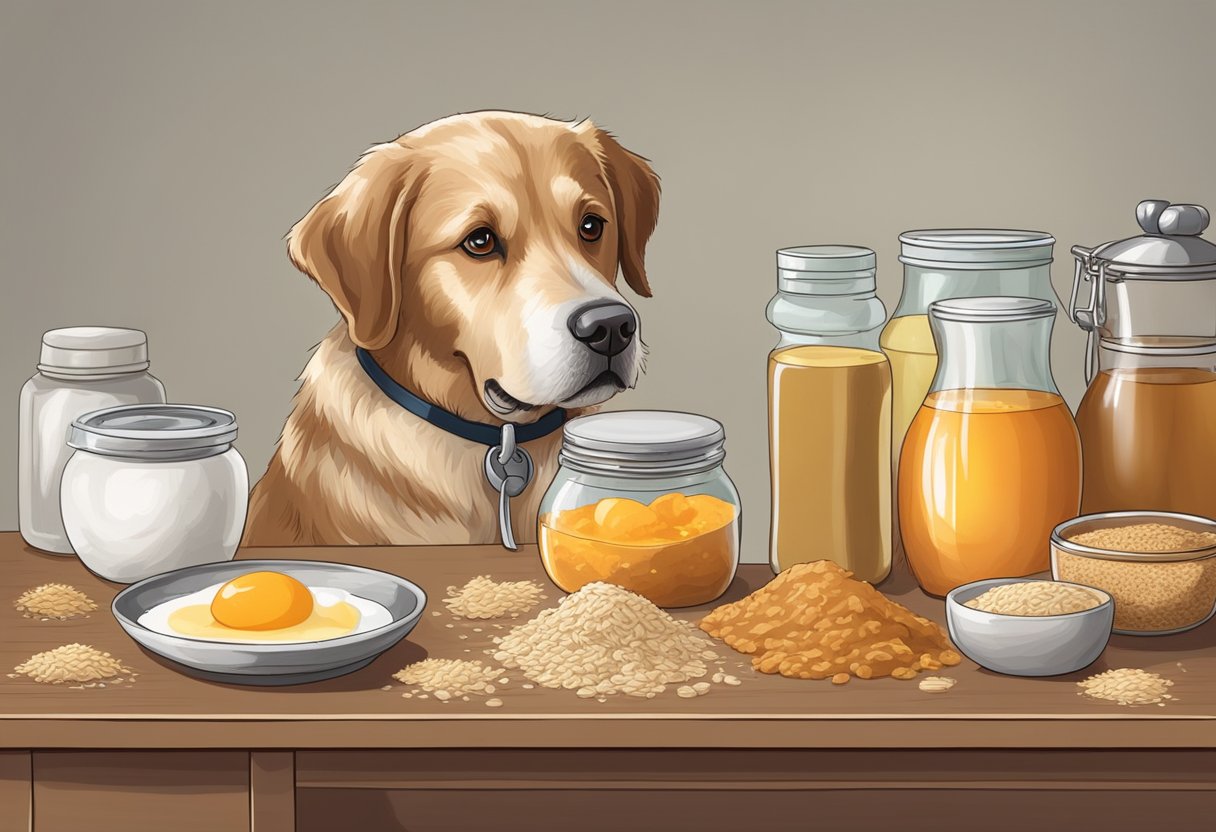
When selecting treats for older dogs, it’s critical to focus on natural and nourishing components tailored to their aging dietary needs, while avoiding substances that could potentially be harmful to their health.
Natural and Wholesome Ingredients
Senior dogs benefit greatly from treats made with natural ingredients. They are more likely to be easily digestible and can provide additional health benefits. Essential ingredients to look for include:
- Sweet Potato & Pumpkin: High in fiber, aiding digestion.
- Blueberries & Apples: Antioxidant-rich for immune support.
- Bananas: A good source of potassium and vitamins.
- Coconut Oil & Chia: Healthy fats for coat and skin health.
- Cranberries: Urinary tract health support.
These ingredients not only address specific health concerns but also offer a variety of flavors that can keep senior dogs interested in their treats.
Avoiding Harmful Additives
The presence of harmful additives can lead to unnecessary health risks for senior canines. Owners should avoid treats containing:
- Corn, Gluten, & Soy: These may lead to allergies and are often used as fillers.
- Artificial Colors: Offer no nutritional benefit and could cause sensitivity.
By focusing on treats that exclude these ingredients, owners can provide their senior pets with snacks that are both safe and beneficial to their overall wellbeing.
Homemade Treats for Senior Dogs

Preparing homemade treats for senior dogs ensures they receive nutritious snacks tailored to their aging dietary needs. These treats are made with senior dogs’ digestive systems and possible dental issues in mind.
Simple Recipes for Healthy Treats
Sweet Potato and Coconut Treat:
- Preheat oven to 350°F (175°C).
- Peel and mash one sweet potato until smooth.
- Mix the mashed sweet potato with 1/4 cup of coconut oil until well combined.
- Spread the mixture into a 9×9 inch pan and bake for approximately 60 minutes.
- Allow to cool before cutting into manageable squares for your pet.
Pumpkin and Peanut Butter Cookies:
- Preheat your oven to 350°F (175°C).
- In a bowl, combine 1/2 cup of pumpkin puree with 1/2 cup of creamy peanut butter.
- Gradually mix in 2 cups of whole wheat flour to form a dough.
- Roll out the dough and use cookie cutters to create fun shapes.
- Bake for 25-30 minutes and let them cool before serving.
Using Fresh and Accessible Ingredients
Senior dogs can greatly benefit from treats made with fresh and wholesome ingredients. Here’s how to incorporate them:
- Apples: A good source of vitamins and fiber. Chop them into small, seedless pieces and add to recipes for a natural sweetness.
- Bananas: Ideal for a potassium boost. Mash them into a paste and mix with a grain-free flour to form a dough for soft chews.
- Blueberries: Rich in antioxidants and perfect for maintaining cognitive function. Mash lightly and mix into dough for an additional nutrient kick.
Comforting Treats for Sensitive Stomachs

For senior dogs with sensitive stomachs, treats must be chosen with special consideration to avoid digestive upset. Ingredients in treats are critical—natural, high-quality, and easy-to-digest elements can make a significant difference.
Probiotics are beneficial for maintaining a healthy gut flora, which is essential for dogs with digestive sensitivities. Treats containing probiotics can support a balanced digestive system and improve nutrient absorption.
A well-tolerated source of healthy fats and omega-3 fatty acids for senior dogs is fish oil. It soothes inflammation in the gastrointestinal tract, making it a valuable addition to treats for dogs with sensitive stomachs.
Ginger has been recognized for its soothing properties, aiding in the relief of nausea and digestive distress. It’s a gentle and effective supplement that can be included in dog treats.
Below is a list of ingredients that are commonly found in treats formulated for sensitive canine stomachs:
- Pumpkin: High in fiber and known to help with digestion.
- Sweet Potato: Another fiber-rich option which also provides vitamins and minerals.
- Rice or Oatmeal: Easy on the stomach and often used as a binder in treats.
| Ingredient | Benefits | Consideration |
|---|---|---|
| Probiotics | Balances gut flora | Ensure the treats have viable probiotic strains. |
| Fish Oil | Reduces GI inflammation, rich in omega-3 | Look for treats with incorporated fish oil for added benefits. |
| Ginger | Helps relieve nausea and bloating | A small amount can aid digestion. |
| Pumpkin | Assists in regular bowel movements | Opt for treats with pumpkin to aid in smooth digestion. |
| Sweet Potato | A gentle source of dietary fiber | A smart choice for treats, offering additional vitamins. |
When selecting treats for a senior dog with a sensitive stomach, it’s important to choose carefully, considering both the health benefits and the potential for any adverse effects. Owners should consult with a veterinarian to ensure any new treats align with their dog’s specific dietary needs.
The Role of Treats in Senior Dog Weight Management
Senior dogs have distinct dietary needs that should be considered when selecting treats to aid in weight management. It’s essential to provide treats aligned with a comprehensive diet plan, focused on maintaining an ideal weight and supporting overall health.
Healthy treats should contain:
- Low-calorie content: To avoid weight gain while still rewarding your dog.
- High-quality protein: Aids in preserving muscle mass even as they age.
- Fiber: Promotes satiety and gastrointestinal health.
For senior dogs struggling with mobility, treats enriched with ingredients like glucosamine and chondroitin can provide joint support, making treats a practical adjunct to their diet.
Probiotics in treats can support digestive health, countering potential age-related decline. It’s crucial they are formulated to withstand the treat manufacturing process to be effective.
A balanced approach to treats and diet is necessary for an older dog’s health. For instance:
- Use treats sparingly and account for their caloric impact on daily intake.
- Opt for functional treats, designed to support specific health needs such as joint health or digestive regularity.
- Raw vegetables can be good low-calorie treat options, but they must be safe for canine consumption and properly sized to prevent choking.
By thoughtfully selecting treats and considering their cumulative impact alongside the primary diet, owners can assist in managing their senior dogs’ weight and contribute positively to their health and mobility.
Specialized Treats for Specific Health Conditions
Senior dogs often require additional nutritional support to manage age-related health conditions. Treats formulated with specific ingredients can target ailments such as arthritis and cognitive decline, offering tailored benefits to improve quality of life.
Treats Targeting Arthritis and Joint Issues
Senior dogs are particularly susceptible to arthritis and joint problems. Treats fortified with glucosamine and chondroitin help support joint health and can provide relief from discomfort. These ingredients aid in repairing and maintaining cartilage and improving overall joint function. Essential fatty acids, like omega-3, also play a crucial role in reducing inflammation. Supplemental treats may include:
- Glucosamine: Aids in the repair of damaged cartilage.
- Chondroitin: Works in tandem with glucosamine to enhance its effects.
- Omega-3 fatty acids: Known for their anti-inflammatory properties.
Treats Supporting Cognitive and Heart Function
As dogs age, their cognitive functions can decline, and heart health becomes more critical. Certain treats contain antioxidants, vitamins, and ingredients such as cranberries that promote brain health and support cardiac function. These ingredients help neutralize free radicals and provide essential nutrients needed to maintain mental acuity and heart vigor. Key ingredients for cognitive and heart health include:
- Vitamins: A broad spectrum of vitamins supports metabolic processes and heart health.
- Cranberries: Offer antioxidant support, which can benefit cognitive and heart function.
- Omega-3 fatty acids: Additionally support brain health and regulate heart rhythm.
Consulting with a Veterinarian About Treat Choices
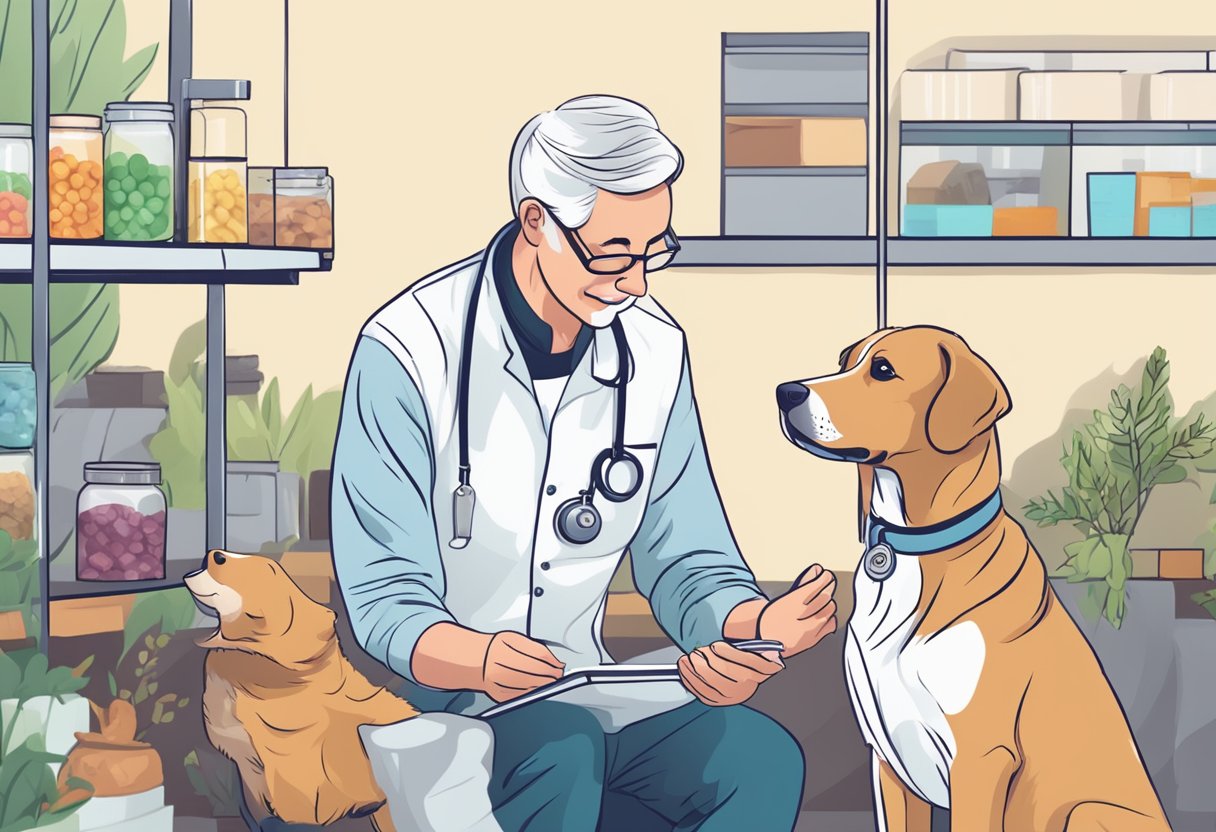
When selecting treats for a senior dog, consulting with a veterinarian is essential. They possess the expertise to recommend supplements and treats that support a senior dog’s health. A veterinarian can evaluate the individual dietary needs, considering any specific health conditions or dietary restrictions the dog might have.
Key Considerations When Talking to Your Veterinarian:
- Health Conditions: Discuss any health issues that might benefit from specific nutrients found in treats.
- Weight Management: Evaluate appropriate calorie intake, particularly for less active senior dogs.
A veterinarian’s advice can play a crucial role in:
- Mobility: They may suggest treats with ingredients that support joint health.
- Cognitive Function: Certain supplements can aid in maintaining brain health.
- Digestive Health: Treats with probiotics can promote a healthy gut.
Supplements Versus Treats:
While treats are an enjoyable way for pet owners to bond with their dogs, not all treats are beneficial. A veterinarian can differentiate which treats are merely enjoyable and which carry health benefits.
| Supplements | Treats |
|---|---|
| Targeted Nutrition | General Snack |
| May Contain Vitamins | Often Less Nutrient-Dense |
| Can Address Specific Health Needs | Primarily for Pleasure |
Veterinarians can provide invaluable insights, ensuring that any treat or supplement added to a senior dog’s diet is safe, beneficial, and age-appropriate. They can also ensure that the dog’s treats do not interfere with their regular diet or any medications.
Dental Care and Hygiene Through Treats
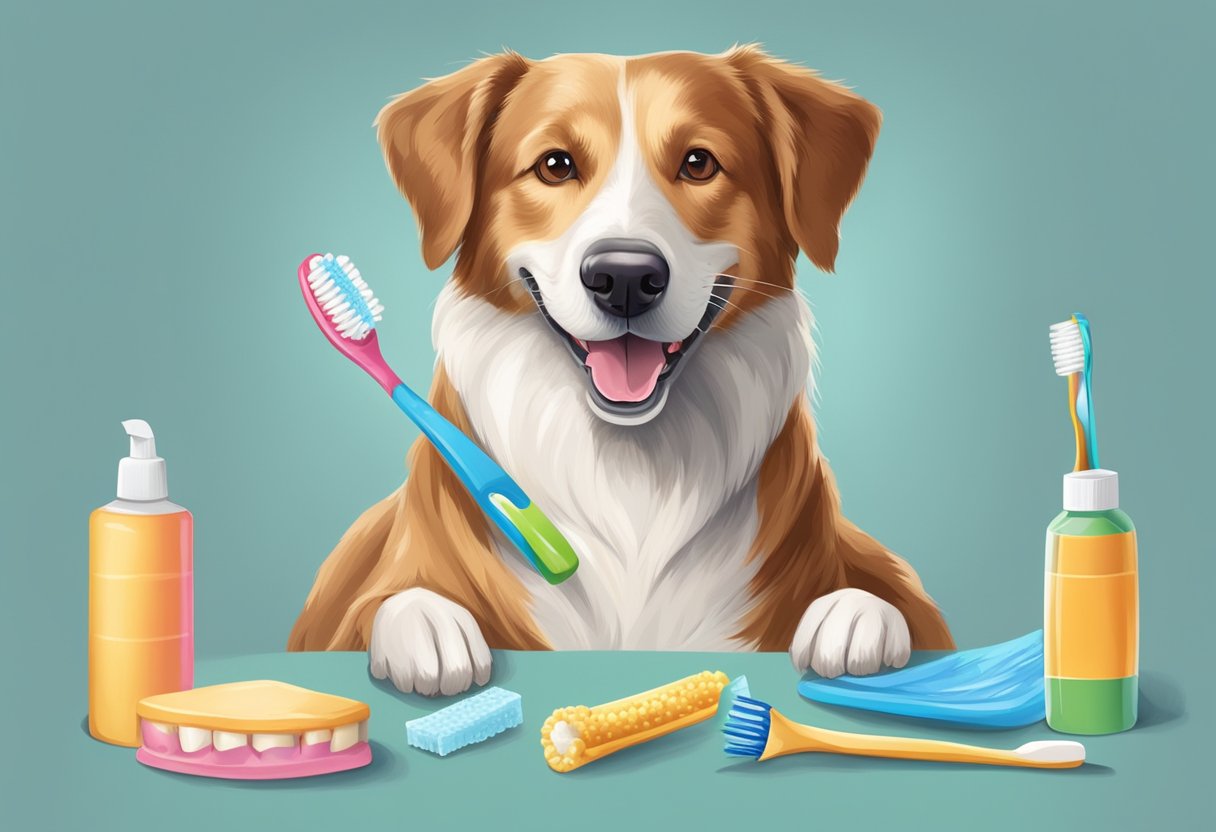
Proper dental care is crucial for senior dogs to maintain their overall health. As dogs age, they often experience increased dental issues which necessitates a shift in their dental hygiene routine. Soft treats and chews designed specifically for senior dogs can facilitate dental care by accommodating their more sensitive or weaker teeth.
Senior dog treats, such as Get Naked Biteables Senior Health Soft Treats, are formulated with added nutrients to support health and are softer for easy chewing. For more intensive cleaning, dental chews like GREENIES Aging Care offer a beneficial dual-purpose; they not only satisfy a dog’s instinct to chew but also clean teeth and gums. These chews are reported to be 50% softer than regular ones, making them suitable for older canine teeth.
Key considerations for selecting dental care treats for senior dogs include:
- Texture: It should be soft enough to prevent discomfort or damage to sensitive teeth.
- Nutritional Value: Treats should contain beneficial ingredients for an aging dog’s health.
- Size of Treat: Matching the treat size to the dog’s bite ensures they can comfortably chew and benefit from the dental hygiene aspect of the treat.
Vets recommend regular teeth brushing as the best method for dental care. However, incorporating appropriate dental treats can play a supportive role in maintaining a senior dog’s oral hygiene, possibly reducing the frequency of professional dental cleanings needed. It is critical for pet owners to choose dental treats that are specifically labeled for senior dogs to ensure they cater to their unique dental and digestive needs.
Sourcing and Manufacturing of Senior Dog Treats

When manufacturers design treats for senior dogs, several considerations come into play to ensure the end product is suitable for an aging dog’s needs. Manufacturers typically prioritize limited ingredient treats to minimize the risk of dietary sensitivities and to facilitate easier digestion for senior pets.
In the production of grain-free treats, manufacturers often substitute grains with alternative carbohydrates like sweet potatoes, which can be gentler on a senior dog’s digestive system. The use of real meat, such as beef or chicken, serves as a high-quality protein source, making the treats not just palatable but also beneficial for maintaining lean muscle mass.
Healthy dog treats for seniors are additionally formulated to support joint health. Ingredients such as glucosamine and chondroitin may be included to help maintain joint function and mobility. The process of creating these treats involves ensuring that all ingredients meet specific standards for senior animal nutrition.
The manufacturing facilities that focus on senior dog treats often implement strict quality control processes to guarantee the safety and consistency of their products. They might offer custom recipe development and private labeling services to businesses looking to create their own unique treats for senior dogs.
Table: Key Attributes in Senior Dog Treats Manufacturing
| Attribute | Description |
|---|---|
| Limited Ingredients | Reduces risk of allergies and digestive issues. |
| Grain-Free | Avoids common grains that may lead to sensitivities. |
| Quality Protein | Incorporates real meat for muscle health. |
| Joint Support | Adds supplements for enhanced mobility. |
| Quality Control | Ensures consistent and safe treats. |
Manufacturers who specialize in senior dog treats understand that the wellbeing of older pets hinges on thoughtful ingredient selection and meticulous production methods.
Frequently Asked Questions
When selecting treats for senior dogs, it’s crucial to consider their unique health needs and limitations. Below are common questions and concise answers to help guide pet owners in making informed choices about treats for their aging companions.
What types of treats are recommended for senior dogs with dental issues?
For senior dogs with dental issues, soft treats are typically recommended to prevent discomfort and further damage to their teeth. Treats that are easy to chew, such as soft chews or those specifically formulated for dental health, can be excellent options.
Can elderly dogs still enjoy long-lasting chews, and which are safest?
Elderly dogs may still enjoy long-lasting chews if their dental health allows it. Safe options include flexible dental chews designed to be gentle on older dogs’ teeth and gums. It’s essential to select chews suitable for the dog’s size and dental condition.
What are the most suitable natural treat options for older dogs?
Natural treats for older dogs include small pieces of raw vegetables, like carrots or green beans, which provide low-calorie snacking and are gentle on the teeth. Dehydrated meats with no added salt or spices are also a wholesome choice, offering rich protein without unnecessary additives.
Are there any specific ingredients to avoid in treats for senior canines?
Avoid treats with high-fat content, excessive salt, sugar, artificial coloring, or preservatives, as these can exacerbate health issues in senior dogs. Additionally, xylitol, an artificial sweetener, is toxic to dogs and should always be avoided.
How can homemade treats benefit senior dogs, and do you have any recipes?
Homemade treats can benefit senior dogs by allowing control over ingredients, ensuring they are healthy and suitable for the dog’s specific dietary needs. Simple recipes may include pureed pumpkin or banana mixed with oatmeal and baked into small, soft cookies.
What guidelines should be followed when choosing treats for senior dogs with dietary restrictions?
Choosing treats for senior dogs with dietary restrictions requires careful reading of ingredient labels to avoid allergens or irritants. Look for treats that are free from the ingredients your vet has recommended avoiding and opt for those that support the dog’s health condition, like joint-supporting ingredients for dogs with arthritis.