
As dogs age, their nutritional requirements evolve, often necessitating additional support to maintain their health and quality of life. Senior dog vitamins are formulated to cater to the specific needs of aging canines, offering a concentrated source of essential nutrients that may not be adequately provided by their regular diet alone. Specially designed supplements for older dogs often include a combination of vitamins, minerals, and other compounds aimed at supporting joint health, digestion, skin and coat condition, as well as the immune system.
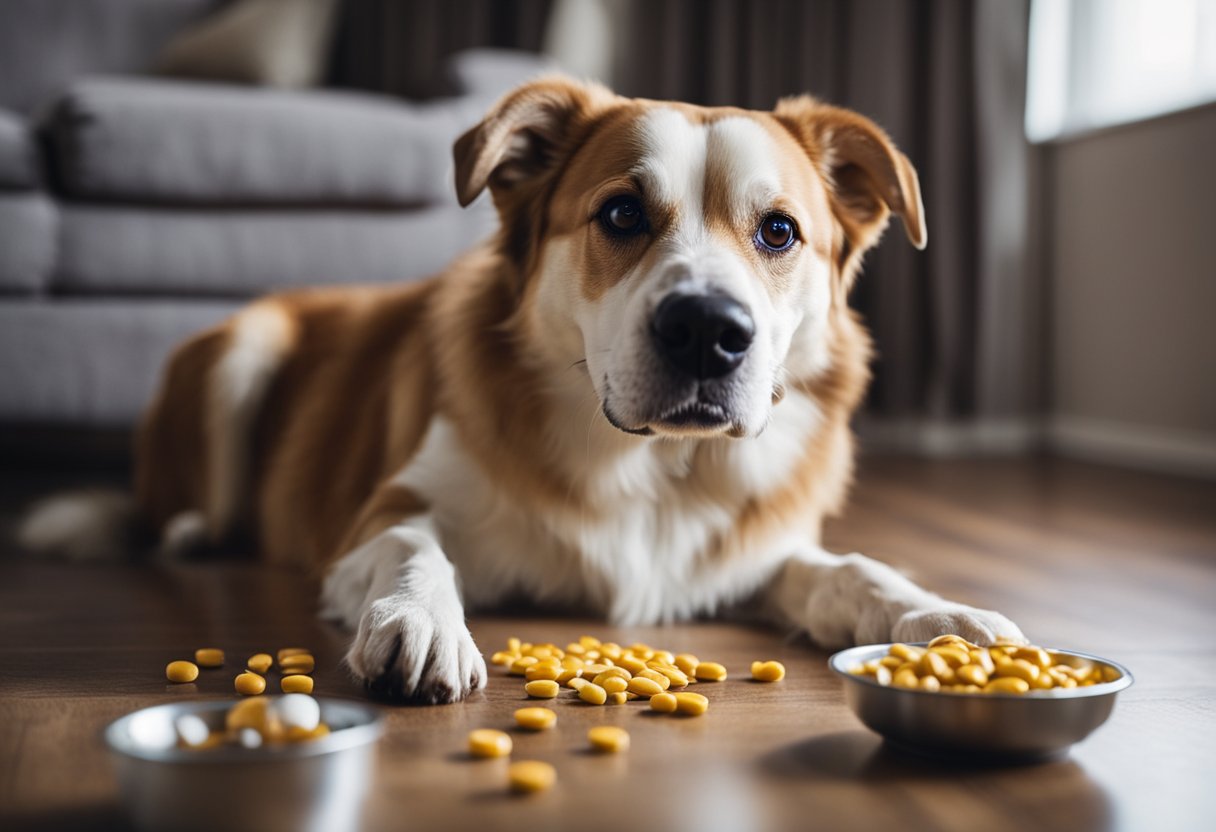
Choosing the right vitamins and supplements is crucial, as each dog has unique health needs and considerations. A proper assessment by a veterinarian can ensure that any chosen supplement will benefit the dog without causing any adverse effects from incorrect dosage or unnecessary ingredients. It’s important to select high-quality products that are tailored to support the well-being of senior dogs, focusing on their typical age-related concerns such as joint stiffness, digestive irregularities, or cognitive decline.
Key Takeaways
- Specialized senior dog vitamins address the changing nutritional needs of aging canines.
- A veterinarian’s guidance is essential in selecting suitable supplements to avoid health risks.
- Quality supplements for senior dogs focus on joint, digestive, immune, and coat health.
Understanding the Needs of Senior Dogs
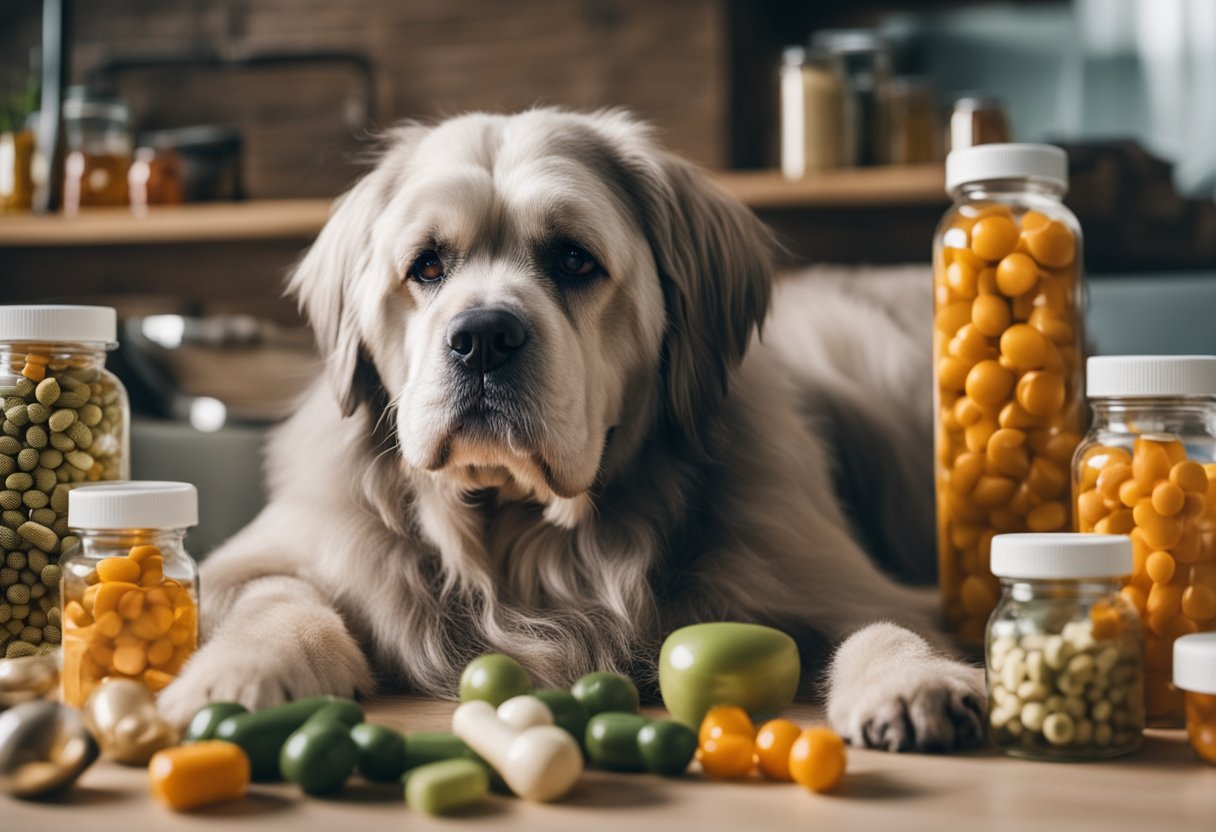
As dogs age, their nutritional needs evolve, often requiring tailored support to manage age-related issues and maintain an optimal quality of life.
Age-Related Issues and Nutrient Requirements
Aging in dogs is accompanied by a decrease in energy levels and possible cognitive decline. Senior dogs may have specific nutrient requirements to address these changes. For example, antioxidants can support cognitive health, while glucosamine may benefit joint function and mobility. Essential fatty acids like EPA and DHA are suggested to aid with arthritis and cognition problems. Increased Vitamin B12 can be essential due to its vital role in cellular function, which becomes even more critical as dogs get older.
- Antioxidants: Support cognitive health
- Glucosamine: Benefits joint function
- Omega-3 Fatty Acids (EPA & DHA): Aid in managing arthritis and cognitive issues
- Vitamin B12: Crucial for cellular function in aging dogs
Importance of Regular Veterinarian Check-Ups
Regular veterinarian check-ups are crucial for monitoring a senior dog’s health status and adjusting their diet to meet changing needs. Veterinarians can provide specific recommendations for dietary adjustments or supplements based on the individual dog’s health. Monitoring the senior dog’s condition allows for timely interventions, which can slow the progression of age-related issues and ensure that the dog’s nutrient intake aligns with their physical health needs.
Key Vitamins for Senior Dogs

As dogs age, their nutritional needs change, making it crucial to focus on specific vitamins that are essential for their well-being. Here are key vitamins to consider for maintaining the health of senior dogs.
Vitamin A for Skin and Coat Health
Vitamin A is vital for maintaining healthy skin and a shiny coat. It helps repair skin cells and has an important role in the growth and maintenance of hair, reducing the risk of skin and coat conditions that older dogs may develop.
B Vitamins for Metabolism and Energy
The B vitamin complex, including B6, B12, thiamine, riboflavin, and niacin, supports optimal metabolism in senior dogs. B Vitamins are critical for energy production, nerve function, and the formation of red blood cells, which are essential for a dog’s overall vitality.
Vitamin D3 for Bone Health
Vitamin D3 aids in the regulation of calcium and phosphorus levels in the bloodstream, which is crucial for bone health. With an aging dog’s increased risk of brittle bones, sufficient Vitamin D3 intake is important to help maintain their bone density and prevent osteoporosis.
Essential Minerals for Aging Canines

As dogs age, their nutritional needs change. Adequate mineral intake becomes crucial for maintaining overall health, with specific minerals playing pivotal roles in bone density and muscle function. Aging canines often face challenges like arthritis and joint pain, making targeted nutrition vital.
Calcium for Strong Bones
- Calcium: Essential for maintaining strong bones and preventing osteoporosis, a condition where bones become brittle and susceptible to fracture. Senior dogs require a careful balance, as too much calcium can also lead to health issues.
Magnesium for Muscle Function
- Magnesium: Critical for robust muscle function, nerve transmission, and energy production. It assists in the body’s absorption of other minerals and is key in reducing inflammation that is often associated with conditions like arthritis.
Joint Support Supplements
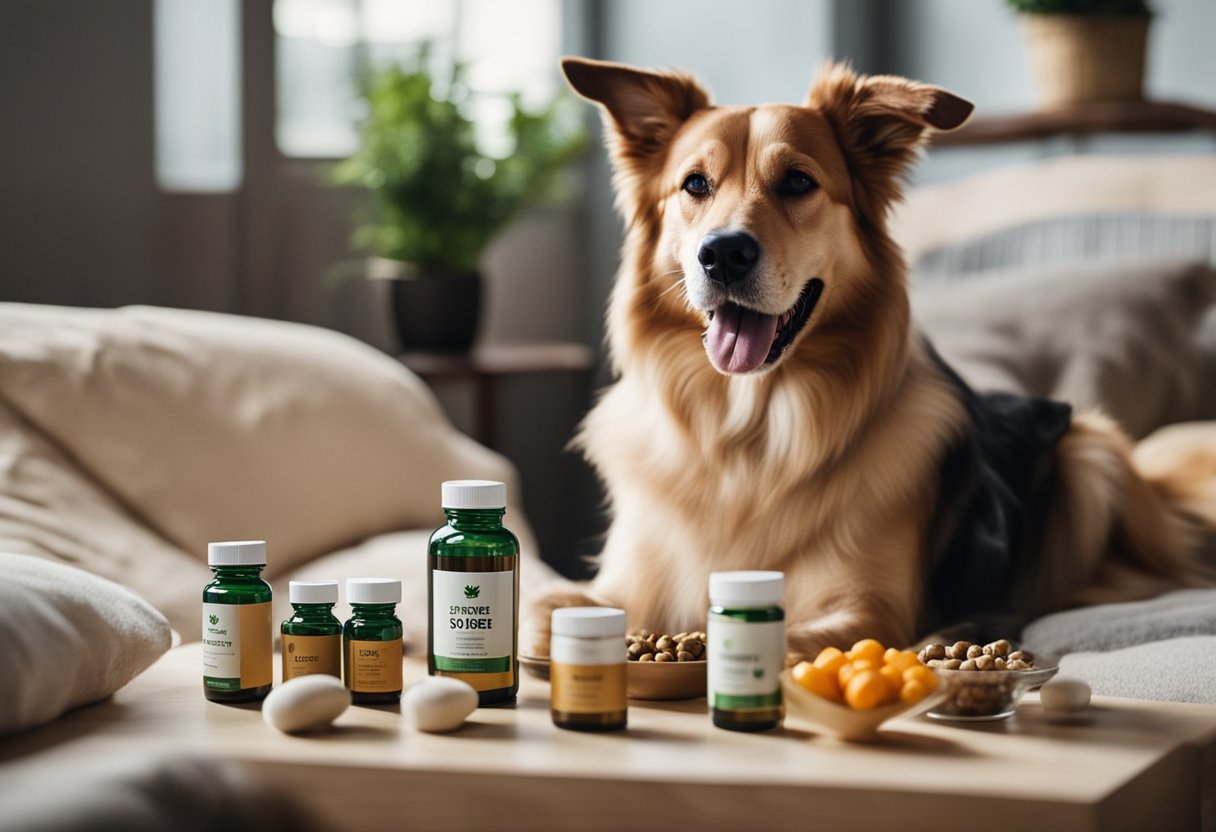
Joint support supplements are crucial for maintaining a senior dog’s mobility and flexibility, with certain ingredients playing pivotal roles in joint health.
The Role of Glucosamine and Chondroitin
Glucosamine and chondroitin are key components found in a dog’s cartilage. Supplementation with these compounds can help to repair and rebuild cartilage, potentially slowing the progression of joint damage. Glucosamine is known for its ability to mitigate the breakdown of joint tissues and is often sourced from shellfish. Meanwhile, chondroitin helps retain flexibility by absorbing fluid into the connective tissue.
Enhancing Joint Mobility with Omega-3s
Omega-3 fatty acids, particularly those derived from fish oil, are beneficial in enhancing joint mobility in senior dogs. These fatty acids provide anti-inflammatory effects which can reduce joint swelling and pain, thus improving mobility. Incorporating omega-3s into a senior dog’s diet supports the overall health of the joints and may enhance their quality of life.
The Importance of Digestive Health

Optimal digestive health is crucial for senior dogs, as it plays a vital role in nutrient absorption and overall well-being. Ensuring that a senior dog’s digestive system is supported with the right nutrients can lead to better health outcomes.
Probiotics and Prebiotics for Healthy Digestion
Probiotics are beneficial bacteria that colonize the digestive tract and are instrumental in maintaining a healthy gut flora balance. They help combat harmful bacteria and support the immune system. For senior dogs, probiotics can:
- Enhance the immune response
- Reduce gastrointestinal issues such as diarrhea
Prebiotics, on the other hand, serve as food for these beneficial bacteria. They are non-digestible fibers that help probiotics flourish. Senior dogs can benefit from prebiotics as they:
- Stimulate the growth of beneficial bacteria in the gut
- Help improve bowel regularity
Enzymes to Aid in Nutrient Absorption
Enzymes play a critical role in breaking down food into nutrients that the body can absorb. As dogs age, their bodies may produce fewer digestive enzymes, which can lead to less efficient digestion and nutrient absorption. Supplementing with enzymes can:
- Assist in the proper digestion of fats, proteins, and carbohydrates
- Enhance the absorption of nutrients critical for senior dogs’ health
Skin and Coat Nourishment

Senior dogs often face challenges maintaining a healthy skin and coat, which is why targeted nourishment is essential. This section details key nutrients that support skin health and promote a shiny coat.
Fatty Acids for a Shiny Coat
Omega fatty acids are crucial for maintaining a lustrous coat in older dogs. These essential nutrients, particularly omega-3 and omega-6 fatty acids, are not produced naturally by the canine body and thus must be included in the diet. Here are the specific benefits:
- Omega-3 Fatty Acids: Known for their anti-inflammatory properties, they help in reducing itchy and flaky skin while boosting the coat’s shine.
- Omega-6 Fatty Acids: Critical for skin health, promoting new skin cell growth and ensuring the coat remains thick and shiny.
Managing Dry Skin with Nutrients
Nutrients play a significant role in combating dry skin in senior dogs. A balanced diet with the right vitamins and minerals can make a marked difference. Key nutrients include:
- Vitamin E: An antioxidant that supports skin health by fighting against oxidative damage.
- Fish Oil: Rich in omega-3 fatty acids, fish oil supplements can be added to a dog’s diet to help manage dry skin.
- Biotin: This B-vitamin supports the function of enzymes that maintain healthy skin and coats.
By ensuring these nutrients are present in a senior dog’s diet, either through high-quality commercial food with added supplements or specific skin and coat formulations, one can help maintain the dog’s skin elasticity and coat sheen, which are essential for their overall well-being.
Fortifying Immune System Health

In senior dogs, bolstering the immune system is crucial, particularly through the integration of antioxidants and essential nutrients tailored to enhance immune function and combat the physiological effects of aging.
Antioxidants to Combat Aging
Antioxidants are vital in mitigating the impact of oxidative stress, a key factor in aging and immune system decline. They act to protect a dog’s cells from damage by free radicals, which are produced as a part of normal cellular processes but can also result from environmental factors.
- Common Antioxidants include:
- Vitamin E: Beneficial for skin and coat health.
- Vitamin C: Although dogs produce Vitamin C, supplementation can offer additional protection.
- Selenium: Works in conjunction with Vitamin E.
Inclusion of these antioxidants in a senior dog’s diet helps maintain cellular integrity and supports overall health.
Nutrients to Support Immune Function
The immune system’s ability to fight off disease diminishes with age, making certain nutrients critical for maintaining its function.
- Key Nutrients include:
Nutrient Function Vitamin A Essential for skin, eye, and immune health. Vitamin D Supports bone health and immune function. Zinc Vital for wound healing and immune system response. Folic Acid Critical for metabolic functions and immune response.
Ensuring a dog receives a balanced diet with these nutrients can significantly contribute to the robustness of their immune system.
Feeding Your Senior Dog
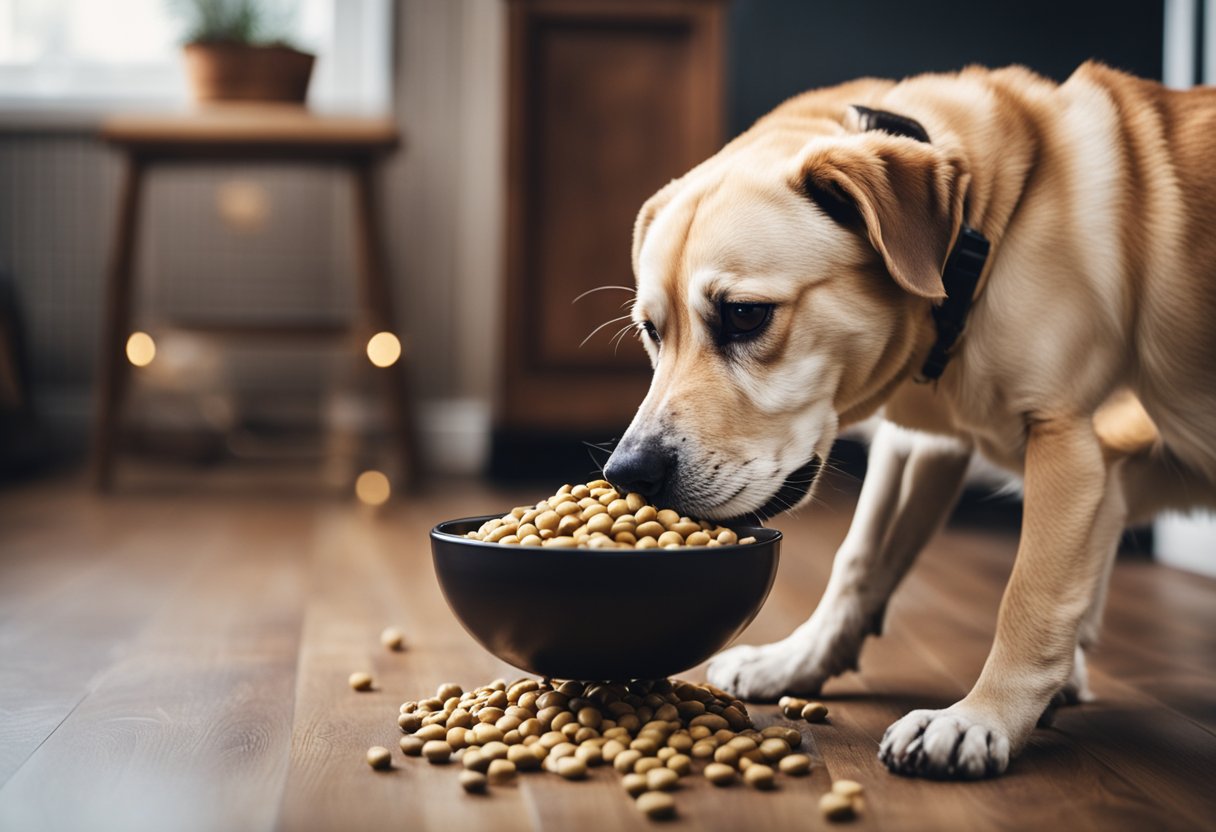
When selecting a diet for a senior dog, one should prioritize balanced nutrition that is tailored to the dog’s aging dietary needs, including the potential introduction of vitamins and supplements to address age-related deficiencies.
Choosing a Balanced Commercial Food
Owners should look for commercial dog food that is specifically formulated for senior dogs, which typically have different calorie, protein, and fat requirements than those for younger dogs. Such formulations ensure that a senior dog’s diet is lower in calories — to prevent obesity — but still rich in high-quality proteins to maintain muscle mass. It’s also important that the food includes an optimal balance of fats, phosphorus, and sodium, which are crucial for long-term health.
- Key Nutrient Ratios for Senior Dog Commercial Food:
- Protein: Sufficient for muscle maintenance
- Fat: Moderated to manage weight
- Fiber: Enhanced for digestive health
Supplementing with Senior Dog Vitamins
As dogs age, they may develop nutritional deficiencies or have special health considerations that can be supported with senior dog vitamins and supplements. Essential supplements often include those that support joint health, such as glucosamine and chondroitin, as well as antioxidants and fatty acids like omega-3s for cognitive function and skin health.
- Common Supplements for Senior Dogs:
- Glucosamine and Chondroitin: For joint support
- Antioxidants (e.g., Vitamins A, C, and E): To combat oxidative stress
- Omega-3 Fatty Acids: For brain and coat health
Owners should always consult a veterinarian before starting any new supplement regimen to ensure it’s appropriate for their dog’s specific health needs. The goal is not just longevity, but also to enhance the quality of life in their senior years.
Additional Health Considerations
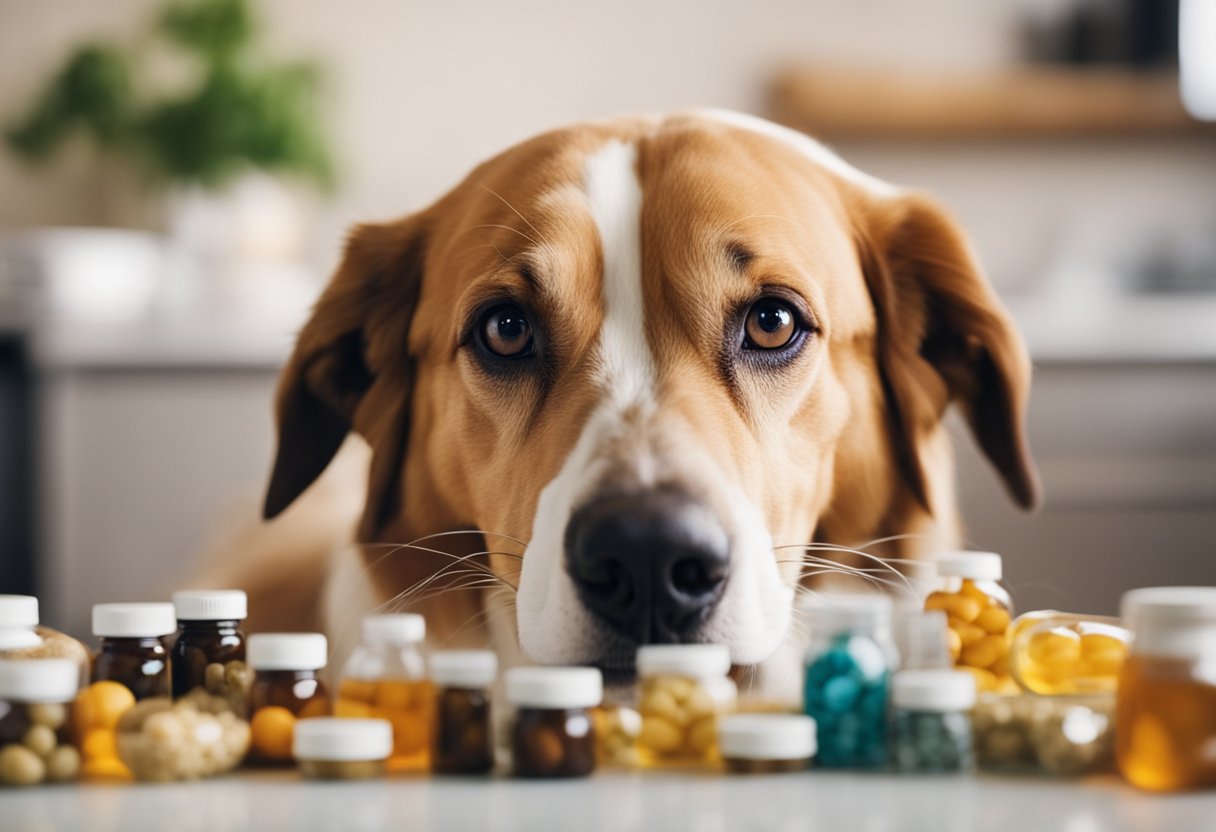
When focusing on the well-being of senior dogs, certain health issues such as urinary tract complications and cognitive decline demand particular attention. It’s essential to understand how dietary adjustments and specific nutrients can support these aspects of canine health.
Dealing with Urinary Tract Issues
A senior dog’s urinary tract health is crucial and can be supported through proper nutrition. One key element is water intake which ensures efficient kidney function and flushes out toxins. Supplements like cranberry extract may also aid in maintaining a healthy urinary tract. It’s imperative to monitor any changes in urinary habits and consult a veterinarian if issues arise, as they can indicate underlying health problems.
Cognitive Health and Amino Acids
As dogs age, they may experience cognitive decline, manifesting as disorientation or changes in behavior. Amino acids are the building blocks of proteins that support brain health. Taurine, for example, is an amino acid that plays a vital role in cognitive maintenance. Inclusion of a balanced diet rich in amino acids can help support a senior dog’s mental acuity.
Choosing the Right Supplements
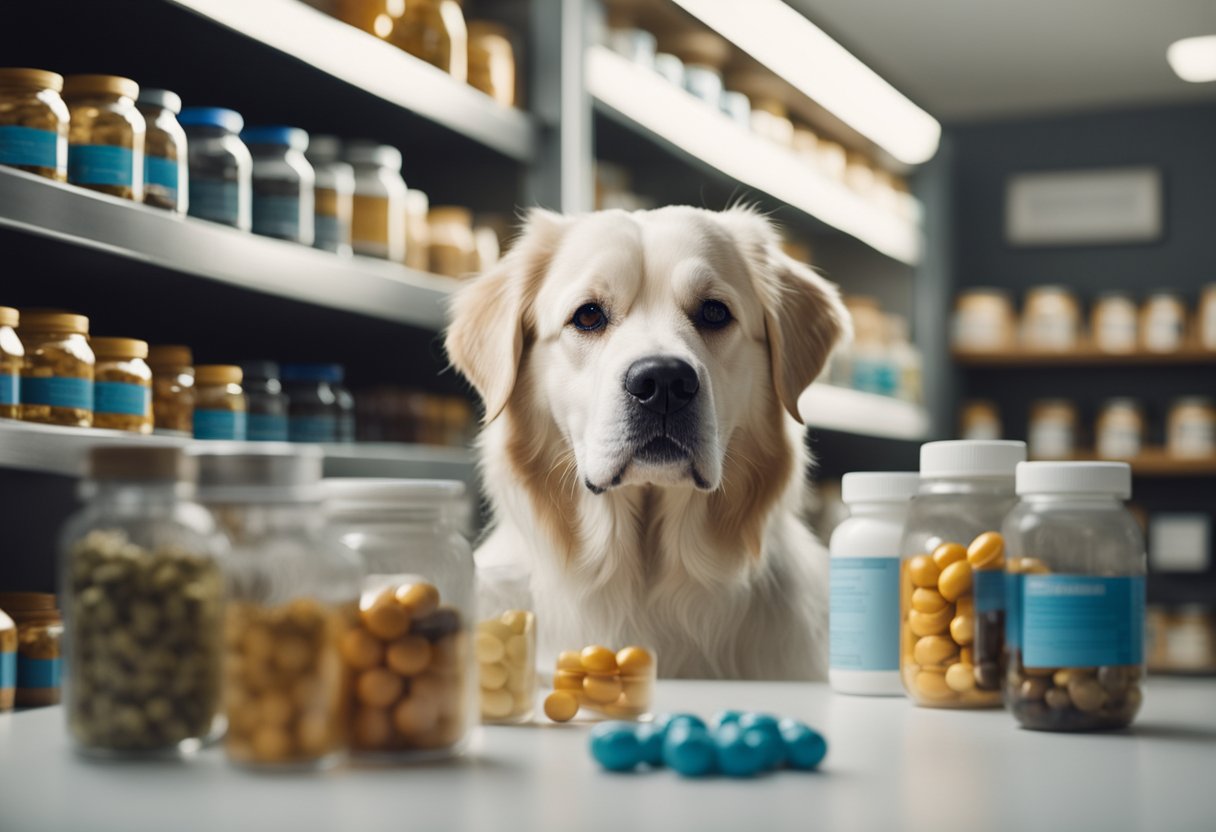
Selecting the right supplements for a senior dog is crucial. Owners should emphasize ingredient quality and appropriate dosages to ensure safety and efficacy.
Evaluating Ingredients and Quality
When choosing supplements, one should prioritize those with high-quality, organic ingredients which can be more easily assimilated by a senior dog’s metabolism. For example, the VetriScience Canine Plus Multivitamin for Senior Dogs is known to contain a tailored blend of vitamins and minerals suited for older dogs. Ingredients should be scrutinized for their source and purity. A multivitamin’s benefits are only as good as the quality of its components. One should look for:
- Organic certification where possible, indicating fewer pesticides and contaminants
- Filler-free formulation, ensuring that the dog is getting more of the beneficial ingredients
- Clear labeling that indicates whether the product contains a full spectrum of necessary vitamins and minerals suitable for senior dogs
Understanding Dosage and Administration
The appropriate dosage of a senior dog multivitamin is as critical as the quality of ingredients. Overdosing on certain vitamins can be harmful, which means following the provided dosage instructions is imperative. For instance, medication for conditions unrelated to nutritional supplementation may interact with certain vitamins, so vet consultation is essential. When administering a product like VetriScience Canine Plus, attention to the following is key for safety:
- The exact weight-based dosage recommended by the manufacturer or vet
- Understanding the format of the supplement (e.g., chewable tablets, liquid form) and ensuring proper administration according to the instructions
- Observing the dog’s reaction to the supplement and reporting any adverse effects to a veterinarian immediately
By considering these factors, owners can more confidently choose and administer the right supplements for their senior dog’s health.
Frequently Asked Questions

As dogs age, their nutritional needs change, which often leads to questions about the kinds of vitamins to support their health. Below are answers to common queries regarding vitamins for senior dogs.
What are the recommended vitamins for supporting joint health in older dogs?
Glucosamine and chondroitin are widely recognized for supporting joint health in senior dogs. These compounds help maintain cartilage and can ease joint pain.
Which vitamins are considered essential for maintaining cognitive function in senior dogs?
Vitamins E and C are antioxidants that are considered beneficial for cognitive function in older dogs. Omega-3 fatty acids, such as those found in fish oil supplements, may also support brain health.
How can I ensure my senior dog is receiving the proper nutrients to support their overall well-being?
A balanced diet formulated for senior dogs is crucial. It should be enhanced with high-quality proteins, vitamins, antioxidants, and natural prebiotic fibers. A veterinarian may recommend specific supplements based on the dog’s health.
Can supplements help senior dogs to maintain a healthy weight, and which are recommended?
Supplements such as fiber can aid weight management in senior dogs by promoting satiety. Consultation with a veterinarian can help identify the appropriate supplements for weight control.
In what situations would a veterinarian suggest vitamins or supplements for an aging dog?
A veterinarian might suggest vitamins or supplements for aging dogs if they are deficient in certain nutrients, have specific health concerns, or to potentially prevent health issues related to aging.
Are there specific vitamins that can help improve the vitality and energy levels of senior dogs?
B-complex vitamins can be beneficial for improving energy levels in senior dogs. These vitamins aid in the metabolism of fats, carbohydrates, and proteins, thus providing more energy.