
As dogs enter their senior years, their dietary requirements shift, necessitating a diet that caters to their changing physiology. Soft dog food for senior dogs emerges as a beneficial option, providing easier chewing and digestion which can be particularly advantageous for older dogs with dental issues or decreased gastrointestinal efficiency. Additionally, the softer texture often appeals to senior dogs, who may have diminished appetite or sense of smell.

Senior dogs may face a variety of health concerns, including joint problems, weight control, and cognitive changes, which can be managed with the right nutrition. Thus, senior-specific foods are formulated with these needs in mind, often enriched with essential nutrients like glucosamine, chondroitin, and omega-3 fatty acids to support joint health and anti-inflammatory processes. Optimal senior dog diets also focus on maintaining muscle mass, supporting organ function, and ensuring overall vitality.
Key Takeaways
- Soft food for senior dogs aids in digestion and appeals to their taste preferences.
- Specialized senior dog diets address health concerns like joint care and cognitive function.
- Essential nutrients are crucial in supporting the overall senior dog health and wellbeing.
Understanding Senior Dog Nutritional Needs
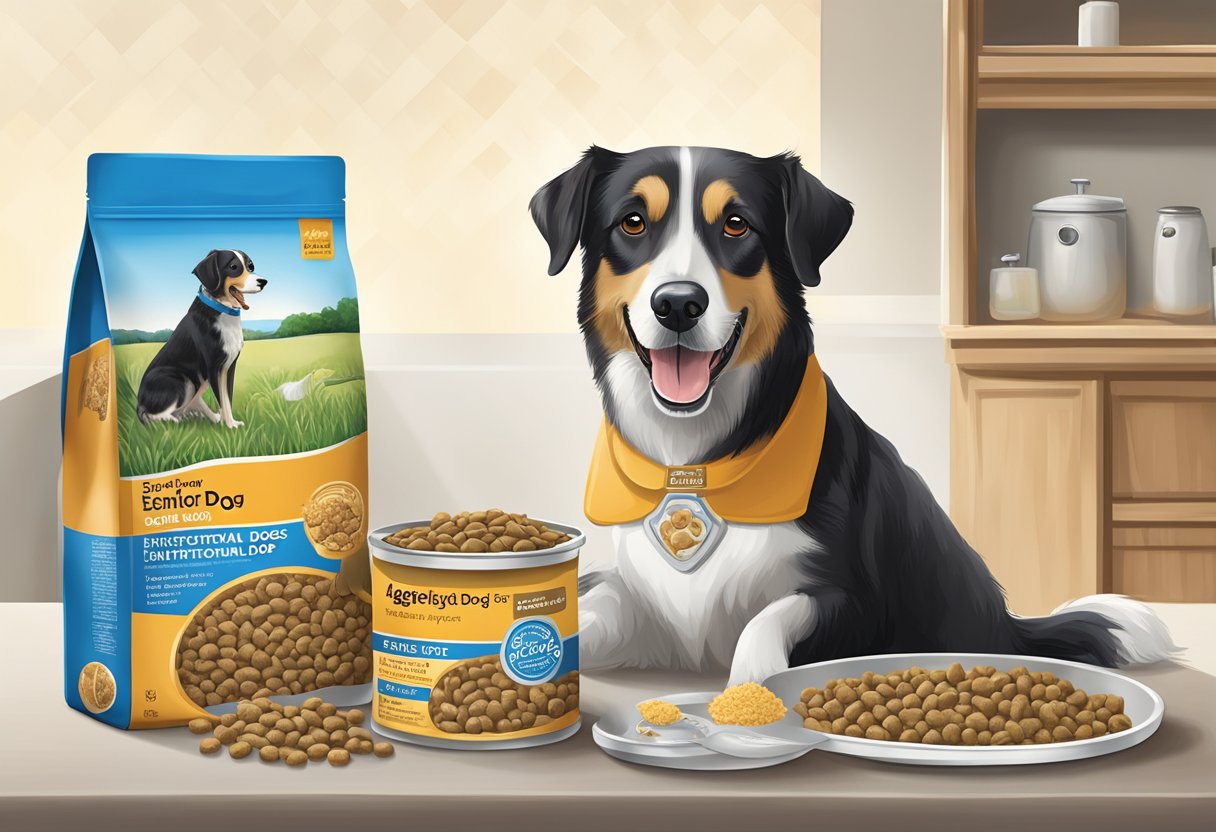
As dogs enter their senior years, their nutritional needs evolve. This change necessitates a diet that supports their aging bodies, maintains muscle mass, and provides essential vitamins and minerals to promote overall health.
Key Nutrients for Aging Dogs
Senior dogs often require a diet with a tailored balance of specific nutrients. It’s crucial that they receive:
- Adjusted Caloric Intake: Reduced calories to maintain a healthy weight and prevent obesity, which is common in less active senior dogs.
- Enhanced Fiber: For improved digestion and gastrointestinal health.
- Optimal Fat Levels: Omega-3 and Omega-6 fatty acids help maintain healthy skin and coat, and support cognitive function.
Protein and Muscle Mass Maintenance
Maintaining muscle mass is critical for senior dogs. Adequate high-quality protein is essential for sustaining muscle strength. Look for food that provides:
- Protein Content: About 18-23% of protein is suggested to balance the retention of muscle mass with the need to avoid excessive strain on the kidneys.
- Digestible Sources: Easily digestible protein sources help with absorption, considering the potentially reduced efficiency of an aging dog’s digestive system.
Vitamins and Minerals Essentials
Vitamins and minerals are indispensable for an aging dog’s diet as they support immune function and bone health.
- Calcium and Phosphorus: These minerals are vital for maintaining strong bones and teeth.
- Antioxidants: Vitamins E and C act as antioxidants, which are important for immune health.
- B-Vitamins: Essential for energy production and maintaining metabolic rate.
Catering to these nutritional needs can significantly impact a senior dog’s quality of life, keeping them happier and healthier in their latter years.
The Importance of Diet in Senior Dog Health
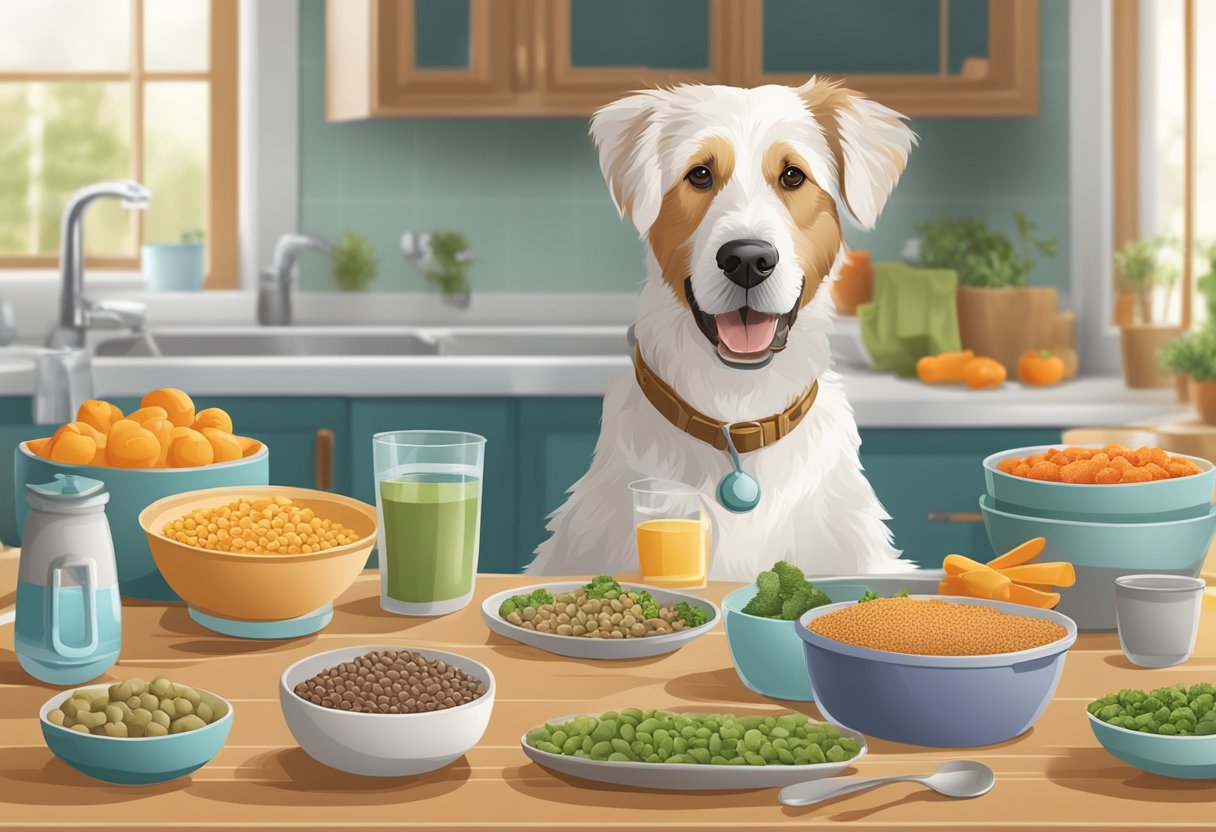
As dogs age, their dietary needs evolve, necessitating specialized nutrition to maintain optimal health. A properly tailored diet can address common aged-related challenges such as joint health, digestive efficiency, and weight control.
Joint Health and Mobility
Senior dogs often suffer from joint issues, which can impede mobility. Diets rich in omega-3 fatty acids, like those from fish oil, can help reduce inflammation and promote joint health. Incorporating glucosamine and chondroitin supplements can also support cartilage repair and maintain joint function.
Digestive System and Fiber Intake
An older dog’s digestive system may become less efficient. High-fiber diets can assist in digestion and enhance stool quality. Vets typically recommend a diet that includes easily digestible proteins and carbohydrates, along with an appropriate blend of soluble and insoluble fiber to support gastrointestinal health.
Weight Management and Caloric Needs
Managing a senior dog’s weight is crucial to prevent obesity, which can exacerbate health issues like diabetes and heart disease. A balance between limited calorie intake and essential nutrients is important. Lower-calorie dog foods, designed for less active senior dogs, help prevent weight gain while still providing all the necessary vitamins and minerals.
Specific Health Issues and Diet
Selecting the right diet is a critical component of managing certain health issues in senior dogs. The right food can help mitigate symptoms and offer support for dogs facing age-related conditions.
Senior Dogs with Kidney Disease
Diet plays a significant role in managing kidney disease, which is common in older dogs. Diets low in phosphorus and moderate in protein are often recommended. Kidney-friendly foods tend to have high-quality protein and are formulated to reduce the workload on the kidneys, minimizing the progression of the disease.
- Recommended Diet: Low phosphorus, controlled high-quality protein, increased omega-3 fatty acids
- Avoid: High salt and phosphorus-rich foods
Diet and Dental Health
Dental health impacts a senior dog’s ability to eat comfortably. Soft foods can be beneficial for dogs with dental issues as they are easier to chew and less likely to cause discomfort.
- Soft Dog Food Benefits:
- Ease of Chewing: Gentle on the teeth and gums
- Avoidance of Hard Kibble: Reduces the risk of discomfort from chewing
Poor dental health can also lead to systemic health issues, so maintaining oral hygiene through diet and routine care is crucial.
Heart Disease and Dietary Considerations
For dogs with heart disease, dietary management is essential. A diet low in sodium helps manage heart disease, and the ideal food for these dogs may have reduced calorie content to aid in weight control, which is important for maintaining heart health.
- Key Nutritional Adjustments:
- Low Sodium: To help control blood pressure
- Controlled Calories: For weight management to ease the strain on the heart
Choosing the Right Senior Dog Food
Selecting an appropriate senior dog food involves understanding the differences between wet and dry options, knowing what nutritional content to look for, and avoiding certain additives that can be harmful to an older dog’s health.
Wet vs. Dry Food Options
When considering wet versus dry dog food, owners should note that wet food can be easier for senior dogs to chew and may be more appetizing, which helps with dogs experiencing appetite loss. Dry food, on the other hand, offers convenience and often a longer shelf life. Senior dog foods are specifically formulated to support aging canine health, with variations in both wet and dry forms to cater to different preferences and dietary needs.
| Wet Dog Food | Dry Dog Food | |
|---|---|---|
| Ease of Eating | Easier for dogs with dental issues | Requires more chewing ability |
| Palatability | Often more enticing for picky eaters | Less aromatic, may be less appealing |
| Storage | Requires refrigeration after opening | Easily stored for long periods |
| Hydration | Higher moisture content aids hydration | Dogs may need additional water intake |
What to Look for on the Label
On the label, look for senior dog food that is approved by the Association of American Feed Control Officials (AAFCO). Key ingredients beneficial for senior dogs include:
- Glucosamine and chondroitin: Supports joint health.
- Omega-3 fatty acids: Promote a healthy coat and skin.
- Antioxidants: Help in maintaining cognitive function.
Protein content should be adequate to maintain muscle mass but calibrated not to overload the kidneys. Fiber, too, is crucial for digestive health.
Avoiding Harmful Additives
Senior dogs often have a more sensitive digestive system. Thus, it is important to avoid dog foods with preservatives, artificial colors, and artificial flavors, which can cause adverse reactions. Instead, opt for foods with natural preservatives like tocopherols (vitamin E) or ascorbic acid (vitamin C). Labels should be scrutinized to ensure that the food is free from these unnecessary and potentially harmful chemicals.
Special Ingredients for Aging Canines
Senior dogs have unique dietary needs that cater to their changing lifestyles and health concerns. Ingredients such as joint-supporting compounds, cognitive enhancers, and beneficial fatty acids are critical for maintaining their well-being as they age.
Joint-Supporting Compounds
The inclusion of glucosamine and chondroitin in senior dog food is essential for maintaining healthy joints. These compounds help repair and reduce the degradation of cartilage, providing relief from arthritis symptoms that commonly affect older dogs.
- Glucosamine: Aids in building cartilage.
- Chondroitin: Works alongside glucosamine to enhance joint health.
Enhancing Cognitive Function
To combat the decline in cognitive function, senior dog foods often incorporate antioxidants which protect brain cells from damage.
- Antioxidants: Include vitamins E and C, as well as selenium and beta-carotene, protecting against cognitive decline.
Omega Fatty Acids for Health
Omega-3 fatty acids, especially EPA (eicosapentaenoic acid) and DHA (docosahexaenoic acid), are critical for overall health, promoting a healthy coat, heart health, and cognitive function.
- Fish Oil: A common source of omega-3 fatty acids.
- EPA: Supports heart health and reduces inflammation.
- DHA: Vital for brain health and vision.
Providing these special ingredients in a senior dog’s diet can significantly improve their quality of life and support their health as they age.
Texture and Palatability
The texture and palatability of dog food are crucial for senior dogs, affecting both their willingness to eat and their ability to chew comfortably.
Soft Dog Food Benefits
Senior dogs often face challenges with hard kibble due to dental wear or loss. Soft dog food provides a gentler alternative, making it easier for them to chew and swallow. The softer texture is less taxing on their teeth and gums, and can also aid in digestibility. There’s a range of soft dog food types, encompassing both wet foods and soft kibbles, which have a moist, tender texture compared to traditional dry food.
Benefits of soft dog food include:
- Reduced strain on teeth and gums
- Enhanced moisture content, aiding in hydration
Solutions for Picky Eaters
Senior dogs can be selective about what they eat, affecting their nutritional intake. Enhancing the palatability of their food is essential to encourage regular eating habits. Soft dog food varieties often come in rich flavors and aromas that can appeal to picky eaters.
Strategies to address picky eating:
- Offer varied flavors to prevent boredom.
- Look for foods with high-quality ingredients that emit appetizing scents.
Food manufacturers are attuned to the needs of aging canines, providing options specifically designed to address these concerns while still maintaining nutritional balance.
The Role of Supplements in a Senior Dog Diet
In the diets of senior dogs, supplements can play a significant role by addressing their specific nutritional needs. They can support digestive health, enhance immune function, and combat oxidative stress.
Probiotics and Digestive Health
Senior dogs often face digestive issues due to age-related changes in their gastrointestinal system. Probiotics are beneficial microorganisms that aid in maintaining a healthy balance of gut flora, enhancing digestive function, and boosting the immune system. Prebiotics, which are dietary fibers, act as food for these beneficial bacteria and support their growth. Together, they can help maintain proper digestion and absorption in senior dogs.
Vitamins and Antioxidants Supplements
As dogs age, their bodies become less efficient at combating oxidative damage caused by free radicals. Antioxidants such as Vitamin E and C are crucial in neutralizing these free radicals, supporting cellular health, and reducing inflammation. Senior dogs might also benefit from other vitamins, like B-complex for energy metabolism and proper nerve function. Incorporating these vitamins as supplements can help maintain vitality and overall health in senior canines.
Recommended Senior Dog Food Brands
Choosing the right senior dog food involves selecting brands that offer nutritional benefits tailored to the needs of aging canines. High-quality ingredients, optimal protein sources, and added supplements for joint health are crucial factors to consider.
Premium and Specialized Formulas
Several brands are distinguished for their premium and specialized formulations suitable for older dogs. Hill’s Science Diet Adult 7+ contains a carefully balanced nutritional profile designed to support the health of senior dogs, featuring high-quality animal proteins for muscle maintenance and omega-3 fatty acids for joint health.
- Blue Buffalo Wilderness Senior Wet Dog Food: A high-protein option that caters to the more active senior dogs needing joint and teeth support.
- Purina ONE SmartBlend Vibrant Maturity: Integrates enhanced botanical oils and nutrients aimed at sustaining the mental sharpness and overall vitality of senior dogs.
Budget-Friendly Choices
Affordable options do not necessarily mean a compromise on quality. Brands like The Farmer’s Dog offer cost-effective formulas that still ensure the inclusion of quality ingredients suitable for a senior dog’s diet.
- Iams ProActive Health Mature Adult: Designed for dogs aged 7 and older, this formula supports healthy aging with antioxidants and high-quality proteins at an affordable price point.
- Pedigree Senior: Offers a nutritious formula that’s easy on the wallet, with added glucosamine and plenty of fibers for digestive health.
When selecting dog food for a senior pet, looking for AAFCO approval can help ensure that the food meets basic nutritional standards, regardless of price point.
Feeding Your Senior Dog
As dogs age, their dietary needs evolve. It becomes critical to adjust feeding habits to maintain their health and meet specific nutritional requirements.
Determining Appropriate Portions
Senior dogs often require fewer calories due to decreased activity levels. However, an ideal portion size depends on the individual dog’s weight, health status, and energy expenditure. Veterinarians are a valuable resource for establishing tailored feeding regimens. They can determine portion sizes that contribute to a healthy weight, preventing obesity or undernourishment. Owners should monitor their senior dogs’ appetites and weight regularly, adjusting portions as needed.
Feeding Frequency and Routine
Maintaining a consistent feeding routine helps regulate a senior dog’s digestion and energy levels. Typically, senior dogs benefit from being fed twice daily. This regular cadence supports stable blood sugar levels and accommodates potential decreases in appetite. Feeding trials conducted by food manufacturers can provide insights into optimal feeding frequencies for specific food types designed for senior dogs.
Life Stage Considerations

As dogs progress into their senior years, dietary needs shift significantly. Understanding and adapting to these changes is crucial for maintaining their health and well-being.
Transitioning to Senior Dog Foods
Senior dogs require a diet that accommodates their slowing metabolism and potential health issues. Senior formula dog foods are specifically tailored to meet these needs. When transitioning, it should be done gradually over the course of a week to prevent digestive disturbances. Dogs typically enter their senior life stage around the age of seven, but this can vary depending on the breed and size.
Nutritional Adjustments for Very Old Dogs
For very old dogs, the focus often shifts to maintaining a healthy weight and supporting joint health. Caloric needs may decrease as their activity level drops, but nutritional density should remain high.
- Protein: Vital for muscle maintenance, high-quality protein sources are essential.
- Fats: Omega-3 fatty acids from fish oil can support joint health and reduce inflammation.
- Fiber: Aids in digestion and helps prevent constipation.
- Calcium and Phosphorus: Necessary for bone health, but must be balanced carefully to avoid causing harm.
These components of a senior formula contribute to the overall vitality and longevity of aging dogs.
Supporting Senior Dog Vitality
Senior dogs require specific care to maintain their vitality. Hydration and appropriate nutrition are critical, alongside a considerate exercise regimen to support overall well-being and heart health.
Hydration and Water Intake
Hydration is crucial for maintaining health in senior dogs. As they age, they may become less efficient at regulating their water balance. Owners should monitor water intake closely to ensure their dogs are adequately hydrated. Providing soft dog food can contribute to hydration as it often contains more moisture than dry kibble. Observing the dog’s habits and offering fresh, clean water at all times is essential.
- Daily Water Requirements:
- Small breeds: ½ to 1 ounce per pound of body weight
- Large breeds: ⅔ to 1 ounce per pound of body weight
Exercise and Well-being
Exercise must be tailored to the senior dog’s abilities, as their energy levels and health conditions may limit their capacity for physical activity. Regular, gentle exercise can help in maintaining heart health and mobility. Activities such as short walks or play sessions tailored to the dog’s pace can promote well-being without overexertion. Owners should consult their veterinarian to devise an exercise plan that considers the specific needs of their senior pet.
Frequently Asked Questions
When selecting soft food for senior dogs, one should consider factors such as their dental health, nutritional needs, and food texture preferences.
What factors should be considered when selecting soft food for senior dogs?
One should consider the dog’s dental health, potential allergies, nutritional requirements, and food texture. Soft food can be easier to eat for dogs with dental issues and can be more palatable for picky eaters.
How does wet senior dog food differ from dry kibble, and which is better for older dogs with dental issues?
Wet senior dog food generally has a higher moisture content compared to dry kibble and often has a softer texture, making it easier to chew and swallow for older dogs with dental problems. It can also help with hydration.
What ingredients are important in a quality senior dog food for maintaining health in old age?
Quality senior dog food should include high-quality proteins, essential fatty acids such as omega-3s for joint health, fiber for digestive health, and added vitamins and minerals tailored to the needs of aging dogs.
How can homemade soft dog food be nutritionally balanced for senior dogs?
Homemade soft dog food can be balanced by incorporating lean meats, whole grains, and vegetables, and by following veterinary nutritional guidelines or recipes formulated by animal nutritionists to ensure all dietary needs are met.
What are the recommended brands of soft dog food for senior small breeds?
Some recommended brands of soft dog food for senior small breeds include specialized formulas that cater to their faster metabolisms and small-sized kibble or softer pates that are easier for them to consume.
How do I evaluate consumer reviews and expert recommendations when choosing a senior dog food?
To evaluate reviews and recommendations, one should look for consensus on the food’s palatability, digestibility, ingredient quality, and the brand’s reputation for producing nutritionally complete and balanced food formulated specifically for seniors.