
As dogs enter their senior years, their nutritional needs evolve. Aging canines may not absorb nutrients as efficiently, and they are at a higher risk for developing conditions such as joint pain, cognitive decline, and reduced immune function. It’s crucial for pet owners to understand how the changing dietary requirements of their aging companions can be supported through tailored nutrition and supplementation.
Senior dog supplements are designed to address these age-related changes, often containing a blend of high-quality proteins, essential vitamins, antioxidants, and natural fibers to support overall health and vitality. Joint-supporting compounds like glucosamine and chondroitin are commonly included, alongside omega fatty acids for cognitive health and mobility. When selecting supplements, it is important to choose reputable brands and consider any specific health concerns your dog may have.
Key Takeaways
- Senior dogs have unique nutritional needs that can be met with carefully chosen supplements.
- Quality ingredients like proteins, vitamins, and antioxidants help maintain the health of aging canines.
- Choosing the right brand and formula of supplement, in conjunction with veterinary advice, provides targeted support for specific health concerns.
Understanding the Needs of Aging Canines

As dogs progress into their senior years, they encounter physiological changes that necessitate careful attention to their nutritional and health care needs to maintain their quality of life.
Common Health Challenges in Senior Dogs
Senior dogs often experience a range of health issues, including joint pain, cognitive decline, and decreased organ function. Joint pain, typically due to arthritis, leads to decreased mobility and can significantly affect a senior dog’s quality of life. Cognitive decline can manifest as disorientation or changes in behavior and interaction.
The Importance of Proper Nutrition
Aging canines have specific nutritional requirements that differ from younger dogs. Their diets must be adjusted to support declining organ functions and to mitigate the onset or progression of chronic diseases. Protein is crucial for maintaining muscle mass, but it needs to be highly digestible and of high quality. Similarly, levels of fat should be moderated, as older dogs are less active and can easily gain weight. Commercial dog food formulated for seniors typically contains adjusted nutrients to meet these needs.
Assessing Senior Dog Supplements
When considering supplements, the goal is to support the aging process and promote health in senior dogs. Effective supplements for aging canines often include ingredients that provide fatty acids, such as omega-3 to help reduce inflammation, antioxidants to combat oxidative stress, vitamins like Vitamin A for immune health, and minerals to support bone density. Here’s a quick reference table for key supplement ingredients and their benefits:
| Ingredient | Benefits for Senior Dogs |
|---|---|
| Omega-3 Fatty Acids (EPA & DHA) | Reduces inflammation, supports joint health |
| Antioxidants (Vitamin E, Vitamin C) | Protects against oxidative stress, supports immune health |
| B Vitamins (B1, B2, B6, B12) | Aids in energy generation and appetite improvement |
| Glucosamine & Chondroitin | Contributes to joint health and cartilage repair |
| Calcium & Vitamin D | Essential for maintaining bone density and dental health |
It is essential for caregivers to choose supplements with high-quality ingredients that target specific symptoms or diseases common to senior dogs.
Key Supplement Ingredients and Their Benefits

As dogs age, their nutritional needs change. Specific supplements can support their health in various areas, including joint mobility, skin and coat condition, gastrointestinal health, and cognitive function. Each ingredient serves a purpose tailored to alleviate or manage age-related health issues in senior dogs.
Joint Support Ingredients for Mobility
Glucosamine: Naturally found in cartilage, glucosamine helps maintain joint health and mobility by supporting the repair of damaged cartilage. It is often paired with chondroitin, which helps reduce inflammation in the joints and enhances the shock-absorbing properties of collagen.
MSM (Methylsulfonylmethane): This compound has anti-inflammatory effects, complementing glucosamine and chondroitin in promoting hip and joint health and reducing pain associated with joint degradation.
Skin and Coat Health Enhancers
Omega-3 Fatty Acids: Found in ingredients like fish oil, these fatty acids are crucial for maintaining healthy skin and a shiny coat. They can reduce inflammatory responses, leading to less irritation and healthier skin.
Vitamin E and Biotin: These nutrients are essential for skin health and fur strength. Vitamin E acts as an antioxidant, while biotin is necessary for cellular growth and the metabolism of fatty acids.
Gastrointestinal Support Elements
Probiotics and Prebiotics: Maintaining a balanced gut flora is essential for digestive health. Probiotics are beneficial bacteria, while prebiotics serve as food for these microorganisms.
Digestive Enzymes: These enzymes help senior dogs break down food more efficiently, ensuring optimal nutrient absorption and reducing gastrointestinal discomfort.
Cognitive and Nervous System Supporters
Antioxidants: Components like Vitamin C and E help combat oxidative stress and may support brain health. Ginkgo Biloba: This herb has been associated with improved cognitive function and may offer nervous system support by increasing blood flow to the brain.
DHA: Docosahexaenoic acid, an omega-3 fatty acid specific to neural development, is vital for maintaining brain function in aging dogs.
Specific Supplements and Their Applications

When considering supplements for senior dogs, it’s crucial to target specific health needs. Joint pain relief, overall health maintenance, and managing age-related conditions are primary areas where supplements can make a significant difference.
Joint Supplements for Pain Relief
For joint health in older dogs, glucosamine and chondroitin supplements are often recommended. These supplements support cartilage and joint fluid, potentially alleviating pain associated with arthritis and other degenerative joint conditions.
- Glucosamine has been shown to help reduce inflammation and promote cartilage repair.
- Chondroitin complements glucosamine and is believed to enhance its effects, further aiding in joint pain mitigation.
Multivitamins for Overall Health Maintenance
A broad spectrum of multivitamins can help maintain overall health in senior dogs by ensuring they receive all the essential nutrients they may lack in their diet.
- Multivitamins typically include Vitamin E, known for its antioxidant properties, which can benefit a dog’s immune system, skin, and coat health.
- Multivitamin supplements may also contain minerals and vitamins necessary for sustaining the liver, heart, and urinary tract health.
Specialized Supplements for Age-Related Conditions
Addressing specific age-related issues, such as cognitive decline, can be supported through specialized supplements containing a mix of vitamins and antioxidants.
- Certain supplements are formulated to support brain health, potentially slowing the progression of cognitive decline.
- Other tailored supplements may focus on the liver and heart functionality, providing targeted nutrients to bolster these organs against age-induced stress.
Choosing the Right Supplement Brand
When selecting supplements for senior dogs, one should consider ingredient quality, brand reputation, and the specific needs of the dog’s age and breed.
Evaluating Ingredient Quality and Brand Reputation
It is crucial to investigate both the quality of the ingredients and the reputation of the brand. Owners should look for brands that:
- Use high-quality protein and optimal levels of vitamins and antioxidants
- Include natural prebiotic fibers to support digestive health
Zesty Paws and VetriScience are examples of brands with a positive reputation among pet owners and professionals. They are known for their all-natural formulations and are typically reviewed and recommended by veterinarians.
One should also raise questions regarding the sources of each ingredient and the brand’s manufacturing processes. Labs and quality checks are essential, as they ensure purity and prevent potential contamination. Brands that are transparent about their ingredient sourcing and have strict quality control measures are usually more reliable.
Age and Breed Specific Formulations
Senior dogs have different dietary requirements than younger dogs, and these can vary greatly between different breeds. A senior dog supplement should be tailored not only to aging canines but also to address the unique needs of various breeds.
Owners should consider:
- The specific nutritional needs based on their senior dog’s breed
- Any common breed-related health issues that could be supported by targeted nutrients
Supplements that cater to a wide range of dogs of all ages may not be as effective for senior dogs with specific dietary requirements. An owner’s veterinarian is a valuable resource in determining these needs and can advise on supplements that are best suited to their individual senior dog’s health profile.
Administering Supplements Correctly

Selecting the correct supplements and ensuring they are administered properly is crucial for the well-being of senior dogs. The right dosage and incorporation into daily routines can optimize the benefits of supplements for a senior dog’s digestion, energy levels, and overall health.
Understanding Dosages and Administration
Senior dogs require careful dosage control. Owners must consult their veterinarian to determine the exact dosage of supplements needed for their dog’s specific health conditions. Supplements like chewable tablets are convenient, but their ease of use should not lead to overdosing. It’s essential to:
- Read labels carefully for recommended doses.
- Measure out supplements accurately, be it pills, powders, or liquids.
- Ensure daily doses are administered at consistent times for stabilized metabolism.
A senior dog’s treatment plan may include a variety of medications and supplements. Interaction between these substances should always be checked with a veterinarian to avoid potential adverse effects.
Incorporating Supplements into Daily Routines
Consistency in a senior dog’s routine is key to the effective delivery of supplement benefits. Here are practical tips for integrating supplements into a dog’s daily life:
- Schedule supplements around the same time as meals or exercise for easier recollection.
- Use supplements as treats in training or as part of play to encourage ingestion.
- Monitor the dog’s reaction to the supplement to ensure good digestion and no adverse energy level changes.
Successful supplement administration hinges on a strategic approach that aligns with the senior dog’s existing diet and activities. Ensuring the correct administration of supplements, considering interaction with other medications, and formulating a consistent routine are all important to amplify the effectiveness of a senior dog’s treatment regimen.
Integrating Supplements with Other Therapies
Supplements can play a pivotal role in a comprehensive treatment plan for senior dogs, enhancing the effects of both conventional and alternative therapies.
Complementary Therapies for Enhanced Efficacy
Supplements designed for joint health, such as glucosamine, chondroitin, and omega-3 fatty acids, can be more effective when combined with physical therapy exercises aimed at improving mobility. Incorporating moderate, low-impact exercise, such as swimming or walking, can maintain and even improve a senior dog’s joint function and muscle strength. To ensure compatibility and safety, these exercise regimens should be developed under the guidance of a veterinarian or a certified canine rehabilitation therapist.
Behavioral changes in senior dogs, like increased anxiety or stress, may benefit from the integration of supplements such as L-theanine or CBD oil with behavioral therapies. Such supplements should be used to complement, not replace, prescribed behavioral treatments and should always be introduced under veterinary supervision to address potential interactions with other treatments.
When to Consult a Veterinarian
Regular veterinary consultation is crucial when integrating supplements with other therapies. This step is necessary to monitor the progress of the treatment and adjust dosages or combinations of therapies as needed. A veterinarian can also provide advice on the specific needs of senior dogs, helping determine the most appropriate vitamins and supplements.
The veterinarian will likely ask questions to understand the dog’s current health status, including any changes in mobility, behavior, or appetite. They can then tailor a treatment plan that may include supplements as part of a multi-faceted approach, ensuring it aligns with other ongoing therapies. Owners should be prepared to discuss all aspects of their senior dog’s care, including exercise routines and any other forms of therapy, to allow for a well-informed treatment plan.
Monitoring the Impact of Supplements on Health
Supplementing a senior dog’s diet is often undertaken to support their overall health, specifically targeting joint mobility and symptom management. Tracking improvements and consulting with veterinarians ensures that such additions provide benefits without unintended consequences.
Tracking Changes in Symptoms and Mobility
When introducing supplements to a senior dog’s regimen, documenting any changes in symptoms and mobility is crucial. Owners should maintain a journal or log, detailing:
- Date of supplement introduction
- Daily dosage and frequency
- Observations on the dog’s mobility, such as ease of standing up, climbing stairs, or willingness to engage in physical activity
- Symptoms like joint stiffness, apparent pain during movement, or alterations in routine behaviours
This record-keeping facilitates recognizing patterns over time and tailoring supplement plans accurately.
Regular Health Check-ups and Laboratory Tests
As part of a comprehensive health monitoring strategy, regular check-ups with a veterinarian are essential. Senior dogs should undergo:
- Physical Examinations: Assess overall health, focusing on the heart and liver which can be affected by long-term supplement use.
- Laboratory Tests: Track liver and kidney functions, ensuring no damage from supplement ingredients.
Routine veterinarian consults match empirical observations with clinical data, safeguarding the senior dog’s health during supplement use.
Dealing with Potential Side Effects
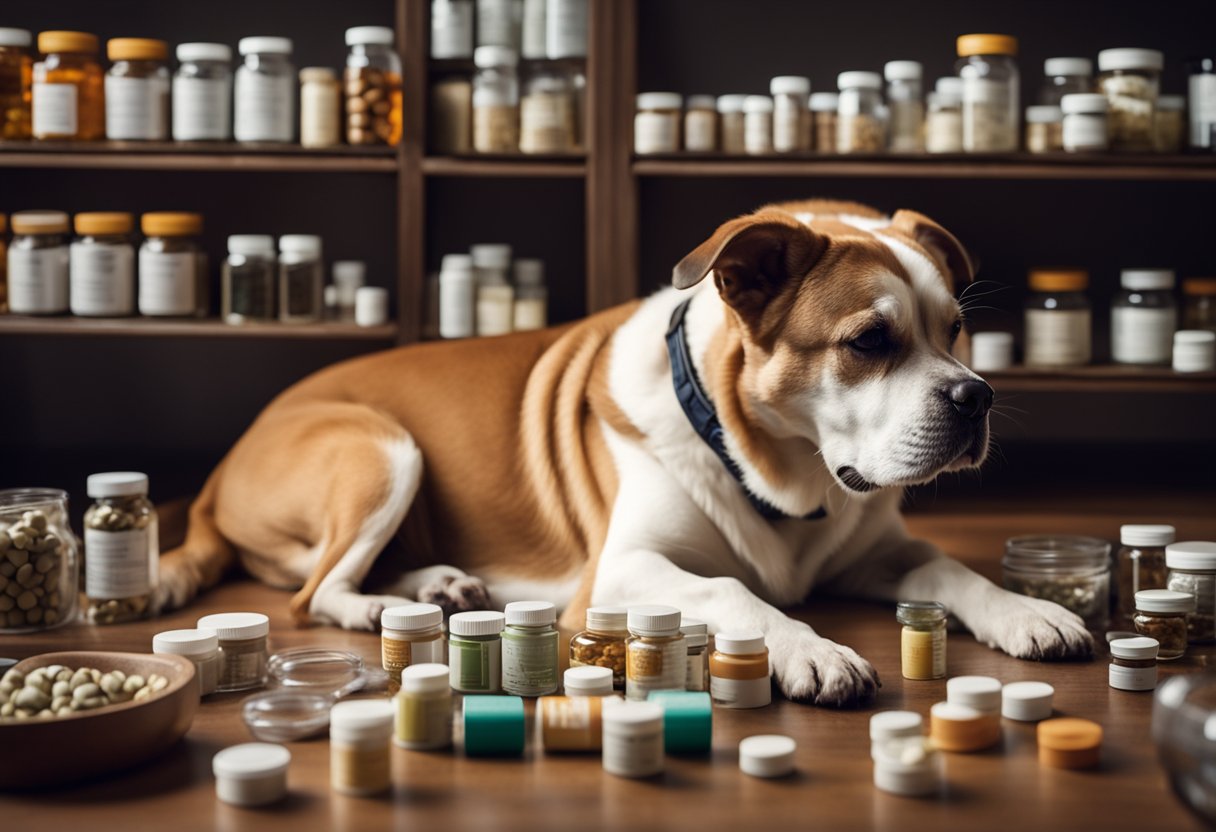
When administering supplements to senior dogs, owners must be vigilant in spotting side effects and knowledgeable in managing diet-related changes.
Recognizing Adverse Reactions
Adverse reactions to supplements can include behavioral changes and symptoms of allergies. It is crucial for dog owners to monitor their pets closely after starting a new supplement. Signs to watch for include:
- Behavioral Changes: Lethargy, agitation, or atypical anxiety.
- Physical Signs: Excessive itching, rashes, or gastrointestinal upset.
If any of these reactions occur, they should promptly consult with their veterinarian to discuss the observed side effects and determine the appropriate treatment.
Managing Weight and Diet Changes
Supplements can affect a senior dog’s weight and diet. For instance, some supplements might inadvertently cause weight gain due to high fat or calorie content. Managing these potential changes involves:
- Regular Monitoring: Keep track of weight to detect any increases, which might necessitate dietary adjustments.
- Diet Evaluation:
- Protein: Ensure the diet provides ample high-quality protein without excessively increasing caloric intake.
- Fat: Monitor fat levels to maintain a balanced diet, avoiding unnecessary weight gain.
Adjustment to the dog’s diet or supplement dosage might be necessary, and such changes should be made under the guidance of a veterinarian.
Beyond Supplements: Holistic Care for Senior Dogs

Holistic care for senior dogs encompasses dietary management, appropriate exercise, and mental enrichment. These aspects work in tandem with supplements to support a senior dog’s health and well-being.
Dietary Adjustments for Aging Dogs
A balanced diet tailored for aging dogs is crucial. Senior dogs have different nutritional requirements than their younger counterparts. Their metabolism slows down, necessitating fewer calories. Commercial dog food for seniors often contains fewer calories, yet is rich in high-quality proteins and fiber to aid digestion. It’s important to include sources of essential fatty acids to support joint health and reduce inflammation. Regular consultation with a veterinarian can ensure the dietary needs are met, especially when considering the integration of specific supplements.
Physical Activity and Exercise
Exercise remains a cornerstone of senior dog care. While high-impact activities may not be suitable, low-impact exercises like walking or swimming can help maintain mobility and manage weight. It’s imperative to tailor exercise routines to the individual dog’s health status and pain levels, as overexertion can lead to joint damage or exacerbate existing conditions. Regular, gentle exercise can also bolster cognitive health by promoting better circulation and keeping the brain active.
Mental Stimulation and Environmental Enrichment
Senior dogs can experience a decline in cognitive function, similar to dementia in humans. Mental stimulation is therefore integral to their care. This can include problem-solving toys, scent work, or simply training sessions that challenge their mind. Environmental enrichment, such as safe social interactions and exploring new environments, can positively influence a senior dog’s behavior and mood, counteracting potential cognitive decline. The goal is to provide engaging, mentally stimulating activities that are tailored to the dog’s ability level, thus promoting cognitive vitality without causing stress or anxiety.
Frequently Asked Questions
This section provides succinct answers to common inquiries regarding supplements for senior dogs, ensuring clarity on how these can benefit the health and wellbeing of aging canines.
What are the most beneficial supplements for improving the health of senior dogs?
The most beneficial supplements for senior dogs typically include omega-3 fatty acids for overall cell health, glucosamine and chondroitin for joint support, and antioxidants to combat oxidative stress.
How can natural supplements aid in the wellbeing of aging canine pets?
Natural supplements like turmeric and specific mushroom blends may offer anti-inflammatory properties and support immune health, thereby enhancing the wellbeing of aging dogs.
What are the recommended vitamins for senior dogs with mobility issues like arthritis?
For senior dogs with arthritis, vitamins such as Vitamin E and C are recommended for their anti-inflammatory properties, while supplements like glucosamine can help in the maintenance of joint health.
How can homemade supplement regimens be safely incorporated into a senior dog’s diet?
To safely incorporate homemade supplement regimens, they should be formulated or approved by a veterinarian, ensuring the correct dosages that meet the dog’s specific nutritional needs without causing imbalances.
Which supplements are suggested to help older dogs maintain a healthy weight?
Supplements that can help older dogs maintain a healthy weight include high-quality proteins to preserve muscle mass and natural prebiotic fibers to promote digestive health.
Are there any specific supplements that help with cognitive function in senior dogs with dementia?
Supplements that may aid cognitive function in senior dogs include those with antioxidants, omega-3 fatty acids, and specific nutrients like phosphatidylserine that have been linked to improved brain health.