
Arthritis is a common condition in older dogs, manifesting as a progressive and chronic joint disease that leads to discomfort and mobility issues. As dogs age, they may show signs of slowing down, such as being less enthusiastic about walks or having trouble with stairs. The symptoms of arthritis in dogs can include stiffness, limping, or reluctance to play, and these signs may worsen over time.

Managing arthritis in older dogs involves a combination of approaches aimed at minimizing pain and maintaining joint health. Non-surgical treatments such as weight management, exercise modification, and anti-inflammatory medications are often the first line of defense. In more severe cases, surgical interventions can be considered. Additionally, daily management strategies, including environmental adjustments to the dog’s living space to make it more arthritis-friendly, can be highly beneficial.
Key Takeaways
- Arthritis is a chronic condition in dogs that leads to reduced mobility and discomfort.
- Non-surgical treatments and daily management play pivotal roles in arthritis care.
- Surgical options may be explored for severe cases, complemented by lifestyle changes.
Understanding Arthritis in Older Dogs
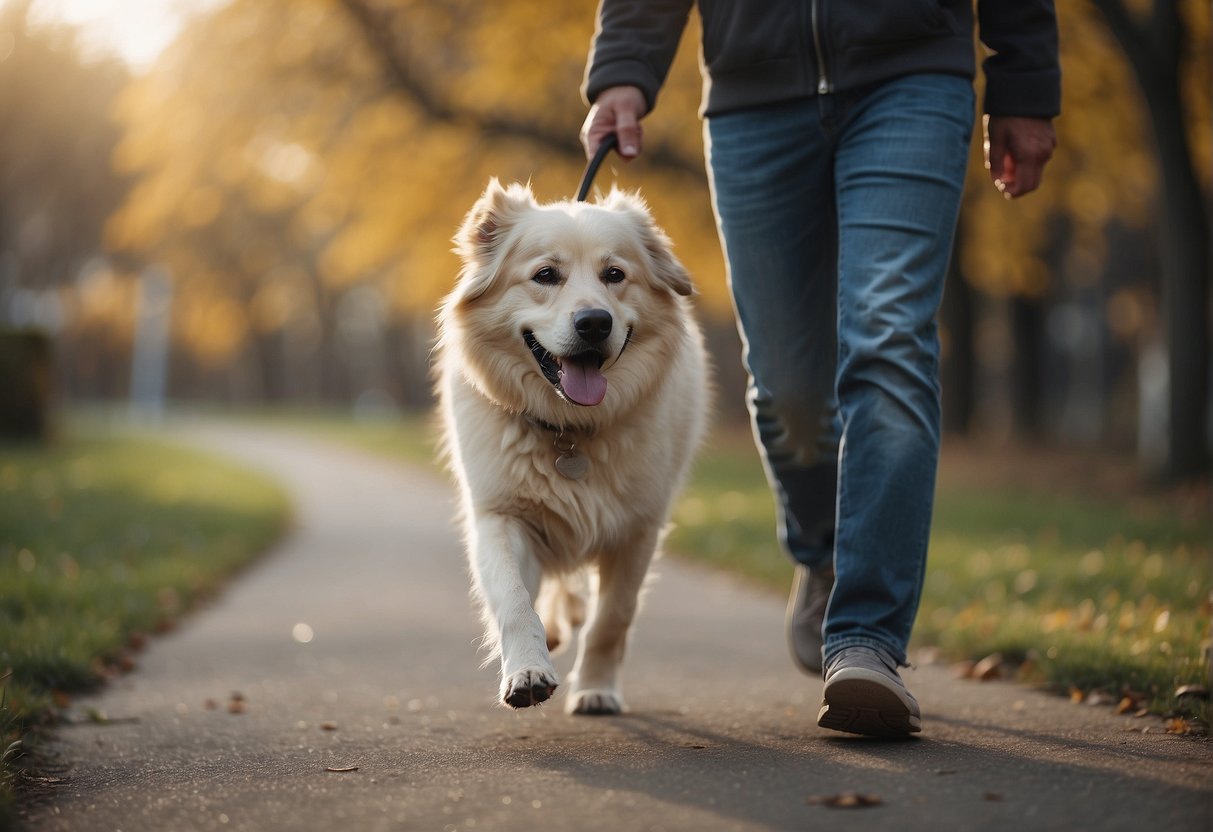
Arthritis affects a significant percentage of canines, especially as they age, leading to joint degeneration and decreased mobility. Recognizing the types, causes, and symptoms is essential for managing this condition.
Types of Arthritis and Joint Disease
Osteoarthritis is the most prevalent form of arthritis in older dogs. This degenerative joint disease leads to the deterioration of cartilage, resulting in discomfort and reduced mobility. Joint diseases such as hip dysplasia and elbow dysplasia are closely related conditions that can exacerbate or lead to the development of arthritis.
Causes of Joint Degeneration
Joint degeneration in dogs can be attributed to a variety of factors. Age is a primary component, as the wear and tear on joints accumulate over the years. Genetic predisposition plays a role, particularly with hip and elbow dysplasia. Other factors include obesity, which places extra stress on the joints, and previous injuries that may have caused joint instability or damage.
Identifying Symptoms and Behavioral Changes
The symptoms of arthritis in dogs often become more noticeable as the disease progresses. Common signs include:
- Difficulty standing up from a lying position
- Reluctance or pain when climbing stairs or jumping
- Limping or favoring certain limbs, which may indicate the specific joints affected
- Stiffness, especially after rest or during colder temperatures
- Changes in posture due to pain, such as a hunched back from spinal joint problems
- Decreased mobility and activity levels, as dogs may avoid movements that cause pain
- Behavioral changes such as irritability or withdrawal, which could indicate discomfort
Identifying these symptoms early can lead to more effective management of arthritis in older dogs.
Diagnosing Canine Arthritis
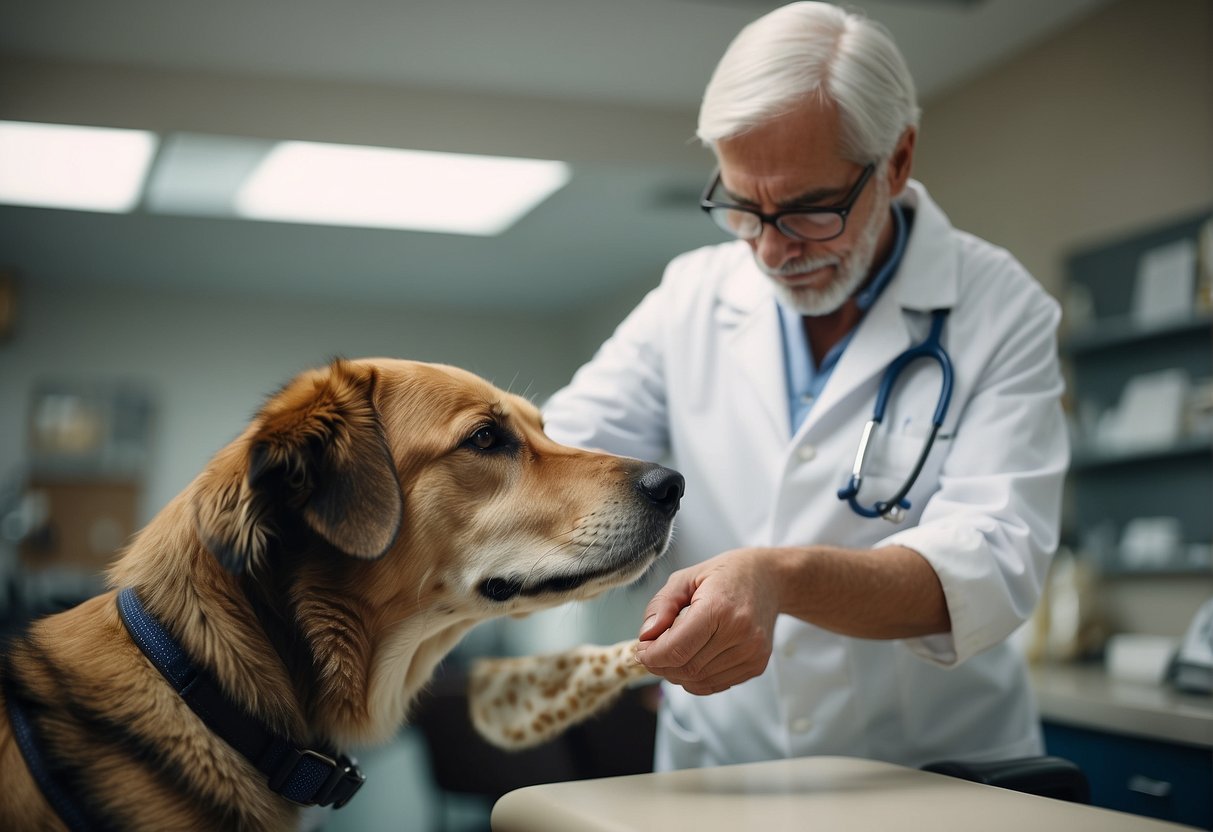
Effective diagnosis of canine arthritis hinges on thorough clinical assessments and the utilization of advanced imaging technologies.
Veterinary Examination Techniques
A veterinarian conducts a detailed physical exam to assess a dog’s joint health, gauging signs of pain, reduced mobility, and joint swelling. During the examination, they will obtain the dog’s medical history, observe gait, and palpate joints to elicit information about the location and severity of arthritis. Critical to a credible diagnosis are observations of how the dog bears weight, responds to manipulation of affected joints, and any signs of discomfort during the exam.
Advanced Diagnostic Imaging
To confirm a suspected case of arthritis, veterinarians may order radiographs (X-rays), which provide clear images of bone and joint structure. X-rays can reveal joint space narrowing, changes in bone density, and the presence of osteophytes—indicative of osteoarthritis. In complex cases, additional imaging such as MRI or CT scans might be necessary to provide a more comprehensive view of the joints and surrounding tissues. These diagnostic tools are crucial for a veterinarian to diagnose the presence and severity of arthritis accurately.
Non-Surgical Treatment Options

Older dogs suffering from arthritis can benefit significantly from non-surgical treatment options which mainly focus on relieving pain and improving joint function.
Pharmaceutical Interventions
Medications: Non-Steroidal Anti-Inflammatory Drugs (NSAIDs) are commonly prescribed to manage pain and inflammation associated with arthritis. Medications such as carprofen, meloxicam, and firocoxib may be recommended. Veterinarians will consider the dog’s health before prescribing these medications to ensure safe and effective pain management.
- Pain Management: In addition to NSAIDs, other pain relief medications such as gabapentin or tramadol might be used to help control chronic pain that is not solely inflammation-based.
Alternative Therapies and Supplements
Supplements: Supplements containing glucosamine and chondroitin are often used to support joint health. They are believed to aid in maintaining cartilage structure and preventing further joint degradation.
- Acupuncture: Some pet owners opt for acupuncture as a treatment for arthritis. This traditional Chinese medicine technique can help in reducing pain and improving overall joint mobility.
Additional therapies and supplements, such as omega-3 fatty acids and CBD oil, may also contribute to a multimodal approach to arthritis treatment in dogs, aimed at improving quality of life.
Surgical Interventions
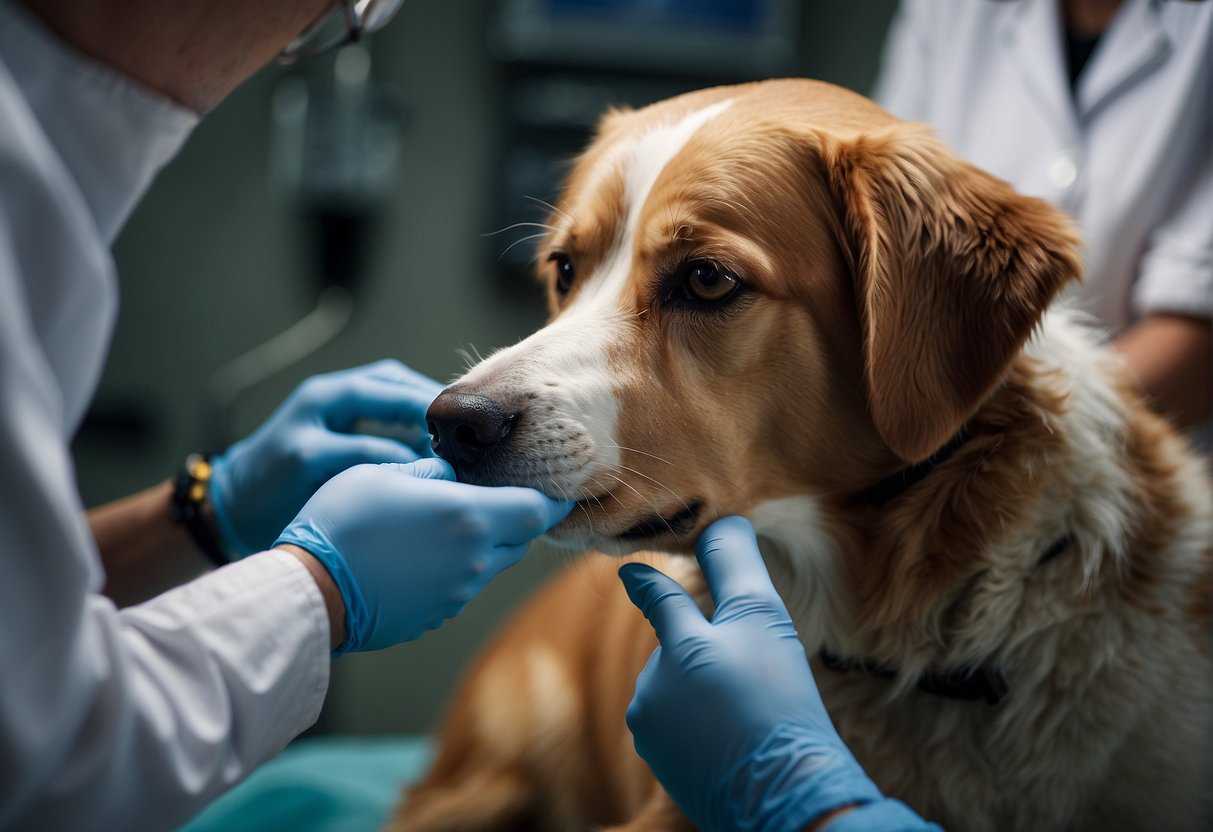
When non-surgical treatments for osteoarthritis in older dogs fail to provide sufficient relief, surgical options may be considered to manage pain and improve quality of life. These interventions range from minimally invasive procedures to total joint replacements, depending on the severity of the condition.
Deciding on Surgery
Determining whether a dog requires surgery involves careful assessment by a veterinarian. They will consider the dog’s overall health, age, and the progression of arthritis. Surgery is typically reserved for cases where medicinal and lifestyle management have not been effective. Treatment options include:
- Joint Replacement: Severely damaged joints may be replaced with artificial ones.
- Joint Fusion: Also known as arthrodesis, this procedure fuses the bones together to reduce pain.
- Excision Arthroplasty: Involves the removal of the diseased joint surface to create a false joint.
Post-Operative Care
Post-surgery, a dog’s recovery and return to function are critical and may involve:
- Medication: To manage pain and prevent infection.
- Physical Therapy: To maintain muscle strength and joint flexibility.
- Weight Management: Keeping weight down to reduce stress on joints.
- Regular Veterinary Check-ups: To monitor the healing process.
Daily Management of Arthritis
Managing arthritis in older dogs involves combining informed nutritional strategies with a balanced approach to exercise and weight management. These measures can significantly influence a dog’s comfort and mobility.
Nutritional Strategies
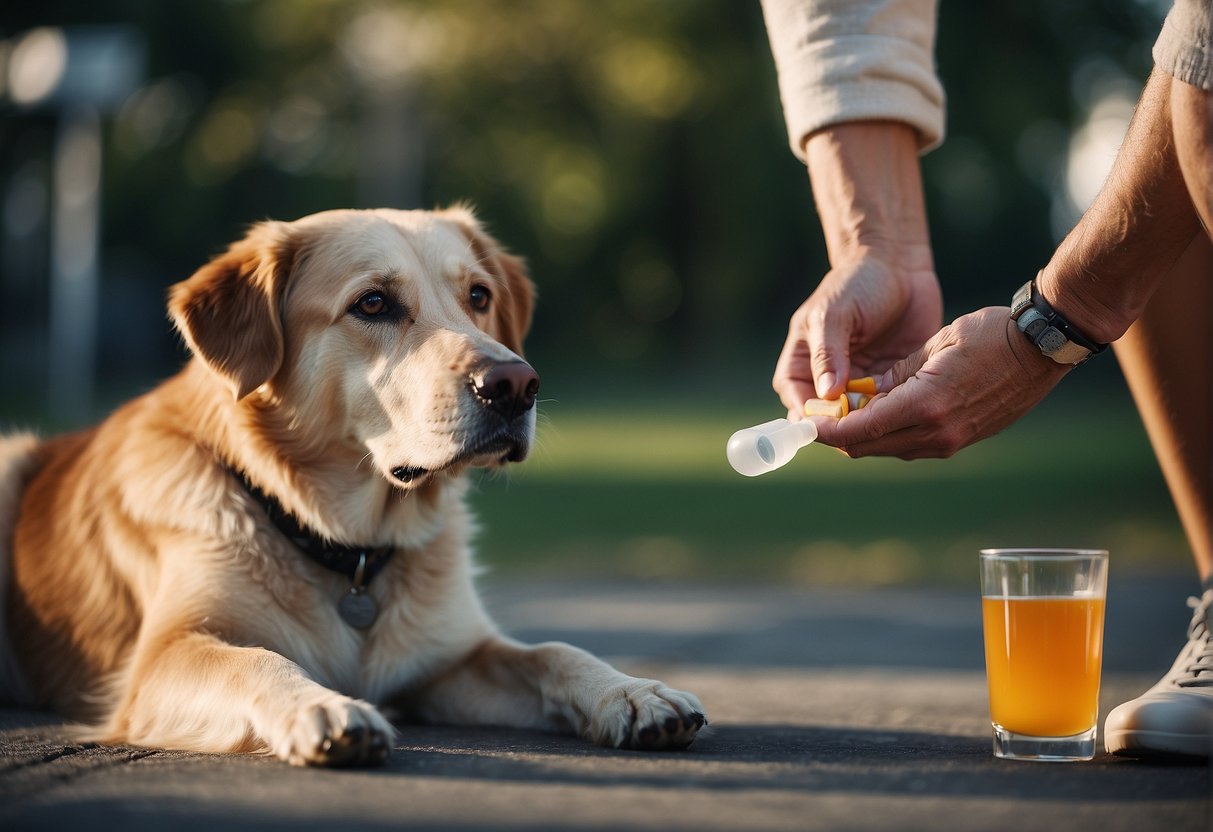
Proper nutrition plays a vital role in managing a dog’s arthritis. Diet modifications can include:
- Weight Management: Ensuring the dog maintains a healthy weight relieves additional stress on the joints.
- Omega-3 Fatty Acids: Incorporating foods rich in omega-3 fatty acids, known for their anti-inflammatory properties, can help reduce joint inflammation.
A veterinarian may recommend a specialized diet or supplements to support joint health, tailored to a dog’s specific needs.
Exercise and Weight Management
Exercise tailored to a dog’s limitations is equally essential:
- Controlled Exercise: Daily, low-impact exercise such as walking or swimming can help maintain joint mobility and muscle strength without overexerting the dog.
- Weight Loss: For dogs that are overweight, implementing a weight loss plan can alleviate the extra burden on their arthritic joints.
Caretakers must observe their dog’s response to exercise and adjust the intensity and duration accordingly. Regular check-ins with a veterinarian can track the dog’s progress and ensure their exercise regimen remains beneficial.
Pain Relief and Mobility Enhancement
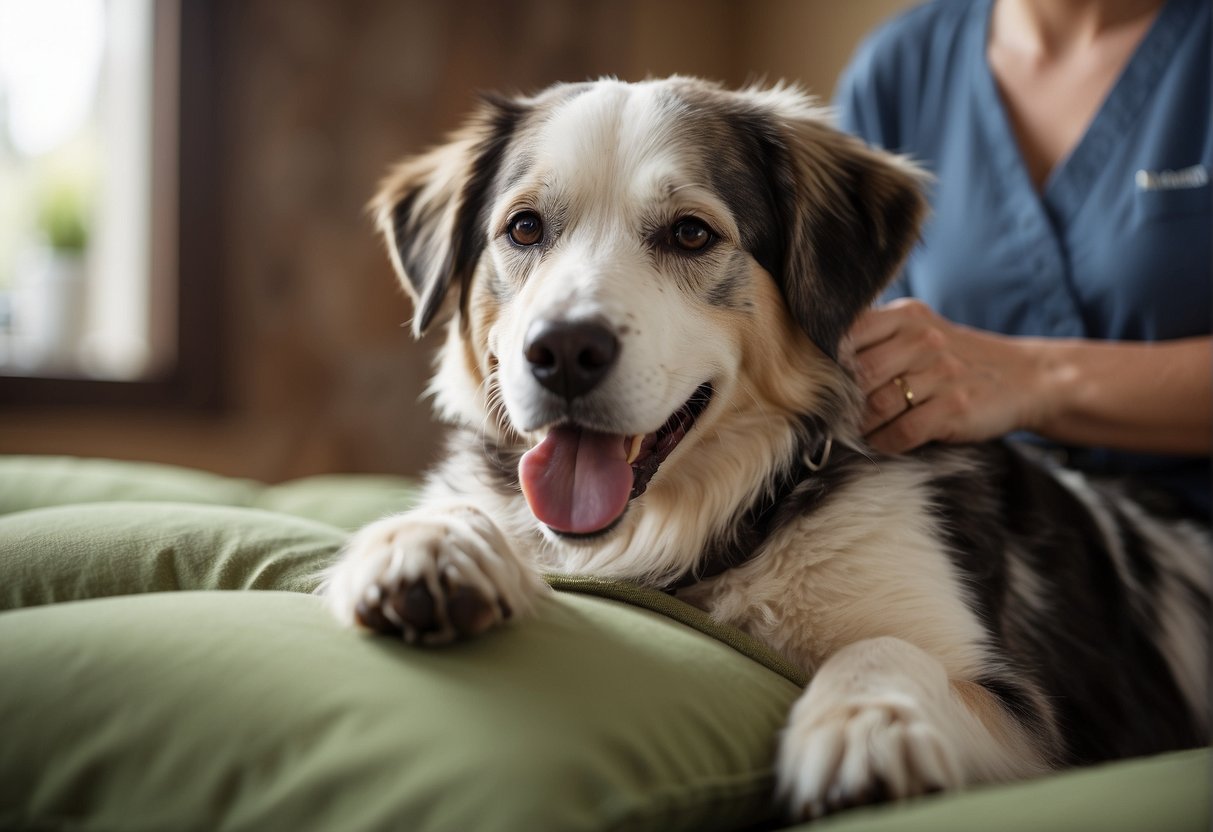
Effective pain relief and mobility enhancement for older dogs with arthritis are critical to maintaining their quality of life. This section outlines the role of nonsteroidal anti-inflammatory drugs and various physical adaptations that can be employed to manage discomfort and improve joint health.
Nonsteroidal Anti-Inflammatory Use
Nonsteroidal anti-inflammatory drugs (NSAIDs) are commonly prescribed to manage pain and inflammation in dogs with arthritis. Veterinarians recommend these medications as they can significantly reduce discomfort and enhance mobility.
- Common NSAIDs include:
- Carprofen
- Meloxicam
- Deracoxib
It is vital that these medications are only used under the guidance of a veterinarian, as they can have side effects, and not every dog may be a suitable candidate for NSAID treatment.
Physical Aids and Adaptations
Adapting the living environment and utilizing physical aids can help dogs with arthritis better navigate their daily activities, reducing strain on their joints.
- Physical aids include:
- Ramps: Eases the challenge of climbing stairs or getting into vehicles.
- Cushions: Provides supplemental support for resting and sleeping, alleviating pressure on joints.
Home adaptations, such as laying out area rugs or using anti-skid mats, create a more arthritis-friendly home. Carpet tiles can offer a practical solution, giving dogs a secure footing while being easy to clean or replace.
Lifestyle and Environmental Adjustments

Arthritis in older dogs requires careful management of their living space and day-to-day activities. These changes can significantly reduce discomfort and improve their quality of life.
Home and Activity Modifications
Owners should modify the home environment to minimize the strain on their dog’s joints. They can start by laying out carpets or rugs to provide traction, reducing the likelihood of slipping on hard floors. Since getting up and down can be a challenge, installing ramps or steps to access higher areas such as beds or sofas is beneficial. Owners must also tailor their dog’s play to be gentle, avoiding high-impact movements like jumping, which can exacerbate joint pain.
- Play: Encourage low-impact toys and games.
- Movement: Encourage frequent, gentle walks to maintain joint mobility.
Ensuring a Supportive Environment
Creating a supportive environment involves more than just structural changes; it encompasses everything from sleep to the emotional well-being of the dog. A supportive environment includes:
- An orthopedic dog bed to provide optimal support for sore joints.
- Raised food and water bowls to prevent strain from bending down.
It’s not only about adjusting for movement but also ensuring that these animals feel safe and stress-free in their surroundings, as stress can exacerbate symptoms of arthritis.
Rehabilitative Therapies for Arthritic Dogs

Rehabilitative therapies for arthritic dogs focus on alleviating pain, improving mobility, and enhancing the quality of life through prescribed exercises and specialized treatments.
Physical Therapy and Exercise Routines
Physical therapy is a critical aspect of rehabilitation for dogs with arthritis. It includes a range of therapeutic exercises designed to maintain or increase joint health, muscle strength, and overall flexibility. Treatment plans often incorporate joint mobilization and soft tissue massages to reduce stiffness and improve movement. Specific exercises such as passive range of motion (PROM) and stretching are tailored to address the dog’s individual needs, often helping to correct compensatory dysfunctions in the affected areas and surrounding tissues. A veterinary rehabilitation therapist should supervise the development and implementation of these routines to ensure they are safe and effective.
Hydrotherapy and Underwater Treadmill
Hydrotherapy, particularly the use of an underwater treadmill, has emerged as a beneficial therapy for dogs with arthritis. The buoyancy of water reduces stress on painful joints, allowing for movement that might be too difficult or painful on land. Underwater treadmills facilitate therapeutic exercise by encouraging full body movement and muscle engagement without putting excess strain on the joints. Moreover, the resistance of the water can help in building muscle mass and endurance. Hydrotherapy should be conducted by trained professionals in a controlled environment to ensure the safety and comfort of the dog and to optimize the therapeutic benefits.
Assessing Quality of Life

Proper assessment of a senior dog’s quality of life is essential, especially when they’re suffering from arthritis. Evaluating their health and comfort levels, alongside considering end-of-life decisions, forms the core of a compassionate care approach.
Monitoring Health and Comfort Levels
Chronic Pain: One should observe if the dog exhibits signs of chronic pain, such as limping or reluctance to move. These symptoms can indicate joint discomfort often associated with arthritis.
- Behavioral Changes: A decrease in activity or alteration in behavior, like increased irritability or apathy, can signal a decline in quality of life.
- Decreased Appetite: Reluctance or refusal to eat is a concerning sign that the dog might be experiencing discomfort.
- Disorientation: Signs of confusion or disorientation in familiar environments may suggest cognitive decline, affecting overall well-being.
End-of-Life Considerations
When a dog’s quality of life is questionable due to factors like persistent pain and chronic health issues, it is essential to consider their overall happiness and dignity. Veterinarians may use tools like the quality-of-life scale to measure different wellness parameters, helping owners make informed decisions about end-of-life care.
Frequently Asked Questions

When dealing with arthritis in older dogs, knowing the signs, treatment options, and care strategies is crucial for improving their quality of life.
What are the common symptoms indicating a dog may have arthritis?
The primary symptoms of canine arthritis include stiffness, difficulty moving, limping, reluctance to exercise, and visible discomfort after rest. They may also have trouble with actions they once performed easily, such as climbing stairs or jumping.
How can arthritis in a dog’s hind legs be identified and managed?
Arthritis in a dog’s hind legs may manifest through evident limping, reluctance to rise, and reduced muscle mass in the legs. Management involves maintaining a moderate, consistent exercise routine, weight control, and possibly medications or supplements as recommended by a veterinarian.
What are the best treatment options available for arthritis in older dogs?
Treatment options typically include anti-inflammatory drugs, pain relievers, and supplements like glucosamine and chondroitin. Physical therapy, acupuncture, and swimming may also benefit dogs with arthritis. A veterinarian can give the best advice for each individual dog’s needs.
What dietary considerations should be taken into account for dogs suffering from arthritis?
For dogs with arthritis, a balanced diet that helps maintain an ideal body weight is vital. Foods rich in omega-3 fatty acids may reduce inflammation, and some veterinarians may recommend supplements that support joint health.
At what point should one consider euthanasia for a dog suffering from severe arthritis?
Euthanasia may be considered when a dog’s quality of life has significantly declined, there is persistent pain that cannot be managed, and the dog no longer partakes in activities it once enjoyed. This decision is highly personal and should be made with the guidance of a veterinarian.
Are there effective pain management strategies for dogs experiencing arthritis pain?
Effective pain management for arthritis in dogs often includes medications prescribed by a veterinarian, such as nonsteroidal anti-inflammatory drugs (NSAIDs). Other strategies include maintaining a warm and comfortable rest area, massage, physical therapy, and in some cases, holistic treatments like acupuncture may be beneficial.