
Canine parvovirus, commonly known as parvo, is a highly contagious viral disease that is known to affect dogs, particularly young puppies. However, it is a misconception that only puppies are susceptible to this virus. In fact, parvo can infect older dogs as well. While the chances of older, adequately vaccinated dogs contracting the virus are reduced, it is important to recognize that they are not entirely immune. The risk of infection persists, especially in older dogs that have not received regular vaccinations or those with compromised immune systems.
The symptoms of parvovirus in older dogs may resemble those seen in younger canines, such as vomiting, severe diarrhea, lethargy, and loss of appetite, leading to dehydration and weight loss. Diagnosis typically involves a thorough examination and specific tests carried out by a veterinarian. Once a diagnosis is made, treatment for parvo is supportive and often involves hospitalization to manage dehydration and prevent secondary infections. Effectively protecting older dogs from parvo hinges on vaccination and maintaining a clean and secure environment to reduce their exposure to the virus.
Key Takeaways
- Parvo can affect dogs of all ages, including older dogs which may be unvaccinated or have weakened immune systems.
- Older dogs with parvo show symptoms like vomiting, diarrhea, and lethargy, and require veterinary care for diagnosis and treatment.
- Preventing parvo in older dogs involves regular vaccination and environmental management to limit exposure to the virus.
Understanding Parvo
Canine Parvovirus is a highly contagious virus that can affect dogs of all ages. It is important to understand the nature of parvo, how it spreads, and the different types that can impact senior canine health.
What Is Canine Parvovirus?
Canine Parvovirus, commonly known as parvo, is a highly infectious disease that primarily affects dogs. The virus attacks rapidly dividing cells, particularly in the digestive tract, leading to symptoms such as severe vomiting, diarrhea, and immune suppression. It can be fatal if not treated promptly by a veterinarian.
How Parvo Spreads
Parvo spreads through direct contact with an infected dog or by indirect transmission from a contaminated environment. The virus is resilient and can remain infectious on surfaces for months. Infected feces are a common vector, and dogs contract the virus by coming into contact with contaminated soil, food dishes, or even the shoes and clothes of humans who have stepped in infected material.
- Direct Transmission: Contact with infected dogs.
- Indirect Transmission: Contact with contaminated objects or environment.
Types of Parvovirus in Dogs
There are two main types of parvovirus in dogs:
- Canine Parvovirus Type 2a (CPV-2a): The original strain identified.
- Canine Parvovirus Type 2b (CPV-2b): A later mutation with a wider host range.
Both types are equally contagious and can lead to severe illness. Vaccination is the primary defense against these virulent strains.
Risk Factors for Dogs
While it is commonly assumed that canine parvovirus is a disease of young puppies, dogs of all ages can be at risk if key preventative measures are not taken. This section explores various factors that influence susceptibility to parvovirus across a dog’s lifespan.
Age-Related Susceptibility
While young puppies are most susceptible to parvovirus due to their developing immune systems, older dogs—including adult and senior dogs—can contract the virus as well. Young puppies under 6 months and particularly those between 6 and 20 weeks old are at the highest risk. In contrast, older dogs’ risk is often mitigated through accumulated immunity but is not negated entirely.
Importance of Vaccination
Vaccination plays a crucial role in protecting dogs from parvovirus. Unvaccinated dogs and dogs with incomplete vaccination schedules are at a significantly increased risk of infection. Vaccinated adult dogs generally have strong immunity, though booster shots are recommended to maintain robust protection throughout the dog’s life.
- Initial Series: Puppies should receive a series of vaccinations starting at 6-8 weeks of age.
- Boosters: Yearly or triennial booster vaccinations for adult dogs to sustain immunity.
How Immunity Affects Risk
Immunity, whether gained from vaccination or previous infection, significantly decreases a dog’s risk of contracting parvovirus. However, immunity can wane, which underscores the importance of booster vaccinations for maintaining long-term protection. Unvaccinated older dogs or those without booster updates may be at risk due to inadequate or lapsed immunity.
- Immune Response: Vaccination stimulates an immune response providing protective immunity.
- Waning Immunity: Booster shots are necessary as immunity can lessen over time, even in adult and senior dogs.
Protection against parvovirus is essential for dogs of all ages, with vaccination being the most effective safeguard.
Symptoms of Parvovirus

Canine Parvovirus, commonly known as Parvo, is a highly contagious viral disease with a distinct set of symptoms. The onset is often rapid, and the condition can deteriorate quickly, so early identification is critical.
Early Signs of Parvo
The initial symptoms of Parvo can often be subtle but escalate swiftly. An affected dog may exhibit increased lethargy, which progresses beyond that of normal tiredness. A loss of appetite is another early indicator that the dog is not feeling well.
Gastrointestinal Symptoms
As the disease progresses, more severe and specific symptoms tend to emerge, including:
- Vomiting: Persistent and potentially severe
- Diarrhea: Often severe and acute, potentially containing blood or having a distinct odor
- Dehydration: Resulting from fluid loss due to vomiting and diarrhea
Progression of Symptoms
If untreated, the symptoms of Parvo can worsen, leading to more extreme conditions such as:
- Fever: Indicating the body’s response to the infection
- Further dehydration: Exacerbated by ongoing gastrointestinal symptoms
Recognition and response to these symptoms are crucial as Parvovirus can be life-threatening, particularly if not promptly addressed.
Diagnosing Canine Parvo
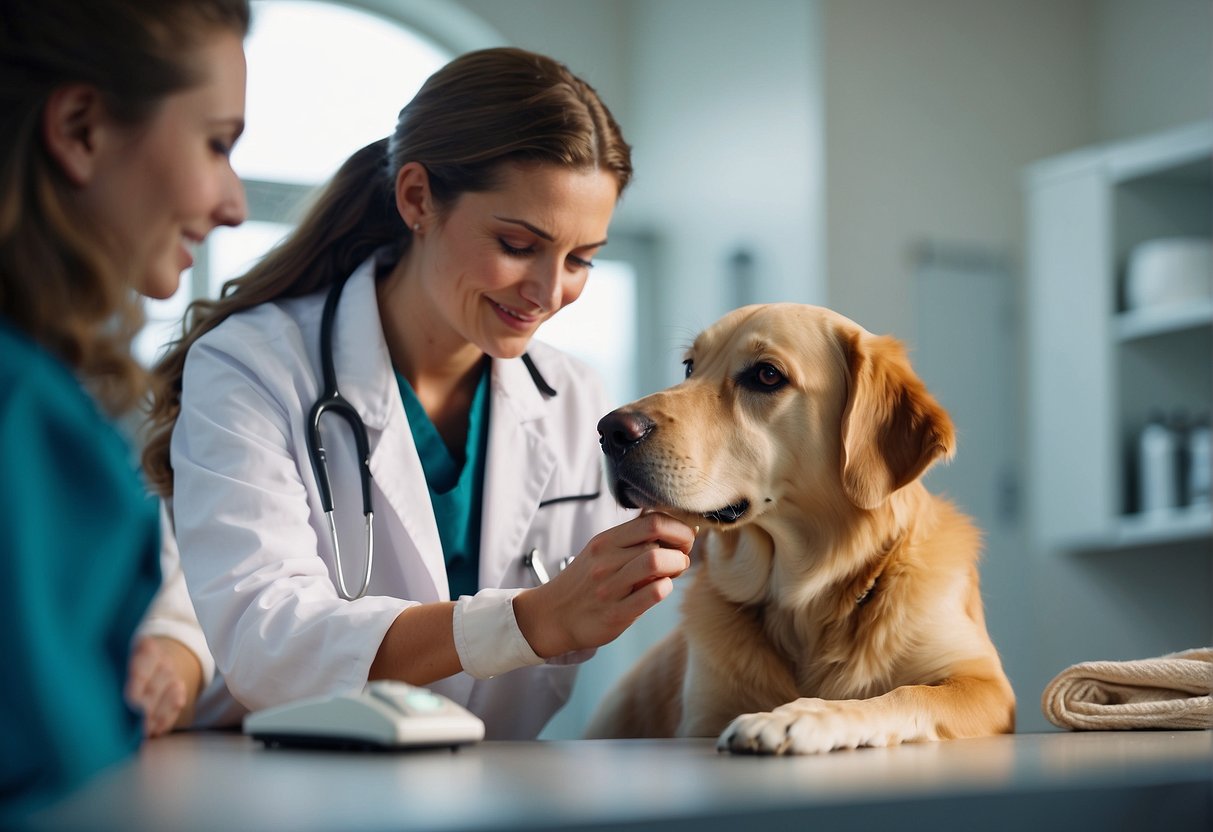
Diagnosing canine parvovirus (CPV) involves a comprehensive clinical examination followed by specific laboratory tests. These steps are crucial for an accurate diagnosis due to the severity of the disease and its potential consequences.
Clinical Examination
During the clinical examination, the veterinarian assesses the dog’s symptoms, which commonly include lethargy, vomiting, and diarrhea. The presence of a distinct metallic smell to the feces or a sudden onset of severe gastrointestinal symptoms can be indicative of parvo, especially in unvaccinated dogs or those with an unknown vaccination history.
Laboratory Tests
Laboratory tests are essential for a definitive diagnosis of parvo. They generally include:
- Fecal antigen testing: The detection of parvovirus in the dog’s feces using an ELISA kit is a common and rapid method to diagnose parvo.
- Blood tests: These can reveal a reduction in white blood cells, a hallmark sign of a parvovirus infection, and help rule out other potential causes of the dog’s symptoms.
Test Indicator Relevance to Parvo Fecal antigen Virus presence in feces Direct diagnosis White blood cell count Low levels Suggestive of parvo
Through the combination of a thorough clinical examination and specific laboratory tests, veterinarians can confirm whether a dog has contracted parvo and proceed with appropriate treatment.
Treating Parvovirus in Dogs

Treating canine parvovirus is intensive and centered on providing supportive care to manage symptoms, as there is no direct cure. The primary goals are to prevent dehydration, combat secondary infections, and support the dog’s strength until its immune system clears the virus.
Hospitalization and Supportive Care
For dogs diagnosed with parvovirus, hospitalization is often required, especially for severe cases. During hospitalization:
- Intravenous fluids are administered to maintain hydration and correct electrolyte imbalances.
- Nutritional support is provided since affected dogs often refuse to eat.
- Monitoring of vital signs ensures rapid response to changes in the dog’s condition.
Medications Used in Treatment
Several medications are employed in the treatment of parvovirus:
- Antibiotics to prevent or treat secondary bacterial infections.
- Anti-nausea medications help control vomiting and enable dogs to retain fluids.
- Antidiarrheals and gastroprotectants are sometimes used to reduce intestinal discomfort and soothe the gut.
Home Care After Hospitalization
Returning home after hospitalization, the dog’s environment should be:
- Clean and quiet to aid recovery without added stress.
- Well-hydrated, with ongoing access to fresh water, and possibly continuing subcutaneous fluids as instructed by a veterinarian.
- Isolated from other dogs to prevent the spread of the virus.
Recovery monitoring will include watching for return of appetite, normal stool production, and overall energy levels.
Prevention and Vaccination
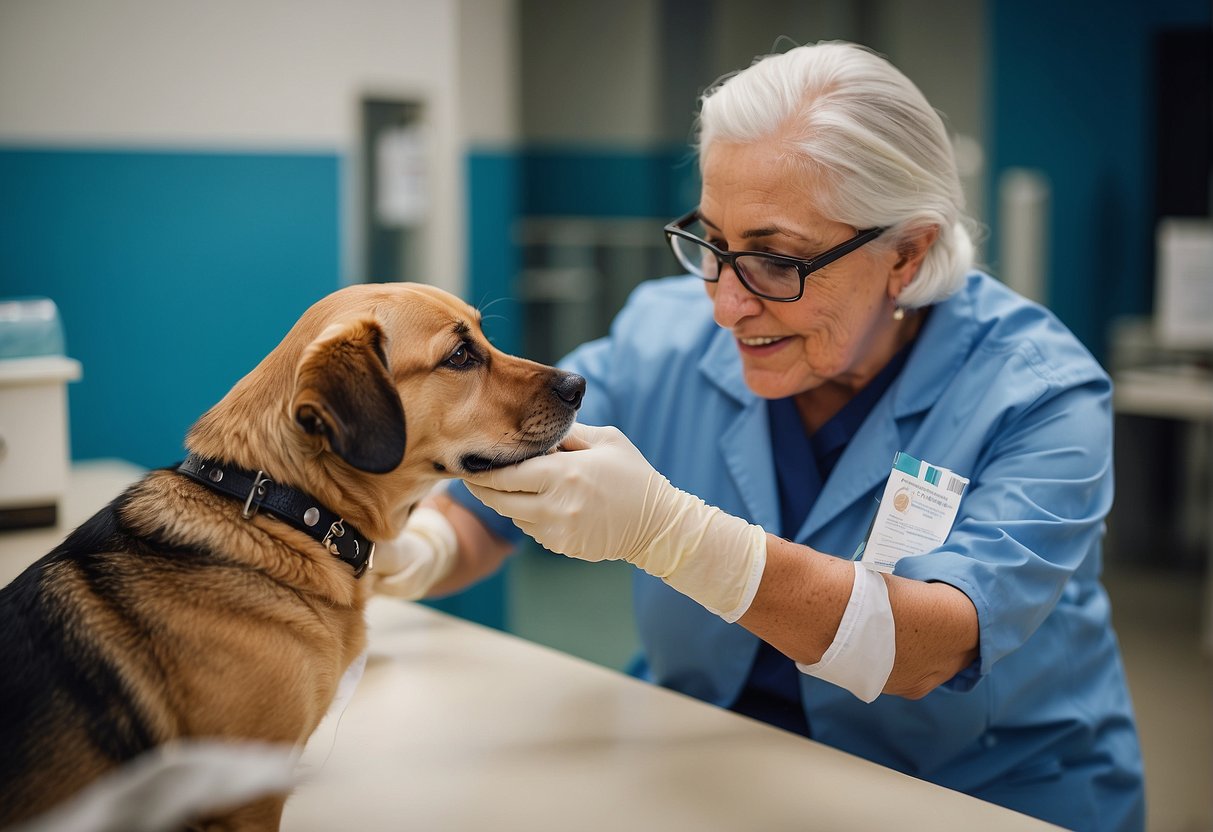
Effective prevention of parvovirus in dogs is predominantly achieved through systematic vaccination and booster programs. Establishing strong immunity is crucial for dogs of all ages, but especially for puppies and adult dogs that may have missed early vaccination schedules.
Vaccine Schedule for Dogs
The cornerstone of preventing canine parvovirus lies in adhering to a structured vaccine schedule. For puppies, the initial vaccination series typically begins around the age of six weeks, with subsequent doses administered at three- to four-week intervals until they are at least 16 weeks old. This series ensures that the young immune system of puppies is properly primed to fight off infections. The recommended schedule is as follows:
- Initial Vaccination: 6–8 weeks of age
- Follow-Up Vaccinations:
- 10–12 weeks of age
- 14–16 weeks of age
Booster Vaccinations
Booster vaccinations are critical to maintain immunity against parvovirus as the dog matures. Adult dogs generally require boosters every 1 to 3 years following the initial vaccination series based on the specific vaccine used and the veterinarian’s recommendation. A regular booster schedule upholds an adult dog’s immune defense, keeping it robust and prepared to combat exposure to the virus.
- First Booster: 1 year after completing the initial series
- Subsequent Boosters: Every 1 to 3 years
For adult dogs that may not have received their initial vaccinations or whose vaccination history is unknown, veterinarians will recommend a vaccination series similar to that of puppies, followed by regular boosters. It’s essential to keep both vaccinated and unvaccinated dogs away from environments where the virus might be present, especially until the vaccination series is complete.
Environmental Management
Effective environmental management is crucial in controlling the spread of parvovirus to older dogs. Prioritizing rigorous cleaning and strategic disinfection of contaminated areas is essential for maintaining a safe environment for all canines.
Cleaning and Disinfecting
When addressing parvovirus, regular cleaning followed by disinfection is paramount. Bleach solution is the disinfectant of choice due to its efficacy against the virus. For proper cleaning:
- Remove all organic matter such as feces or vomit.
- Clean surfaces with soap and water to ensure all organic material is gone.
- Prepare a bleach solution of 1 part bleach to 30 parts water.
- Apply the bleach solution to the area for at least 10 minutes before rinsing.
It is important to note that the virus can survive in the environment for months, so consistent application of this protocol is necessary.
Managing Contaminated Areas
A strategic approach to managing contaminated areas includes:
- Segregation: Keep infected animals completely separate from non-infected animals to prevent the spread of the virus.
- Kennels and Bedding: Regularly remove and wash all bedding in a bleach solution. Disinfect kennels with the recommended bleach solution ensuring that all surfaces are contacted.
- Footwear and Clothing: Those handling infected animals should use separate footwear and clothing that can be disinfected or disposed of after use.
- Outdoor Spaces: Contaminated soil and grassy areas should be considered a risk. Limit access to these spaces and apply the same level of disinfection as you would for indoor areas, where feasible.
The Impact of Parvo on Different Dog Breeds

Parvovirus can affect dogs of any breed, but some breeds exhibit a higher susceptibility to the virus. Understanding these breed-specific risks and research findings on breed susceptibility is imperative for dog owners.
Breed-Specific Risks
Certain dog breeds are known to be more susceptible to canine parvovirus. Breed-specific risks have been noted in the following:
- Rottweilers and Doberman Pinschers often show a higher risk for contracting parvo.
- German Shepherds and English Springer Spaniels have also been identified as breeds with an increased risk of infection.
- American Staffordshire Terriers and other breeds falling under the general category of retrievers, while popular and numerous, have shown vulnerability to parvo.
Research on Breed Susceptibility
- Studies have indicated that genetics may play a role in the level of risk each breed faces.
- Immunological research suggests that some breeds may have hereditary traits that impact their immune response to the parvovirus.
These findings underscore the importance of tailored vaccination protocols and vigilance in monitoring breeds identified as more susceptible to parvovirus.
Living With and Beyond Parvo

Parvovirus in dogs, particularly adult and older dogs, carries potential long-term effects and altercations to health post-recovery. Understanding these aspects ensures better care and management of a dog’s health after enduring this significant illness.
Long-Term Effects of Parvo
After a dog survives parvovirus, the recovery period can be extensive, with the virus sometimes leaving a lasting impact on their immune system. Recovery typically involves gradual recuperation of the gastrointestinal tract, which can be delicate for weeks to months post-illness. Some of the possible long-term effects include:
- Intestinal malabsorption, which leads to issues with nutrient uptake
- Weakened immunity, making the dog more susceptible to other diseases
- Chronic intestinal issues, such as inflammation or irritable bowel syndrome
Survival rates are closely tied to early detection and prompt treatment. Dogs that receive immediate care may avoid some of the more severe long-term effects and can restore much of their health.
Life After Recovery
Life after recovering from parvo usually requires careful management to ensure the ongoing health and wellbeing of the dog. For both adult and older dogs, recovery involves:
- Monitoring: Regular check-ups with a veterinarian to assess and monitor the dog’s progress
- Nutrition: A tailored, easily digestible diet to support intestinal healing
- Vaccinations: Keeping up to date with vaccinations to maintain immunity against future infections
A dog’s immune system post-parvo may be compromised initially, but it often regains strength over time. With the proper care and preventive measures, most dogs can continue to live full and healthy lives after recovery from parvovirus.
Financial and Emotional Considerations

When an older dog contracts parvovirus, the owners must prepare for the financial obligation of treatment and the emotional toll of supporting a pet through recovery. Consideration of these factors is crucial in navigating the journey ahead.
Cost of Treatment
Treatment for canine parvovirus can be extensive and expensive, especially in cases where hospitalization is necessary. Costs can vary significantly depending on the severity of the infection and the level of care required. On average:
- Hospitalization: $1,500 – $3,000
- Supportive Care: $500 – $1,500
Expenses typically include hospitalization, medications, intravenous fluids, and supportive care. A detailed breakdown might look like this:
- Hospitalization: $100 – $250 per day
- IV Fluids: $40 – $100 per day
- Medications: $20 – $100 per day
- Supportive Care: Varies based on treatments such as feeding tubes, blood transfusions, or antiemetics
Owners should consult with their veterinarian for a more precise estimate tailored to their dog’s condition.
Support for Owners
The emotional impact on a person caring for a sick pet is significant. Owners should seek out support groups, either online or in their community, to connect with others who are going through similar experiences. It’s important they remember to take care of their own emotional well-being, as this can affect their ability to provide care for their pet.
- Online Forums: Places to share experiences and receive advice.
- Local Support Groups: May offer in-person meetings for sharing and coping strategies.
Veterinarians and veterinary support staff can also be a source of information and emotional support. They understand the stress involved in a pet’s illness and can often provide reassurance regarding the recovery process.
Frequently Asked Questions
In this section, we address common concerns regarding parvovirus in senior dogs, focusing on symptoms, vaccine effectiveness, survival rates, and treatment protocols.
What are the symptoms of parvo in senior dogs?
Senior dogs with parvo may exhibit lethargy, loss of appetite, fever, vomiting, and diarrhea with a distinctive odor. These symptoms are indicative of a parvovirus infection and require immediate veterinary attention.
How does the effectiveness of the parvo vaccine vary with a dog’s age?
The parvovirus vaccine is considered a core vaccine and maintains its effectiveness in dogs of all ages. However, the immune response might be less robust in older dogs, necessitating vigilant monitoring of their health status.
What is the survival rate for older dogs diagnosed with parvo?
The survival rate for older dogs with parvo depends on prompt diagnosis and treatment. While age can be a factor, with aggressive treatment, older dogs can still have a fair prognosis.
Is it possible for a dog to contract parvo even after being vaccinated?
Yes, it is possible, though rare, for a dog to contract parvo even after being vaccinated, particularly if they have not received all necessary booster shots, or if their immune system is compromised.
Can an older dog that has been immunized spread parvo to puppies?
An older dog that has been properly vaccinated is unlikely to spread parvo. However, no vaccine offers 100% protection, and environmental factors may contribute to the spread of the virus.
What are the recommended treatment protocols for parvo in older dogs?
Treatment protocols for parvo in older dogs typically include hospitalization, IV fluids, anti-nausea medications, antibiotics, and close monitoring. Early intervention is crucial for the best outcome.