
As dogs age, they may experience a decline in cognitive function, a condition often compared to the early stages of Alzheimer’s disease in humans. This phenomenon in senior dogs is known as Cognitive Dysfunction Syndrome (CDS), and it can significantly impact their behavior and quality of life. Recognizing and understanding the signs of cognitive decline in senior dogs is a critical first step for pet owners. Common indicators include disorientation, changes in sleep patterns, and a decrease in social interactions.

Early diagnosis by a veterinary professional is key to managing the condition effectively. Treatment options may vary but commonly include a combination of behavioral and lifestyle interventions, dietary adjustments, and in some cases, medical therapies. By providing an environment that supports their mental health and adjusting the home to accommodate their changing needs, pet owners can greatly enhance the well-being of their aging canine companions. While there is no cure for CDS, proactive steps can help manage the symptoms and improve the quality of life for senior dogs.
Key Takeaways
- Cognitive decline in senior dogs is common and similar to Alzheimer’s in humans.
- Early recognition and veterinary diagnosis are vital for effective management.
- Behavioral changes, dietary adjustments, and a supportive home environment are key in care.
Understanding Cognitive Decline

As dogs age, they may experience a decline in cognitive function similar to Alzheimer’s in humans. This can manifest as a variety of behavioral changes and diminished mental abilities.
Definition and Signs
Cognitive Decline in dogs, also known as Canine Cognitive Dysfunction (CDS), presents various symptoms signaling changes in the brain’s function. Common signs include:
- Disorientation: Dogs may appear lost in familiar places.
- Memory loss: They might forget trained behaviors or routines.
- Confusion: A noticeable uncertainty in normal activities.
- Changes in sleep cycles: Disrupted sleep patterns often occur.
- Reduced social interaction: Dogs may show less interest in people or other pets.
Causes of Cognitive Decline
The decline in cognitive function in senior dogs is often attributed to the aging process which includes neuron loss and the buildup of proteins like beta-amyloid. This can disrupt normal brain function, leading to symptoms of dementia. Factors such as:
- Aging neurons: lead to reduced cognitive abilities.
- Beta-amyloid plaques: these deposits can interfere with neural signals.
- Other health issues: may exacerbate or mimic signs of cognitive decline.
Distinguishing Aging from CDS
It is essential to differentiate between normal aging and CDS. While aging can result in slowed responses and decreased physical activity, CDS embodies a more profound deterioration of cognitive function. Indicators that a dog may be suffering from CDS rather than simple aging include:
- Persistent disorientation beyond momentary confusion.
- Repeated memory lapses as opposed to occasional forgetfulness.
- Persistent alterations in behavior pointing towards cognitive impairment.
Identifying the Symptoms
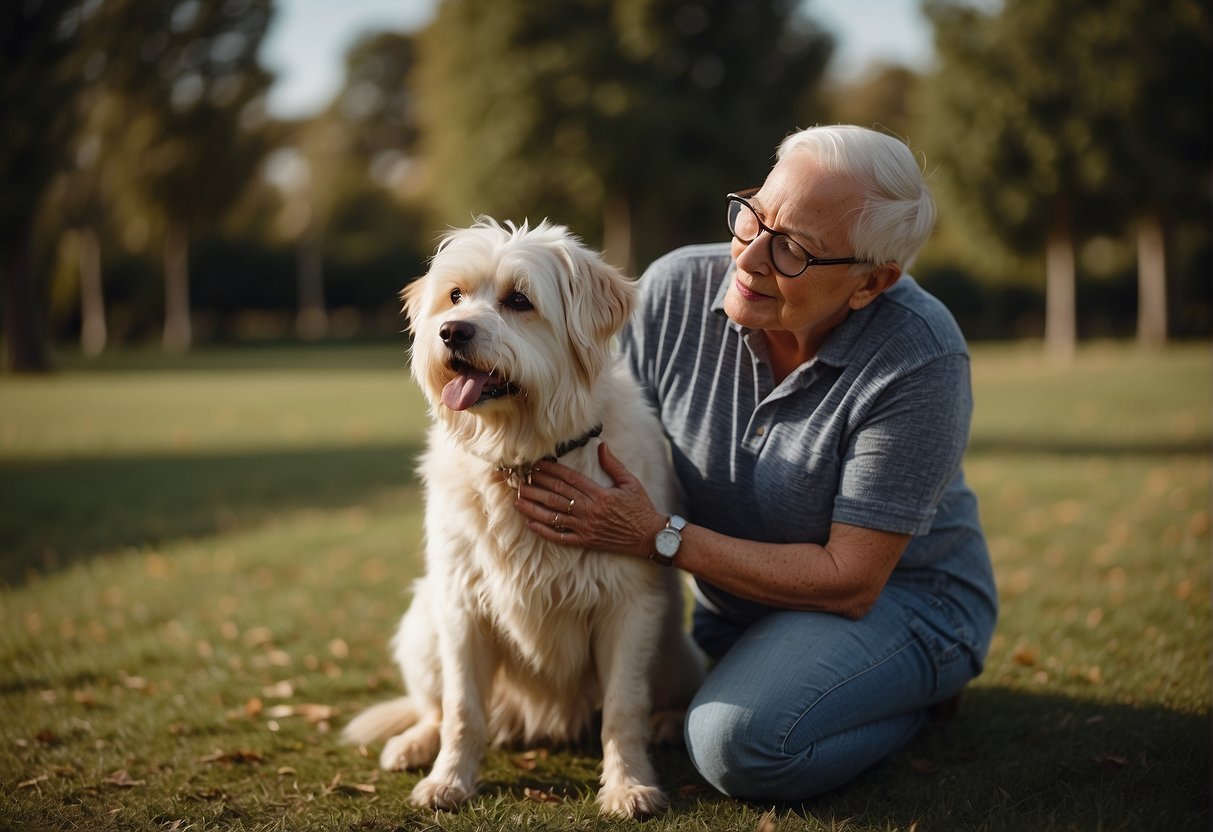
When a senior dog experiences cognitive decline, it’s crucial to recognize the clinical signs. These symptoms often manifest as behavioral changes and shifts in physical health.
Behavioral Changes
Senior dogs may exhibit a range of behavioral changes that can be indicative of cognitive decline. These changes become more noticeable over time and understanding them is vital for early intervention.
- Disorientation: They might appear confused in familiar environments, which can include getting lost in their own home or yard.
- Behavioral Anxiety: Increased anxiety may be noted, especially in situations that previously did not cause stress. This could manifest in a variety of ways, from tremors to excessive barking.
- Sleep-Wake Cycle Changes: A disrupted sleep-wake cycle often leads to restlessness at night, and unusual amounts of sleep during the day.
- Urinating Indoors: House soiling in dogs that were previously well house-trained may indicate a decline in cognitive function.
- Social Interactions: Changes can include reduced interest in social interactions or, conversely, a heightened need for attention.
Physical Health Indicators
Beyond changes in behavior, physical cues can also signal cognitive trouble in senior canines.
- Activity Level: There may be a noticeable decrease in activity, with dogs displaying a lack of interest in play or walks.
- Repetitive Motion: Increased repetitive activities such as pacing, wandering aimlessly, or walking in circles could be signs of confusion or anxiety.
- Health Status: While cognitive decline can cause changes in a dog’s behavior, physical symptoms potentially tied to other health issues might also be present and should not be overlooked. It’s important to consult a veterinarian to distinguish these physical health indicators from the cognitive decline.
Professional Diagnosis

When dealing with cognitive decline in senior dogs, a thorough professional diagnosis is crucial to develop an effective management plan. The following subsections detail the two primary components of professional diagnosis: veterinary assessment and diagnostic tests.
Veterinary Assessment
Veterinarians play a pivotal role in the diagnosis of cognitive issues in dogs. During an assessment, the veterinarian will obtain a comprehensive history from the owner, focusing on any changes in behavior or daily routines. Symptoms such as disorientation, altered interactions, sleep disturbances, and house soiling could point to Cognitive Dysfunction Syndrome (CDS). A thorough physical examination helps determine if these symptoms are linked to CDS or other conditions that could mimic cognitive decline, such as sensory loss or orthopedic pain.
Diagnostic Tests
To confirm a diagnosis of CDS and rule out other conditions like brain tumors, a veterinarian may recommend diagnostic tests. These might include:
- Bloodwork and Urinalysis: To check for underlying medical issues that could affect cognitive function.
- MRI: A powerful imaging tool used to examine the brain for structural changes or the presence of tumors.
- Other tests could be advised depending on the initial findings.
A definitive diagnosis of CDS is often made based on ruling out other diseases that can cause similar signs and correlating the clinical findings with the history provided by the owner.
Treatment Options

Effective management of cognitive decline in senior dogs involves a multi-faceted approach, incorporating medications, dietary adjustments, and environmental modifications to support the dog’s cognitive function and quality of life.
Medications
Selegiline: As a widely-recognized treatment for canine cognitive dysfunction (CDD), selegiline hydrochloride helps mitigate symptoms by enhancing brain activity. It’s crucial for a veterinarian to prescribe and monitor this medication, as it is specific to the needs of the dog.
Supplements and Diet
- Antioxidants and Omega-3 Fatty Acids: A diet rich in antioxidants and omega-3 fatty acids can support brain health. Supplements such as vitamin E and C, and fatty acids like Docosahexaenoic acid (DHA), may be recommended.
Supplement Potential Benefit Vitamin E Protects cells from oxidative damage Vitamin C Supports cognitive health and immune function Omega-3 Maintains cell membrane integrity and brain function - Nutritional Adjustments: Incorporating foods and supplements that support cognitive health can be crucial. Consultation with a veterinarian can determine the best diet tailored for a senior dog’s specific needs.
Environmental Management
A stable and enriched environment can significantly reduce stress and confusion in dogs experiencing cognitive decline. Key strategies include:
- Consistent Routine: Maintaining a regular schedule for feeding, walks, and sleep can provide a sense of stability.
- Physical and Mental Enrichment: Encouraging play and problem-solving activities helps keep a dog’s mind engaged. Simple puzzle toys or new commands can stimulate mental activity.
The integration of these treatment options, tailored to an individual dog’s condition and lifestyle, should be pursued under the guidance of a veterinary professional.
Behavioral and Lifestyle Interventions
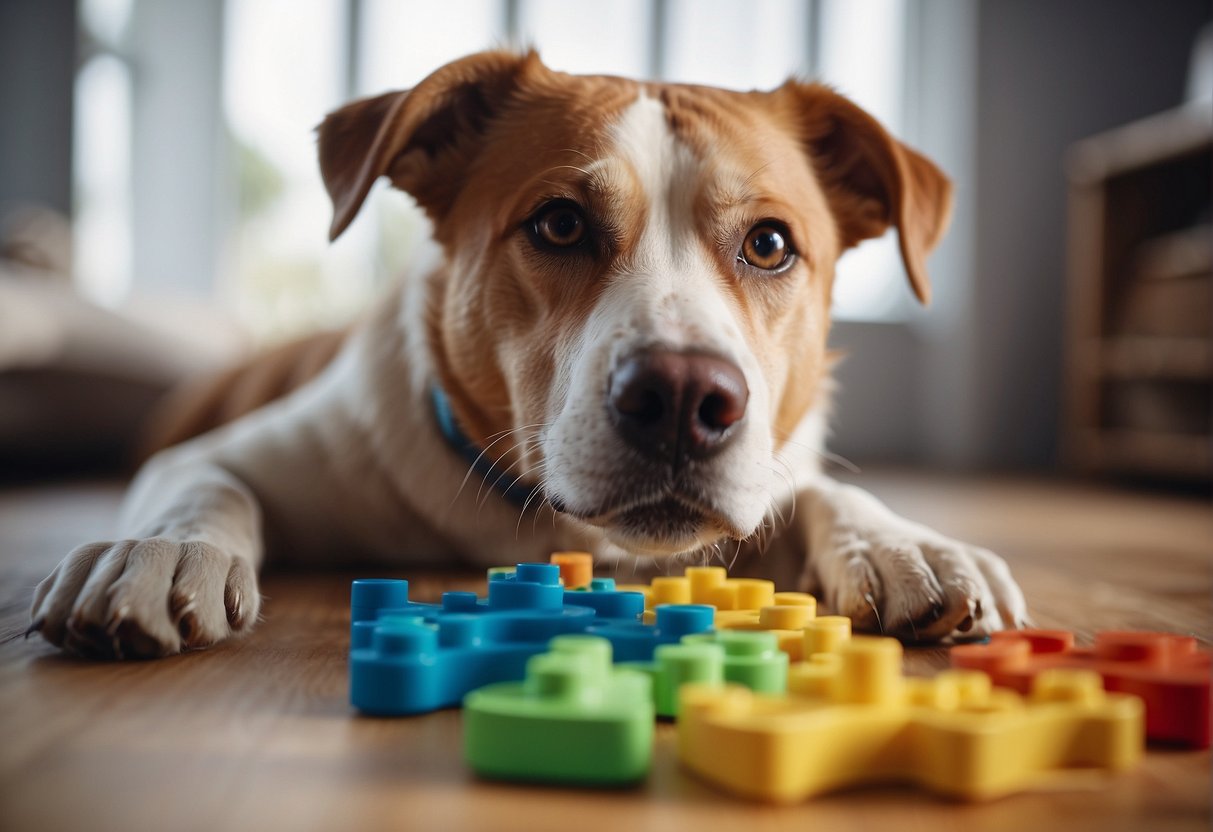
Senior dogs often experience a decline in cognitive function, but through specific lifestyle adaptations focusing on physical and mental health, this decline can be managed. Implementing consistent routines and stimulating activities are integral to supporting an older dog’s mental acuity.
Exercise and Physical Activity
Regular exercise is crucial for maintaining physical health in senior dogs and can also have a positive impact on cognitive function. Activities should be appropriate for the dog’s age and health status:
- Daily walks: short, gentle walks to keep joints mobile and maintain muscle tone.
- Swimming: low-impact exercise that can benefit older dogs with arthritis.
Tailoring the physical activities to the dog’s endurance levels helps prevent overexertion while providing the necessary stimulation.
Mental Stimulation and Enrichment
Mental stimulation is as important as physical exercise in combating cognitive decline. Engaging in mentally stimulating activities can enhance cognitive function:
- New tricks or commands: encourages focus and mental engagement.
- Puzzle toys: offer environmental enrichment by challenging the dog’s problem-solving skills.
Combining play with learning keeps the mind active and can slow the progression of cognitive decline.
Routine and Familarity
Maintaining a consistent routine offers senior dogs a sense of security and can reduce anxiety associated with cognitive decline. Elements of routine can include:
- Feeding schedules: regular meal times.
- Consistent sleep areas: a familiar and comfortable resting place.
Preserving familiarity in the dog’s environment helps them navigate their daily life with more ease, thereby supporting their cognitive well-being.
Dietary Adjustments and Nutrition

Proper nutrition can slow the progression of cognitive decline in senior dogs by addressing specific dietary needs and incorporating beneficial supplements.
Feeding Strategies
In managing cognitive decline, feeding strategies should prioritize diets formulated for senior dogs that may help maintain brain health. Diets high in omega-3 fatty acids and antioxidants are recommended, as they can protect against oxidative damage to brain cells. Specifically, DHA (docosahexaenoic acid), an omega-3 fatty acid, is noted for its potential to support cognitive function.
Beneficial Supplements
Supplements can play a pivotal role in nutrition for senior dogs with cognitive issues:
- Medium Chain Triglycerides (MCTs): These fats can be converted into ketones, which provide an alternative energy source for brain cells, potentially supporting cognitive health.
- Vitamin E and Antioxidants: These are important for combating oxidative stress and can be included in a dog’s diet to help protect nerve cells.
- Fatty Acids: Omega-3 fatty acids, like EPA (eicosapentaenoic acid) and DHA, are beneficial for overall brain health.
Medical Therapies and Interventions
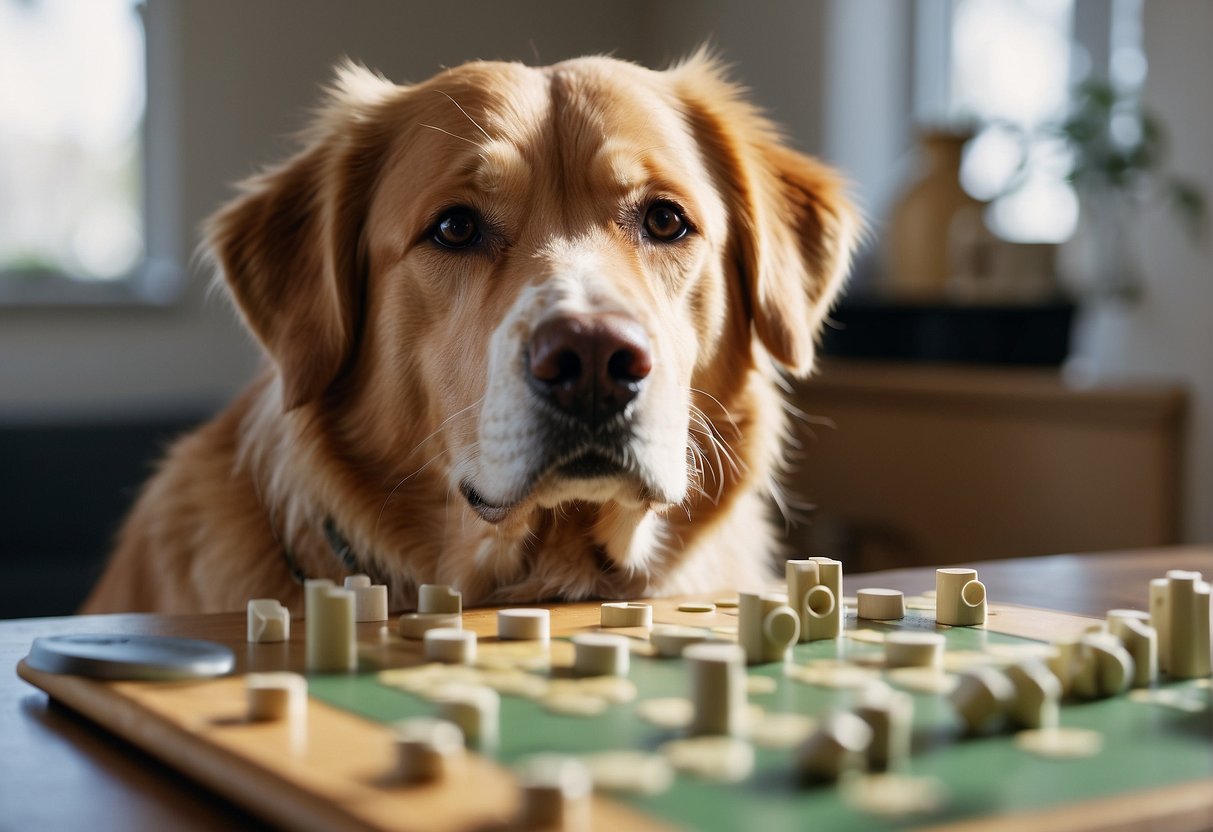
When confronting cognitive decline in senior dogs, veterinary medicine offers a range of pharmaceutical treatments and alternative therapies. These interventions aim to manage symptoms, improve quality of life, and potentially slow the progression of the condition.
Pharmaceutical Treatments
Medication: Several medications are prescribed to manage symptoms of cognitive decline. Selegiline, sold under the brand name Anipryl, is one of the primary pharmaceuticals used. It works by altering the balance of natural chemicals in the brain and has shown efficacy in alleviating some of the symptoms associated with cognitive dysfunction syndrome (CDS).
- Treatment Protocols: Prescribing medication involves a thorough evaluation by a veterinarian, careful dosing, and monitoring for side effects.
- Specific Drugs: Alongside Selegiline, other medications might be used off-label to manage particular symptoms, though they should be administered under strict veterinary guidance.
Alternative Therapies
Supplements and Antioxidants: In addition to pharmaceuticals, supplements are suggested to support brain health. Notable supplements include:
- Antioxidants: These compounds combat oxidative stress, which is implicated in age-related cognitive decline. Common antioxidants used include Vitamin E and C.
- Commercial Supplements: Products like Senilife and Novifit contain a blend of antioxidants and other compounds designed to support neural function in aging dogs.
Dietary Adjustments: A diet rich in antioxidants and specific nutrients, advised by a veterinarian, may contribute positively to an older dog’s cognitive health.
Implementing medical therapies or alternative interventions for senior dogs with cognitive decline requires careful consideration and oversight by a qualified veterinarian. These treatments may offer notable benefits and improve a dog’s cognitive functioning and overall well-being.
Supporting Your Dog’s Mental Health

Senior dogs experience a range of cognitive changes that can affect their daily lives. As their guardians, it is crucial to actively support their mental health through targeted activities that promote cognitive function and engagement.
Cognitive Training and Commands
Cognitive training is essential for maintaining and enhancing a senior dog’s mental faculties. Implementing a routine that includes memory exercises can help. Recall games such as ‘find the treat’ or ‘which hand’ encourage dogs to use their sense of smell and memory to solve simple problems. Consistent practice of basic commands, like sit, stay, and come, can keep a dog’s learning and memory sharp, as well as provide a sense of structure and security.
Behavioral changes in senior dogs may include confusion or disorientation. Introducing new training techniques or modifying existing ones to accommodate these changes can help a dog adjust. For example, utilizing visible and tactile cues, like hand signals or distinct sounds, can aid dogs with diminishing hearing or sight.
Interactive Play and Socialization
Interactive play is a powerful tool for mental stimulation. Puzzle toys designed for dogs are an excellent way to engage their problem-solving skills. These toys often require dogs to manipulate them in specific ways to receive a reward, like food or a toy, providing both mental exercise and physical engagement.
Socialization plays a key role in a dog’s mental health. Safe and controlled interactions with other dogs or people can greatly enrich a senior dog’s environment. These interactions can be particularly beneficial for boosting their mood and preventing feelings of isolation or anxiety.
Regular, gentle play serves as both exercise and a way to maintain social bonds. Games that are less physically demanding but still require attention, such as gentle tug-of-war or fetch with a soft toy, are ideal for keeping a senior dog mentally engaged without excessive strain.
Adjusting Home Environment

When addressing cognitive decline in senior dogs, enhancing their home environment is crucial for maintaining safety and reducing stress. The layout and atmosphere should support ease of movement and familiarity to avoid disorientation.
Safety and Accessibility
In creating a secure environment for a senior dog, maintaining familiarity and routine is critical. Owners should ensure furniture remains in the same location, as frequent changes can cause anxiety and disorientation in dogs with cognitive issues. It’s beneficial to:
- Keep walkways clear of clutter to prevent accidents.
- Use tactile cues such as rugs and runners to help their pet navigate through familiar routes in the home.
To aid dogs with altered sleep patterns and those that become disoriented at night:
- Nightlights can be installed to assist with visibility after dark.
- Providing a safe, accessible bed can help maintain consistent sleep routines.
Comfort and Stress Reduction
Creating a tranquil environment helps reduce anxiety in senior dogs dealing with cognitive decline. Here are specific measures to consider:
- Upholding a predictable daily routine helps to lower stress levels and provides a sense of security.
- Introducing audible cues such as a consistent sound from a TV or radio can provide company and aid in orientation.
One’s pet’s bedding area should be a comfort zone:
- Locate their bed in a quiet, safe part of the house.
- Ensure the bedding is comfortable and warm to promote restful sleep.
End-of-Life Considerations

When caring for senior dogs with cognitive decline, it is crucial to closely monitor their quality of life and consider the appropriate end-of-life care. This typically involves an assessment of their well-being and the implementation of palliative measures designed to minimize discomfort as their condition deteriorates.
Quality of Life Assessment
A Quality of Life Assessment is a systematic approach to evaluate the well-being of dogs suffering from cognitive decline, a progressive disease often seen in aging canines. This assessment should consider specific criteria, including:
- Appetite: Regular eating patterns or a decline in food intake.
- Hygiene: Ability to remain clean and the frequency of accidents.
- Mobility: Ease of movement or difficulty with coordination.
- Behavioral Changes: Disorientation or altered sleep cycles.
Caregivers can use scoring systems to determine the severity of symptoms and to help guide decision-making about the dog’s future care.
Palliative Care
Palliative Care is focused on providing relief from the symptoms and stress of a serious illness. For senior dogs with cognitive decline, this may involve:
- Comfort Measures: Soft bedding, accessibility to favorite resting places, and pain management.
- Environmental Management: Creating a safe and familiar environment to prevent injury and provide mental stimulation.
- Supportive Therapies: Medications or supplements prescribed by a veterinarian intended to slow the progression of symptoms.
This care does not aim to cure the cognitive decline but to ensure the dog maintains the highest quality of life possible during the course of this incurable, progressive disease. The prognosis for cognitive decline in dogs is variable and typically focuses on managing the outcome for the best possible quality of life.
Frequently Asked Questions

When managing canine cognitive dysfunction (CCD), owners often have questions regarding treatment and care. The following are answers to common concerns regarding dietary modifications, medications, symptom identification, considerations for euthanasia, the use of supplements, and age-related differences in CCD.
What dietary changes can help manage canine cognitive dysfunction?
Switching to a diet rich in antioxidants, omega-3 fatty acids, and medium-chain triglycerides may be beneficial. These nutrients can support brain health and potentially slow the progression of cognitive decline.
What medications are available to treat cognitive dysfunction in dogs?
Selegiline is a medication that has been approved for treating CCD; it works by increasing the levels of dopamine in the brain. Other medications may also be used off-label to manage symptoms, and a veterinarian can provide the best recommendations.
How can you identify the symptoms and progression of cognitive dysfunction in dogs?
Early signs include disorientation, changes in social interactions, sleep disturbances, and house soiling. The DISHAA assessment guide can be used to track these symptoms and assess the progression of the disease.
At what point should one consider euthanasia for a dog suffering from dementia?
Euthanasia may be considered when a dog’s quality of life is significantly impacted, and when symptoms of CCD cannot be effectively managed to allow the dog to live comfortably.
What role do supplements play in the treatment of canine cognitive dysfunction?
Supplements such as those containing antioxidants, omega-3 fatty acids, and Senilife® may support cognitive health. However, they should be used as part of a broader treatment plan under veterinary guidance.
How does canine cognitive dysfunction differ in younger dogs compared to senior ones?
CCD primarily affects senior dogs due to age-related degeneration of brain tissues. While younger dogs can experience cognitive issues, these are generally due to different underlying causes and not classified as CCD.