
Incontinence in older dogs is a common issue that pet owners may face as their canine companions age. The condition, characterized by the involuntary release of urine, affects dogs of both sexes and can significantly impact their quality of life. While it is often associated with the natural aging process, incontinence should not be considered normal and can be indicative of underlying health problems. Understanding the potential causes and recognizing the signs are critical steps in seeking appropriate care for an incontinent pet.
The health conditions that can lead to incontinence in aging dogs range from urinary tract infections and kidney disease to more chronic issues like arthritis or cognitive decline. These medical issues can weaken the muscles controlling the bladder or affect the dog’s ability to position themselves properly for urination. Female dogs, in particular, may be more susceptible due to the effects of hormones and physical changes following spaying. Early detection of symptoms, followed by accurate diagnosis, is essential in managing incontinence effectively.
Key Takeaways
- Involuntary urine release in older dogs is a treatable condition and not just a normal part of aging.
- Several health issues, including urinary tract infections and kidney disease, can cause incontinence.
- Female dogs may be at a higher risk for incontinence due to hormonal and physical changes.
Understanding Incontinence in Older Dogs

Incontinence in older dogs often manifests as an involuntary loss of urine, impacting their quality of life. As a dog ages, it may experience changes in bladder control due to a variety of underlying health issues.
Causes
Senior dogs may develop urinary incontinence for several reasons, including:
- Hormone deficiency: A common issue, especially in spayed female dogs, where reduced estrogen and testosterone levels affect bladder control.
- Urinary tract infections (UTIs): These can irritate the bladder, causing leakage.
- Kidney disease: Affects the body’s ability to concentrate urine and maintain proper elimination.
- Arthritis: Makes it harder for dogs to assume the position to urinate properly, leading to accidents.
- Dementia: Can cause a dog to forget previously learned housetraining.
Recognizing Symptoms
Owners may notice the following signs in their senior dog:
- Wet spots on bedding or furniture
- Frequent licking of the urinary opening
- Dribbling urine
Management
Management strategies can improve an older dog’s quality of life. It’s critical to consult a veterinarian if incontinence is suspected. They may suggest:
- Medications: To strengthen bladder muscles or replace hormones
- Dietary changes: To support urinary health
- Exercise: To help maintain muscle tone and manage weight
Older dogs with incontinence require compassionate care. Monitoring their health and maintaining a routine can provide them with comfort and dignity in their senior years.
Common Causes of Canine Incontinence
Incontinence in dogs can stem from various factors, often involving underlying health conditions. This section explores key reasons for incontinence in older dogs, focusing on physiological changes and diseases that can compromise urinary control.
Age-Related Muscle Weakness
As dogs age, they may experience a weakening of the bladder sphincter, which can lead to urinary incontinence. This condition is known as urethral sphincter mechanism incompetence (USMI) and is especially prevalent in older female dogs. The weakening muscle may not be able to close completely, leading to involuntary urine leakage.
Hormonal Imbalance
In spayed female dogs, estrogen deficiency is a common cause of a weak bladder sphincter. Estrogen is crucial for maintaining muscle tone of the urethral sphincter. A lack of this hormone can reduce sphincter competence, resulting in incontinence.
Urinary Tract Infections
Urinary tract infections (UTIs) may cause temporary incontinence in dogs of any age, including the senior population. The infection can irritate the bladder, causing an urgent need to urinate and sometimes involuntary urine leakage.
Anatomic Abnormalities
Dogs can be born with congenital abnormalities, like ectopic ureter, which is more common in certain breeds. This condition occurs when the ureter does not connect correctly to the bladder, causing urine to bypass the sphincter muscles and leading to incontinence. Moreover, anatomic irregularities can develop over time and disrupt normal urinary function.
Symptoms and Diagnosis
When a dog exhibits changes in urinary habits, it is crucial to determine whether these signs are attributable to incontinence. Accurate diagnosis hinges on recognizing symptoms and conducting appropriate diagnostic tests.
Recognizing Incontinence in Dogs
Symptoms of incontinence in dogs include:
- Dribbling urine: This may occur while the dog is standing or walking, without squatting.
- Wet spots: These are often found on the dog’s bedding or in places they rest.
- Persistent odor: A noticeable smell of urine on the dog or in common resting areas.
Observing these signs warrants a veterinary consultation to ascertain the cause and rule out other conditions that can mimic incontinence.
Diagnostic Procedures
To diagnose incontinence, veterinarians typically proceed through the following tests:
- Physical Examination: An initial examination to look for signs of incontinence and related health issues.
- Urinalysis: A critical test to evaluate the urine for signs of infection, crystals, or other abnormalities.
- Blood Tests: These are used to assess overall health and kidney function.
- Imaging Techniques:
- Ultrasound: Provides a real-time view of the bladder and kidneys.
- X-rays: Can reveal stones, tumors, or other structural issues within the urinary tract.
Each of these diagnostics contributes to a thorough understanding of the dog’s condition and guides the subsequent treatment approach.
Treatment Options for Incontinence
When it comes to managing incontinence in older dogs, treatment options are numerous and can be highly effective. They range from medical interventions to surgical corrections, with some alternative therapies available as supportive measures.
Medical Treatments
Medications play a pivotal role in treating canine urinary incontinence. Phenylpropanolamine is commonly prescribed to tighten the bladder sphincter muscles. For spayed females, estrogen supplements, such as diethylstilbestrol, may be used to increase urethral sphincter tone. In certain cases, testosterone supplements can help male dogs with incontinence. Prescriptions are tailored to individual needs, ensuring appropriate dosage and monitoring for side effects.
Surgical Procedures
Surgery may be an option when medication does not provide adequate control of incontinence. Procedures to reposition the bladder neck or to create an artificial sphincter can be effective. Urethral collagen injections have also been utilized to improve sphincter competency. Surgical intervention is generally considered when other treatments have failed, and a veterinarian can determine the most appropriate procedure based on the dog’s specific condition.
Alternative Therapies
In addition to mainstream treatments, there are alternative therapies that may assist in managing incontinence, although they should not replace conventional treatment. These can include acupuncture tailored for urinary control and chiropractic care, which could help if the incontinence is related to spinal issues. Specialized diets or supplements that promote urinary health may also be recommended. It’s essential to consult with a veterinarian before starting any alternative therapy.
Managing Incontinence at Home
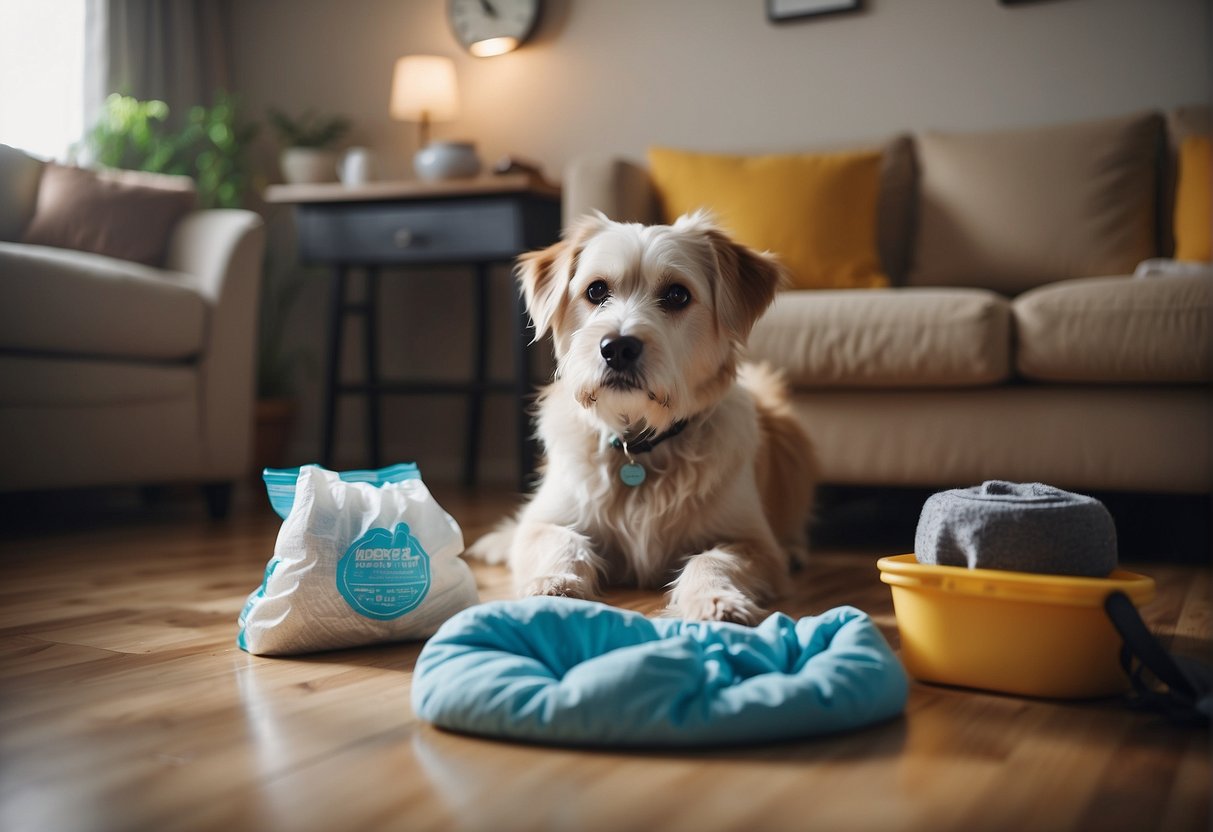
When addressing incontinence in older dogs, effective management involves both appropriate hygiene and adjusting the home environment to maintain cleanliness and comfort.
Hygiene and Home Care
For managing incontinence, it is critical to keep the dog clean to prevent infections and discomfort. Frequent baths may be necessary, and caregivers should gently wash the dog’s hindquarters after every accident. Dog diapers can be used to protect the home and keep the dog dry; there are disposable and washable options suitable for different sizes and breeds. It’s crucial to change diapers regularly to prevent urine scald and dermatitis.
In the home, owners can place pee pads in the dog’s resting area and other strategic locations. These pads are absorbent and can be disposed of easily. Waterproof pads, on the other hand, are reusable and can be placed on furniture or bedding where the dog spends a lot of time. For male dogs, belly bands that wrap around the dog’s waist can also be used to contain leaks.
Maintaining hygiene involves trimming the fur around the dog’s lower abdomen and rear to minimize soiling. Regularly washing and changing the dog’s bedding — or adding a layer of a waterproof pad — will also help in keeping the dog comfortable and preventing any lingering odors or bacteria growth.
The Impact of Nutrition and Lifestyle
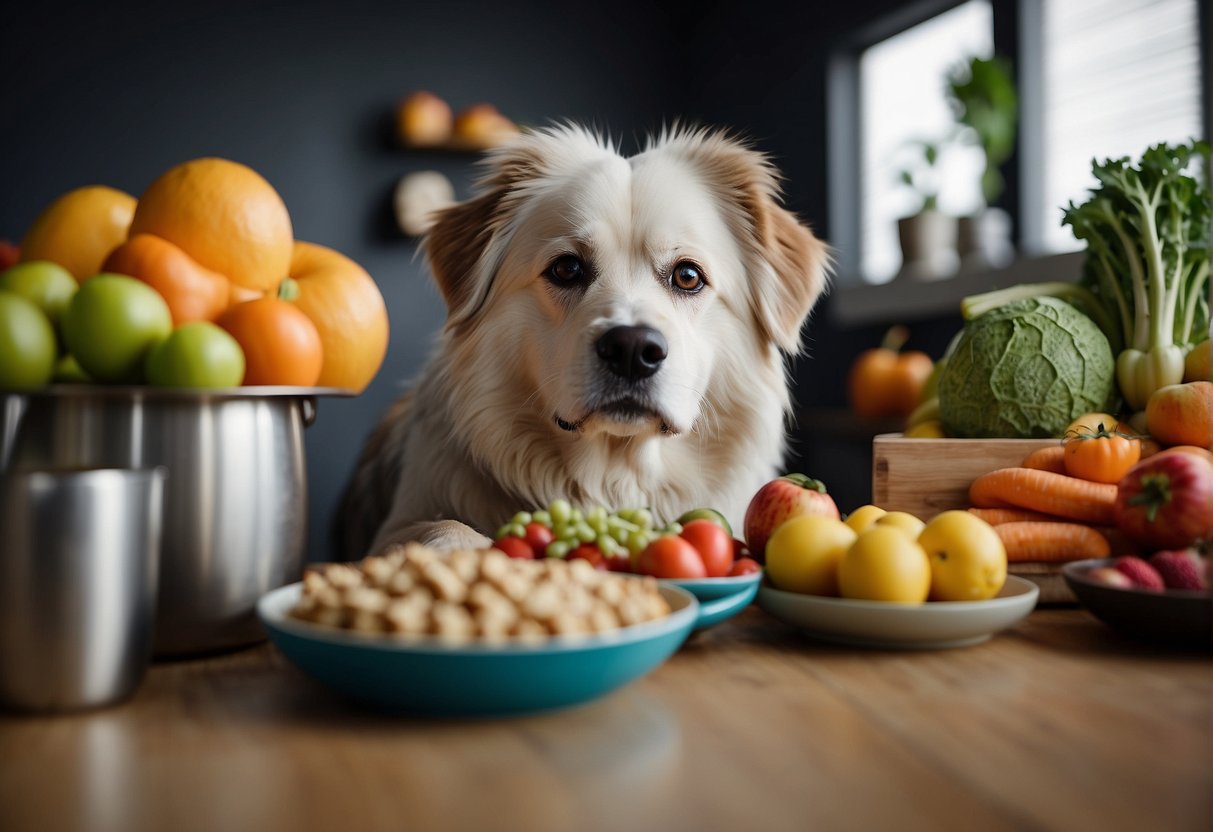
Proper nutrition and a healthy lifestyle are vital for managing incontinence in older dogs. They play a crucial role in overall bladder health and can influence the severity of incontinence symptoms.
Dietary Considerations
The diet of an older dog should be formulated to support urinary health and prevent obesity, which can exacerbate incontinence. A balance of nutrients is crucial:
- Protein: High-quality protein supports muscle tone, including the muscles of the urinary tract.
- Fiber: Adequate fiber can help maintain a healthy weight and reduce the chances of obesity.
- Fats: Essential fatty acids are important for nervous system health, which is integral to bladder control.
Diets rich in antioxidants may also support healthy aging and mitigate issues that lead to urinary incontinence. Additionally, it’s vital to provide plenty of fresh water to encourage regular urination and flush out toxins that might irritate the bladder.
Exercise and Weight Management
Regular exercise helps maintain a healthy weight and supports overall muscle tone, including the muscles involved in bladder control. An exercise regimen for an older dog with incontinence might include:
- Regular Walks: Daily walks tailored to the dog’s fitness level can help manage weight and sustain muscle strength.
- Controlled Play: Engaging in gentle play activities that encourage movement without putting too much strain on the dog’s body.
An overweight dog is more prone to incontinence due to increased pressure on the bladder. Therefore, weight management through diet and exercise is not just beneficial for overall health, but can specifically contribute to managing incontinence in older dogs. Regular check-ins with a veterinarian can help tailor a plan right for an individual dog’s needs.
Complications and Associated Health Issues
In older dogs suffering from incontinence, several complications and corresponding health issues warrant attention. The body’s inability to properly store and eliminate urine can lead to secondary concerns impacting the dog’s overall well-being.
Secondary Health Concerns
Urinary incontinence in older dogs can lead to various secondary health concerns. Prolonged exposure to urine can cause skin infections or irritations due to the moisture against the skin. This is especially concerning in dogs that are less mobile and may not move away from a damp sleeping area.
Kidney Disease: Incontinence can sometimes be a symptom of underlying kidney disease where the kidneys fail to concentrate urine, leading to increased urination.
Bladder Stones: They may complicate incontinence, as these can cause irritation of the bladder lining, leading to an increased urgency to urinate that the dog cannot control.
Diabetes: This condition can also cause increased thirst and urination, complicating cases of incontinence in diabetic dogs.
Tumors: Abnormal growths within the urinary tract can obstruct proper urine flow, contributing to episodes of incontinence.
Health Problems Related to Cushing’s Disease: Dogs with Cushing’s disease often produce excessive amounts of cortisol, which can lead to increased urination and subsequent incontinence.
Incontinence itself is not a disease but often a symptom of these underlying complications that can affect a dog’s health profoundly. Managing the primary cause of incontinence, therefore, becomes crucial in alleviating the secondary health concerns.
Special Considerations for Female Dogs
In dealing with older female dogs, one must be aware of specific issues related to incontinence. Spaying and hormone-responsive incontinence are crucial factors to consider.
Incontinence After Spaying
After spaying, female dogs may experience a decrease in estrogen and testosterone levels, which can impair their urinary sphincter mechanism. This condition, known as hormone-responsive incontinence, predominantly affects middle-aged to older spayed female dogs. They may involuntarily leak urine, often while resting or sleeping.
Key Facts:
- Incidences: More common in spayed females
- Onset: Typically occurs at a mature age
- Mechanism: Weakening of the urethral sphincter due to hormonal changes
Management and Treatment Options:
- Medication: Estrogen supplements or medications that increase urethral sphincter tone can be effective.
- Non-Medical Management: Incorporating frequent bathroom breaks, utilizing incontinence pads, and waterproof bedding can help manage symptoms.
It is essential for pet owners to consult with a veterinarian to determine the most appropriate treatment option for their dogs, ensuring both the animal’s comfort and the maintenance of a clean home environment.
Behavioral and Cognitive Factors
As dogs age, they often exhibit a range of behaviors linked to cognitive decline, such as increased anxiety and potential incontinence issues. These behavioral changes can be directly associated with underlying cognitive dysfunctions.
Understanding the Role of Dementia
Dementia in dogs, also known as canine cognitive dysfunction (CCD), can lead to a noticeable decline in several cognitive functions. Dogs with dementia may display:
- Disorientation: Difficulty navigating familiar environments.
- Altered social interactions: Changes in the way they interact with humans and other pets.
- Sleep-wake cycle disturbances: Increased restlessness at night or sleeping more during the day.
- Memory loss: Forgetting previously learned commands or house training, which can result in incontinence.
The presence of anxiety in older dogs can often be a response to their declining cognitive abilities. They may become more anxious due to confusion or a decreased ability to cope with changes in their environment.
Incontinence can be particularly challenging as it not only affects the dog’s quality of life but also impacts the caregiver’s routine. The condition might not stem solely from physical ailments; cognitive factors like senility can disrupt a senior dog’s ability to control bladder functions. It is crucial to distinguish between behavioral incontinence related to dementia and incontinence caused by other medical issues, as the treatment approach may differ for each.
When to Consult a Veterinarian
Owners of older dogs often face the challenge of incontinence. Understanding the clinical signs and knowing when to seek veterinary assistance is crucial for the dog’s health and well-being.
Clinical Signs to Watch For:
- Unexpected Accidents: If a house-trained dog starts having accidents indoors, this is a strong indicator that a veterinary check-up is needed.
- Dribbling Urine: If a dog drips urine when walking or resting, it may signify a medical condition that requires attention.
- Lethargy or Behavioral Changes: Changes in behavior, such as increased lethargy, may accompany incontinence and warrant a professional diagnosis.
Steps for Seeking Veterinary Help:
- Initial Observation:
- Keep a record of the incontinence episodes, noting frequency and any noticeable patterns or changes in behavior.
- Veterinary Clinic Visit:
- Schedule a visit to a veterinary clinic for a thorough examination. Be prepared to discuss the dog’s medical history and the observed symptoms.
- Diagnostic Tests:
- The veterinarian may conduct urine and blood tests to determine the cause of the incontinence. They will also rule out common issues such as urinary tract infections.
- Treatment Plan:
- Following a diagnosis, the veterinarian will recommend an appropriate treatment plan, which may include medication, lifestyle changes, or other management strategies.
It’s essential to address incontinence promptly, as it may be indicative of underlying health issues. Timely veterinary intervention can lead to better management of the condition, improving the dog’s quality of life.
Emerging Treatments and Research
The landscape of treatments for urinary incontinence in dogs is advancing with new research into pharmaceutical options and regenerative therapies.
Innovations in Veterinary Care
Veterinary medicine is exploring stem cell therapy as a potential treatment for canine urinary incontinence. This regenerative approach, still in the research phase, aims to repair tissue and strengthen muscle control within the urinary system.
Researchers are also working on developing new medications that are treatable with once-a-day dosing, providing a more consistent management of urinary incontinence symptoms in dogs. The goal of these treatments is to increase convenience for pet owners while maintaining or improving the effectiveness of controlling incontinence.
Recent advancements have led to the approval of new drugs, such as an extended-release tablet that targets urethral sphincter hypotonus, a common issue in older dogs. This reflects the ongoing commitment to research and development within the field, offering new avenues of care for pets suffering from urinary incontinence.
Frequently Asked Questions
This section addresses common queries regarding urinary incontinence in senior dogs, covering treatments, differences based on gender, underlying causes, daily management, types of incontinence, and symptoms of urethral sphincter issues.
What are the common treatments available for urinary incontinence in senior dogs?
Veterinarians may prescribe medications that strengthen the urethral sphincter to treat urinary incontinence. Hormone replacement therapy can be particularly effective, especially in spayed females. Additionally, collagen injections are sometimes used to increase sphincter resistance.
How does incontinence in female dogs differ and what treatments work best?
In female dogs, urinary incontinence is often related to a decrease in estrogen levels post-spaying. The drop in hormones can lead to a weakened urethral sphincter. Treatments such as estrogen supplements or phenylpropanolamine are commonly prescribed to improve sphincter tone and function.
What are the possible underlying causes of urinary incontinence in aging dogs?
Underlying causes for urinary incontinence include hormonal imbalances, weakening of the urethral sphincter, urinary tract infections, prostate disorders, and neurological issues. Sometimes, it is a combination of factors that contribute to the development of incontinence.
How can you manage daily life with an incontinent senior dog?
To manage daily life with an incontinent dog, increase the frequency of bathroom breaks, use waterproof bedding, keep the resting area clean, and consider dog diapers for containment. Regularly monitoring your pet’s condition and adjusting their routine accordingly can also help.
Are there different types of incontinence impacting dogs and how can they be identified?
Several types of incontinence can affect dogs, such as stress incontinence, overflow incontinence, and urge incontinence. These can be identified by observing the circumstances under which leakage occurs, such as during sleep, when excited, or if the bladder is overextended.
What are the indications that a dog’s urethral sphincter may be malfunctioning?
Signs that a dog’s urethral sphincter may be malfunctioning include inadvertent leakage while resting, dribbling urine, and frequent licking of the genital area. A thorough examination by a veterinarian is necessary to confirm sphincter incompetence.