
As dogs age, they often face a decrease in mobility, which can manifest in a number of ways, including the collapsing of their back legs. This condition, primarily affecting senior dogs, is not only distressing for the pet but also for the pet owner who has to witness their companion struggle with what was once easy mobility. A variety of factors can contribute to this condition, such as degenerative diseases that affect the muscles or nerves, joint problems like arthritis, or even more acute conditions like injuries or circulatory issues.

Identifying the underlying cause of a dog’s back legs collapsing is critical for treatment and management of the condition. Early detection plays a pivotal role in delaying the progression of mobility issues and can significantly enhance the quality of life for aging canines. Regular veterinary examinations can spot early signs of weakening in the hind legs, while certain preventative measures may reduce the risk of collapse. For dogs who have begun to show signs of weakness, a blend of medical intervention, compassionate care, and lifestyle adjustments can often lead to improved outcomes.
Key Takeaways
- Hind leg weakness in older dogs can be caused by various health issues.
- Early identification and diagnosis are vital for effective management.
- Tailored treatment and supportive care can enhance a senior dog’s mobility.
Understanding Canine Aging and Mobility Issues

As dogs age, their mobility can be impacted significantly. The decline in mobility often stems from a range of health issues that can affect their joints and muscles. Older dogs are prone to a natural degeneration of bone and joint health, which may lead to conditions such as arthritis. Arthritis is characterized by the inflammation of joints which causes discomfort and difficulty when moving.
Muscle atrophy is another concern in aging dogs. Atrophy refers to the reduction in muscle mass, which can contribute to weakness, particularly in the hind legs. Due to decreased activity, muscles may weaken over time, affecting stability and movement.
| Common Mobility Issues | Description |
|---|---|
| Arthritis | Joint inflammation causing pain |
| Intervertebral Disc Disease | Disc degeneration in spine |
| Hip Dysplasia | Malformation of the hip joint |
| Degenerative Myelopathy | Progressive spinal cord condition |
When these conditions are present, dogs may show signs of mobility issues, such as difficulty standing, limping, or hind legs collapsing. These symptoms should prompt consultation with a veterinarian to ascertain the cause and appropriate treatment.
Proactive care can improve the quality of life for senior dogs. Measures include a well-balanced diet, regular suitable exercise, and potential use of supplements to support joint health. It’s vital to maintain a healthy weight to reduce stress on the joints and consider the use of mobility aids as needed for added support during daily activities.
Identifying Causes of Hind Leg Weakness

Hind leg weakness in older dogs can be attributed to various health issues, ranging from degenerative conditions to metabolic diseases. A thorough understanding of these causes is crucial for proper diagnosis and treatment.
Degenerative Conditions
- Degenerative Myelopathy (DM): A progressive disease of the spinal cord, more likely to affect older dogs and particular breeds like German Shepherds and Corgis. DM leads to gradual paralysis.
- Osteoarthritis: Chronic joint inflammation causing pain and diminished mobility, often linked to hip dysplasia.
Neurological Disorders
- Intervertebral Disc Disease (IVDD): A condition where disc materials press on the spinal cord, causing pain, nerve damage, or paralysis.
- Neuromuscular Disease: Disorders affecting the nerves that control voluntary muscles— can lead to profound weakness.
- Fibrocartilaginous Embolism (FCE): A type of spinal stroke where blood flow is impeded, leading to sudden paralysis with varying recovery.
Injuries and Trauma
- Injury or Torn ACL (Anterior Cruciate Ligament): A common injury causing hind leg collapse, often requiring surgical intervention.
- Trauma: Sudden injuries potentially resulting in spinal cord compression or other internal damages that may cause leg weakness or paralysis.
Endocrine and Metabolic Diseases
- Diabetes Mellitus: A metabolic disorder that can lead to generalized weakness, including in the hind limbs.
- Cushing’s Disease: Characterized by excessive cortisol, which may result in muscle weakness.
- Hypothyroidism: An underactive thyroid gland leading to symptoms such as lethargy and muscle weakness.
Recognizing the signs and seeking veterinary attention are critical in managing hind leg weakness in dogs.
Diagnosis of Back Leg Issues

When a dog exhibits hind leg weakness or collapse, a veterinarian will typically conduct a thorough physical examination to assess the dog’s neurological health and to search for any signs of pain or injury. The medical professional may palpate the spine and legs to identify areas of discomfort or abnormal reflexes.
Symptoms observed such as difficulty standing, reluctance to jump, or abnormal gait could indicate the specific area affected. A combination of these clinical signs will guide the veterinarian in choosing the most appropriate diagnostic tests.
An X-ray is a fundamental imaging tool used to visualize bone-related problems such as fractures, arthritis, or hip dysplasia. However, it may not provide a complete picture of soft tissue conditions. Therefore, in some cases, advanced imaging techniques like CT scans or MRIs might be recommended to achieve a more accurate diagnosis, particularly in identifying conditions like intervertebral disc disease (IVDD) or lumbosacral instability.
Table: Common Diagnostic Tools and Their Uses
| Diagnostic Tool | Purpose |
|---|---|
| X-rays | Evaluate bones, joints, and detect fractures |
| Blood Tests | Identify systemic diseases or inflammatory markers |
| CT/MRI Scans | Detailed view of soft tissue, spinal cord, and discs |
The veterinarian may also utilize blood tests to rule out or confirm systemic conditions, such as endocrine diseases, that can contribute to muscle weakness or collapse.
Timely diagnosis is crucial in managing the condition effectively and improving the dog’s quality of life. Owners should note any changes in their dog’s mobility or behavior and communicate this information during the veterinary visit to aid in the diagnostic process.
Treatment Options for Leg Weakness

When an older dog presents with leg weakness, especially a collapse of the hind legs, precise treatment options are vital for managing their condition and improving quality of life. The approaches range from medical and surgical interventions to therapeutic and supportive measures.
Medical Interventions
For conditions such as osteoarthritis or degenerative myelopathy, medication is often the first line of defense. Anti-inflammatory drugs can decrease swelling and pain, while other medications may be used to manage specific symptoms or underlying causes, such as hypothyroidism or Cushing’s disease.
- Pain management: Nonsteroidal anti-inflammatory drugs (NSAIDs)
- Underlying conditions: Thyroxine for hypothyroidism
Surgical Solutions
Surgery may be recommended for conditions with a structural component, like intervertebral disc disease. Surgical repair or decompression can alleviate pressure on the spine or nerves, potentially restoring some function to the legs.
- Intervertebral disc disease: Decompressive surgery
- Lumbosacral instability: Stabilizing procedures
Rehabilitation and Physical Therapy
Physical therapy and exercises focus on maintaining and improving strength and flexibility. Swimming is a low-impact exercise that can help dogs build muscle without placing undue stress on their joints.
- Exercises: Controlled walking, standing exercises
- Swimming: Hydrotherapy sessions to build strength and endurance
Supportive Care and Mobility Aids
For canines struggling with mobility, braces, wheelchairs, and support harnesses can provide stability and support. These aids are designed to help maintain an active lifestyle despite weakness in the back legs.
- Mobility aid: Custom-fit wheelchairs
- Braces: Orthopedic braces for joint support
- Support harnesses: Harnesses to assist with standing and walking
Managing Pain and Discomfort
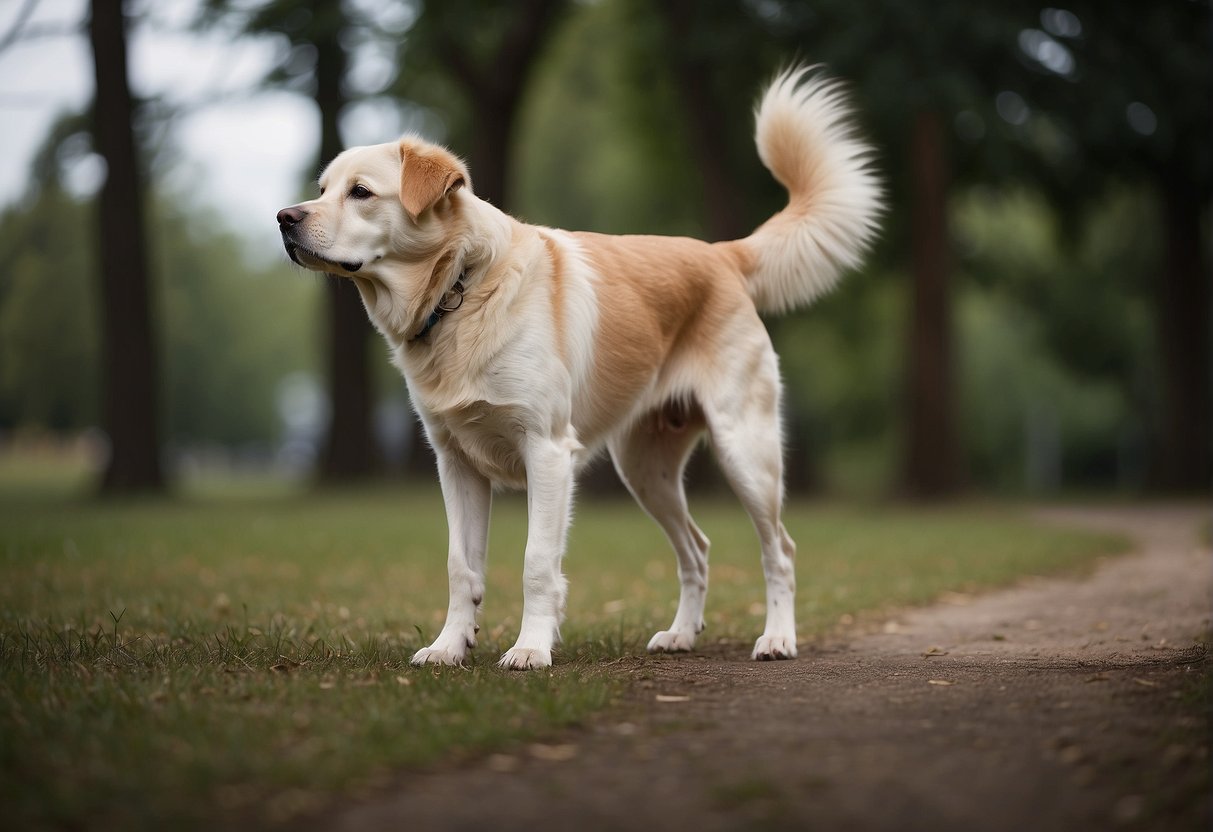
When an older dog experiences back leg collapse, addressing pain and discomfort is a priority. Veterinarians often prescribe medication to manage pain effectively. Nonsteroidal anti-inflammatory drugs (NSAIDs) are commonly used to reduce inflammation and provide relief.
In addition to pharmaceuticals, supplements may support joint health. Glucosamine and chondroitin are substances found in joint cartilage that can be supplemented to help maintain cartilage health, potentially easing joint pain. These supplements are typically used long term, and while they may not reverse existing damage, they can assist in reducing discomfort and improving mobility.
Owners can also implement non-medical strategies such as:
- Providing a warm and comfortable resting area
- Using orthopedic beds to support joints
- Maintaining a healthy weight to lessen joint stress
- Gentle exercise to maintain muscle strength without overexertion
Integrating physical therapy or rehabilitation exercises can also be beneficial. These may include:
| Therapy Type | Description |
|---|---|
| Massage | Encourages circulation and reduces tension in affected limbs. |
| Hydrotherapy | Allows exercise with reduced weight-bearing stress on joints. |
| Acupuncture | May stimulate nerves and relieve pain in some dogs. |
It’s important for dog owners to closely monitor their pet’s response to treatment and communicate with their veterinarian, ensuring that any pain management plan is tailored to the individual dog’s needs and is as effective as possible.
Exercise and Weight Management
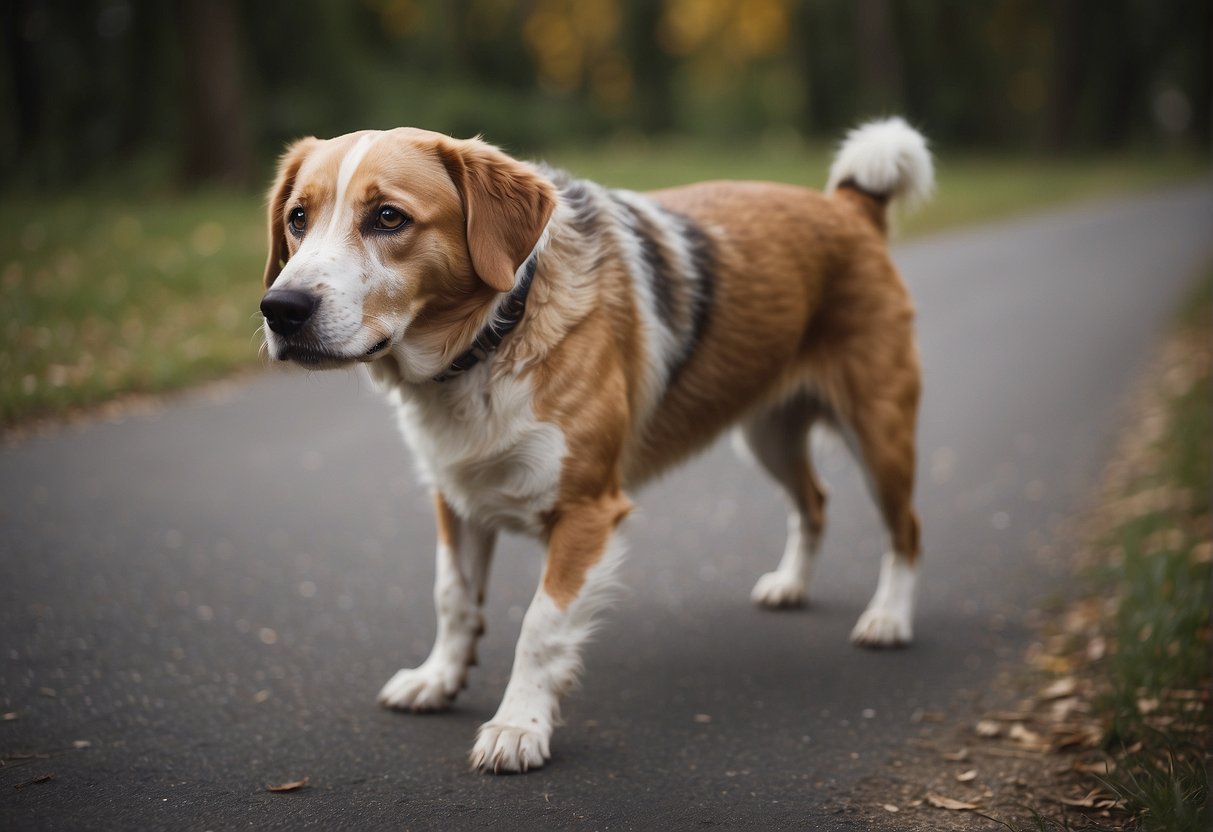
Managing an older dog’s weight is critical in mitigating the collapse of their back legs. Excess weight puts additional strain on the joints and spine, which can exacerbate conditions such as osteoarthritis and intervertebral disc disease.
Exercise Intolerance and Weight: Often, senior dogs may exhibit decreased tolerance for exercise, making traditional weight management strategies challenging. It’s essential to tailor activities to their abilities, focusing on low-impact exercises that maintain muscle strength without overexertion.
Recommended Exercises:
- Short, gentle walks
- Swimming or hydrotherapy
- Light play sessions
Nutrition plays a pivotal role in weight management. Owners should ensure their older dogs are receiving a balanced diet that is appropriate for their age and activity level. Overfeeding can lead to obesity, exacerbating back leg weakness.
Diet Considerations:
- Portion control
- Specially formulated senior dog food
- Supplements as recommended by a vet
Weight Management involves consistent monitoring. Regular check-ups with a veterinarian can help adjust food intake and exercise regimes to keep an older dog at a healthy weight. Establishing a consistent routine can provide stability and support for an older dog’s musculoskeletal health.
Enhancing Quality of Life for Senior Dogs

When a senior dog’s back legs start collapsing, their quality of life can be significantly impacted. However, with appropriate care, their comfort and happiness can be maintained.
Environmental Adjustments:
Creating a more accessible living space is vital. Non-slip rugs and mats can help prevent falls, and ramps or step assists can aid in accessing higher areas like couches or beds.
Exercise:
Exercise should be gentle yet consistent. Short walks maintain muscle strength, while activities such as swimming can be especially beneficial due to the buoyancy of water, which reduces strain on the joints.
| Exercise Type | Benefit |
|---|---|
| Short Walks | Keeps muscles strong with less strain |
| Swimming | Supports weight; enhances mobility |
Dietary Considerations:
A balanced diet that supports joint health is essential. Supplements that may benefit joint health include glucosamine and chondroitin. It’s important for older dogs to maintain a healthy weight to reduce stress on their joints.
Comfort and Support:
Providing a soft, orthopedic bed can alleviate discomfort. Some dogs may benefit from support braces, which provide stability to weakened limbs.
Regular Health Check-ups:
Regular veterinary visits ensure that any issues such as arthritis can be managed, improving a dog’s overall quality of life. Veterinarians can also offer tailored advice for each individual senior dog’s condition.
By focusing on these aspects, the well-being of a senior dog can be enhanced, letting them enjoy their later years with dignity and as little discomfort as possible.
Preventative Measures and Early Detection

Regular check-ups with a veterinarian are essential for maintaining the health of a senior dog and can serve as a frontline measure for the early detection of issues related to the collapsing of back legs. Prevention of such conditions begins with understanding potential causes and recognizing symptoms early on.
Responsible pet owners should schedule vet visits that include thorough physical examinations. Vets can monitor signs of muscle weakness, loss of coordination, changes in gait, or other anomalies that might indicate an underlying problem. Early detection of conditions such as osteoarthritis or degenerative myelopathy can lead to better management and improved outcomes for the dog’s quality of life.
Preventative care also involves:
- Regular Exercise: Maintain a routine that supports joint and muscle health without overexertion.
- Balanced Diet: Provide a diet formulated for senior dogs, potentially with supplements advised by a veterinarian.
- Weight Management: Prevent obesity, which can exacerbate joint issues and mobility problems.
Maintaining a safe and supportive home environment can also mitigate risks. This includes:
- Providing nonslip flooring or mats
- Avoiding stairs or making use of ramps
- Offering orthopedic beds to relieve pressure on joints
Finally, staying informed about the breed-specific risks and genetics can guide owners in proactive health strategies. By integrating preventive measures and committing to early detection, owners can extend the active years of their senior dogs and improve their overall well-being.
Emergency Situations and Immediate Care

When an older dog’s hind legs begin collapsing, it is vital to assess the situation calmly and quickly to determine if it constitutes an emergency. Signs that warrant immediate veterinary attention include uncontrollable limb movement, weakness, or dragging of the legs.
First Steps:
- Avoid panic, which can further stress the animal.
- Offer support to stabilize the dog, avoiding any rough handling.
- Observe for any accompanying symptoms such as seizures or disorientation.
When to Contact a Veterinarian:
- Weakness in legs coupled with acute distress
- Sudden collapse or inability to stand up
- Signs of pain, like whining or shaking
- Any accompanying serious symptoms (e.g., seizures)
Transporting to the Vet:
- Use a flat surface or a stretcher for support if available.
- Keep the dog warm and comfortable during transport.
Upon arrival at the veterinarian clinic, the staff will likely perform a series of diagnostic tests to determine the cause of the collapse. Common causes range from general weakness due to old age to more serious conditions such as nerve disorders or muscular issues. The treatment will depend on the underlying diagnosis, with the aim of restoring mobility and reducing any discomfort.
Understanding Breed-Specific Risks

Certain breeds of dogs are predisposed to conditions that may lead to the collapse of their back legs. Large breed dogs, including German Shepherds and Golden Retrievers, may develop degenerative myelopathy (DM), a progressive disease of the spinal cord similar to ALS in humans. Corgis are also at a higher risk for this condition. DM typically presents later in life and can lead to hind leg weakness and paralysis.
Dachshunds are more frequently affected by intervertebral disc disease (IVDD), where the discs between the vertebrae can herniate or degenerate, resulting in sudden weakness or collapse of the hind legs. This condition can be exacerbated by the long spinal column and short rib cage typical of the breed.
Breeds such as the Beagle, Shih Tzu, and smaller dogs might not have a breed-specific predisposition like those mentioned above, but they are not immune to the general risks of joint and spinal issues, including arthritis, which can affect dogs of any size and breed, leading to hind leg collapse.
| Breed | Condition | Notes |
|---|---|---|
| German Shepherds | Degenerative Myelopathy | Progressive weakening of back legs; common in older dogs. |
| Corgi | Degenerative Myelopathy | DM can cause paralysis later in life. |
| Golden Retrievers | Degenerative Myelopathy | Keep an eye out for hind leg weakness as a symptom. |
| Dachshund | Intervertebral Disc Disease | Their unique physique creates extra risk for spinal issues. |
Owners should monitor their dogs for signs of weakness or collapse in the hind legs and consult a veterinarian promptly, as early diagnosis and intervention can be critical in managing these conditions. Regular check-ups and providing appropriate support, such as a balanced diet and regular exercise, can help mitigate these breed-specific risks.
Frequently Asked Questions
In understanding the health of older dogs, the sudden collapse of back legs is a concern that requires immediate attention. This section aims to address some common questions surrounding this issue.
What could be the causes of sudden hind leg weakness in dogs?
The causes of sudden hind leg weakness in dogs can include osteoarthritis, degenerative myelopathy, intervertebral disc disease, lumbosacral instability, spinal stroke, arthritis, hip dysplasia, and systemic diseases. In some cases, exposure to toxins or immune-mediated diseases may also be responsible.
How can you help an elderly dog that has trouble walking due to weak back legs?
Helping an elderly dog with weak back legs involves providing them with a supportive and comfortable environment, possibly including ramps, orthopedic beds, and toe grips for better traction. Assistance devices such as harnesses and wheelchairs may also improve mobility.
Are there specific treatments available for older dogs with collapsing hind legs?
Treatment for older dogs with collapsing hind legs depends on the underlying cause. Options may include medications for pain relief or to reduce inflammation, physical therapy, surgery for certain conditions, and supportive care such as weight management and gentle exercise.
How can the strength of a senior dog’s hind legs be improved?
Improving the strength of a senior dog’s hind legs can involve physical therapy exercises tailored to the dog’s condition, hydrotherapy, and a balanced diet with adequate nutrients to maintain muscle mass. Consistency is key in any physical strengthening regimen.
What should you consider when determining if a senior dog with back leg issues is in pain or suffering?
When determining pain or suffering in senior dogs with back leg issues, one should observe changes in behavior, such as reluctance to move, decreased appetite, or vocalizing when moving. Consulting a veterinarian is essential to assess pain levels and quality of life.
How long do dogs typically live after starting to experience weakness in their hind legs?
The lifespan of dogs after experiencing weakness in their hind legs varies widely depending on the underlying cause, severity, and treatment provided. Some may live comfortably for years with proper management, while others may face more rapid progression of their condition.