
As dogs enter their senior years, they often experience changes typical of aging, one of which can be hair loss. Hair loss in older dogs, medically referred to as alopecia, can range from normal thinning associated with age to abnormal hair loss that could signal an underlying health issue. Understanding the reasons for hair loss in senior dogs is crucial for dog owners to provide appropriate care. While some degree of hair thinning is natural as dogs advance in age, certain conditions can exacerbate hair loss, such as hormonal imbalances, skin disorders, or nutritional deficiencies.
Various factors contribute to hair loss in old dogs. Hormonal disorders like hypothyroidism and Cushing’s disease can lead to significant hair loss, as can parasitic infections like demodex mites or ringworm. Nutrition also plays a vital role in maintaining a healthy coat. Inadequate diets may not provide the necessary nutrients, leading to lackluster fur and shedding. Moreover, skin conditions like allergies can cause discomfort and excessive scratching, resulting in hair loss. Regular grooming and checks for behavioral issues are important to maintain a healthy coat and identify any unusual hair loss early on.
Key Takeaways
- Hair loss in senior dogs can be a normal part of aging or indicate more serious health issues.
- Hormonal imbalances, skin infections, and inadequate nutrition are common causes of hair loss in old dogs.
- Regular grooming, veterinary check-ups, and a balanced diet are proactive steps to manage and potentially prevent abnormal hair loss.
Understanding Hair Loss in Dogs
Hair loss in dogs can indicate a range of health issues or may simply be a result of natural shedding. It is imperative to distinguish between normal shedding patterns and unusual hair loss that warrants veterinary attention.
Causes of Hair Loss
Hormonal Imbalances: Conditions like Cushing’s disease, hypothyroidism, and Addison’s disease are common hormonal disorders causing hair loss. They affect cortisol, thyroid, and adrenal hormone levels, respectively, leading to patches of hair loss, known medically as alopecia.
Parasites and Infections: Flea infestations, mite infestations (such as mange), fungal infections (like ringworm), and bacterial infections can cause significant hair loss in dogs as they scratch and bite at irritated skin areas.
Allergies: Dogs can suffer from various allergies including food, environmental, and contact allergies that can cause skin irritation and subsequent hair loss.
Nutritional Deficiencies: Imbalances or deficiencies in a dog’s diet may lead to hair thinning or loss.
Normal vs. Abnormal Shedding
Seasonal Shedding: Dogs typically undergo seasonal shedding. During spring and fall, they may lose more hair to prepare for the changing temperatures. This type of shedding is usually uniform and not associated with skin irritation.
Recognizing Abnormal Shedding:
- Bald patches
- Excessive hair loss leading to thinning fur
- Skin irritation or inflammation accompanying hair loss
If a pet owner notices any of the above signs, they should consult a veterinarian to determine the underlying cause and receive appropriate treatment.
Common Medical Conditions

In older dogs, hair loss is often a symptom of underlying medical conditions. These can range from hormonal imbalances to infections and infestations, each requiring specific veterinary attention to diagnose and treat effectively.
Hormonal Issues
Cushing’s Disease: Also known as hyperadrenocorticism, Cushing’s disease occurs when a dog’s body produces too much cortisol. Symptoms include hair loss, thinning skin, and increased thirst and urination.
Hypothyroidism: When the thyroid gland fails to produce sufficient thyroid hormones, a dog may develop hypothyroidism. Key indicators include thinning fur, lethargy, and weight gain.
Alopecia X: This condition, also known as follicular dysplasia, mainly affects plush-coated breeds and can cause patchy hair loss without other systemic symptoms.
Skin Infections
Fungal: Ringworm, a common fungal infection, leads to circular areas of hair loss and can be confirmed through a fungal culture test.
Bacterial: Bacterial infections can cause hair loss due to irritation and scratching. They often need to be diagnosed through skin scrapings and are treated with antibiotics.
Parasitic Infestations
Mites: Mange caused by Demodex mites results in hair loss, skin thickening, and sometimes secondary infections.
Fleas: Dogs with flea allergies may develop hair loss from excessive scratching due to the allergic reaction to flea bites.
Understanding the specific cause of hair loss is essential for effective treatment. Regular veterinary check-ups and timely intervention can help manage these medical conditions.
Nutrition and Hair Health
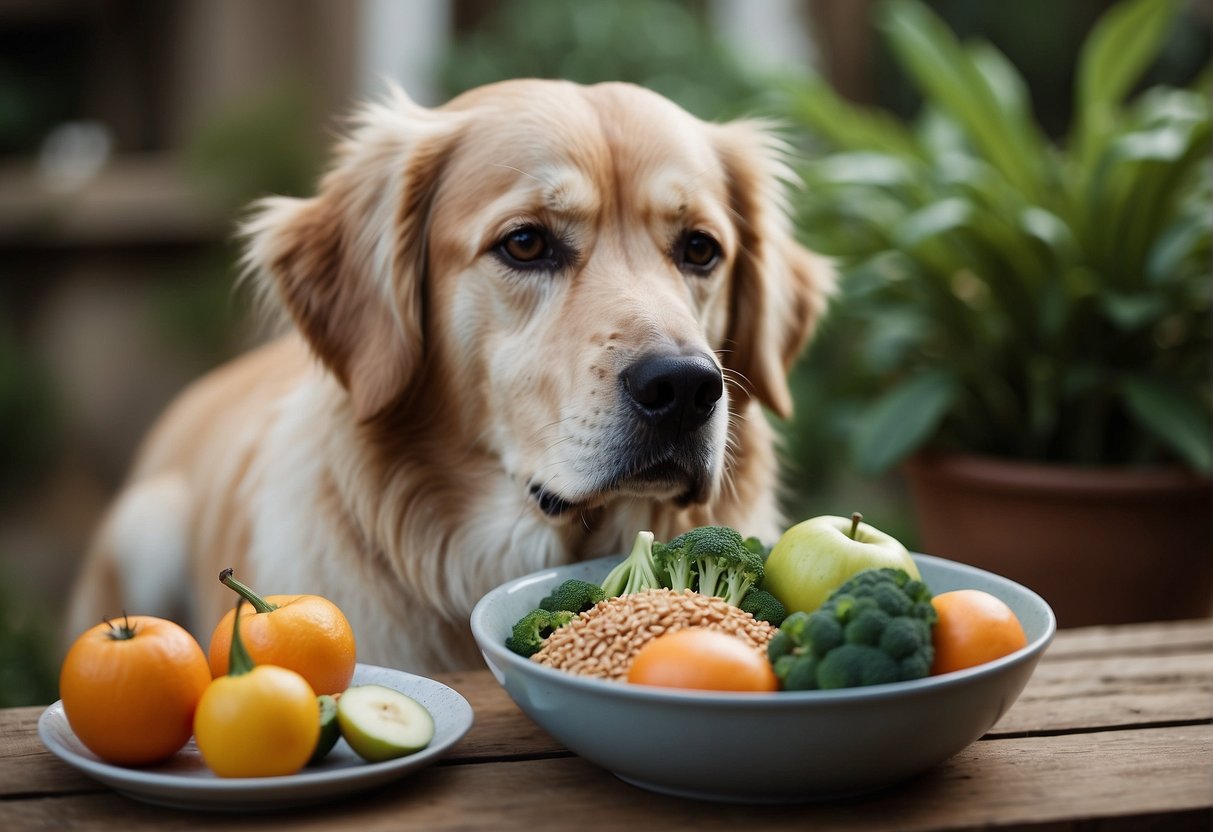
Proper nutrition plays a pivotal role in maintaining a healthy coat for an old dog. Inadequate intake of certain nutrients can directly lead to hair loss or poor hair quality.
Importance of Diet
The diet of a dog is fundamental to the health of its hair. Essential fatty acids, particularly omega-3 and omega-6, are known for their role in sustaining a shiny coat and supporting skin health. A balanced diet that provides these can help prevent dry skin and follicle weakness, which often lead to hair thinning or loss. Complete and balanced commercial dog foods are typically formulated to meet these requirements, but the needs may vary with age, breed, and health status.
Nutritional Deficiencies
Specific nutritional deficiencies can cause hair loss and poor coat condition in dogs. For instance:
- Vitamin A deficiency can lead to dull, lifeless hair and skin.
- Insufficient Vitamin E can result in oxidative stress affecting hair follicles.
- A lack of B-vitamins, particularly biotin, can contribute to hair loss.
Not only vitamins, but also a deficit in proteins and minerals like zinc and copper, can manifest in coat deterioration. It is vital to address any gaps in nutrition either through a balanced diet or with veterinary-recommended supplements to prevent and manage hair loss stemming from deficiencies.
Allergies and Skin Conditions

In older dogs, hair loss is often a symptom of underlying skin conditions, predominantly caused by various types of allergies. These ailments can lead to itching, redness, and skin inflammation, with the potential to become hot spots if not addressed promptly.
Environmental Allergies
Older dogs may develop sensitivities to their environment, triggering allergic reactions. These environmental allergies include:
- Pollen: Similar to humans, dogs can be allergic to pollen, which can cause skin itchiness and hair loss.
- Chemicals: Household cleaners or other chemicals can irritate a dog’s skin, causing redness and hair loss.
Key indicators of environmental allergies are incessant scratching and visible skin irritation.
Food Allergies
Dogs can also experience food allergies, which may present as skin conditions leading to hair loss. Common ingredients that may cause reactions are:
- Proteins: Chicken, beef, or dairy products are frequent culprits.
- Gluten: Some dogs are allergic to wheat or other grains.
The symptoms of food allergies can overlap with environmental ones, such as scratching, but the addition of gastrointestinal issues can be indicative of a dietary allergen.
Grooming and Hair Care

Grooming isn’t just about keeping an old dog looking good; it’s a vital aspect of their health care. Regular grooming can lead to the early detection of skin and coat issues, and the right shampoos can maintain skin health.
Benefits of Regular Grooming
Regular grooming plays a critical role in the ongoing health of a senior dog‘s skin and coat. By engaging in consistent brushing, owners can help distribute natural skin oils throughout the coat, which enhances the coat’s sheen and can prevent excessive shedding. Moreover, grooming serves a dual purpose:
- Detect Health Issues: Early detection of lumps, bumps, or skin infections.
- Stress Reduction: Grooming can be a relaxing experience for the dog, promoting a sense of well-being.
Appropriate Shampoos
When bathing an older dog, selecting the right shampoo is crucial:
- Mild Shampoos: Hypoallergenic and free from harsh chemicals to avoid skin irritation.
- Medicated Shampoos: Veterinarians may recommend these for dogs with specific skin conditions.
Here’s a simple guideline to follow:
| Shampoo Type | Purpose |
|---|---|
| Hypoallergenic | To mitigate the risk of allergic reactions. |
| Moisturizing | To prevent dry skin and enhance coat health. |
| Medicated | To treat specific dermatological conditions under vet guidance. |
Using the correct type of shampoo, in combination with regular brushing and grooming, ensures a senior dog’s coat remains as healthy as possible for as long as possible.
Behavioral Factors
Behavioral issues in older dogs, such as stress and anxiety, can lead to physical symptoms including hair loss. These issues often manifest through excessive licking, scratching, and biting, which directly contribute to the deterioration of their coat’s condition.
Stress and Anxiety
Dogs may experience increased levels of stress and anxiety as they age. These emotional states can trigger over-grooming behaviors such as licking, biting, and scratching. It is important to identify the sources of stress, which may include changes in their environment or routine, to mitigate these detrimental behaviors.
- Common stressors: thunderstorms, loud noises, loss of a companion.
- Signs: Pacing, whimpering, avoidance behavior.
Compulsive Behaviors
Older dogs may develop compulsive behaviors that lead to hair loss. This includes repetitive actions that go beyond normal grooming:
- Obsessive licking of paws or flanks.
- Persistent biting or nibbling at the skin.
- Excessive scratching that causes skin abrasions and hair loss.
To address compulsive behaviors, it’s essential to understand their underlying causes, which may require a veterinarian’s input for behavioral therapy or medical intervention.
Diagnostic Procedures
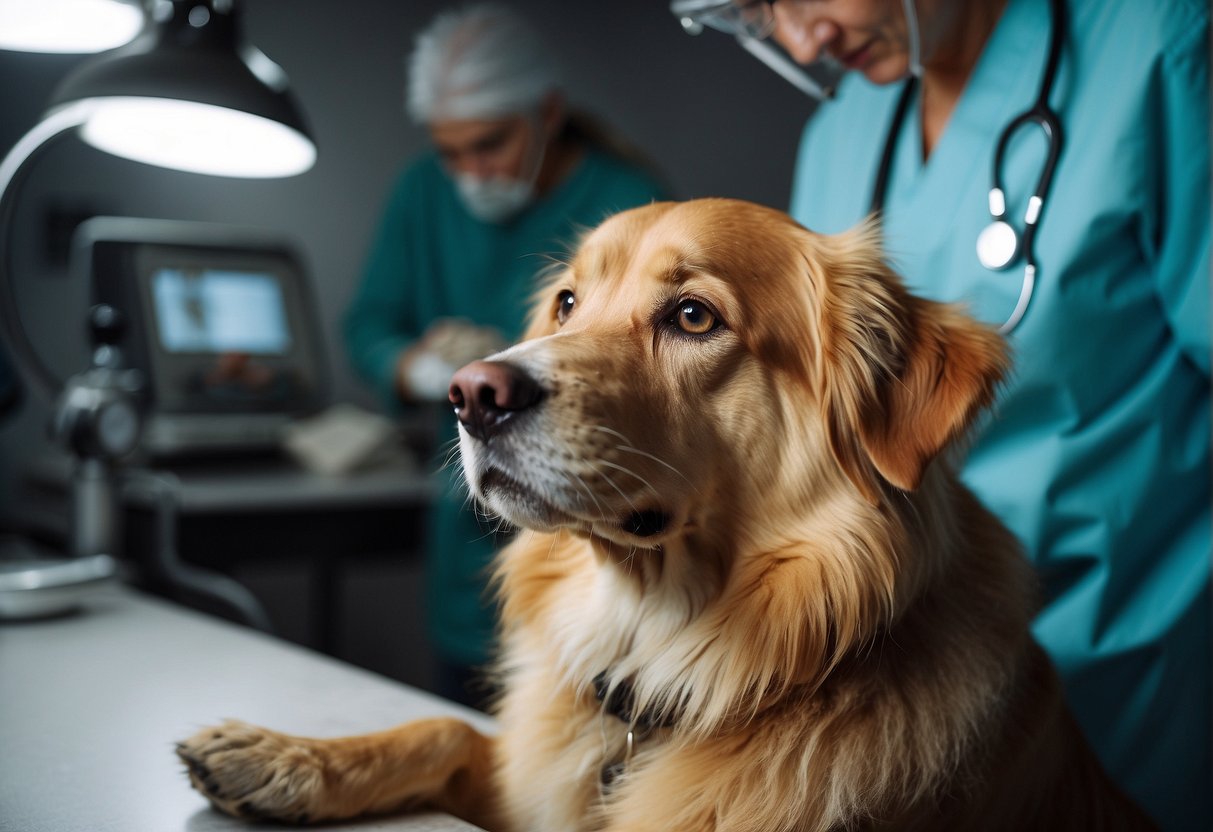
When an old dog begins losing hair, it is essential to undergo a series of diagnostic procedures to identify the underlying cause. Veterinarians typically start with a comprehensive examination and may proceed to advanced testing methods to pinpoint the specifics of the condition.
Veterinary Examination
The veterinarian will conduct a thorough physical examination of the dog, focusing on the condition of the skin and hair. During this examination, the veterinarian may perform:
- Skin scraping: A technique where a small sample of skin cells is collected to identify parasites, fungi, or mites.
- Blood tests: To check for hormonal imbalances such as hypothyroidism or Cushing’s disease.
- Biopsies: Taking small samples of skin tissue to examine for abnormalities, inflammation, or cancer.
Advanced Testing
If the initial examination does not yield conclusive results, the veterinarian may opt for more advanced testing. These tests can include:
- Hormone level assays: To specifically measure hormone levels and confirm or rule out endocrine disorders.
- Allergy testing: Both blood tests and intradermal skin tests to check for allergies that might cause hair loss.
- Imaging: Such as X-rays or ultrasounds, to check for internal issues that could be related to hair loss.
Understanding the precise cause of hair loss in an older dog is crucial in formulating an effective treatment plan. These diagnostic steps are fundamental for a veterinarian to provide the best care for a pet experiencing hair loss.
Treatment Options
When an elderly dog starts to lose hair, it’s essential to consult a veterinarian to diagnose the underlying cause accurately and determine the best course of treatment. The treatment options largely depend on the diagnosis and may include medications, topical treatments, or natural remedies.
Medications
Medications play a pivotal role in treating hair loss in dogs that stems from hormonal imbalances or autoimmune diseases. For instance, Cushing’s disease, characterized by excessive cortisol, may require specific drugs to regulate hormone production. Conversely, dogs with hypothyroidism might need thyroid hormone supplements. Antifungals are prescribed if a fungal infection like ringworm is the culprit.
- Hormonal treatments: Regulate hormone imbalance.
- Antifungals: Combat fungal infections.
- Anti-inflammatories: Reduce inflammation that can cause hair loss.
Topical Treatments
Topical solutions, such as medicated shampoos or ointments, could alleviate symptoms and address infections or inflammations directly on the skin. For example, antibacterial or antifungal shampoos can help clear skin infections that might lead to hair loss.
- Medicated shampoos: Target infections and soothe the skin.
- Ointments: Address localized skin issues.
Natural Remedies
Natural remedies can complement medical treatment but should never replace professional veterinary advice. A balanced diet rich in omega-3 fatty acids may improve skin health, while regular grooming can help manage and minimize hair loss by removing loose hair and stimulating the skin.
- Supplements: Like omega-3 fatty acids for skin health.
- Regular grooming: Supports coat and skin health.
It’s important to note that vaccines do not treat hair loss but are part of a preventative healthcare routine that can help avoid conditions which might lead to hair loss as a secondary symptom. Always discuss any treatments, including natural remedies, with a veterinarian to ensure they are safe and effective for the specific health needs of the dog.
Managing Age-Related Hair Loss

As dogs reach their senior years, they often exhibit changes in metabolism and energy levels, which can sometimes contribute to hair loss. This section provides guidance on how to care for an aging canine companion experiencing this condition.
Caring for a Senior Dog
The care for a senior dog with age-related hair loss centers around adapting to their changing needs. As metabolism slows and they may become more lethargic, it is crucial to maintain a balanced diet that suits an elderly dog’s reduced energy requirements. Regular vet check-ups are essential to monitor the dog’s hormone levels and overall health, as conditions like hypothyroidism can contribute to hair loss. Gentle grooming with a soft brush can help stimulate hair growth and distribute natural oils, which is especially important for dogs that may not self-groom as thoroughly due to decreased mobility or energy.
An additional measure includes providing a comfortable resting environment to help reduce stress, as well-being plays a role in maintaining a healthy coat. If nutritional deficiencies are suspected, supplements may be recommended by a veterinarian to support hair regrowth.
Lastly, any noticeable changes in a dog’s fur, such as hair thinning or bald patches, should prompt a consultation with a vet to rule out or address any underlying health issues. Managing age-related hair loss in dogs is about assuring they live their senior years comfortably and maintaining the quality of their coat through attentive care.
Preventing Hair Loss

To maintain a healthy coat in older dogs, prevention strategies play a crucial role. Addressing environmental factors and scheduling regular check-ups are key to preventing hair loss.
Environmental Management
Maintaining a dog’s living space is essential for preventing hair loss due to environmental factors. Owners should ensure:
- Cleanliness: Keep their dog’s environment clean to reduce the risk of skin infections which can lead to hair loss.
- Pest Prevention: Use veterinarian-approved flea and tick preventatives to protect the dog from parasitic pests that can cause skin irritation and hair loss.
- Allergen Reduction: Limit exposure to potential allergens that can trigger dermatological reactions resulting in hair loss.
Regular Check-Ups
Regular veterinary check-ups are vital for early detection and prevention of diseases that can cause hair loss. During check-ups:
- Thyroid Function Tests: Routine screening for hormonal imbalances, like hypothyroidism, which can result in hair loss should be conducted.
- Skin Examinations: Veterinarians can check for signs of infections, inflammation, or lumps that could indicate conditions leading to hair loss.
- Grooming Advice: Vets can provide grooming recommendations tailored to the dog’s coat type to prevent matting and over-grooming, which can cause hair thinning.
Frequently Asked Questions
When an older dog starts losing hair, it can be concerning for pet owners. This section addresses common questions regarding potential treatments, causes, and signs to differentiate between normal shedding and more serious hair loss conditions in senior dogs.
What treatments are available for an old dog losing hair?
A veterinarian may prescribe topical treatments, oral medications, or suggest specific shampoos to manage an old dog’s hair loss. This depends on the underlying cause, such as hormonal imbalances or skin infections.
What can cause an old dog to lose hair in patches and develop scabs?
Hair loss in patches accompanied by scabs could be the result of parasitic infections like mange, fungal infections, or allergic reactions. A vet visit is crucial for diagnosis and treatment.
How can I differentiate normal shedding from concerning hair loss in my aging dog?
Normal shedding will not result in bald patches, whereas concerning hair loss is often accompanied by skin changes or bald spots. The hair loss may be symmetrical and could indicate an underlying health issue.
Are there any home remedies that can help with my dog’s hair loss?
While some home remedies may include a balanced diet, regular grooming, and omega fatty acid supplements, it’s important to consult a veterinarian before starting any home treatment to ensure it’s safe and effective for the dog’s specific condition.
Could my old dog’s hair loss be a sign of vitamin deficiency or a more serious condition like cancer?
Hair loss can be symptomatic of vitamin deficiencies, which are usually reversible with proper diet. However, persistent or severe hair loss may also be an early sign of cancer or another systemic disease, hence a professional evaluation is essential.
What are the signs of pain I should watch for in my dog that’s losing hair?
Signs of pain include changes in behavior, such as increased aggression or lethargy, reluctance to be touched, increased vocalization, and limping. If a dog shows any of these signs, particularly in conjunction with hair loss, they should be assessed by a veterinarian.