
As dogs enter their senior years, it’s not uncommon for them to experience changes in their body condition, including variations in weight. While it’s often noted that some senior dogs may gain weight due to decreased activity levels, weight loss is also a significant concern, particularly as they progress from old to very old age. Understanding the reasons behind this weight loss is crucial for maintaining the health and quality of life of your aging canine companion.

Addressing weight loss in older dogs involves a comprehensive look at their overall health, nutrition, and lifestyle. Certain health conditions, such as dental issues, kidney disease, and cancer, can lead to weight loss, making close monitoring and veterinary care essential. Likewise, dietary adjustments and the appropriate use of supplements can play a vital role in managing an older dog’s weight. It’s also essential to consider the impact of exercise, hormonal imbalances, and other factors like parasites that could affect a dog’s weight.
Key Takeaways
- Weight loss in older dogs can indicate underlying health issues and warrants veterinary attention.
- Proper nutrition and possible dietary adjustments are important for managing an aging dog’s weight.
- Regular monitoring of health and weight fluctuations is essential for senior dogs’ wellbeing.
Understanding Weight Loss in Older Dogs

When older dogs begin to lose weight, it can be a sign of underlying health issues or natural changes in their metabolism. Discerning the cause is crucial for maintaining their well-being as they age.
Common Causes of Weight Loss
- Disease: Various illnesses, including cancer, kidney failure, and liver disease, can lead to significant weight loss in senior dogs. Additionally, conditions such as heart and lung disease can cause muscle wasting, known as cachexia.
- Dental Issues: Pain or difficulty eating due to oral health problems can result in weight loss as dogs may eat less.
- Gastrointestinal Problems: Chronic vomiting or diarrhea can directly impact a dog’s ability to retain nutrients, leading to weight loss.
It’s important for owners to monitor their dogs and consult a veterinarian if they notice a rapid or unexplained weight loss.
Effects of Aging on Metabolism
Metabolic Rate Decline: As dogs age, their metabolic rate typically slows down. This change in metabolism can affect their ability to maintain weight.
Energy Needs Change: Older dogs may have altered energy needs. While some may require fewer calories due to reduced activity, others might need a diet with higher caloric content to sustain their weight.
Recognizing these shifts in energy requirements is essential for providing a balanced diet to senior dogs and preventing unintentional weight loss. Regular health check-ups can help ensure that the dietary needs of older dogs are met appropriately as they age.
Health Conditions Affecting Weight

Weight loss in older dogs can often indicate underlying health conditions. Detecting these issues early is key to management and treatment.
Kidney Disease and Weight Changes
Kidney disease in dogs can lead to significant weight loss due to poor appetite, increased water consumption, and urine production. Weight changes are often accompanied by signs like lethargy and vomiting.
Cancer and Cachexia
Cachexia is a form of severe weight loss seen in dogs with cancer. It’s characterized not just by fat loss, but also by muscle atrophy, and it is not directly reversible by increasing calorie intake alone.
Diabetes Mellitus in Canines
Weight loss in diabetic dogs occurs despite an increased appetite, as the body cannot efficiently convert glucose to energy. Owners may notice increased thirst and urination.
Cardiovascular Health and Weight Impact
Heart disease can lead to weight loss in dogs due to reduced appetite and the increased energy demands of the body. It often occurs alongside fatigue and decreased endurance.
Dietary Considerations for Senior Dogs
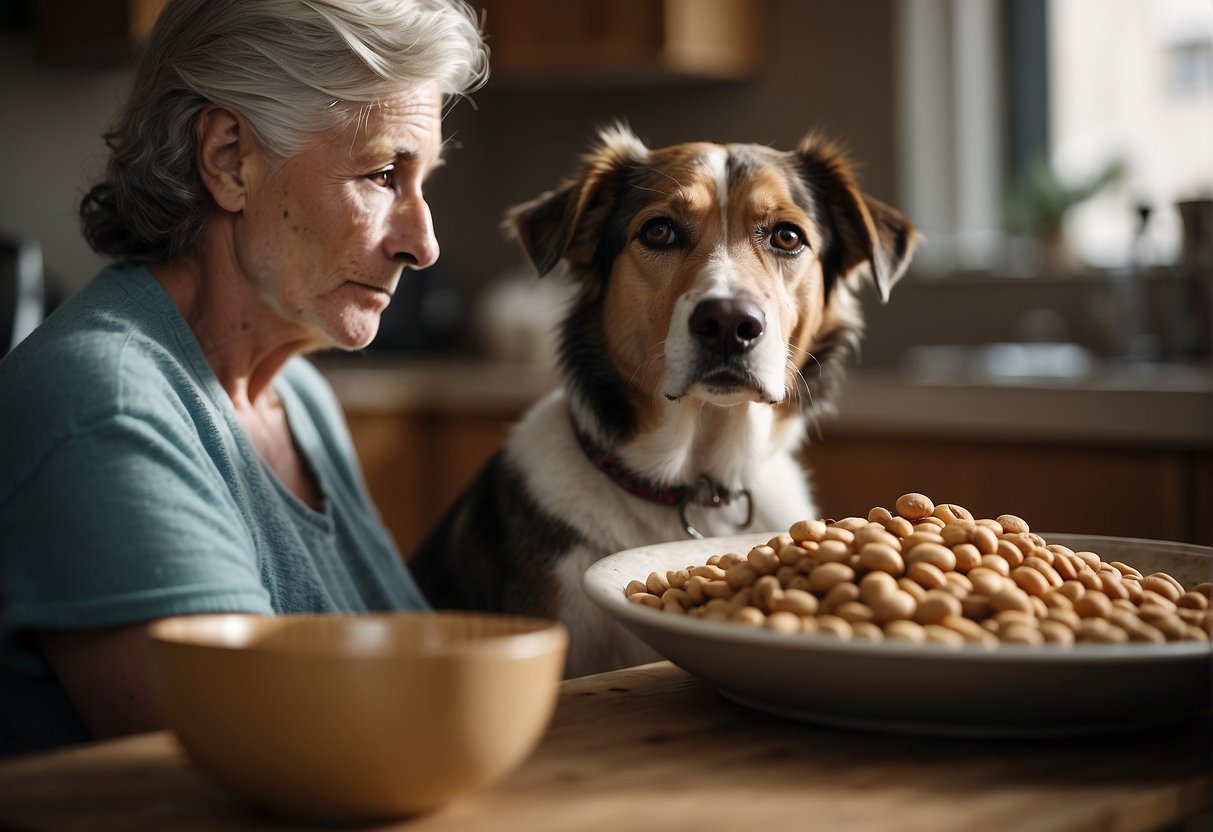
Senior dogs have specific nutritional needs that differ from younger dogs. As dogs age, their metabolism slows down, and their dietary requirements must be adjusted accordingly. It is critical to monitor their caloric intake and ensure their diet is rich in essential nutrients to maintain their health.
Adapting Caloric Intake for Older Dogs
As dogs age, their energy expenditure tends to decrease, leading to necessary adjustments in their caloric intake. The risk of obesity becomes more pronounced in senior dogs due to a slower metabolism. It is essential to calculate the appropriate calorie needs based on their current activity level and body condition. Reduce caloric intake if necessary to prevent excessive weight gain, which can put additional strain on their aging bodies.
Importance of Nutrient-Dense Foods
Nutrient-dense foods are vital for maintaining the health of senior dogs. These foods provide more nutrients per calorie, which is essential for older dogs who require fewer calories. A proper balance of proteins, fats, and carbohydrates, along with essential vitamins and minerals, supports their overall health and can aid in managing age-related conditions. Look for foods that offer a higher concentration of these essential nutrients without adding extra calories.
Choosing the Right Dog Food
Selecting an appropriate dog food for a senior canine should involve looking for formulas specifically designed for older dogs. These formulas often include:
- Higher levels of protein to maintain muscle mass
- Hypoallergenic ingredients to avoid triggering food sensitivities
- Enhanced antioxidants to support immune health
- Omega-3 fatty acids for joint health and mobility
Senior-specific dog food options may also consider the ease of eating, with softer textures and smaller kibble sizes to cater to older dogs who may have dental issues. It is prudent to consult a veterinarian when choosing a change in diet or incorporating new nutrient-dense foods to ensure they meet the dog’s health requirements.
The Role of Exercise in Managing Weight

Exercise plays a crucial part in managing weight for senior dogs, as it balances caloric intake with energy expenditure and aids in the preservation of muscle mass.
Safe Exercise Regimens for Seniors
Older dogs require exercise routines tailored to their age and physical capabilities. A veterinarian should be consulted to design an exercise plan that takes into account the dog’s health and any existing conditions. Low-impact activities such as leisurely walks or swimming can provide the necessary exercise without putting undue stress on the joints.
Recommended Low-Impact Exercises:
- Walking: Adjust the pace and distance to the dog’s comfort level.
- Swimming: Offers a full-body workout with minimal joint impact.
Maintaining Muscle Mass Through Activity
Consistent activity helps senior dogs maintain muscle mass and overall health. Muscle mass is critical not just for movement but also for supporting metabolism and providing a defense against atrophy. An appropriate level of exercise for a senior dog can prevent muscle wastage and contribute to a better quality of life.
Strategies to Support Muscle Mass:
- Regular Short Walks: Keeps muscles engaged without causing fatigue.
- Interactive Play Sessions: Encourages gentle muscle use through low-strain activities.
By incorporating manageable exercise routines and focusing on activities that maintain muscle mass, owners can support their senior dogs in retaining a healthy weight.
Supplements and Their Benefits

When it comes to managing weight in senior dogs, certain supplements can play a crucial role in maintaining health and well-being. These supplements can provide essential nutrients that may be lacking in their diet, supporting various bodily functions and promoting better overall health.
Fish Oil and Omega Fatty Acids
Fish oil supplements for senior dogs are rich in omega-3 fatty acids, particularly EPA (eicosapentaenoic acid) and DHA (docosahexaenoic acid). These fatty acids are known for their anti-inflammatory properties, which can aid in reducing joint pain often associated with aging. Additionally, the omega-3s in fish oil support cognitive function, vital for older dogs experiencing mental decline.
Benefits of Omega-3 Fatty Acids:
- Joint Health: Can decrease inflammation, aiding in mobility.
- Cognitive Function: Supports brain health, which is critical as dogs age.
Probiotics and Digestive Health
Probiotics are beneficial bacteria that help maintain the natural balance of flora in a dog’s digestive system, aiding in nutrient absorption and promoting digestive health. As dogs age, their digestive systems can become less efficient, leading to weight loss. Adding probiotics to their diet can help in enhancing gut health and potentially improving immune response.
Digestive Advantages of Probiotics:
- Nutrient Absorption: They assist in breaking down food more effectively.
- Gut Flora Balance: Contributes to a healthier digestive tract.
Vitamins and Minerals for Aging Dogs
Senior dogs may need an increased intake of certain vitamins and minerals. B vitamins, for example, play a vital role in the functioning of enzymes and energy production. Supplements that include a balance of vitamins and minerals tailored for senior dogs can complement their diet, ensuring they receive the necessary nutrition to combat the effects of aging.
Essential Vitamins and Minerals:
- B Vitamins: Support metabolic processes and energy levels.
- Antioxidants: Aid in combating oxidative stress and may contribute to a healthier immune system.
Monitoring Health and Weight Loss

In older dogs, weight loss may indicate health concerns that require attention. Careful observation and veterinary intervention are crucial in identifying and managing potential health issues.
Regular Veterinary Check-ups
Veterinary visits should be scheduled regularly for older dogs to monitor their overall health and weight. These check-ups allow for early detection of changes that may signify health problems, including weight loss. An older dog’s check-up might typically include:
- Weight Monitoring: To note any significant changes over time.
- Physical Examination: Covering all body systems for signs of disease.
- Behavioral Assessment: Checking for any changes in activity levels or signs of lethargy.
During these visits, the veterinarian may also ask about the dog’s urination patterns and drinking habits, as changes in these can be indicative of issues like kidney disease or diabetes.
Understanding Diagnostic Tests
Comprehensive diagnostic tests help in understanding the underlying causes of weight loss in an older dog. A vet might recommend the following tests:
- Bloodwork: To assess organ function and check for conditions such as diabetes.
- Urinalysis: For detecting urinary tract infections or kidney issues.
- Imaging: Such as X-rays or ultrasounds, to visualize internal organs.
- Specific Tests: Depending on symptoms, tests for conditions like hypothyroidism.
It’s important for owners to understand that these diagnostics can be key in directing appropriate treatment and management of their dog’s health.
Identifying and Treating Parasites
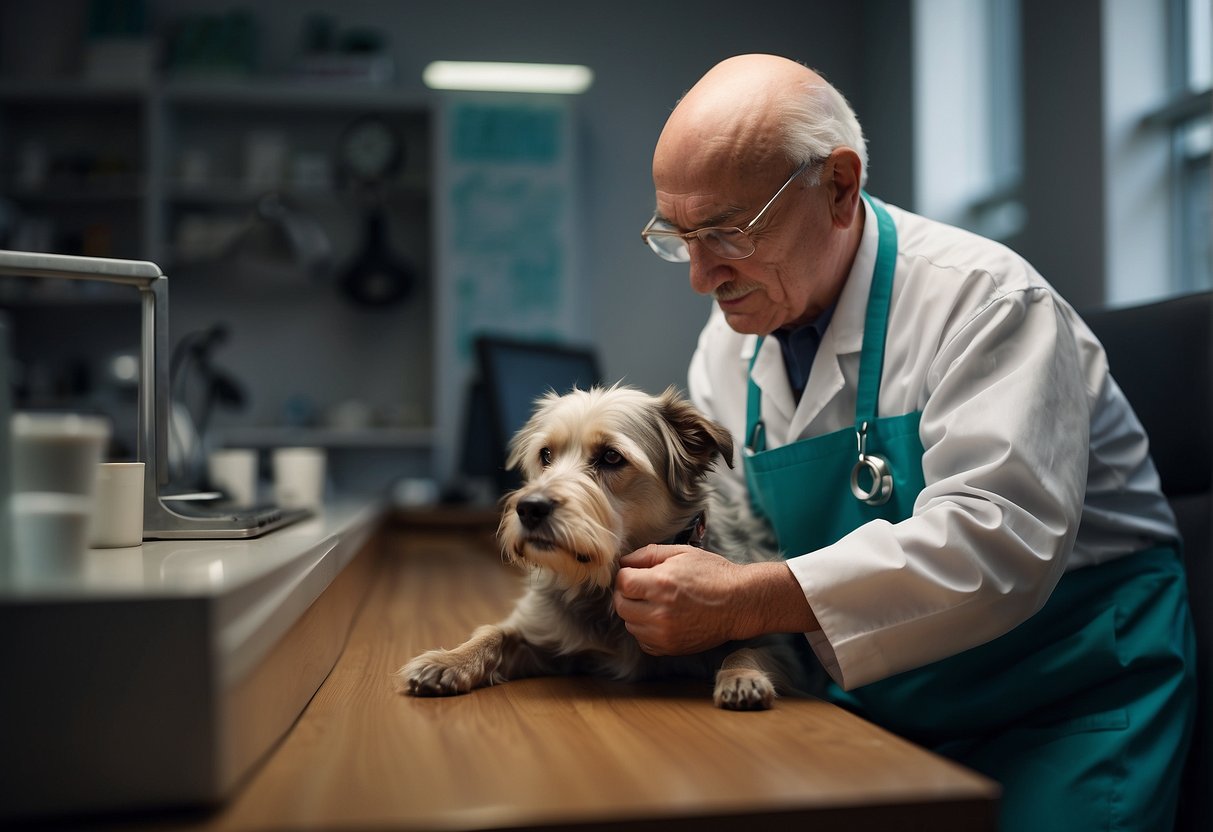
Weight loss in older dogs can sometimes be the result of parasitic infections. Identifying these parasites early and administering proper treatments is crucial for the dog’s health.
Common Parasitic Infections
Several types of parasites can infect dogs, potentially leading to weight loss. They include:
- Roundworms: Usually contracted from the soil or infected feces; they can absorb nutrients that the dog would otherwise utilize, leading to weight loss.
- Whipworms: Typically reside in the dog’s intestines and may cause gastrointestinal issues that contribute to weight loss.
- Heartworms: Transmitted by mosquitoes, heartworm infestation can lead to serious health issues including weight loss.
Symptoms that may indicate the presence of these parasites include:
- Visible worms in stool or vomit
- Sudden or gradual weight loss
- Diarrhea or changes in appetite
Preventative Measures and Treatments
Preventing parasitic infections often involves routine prophylactic measures:
- Regular fecal examinations: To detect parasites early before they cause significant health problems.
- Heartworm preventatives: Administered monthly to protect against heartworm disease.
When a dog does contract a parasite, treatments include:
- Deworming medications: These are prescribed based on the specific type of parasite present, often requiring follow-up doses.
- Hospitalization: In cases of severe infestation, a dog may need to be hospitalized to receive supportive care and treatment.
Adherence to these preventative measures and timely treatment can help manage and eliminate parasitic infections, ensuring a healthier life for older dogs.
Hormonal Imbalances and Weight Fluctuations

Hormonal imbalances in older dogs can lead to significant weight changes. Two primary disorders affecting hormone balance are thyroid and adrenal gland issues, each influencing weight differently.
Thyroid Disorders
An older dog’s thyroid gland can either be underactive (hypothyroidism) or overactive (hyperthyroidism), each affecting the dog’s metabolism and weight. Hypothyroidism is more common in dogs and typically leads to weight gain due to a slowed metabolism, whereas hyperthyroidism, which is relatively rare in canines, might cause sudden weight loss as metabolism speeds up.
Adrenal Gland Disorders
The adrenal glands can develop two primary conditions that affect a dog’s weight: Cushing’s disease (hyperadrenocorticism) and Addison’s disease (hypoadrenocorticism). Cushing’s disease often leads to weight gain, increased appetite, and a pot-bellied appearance due to an excess of cortisol hormone. Conversely, Addison’s disease can trigger weight loss and reduced appetite, resulting from a deficiency in critical hormones such as cortisol and aldosterone.
Oral Health and Its Influence on Nutrition
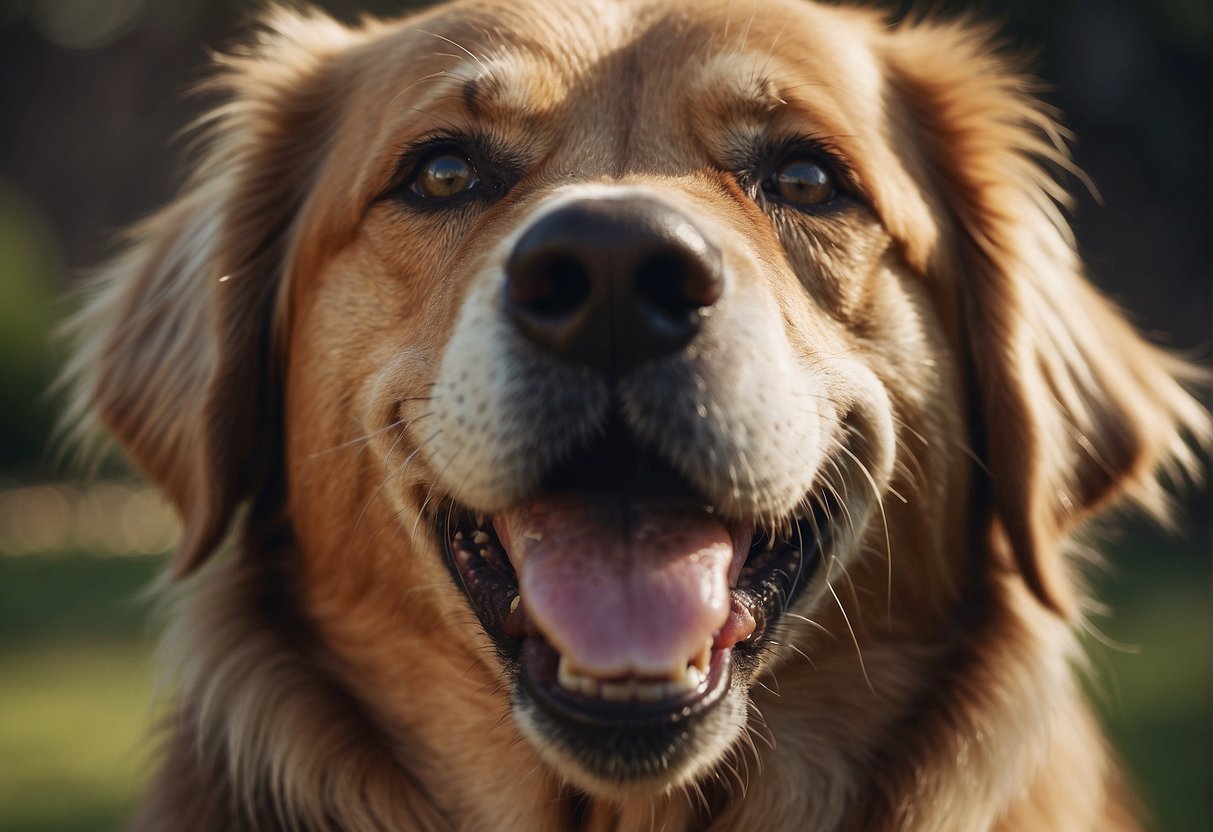
Proper oral health is vital for senior dogs to maintain a healthy appetite and effectively digest and absorb nutrients. Compromised dental health can directly impact a dog’s nutrition and well-being.
Impact of Dental Issues on Appetite
Dental problems in older dogs often lead to decreased appetite. Tooth decay, periodontal disease, and oral infections can create pain and discomfort, making it difficult for them to eat. As a consequence, senior dogs might eat less or avoid food altogether, which can cause a reduction in the intake of essential nutrients needed to sustain their health.
Dental Care and Preventative Strategies
Dental care practices are crucial to prevent the onset or progression of oral diseases that can affect a dog’s ability to consume and digest and absorb nutrients. Regular veterinary check-ups, including dental exams, are essential. At home, implementing a dental care routine involving brushing the dog’s teeth with canine-specific toothpaste can help maintain oral health. Additionally, providing dental chews or toys designed to reduce plaque and tartar can be part of effective preventative strategies.
Managing Unexplained Weight Loss

Unexplained weight loss in older dogs can signal health complications. It’s essential for pet owners to recognize when weight loss is a cause for concern and what strategic steps to take for managing their dog’s health.
When to Be Concerned
Rapid weight loss: A dog losing 10% or more of its body weight, particularly over a few months or within a year, should prompt immediate concern.
Consistent appetite yet losing weight: If a dog maintains a regular appetite but still loses weight, underlying health issues may be present.
Owners should monitor:
- Changes in eating habits: If they’re eating less, evaluate their food for palatability issues.
- Activity levels: Increased activity may lead to natural weight loss; however, significant drops in weight are unusual.
- Other symptoms: Lethargy, vomiting, or changes in behavior alongside weight loss are worrisome and warrant veterinary evaluation.
Strategic Nutrition and Care Plan
Dietary adjustments: A diet tailored to an older dog’s specific needs can address weight loss. High-quality, easily digestible food with the right balance of nutrients is crucial.
Careful monitoring: Regular weigh-ins help track a dog’s weight trends, enabling timely adjustments to their diet and care.
Owners should consider:
- Food quality: Premium foods may offer better nutrition, possibly reversing weight loss due to dietary deficits.
- Feeding routines: Small, frequent meals can help with absorption and metabolism in older dogs.
- Veterinary advice: Professional guidance on the appropriate dietary plan is vital for correctly managing weight issues.
Frequently Asked Questions

Weight loss in older dogs can be concerning for owners. This section addresses common queries regarding this issue, providing insights into possible causes and practical advice.
Why might a senior dog experience weight loss despite having an appetite?
A senior dog may lose weight even with a good appetite due to decreased nutrient absorption, dental problems affecting the ability to chew properly, or health conditions like kidney disease or cancer that can alter metabolism.
What nutritional adjustments should be made for senior dogs experiencing weight loss?
For older dogs losing weight, a diet higher in high-quality protein and fat can be beneficial. It’s important to provide easily digestible meals that cater to their changing metabolism and nutritional needs.
How can you increase the weight of a senior dog that appears underweight?
To help an underweight senior dog gain weight, one could introduce more frequent feeding times with smaller, nutrient-dense meals. Consulting a vet for appropriate dietary supplements can also be an effective strategy.
What are common health conditions that could cause weight loss in older dogs?
Common health problems that may lead to weight loss in older dogs include dental disease, diabetes, kidney disease, liver disease, heart disease, and cancer. These conditions adversely affect appetite or the body’s ability to utilize nutrients.
Are there specific feeding strategies to help a senior dog that is losing weight?
Feeding a high-quality senior dog food that is rich in proteins and fats, as well as adding wet food to encourage eating, are useful strategies. It’s essential to ensure the food is palatable and easy to consume for dogs with dental issues or decreased sense of smell.
When is it important to seek veterinary care for a senior dog with rapid weight loss?
Rapid weight loss in a senior dog should prompt immediate veterinary attention. It could signal serious health problems, and early diagnosis is crucial for management and treatment. A veterinarian can also provide tailored advice to address the weight loss.