
Seizures in older dogs can be a distressing experience for both the pet and the owner. With advancing age, dogs may be more susceptible to neurological conditions that can lead to seizures. These episodes are typically characterized by involuntary shaking, loss of awareness, and a variety of other symptoms that can range from mild to severe. The causes behind seizures in senior dogs are diverse, including brain tumors, underlying health issues like anemia or liver disease, or even idiopathic epilepsy, which means the cause is unknown.

The process of diagnosing seizures in an elderly dog often involves a comprehensive evaluation by a veterinarian. This includes a detailed medical history, neurological examination, and possibly advanced diagnostics like MRI scans or blood tests. Effective treatment and management of seizures depend on the underlying cause and may involve medications, dietary changes, and environment modification to help reduce seizure frequency and intensity. While some dogs live comfortably with seizures, others may require more aggressive management to maintain a good quality of life.
Key Takeaways
- Seizure causes in old dogs are varied and can include conditions like brain tumors or liver disease.
- Diagnosis requires veterinary examination, potentially with advanced imaging or bloodwork.
- Management may involve medication or lifestyle changes to reduce risks and maintain life quality.
Understanding Seizures in Old Dogs

Seizures stem from abnormal electrical activity in the brain and can be particularly concerning when they occur in older dogs.
Causes and Risk Factors
One of the primary causes of seizures in dogs is idiopathic epilepsy, although it’s less commonly diagnosed in older dogs, typically presenting between 2-6 years of age. In senior dogs, seizures often have underlying causes such as brain tumors, liver disease, kidney failure, or other metabolic conditions. Several factors can increase the risk of seizures, including:
- Genetic predisposition: Some dog breeds are more prone to seizures.
- Age-related diseases: Conditions like cerebrovascular disease can provoke seizures.
- Toxins: Exposure to toxins can lead to neurological disruptions.
Types of Seizures Experienced by Older Dogs
Older dogs can experience different types of seizures, including:
- Generalized seizures (grand mal): Involves the entire body, typically characterized by muscle rigidity, loss of consciousness, and convulsions.
- Focal seizures: Affect only part of the brain and may cause unusual movements in one limb or one side of the body.
- Psychomotor seizures: Can cause strange behavior, such as frantic barking or snapping at the air as if catching flies.
Stages of Seizures
Seizures in dogs typically proceed through three stages:
- Aura: Indicative signs such as restlessness or anxiety.
- Ictal phase: The active seizure period which includes involuntary movements, drooling, and loss of consciousness.
- Postictal phase: A period of disorientation and confusion following the seizure, which can last from minutes to days.
Recognizing Seizure Symptoms

When an older dog experiences a seizure, certain physical and behavioral symptoms are evident. Understanding these signs can prepare an owner to respond appropriately.
Common Symptoms
- Loss of Consciousness: A dog may collapse and become unresponsive.
- Convulsions: Involuntary jerking or twitching movements are common during seizures.
- Twitching: Minor localized twitches, especially in the face or limbs, may occur.
- Fitting: The dog might display spasms with rhythmic, jerking muscle contractions.
- Fainting: Brief episodes of unresponsiveness like fainting can precede or be part of a seizure.
Behavioral Changes
- Shaking: Dogs may shake uncontrollably during the pre-ictal or ictal phase of a seizure.
- Abnormal Behavior: Dogs might show unusual behaviors, such as staring into space, appearing confused, or showing anxiousness before a seizure begins.
Diagnosing Seizures in Senior Dogs

When a senior dog exhibits seizure activity, accurate diagnosis is pivotal. Veterinarians rely on a combination of thorough assessments and specific diagnostic tests to determine the underlying cause of seizures in older dogs.
Veterinary Assessment
A veterinarian will first conduct a comprehensive assessment of the dog’s history, including the frequency, duration, and nature of the seizures. This history is critical because it helps the veterinarian differentiate between true seizures and other conditions that might mimic seizures. Observations from the owner can be instrumental in this initial evaluation phase.
The veterinarian will also perform a physical examination to assess the dog’s overall health and neurological status. They will look for any abnormalities or signs of systemic disease that could be contributing to the seizure activity.
Diagnostic Tests
Following the assessment, a veterinarian may recommend a suite of diagnostic tests to identify the cause of the seizures. This typically includes:
- Bloodwork: A complete blood count (CBC) and chemistry panel provide valuable information about organ function, electrolyte balance, and can indicate the presence of infections or inflammation.
- Urinalysis: Analyzing the urine helps in checking for urinary tract infections, kidney function, and other metabolic conditions.
- Advanced Imaging:
- Magnetic Resonance Imaging (MRI): Offers detailed images of the brain’s structure to rule out tumors, strokes, or structural abnormalities.
- Computed Tomography (CT) scans: Useful for detecting lesions or anomalies within the brain.
Combining a veterinarian’s expertise with these diagnostic tools ensures a more precise understanding of the seizures, allowing for targeted treatment plans tailored to the individual needs of the senior dog.
Common Health Conditions Related to Seizures

Seizures in older dogs may stem from various health conditions, primarily involving metabolic diseases or neurological disorders. These underlying conditions disrupt normal brain function, causing the episodes that pet owners witness as seizures.
Metabolic Diseases
Metabolic diseases pertain to the dysfunctions in the processing of the body’s essential biochemical reactions. Two common metabolic diseases leading to seizures are:
- Liver Disease: The liver filters toxins from the blood and manages various metabolic processes. When the liver fails to function properly, as in liver disease, it can lead to a buildup of toxins in the bloodstream, which may cause seizures.
- Kidney Disease: Healthy kidneys are vital for maintaining balanced electrolyte levels and removing waste products from the bloodstream. Kidney disease can result in the accumulation of waste and unbalanced electrolytes, potentially leading to seizures.
- Diabetes: An imbalance in blood sugar levels, especially in the case of low or high blood sugar, can induce seizures as the brain requires a constant supply of glucose to function correctly.
Neurological Disorders
Neurological disorders are conditions that affect the brain, spinal cord, or nerves. The following are notable neurological conditions that can be associated with seizures in geriatric canines:
- Brain Tumors: The presence of a brain tumor can cause abnormal electrical activity in the brain, resulting in seizures. Brain tumors may be primary, originating in the brain, or secondary as a result of cancer spreading from another location.
- Strokes: A stroke occurs when the blood supply to the brain is interrupted, causing brain damage. Depending on the stroke’s severity and location, it can lead to seizures.
- Encephalitis: This denotes inflammation of the brain, often caused by infectious agents that may result in seizure activity.
Proper diagnosis and management of the underlying condition are critical in the treatment and control of seizures in older dogs.
Treatment Options for Seizure Management

Effective seizure management in older dogs hinges on a combination of appropriate medications and supplements, along with tailored diet and lifestyle changes. These strategies work in tandem to reduce seizure frequency and severity, while aiming to preserve a high quality of life for the canine.
Medications and Supplements
Anti-seizure Medication: A veterinarian may prescribe anti-seizure medications to control seizure activity. Common choices include:
- Phenobarbital: Widely used, can require periodic blood monitoring.
- Potassium Bromide: Often used in conjunction when other medications are not fully effective.
- Levetiracetam: Has a minimal side-effect profile, often used for dogs sensitive to other medications.
- Zonisamide: Can be used alone or in conjunction with other anti-seizure drugs.
Each dog will respond differently to medications, and dosages must be determined by a veterinarian.
Supplements and Adjunct Therapies:
- Omega-3 Fatty Acids: May have neuroprotective properties.
- Antioxidants: Can potentially reduce oxidative stress associated with seizures.
Diet and Lifestyle Changes
Nutrition: A well-balanced diet is crucial. Some dogs may benefit from a diet formulated to support neurological health or a ketogenic diet, which has shown promise in managing epilepsy in humans and is being studied in dogs.
Lifestyle Modifications: Stress reduction plays an important role in managing seizures. Maintaining a calm, consistent environment can help to minimize seizure triggers. Regular exercise tailored to the dog’s abilities can also contribute to overall health and stress reduction.
Monitoring for Medical Conditions: Veterinarians will monitor for underlying medical conditions such as diabetes, which may require insulin therapy and can influence seizures and their management. Regular check-ups are essential to adjust treatment protocols as needed.
Emergency Response to Seizure Events

When a dog experiences a seizure, the immediate response and post-seizure care the pet receives are crucial. Responding swiftly and effectively can help maintain the dog’s quality of life and potentially prevent further health complications.
Immediate Actions
- Stay Calm: She must remain composed to effectively manage the situation.
- Monitor: It’s vital to time the seizure, observe symptoms, and note any triggers that might have caused the event.
- Environment: Clear the area around the dog of any objects that could cause injury.
- Contact: Do not attempt to restrain the dog but maintain a safe distance to avoid unintended bites.
- Temperature Control: Monitor their body temperature, as seizures can lead to overheating.
Post-Seizure Care
- Recovery Environment: Post-seizure, ensure the dog is in a quiet, comfortable space to recover.
- Reorientation: They might be confused or disoriented; allow them to reorient themselves without disturbance.
- Veterinary Consultation: After the seizure has subsided, one should consult a vet to evaluate their quality of life and discuss any needed medical interventions.
- Ongoing Monitoring: Keep a detailed seizure log to help the veterinary team assess the frequency and severity of the seizures.
Preventing Seizures and Minimizing Risks

Managing an old dog’s environment and monitoring their health are fundamental in preventing seizures and minimizing associated risks. Controlling factors such as stress and exposure to toxins, and keeping a vigilant eye on the dog’s overall well-being, are critical steps that can help prevent the onset of seizures or reduce their severity.
Environmental Control
- Stress Reduction: Reducing stress in a dog’s environment can help prevent seizures. This can include:
- Establishing a routine to provide a sense of security.
- Minimizing loud noises and chaotic situations.
- Toxin and Poison Avoidance: Removing potential hazards from a dog’s environment is crucial. Dog owners should:
- Secure chemicals and human medications out of reach.
- Keep the living spaces clean and free from items that could be ingested and cause toxicity.
Health Monitoring
- Routine Vet Check-Ups: Regular veterinary examinations are vital for early detection and management of conditions that may lead to seizures.
- Observation for Warning Signs: Owners should observe their dogs for pre-seizure signs and behavior changes, which could indicate an increased risk for seizures. Monitoring should be both:
- Continuous: Keeping an ongoing log of any unusual symptoms or behaviors.
- Event-Driven: A closer inspection following any exposure to known seizure triggers.
Impact of Seizures on Quality of Life

Seizures in older dogs can significantly alter both the physical health and emotional well-being of the affected animal, leading to a decline in their overall quality of life.
Physical Effects
- Motor Function: Post-seizure, a dog may experience temporary weakness or loss of coordination, impacting its ability to move normally.
- Rest: The physical exhaustion after a seizure can increase the need for rest, altering a dog’s normal activity levels.
Emotional and Behavioral Impact
- Stress: Dogs may exhibit increased stress levels due to the unpredictability of seizures, potentially leading to behavioral changes.
- Owner-Dog Relationship: Frequent seizures can strain the bond between the dog and its owner, as persistent medical attention and monitoring are required.
By understanding these impacts, owners can take steps to provide a supportive environment, minimizing the distress caused by seizures in their aging canine companions.
Breed-Specific Considerations in Seizures

While all dogs can experience seizures, certain breeds have a higher predisposition due to genetic factors. Recognizing the breeds at greater risk can aid in early detection and management of the condition.
Predisposed Dog Breeds
- German Shepherds: Known for their intelligence and versatility, German Shepherds have a predisposition to epilepsy, which can lead to recurrent seizures. It’s essential for owners to be aware of this risk and monitor their dogs for signs of neurological disturbances.
- Labrador Retrievers: Labrador Retrievers are generally healthy but can be prone to inherited epilepsy. Seizures in this breed may develop between 6 months and 6 years of age, and it’s important for owners to observe any unusual behavior or convulsions.
- Border Collies: Border Collies are also at an increased risk of idiopathic epilepsy. As working dogs, any disruption in their neurological health can significantly affect their performance and quality of life.
Owners of these breeds should consult with a veterinarian if they observe any signs of seizures for appropriate diagnosis and treatment options. Early intervention can help manage the condition and offer a better quality of life for the affected dogs.
Communicating with Your Veterinarian
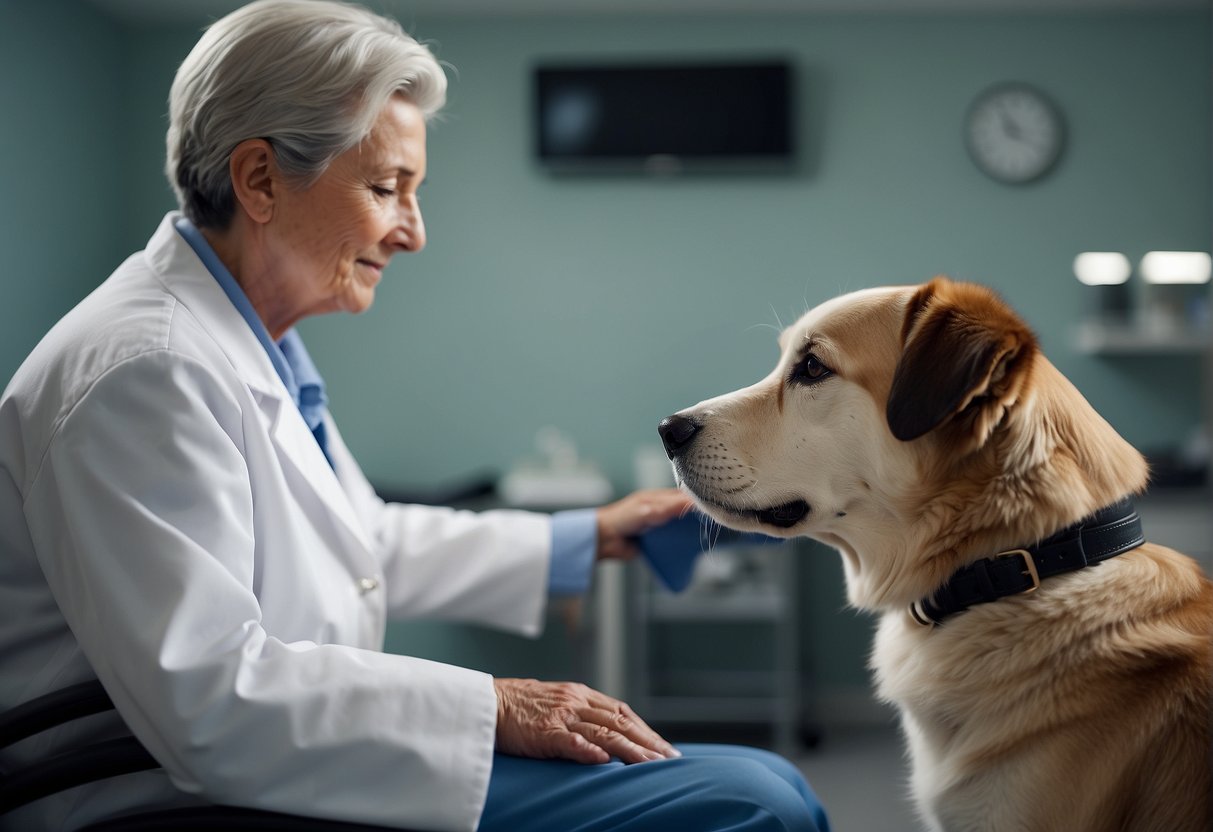
Effective communication with a veterinarian is crucial for the health and treatment of an older dog experiencing seizures. Dialog with the veterinary office should be clear, timely, and include detailed observations for optimal care.
When to Seek Help
Immediate Consultation:
- If an older dog experiences a seizure, owners should contact their veterinarian or an emergency veterinary service immediately.
- Noting the duration and symptoms during the episode will assist the veterinarian in making an accurate diagnosis.
Follow-Up Discussion:
- After initial treatment, discuss the frequency and conditions for future emergency calls.
- Share any pre-existing health conditions and medication history with the veterinary team to ensure a comprehensive understanding of the dog’s medical background.
Creating a Long-Term Care Plan
Establishing a Treatment Plan:
- Work collaboratively with the veterinarian to develop a treatment plan tailored to the dog’s needs. Treatment may involve medications such as phenobarbital or potassium bromide.
- Routinely monitor and report the dog’s response to treatment, noting any changes or side effects.
Routine Check-Ins:
- Schedule regular veterinary check-ups to adjust the treatment plan as required.
- Maintain an open line of communication for any concerns that may arise between scheduled visits.
Effective care for an older dog with seizures heavily relies on proactive and transparent communication with the veterinary professionals.
Advances in Seizure Treatment and Research

Recent developments in seizure treatment demonstrate significant progress, incorporating advanced research findings to improve the quality of life for aging dogs with seizure disorders.
Emerging Therapies
Pharmacological advancements: In the realm of pharmacological treatment, new antiepileptic drugs (AEDs) have emerged, providing veterinarians with a broader arsenal for managing canine seizures. These drugs aim to minimize side effects while improving seizure control.
- CBD-based treatments: Clinical trials investigating the efficacy of cannabidiol (CBD) have shown promise in reducing seizure frequency in dogs. CBD’s non-psychoactive properties make it a focus of ongoing research and a potential therapeutic option for canine epilepsy.
Understanding Canine Seizures
Pathophysiological insights: Scientists have improved their understanding of the pathophysiology behind seizures in dogs. This increased knowledge aids in the development of targeted treatments. For example, recognizing the role of abnormal electrical activity in the canine brain has led to the evolution of targeted anticonvulsant therapies.
- Genetic Research: Advancements in genetic research have begun to uncover the genetic basis of epilepsy in dogs, which may eventually lead to breed-specific treatments or preventative strategies. This precision medicine approach is at the forefront of seizure research and could transform therapeutic practices.
Frequently Asked Questions

This section addresses common inquiries regarding seizures in senior dogs, discussing causes, treatments, care, and considerations for difficult decisions such as euthanasia.
What are the primary causes of seizures in senior dogs?
Seizures in senior dogs can stem from various health conditions such as liver disease, kidney failure, brain tumors, or strokes. Degenerative changes that affect the brain are also more common in aging dogs and can lead to seizure activity.
What treatment options are available for an older dog experiencing seizures?
Treatment plans for seizures in older dogs may include anticonvulsant medications to control the seizures. The vet may also investigate and treat underlying conditions contributing to the seizures, adjusting treatments as necessary for the dog’s overall health and comfort.
How can you care for a dog after it has experienced a seizure?
Post-seizure care involves keeping the dog in a quiet, safe space to recover, minimizing stimuli that could trigger further seizures. It’s also vital to monitor the dog’s behavior and report any changes to the vet.
What should be considered when deciding if euthanasia is appropriate for a senior dog with seizures?
The decision for euthanasia should be based on the dog’s quality of life, the frequency and severity of seizures, and the overall health status. A veterinarian can provide guidance considering the dog’s comfort and the impact of seizures on their daily functioning.
Are certain dog breeds more susceptible to seizures in their old age?
While seizures can occur in any dog, some breeds may have a genetic predisposition to epilepsy and related disorders, potentially increasing their susceptibility to seizures as they age.
Is it safe to leave an older dog alone if it has a history of seizures?
Leaving a senior dog with a seizure history alone requires careful consideration of their seizure frequency and severity, and it may be necessary to arrange for someone to check on the dog or to use monitoring devices to ensure their safety when alone.