
When an older dog begins coughing, it can be a source of immediate concern for pet owners. A cough may be merely a benign symptom of a mild irritation but can also be indicative of more serious underlying health issues. Coughing in senior dogs is not uncommon and can stem from a variety of causes ranging from infectious diseases to chronic conditions that accompany aging. Understanding the nature of coughing and being able to recognize the associated symptoms are crucial steps in ensuring the well-being of an aging canine companion.

Veterinary intervention is often necessary to diagnose the precise cause of coughing in older dogs, as it may be symptomatic of respiratory conditions, heart disease, or other age-related health issues. A thorough assessment by a vet might include blood tests, radiographs, and other diagnostic tools tailored to the specific symptoms and medical history of the dog. Treatment typically depends on the diagnosed cause and can range from medication and lifestyle changes to more intensive interventions.
Key Takeaways
- Coughing in older dogs can signal a range of health issues from mild to serious.
- Accurate diagnosis of a cough often requires veterinary tests and evaluation.
- Treatments vary widely and are tailored to the dog’s specific condition and needs.
Understanding Canine Cough

Recognizing the type and characteristics of a cough can provide valuable insights into the health issues an older dog may be experiencing.
Types of Coughs in Older Dogs
Older dogs may exhibit different types of coughs, each suggesting various underlying causes:
- Dry Cough: Often harsh and without phlegm, it may indicate conditions such as kennel cough.
- Wet Cough: A moist sound that implies the presence of fluid in the airways, possibly due to pneumonia or bronchitis.
- Chronic Cough: A long-standing cough that persists over time, which could be a sign of chronic bronchitis or heart disease.
- Gagging Cough: Accompanied by a swallowing motion; may indicate a problem in the throat or an object stuck in the airway.
Common Cough Characteristics
When assessing a cough in older dogs, certain features can help pinpoint the cause:
- Timing and Trigger: A cough that is worse at night or after exercise can indicate heart disease, whereas a cough triggered by excitement might be related to airway collapse.
- Sound: The sound of a cough provides clues; a honking cough could be a sign of tracheal collapse, especially in small breeds.
- Duration: A prolonged cough lasting more than a few days necessitates veterinary attention to rule out serious conditions.
- Response to Environment: Coughs that worsen in specific environments may be related to allergies or irritants.
Symptoms Accompanying Cough
When an older dog presents with coughing, it may be accompanied by other symptoms that can aid in diagnosing the underlying cause. Observing these symptoms can give context to the severity and nature of the condition.
- Gagging: This can occur as a reflex action to clear whatever is irritating the throat, like excessive mucus or foreign bodies.
- Difficulty Breathing: A dog laboring to breathe, or showing signs of respiratory distress, indicates that the cough could be related to a more serious cardiovascular or respiratory issue.
- Wheezing: A whistling sound while breathing may be heard if there is a narrowing of the respiratory airways, possibly caused by inflammation or a blockage.
- Sneezing: Occasional sneezing with a cough might suggest that the cause is related to nasal or sinus irritation, often due to allergies or infection.
- Fever: An elevated temperature can imply an infection is present, warranting immediate veterinary attention.
| Symptom | Possible Implication |
|---|---|
| Gagging | Foreign body, excessive mucus |
| Difficulty Breathing | Respiratory distress, heart disease |
| Wheezing | Airway inflammation, asthma |
| Sneezing | Allergies, upper respiratory infection |
| Fever | Infection |
Close monitoring of these symptoms and their duration is crucial. They provide invaluable information and should ideally be recorded to assist the veterinarian in forming a diagnosis. If these symptoms persist or worsen, this necessitates a veterinary evaluation to determine the appropriate intervention.
Potential Causes of Cough

When an older dog exhibits coughing, it may be a symptom of several underlying issues. These range from environmental irritants to more serious infections and diseases, affecting the dog’s heart, lungs, or may indicate the presence of cancer or inflammation.
Environmental Irritants
The inhalation of environmental irritants can lead to a temporary cough as the dog’s respiratory system attempts to expel the irritants. Common environmental triggers include:
- Smoke: Tobacco smoke or smoke from fires
- Pollutants: Household sprays, perfumes, or cleaning agents
- Allergens: Pollen, dust mites, mold, or dander
Exposure to these irritants can cause inflammation of the airways, resulting in coughing.
Infections and Diseases
Infections and diseases often have a more pronounced impact on a dog’s health and can present as persistent coughing. Some specific health issues include:
- Infection: Kennel cough (infectious tracheobronchitis) caused by bacteria and viruses
- Heart disease: Heart problems can lead to coughing due to fluid accumulation in the lungs
- Cancer: Tumors in the respiratory system can obstruct airways, causing cough
- Chronic bronchitis: Long-term inflammation of the bronchi in the lungs
These conditions may require diagnostic tests such as blood work, X-rays, or airway sampling to confirm and may need long-term management.
Cardiac Considerations

When an older dog presents with a cough, one must consider the possibility of underlying heart disease. Heart disease in dogs can manifest as congestive heart failure (CHF), where the heart’s ability to pump effectively is compromised. This can lead to a buildup of fluid in the lungs, known as pulmonary edema, which may cause coughing.
Common cardiac-related diseases include:
- Degenerative mitral valve disease (common in small breeds)
- Dilated cardiomyopathy (often seen in larger breeds)
Symptoms associated with heart disease may include:
- Coughing
- Difficulty breathing
- Reduced tolerance for exercise
A defining symptom of heart disease is a heart murmur; its absence significantly reduces the likelihood of CHF being the cause of cough. However, further diagnostic work, such as radiographs, can reveal heart enlargement which could point towards a heart condition.
Heartworm disease is another cardiac consideration that can lead to coughing. It is caused by parasitic worms residing in the heart and blood vessels of the lungs, which can cause severe lung disease and heart failure in dogs.
To summarize, the key considerations for diagnosis are:
- Clinical examination for detecting murmurs
- Blood tests and radiographs for evaluating heart size and function
- Heartworm test to rule out parasitic infection
Early detection and management of heart disease can improve quality of life for the affected dogs, but it is essential to remember that while some conditions can be managed effectively, they are rarely cured.
Respiratory Conditions

When older dogs present with a cough, it’s essential to consider that various respiratory conditions might be the underlying cause. These can range from tracheal disorders to more widespread bronchial and lung issues, which require different approaches for diagnosis and treatment.
Tracheal Issues
Tracheal collapse is a common condition in older dogs, particularly in smaller breeds. Symptoms include a honking cough and can be exacerbated by excitement or exercise. Treatment options vary from weight management and cough suppressants to more invasive methods like stent placement in severe cases.
Tracheobronchitis, also known as kennel cough, is characterized by an infectious, dry cough. It is often the result of a respiratory infection caused by various viruses or bacteria. Supportive care and antibiotics, when bacterial infections are involved, form the backbone of treatment.
Bronchial and Lung Concerns
Bronchitis in dogs is usually chronic and can lead to a condition akin to human chronic obstructive pulmonary disease (COPD). Signs include persistent coughing and difficulty breathing. Diagnostic methods consist of blood tests and radiography, and airway sampling may be necessary in chronic cases.
Pneumonia and asthma are serious concerns in older dogs, often linked to chronic or acute cough. Pneumonia may require hospitalization and intensive therapy, such as intravenous antibiotics and nebulization. Asthma, on the other hand, may be managed with inhalers and corticosteroids to reduce inflammation.
Each condition demands a tailored therapeutic approach and, particularly in elderly patients, caretakers should monitor for any changes in symptoms or behavior.
Diagnosing the Cause of Coughing

When an older dog begins to cough, a veterinarian’s assessment is crucial in pinpointing the exact cause. Veterinarians will initially consider the dog’s medical history and conduct a thorough physical examination. The process of diagnosing the cause of coughing may involve several steps.
- Clinical Examination: The vet assesses the cough characteristics and checks for symptoms such as fever or lethargy, which can aid in narrowing down differential diagnoses.
- Imaging:
- X-Rays: Radiography is often employed to visualize the chest, providing insights into the heart, lungs, and trachea.
- Ultrasound: Occasionally used to supplement x-ray findings.
- Laboratory Tests:
- Blood Tests: These can reveal infections, inflammatory responses, and other systemic conditions.
- Airway Sampling: In some cases, particularly when infectious diseases like kennel cough are suspected, airway samples could be collected and analyzed.
Coughing in older dogs may suggest acute issues or chronic diseases that either can be managed or, less commonly, resolved. The use of diagnostic tools such as x-rays and blood tests, coupled with professional experience, enables veterinarians to propose an appropriate treatment plan after identifying the cause of the cough.
Treatment Options

When treating a cough in older dogs, veterinarians commonly prescribe specific medications and advise on home care practices that can ease symptoms and manage the cough’s underlying causes.
Medication and Therapies
Medications:
- Antibiotics: If the cough is caused by bacterial infections, a veterinarian may prescribe antibiotics to combat the infection. It’s crucial for dog owners to complete the full course of antibiotics even if symptoms improve before the medication is finished.
- Cough Suppressants: For non-infectious coughs, such as those caused by allergies or mild irritation, cough suppressants may be prescribed to provide relief.
- Bronchodilators: Dogs with constricted airways may benefit from bronchodilators, which help to open the airways and make breathing easier.
- Anti-Inflammatory Drugs: These can help reduce airway inflammation, thereby decreasing the coughing reflex.
Therapies:
- Inhalation Therapy: Using a nebulizer with a saline or medicated solution can help loosen mucus and soothe irritated airways.
- Vaccines: Although not a direct treatment for coughs, keeping your dog up-to-date with vaccinations can prevent cough-causing illnesses like kennel cough.
Home Care and Management
Environment:
- A humidifier can add moisture to the air and help soothe irritated airways.
Lifestyle Adjustments:
- Limiting exercise during recovery can reduce the frequency of coughing episodes.
- Ensuring the dog has a warm and comfortable place to rest can help expedite healing.
Diet and Hydration:
- Maintaining proper hydration is essential. Providing easy access to fresh water can help keep a dog’s airways moist.
Monitoring:
- Owners should monitor their dogs for any changes in the cough’s nature or frequency and report these to their veterinarian, as they may indicate the need to adjust treatment.
Senior Dog Care

Caring for a senior dog requires attention to their changing health needs. As dogs age, they may experience coughing which can be a symptom of various conditions ranging from benign to serious.
Observation is key. Owners should note the frequency and intensity of their dog’s cough, any accompanying symptoms like lethargy or weight loss, and relay this information to a veterinarian. They should also watch for changes in behavior which might indicate discomfort or pain.
Health Monitoring
- Coughing: Occasional coughs may not be a concern, but persistent coughing warrants a vet visit.
- Lethargy: A noticeable decrease in energy levels can accompany various health issues.
- Weight Loss: Unexplained weight loss is a sign that requires immediate veterinary attention.
Regular check-ups are crucial, as they allow early detection of age-related diseases. Simple measures include:
- Regular Exercise: Maintains healthy weight and lung function
- Dietary Adjustments: Tailored to their current health status
- Environmental Control: Reducing exposure to irritants that may trigger coughing
Medical Management
Proper medication management for chronic conditions such as heart disease or bronchiectasis is vital. Treatments may include:
- Medications: For inflammation, infection, or congestive heart failure
- Supplements: To support overall health
Senior dogs deserve a comfortable environment and compassionate care that addresses their specific needs, including regular vet visits for proactive health management. Being informed and attentive to a senior dog’s health can significantly improve their quality of life.
Preventative Measures
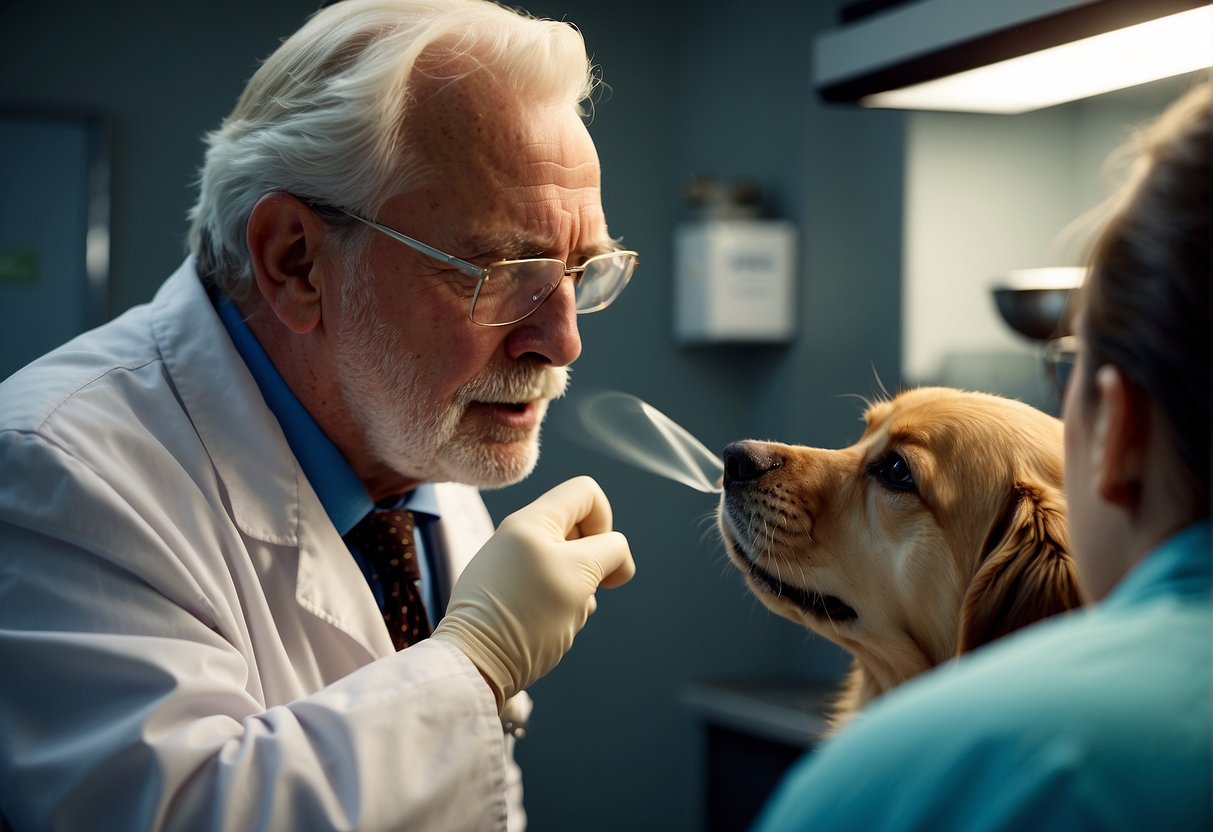
Regular Veterinary Check-ups: Older dogs should have routine veterinary exams to ensure early detection and management of conditions that could lead to coughing. Regular check-ups assess lung health, cardiac condition, and general wellbeing.
Parasitic Prevention: Preventing parasites is crucial. Dogs should be kept on year-round prophylactics to avoid heartworms, which are transmitted by mosquito bites. A monthly heartworm preventive medication can significantly reduce the risk.
Vaccinations: Keeping vaccinations up to date, especially against Bordetella bronchiseptica, the bacteria responsible for kennel cough, is vital in preventing respiratory infections that can lead to coughing.
Heartworm Testing: Annual heartworm testing is recommended since heartworms are a common cause of chronic cough and heart disease in older dogs. Mosquitoes are carriers, and therefore reducing exposure to these insects is also beneficial.
Weight Management: Maintaining a healthy weight reduces the stress on a dog’s heart and lungs, making breathing easier and potentially reducing cough incidents.
Environmental Care:
- Smoke-Free Environment: Exposure to smoke can exacerbate respiratory issues, so a smoke-free living area helps in preventing cough-related problems.
- Clean Air: Using air purifiers to reduce allergens can also benefit dogs prone to airway inflammation.
Healthy Lifestyle: Encourage moderate exercise to support overall lung function, but avoid excessive exertion which might trigger a cough.
By integrating these preventative measures, the incidence of coughing in older dogs may be reduced, leading to improved quality of life and potentially fewer medical complications.
When to Seek Veterinary Help

If an older dog exhibits signs of coughing, they should be closely monitored for any symptoms that may require veterinary attention. Here are indicators that necessitate contacting a veterinarian:
- Persistent Coughing: A cough lasting more than a week can be a sign of a serious condition.
- Progressive Symptoms: Coughing that worsens over time should be evaluated by a professional.
- Coughing with Activity: If a dog coughs when excited or after exercise, this could indicate a health issue.
Additional signs accompanying cough, such as trouble breathing or vomiting, are red flags. Dogs struggling to breathe or coughing so much that it induces vomiting should see a veterinarian immediately.
Recognizing Emergencies
Immediate veterinary care is crucial if coughing is coupled with any of the following signs:
| Sign | Description |
|---|---|
| Difficulty Breathing | Rapid, labored, or noisy breathing requires urgent care. |
| Blue-Tinged Gums | Indicates a lack of oxygen and possibly a cardiac emergency. |
| Collapse | Sudden loss of strength or fainting spells paired with coughing. |
| Extreme Lethargy | Unusual inactivity or unresponsiveness, especially with a cough. |
Owners should remain vigilant and should not hesitate to seek emergency veterinary services if any of these conditions are present. It is always better to err on the side of caution when considering the welfare of an older dog displaying respiratory issues.
Frequently Asked Questions

When it comes to senior dogs, coughing can be a symptom of various conditions. Proper identification of the cause and suitable home remedies can help to provide relief.
What remedies are available to soothe a senior dog’s cough?
Several remedies can help soothe a senior dog’s cough, including providing a humid environment, ensuring they have fresh water, and sometimes using cough suppressants prescribed by the veterinarian.
How can I treat my dog’s cough at home?
For mild coughs, increasing humidity with a vaporizer or providing small amounts of honey might be helpful. Nevertheless, always consult a vet before administering any home treatment, as a cough can indicate a serious condition.
What are the common causes of coughing and gagging in older dogs?
Coughing and gagging in older dogs can be due to respiratory infections, allergies, heart disease, or conditions such as tracheal collapse or lung aging. Understanding the specific cause is crucial for proper treatment.
What are the signs that a cough may be related to a heart condition in dogs?
Signs that a cough may be heart-related include a persistent, dry cough that is worse at night or after exercise, coughing that produces a pink frothy liquid, and additional symptoms like fatigue or reduced appetite.
How should I respond if my dog has a dry cough followed by gagging?
If a dog has a dry cough followed by gagging, they might have a condition such as kennel cough or tracheal irritation. Veterinary consultation is essential to rule out serious conditions and determine the correct course of action.
What should I do if my dog keeps coughing as if something is lodged in their throat?
If persistent coughing suggests something is lodged in the dog’s throat, immediate veterinary attention is necessary as this could represent a choking hazard or could indicate a serious condition such as a foreign body or tumor.