
As dogs age, their health and care become subjects of increased attention for pet owners. With the right understanding and preparation, the golden years of a dog’s life can be some of the most rewarding. The similarities between aging dogs and their human counterparts are quite evident. Just as people undergo a variety of health changes as they grow older, senior dogs experience parallel shifts in their well-being. This includes noticeable differences in mobility, dietary needs, and behavior that require adjustments in their daily care routine.
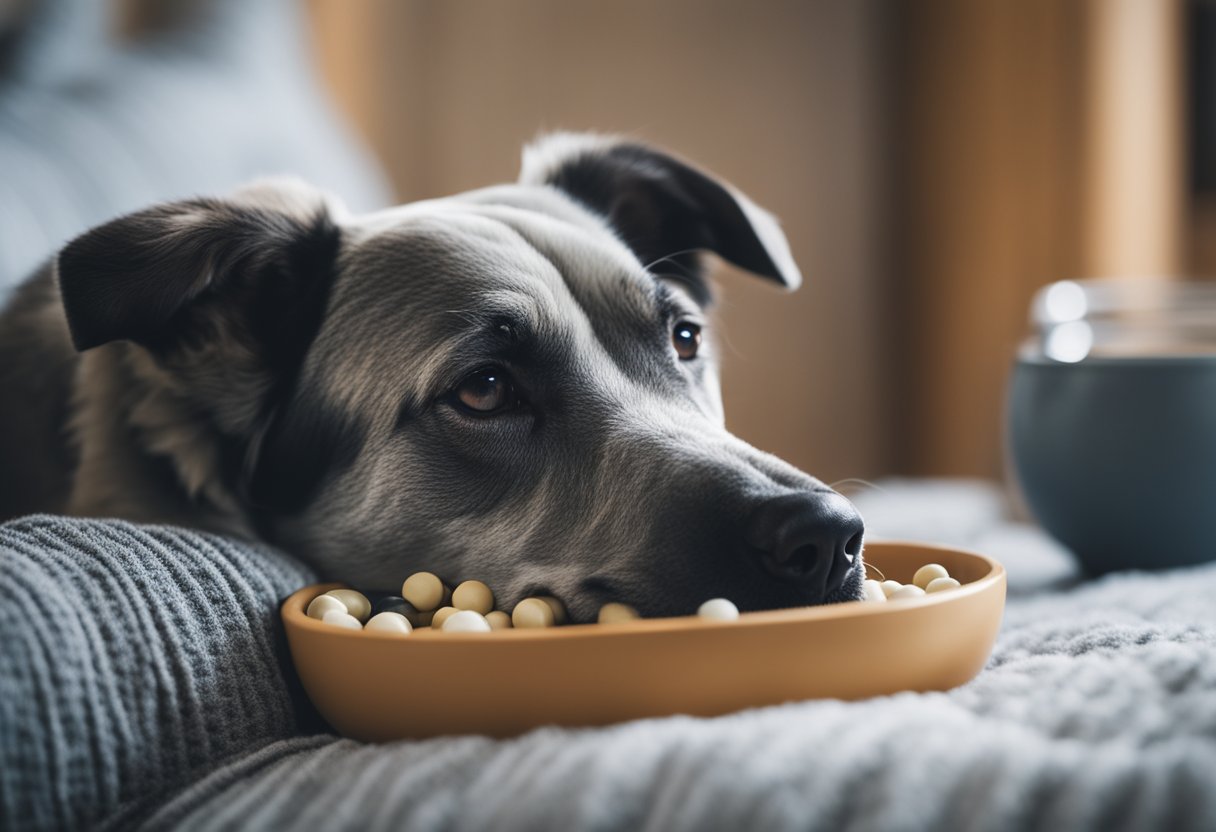
Maintaining the health of senior dogs is a multifaceted challenge that involves regular veterinary checkups, careful diet management, and understanding the common health issues they may face. Veterinary care becomes increasingly important to monitor and address age-related conditions like arthritis, obesity, and cognitive dysfunction. The importance of proper nutrition escalates as dietary requirements evolve. The goal is not merely to prolong life but to ensure its quality, making senior dogs comfortable, happy, and healthy. Additionally, acknowledging and addressing changes in behavior and cognition are crucial, as they can be indicators of underlying health issues.
Key Takeaways
- Regular veterinary checks and proper diet are essential for senior dog health.
- Senior dogs may exhibit changes in mobility, behavior, and cognitive function.
- Comfort, pain management, and quality of life are central to caring for aging dogs.
Understanding Senior Dog Aging

Aging in dogs mirrors the process seen in humans, encompassing both physical and cognitive changes. As dogs transition into their senior years, typically around the age of seven, they enter what is referred to as the geriatric phase of their life. This can manifest differently depending on the size and breed of the dog, with smaller dogs often having a longer lifespan than their larger counterparts.
Physical Health:
- Decreased mobility: Osteoarthritis and general joint discomfort are common in aging dogs.
- Organ function: The efficiency of heart, kidneys, and liver may decline.
- Sensory decline: Diminished hearing and vision are potential outcomes of aging.
Cognitive Health:
- Cognitive Dysfunction Syndrome (CDS): Similar to dementia in humans, geriatric dogs might display disorientation or changes in interaction with their environment.
Environmental Factors and Genetics:
- Living conditions: Exposure to secondhand smoke can negatively impact health.
- Genetics: Inherited traits influence the longevity of a dog and how it ages.
Care Considerations:
- Monitoring: Regular veterinary check-ups to assess health changes.
- Diet and exercise: Adaptations to support aging joints and organ health.
- Environmental adjustments: Enhancements to comfort, such as orthopedic beds.
Recognizing and adapting to an aging dog’s evolving needs is pivotal. Owners should be vigilant in monitoring their senior dogs for any health changes and should consult with their veterinarian regularly to maintain their pet’s quality of life during their golden years.
Common Health Issues in Older Dogs

As dogs age, they are susceptible to a range of health issues, including degenerative conditions and diseases that can significantly affect their quality of life. Recognizing and understanding these conditions can help in their management and treatment.
Arthritis and Joint Health
Older dogs often suffer from arthritis, specifically osteoarthritis, which is the degeneration of joint cartilage leading to pain and reduced mobility. Symptoms include stiffness, limping, and difficulty in movement. Joint health is critical, as good management can alleviate symptoms and improve a dog’s comfort levels.
Cognitive Dysfunction and Dementia
Cognitive dysfunction syndrome, akin to dementia in humans, affects a significant number of senior dogs. This condition manifests as confusion, disorientation, and changes in behavior and sleep patterns. It is important to monitor a dog’s cognitive behavior for early intervention.
Cancer and Tumors
Cancer is a leading cause of death in dogs, especially in their senior years. Dogs may develop lumps or tumors, which require veterinary attention for diagnosis. Mammary, testicular, and other forms of cancer are prevalent, with early detection being key to management and treatment.
Cardiovascular and Kidney Disease
Age increases the risk of cardiovascular and kidney disease in dogs. Heart disease can manifest as coughing, lethargy, and breathing difficulties, while kidney disease might present with increased thirst and urination, weight loss, and decreased appetite. Regular check-ups help in early detection and treatment of these diseases.
Nutritional Needs for Aging Dogs

As dogs enter their senior years, their nutritional needs shift to accommodate changes in metabolism and activity level. Achieving a balance in diet and supplements is essential for maintaining their health and well-being.
Weight Management
Senior dogs often experience a slowdown in metabolism, which can lead to weight gain if their caloric intake is not adjusted. It’s crucial to monitor their weight regularly and adjust their diet to maintain an ideal body condition. Obesity can exacerbate health problems such as arthritis and diabetes, so preventing it through proper diet is key.
- Caloric Requirements: Reduce calories if necessary to prevent weight gain.
- Meal Frequency: Consider feeding smaller, more frequent meals to aid in digestion.
- Treat Consumption: Limit treats to no more than 10% of their daily caloric intake.
Diet and Supplements
Senior dogs may benefit from diets that are formulated to support their aging bodies. Enhanced with specific nutrients, these diets can support overall health and target age-related concerns.
- Prescription Diets: Some senior dogs may require a prescription diet that is tailored to their specific health needs.
- Fats: Incorporate essential fatty acids like omega-3 to help with inflammation and cognitive function.
- Supplements: Glucosamine and chondroitin supplements may aid in joint health.
It’s advisable for caregivers to consult with a veterinarian to develop a personalized nutrition plan that considers any underlying health issues and ensures the inclusion of beneficial supplements.
Senior Dog Veterinary Care
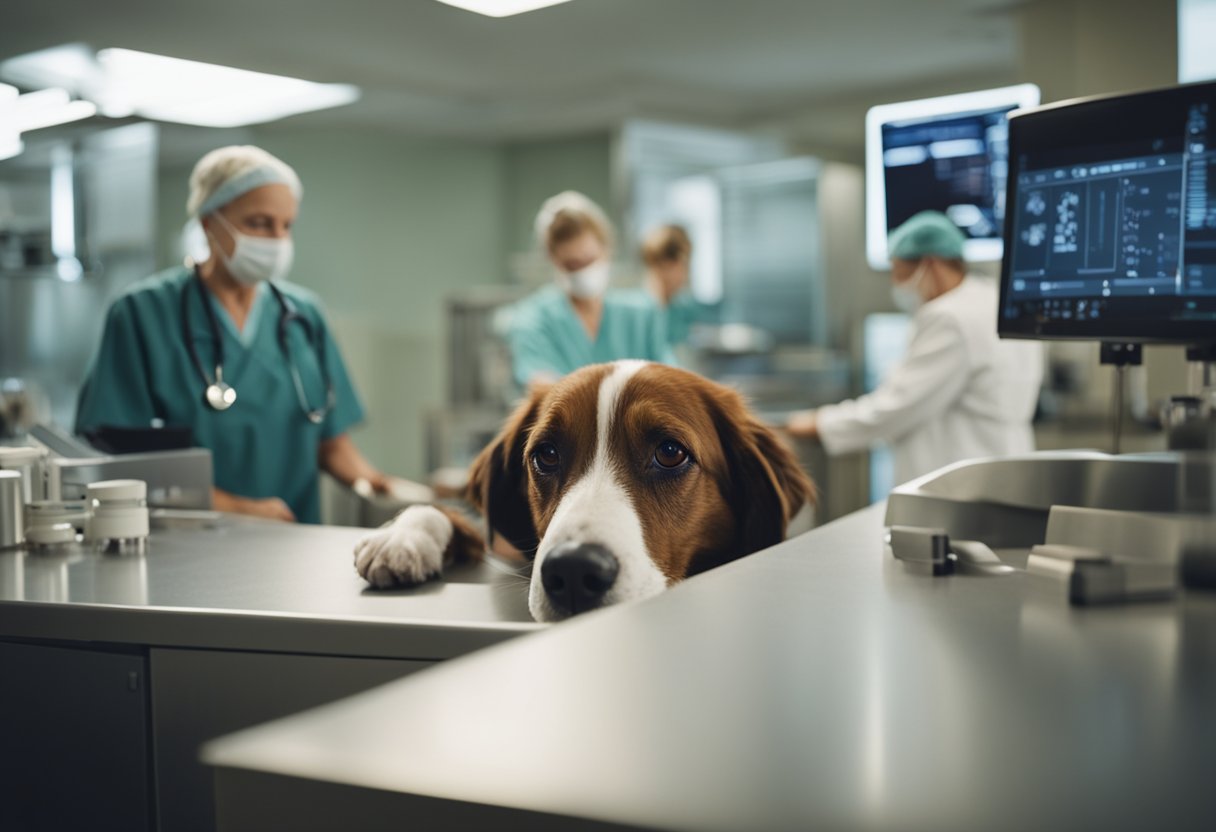
Senior dogs require regular veterinary attention to maintain their health as they age. Tailored veterinary care can detect health issues early and manage ongoing conditions effectively.
Regular Health Check-ups
Senior dogs should see a veterinarian for physical exams twice a year. During these visits, a veterinarian will conduct a thorough examination to assess the dog’s overall health status. They typically inspect the dog’s body condition, coat quality, heart and lung function, and look for signs of pain or discomfort.
Diagnostic Testings
Diagnostic testing is a pivotal aspect of senior dog veterinary care. Blood work and urinalysis are standard tests that can provide crucial information about a dog’s organ function, including the kidneys and liver. These tests help in early detection of common age-related issues and in monitoring the ongoing health conditions. Regular diagnostic testing allows veterinarians to tailor treatment plans to the individual needs of each senior dog, ensuring a better quality of life in their advanced years.
Dog Mobility and Comfort
Maintaining mobility and comfort is crucial for senior dogs, especially those with arthritis. Addressing mobility issues and ensuring a pain-free experience can significantly enhance a senior dog’s well-being.
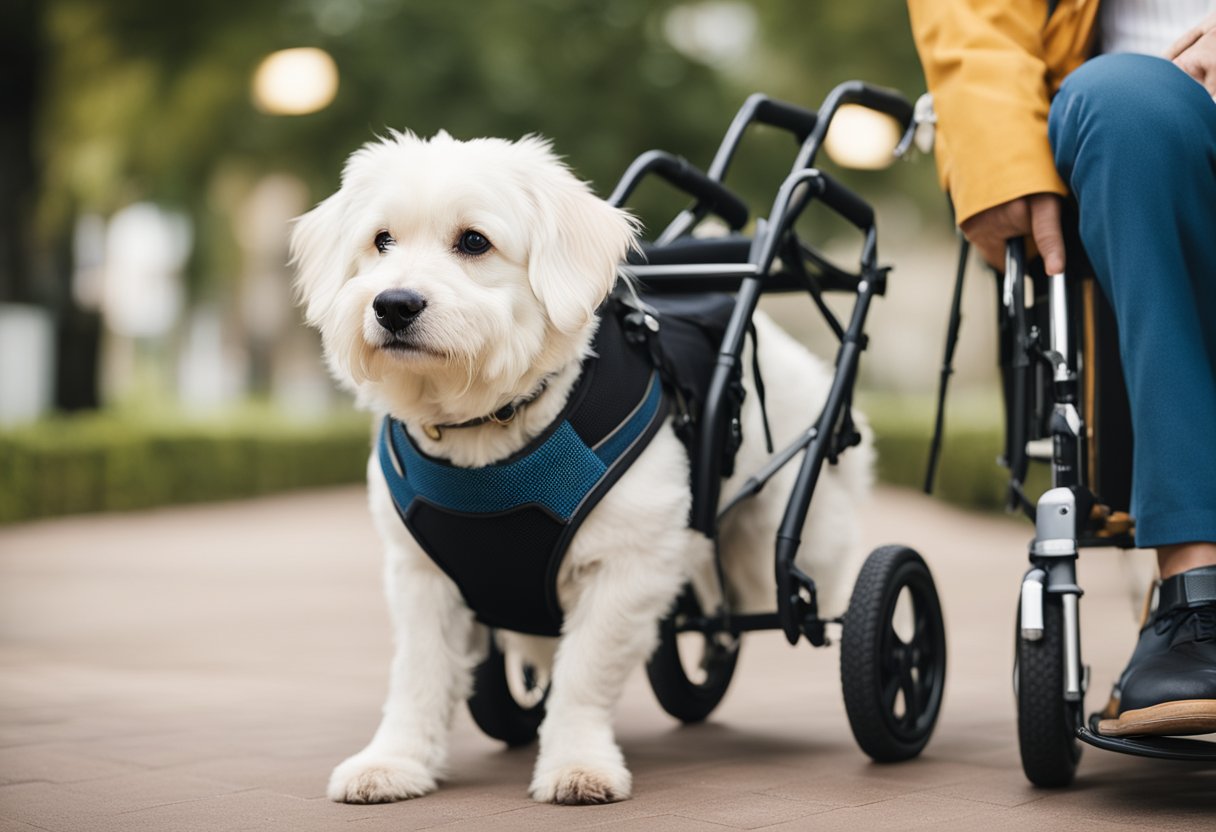
Assistive Accessories
Orthopedic dog beds provide essential support for joints, helping to alleviate pain and stiffness. Owners should also consider ramps and steps that aid dogs with limited mobility, enabling them to access elevated areas such as beds or vehicles without undue strain.
| Accessory | Benefit |
|---|---|
| Orthopedic Dog Beds | Reduces joint stress and enhances sleep quality |
| Ramps | Eases access to elevated areas and reduces joint impact |
| Steps | Offers assistance for mobility between varying levels |
Exercise and Physical Therapy
Regular, gentle exercise can keep a senior dog’s joints supple and fortify their muscles, which supports arthritic joints. Dogs benefitting from physical therapy may experience improved mobility and a reduction in discomfort.
- Low-Impact Exercise: Ideal for maintaining joint health while minimizing pain.
- Examples: Walking, swimming
- Physical Therapy: Can be customized to each dog’s needs, enhancing comfort and mobility.
- Techniques: Massage, controlled exercises, hydrotherapy
Overall, addressing limping or stiffness promptly with the appropriate mix of accessories, exercise, and therapy can lead to improved life quality for senior dogs.
Mental Health and Cognitive Support

Senior dogs may experience cognitive decline, which can manifest as confusion, disorientation, and anxiety. Maintaining cognitive function is key to enhancing a senior dog’s quality of life and can involve strategies to stimulate mental awareness, memory, and learning.
Cognitive Function Enrichment
Enrichment Activities:
- Physical Exercise: Regular walks and play sessions contribute to both physical and mental health.
- Mental Stimulation: Interactive toys and games that require problem-solving can help keep a dog’s mind sharp.
Environmental Enrichment:
- Safe Spaces: Clear, consistent layouts in the home can minimize confusion and anxiety.
- Social Interaction: Positive interactions with humans and other pets support emotional wellbeing and cognitive health.
Diet and Supplements:
- Nutrition: A balanced diet tailored for senior dogs can support cognitive function.
- Supplements: Certain supplements designed for senior dogs may aid in maintaining cognitive health, but should be used under veterinary guidance.
Veterinary Care:
- Regular veterinary check-ups are crucial to monitor and potentially slow the progression of cognitive dysfunction.
- A veterinarian can provide guidance on specific enrichment strategies and medical interventions.
Managing Pain and Inflammation

Senior dogs often suffer from conditions such as arthritis and osteoarthritis, which lead to pain and inflammation in the joints. Management of these symptoms is crucial to maintain a senior dog’s quality of life and ensure they remain as pain-free as possible.
Pain Management Strategies:
- Medications: Veterinarians may prescribe NSAIDs specifically formulated for canines to reduce inflammation and alleviate pain.
- Weight Management: Keeping a senior dog at their ideal weight reduces stress on the joints, which can decrease pain.
- Physical Therapy: Tailored exercises may improve joint function and lessen discomfort.
Supplements:
Incorporating joint supplements into a senior dog’s diet can provide symptomatic relief and potentially slow the progression of joint deterioration. Essential supplements include:
- Glucosamine and Chondroitin: These compounds are often used together to aid in the repair of damaged cartilage and maintain joint health.
- Omega-3 Fatty Acids: Known for their anti-inflammatory properties, they can be found in fish oil supplements.
Antioxidant Rich Diet:
A diet rich in antioxidants can also aid in reducing inflammation. Antioxidants combat free radicals in the body, which can exacerbate joint pain and inflammation.
Exercise and Comfort:
- Moderate exercise can help maintain joint mobility and muscle strength.
- Providing a comfortable resting area with orthopedic cushions can give relief to sore joints.
It’s essential to monitor a senior dog’s response to treatment and adjust their management plan accordingly. Regular veterinary check-ups are vital to assess the effectiveness of the pain and inflammation management strategies being employed.
Special Considerations for Grooming and Hygiene

When caring for senior dogs, grooming and hygiene are pivotal for maintaining their overall health. Specific areas such as dental care and skin and coat management require particular attention to prevent common age-related issues.
Dental Care and Hygiene
Dental disease is prevalent in senior dogs, often leading to bad breath and other health complications. Regular dental check-ups are essential, and owners should establish a routine of dental hygiene practices that might include brushing the dog’s teeth with canine toothpaste, providing dental chews, or using oral rinses designed for dogs. Veterinarians might recommend professional teeth cleaning to manage tartar buildup and check for signs of oral health problems.
Skin and Coat Management
Senior dogs’ skin and coat may show signs of aging, such as dryness and the appearance of lumps and bumps. A gentler grooming approach with soft brushes and mild shampoos can help maintain the integrity of their coat and skin without causing irritation. Increased observation is necessary to promptly identify any changes in the dog’s skin, such as unusual urination patterns or the emergence of skin growths, which should be evaluated by a veterinarian to rule out health concerns. Regular brushing helps distribute their skin’s natural oils, reducing the frequency of baths required and helping to maintain a healthy coat.
Senior Dog Behavioral Changes
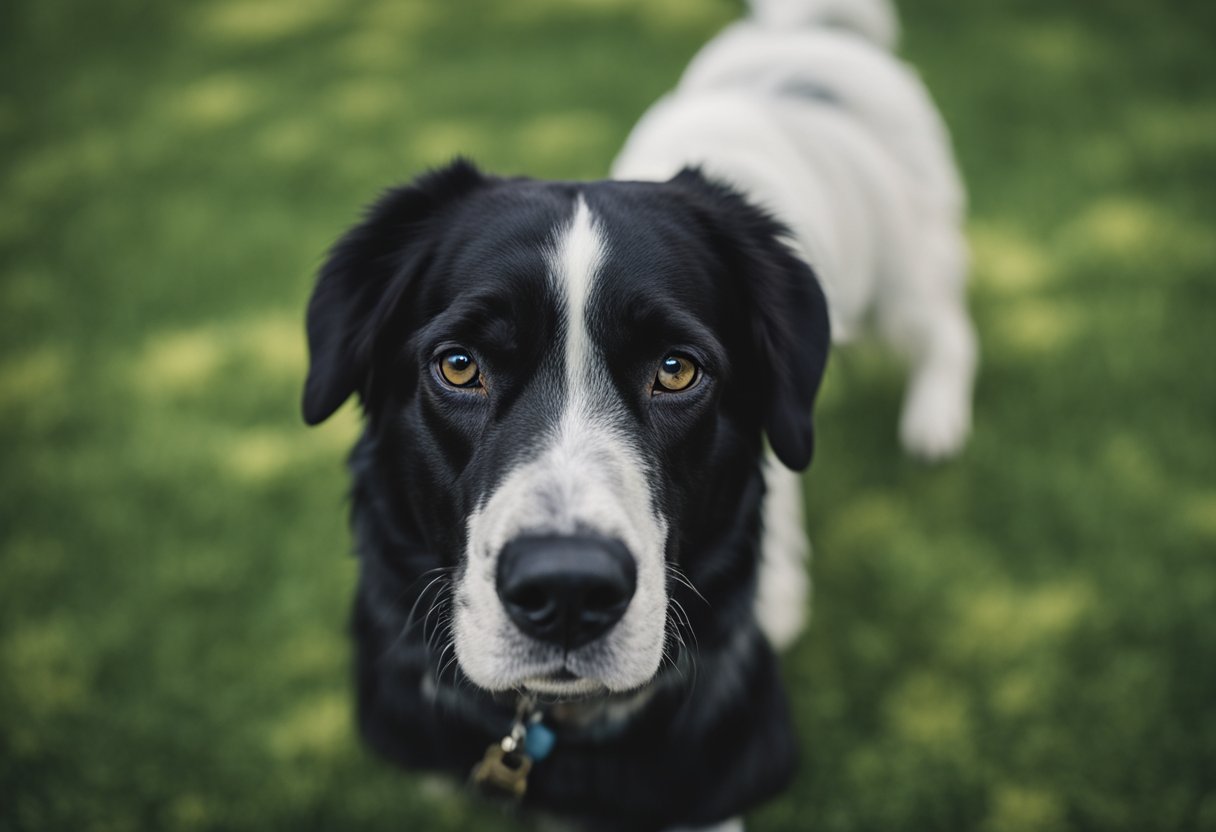
As dogs reach their senior years, they may exhibit changes in behavior that are indicative of aging. These changes can range from mild adjustments in their personality to more pronounced signs of cognitive decline. Understanding these shifts is crucial for providing proper care and maintaining a good quality of life for senior dogs.
Cognitive Dysfunction
Senior dogs often experience cognitive dysfunction, which can manifest as disorientation or confusion. Symptoms to look out for include:
- Difficulty navigating familiar environments
- Appearing lost or confused in the house or yard
- Failure to recognize familiar people or animals
Canine Cognitive Dysfunction (CCD)
CCD is essentially the canine equivalent of human dementia and can lead to a variety of behavioral issues such as:
- Changes in sleep patterns: Restlessness or disturbed sleep during the night
- Decreased interest: Less engagement in play or interaction with family members
Behavioral Changes to Monitor
Certain behaviors may signal underlying health issues beyond normal aging:
- Personality changes: Increases in irritability or aggression where none existed before
- Anxiety: Symptoms including increased vocalization, nervousness, or clinginess
What to Do
Owners should consult a veterinarian if any of these changes are observed. In some instances, behavioral alterations may be symptoms of treatable medical conditions rather than cognitive decline. Early intervention and diagnosis can improve management of these conditions and enhance the well-being of senior dogs.
Life Stage Adaptations and Home Environment

When a dog enters its senior years, typically around the age of seven or older depending on the breed, adjustments to its living environment can significantly improve its comfort and quality of life. It is vital for pet owners to understand how age impacts an aging dog’s needs.
Home Comforts:
- Orthopedic Dog Beds: An orthopedic bed can provide essential support for older dogs, helping to alleviate joint pain and offering a warm, comfortable resting area.
- Flooring: Non-slip mats or carpeting can help prevent slips and falls, as older dogs often have less grip and stability.
Accessibility:
- Ramps and Stairs: To ease movement around the home and reduce strain on aging joints, consider installing ramps for access to furniture or vehicles, and steps to navigate stairways more comfortably.
Adapting Routines:
- Provide food and water in easily accessible locations, potentially raised to a comfortable height to reduce neck strain.
- Shorten walks if necessary but maintain a regular exercise routine which is critical for senior dog health.
Temperature and Warmth:
- Maintain a stable temperature at home, as older dogs may have difficulty regulating their body heat.
Engagement and Mental Health:
- Continue to engage your senior dog with gentle play and mental stimulation to support cognitive health.
Implementing these adaptations shows a commitment to maintaining a senior dog’s quality of life during their golden years.
End-of-Life Care

When a senior dog approaches the end of its life, quality of life is the paramount concern. Comprehensive care focused on comfort can profoundly affect a dog’s final days. Veterinarians recommend palliative care strategies that aim to alleviate pain and maintain dignity.
Pain management is a critical component of end-of-life care. This may include medications prescribed by a veterinarian to manage symptoms effectively. Additionally, environmental modifications can ensure that a dog remains comfortable, such as soft bedding and easy access to food and water.
Exercise needs should be adjusted to suit the dog’s diminished energy levels and physical capabilities. Gentle activity is beneficial for circulation and mental well-being but should never strain the dog’s aging body.
Caregivers should also consider nutritional needs, which may change as a dog’s metabolism and dietary tolerances evolve. Feeding times and methods might need alteration to ensure the dog can eat without discomfort or stress.
A collaborative approach with a veterinarian can guide the decision-making process, focusing on the dog’s comfort and the owner’s peace of mind. They can help assess the dog’s quality of life using objective criteria, which can be a valuable tool in navigating the difficult decisions that often arise during this time.
Owners should maintain a serene environment, minimizing stressors and providing familiar objects and loving interaction to support their dog’s emotional state.
It’s essential to recognize that each dog’s end-of-life journey is unique, and care should be tailored to the individual needs of the canine patient.
Frequently Asked Questions
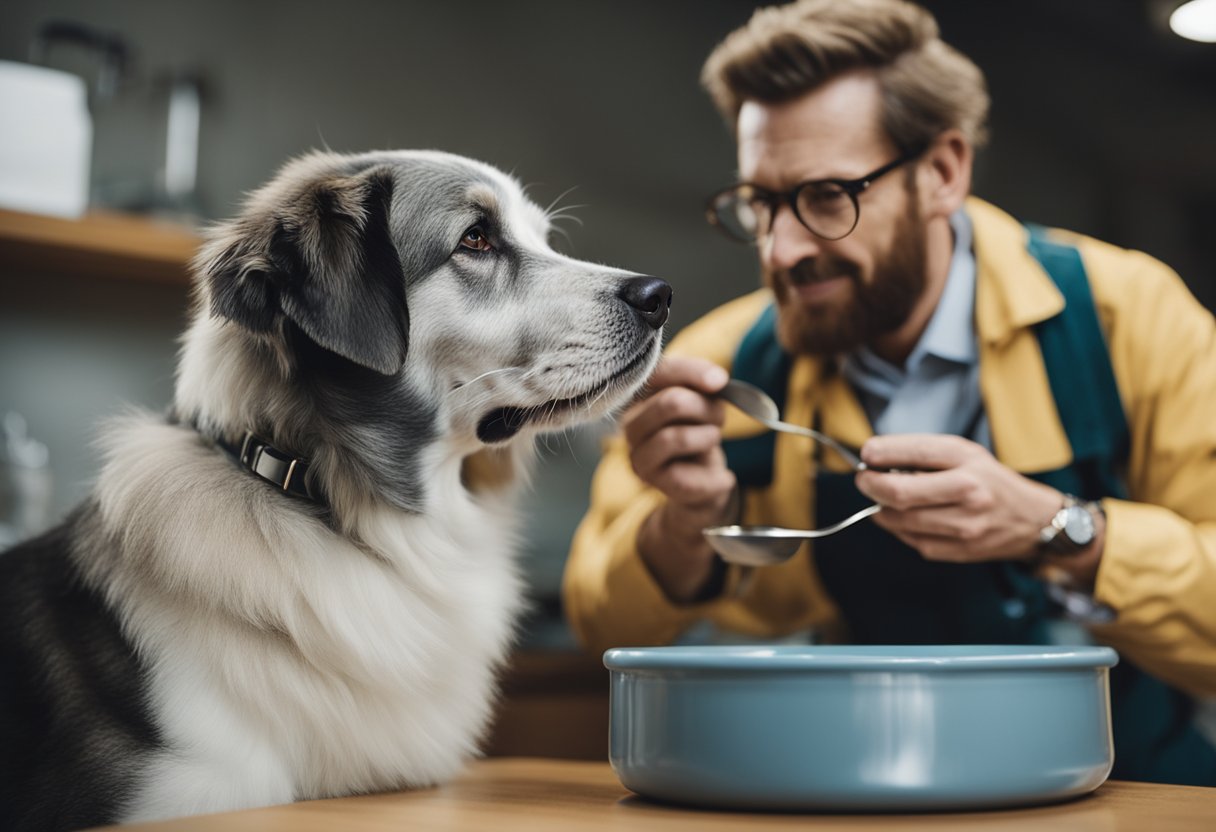
Proper care for senior dogs includes addressing their unique dietary, comfort, mental, and health needs. This FAQ section offers guidance on how to support aging dogs through these changes.
What dietary changes should be considered for aging dogs?
As dogs age, their metabolic rate slows down and they may require fewer calories. It’s crucial to adjust their diet to maintain a healthy weight. Senior dog diets should be lower in calories but still rich in high-quality protein and fiber to support digestive health. Supplements such as glucosamine can also benefit joint health.
How can I recognize signs of discomfort or pain in my senior dog?
Pain in older dogs can manifest as reduced activity, reluctance to climb stairs, changes in posture, or whimpering. They may also display increased irritability or altered sleeping patterns. Regular veterinary check-ups are paramount to managing discomfort in aging canines.
What are effective ways to provide mental stimulation for older dogs?
Mental stimulation for senior dogs can be provided through puzzle toys, gentle training exercises, or new, low-impact activities that are safe for their physical condition. It’s important to keep their mind engaged to help slow cognitive decline and to maintain their quality of life.
What are the common health issues to watch for in older dogs?
Common health issues in aging dogs include arthritis, dental disease, vision and hearing loss, and organ function decline such as kidney or heart disease. Weight management and regular vet visits can help to monitor and address these concerns promptly.
How should I manage incontinence in my elderly dog?
Managing incontinence in senior dogs can involve increased bathroom breaks, waterproof bedding, and potentially medication prescribed by a veterinarian. Compassion and patience are key, as incontinence is often not within the dog’s control.
When is the appropriate time to consider end-of-life care for my senior dog?
End-of-life care decisions for a senior dog should be based on their quality of life and a veterinarian’s professional assessment. Indicators may include severe pain that is not manageable, chronic and debilitating illness, or lack of interest in life activities.