
As dogs enter their senior years, they may experience a decline in liver function, which is an essential organ responsible for numerous vital processes. Liver problems in older dogs can range from mild to severe and can be due to primary or secondary liver diseases. Primary liver diseases are those that directly affect the organ, such as canine chronic hepatitis, while secondary liver diseases result from other health issues that indirectly damage the liver, like high blood pressure or circulatory disorders.

It’s crucial for dog owners to recognize the signs of liver disease, which can include jaundice, increased thirst and urination, confusion, and signs of weakness. Early detection through routine veterinary checkups and an understanding of the risk factors can lead to a better management of the condition. The approach to treating liver disease in dogs may involve diet changes, medications, and in some cases, surgery, depending on the underlying cause and severity of the disease.
Key Takeaways
- Senior dogs are susceptible to liver problems, with conditions ranging from mild to severe.
- Early recognition of liver disease symptoms can facilitate management and treatment strategies.
- Treatment of liver disease in senior dogs can involve dietary modifications, medications, or surgery.
Understanding Liver Disease in Senior Dogs

Liver disease in senior dogs can significantly impact their health and quality of life. Early recognition and understanding of the conditions are crucial for treatment and management.
Types of Liver Disease
Liver disease in dogs encompasses several different conditions, each affecting the liver in distinct ways. Cirrhosis is the replacement of healthy liver tissue with non-functioning scar tissue. Cancer in the liver, also known as liver cancer, can present in various forms and may originate in the liver or spread from other areas. Chronic hepatitis involves long-term inflammation of the liver that can lead to decreased liver function.
Causes of Liver Disease
The causes of liver disease in dogs are as varied as the conditions themselves. Cirrhosis often develops due to ongoing liver damage from illnesses or toxic substances. Copper storage disease, which is an excessive accumulation of copper in the liver, may be due to both dietary input and genetic predispositions. In the case of liver cancer, the causes can range from environmental factors to genetic mutations. Chronic conditions like chronic hepatitis are typically related to other health issues that lead to inflammation and damage over time.
Recognizing Symptoms of Liver Disease

Recognizing the signs of liver disease in senior dogs is paramount for early detection and treatment. This section outlines specific symptoms that manifest physically and behaviorally.
Physical Signs
Liver disease often presents a range of physical symptoms in dogs. Owners should be vigilant for the following indicators:
- Jaundice: A yellowing of the eyes, tongue, or gums due to elevated bilirubin levels.
- Vomiting and Diarrhea: Frequent episodes, sometimes accompanied by blood, can signal liver distress.
- Weight Loss: Unexplained or rapid weight loss despite normal eating habits.
- Ascites: Fluid accumulation in the abdomen, leading to swelling.
Consistent monitoring for these signs is crucial as they may indicate liver dysfunction.
Behavioral Changes
Alterations in a dog’s behavior can also point to liver disease. Key changes to note include:
- Loss of Appetite: A marked disinterest in food or reluctance to eat.
- Lethargy and Weakness: A noticeable decline in energy levels and an increase in fatigue during activities that were once usual.
- Depression: Demonstrating less enthusiasm for play or interaction; a dog may seem withdrawn or unresponsive.
- Seizures: Although less common, seizures can occur in severe cases of liver disease.
Monitoring a dog’s behavior for these changes can be an essential component of early disease detection.
Diagnostics for Liver Issues

When suspecting liver problems in senior dogs, veterinarians rely on specific diagnostic tools to evaluate liver function and structure. These tests aim to identify symptoms and determine the exact nature and extent of the liver disease.
Blood and Urine Analysis
Blood tests, such as a complete blood count (CBC) and a serum biochemical profile, are fundamental in diagnosing liver disease. They measure enzymes and other substances in the blood that indicate liver health. Elevated liver enzymes can signal liver stress or damage. Specific profiles like ALT (alanine aminotransferase) and ALP (alkaline phosphatase) are telling of hepatic conditions.
- ALT (alanine aminotransferase): An enzyme that, when elevated, may indicate liver cell damage.
- ALP (alkaline phosphatase): An enzyme that, when increased, can suggest cholestasis or other liver disease.
A urinalysis further supports diagnosis by assessing the urine for abnormal levels of proteins and other substances shed by the kidneys due to a malfunctioning liver.
Imaging Techniques
Imaging provides a visual perspective of liver health. Two primary modalities include:
- X-rays: A preliminary step that can reveal liver size and any abnormal masses.
- Ultrasounds: A non-invasive method offering detailed images of the liver’s texture and structure, detecting masses, and helping to guide a biopsy needle, if necessary.
Abdominal ultrasound in particular is valuable, allowing clinicians to view the liver in real-time to assess for abnormalities indicative of conditions like hepatocellular carcinoma.
Liver Biopsy
For definitive diagnosis, a liver biopsy is considered the gold standard. Biopsy procedures involve the collection of liver tissue, usually guided by ultrasound to ensure accuracy. The sample is then analyzed histologically for cellular abnormalities, confirming or ruling out specific liver diseases. It’s an invasive procedure but provides precise information concerning the liver’s condition.
Causes and Risk Factors
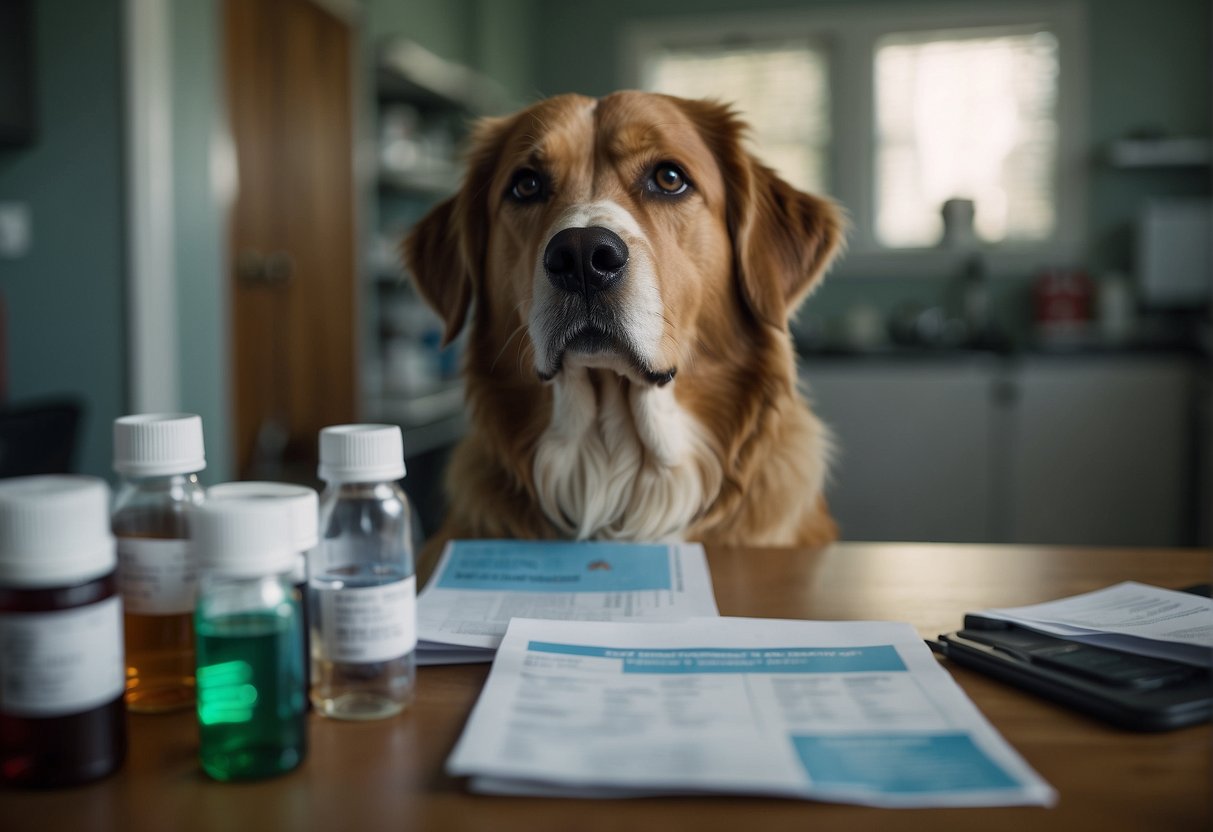
Understanding the causes and risk factors behind liver problems in older dogs is crucial for prevention and early intervention. These may include age-related changes, genetic predisposition, and exposure to environmental toxins.
Age-Related Changes
As dogs age, they naturally undergo physiological changes that can affect liver function. In older dogs, the liver may not regenerate as quickly, and there is a decreased metabolic capability. These factors can increase the vulnerability of older canines to liver dysfunction.
Genetic Predisposition
Certain breeds, such as Doberman Pinschers, Bedlington Terriers, Cocker Spaniels, and Labrador Retrievers, have a genetic predisposition to liver disorders. For example, Doberman Pinschers may be susceptible to chronic hepatitis, while Bedlington Terriers can inherit a specific liver issue related to copper accumulation.
Environmental Toxins
Older dogs may also face liver problems due to exposure to environmental toxins. Substances that can harm the liver include:
- Plants: Consumption of poisonous plants can lead to liver damage.
- Blue-green algae: Often found in or near bodies of water, toxic algae can cause acute liver failure.
- Mushrooms: Certain wild mushrooms contain toxins that can be fatal to a dog’s liver.
Complications of Liver Disease
When a senior dog develops liver disease, they are at risk for a host of secondary health issues, ranging from systemic effects to secondary infections. Recognizing and managing these complications is paramount to maintaining their quality of life.
Secondary Infections
Liver disease in dogs can predispose them to bacterial infections due to a weakened immune response. Ascites, the accumulation of fluid in the abdomen, not only causes discomfort and respiratory difficulty but also creates an environment where bacteria can thrive, potentially leading to peritonitis. In the wake of liver dysfunction, the normal filtering of bacteria by the liver is compromised, increasing the likelihood of systemic infections.
- Common bacteria involved: E. coli, Enterococcus, Staphylococcus
- Medication considerations: Antibiotics must be carefully selected and dosed appropriately, as impaired liver function can affect drug metabolism.
Systemic Effects
The liver’s impaired ability to detoxify the blood in liver disease can cause a spectrum of systemic effects:
- Hepatic Encephalopathy: A serious neurological syndrome resulting from the liver’s inability to remove toxins, leading to symptoms like disorientation and seizures.
- Copper Storage Disease: Excessive copper accumulation can be a result of chronic liver disease, which can further damage the liver.
- Symptoms to monitor: Jaundice, coagulopathy, hepatic encephalopathy signs such as head pressing, behavioral changes, and seizures.
- Fluid Regulation: Monitoring is crucial as there is an increased risk of excessive urination and thirst due to efforts to compensate for the liver’s lack of functionality.
The management of these complications often involves a delicate balance of medication, diet, and supportive care to ameliorate symptoms and slow disease progression.
Treatment Approaches
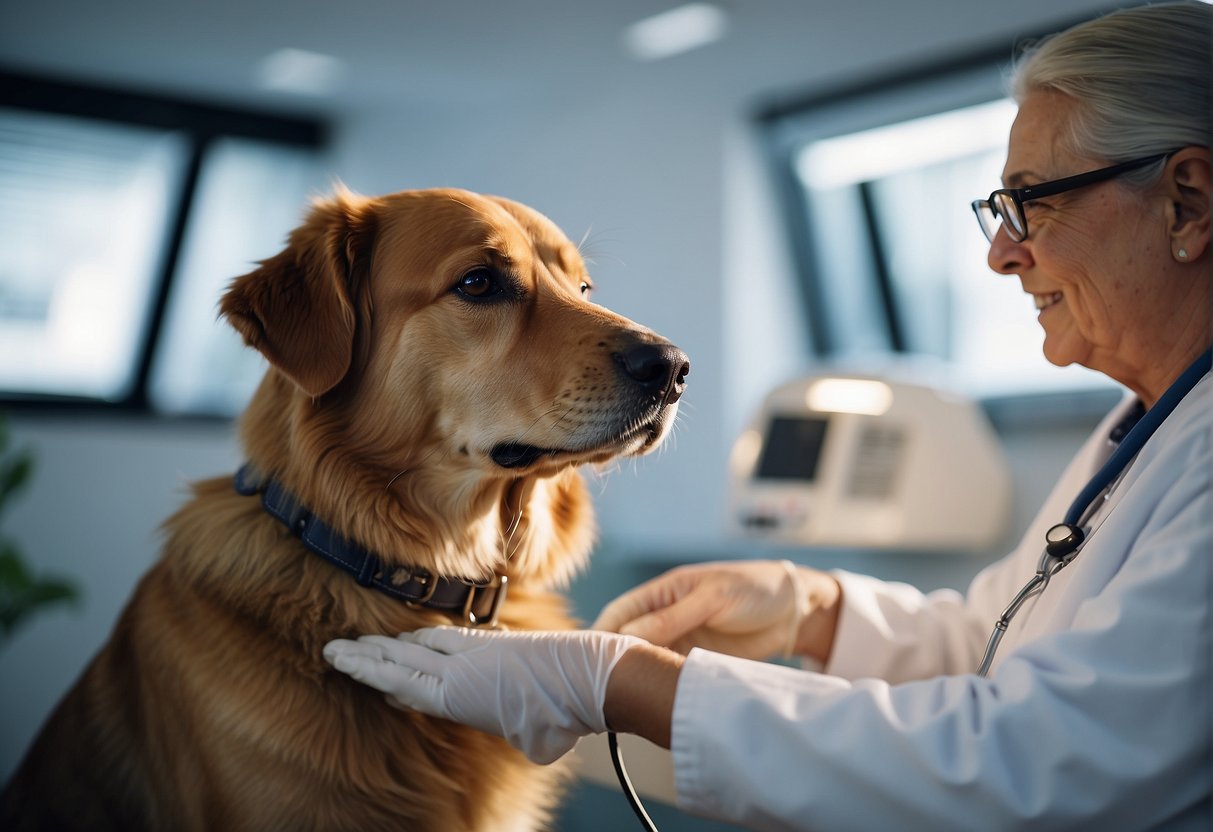
In addressing liver disease in older dogs, veterinarians typically employ a multifaceted approach. This tailored strategy may include medications or supplements to support liver function, diet modification to ease liver workload, and, in certain cases, surgical intervention.
Medications and Supplements
Medications: Veterinarians can prescribe a range of medications to help manage liver disease. Depending on the specific condition, these may include:
- Antibiotics: To treat any concurrent infections.
- Steroids: For reducing inflammation in conditions such as chronic hepatitis.
- Chemotherapy: If liver cancer is present.
Supplements: Supplements are often used to support liver health. Some common supplements include:
- Milk Thistle (Silybin): A potent antioxidant that may help protect the liver cells.
- SAMe (S-Adenosylmethionine): Known for improving liver function and promoting cell repair.
- Vitamin E and other antioxidants: May help in reducing oxidative damage in the liver.
Diet and Nutrition
Diet Change: The modification of a dog’s diet plays a crucial role in managing liver disease.
- A low-protein diet can help reduce the workload on the liver.
- Ensuring adequate intake of easily digestible carbohydrates provides necessary energy.
Nutrients: Appropriate levels of certain nutrients are key.
- Copper: Reduction in dietary copper may be necessary for dogs with copper-related liver disease.
- Vitamins and Minerals: Maintaining a balanced intake is vital; veterinarians may recommend specific vitamins individual to each dog’s needs.
Surgical Options
In some instances, surgery might be the recommended treatment method for liver problems.
- Liver Mass Removal: If tumors are present and operable, surgical removal is a consideration.
- Shunt Repair: Congenital issues like a portosystemic shunt can be corrected with surgery to improve liver function.
- Biopsy: A surgical biopsy may be necessary for a definitive diagnosis which can guide further treatment.
Managing Liver Health
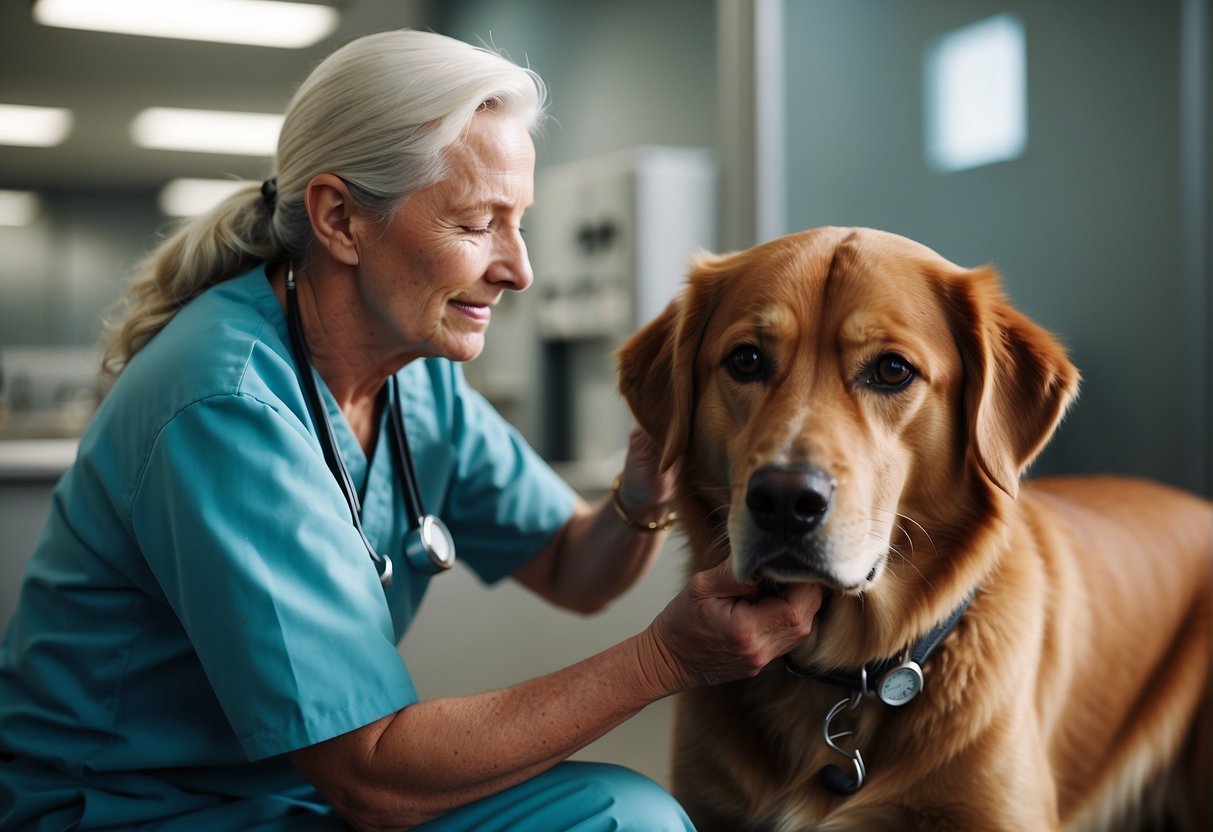
Maintaining liver health in senior dogs involves crucial lifestyle adjustments and regular monitoring to manage the liver’s essential functions, such as digestion, blood clotting, and toxin removal.
Lifestyle Adjustments
Diet: A tailored diet is fundamental for dogs with compromised liver function. Senior dogs with liver issues may benefit from diets that are:
- Low in sodium: To prevent fluid accumulation and to reduce the workload on the liver.
- Rich in antioxidants: Vitamins E and C can help protect liver cells from damage.
- Moderate in high-quality protein: Essential to maintain muscle mass while reducing ammonia production, easing the liver’s workload.
It’s also important to manage calorie intake to prevent weight loss or obesity, both of which can exacerbate liver problems.
Medications: Owners should administer medications cautiously, as a compromised liver can alter drug metabolism. If a senior dog has diabetes, strict regulation of insulin or other diabetes medications is crucial, as liver disease can affect blood sugar levels.
Hydration: Increased thirst and urination may be signs of liver disease. Ensuring access to fresh water can help support kidney function and toxin removal.
Exercise: Gentle, regular exercise supports overall health and can help manage weight in senior dogs, reducing the liver’s burden.
Regular Monitoring
Regular monitoring by a veterinarian is critical for managing liver health in aging dogs. This includes:
- Blood tests: To assess liver enzymes and function, ensuring medications are not causing additional liver strain.
- Imaging: Such as ultrasounds, to visually inspect the liver for abnormalities that may indicate disease progression.
- Appetite tracking: Loss of appetite can sign liver issues, requiring dietary modifications or interventions.
By implementing these lifestyle adjustments and maintaining vigilance with regular monitoring, owners can actively manage their senior dogs’ liver health.
Specific Liver Conditions

In senior dogs, liver conditions can vary from infectious diseases to structural abnormalities. Accurate diagnosis and treatment are imperative for managing these conditions effectively.
Canine Hepatitis
Canine hepatitis is an inflammation of the liver that can lead to serious complications. It is usually caused by viral infection, toxins, or the dog’s own immune system attacking liver tissue. Symptoms can include lethargy, vomiting, and jaundice. In chronic cases, it may lead to scarring of the liver (cirrhosis) and impact liver function.
Leptospirosis
Leptospirosis is a bacterial infection that can lead to severe liver damage. It is contracted through contact with contaminated water, soil, or urine from infected animals. Vaccination is key in preventing it. If contracted, symptoms often include fever, muscle pain, vomiting, and evidence of liver failure. Antibiotic treatment is effective, especially when started early in the course of the disease.
Liver Shunt
A liver shunt is a condition where blood bypasses the liver due to an abnormal vessel or vessels, preventing the liver from effectively detoxifying the blood. Congenital liver shunts are present at birth, while acquired shunts can develop later in life. Signs of liver shunts include poor growth, disorientation, and seizures. Surgical correction or medical management may be necessary to treat this condition.
Prognosis and Life Expectancy

The life expectancy of senior dogs with liver problems varies based on several factors, including the disease’s progression and the dog’s overall health. This section will explore how these elements can influence a dog’s prognosis.
Factors Influencing Prognosis
- Extent of Liver Damage: The degree to which the liver has sustained damage, such as cirrhosis or scar tissue development, critically impacts survival times. Cirrhosis signifies irreversible damage where normal liver tissue is replaced by scar tissue.
- Underlying Causes: The root cause of liver issues, including liver cancer or liver inflammation, plays a vital role in determining the prognosis. For instance, dogs with liver cancer may have a poorer prognosis due to the aggressive nature of the disease.
- Age and Overall Health: An older dog with concurrent health issues may face a shorter life expectancy. Conversely, a senior dog in otherwise good health may manage liver problems more effectively.
- Treatment Response: How well a dog responds to treatment can significantly affect life expectancy. Therapeutic interventions may prolong a pet’s life and improve the quality of it.
- Disease Progression: Early intervention in cases of liver inflammation can lead to a better prognosis. However, if the disease progresses to cirrhosis, the prognosis becomes less favorable and life expectancy may be reduced.
Support for Dog Owners

When dealing with liver problems in senior dogs, owners often require resources and guidance to navigate the emotional and financial challenges that arise. Proper support can make a significant difference in managing the care for an older dog with liver issues.
Emotional Considerations
Owners may experience a range of emotions when caring for a dog with liver disease. It is crucial they seek emotional support to cope with the stress and potential grief. Many find solace in joining support groups where they can share their experiences with individuals facing similar situations. Online communities and local pet support groups provide a platform for owners to connect and exchange valuable insights on caregiving.
Financial Planning
The cost of veterinary care for liver disease can be substantial. Owners should consider financial planning to prepare for such expenses. They might explore options such as:
- Pet insurance: Research plans that cover chronic conditions.
- Savings fund: Start a designated savings account for pet healthcare.
- Payment plans: Discuss with the veterinarian about setting up a manageable payment schedule.
Providing detailed and specific information on financial aid for pet health might also be beneficial. Organizations exist that can offer assistance, and vets may know of local charities or subsidies. It is important for owners to investigate every available resource.
Frequently Asked Questions

When addressing liver problems in senior dogs, it’s crucial to understand the available treatments, diet adjustments, symptoms to watch for, life expectancy post-diagnosis, and what to expect as the disease progresses.
What are the treatment options for liver problems in senior dogs?
Treatment options for liver problems in older dogs depend on the specific condition. They can range from medication for inflammation and scarring to dietary changes aimed at reducing liver stress. In cases of copper build-up, zinc supplementation may be prescribed to prevent copper accumulation in the liver.
How should you adjust your senior dog’s diet when managing liver issues?
A senior dog with liver issues generally benefits from a diet low in copper and rich in high-quality proteins. It may also be necessary to increase antioxidants in their diet and provide foods that support liver function. Consultation with a veterinarian for a tailored diet plan is critical.
What are the common symptoms indicating liver problems in senior dogs?
Common symptoms of liver disease in senior dogs include jaundice, lethargy, vomiting, diarrhea, increased thirst, and urination, or a swollen abdomen. Canines may also exhibit changes in behavior or weight loss as a result of liver issues.
What is the typical life expectancy of a senior dog diagnosed with liver disease?
The life expectancy of a senior dog with liver disease varies greatly depending on the disease’s cause and severity, the dog’s overall health, and how early the condition is diagnosed and treated. Early detection and proper management can significantly improve life expectancy.
What are the signs of end-stage liver disease in canines?
Signs of end-stage liver disease in dogs include severe lethargy, persistent vomiting, diarrhea, disorientation, seizures, and coma. At this stage, the disease has caused significant damage to liver function and is unfortunately often irreversible.
Can you describe the progression stages of liver disease in dogs?
Liver disease in dogs generally progresses from inflammation to fibrosis as scar tissue accumulates. This can then lead to cirrhosis, where normal liver tissue is replaced by scar tissue, affecting liver function. In the final stages, liver failure occurs, with systemic effects impacting the entire body.